Understanding the Overall Flavor Profile and Quality of Yunnan Coffee Beans - Introduction to the Main Characteristics of Coffee Varieties Cultivated in Yunnan
The story of Yunnan coffee begins with a fascinating history. In the mid-19th century, after France's influence stabilized in the Indochinese Peninsula, the French turned their gaze northward toward the mountains and rivers of Yunnan. Following the conclusion of the Sino-French War, in October 1887, the Qing court was forced to open Mengzi in Yunnan as a trading port, allowing French influence to enter the region.
Father Alfred Tientcheu, dispatched by the Dali Catholic mission, came to Zhukula Village in Pingchuan Town — in today's Bingchuan County, Dali — to spread Christianity and build a Catholic church. Father Tientcheu had a habit of drinking coffee, so he introduced an Arabica coffee tree of uncertain origin; some say it was brought from Vietnam, though this cannot be confirmed. He planted it beside the church, and that tree became the ancestor of Yunnan coffee. Today, four coffee trees over 90 years old still stand in Zhukula Village.
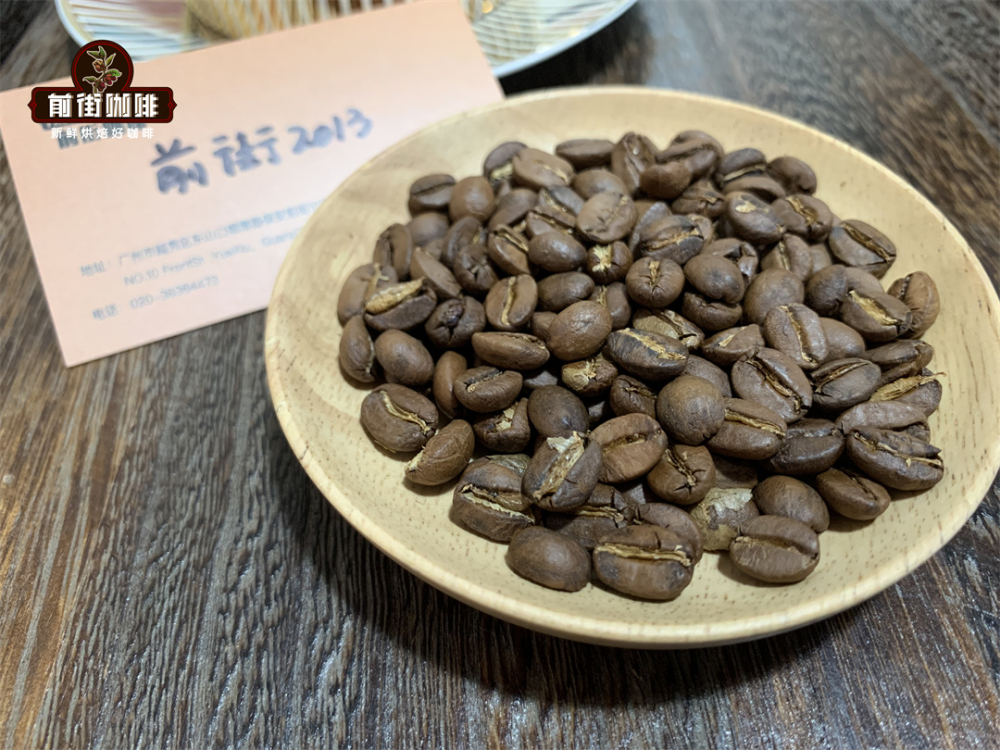
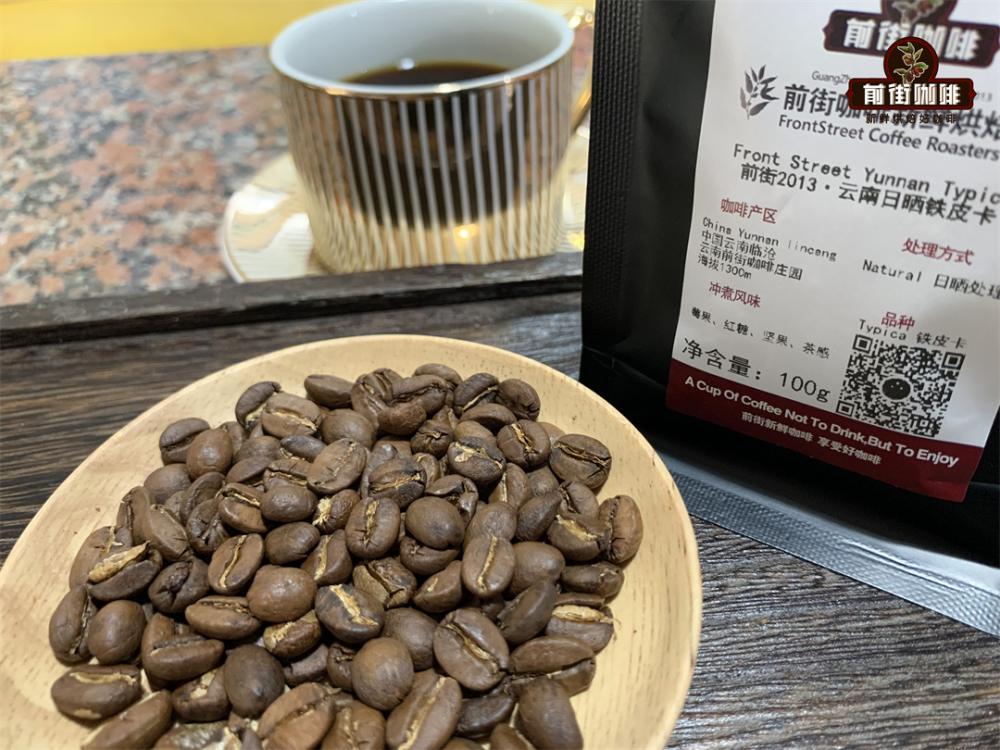
In the primeval forests near the Myanmar border in Yunnan's Lincang region, FrontStreet Coffee operates its own coffee plantation. Since 2013, FrontStreet Coffee has been cultivating coffee in Yunnan, growing the excellent Typica variety. Through years of harvesting mature cherries, the cup quality has improved year by year. The overall profile — brown sugar sweetness, rich chocolate body, and a clean, clear mouthfeel — has been highly praised by coffee enthusiasts, and it has genuinely refreshed their perception of what Yunnan beans can be.
Current Yunnan Coffee Varieties
Today, the main varieties capable of mass production in Yunnan are Catimor, Typica, and Bourbon, although the bulk of Yunnan's output still consists of Catimor. The overall profile of Yunnan coffee is mellow and aromatic without bitterness, marked by notes of nuts and brown sugar and a rich fragrance. Because of the Catimor variety, the cup can also carry slight woody notes.
Yunnan Typica Coffee
The cultivation of Yunnan Typica traces back to 1904, when French missionary Father Tientcheu successfully grew coffee in Zhukula, Bingchuan County. This was the beginning of Yunnan coffee — a variety generally called small-seed coffee, known domestically as Yunnan small-seed coffee.
After 1930, the renowned overseas Chinese leader Mr. Liang Jinshan brought coffee to Pu Piao and Luoming for cultivation, and planting continued up to the founding of New China. After 1952, large-scale cultivation began in areas like Lujiang, giving Yunnan nearly 60 years of large-scale planting history to date. Much of the Yunnan Typica we taste today originates from plantings started in this period. As mentioned above, FrontStreet Coffee planted its Typica in 2013, and the resulting flavors have been excellent.
Yunnan Catimor Coffee
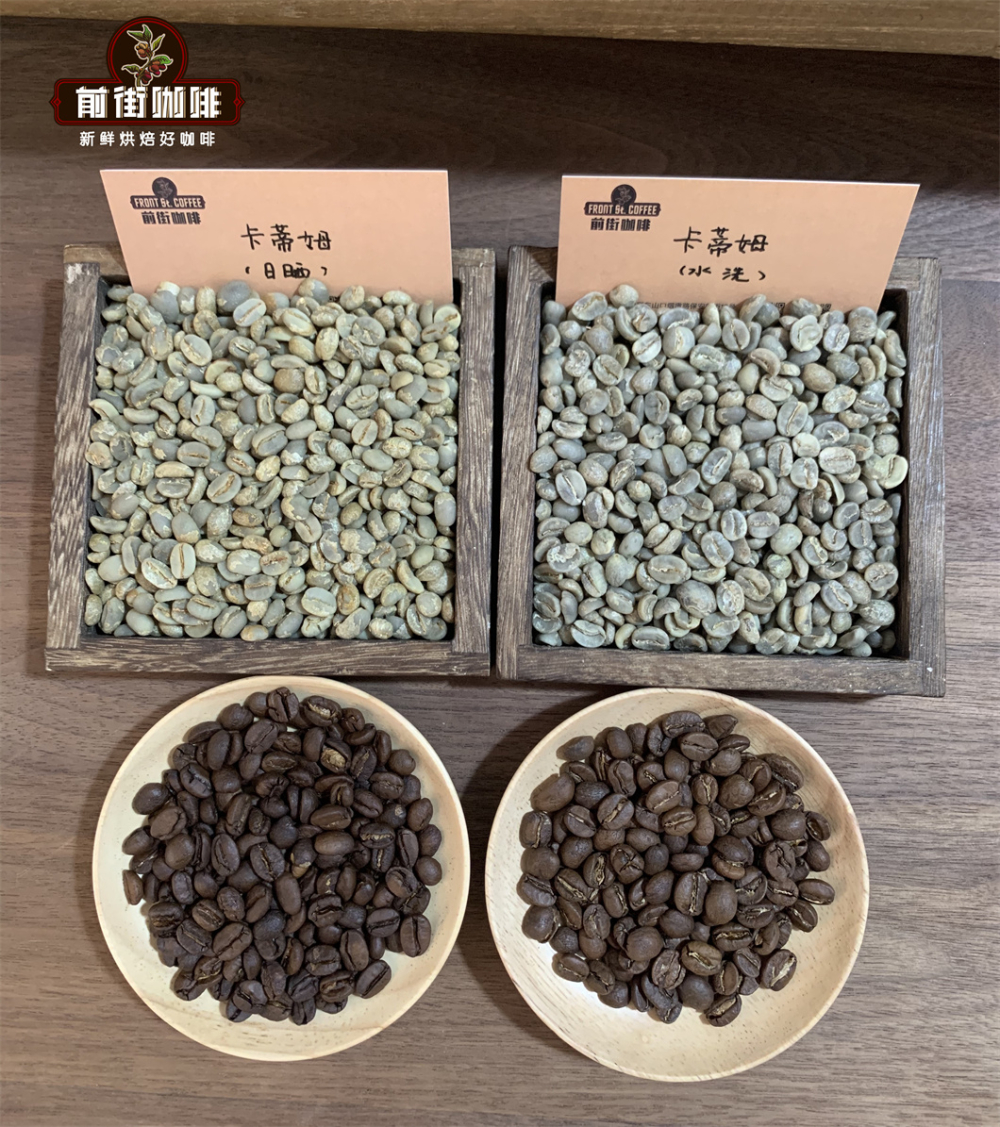
In 1959, Portuguese growers moved Caturra — a Bourbon mutant — from Brazil to East Timor, where it was crossed with the Timor Hybrid (which carries Robusta genetic material), creating the highly disease-resistant and productive Catimor variety. As leaf rust plagued coffee-producing countries worldwide, various nations promoted Catimor extensively with international assistance to resist rust and raise production.
Starting in 1992, Nestlé established a coffee agriculture department specifically to guide and research the improvement and cultivation of Yunnan coffee, introducing the high-yield, disease-resistant Catimor and purchasing coffee at prices based on the U.S. spot market. Catimor is not purely Arabica descent: it is a hybrid between the Timor Hybrid (an Arabica-Robusta cross) and Caturra (a Bourbon variant), which means Catimor carries 25% Robusta genetic material. That Robusta heritage explains its flavor shortcomings — less complex aroma, a predominantly bitter taste, and tendencies toward astringency and stimulating musty flavors.
Yunnan Bourbon Coffee
In 1952, experts from the Yunnan Academy of Agricultural Sciences distributed 80kg of coffee seeds (Typica and Bourbon) to farmers in Baoshan's Lujiangba. Several years later, they provided large-scale cultivation guidance, leading to the swaying coffee trees along the Burma Road. Driven by the huge demand for supply to the Soviet Union, Yunnan's coffee cultivation developed rapidly. In Professor Ma Xijin's 1981 survey of the ancient coffee forest in Zhugula Village, Typica accounted for 31% and Bourbon for 69%.
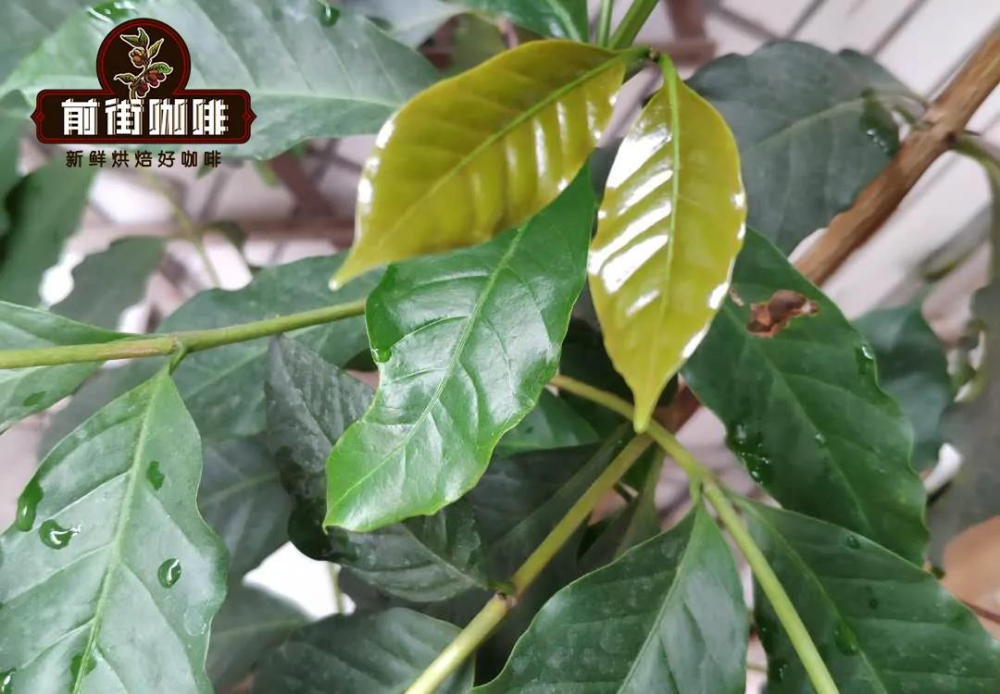
Bourbon is a natural mutation of Typica, traceable to the round-bean Mocha coffee of Yemen, which was expanded after being planted by the French in 1708 on Bourbon Island (now Réunion). Bourbon also offers excellent aroma and rich flavors, with higher yield and vigor than Typica, and is suitable for cultivation at altitudes of 1200-2000 meters. Its trade-offs are weaker disease and pest resistance and greater sensitivity to strong winds and heavy rainfall. Bourbon is the second-best variant after Typica among small-seed coffees. Its main branches initially grow upward at a 45-degree angle from the trunk, drooping as fruit loads increase. Lateral branch nodes are denser, producing more fruit and higher yields, though the berries are smaller and mature more slowly. Bourbon's terminal buds and young leaves are green, which earned it the name "green-topped coffee."
Yunnan Coffee Grading System
International Common Grading Standards:
Coffee beans are graded by size using round-hole grading screens. The international standard for small-seed coffee ranges from grades 10-20, where the number represents a fraction with that number as the numerator and 64 as the denominator, measured in inches. For example: grade 14 refers to green beans that pass through a screen with 14/64-inch diameter holes, while grade 19 refers to beans that pass a screen with 19/64-inch holes. (1 inch ≈ 2.54 cm)
Domestic Coffee Common Grading Standards:
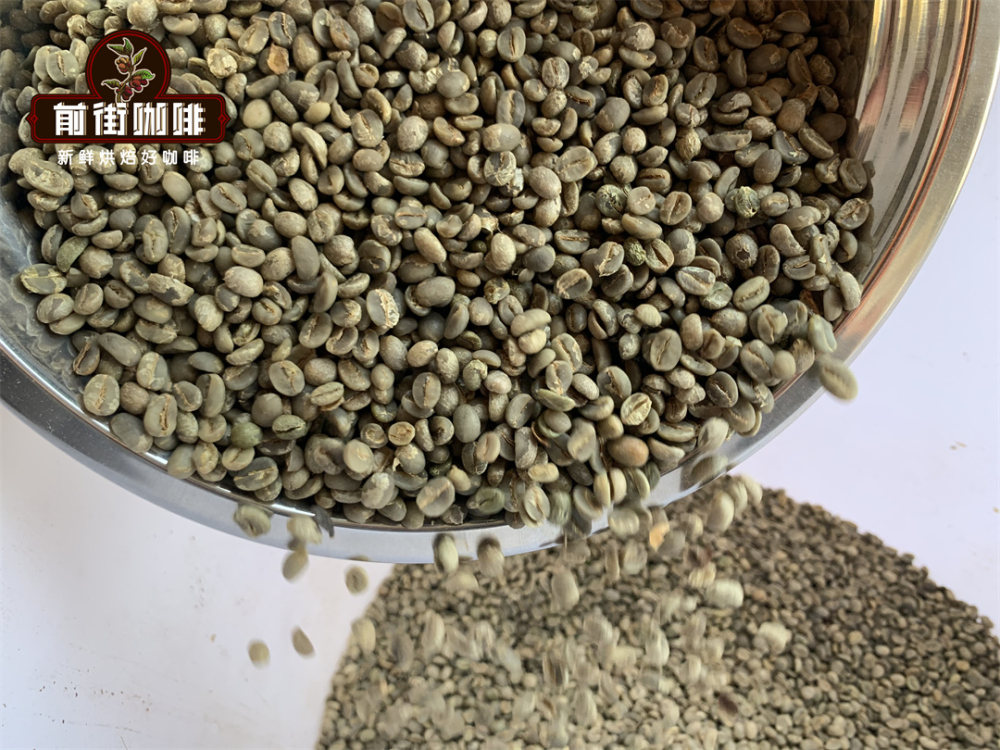
The domestic system divides beans into five levels based on screen hole diameters of 6.5, 6.0, 5.5, and 5.0 mm.
- Grade 1: Above 6.5mm, plump and complete beans.
- Grade 2: 6.0-6.4mm, plump and relatively uniform.
- Grade 3: 5.3-5.9mm, relatively plump, slightly less uniform.
- Grade 4: 5.0-5.4mm, with some incomplete beans; complete beans account for over 75%.
- Grade 5: Below 5.0mm, with incomplete beans; complete beans account for over 30%.
FrontStreet Coffee's own plantation beans, the FrontStreet 2013, are graded according to the domestic common standards and meet Grade 1, reaching 17-18 mesh or above.
Yunnan Coffee Growth Period
Yunnan small-seed coffee begins bearing fruit after 3-4 years of growth. FrontStreet Coffee's own plantation Typica, planted in 2013, did not produce cherries until 2019. Coffee is a short-daylight plant characterized by multiple flowering periods and concentrated blooming. Small-seed coffee in Yunnan flowers from February to July, with peak blooming from March to May. Flowering is strongly influenced by climate, particularly rainfall and temperature. Coffee flowers have a short lifespan of only 2-3 days. Small-seed coffee typically begins blooming between 3-5 AM and reaches full bloom from 5-7 AM.

Coffee fruit development takes a long time. Small-seed cherries typically need 8-10 months to mature, generally ripening between October and December of the same year. Rainfall significantly affects fruit development, and climatic conditions directly influence maturation.
Yunnan Coffee Brewing Flavors
Small-seed coffee is typically processed using the washed method, although FrontStreet Coffee also offers natural processed Yunnan beans. Here is how FrontStreet Coffee brews washed Yunnan small-seed beans, and the flavors they present.

FrontStreet Coffee Brewing Suggestions
Each bag of specialty coffee from FrontStreet Coffee comes with detailed information and suggested brewing parameters. The recommendation is to use those reference parameters to maintain a bowl shape with the coffee grounds for full extraction. If the water level runs higher than the coffee bed, some water will simply flow down along the dripper wall; if the level is too low, some grounds will not participate in extraction, leaving the cup weak.
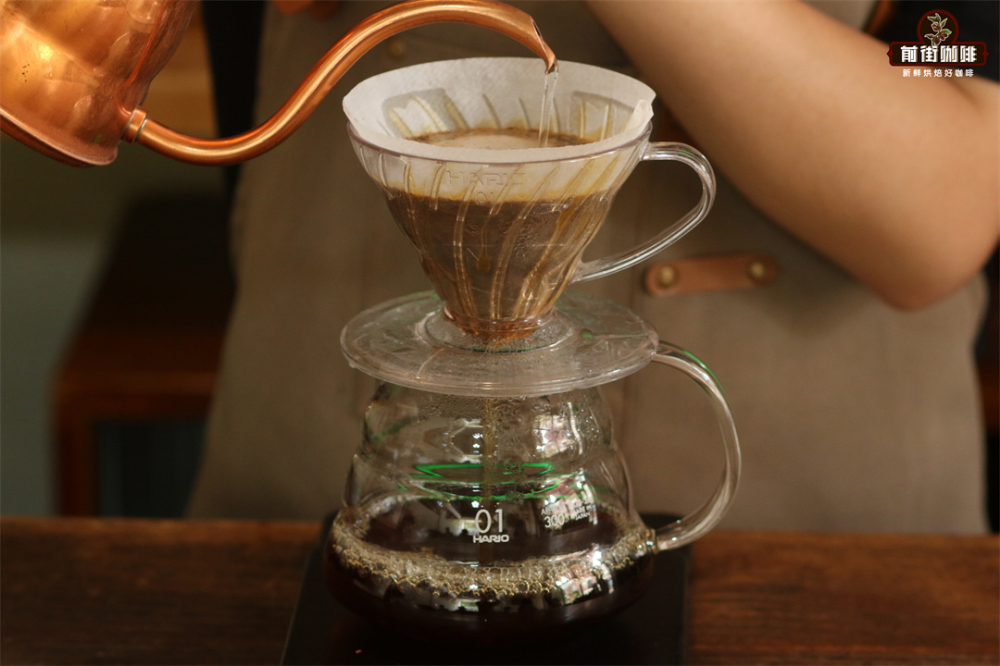
Filter cup: V60 Water temperature: 88-89°C Dose: 15g Ratio: 1:15 Grind: Medium-fine (80% pass-through rate on China standard #20 sieve)

Brewing method: Three-stage extraction. Bloom with 30g of water for 30 seconds. Using a small water flow, pour in circles to 125g, then pause. When the water level drops to just expose the coffee bed, continue pouring to 225g and stop. Once the level again drops to just expose the bed, remove the dripper. (Timing starts from the bloom.) Extraction time is 2'00".
Brewed on a V60, Yunnan small-seed coffee finishes with plum acidity, melon fruits, cream, and black tea. Overall the mouthfeel is smooth, with bright fruit acidity, a tea-like finish, and a gentle hint of fruit sourness.
FrontStreet Coffee Recommendation
Want to taste Yunnan for yourself? FrontStreet Yunnan Small-Seed from Baoshan is the ideal entry point: washed processed and medium roasted, it opens with soft nutty and chocolate aromas and a light plum acidity at a friendly price. For a clearer expression of the region, choose the FrontStreet 2013 Yunnan Natural Typica from our own plantation — fully ripe red cherries, natural processed, medium roasted for balance, revealing dark berry tones, caramel sweetness, chocolate, and a touch of dried apricot, finishing with black tea. For espresso drinkers, the FrontStreet Black Cocoa Blend combines Yunnan small-seed with Brazil Cerrado: nutty and balanced as an Americano, with almond-and-cream smoothness in a latte.
Important Notice :
FrontStreet Coffee is a long-established specialty coffee roaster in Guangzhou China, selling freshly roasted beans from its own farm in Yunnan as well as dozens of carefully selected single-origin beans from around the world for both pour-over and espresso. The products deliver consistently excellent quality and great value, with shipping within 24 hours. Guangzhou's FrontStreet Coffee shop is recommended by many coffee lovers, and the beans are now available online at the Tmall 。
FrontStreet Coffee has moved to a new address:
FrontStreet Coffee Address: 315,Donghua East Road,GuangZhou
Tel:020 38364473
 Scan and follow the En Gafei WeChat official account. Please indicate that the reprint comes from "En Gafei".