What are the main coffee brewing methods? Three-stage pour-over extraction is easy to learn and understand
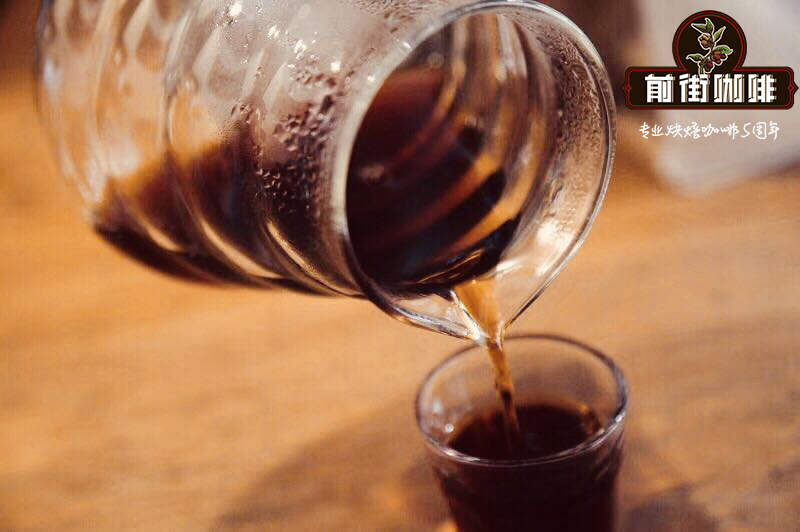
What Are the Main Coffee Brewing Methods? Three-Stage Pour-Over Extraction, Easy to Learn
The main ways to brew coffee: AeroPress, moka pot, pour-over, and espresso.
For me the most important reason to pour-over is, of course, the taste! Just hot water extracting the wonderful compounds from the beans, nothing else added, this simple, direct method makes it easier to taste the coffee itself. The ever-changing flavors that different varieties, origins, and processes bring are why pour-over has captivated more and more people.
A good pour-over is clean and balanced, layered and distinct, letting you appreciate each bean's personality. African beans bring acidity as dazzling as the sunshine back home; Indonesian beans bring rich aroma and low acidity. Put simply, once you master the coffee-to-water ratio and keep your pour steady, strength, bitterness, and acidity are all in the hands of whoever is brewing.
The Three-Pour Technique
This is segmented extraction, an extension of the single-pour method in which one dose of water is divided into three injections.
The results differ from a single pour. First, it reduces the instability of water running straight down the filter paper's edge. Second, splitting the water into stages clearly separates the flavors of the front, middle, and back of the extraction, giving you room to adjust as you go.
After the bloom, increase the water volume with each pour. Usually you inject again just as the retained liquid is about to drop to the level of the coffee bed, using a small, then medium, then larger flow for the three stages, though in practice you adjust to how the grounds are behaving.
The point of the method is segmentation: it makes it easier to gauge how much aromatic material remains to be extracted, and it builds richer layers than a single pour. The trade-off is that it demands better control of flow rate and water volume.
Knowledge Point
Richer in layers than the single-pour method, the three-pour technique clearly separates the coffee's front, middle, and back flavors. After blooming, increase the water volume each pour, injecting again when the liquid is about to reach the surface of the coffee bed, with small, medium, and large flows for the three stages.
FrontStreet Coffee Recommendation
If you drink coffee, you've almost certainly had Indonesian coffee. The archipelago's best growing regions are Java, Sumatra, and Sulawesi, which anchor its three flagship coffees: Mandheling from Sumatra, moderately acidic with an intensely heavy aroma; Java coffee, an Arabica from Java island; and Sulawesi coffee, full-bodied beans with a rich fragrance. Robusta accounts for 90% of total output.
Start your Indonesian journey with FrontStreet Mandheling, the name refers to Arabica coffee from Sumatra, mostly processed with the local wet-hulled (giling basah) method. Because the beans are hulled while still half-dry, the green coffee dries fully exposed to the air, which gives it the classic woody, herbal, and spice notes. FrontStreet's Mandheling comes from the Lintong region around Lake Toba; roasted medium-dark for that classic profile, it is low in acid and full-bodied, with rich notes of caramel, dark chocolate, and toasted bread and a long sweet finish, perfect for anyone who likes their coffee bold.
For top-shelf Indonesian, go for FrontStreet PWN Golden Mandheling. PWN is a trading company that buys up the finest local Mandheling lots and sells only specialty-grade coffee, with Golden Mandheling as its flagship. Its selection standards are strict, screening for bean density, size, shape, and color, with machine sorting plus hand sorting to remove defects so the beans come out whole, even, large, and translucent, and with less of Mandheling's earthy, grassy edge. Legend says the beans gleam golden in the sun, hence the name. Freshly roasted, FrontStreet PWN Golden Mandheling offers sandalwood, herbal, spice, roasted hazelnut, caramel, and dark chocolate notes, clean, mellow, aromatic, and wonderfully layered, a treat for yourself or a gift for friends.
Back in the days before light-roast acidity took over, Mandheling was considered the world's richest, most aromatic coffee and often went into espresso blends. The classic Mandeling-Brazil blend was a Taiwanese roaster's formula from that era, pairing Mandheling's wild character with Brazil's smooth body, the nutty sweetness tempering Mandheling's stronger bitterness and herbal bite, a combination so popular it's still around today. FrontStreet's Classic Espresso Blend builds on that idea, adding a small amount of Robusta and roasting dark to maximize the black chocolate, nut, and caramel aromas and produce the rich golden crema a proper Mandeling-Brazil cup needs. Even a complete beginner can pull an authentic Mandheling-style shot with it.
Important Notice :
FrontStreet Coffee is a long-established specialty coffee roaster in Guangzhou China, selling freshly roasted beans from its own farm in Yunnan as well as dozens of carefully selected single-origin beans from around the world for both pour-over and espresso. The products deliver consistently excellent quality and great value, with shipping within 24 hours. Guangzhou's FrontStreet Coffee shop is recommended by many coffee lovers, and the beans are now available online at the Tmall 。
FrontStreet Coffee has moved to a new address:
FrontStreet Coffee Address: 315,Donghua East Road,GuangZhou
Tel:020 38364473
 Scan and follow the En Gafei WeChat official account. Please indicate that the reprint comes from "En Gafei".