Introduction to Brewing Methods for Coffee Grounds: Pour-Over vs. Espresso Coffee
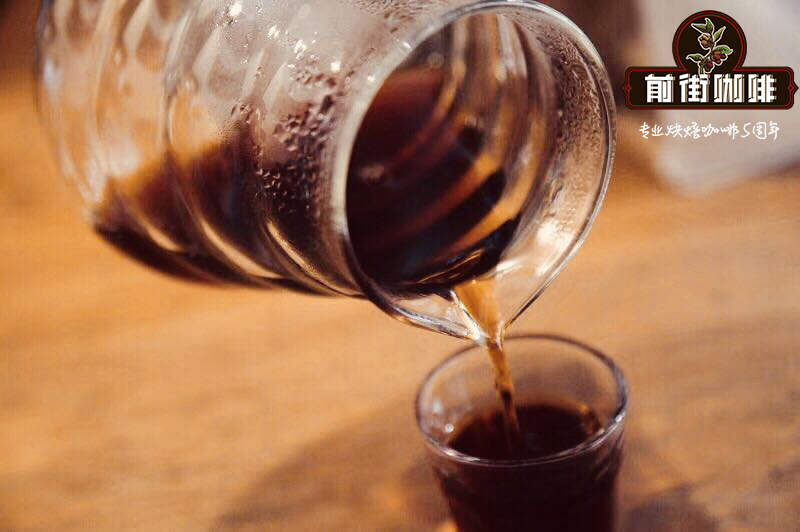
Pour-Over and Espresso: Two Ways to Brew Coffee
Espresso, as the name suggests, was born in Italy and means "brewed for you on the spot." It is a method that forces water through coffee grounds under high pressure in a very short time, producing a small, intense, and aromatic cup. Drinks such as lattes, cappuccinos, and Americanos all belong to the espresso family because they are built on a shot of espresso.
Although espresso originated in Italy, its worldwide popularity was actually driven by an American coffee company, the well-known Starbucks.
For many people, their first taste of freshly ground coffee came from Starbucks, and that was true for me as well. I remember preparing carefully before my first visit, reading endless guides covering every confusing option, espresso, macchiato, Americano, latte, grande, venti, tall, before I dared to order my first fresh espresso. At the time I found it shockingly bitter, not even as good as instant coffee.
The Essence of Pour-Over: Extraction and Filtration
Pour-over works on a simple principle. Coffee grounds sit in filter paper or a filter screen, and hot water between 85 and 94 degrees Celsius is poured over them at normal pressure. The coffee liquid is then extracted through natural gravity drip filtration.
As an extraction method, its scientific name is drip brewing. It was invented in 1908 by a German woman named Mellita, who also invented the coffee filter paper that still carries the German brand name Mellita. This method separates the coffee liquid from the grounds, but it raised a new problem: the filter paper needed something to hold it so that grounds and liquid could be separated cleanly. The device that holds the filter paper and the grounds is what we call a dripper.
With nothing more than simple equipment and hot water, you can draw the wonderful compounds out of coffee beans without adding anything along the way. Because the method is so simple and direct, it makes the coffee itself easier to taste. The endless variety of flavors that different varieties, origins, seasons, and processing methods bring to the cup is what makes pour-over so fascinating.
A good pour-over should be clean, layered, and clearly defined in flavor. In it you can fully sense the individual character of beans from different origins. African beans carry a bright acidity like the sunshine of Central Africa, while beans from Asian regions offer a mellow aroma and low acidity, much like the Asian cultures shaped by Han tradition, modest and profound.
Beyond the cup, well-made pour-over equipment carries a strong sense of design. Drippers of every shape and material are a pleasure simply to look at.
Knowledge Point
Unlike the French press, siphon, and espresso methods many of us know, pour-over also stands out for how easy it is to prepare and clean up.
FrontStreet Coffee Recommendation
If pour-over is where you want to start, the beans that show the method off best are the lighter, fruit-forward ones. FrontStreet Coffee's Ethiopia Yirgacheffe Gudingding is a natural first stop: it carries bright citrus, berry, and floral notes with a green-tea sweetness on the finish, and its acidity is soft and bright, more like the natural tartness of fruit than anything sharp. Its fellow Ethiopian, Hualkui, takes the same origin in a more tropical direction, with strawberry, passion fruit, jackfruit, and even lychee aromas and a juicy, low-bitterness body that many drinkers describe as the least coffee-like coffee they have tasted.
The Kenya Little Tomato is a washed Kenyan single origin from the Sika region, grown at 1,550-1,750 m from the SL28 and SL34 varieties. It undergoes a 72-hour double washed fermentation and is roasted light, giving dried cherry tomato, smoked plum, and floral notes over a full, juice-like body, with pear and black plum mid-palate and a clean cane sugar and green tea finish. At the opposite end, fuller beans such as the PWN Golden Mandheling from Sumatra and the Brazil Queen's Farm suit anyone who prefers a mellow, low-acid cup.
The Hario V60 is the natural partner for coffees like these. Hario has been making glassware in Tokyo since 1921, and the V60 was redesigned in 2004 around its distinctive 60-degree cone and single large hole, which lets the brewer control the flow and, in turn, the flavor. FrontStreet Coffee favors the resin version because it holds heat well and is molded to tight tolerances. Pour in stages, keep the flow steady and circular, and let the light roasts show their floral and fruity side.
Important Notice :
FrontStreet Coffee is a long-established specialty coffee roaster in Guangzhou China, selling freshly roasted beans from its own farm in Yunnan as well as dozens of carefully selected single-origin beans from around the world for both pour-over and espresso. The products deliver consistently excellent quality and great value, with shipping within 24 hours. Guangzhou's FrontStreet Coffee shop is recommended by many coffee lovers, and the beans are now available online at the Tmall 。
FrontStreet Coffee has moved to a new address:
FrontStreet Coffee Address: 315,Donghua East Road,GuangZhou
Tel:020 38364473
 Scan and follow the En Gafei WeChat official account. Please indicate that the reprint comes from "En Gafei".