Popular Coffee Brewing Methods: What is Pour-Over Coffee and Why It's Hand-Brewed
Professional Coffee Knowledge Exchange
FrontStreet Coffee's guide to what pour-over coffee is and why it is brewed by hand.
FrontStreet Coffee: An Introduction to Pour-Over Coffee
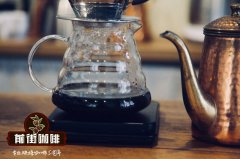
Pour-over, as an extraction method, is scientifically known as the "drip brewing method." It was invented in 1908 by a German lady named Melitta — whose name lives on in the well-known German filter paper brand. The extraction principle: coffee grounds are placed in filter paper or a filter screen, hot water at 85-94°C is poured over them at normal atmospheric pressure, and gravity does the rest, pulling the coffee liquid through as a natural drip extraction. Common pour-over equipment includes the V60 dripper, a coffee grinder, a pour-over kettle, an electronic scale, and a digital thermometer.
Pour-over coffee tests your grind size, your water flow, your water temperature, your coffee-to-water ratio, and your pouring technique — in short, it means controlling every aspect of the brew. The main schools of pour-over are the American method and the Japanese method. The American style is as simple and direct as its cowboys: large water flows, strong pouring columns, a fine grind, and agitation to quickly extract the coffee's flavor substances.
Japanese brewing, by contrast, abounds in techniques — volcano pours, single-stream and double-stream pours, the Matsuya method, and various drop-by-drop approaches — together with trapezoidal, cake-shaped, and flannel filters, lower water temperatures, and even sifting out fines.
Different brewing methods produce different tastes, and each school has its own character — that is the unique charm of pour-over coffee. If you want a good cup, the many personalized small coffee shops are a natural choice, but experimenting at home with your own equipment in your leisure time is just as rewarding.
Pour-over coffee mostly uses single-origin beans, or strongly flavored blends, because drip extraction best restores a bean's original flavor. "Single origin," as the name suggests, means unblended coffee from one growing area or estate, processed one way — the "natural Yirgacheffe," "washed Huila Colombia," and "natural Brazil FC" you hear about are all single-origin names, usually indicating the beans' region, estate, or washing station and their processing method.
Knowledge Point:
Unlike the French press, siphon, and espresso we know, pour-over also wins on ease of brewing and cleanup.
In Summary:
FrontStreet Coffee is a dedicated coffee research hall, happy to share coffee knowledge with everyone, without reservation, to help more friends fall in love with coffee — a mission we have carried for 6 years.
FrontStreet Coffee Recommendation
For your own pour-over setup, the V60 dripper is the classic starting point — ask any experienced brewer and that is the filter they will hand you. Redesigned in 2004 by Hario, the Tokyo glassmaker founded in 1921, its 60-degree cone forces the water to flow through the center, extending contact time for fuller extraction, while its single large outlet makes the flow rate a direct reflection of your pouring skill. We favor the resin version: it holds heat well and, being mass-produced to tight tolerances, delivers the most consistent extraction.
As for beans, floral-fruity coffees shine in a V60: the washed Yirgacheffe Guodingding with its clean lemon-citrus character, the natural Ethiopia Huakui loaded with tropical fruit, the Geisha-based Strawberry Candy, and the raisin-toned Costa Rica Mozart. If you lean toward the classic, heavier style of the pre-third-wave era — chocolate, maple, nuts, vanilla — our FrontStreet Blue Mountain No.1 and PWN Golden Mandheling are the timeless masters of that mellow, high-sweetness expression, and they still brew beautifully through a flannel or trapezoidal filter in the Japanese tradition.
Important Notice :
FrontStreet Coffee is a long-established specialty coffee roaster in Guangzhou China, selling freshly roasted beans from its own farm in Yunnan as well as dozens of carefully selected single-origin beans from around the world for both pour-over and espresso. The products deliver consistently excellent quality and great value, with shipping within 24 hours. Guangzhou's FrontStreet Coffee shop is recommended by many coffee lovers, and the beans are now available online at the Tmall 。
FrontStreet Coffee has moved to a new address:
FrontStreet Coffee Address: 315,Donghua East Road,GuangZhou
Tel:020 38364473
 Scan and follow the En Gafei WeChat official account. Please indicate that the reprint comes from "En Gafei".