Understanding Single-Origin Coffee Beans: Surprising Insights About the Differences Between Single-Origin and Blended Coffee

In some coffee shops there's a particular choice known as SOE. SOE stands for Single Origin Espresso. Many specialty coffee shops create the misconception that single-origin beans are superior to espresso blends. Some customers who visit FrontStreet Coffee's physical stores want to experience the flavors of a single-origin espresso, only to learn that FrontStreet Coffee doesn't offer SOE.
As we all know, each single-origin pour-over coffee has its own unique flavor characteristics. African beans, for instance, are renowned for their prominent citrus and berry acidity. When carefully roasted and brewed with appropriate parameters, these African pour-over beans will reveal their true flavors.
Understanding Espresso Making Principles
Before understanding SOE, FrontStreet Coffee needs to explain the principles of making espresso. When watching a coffee shop's barista prepare milk-based coffee, you'll often witness this scene: quickly loading coffee grounds into the portafilter, distributing them evenly, tamping, brewing—and then an espresso base is ready.

This process involves multiple factors: grinding the beans extremely fine into coffee powder, leveling the portafilter, attaching it to the brew head and turning on the brewing switch. The espresso machine uses high pressure of 9 bars to force near-boiling hot water through the compact coffee puck, and rich, viscous coffee liquid drips out.
As long as the extraction parameters are within the appropriate range, the resulting liquid will naturally carry all the ideal water-soluble substances from the beans into the espresso. Because the flavors are concentrated, however, most people choose to dilute it with milk or water.
Single-Origin vs. Blended Coffee
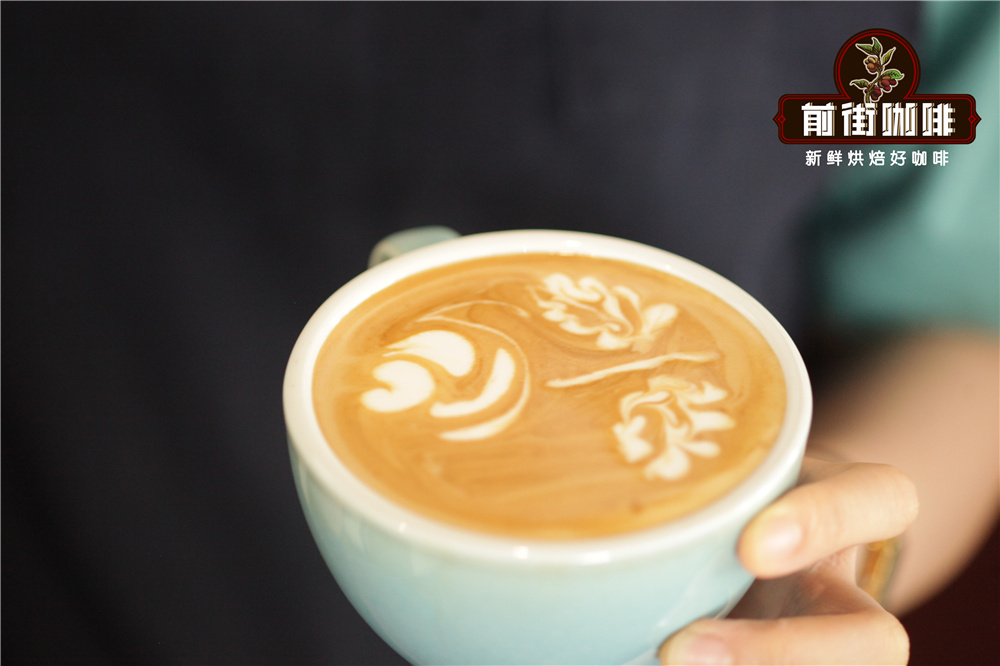
Single-origin coffee beans are beans from a single region and variety. With the third wave of specialty coffee, more and more coffee shops are offering single-origin coffee. The most important thing about single-origin coffee is traceability, letting coffee lovers know that this high-quality coffee comes from a specific unique region or estate, and even which variety. These beans carry distinctive, highly recognizable flavors from their origin, region and variety. It is precisely the third wave of coffee—with its emphasis on brewing methods and origin flavors—that has made single-origin coffee more popular. Single-origin beans are generally suited to pour-over, cold drip and cold brew.
As mentioned earlier, the hallmark of single-origin beans is their ability to present unique regional flavors. Take FrontStreet Coffee's Kenya beans and their berry acidity: if used to make SOE, both their good and bad flavors would be maximized, and the espresso might also produce unpleasant, sharp acidic notes.

FrontStreet Coffee's single-origin beans are roasted specifically for pour-over, to let customers better experience the beauty of the origins. When customers want to taste espresso at FrontStreet Coffee, the stores do not offer SOE, nor do they recommend using FrontStreet Coffee's pour-over beans as SOE beans. Instead, they use FrontStreet Coffee's Sunflower Warmth Espresso Blend.
Understanding Coffee Blends
Blended beans, also known as comprehensive beans, are created by mixing various single-origin coffees to fully use each variety's strengths while masking some flawed flavors. Blends combine beans from different origins to build a more balanced profile. For example, if one bean has a mild mouthfeel but lacks body, a bean with rich body can be added to complement it, creating a richer taste through complementary or enhanced flavors. Sometimes the beans are mixed before roasting, called raw blending; sometimes after roasting, called post-roast blending.
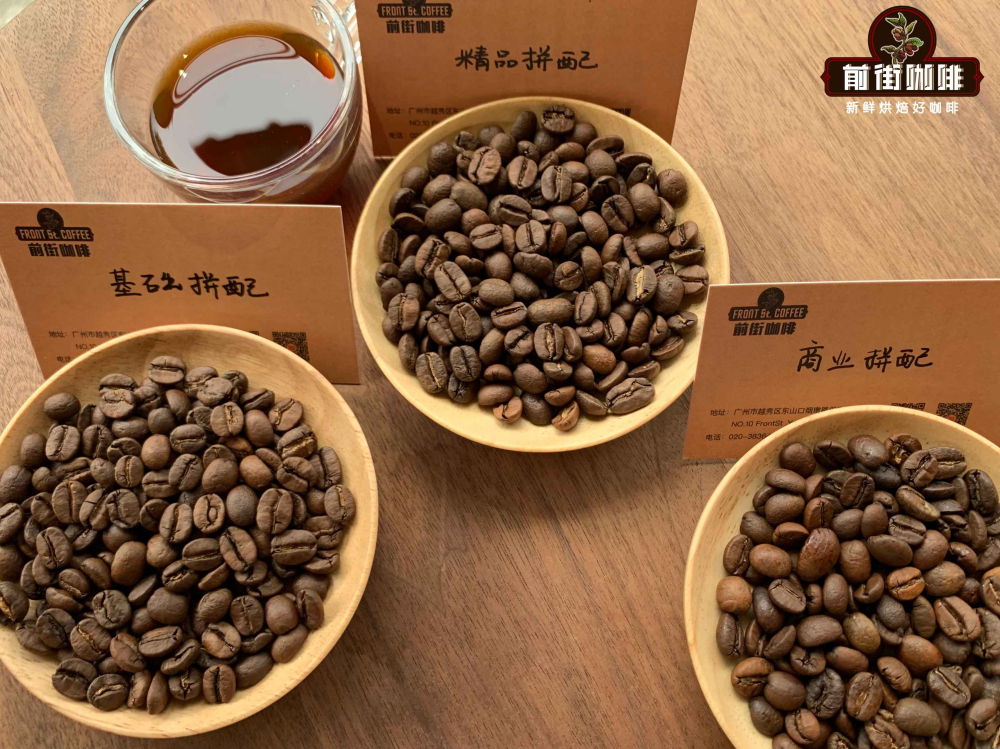
Whether raw blending or post-roast blending, before creating a blend one must understand the different flavors of coffee varieties from around the world, since beans have different characteristics based on origin. Different beans have different personalities due to variety and origin, with subtle differences in acidity, bitterness, sweetness, aroma and body. To create better blended products, roasters must not only be thoroughly familiar with the characteristics of the beans but also master high-level roasting techniques. That is why making a good blend is quite challenging.
General espresso beans are mostly used for espresso-based drinks such as espresso, Americano, latte or cappuccino. The flavor is more balanced, smoother and more consistent, making it more appealing to the general public.

FrontStreet Coffee's Special Blends
At FrontStreet Coffee's stores, you can experience a unique blend with whiskey aroma that is unmatched on the market—FrontStreet Coffee's Sunflower Warmth Blend. This special espresso blend is composed of two single-origin beans and suits both espresso and pour-over. Made as espresso, it tastes like chocolate; consumed as a single origin, it has bright fruit acidity, long-lasting wine notes and a persistent, pleasant aftertaste.

FrontStreet Coffee: FrontStreet Coffee Sunflower Warmth Blend Coffee Beans
Origins: Honduras & Ethiopia
Varieties: Caturra, Catuai, Pacas, Local Native Varieties
Processing Methods: Washed & Natural
This FrontStreet Coffee espresso blend carries a rich wine aroma because it includes 70% FrontStreet Coffee's Honduras Sherry coffee beans. After the cherries are picked, they immediately undergo washed processing, then are placed in sherry whiskey barrels for low-temperature fermentation for 30 to 40 days. Anyone who has tried various single-malt whiskies knows there are many types of aging barrels: wine barrels, port barrels, bourbon barrels and sherry barrels. Whiskey aged in different barrels takes on the flavor characteristics of those barrels, making each quite unique. Among them, sherry whiskey is the sweetest of all whiskey varieties. When coffee beans ferment in sherry whiskey barrels, the sherry whiskey aroma gradually penetrates into the raw beans over time, letting that enticing wine aroma appear in the final cup.

In addition, this FrontStreet Coffee espresso blend contains 30% FrontStreet Coffee's Ethiopia Natural Red Cherry, which provides berry acidity. When paired with milk, that berry acidity better highlights the sweetness of the milk. Even consumed directly as espresso, besides the rich wine aroma you can also taste berry and chocolate flavors, with a thick and smooth mouthfeel.
FrontStreet Coffee Recommendation
If this article has convinced you that single origins and blends each have their place, FrontStreet Coffee's lineup lets you taste both sides honestly. On the single-origin side, the washed Yirgacheffe is the classic entry point—bright citrus, lemon acidity and jasmine florals with a tea-like finish—while the Ethiopia Huakui is the fruit-forward star, full of strawberry, passion fruit, jackfruit and even lychee aromas with low bitterness and a juicy, smooth body. If you like the vivid berry acidity discussed above, FrontStreet Coffee's Kenya Small Tomato is a washed Kenyan with cherry tomato and dark plum notes, 72-hour double washed fermentation for clarity, and a sweet finish of yellow sugar and green tea. And for the pinnacle of the pour-over experience, FrontStreet Coffee's Panama Esmeralda Red Label Geisha shows jasmine, citrus, bergamot and black tea in a clean, transparent cup with a long finish. On the blend side, FrontStreet Coffee's Specialty Espresso Blend and Classic Blend are both designed for espresso and milk drinks: the Specialty Blend pairs Brazilian creaminess and nuttiness with Colombian dark chocolate bittersweetness for a rich, balanced latte base, while the Classic Blend layers medium-dark Mandheling—butter, roasted chestnut and caramel—over Brazilian nuttiness, with a touch of Robusta for a fuller crema. Used for pour-over or in an espresso machine, they show exactly why blend and single origin are not a contest but two different tools.
Important Notice :
FrontStreet Coffee is a long-established specialty coffee roaster in Guangzhou China, selling freshly roasted beans from its own farm in Yunnan as well as dozens of carefully selected single-origin beans from around the world for both pour-over and espresso. The products deliver consistently excellent quality and great value, with shipping within 24 hours. Guangzhou's FrontStreet Coffee shop is recommended by many coffee lovers, and the beans are now available online at the Tmall 。
FrontStreet Coffee has moved to a new address:
FrontStreet Coffee Address: 315,Donghua East Road,GuangZhou
Tel:020 38364473
 Scan and follow the En Gafei WeChat official account. Please indicate that the reprint comes from "En Gafei".