What is Cold Drip Coffee - Characteristics and Flavor Profile of Cold Drip Coffee - Differences Between Cold Drip and Cold Brew Coffee

Pour-over may be the most common way to brew coffee, but it demands attention to countless small details. Every so often, though, you want an iced coffee and that refreshing, effortless feeling that comes with it.
Hot-brewed coffee shifts in flavor as it cools, and brewed carelessly it can just as easily pull out undesirable flavors. Coffee brewed at low temperatures, by contrast, tends to taste cleaner and brighter, free of the harshness that high-temperature brewing can introduce.
What Is Cold Drip Coffee
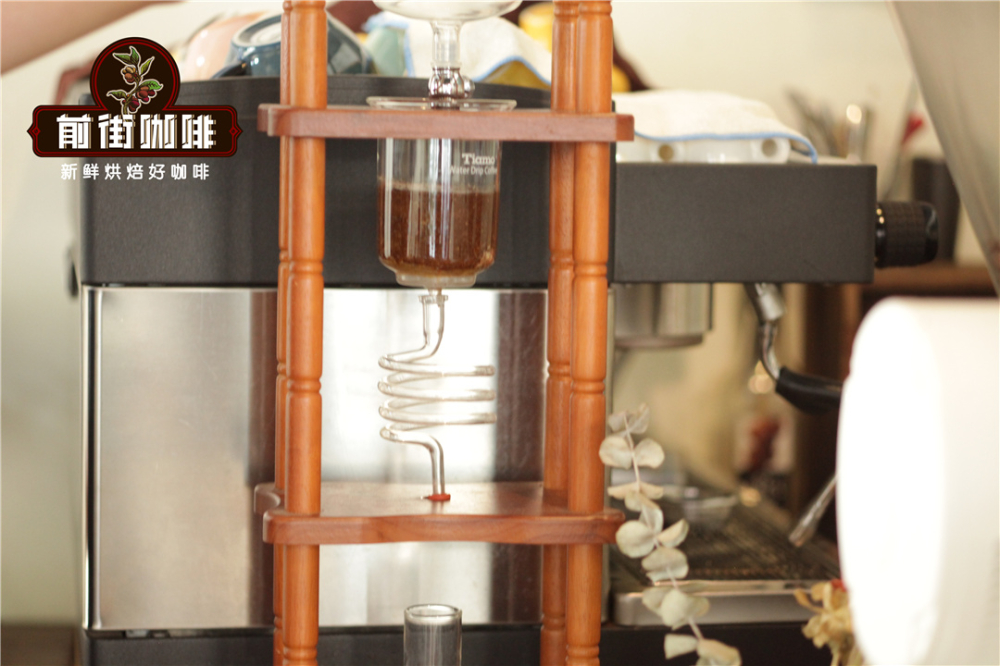
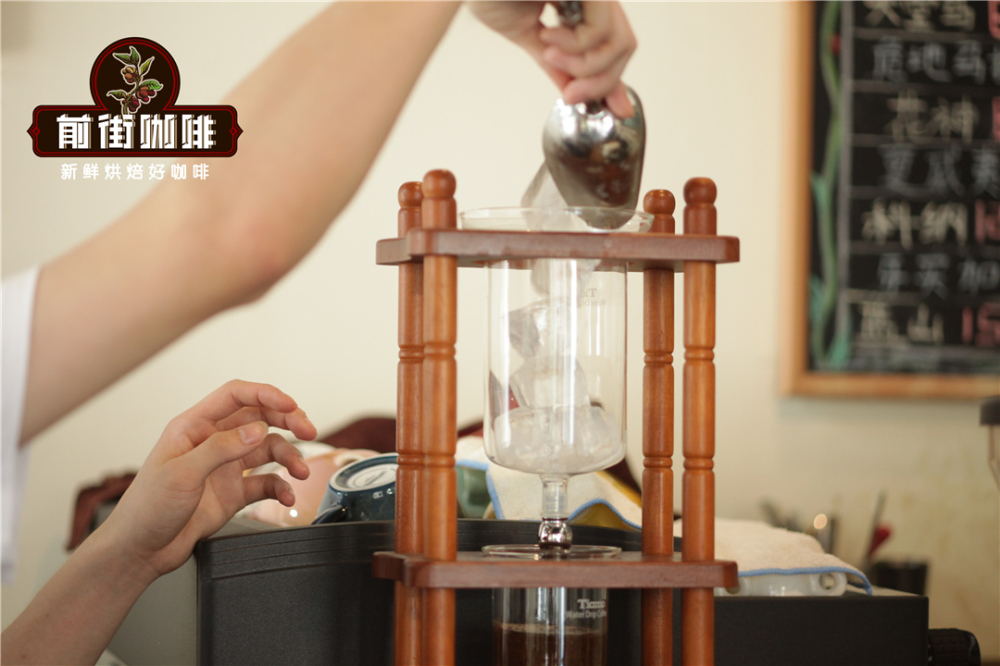
Cold drip coffee originated in Europe. Because the coffee distillation apparatus was invented by the Dutch, some people call it Dutch coffee, distilled coffee, or water-drop coffee. Cold drip exploits the natural affinity between coffee and water, using gravity to pull water through the grounds drop by drop over roughly 8 hours. It is coffee that brews over time, and water temperature shapes the flavor: at low temperatures the astringent compounds in coffee largely stay behind. Extracted slowly with ice water and then fermented briefly in the refrigerator, cold drip coffee picks up a subtle fermented aroma and a fuller body. One lovely trick: set it in the fridge overnight and drink it the next morning - a remarkably refreshing wake-up call.
Why does cold drip coffee keep so long without going bad?
Pour-over takes a few minutes; cold drip takes many hours. Yet pour-over coffee should be drunk almost immediately - hot-brewed coffee's shelf life is extremely short, and its flavor starts to fall apart after about 45 minutes. Cold drip coffee never undergoes heating, and its long extraction draws out many flavor molecules without fully releasing them. Once extraction finishes and the coffee sits in a sealed bottle in the refrigerator for 12-24 hours, the carbon dioxide pressure inside the bottle helps those flavor molecules release, which is why cold drip coffee grows more concentrated and rounded the longer it rests in the fridge.
Still, FrontStreet Coffee doesn't recommend keeping cold drip coffee for a week. With bacteria in the air and in the bottle itself, long storage is hard to guarantee. Drink cold drip within 72 hours - coffee held longer than that isn't worth saving, and drinking it does you no favors.
Cold drip has another advantage worth celebrating: it's a blessing for people with sensitive stomachs. Many such drinkers get stomach pain from regular coffee and give it up entirely. Cold drip coffee contains fewer of the irritating compounds found in hot-extracted coffee and less caffeine at the same concentration, making it a gentler choice.

Cold Brew Coffee
Cold brew is the immersion cousin: coffee grounds steeped in cold water for a long, slow extraction. The Dutch pioneered the method, and it later spread to Japan. Shipping coffee from their Indonesian colony back to Europe, the Dutch had no hot water aboard ship, so they brewed cold. People at the time assumed cold coffee was gentler on the stomach - what they didn't realize was that hot water extracts more acids from coffee, while cold brewing leaves much of that acidity behind.
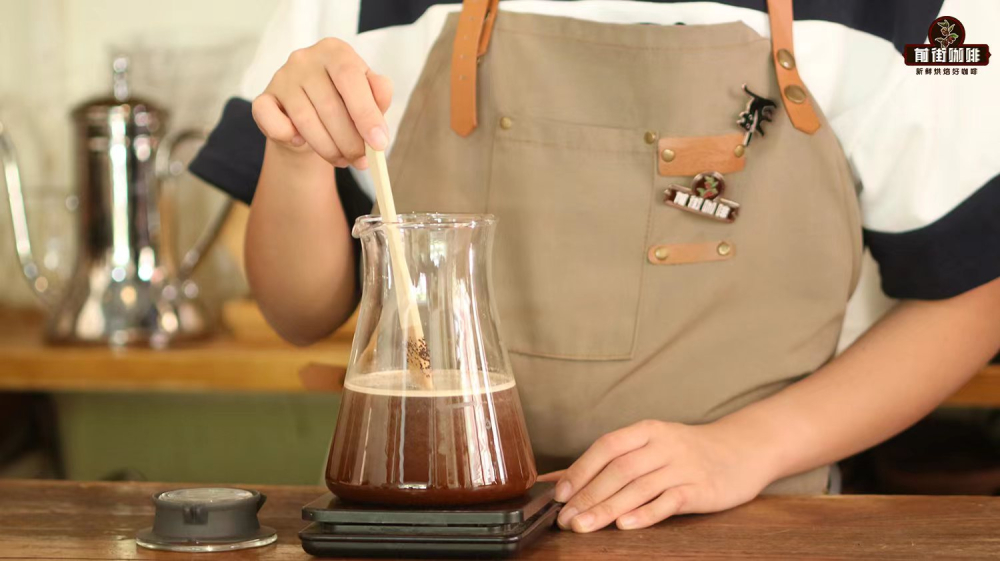
Cold brew is made with room-temperature or colder water, typically around 20-22°C. Because the water is cool, the process is long - usually 12-48 hours, even longer than cold drip. Cold water extracts only the small-molecule compounds, such as floral and fruity aromatics, while large-molecule flavors like smoke and roast barely make it into the cup, and acidity drops dramatically. The method's one great weakness is its weak extraction power, which is exactly why the water and grounds must stay in contact for so long.
Besides time, how else do cold drip and cold brew differ, if both use low-temperature water? And how do their flavors compare?
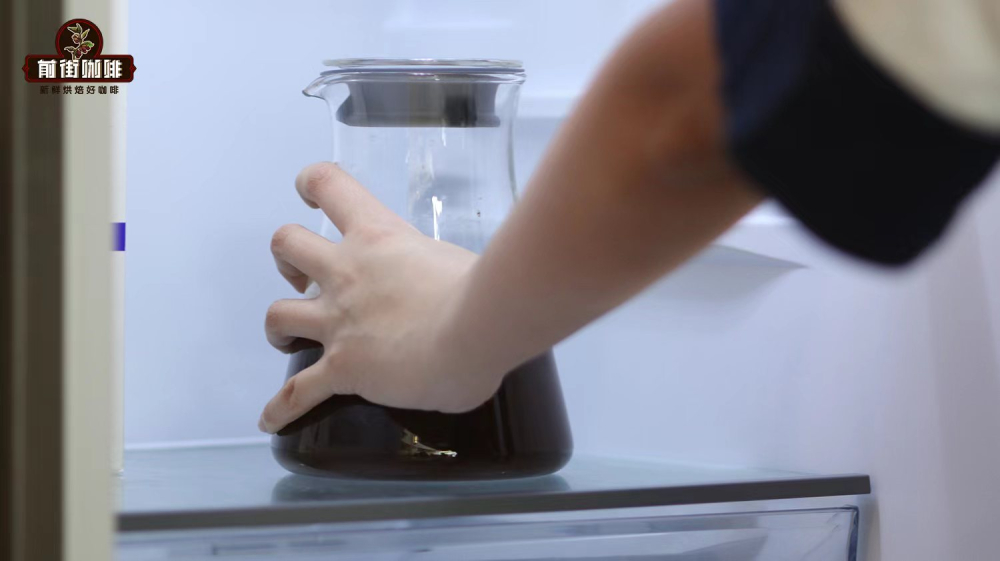
Theoretically, cold drip is a type of cold brew - with a few key differences:
1. Different Extraction Methods
Cold brew is immersion-style: grounds soak statically in cold water for 16-20 hours, then the liquid is filtered through filter paper. Cold drip is percolation-style: cold water drips slowly through the grounds and passes straight through the filter into the finished coffee.
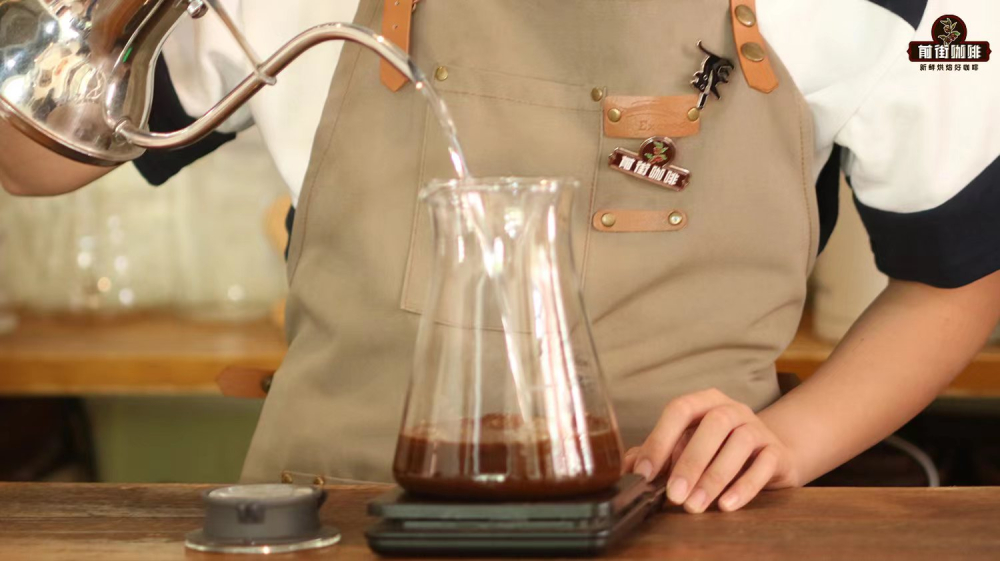
2. Different Flavors
Cold brew has a heavy body, almost like espresso, with intense flavors; unless you filter it several times, some sediment always remains. Cold drip has a very light body, close to tea, with exceptionally clean flavors that let florals and fruit shine, with little bitterness or acidity.
FrontStreet Coffee finds that the early, middle, and late fractions of a cold drip extraction taste completely different, giving the finished coffee a bright, layered freshness. Although cold drip takes only 5-8 hours to make, leave the finished coffee overnight in an odor-free refrigerator and it will develop unexpected aromatics.
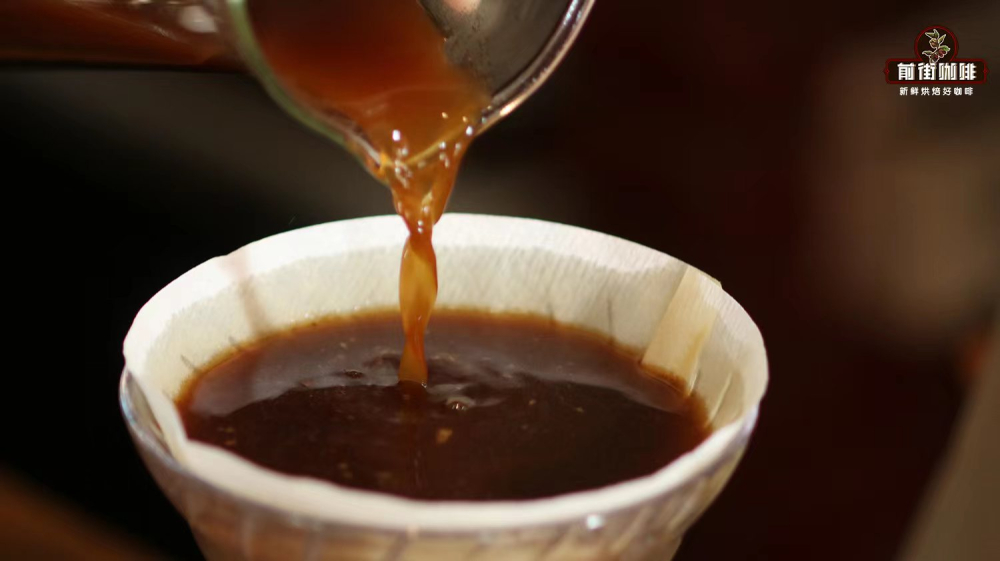
3. Different Equipment
Cold brew has minimal equipment needs, while cold drip calls for a dedicated cold drip tower. Which tastes better? Both are delicious in their own way - cold brew is more concentrated and intense; cold drip is brighter and more layered. It comes down to personal preference!

FrontStreet Coffee Brewing Recommendations:
Whatever the method, bean freshness is decisive. Fresh beans let you taste coffee's full spectrum of flavor, which is why every bag FrontStreet Coffee ships is roasted within 5 days. The resting period runs about 4-7 days, so beans arrive right at their flavor peak.

If you need your beans pre-ground, that's fine too - but ground coffee should be brewed promptly. Pre-ground coffee needs no resting period: during transit, the pressure of carbon dioxide building up in the packaging actually rounds out the flavor, so you can brew it the moment it arrives. Since ground coffee oxidizes fast in open air and its flavors dissipate quickly, it won't taste as good for long. Whole beans, ground fresh, will always show you more of what the coffee has to offer.
FrontStreet Coffee Recommendation
Bean choice makes or breaks cold brew and cold drip. Cold extraction mutes woody and roast flavors while amplifying florals and fruit, so light-to-medium roasts are the natural fit. If you want pronounced florals, FrontStreet Coffee's natural Haramoya (Hua Kui) is the standout: sun-dried in Ethiopia, it yields magnolia, cream strawberry, dried mango, guava, and black tea notes in cold brew.
For a full, juice-like cold brew, FrontStreet Coffee's Kenya Cherry Tomato is hard to beat - its cherry tomato, pear, black plum, and dried dark plum tones unfurl beautifully at low temperature, low in bitterness and endlessly refreshing over ice, thanks to SL28 and SL34 varieties processed with the local K72 double-wash fermentation. If you prefer an elegant, tea-like cold drip, the FrontStreet Strawberry Candy Geisha Blend - Panama Geisha married with Costa Rican honey coffee - turns into grape juice, rose, sweet orange, and fruit-wine flavors after a night of cold steeping.
And if you want budget-friendly florals, you can't go wrong with FrontStreet Coffee's washed Yirgacheffe Worka (Guodingding) Cooperative: clean citrus, jasmine, honey, and berry sweetness at an everyday price, happy in a cold brew bottle, a siphon, a French press, or a dripper alike.
Important Notice :
FrontStreet Coffee is a long-established specialty coffee roaster in Guangzhou China, selling freshly roasted beans from its own farm in Yunnan as well as dozens of carefully selected single-origin beans from around the world for both pour-over and espresso. The products deliver consistently excellent quality and great value, with shipping within 24 hours. Guangzhou's FrontStreet Coffee shop is recommended by many coffee lovers, and the beans are now available online at the Tmall 。
FrontStreet Coffee has moved to a new address:
FrontStreet Coffee Address: 315,Donghua East Road,GuangZhou
Tel:020 38364473
 Scan and follow the En Gafei WeChat official account. Please indicate that the reprint comes from "En Gafei".