Costa Rica Anaerobic Natural Process Yellow Catuai Cinnamon Fruit Wine Feature
Costa Rica Finca La Ortiga
Origin Information
Origin: Tarrazu
Estate: Finca La Ortiga
Variety: Yellow Catuai
Altitude: 1750 meters
Processing Method: Anaerobic Natural
Costa Rican Coffee Overview
Costa Rica sits on the Central American isthmus, regulated by Pacific and Atlantic currents and sea winds. The country features many towering volcanoes reaching 2000 meters in altitude, fertile volcanic ash soil, mild and suitable temperatures, and stable, abundant rainfall--all factors that have made coffee one of Costa Rica's principal agricultural products.
Coffee cherries grow slowly in the fertile volcanic ash soil and the cool high-altitude environment, developing beans with complete, rich flavors. The beans produced at Costa Rica's high elevations are world-renowned: full-bodied, mild in character yet strikingly acidic. Because the beans here are meticulously processed, they consistently achieve high quality.
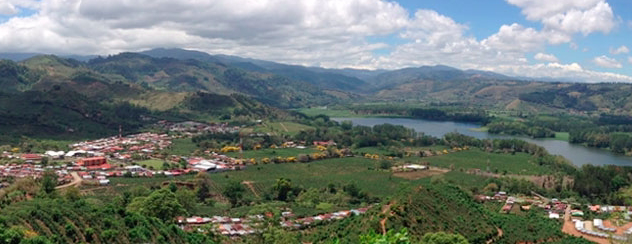
Tarrazu Region
The Tarrazu region of Costa Rica commands enormous prestige in the specialty coffee world and ranks among the world's major coffee-producing areas.
Tarrazu lies in the fertile volcanic region of Central America, with a humid climate and fertile volcanic rock soil. The area receives abundant rainfall year-round, sits at high altitude, and enjoys dense natural forest shade--an exceptionally ideal growing environment for coffee.
Nearly 95% of the beans grown in Tarrazu's high mountains are Strictly Hard Beans (SHB), generally cultivated above 1500 meters, and the coffee is grown without pesticides or artificial fertilizers.
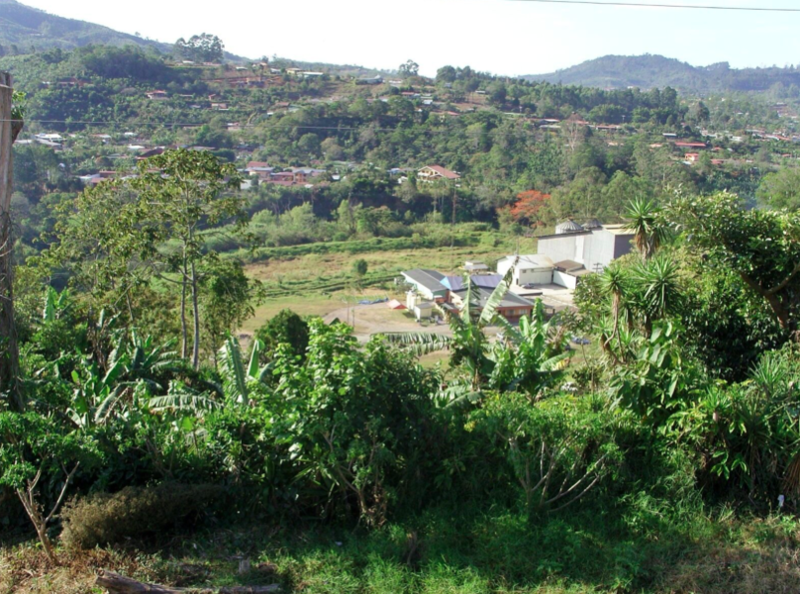
Finca La Ortiga Estate
Finca La Ortiga sits at an extremely high 1750 meters in Tarrazu, with a cool climate and fertile volcanic soil. Its milling facility runs on solar equipment, with 60% of its electricity generated through solar collection. The estate embraces technology and continuously updated management practices, working closely with coffee laboratories. This year they created multi-layered anaerobic processing specifically to push coffee flavors to more exceptional levels. After variety classification and harvesting, everything is managed through a series of calculations and planning, with solar equipment powering post-harvest processing so it can be kept in an optimal, error-free state.
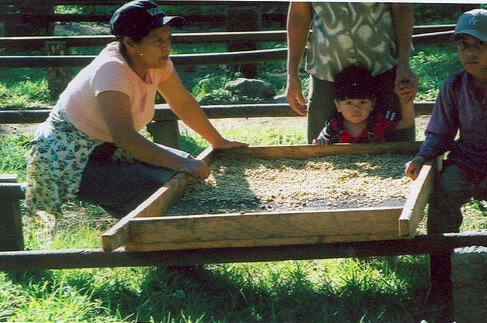
Anaerobic Processing Method
The estate owner places selected coffee into specially prepared barrels for fermentation, sealing the steel containers tightly and letting them rest for 18-23 hours. During fermentation, the cherries are isolated from oxygen and pressurized by the carbon dioxide generated inside the steel containers, allowing the fruit to ferment more completely.
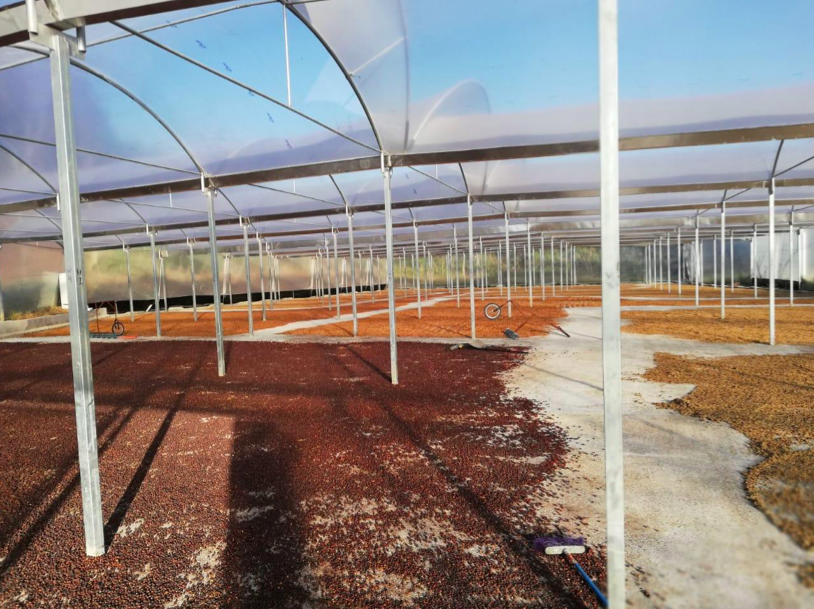
During fermentation, pH values must be strictly and precisely controlled, and the surrounding temperature carefully managed. Once fermentation is complete, the coffee is moved to drying fields for sun drying.
Anaerobic processing followed by sun drying gives the coffee full tropical fruit flavors and a rich texture, with a fruity, wine-like note that tastes refreshing and multi-layered.
Yellow Catuai Variety
This micro-lot's variety is Yellow Catuai, which descends from a hybrid of Mundo Novo and Caturra, first bred in 1949 by Brazil's Instituto Agronomico de Campinas.
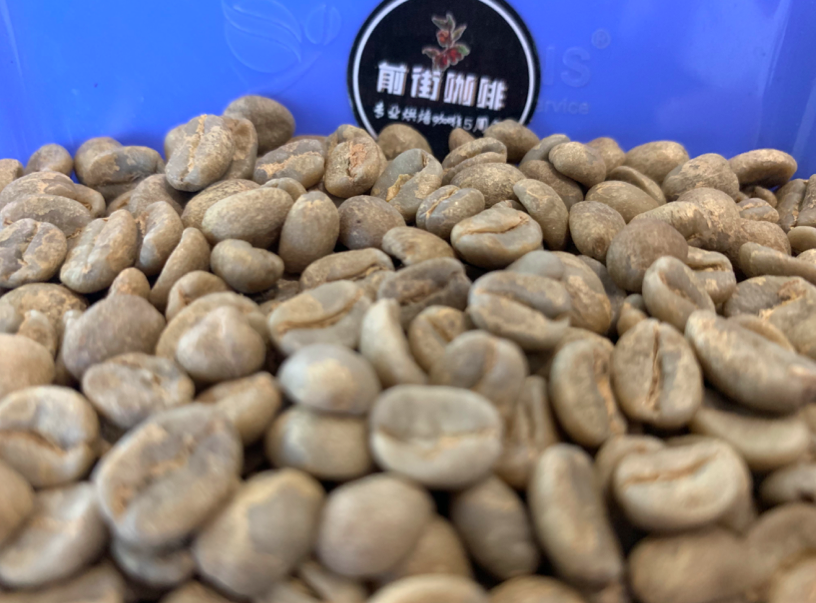
Like Red Catuai (Catuai Rojo), Yellow Catuai has extremely high disease resistance, delicate and clean acidity, and suits cultivation at high altitudes and in windy areas.
Roasting Analysis
Roaster: Yangjia 800N semi-direct flame (roasting capacity 300g)
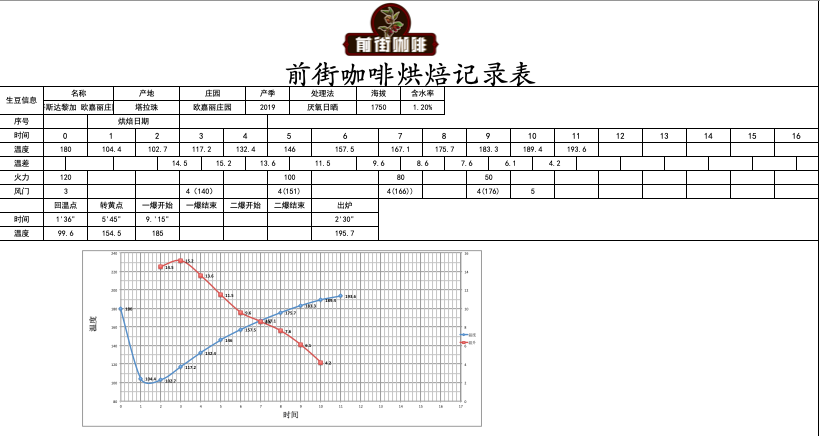
Preheat the roaster to 180°C and set the air damper to 3; apply heat to 120, with the turning point at 1'36" at 99.6°C. When the roaster temperature reaches 140°C, open the damper to 4; at this point the bean surface turns yellow, the grassy aroma disappears completely, and the beans enter the dehydration stage. When the roaster temperature reaches 166°C, reduce the heat to 80 and keep the damper unchanged.
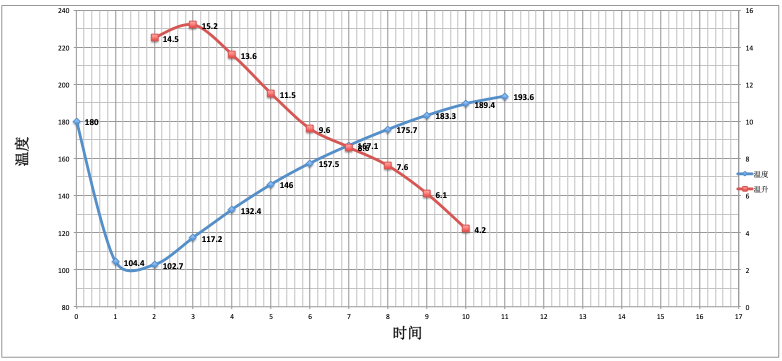
At 8'17", wrinkles and dark markings appear on the bean surface and the toast aroma clearly shifts toward coffee aroma--the prelude to first crack. Listen carefully for the sound of first crack. At 9'15", first crack begins; adjust the damper to 5 (reduce heat very carefully, never so much that cracking stops). After first crack, develop for 2'10" and discharge at 194.7°C.
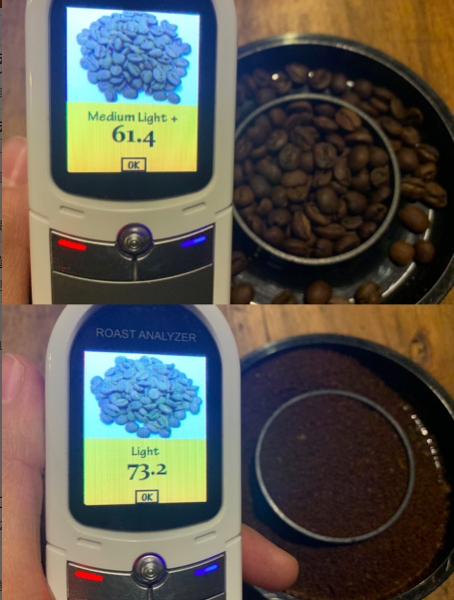
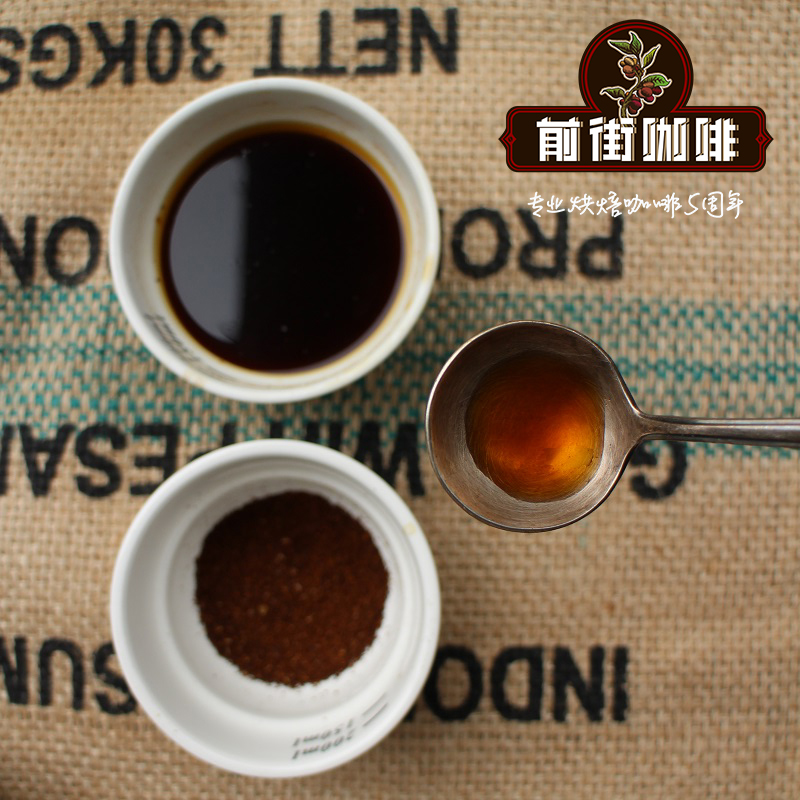
Agtron bean color value: 61.4 (upper image); Agtron ground color value: 73.2 (lower image); Roast Delta value: 11.8.
Cupping
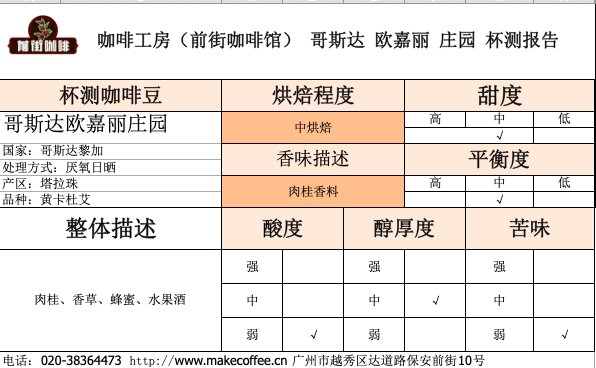
Flavor: Cinnamon, vanilla, honey, fruit wine.
Brewing Parameters Shared by FrontStreet Coffee
Recommended brewing method: Pour-over
Dripper: Hario V60
Water temperature: 90°C
Coffee dose: 15g
Coffee-to-water ratio: 1:15
Grind size: Medium-fine (BG 6S: 58% pass-through rate on China standard #20 sieve)
Brewing technique: Segmented extraction
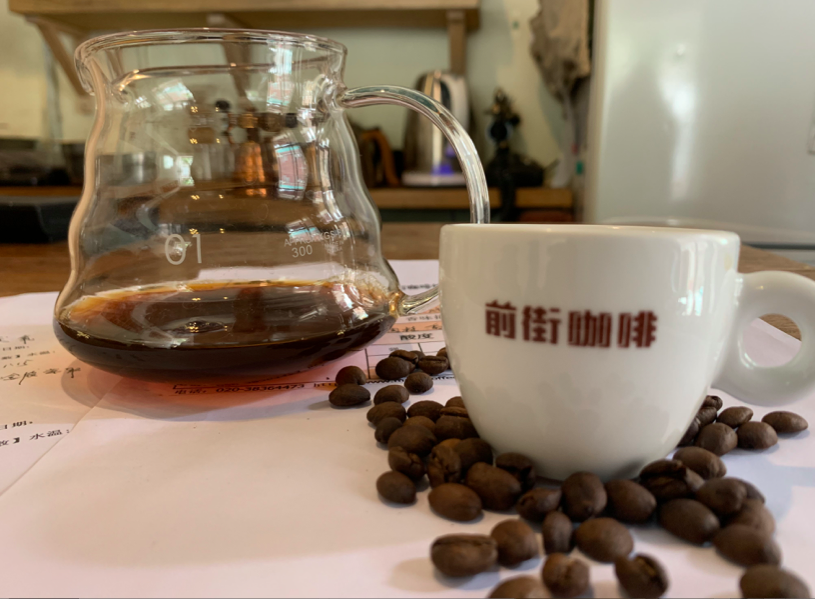
Use 34g of water for a 30-second bloom, then pour in small circles to 127g before pausing. When the water level drops and is about to expose the coffee bed, continue pouring to 226g and stop. Wait for the level to drop and the bed to nearly surface, then remove the dripper (timing starts from the beginning of the bloom). Total extraction time: 2'05".
Flavor Description
The dry aroma shows clear sweet spices and fermentation notes, while the wet aroma reveals cinnamon and fermented wine aromatics;
On the palate there are cinnamon, honey, and vanilla notes. At warmer temperatures, fruit-wine flavors come to the fore. The overall mouthfeel is smooth, with distinct layers of flavor and ample sweetness.
FrontStreet Coffee Recommendation
Natural processing is the oldest and most widespread way to dry coffee: ripe cherries are laid out whole in the sun until the moisture target is met, then hulled. Because the fruit dries intact around the bean, natural coffees carry greater body and richer mature-fruit tones than washed lots--exactly the character you taste in this anaerobic natural Yellow Catuai.
If you want to explore more natural-processed specialty beans, FrontStreet's natural Red Cherry from Yirgacheffe uses only fully ripe, all-red cherries dried 27-30 days on raised beds and turned regularly to avoid uneven heating; roasted light-to-medium, it combines elegant florals and bright acidity with pronounced tropical fruit, a full fermentation character, and rich sweetness.
FrontStreet's natural Huakui (Sidama) is another standout: roasted light-to-medium, it pours out with a light fermentation note, florals, citrus, and mango, with honeyed sweetness and cocoa undertones plus a whisper of spice, a thick body, and a long finish. For a rounder, nuttier natural-adjacent option, FrontStreet's Queen Estate Brazil--dried on raised beds with frequent turning before mechanical finishing--offers sugarcane sweetness, black tea, gentle fruit, and a clean chocolate-nut profile with bright, smooth acidity.
Important Notice :
FrontStreet Coffee is a long-established specialty coffee roaster in Guangzhou China, selling freshly roasted beans from its own farm in Yunnan as well as dozens of carefully selected single-origin beans from around the world for both pour-over and espresso. The products deliver consistently excellent quality and great value, with shipping within 24 hours. Guangzhou's FrontStreet Coffee shop is recommended by many coffee lovers, and the beans are now available online at the Tmall 。
FrontStreet Coffee has moved to a new address:
FrontStreet Coffee Address: 315,Donghua East Road,GuangZhou
Tel:020 38364473
 Scan and follow the En Gafei WeChat official account. Please indicate that the reprint comes from "En Gafei".