
What Coffee Varieties Are Produced in Indonesia and What Are the Flavor Characteristics of Indonesia's Three Major Coffee Varieties
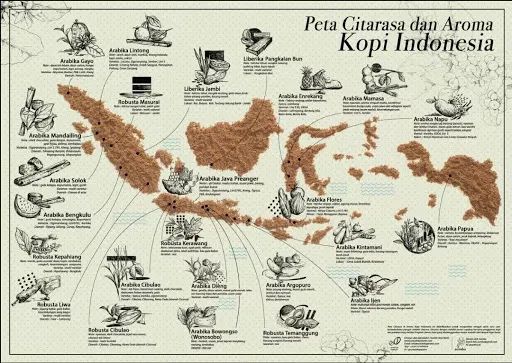
As one of the world's major coffee-producing regions, Indonesia holds a pivotal place in the global coffee landscape. Thanks to history and cultivation practice, Indonesia's coffee varieties are bewilderingly complex, with species intermixed to the point that discussing them can leave anyone confused. In this installment of the Barista Development Guide, we untangle Indonesia's coffee varieties.
Sumatra Typica
This is Indonesia's oldest cultivated variety, brought from India to Java by the Dutch as early as the late seventeenth century. After successful cultivation and wide dissemination in Java, it spread to the larger northern island of Sumatra. The Typica grown in Indonesia in those days had excellent flavor, and after long adaptation to local conditions it developed the distinctive Indonesian profile: low acidity, high sweetness, and herbal aromatics.
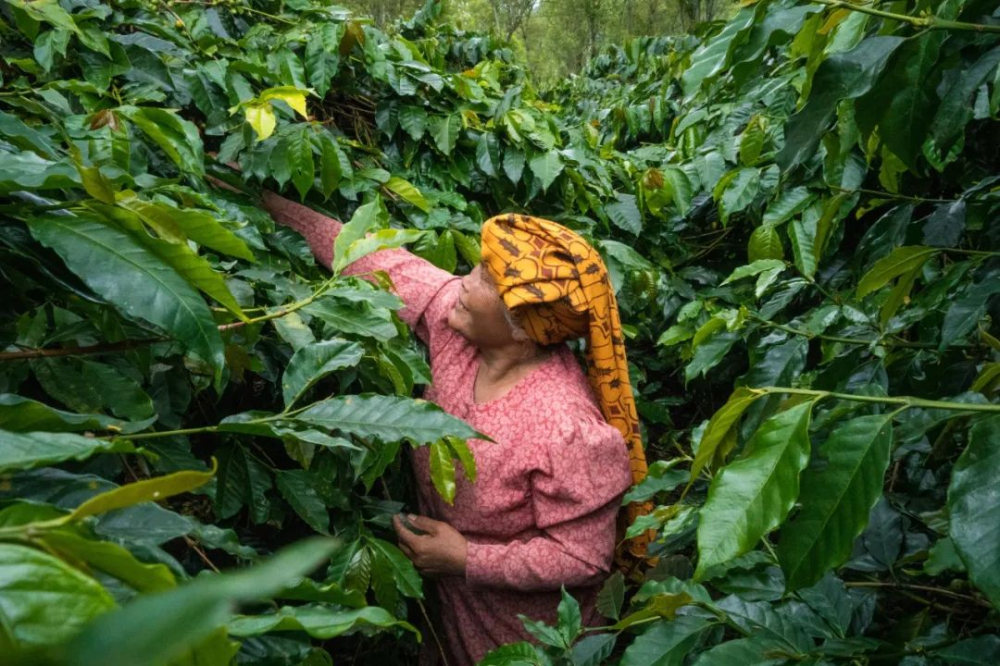
When leaf rust swept through Indonesia in 1877, most of the country's Typica withered and died. The Indonesian government had no choice but to introduce resistant varieties as replacements. Today, Sumatra Typica survives mainly around Lake Toba and in the Lintong region. FrontStreet Coffee's Lintong Mandheling regional beans contain this excellent Typica.
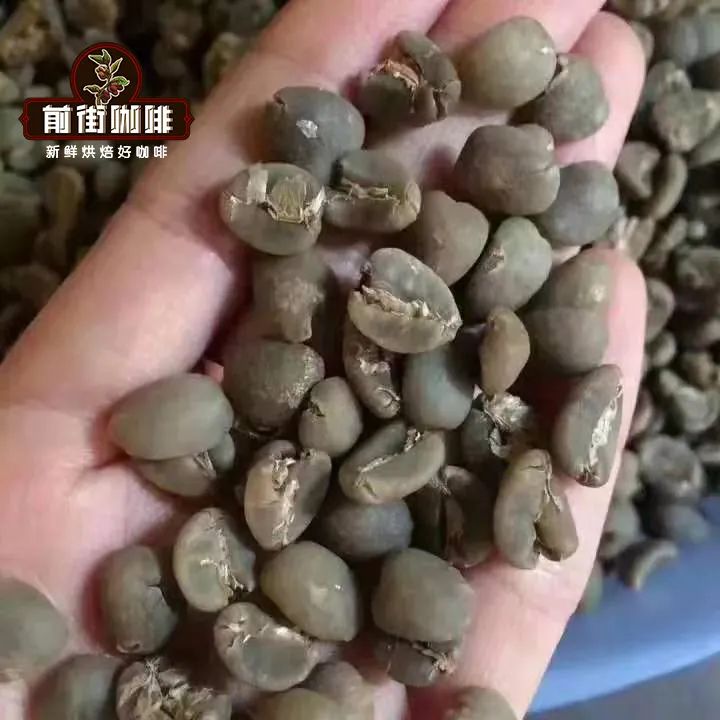
You will rarely hear the term "Sumatra Typica" in Indonesia itself; instead, locals use names like Bergendal, Sidikalang, and Rambung. It is also considered the finest bean variety in Indonesian Mandheling.
Robusta
Indonesia produces both Arabica and Robusta. Robusta now accounts for 85% of Indonesia's total coffee output, with Arabica at just 15%. On Sumatra, high-quality Arabica Mandheling grows in the north around Lake Toba and Lake Tawar, while Robusta — less demanding about altitude — is cultivated extensively in the south.
Robusta's dominance stems from the great leaf rust crisis of 1877, when vast Typica plantings died. To fight the epidemic and restore production, highly resistant Robusta had to be brought in from Africa. Its excellent yields and vigor also made it popular among local farmers.
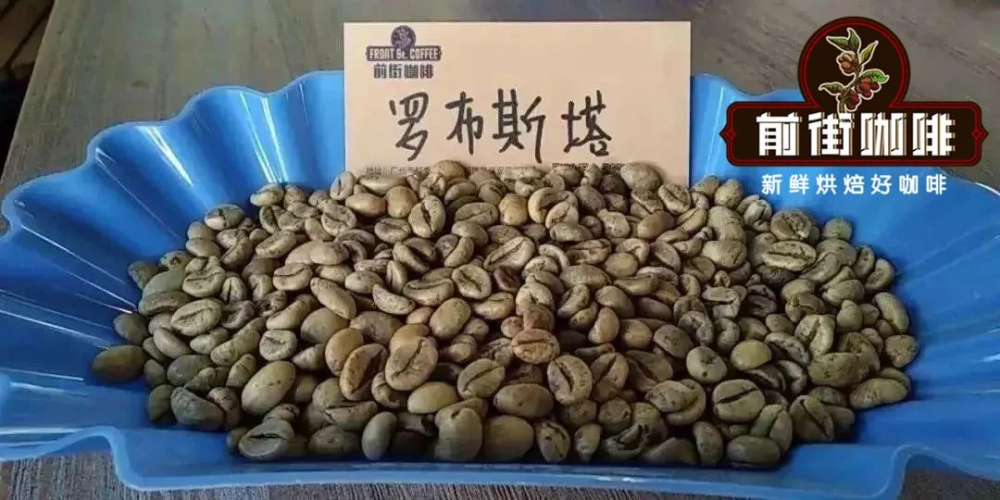
Timor Hybrid
The Timor Hybrid was originally a natural Typica x Robusta hybrid found on Timor Island, inheriting Robusta's high yield and disease resistance. When it reached Indonesia, farmers called it Tim Tim. Cultivated locally, it also produced a direct descendant called Bor Bor — "abundant fruit" — with yields improved over Tim Tim.
Catimor
In 1959, the Portuguese moved Caturra — Brazil's Bourbon mutation — to East Timor to hybridize with the Timor variety (which carries Robusta heritage). The result, Catimor, has extremely high disease resistance and yields three times more than Typica. During the leaf rust crisis, the Indonesian government not only imported Robusta (whose flavor differs greatly from Arabica) but also brought in Timor from East Timor, intending to replace Typica. Later expert investigation found that a batch of Timor seeds imported by the government in 1980 was mixed with some Catimor seeds, which were planted in Aceh, northern Sumatra. Catimor was first detected in Central Aceh, so locals also call it "Ateng," from Aceh Tengah (Central Aceh).
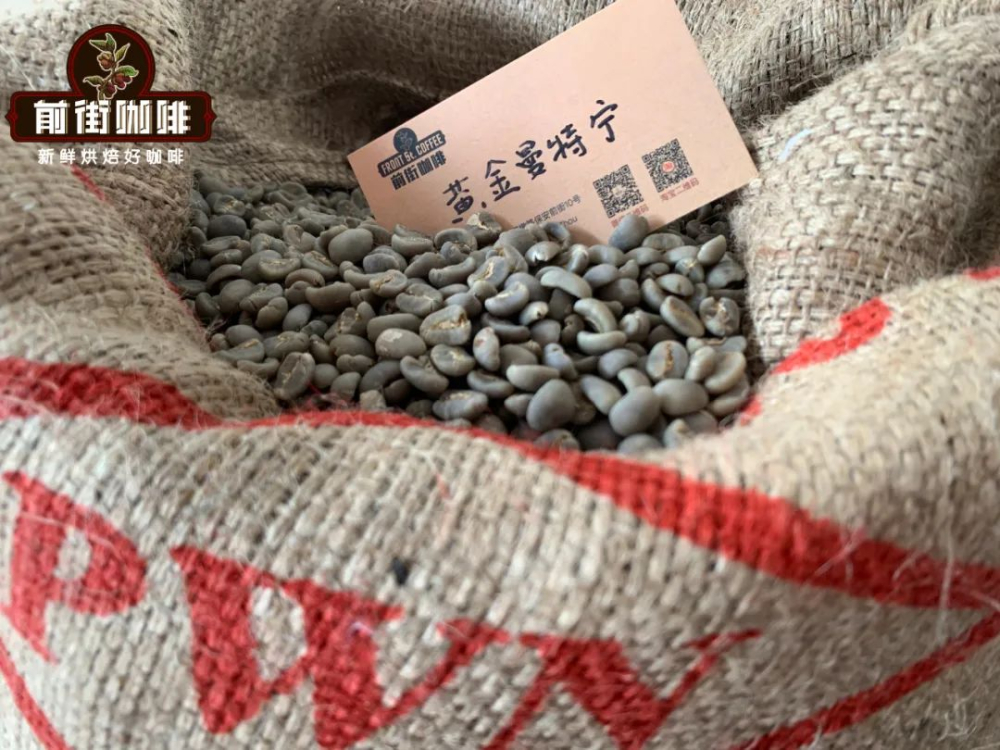
Because Ateng's resistance and yields surpass Typica's, and after years of local adaptation Catimor's wild edge has been tamed, it became popular with farmers and spread from Aceh to Lake Toba. The Ateng of Aceh also caught the attention of Pawani, Indonesia's largest green bean supplier. FrontStreet Coffee's Golden Mandheling from the 2020 harvest comes from Ateng grown in the Gayo Highlands of Aceh.
Jember
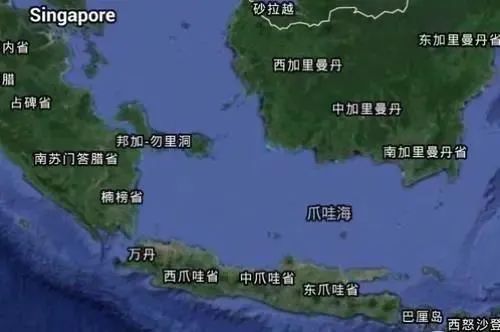
Jember is the localized Indonesian version of S795, currently grown mainly on Java Island. It was introduced to local farmers by the Jember Coffee Research Center in East Java after being imported from India, so Javanese farmers simply call S795 "Jember."
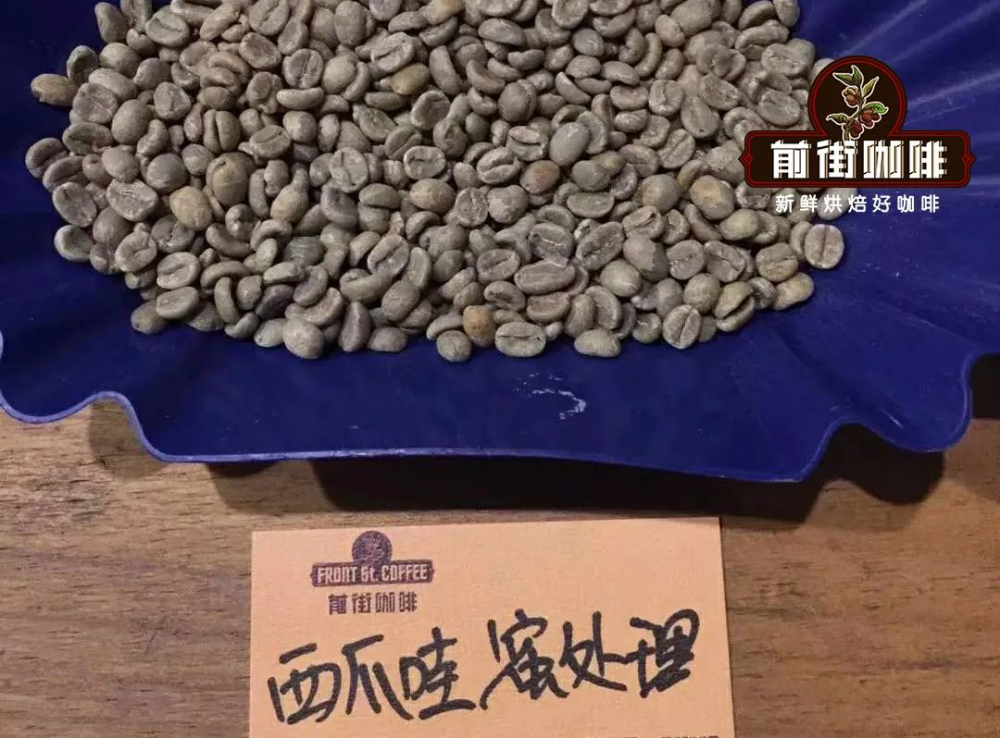
S795 beans have a blue-green coloration, and their natural variation originates from S288. S288 was itself an outstanding hybrid developed in India in 1946. Its predecessor came from hybridizing first-generation S288 with Typica, named S26. Because the first-generation S288 was a hybrid of Arabica and Liberica, it always retained Liberica's earthy flavor. Indian botanists then crossed the first-generation S288 with the Kent variety (itself a hybrid of first-generation S288 and Typica) and the second-generation S288 to create today's S795.
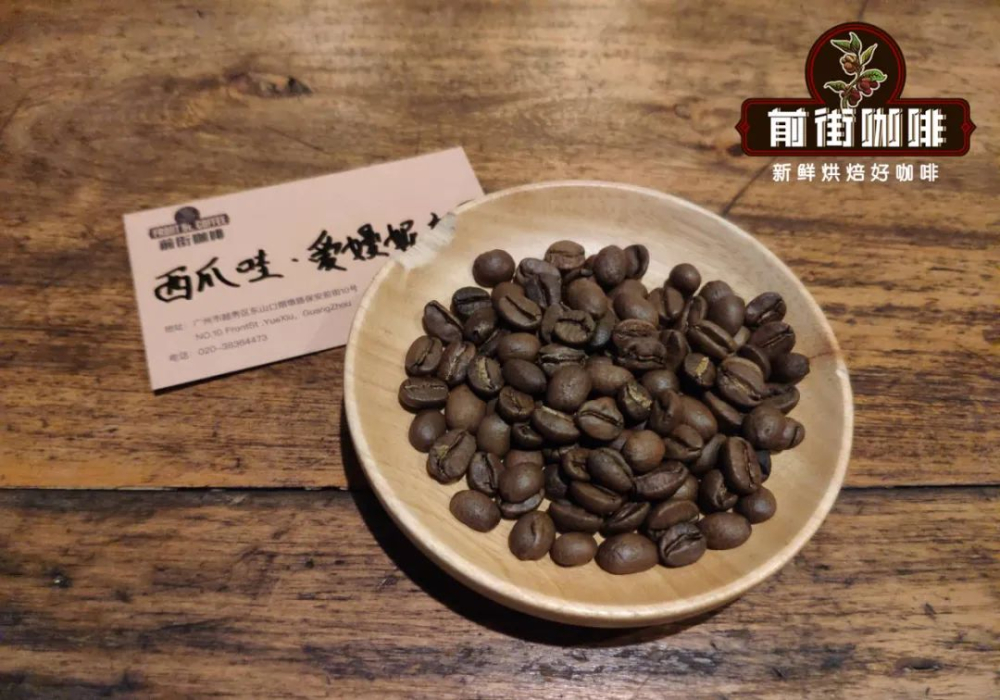
FrontStreet Coffee's West Java Ameni Estate beans use this variety, honey-processed to showcase flavors of mango, red wine, peach, and jackfruit.
Indonesia originally grew only Typica. Everything traces back to that devastating leaf rust epidemic, which created today's chaotic mix of varieties. And because Indonesian coffee is farmed by smallholders — often with limited training in variety identification — multiple varieties frequently end up mixed within a single area. Yet thanks to Indonesia's cultivation culture and unique growing environment, the varieties blend harmoniously, forming distinctive regional profiles: Mandheling from North Sumatra, Java coffee from Java Island, and Toraja coffee from Sulawesi.
FrontStreet Coffee Recommendation
To taste these varieties in the cup, start with the FrontStreet PWN Golden Mandheling. PWN, the trading company behind it, buys only premium Mandheling lots and applies uncompromising standards: beans above screen 18, fewer than 3 defects per 300g (top G1 grade), and three rounds of hand-sorting for a clean, sweet cup with less earthiness. The medium-dark roast brings low acidity, a thick lasting body, herbaceous and dark-chocolate notes, and rich caramel sweetness — available as pour-over or espresso.
For pour-over, FrontStreet suggests 87-88°C water, 15g of coffee at a 1:15 ratio, a coarse-sugar grind, and a three-stage pour: 30ml to bloom, 100ml to lift the bed, then a gentle 95ml center pour for sweetness. Prefer espresso? The FrontStreet Classic Blend layers medium-dark Mandheling over creamy Brazilian nuts — butter, roasted chestnut, caramel, sandalwood, and spice, with a touch of Robusta for extra crema — perfect for lattes and Dirty espresso.
Important Notice :
FrontStreet Coffee is a long-established specialty coffee roaster in Guangzhou China, selling freshly roasted beans from its own farm in Yunnan as well as dozens of carefully selected single-origin beans from around the world for both pour-over and espresso. The products deliver consistently excellent quality and great value, with shipping within 24 hours. Guangzhou's FrontStreet Coffee shop is recommended by many coffee lovers, and the beans are now available online at the Tmall 。
FrontStreet Coffee has moved to a new address:
FrontStreet Coffee Address: 315,Donghua East Road,GuangZhou
Tel:020 38364473
 Scan and follow the En Gafei WeChat official account. Please indicate that the reprint comes from "En Gafei".

