
Differences Between Bottomed and Bottomless Portafilters for Espresso Machines | Analysis of Bottomless Portafilters' Functions, Pros and Cons
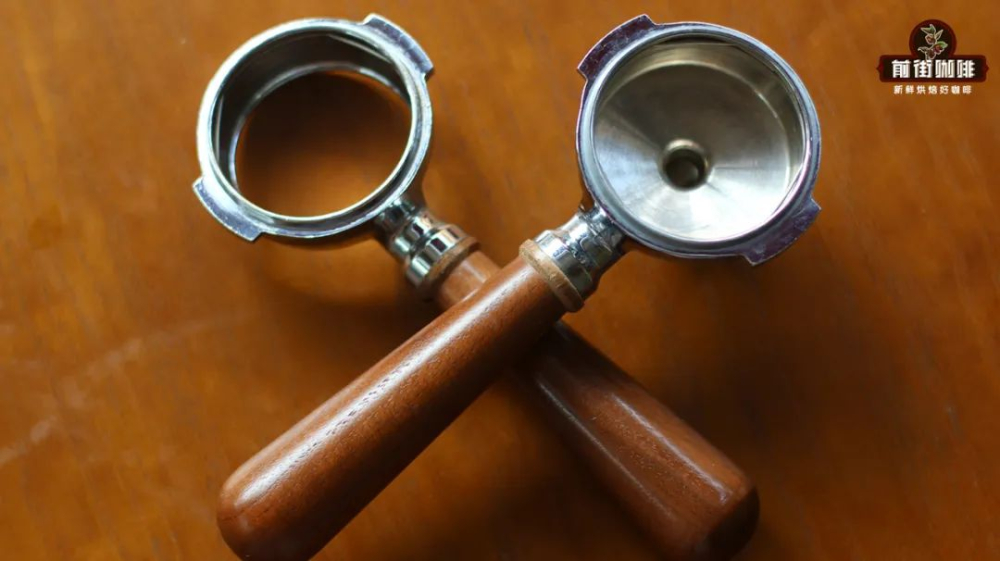
Understanding Espresso Portafilters: Bottomless vs. Spouted
The portafilter is an essential tool on any semi-automatic espresso machine. There are two main types: the spouted portafilter, which has a closed bottom with one or two spouts, and the bottomless portafilter, which is open at the bottom and lets the shot exit directly. FrontStreet Coffee uses bottomless portafilters in its stores. So what are the advantages and disadvantages of each?
What's the Difference?
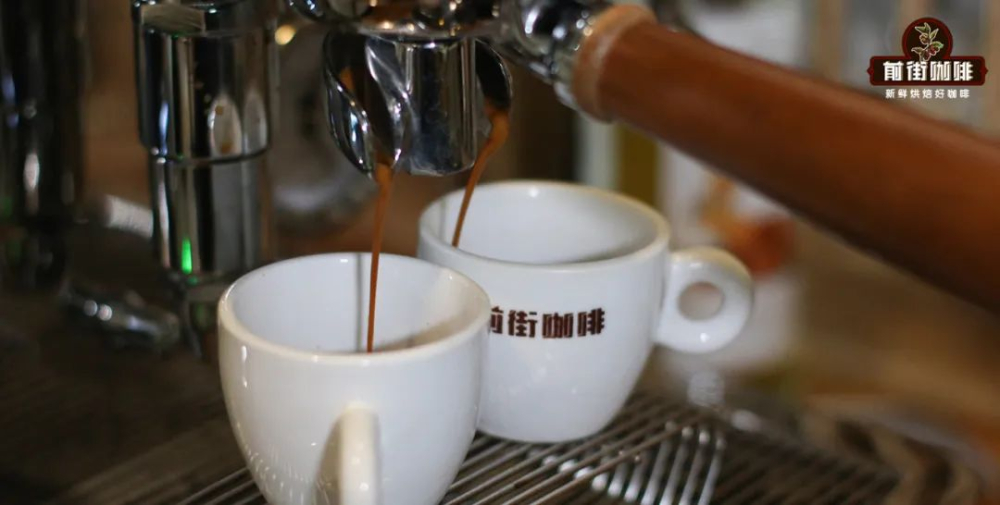
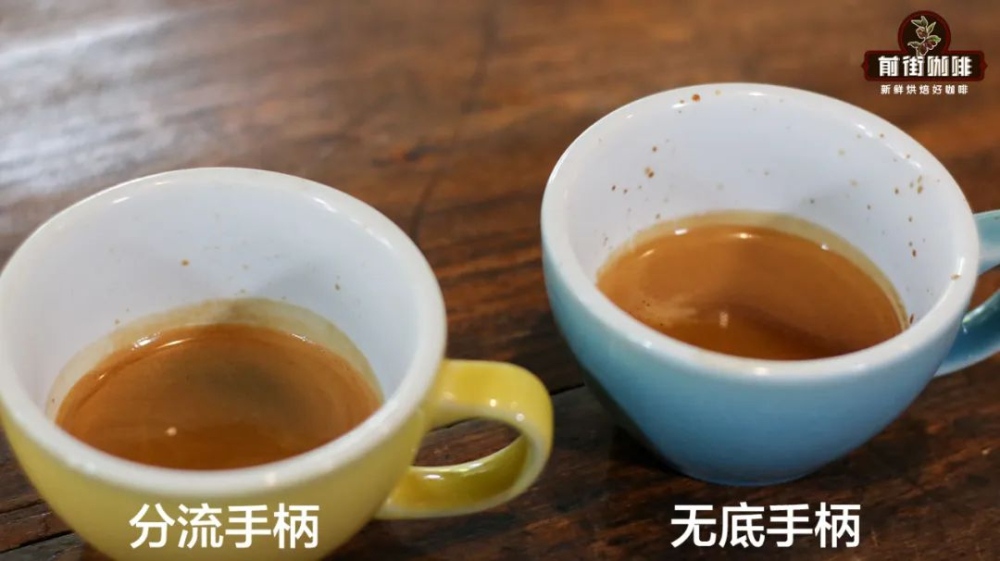
A spouted portafilter encloses the bottom outlet, leaving only a small opening and usually a spout that can divide one shot evenly into two portions. A bottomless portafilter has no obstruction at the bottom, so you can see straight through to the base of the basket.
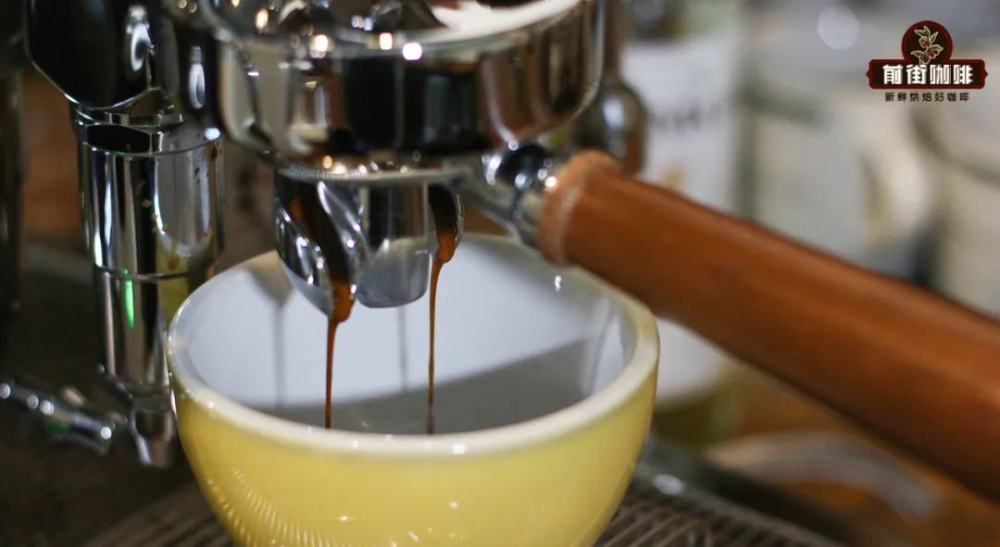
By removing the bottom enclosure, the bottomless design lets you watch the extraction from below. The benefit is that you can observe the flow of the shot directly and detect channeling effectively. When channeling happens, you will see spraying at the bottom of the basket, something that is easy to catch with a bottomless portafilter but nearly invisible with a spouted one.
If your machine came only with a spouted portafilter and you want a bottomless one, you can often take it to a local workshop and have the bottom cut off; the result is identical.

Advantages and Disadvantages of Spouted Portafilters
Advantages:
1. The guiding spouts keep the coffee from splashing as it flows into the cup.
2. A spouted portafilter can be fitted with a splitter to divide one shot evenly between two cups.
Disadvantages:
1. The large metal bottom absorbs heat, so the portafilter needs preheating before extraction, or coffee quality can suffer.
2. Coffee residue collects easily in the spouts and demands frequent disassembly and cleaning, otherwise it affects the flavor of later shots.
Advantages and Disadvantages of Bottomless Portafilters
Bottomless portafilters were developed essentially to address the shortcomings of the spouted design. The most important reason for their arrival, though, is that they let you judge espresso quality far more directly. When channeling occurs, you see spraying at the bottom of the basket, which is easy to spot with a bottomless portafilter but hard to detect with a spouted one.
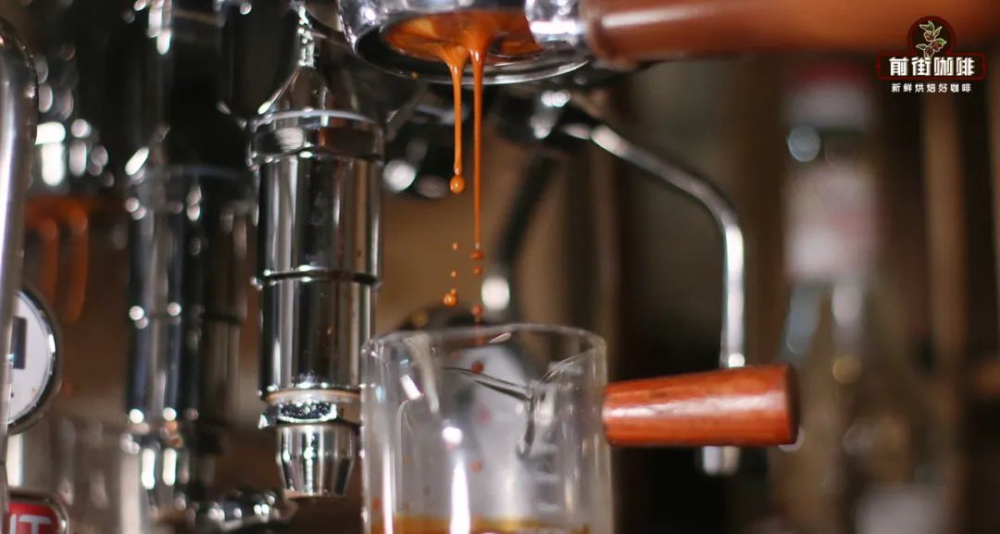
Bottomless portafilters are also more convenient when building layered drinks like a Dirty. On some machines the clearance between the group head and the drip tray is tight, so a 7cm-tall cup may not fit under a spouted portafilter. Going bottomless frees up 3-4cm.
The drawback is equally obvious: the extracted espresso tends to splash more.
FrontStreet Coffee consistently uses bottomless portafilters mainly to observe the flow rate and the state of the crema as it falls into the cup. It also makes it quick to adjust parameters if extraction goes wrong. To show this clearly, we'll use FrontStreet Coffee's classic blend, which has the richest crema, to demonstrate a bottomless extraction:

FrontStreet Coffee's Espresso Extraction Parameters
Grinder: Mahlkönig Galileo Q18
Grind Size: 2.1
Espresso Machine: Faema E98
Pressure: 9±2 bar
Temperature: 90-96°C
Dose: 19.5g
Yield: 35g

First, turn on the machine and let it heat up automatically. Then prepare freshly roasted beans and grind them very fine. Insert the basket into the handle and fill it with the appropriate amount of grounds based on the basket's rated capacity.
After adding the grounds, use your fingers to distribute them as evenly as possible. Then press down vertically with the tamper supplied with the machine, or with the flat end of a coffee scoop.

Next, lock the portafilter into the brew position and make sure it is secure. Press the extraction button and stop once you've reached the desired yield. The espresso is now ready.

Watching the espresso flow from the bottomless portafilter with FrontStreet Coffee's classic blend, you can see a visibly beautiful crema: thick and dense, with a rich nutty cookie aroma. FrontStreet Coffee usually adds fresh milk to make a latte, which builds a smooth, rich texture while letting the nutty flavors of the espresso come through. Delicious.
FrontStreet Coffee Recommendation
A bottomless portafilter shows everything, so it pays to pair it with a forgiving, crema-rich blend. The first pick is FrontStreet's Classic Blend, designed for espresso and the moka pot. Its biggest strength is outstanding crema, so even a beginner on a modest home machine can pull a dense, fine-textured shot. It follows the traditional Mamba recipe, with a full, warm body that suits both newcomers and seasoned drinkers, and it works for home and café alike.
If you want good crema without chasing the extremes, or you are running a shop and watching costs, FrontStreet's Black Cocoa Blend fits the bill: 100% Arabica, plenty of crema, a full body, and a friendly price that balances quality and value.
For the classic café profile, FrontStreet's Premium Blend is the espresso base the shops have used longest, combining Brazil Cerrado and Colombia Huila for a familiar, comforting flavor that works at home and on a commercial bar. And for those who love nutty espresso, both FrontStreet Coffee's Premium Blend and FrontStreet Coffee's Black Cocoa Blend lean heavily on Brazilian beans, giving comfortable sweet-bitter notes and a creamy peanut aroma, with an extremely smooth entry. FrontStreet Coffee's Premium Blend adds Colombia's nut, chocolate, and caramel notes with a gentle acidity, while FrontStreet Coffee's Black Cocoa Blend layers in the plum-like acidity of Yunnan small beans and a creamy chocolate fragrance ground fresh, making it a versatile partner for lattes, Americanos, and signature drinks.
Important Notice :
FrontStreet Coffee is a long-established specialty coffee roaster in Guangzhou China, selling freshly roasted beans from its own farm in Yunnan as well as dozens of carefully selected single-origin beans from around the world for both pour-over and espresso. The products deliver consistently excellent quality and great value, with shipping within 24 hours. Guangzhou's FrontStreet Coffee shop is recommended by many coffee lovers, and the beans are now available online at the Tmall 。
FrontStreet Coffee has moved to a new address:
FrontStreet Coffee Address: 315,Donghua East Road,GuangZhou
Tel:020 38364473
 Scan and follow the En Gafei WeChat official account. Please indicate that the reprint comes from "En Gafei".

