Is There a Big Difference Between Single and Double Shot Espresso? Espresso Single vs Double Distinctions and Characteristics
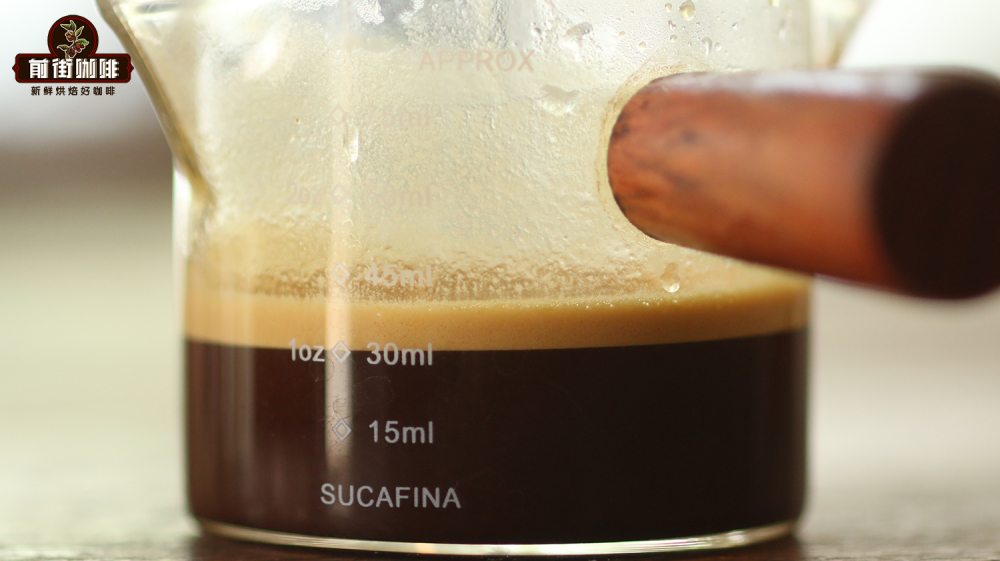
If you want an espresso at a coffee shop, you can say "I'll have an espresso," or simply "I'll have a shot." A shot is the unit for espresso: 1 shot means one serving, sometimes called a "single espresso." If one serving feels too small, order a "double shot"—a double serving of espresso.
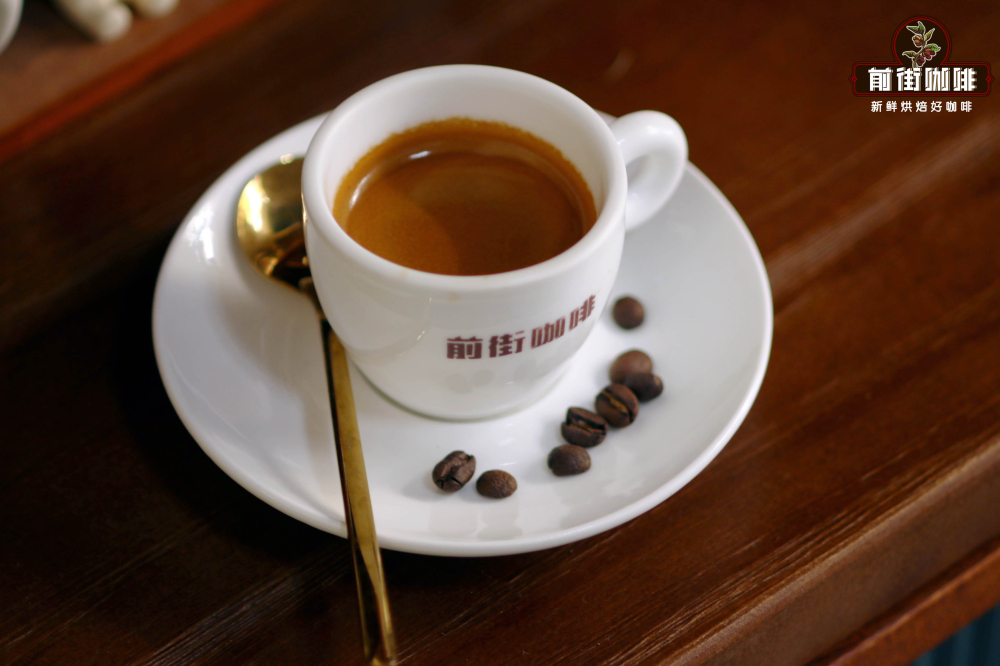
What's the Difference Between Single and Double Shot?
From a customer's point of view, single and double shots differ only in quantity. From a barista's point of view, they require two different preparation methods.
If you have used an espresso machine, you know that the portafilter basket has a limit on how much ground coffee it holds. If a basket's capacity is 18g, the dose you load should be between 17-19g. Load too much and the portafilter won't lock onto the group head; load too little and extraction suffers.
So if you want to use less coffee, you have to switch to a smaller basket. That is the real difference between pulling a single and a double.
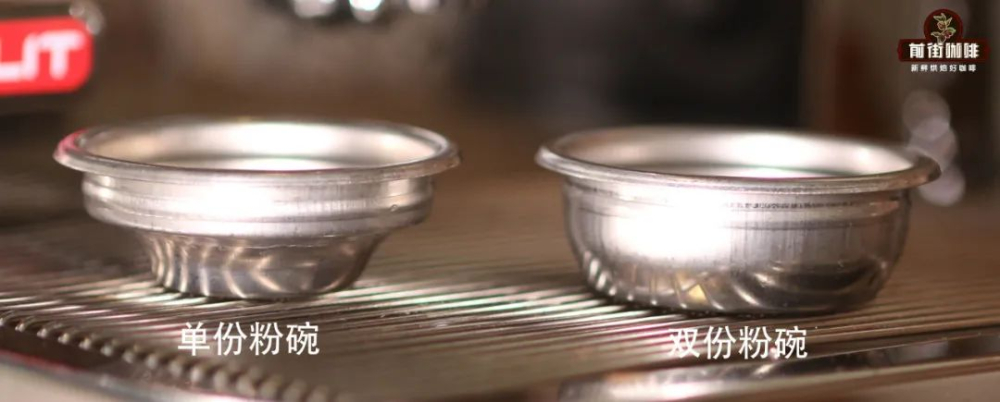
For example, when pulling a single shot the barista uses a single basket, loads 11g of grounds, and extracts 30ml (22g) of espresso. For a double shot, the barista uses a double basket, loads 18g of grounds, and extracts 60ml (40g) of espresso.
Because the two baskets are built differently, the results differ too. The double basket holds its volume in a cylindrical shape, so after extraction the puck comes out as a neat "round almond cake."

The single basket, by contrast, is an inverted cone. It has roughly a two-layer structure: the upper layer matches the double basket in diameter, but because the single basket holds half as much coffee, the lower layer narrows so that the surface diameter and maximum bed thickness stay the same.
FrontStreet Coffee's Extraction Experiments
In FrontStreet Coffee's extraction experiments, the single basket turns out to be nowhere near as simple as half a double.
FrontStreet Coffee took a double basket with 20g of grounds as the standard, extracting 40g of coffee liquid in 27 seconds, measuring a concentration of 10.48% and calculating an extraction rate of 21.72%.
Using a single basket with 10g of grounds, extracting 20g of coffee liquid, the flow runs relatively faster at 22 seconds, measuring a concentration of 8.83% and calculating an extraction rate of 18.38%. The difference between the two is significant.
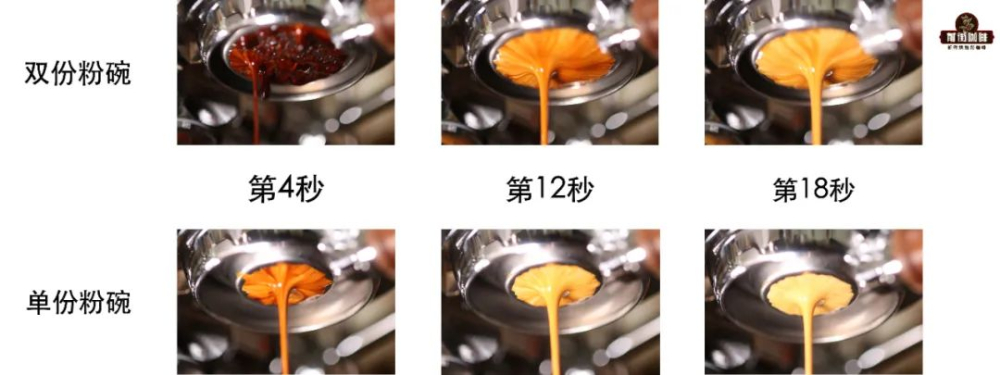
To bring the single basket's output closer to the double's, the only options are grinding finer or increasing the dose. Adjusting the grind for output is not practical in a coffee shop, and increasing the dose raises both cost and uncertainty.
FrontStreet Coffee experimented and found the dose needs to go up to 12.5g before the concentration approaches the double basket's figures.
Why Such a Big Difference?
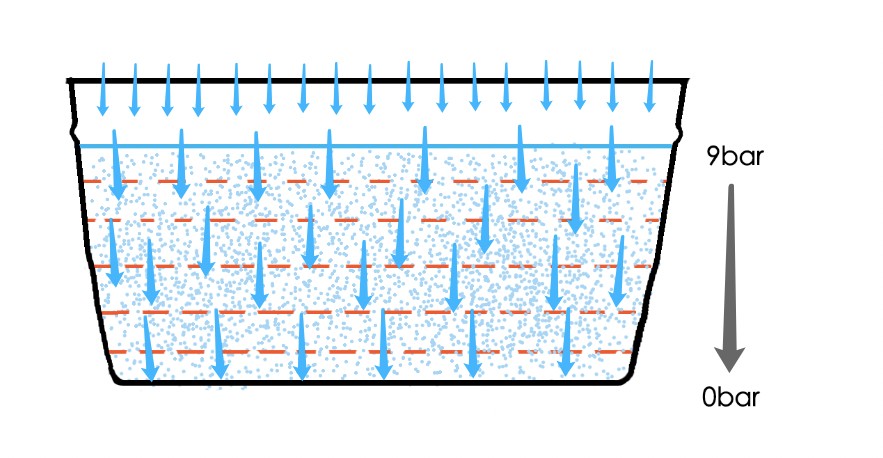
It all comes down to structure. The double basket is a straight cylinder, so whether you are tamping or extracting under pressure, the force applied to every part is uniform, giving a more even extraction.
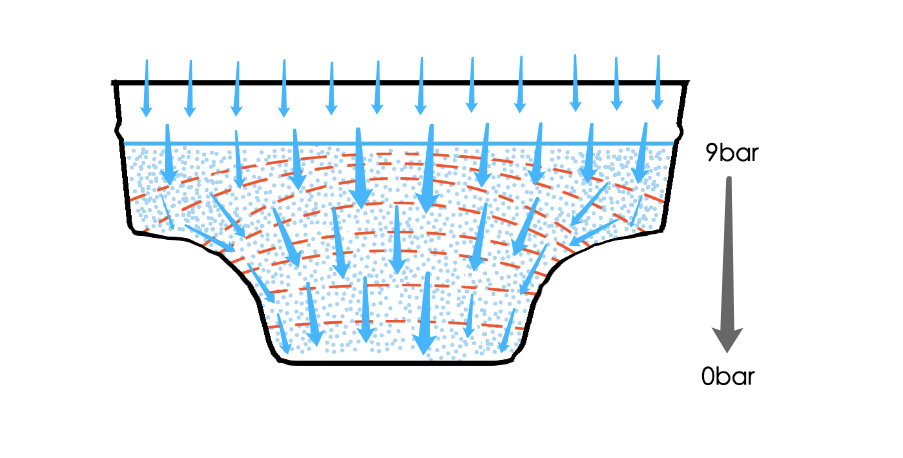
The single basket, to keep a uniform diameter that fits the group head while maintaining bed thickness, sacrifices its bottom structure. That means that when tamping or extracting under pressure, the pressure around the perimeter is always higher than at the center on the same level. In plain terms: when tamping, the perimeter ends up denser than the center. During extraction, water permeates faster at the center than around the edge in the upper layer, but in the lower layer water from the perimeter converges toward the center—causing uneven extraction and, in severe cases, channeling.
How to Make a Standard Espresso
Next, FrontStreet Coffee demonstrates how to make a standard espresso using the shop's standard "Sunflower · Warm Sunshine Blend Espresso Beans" and the usual double basket. Take out your notebook and take notes!

First, FrontStreet Coffee uses a double basket, so about 18-20g of grounds. The extraction ratio is 1:2, meaning 20g of grounds to 40g of coffee liquid; with 18g of grounds, that corresponds to 36g of espresso. The time depends on the flow rate of the grounds, and a single extraction is generally controlled between 20-35 seconds, because under 20 seconds the coffee tends to taste thin, while beyond 35 seconds it easily over-extracts and turns bitter. Most of FrontStreet Coffee's espressos land in the 28-30 second range.

Before extracting, dry the basket, turn on the grinder, and grind a double serving of grounds. Place them on an electronic scale and adjust to 20g. Then use a distributor to level the grounds, and with the tamper apply vertical downward pressure to compact the puck, ensuring more stable extraction.

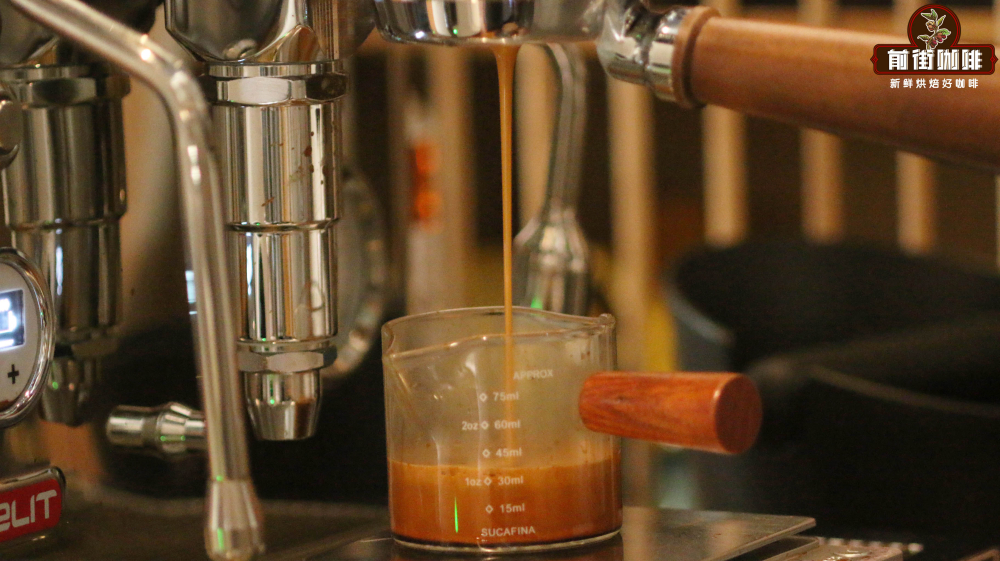
Next, turn on the extraction switch and let water flow for 1-2 seconds to wet the group head and wash away any grounds stuck above. Place an electronic scale under the cup that will catch the espresso, zero it, and keep it under the group head during extraction.

Gently lock the portafilter onto the group head and start the extraction by pulling down the lever. Watch the liquid as it comes out. When the scale shows 40g of coffee liquid, at around 30 seconds, pull the lever again to stop. Extraction parameters shift subtly with daily air humidity and the condition of the beans, so you need to adjust the dose, grind setting, and yield up or down as needed.

How to Enjoy Espresso
The extracted espresso can be drunk straight, with a glass of water alongside to rinse the palate, so you can taste the rich crema and the mellow texture of the coffee liquid underneath. If the strong bitterness is too much, add water or milk to dilute and soften it.

When tasting a freshly pulled espresso, FrontStreet Coffee starts by smelling the aroma. This coffee carries rich aromas of whiskey, vanilla, nuts, and cream. It can be drunk directly or with sugar, milk, or other accompaniments. Using a prepared metal spoon, gently stir the coffee liquid to blend it. The first sip delivers the rich crema—full and mellow with chocolate aroma. Then take a larger sip to feel the warm liquid and crema entering your mouth, along with the rich flavors of nutty cookies, chocolate, berries, and wine. Halfway through, take a sip of water to experience the sweet aftertaste in your mouth. The whole experience is rich and highly layered, leaving an endless aftertaste.
FrontStreet Coffee Recommendation
For everyday single or double shots, FrontStreet Coffee's Classic Blend is the first pick. It is built specifically for espresso and the moka pot, and its greatest strength is outstanding crema: even a beginner on a non-professional home machine can pull a dense, fine crema without trouble. Lattes, cappuccinos, and Dirty all depend on good crema, and this traditional Mamba-style recipe is full-bodied and gentle enough for veterans and newcomers alike—a solid choice at home or in a cafe.
If you prefer nutty, creamy espresso, FrontStreet Coffee's Specialty Blend and Black Cocoa Blend are the ones to try: both use a large proportion of Brazilian beans, giving a comfortable bittersweet balance and a creamy peanut aroma with a very smooth entry. The Specialty Blend adds Colombian coffee's nut, chocolate, and caramel notes with a suitable acidity, while FrontStreet Coffee's Black Cocoa Blend brings in Yunnan small bean's ripe plum acidity and gives off a creamy chocolate aroma when ground. Both are balanced and versatile—good for lattes and Americanos, and for signature drinks.
For single-origin espresso, FrontStreet Coffee recommends three SOE options. The Natural Huakui SOE, from Guji Hambela in Ethiopia at 2300 meters, is sun-dried and medium roasted, so it keeps elegant floral-fruit notes with some caramelization; as an Americano or latte it shows cream, cocoa, berries, light florals, and black tea. The Costa Rica Blackberry SOE is a honey-processed single origin with high sweetness—medium roasted, it makes a bright, refreshing Americano or a latte with cranberry cookie, raisin, and nut notes. And the Brazil Queen's Estate SOE, a distinctive Yellow Bourbon roasted medium-dark, pulls into butter cookie, macadamia, and toast aromas with a gentle, sweet character.
Important Notice :
FrontStreet Coffee is a long-established specialty coffee roaster in Guangzhou China, selling freshly roasted beans from its own farm in Yunnan as well as dozens of carefully selected single-origin beans from around the world for both pour-over and espresso. The products deliver consistently excellent quality and great value, with shipping within 24 hours. Guangzhou's FrontStreet Coffee shop is recommended by many coffee lovers, and the beans are now available online at the Tmall 。
FrontStreet Coffee has moved to a new address:
FrontStreet Coffee Address: 315,Donghua East Road,GuangZhou
Tel:020 38364473
 Scan and follow the En Gafei WeChat official account. Please indicate that the reprint comes from "En Gafei".