Colombia Isabella (Pink Bourbon) Curve Fine-tuning Sharing!
Professional coffee knowledge exchange. This article is part of a series on roasting and coffee varieties.
6 Years of Focus on Coffee Roasting
FrontStreet Coffee has spent six years focused on roasting, and this piece shares the fine-tuning of a roast curve for a rare variety.
Pink Bourbon: A Rare Coffee Variety
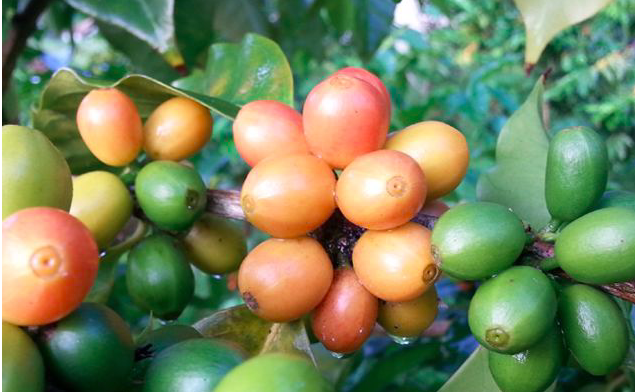
Pink Bourbon was first cultivated in the Huila region. Initially it was planted mixed with other Bourbon and Caturra varieties before being separately harvested and processed. When the cherries mature they display a romantic pink color, but keeping that hue is exceptionally difficult. The final color of coffee beans is determined by recessive genes within the pollen grains. The hybridized pollen contains genes that trend toward both Yellow Bourbon's yellow and Red Bourbon's red, both of which are recessive and easily interfere with each other, which makes Pink Bourbon an extremely rare variety.
Flavor Characteristics
The rare Pink Bourbon also shows distinctive character in the cup. Unlike the typically flat flavor of regular Bourbon varieties, Pink Bourbon has fresh floral aromatics, juicy sweetness reminiscent of blueberries and green grapes, cherry notes in the middle, and a brown-sugar-like sweetness on the finish. In acidity it presents complex citrus and berry notes.
Roasting Optimization
Because of Pink Bourbon's unique flavor expression, we previously shared a detailed introduction to this bean under the title "FrontStreet Coffee's Bean Hunter's Journal: Rare Pink Bourbon from Colombia's La Minita Estate." To better unlock its potential, FrontStreet's roaster made fine adjustments to the previous roast curve. Today we share how this Pink Bourbon performs with the adjusted curve.
Before Curve Adjustment
Roasting Equipment: Yangjia 800N (batch size: 300g)
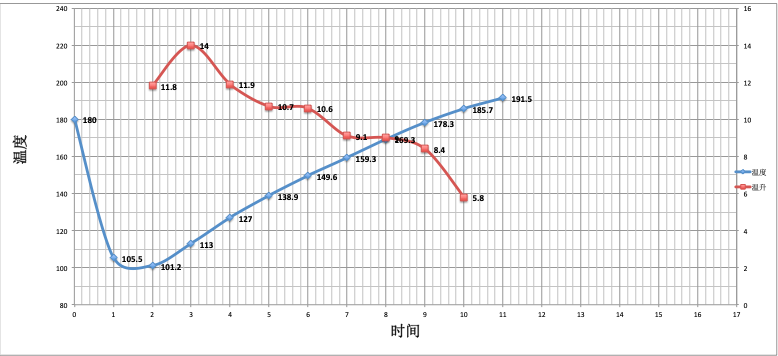
Preheat the roaster to 180 degrees C, set the air damper to 3, and heat at 120 power. The turning point occurs at 1'42" with the temperature at 140 degrees C; hold the same heat and open the damper to 4. At this point the bean surface turns yellow and grassy aromas disappear completely, marking the start of the dehydration phase. At 176 degrees C reduce heat to 100, then to 70 at 180 degrees C, keeping the damper unchanged.
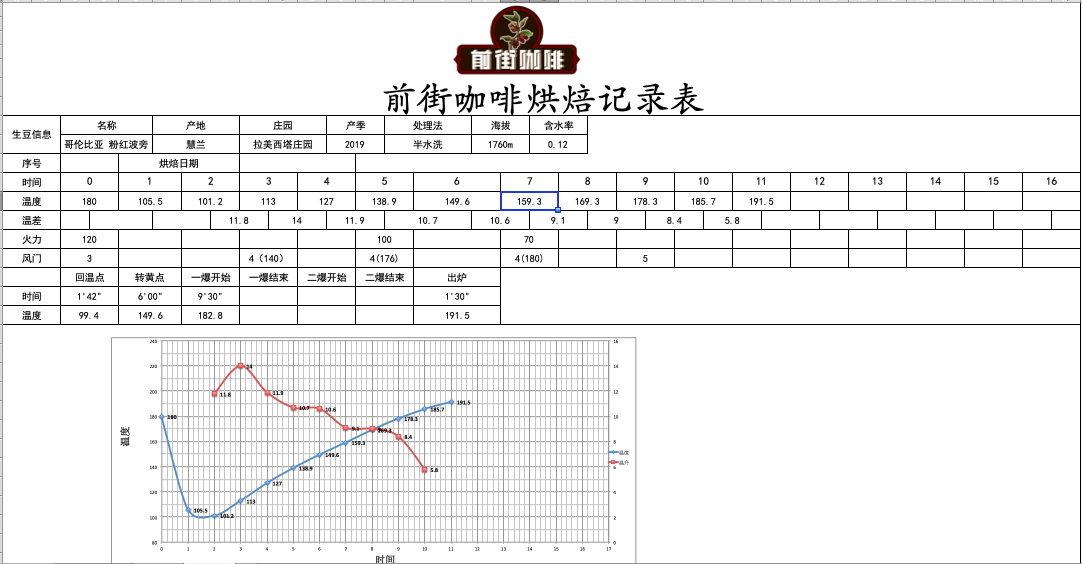
At 8'17", ugly wrinkles and black spots appear on the bean surface, and toasted bread aromas clearly shift toward coffee fragrance. This can be defined as the prelude to first crack. Listen carefully for the sound of first crack. First crack begins at 9'30"; adjust the damper to 5, being very careful with the heat adjustment so that you do not reduce it so much that crackling stops. Develop for 1'30" after first crack and discharge at 191.5 degrees C.
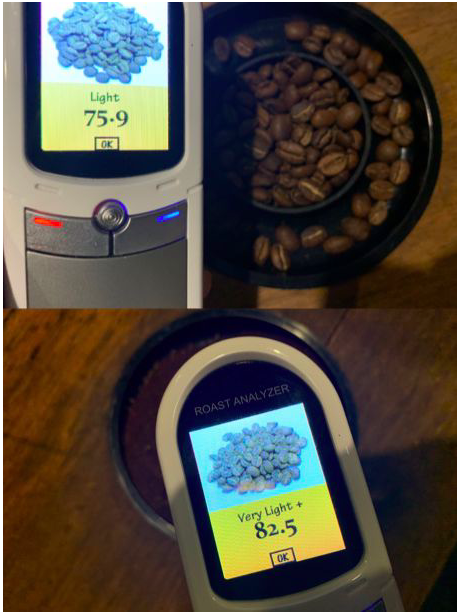
Agtron bean color value: 75.9 (above), Agtron ground color value: 82.5 (below), Roast Delta: 6.6.
Cupping Results: Citrus, floral, honey, berries, nuts, cream.
After Curve Adjustment
Curve One
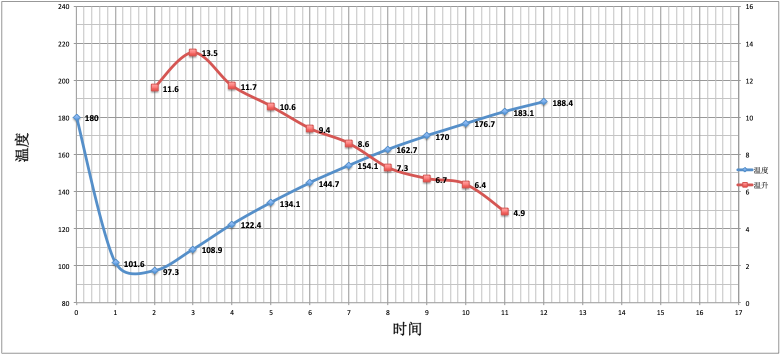
Preheat the roaster to 180 degrees C, set the air damper to 3, and heat at 100 power. The turning point occurs at 1'43" with the temperature at 140 degrees C; hold the same heat and open the damper to 4. At this point the bean surface turns yellow and grassy aromas disappear completely, marking the start of the dehydration phase. At 151 degrees C reduce heat to 80, then to 65 at 166 degrees C, keeping the damper unchanged.
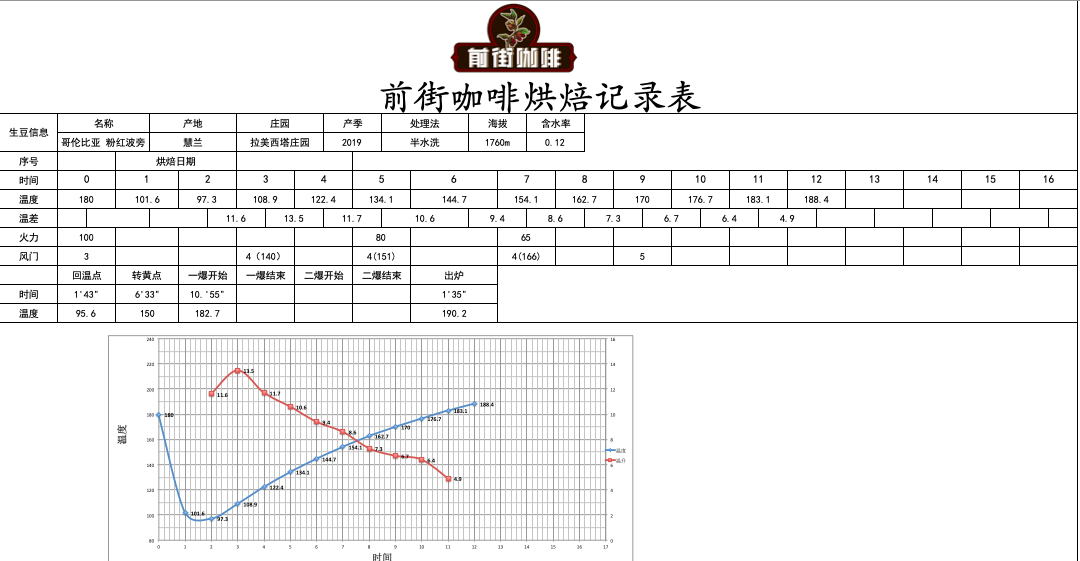
At 9'07", ugly wrinkles and black spots appear on the bean surface, and toasted bread aromas clearly shift toward coffee fragrance. This can be defined as the prelude to first crack. Listen carefully for the sound of first crack. First crack begins at 10'55"; adjust the damper to 5, again taking care not to cut the heat so much that crackling stops. Develop for 1'35" after first crack and discharge at 190.2 degrees C.
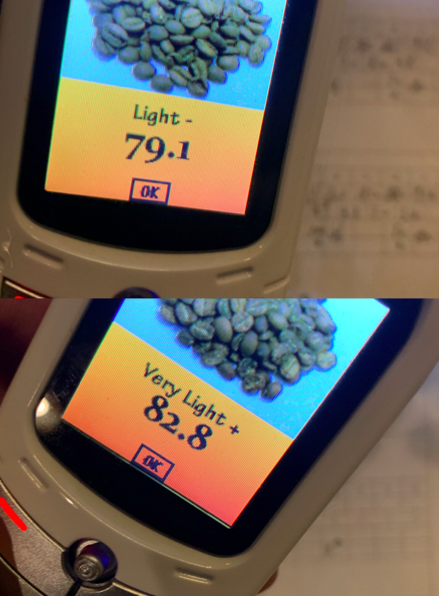
Agtron bean color value: 79.1 (above), Agtron ground color value: 82.8 (below), Roast Delta: 3.7.
Cupping Results: Citrus, tea aromatics, honey, floral, berries, nuts.
Curve Two
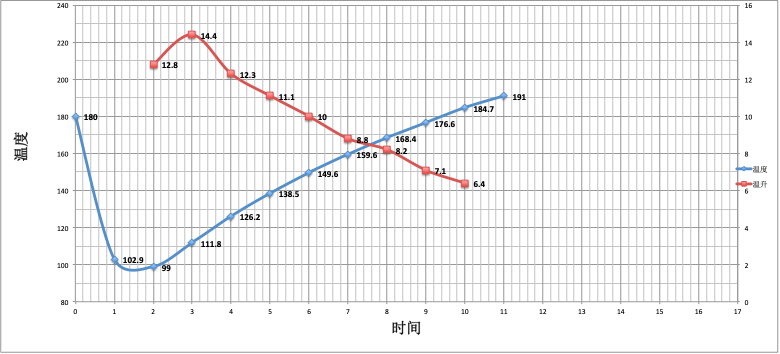
Preheat the roaster to 180 degrees C, set the air damper to 3, and heat at 100 power. The turning point occurs at 1'40" with the temperature at 140 degrees C; hold the same heat and open the damper to 4. At this point the bean surface turns yellow and grassy aromas disappear completely, marking the start of the dehydration phase. At 151 degrees C reduce heat to 80, then to 65 at 166 degrees C, keeping the damper unchanged.
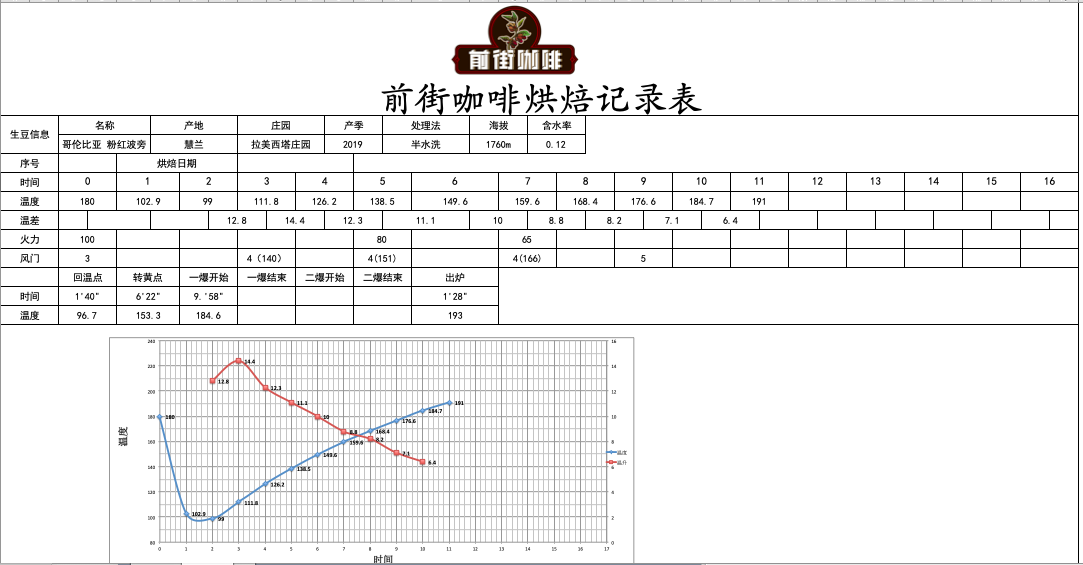
At 8'35", ugly wrinkles and black spots appear on the bean surface, and toasted bread aromas clearly shift toward coffee fragrance. This can be defined as the prelude to first crack. Listen carefully for the sound of first crack. First crack begins at 9'58"; adjust the damper to 5, again taking care not to cut the heat so much that crackling stops. Develop for 1'28" after first crack and discharge at 193 degrees C.
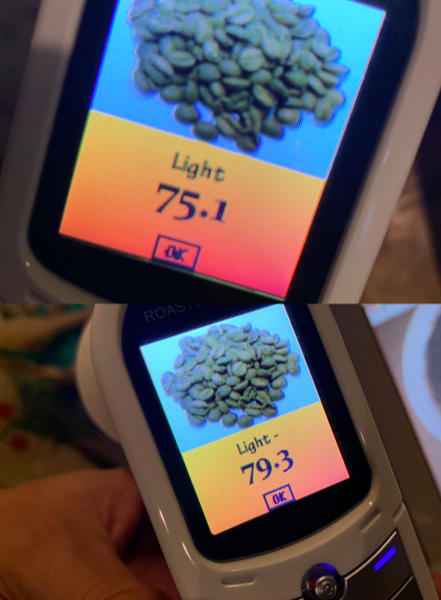
Agtron bean color value: 75.1 (above), Agtron ground color value: 79.3 (below), Roast Delta: 4.2.
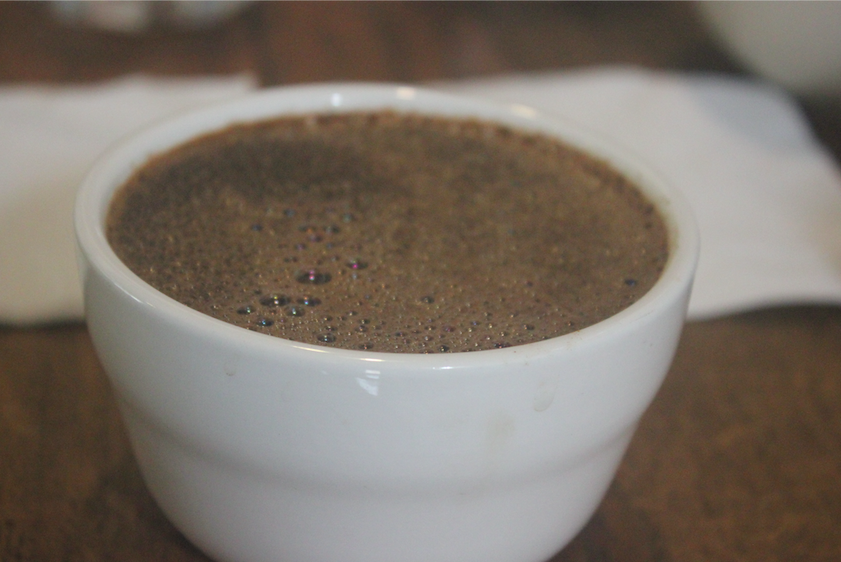
Cupping Results: Floral, caramel, lemon, honey, nuts, chocolate.
Curve Analysis
Both adjusted curves produce prominent floral aromatics, fruit acidity, and sweet-sour balance in cupping. Curve One shows weaker floral notes at first slurp, but as the temperature changes the mid-palate sweet-sour sensation and flavor layers gradually emerge, and in the finish a distinct tea-like note and honey sweetness can be clearly detected; overall, however, the acidity is overly pronounced throughout the cupping. Curve Two presents prominent floral aromatics and flavor from the initial slurp. As the temperature changes, the mid-palate acidity softens and caramel sweetness emerges, and in the finish nut and cocoa aromas become more pronounced. Overall it shows distinct flavor layers with a substantial, balanced mouthfeel.
Brewing Guide
After cupping, we found both curves performed well, so we brewed separate batches with each to see whether they would perform similarly as pour-over.
Recommended Brewing Method: Pour-over
Dripper: Hario V60
Water Temperature: 90 degrees C
Coffee Dose: 15g
Brew Ratio: 1:16
Grind Size: Medium-fine (BG 6k: 58% retention on China standard #20 sieve)
Brewing Technique: Pulsed extraction
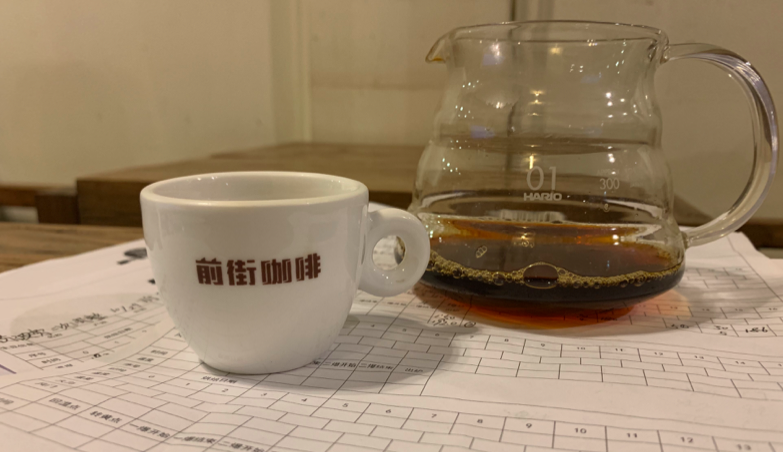
Start with 34g of water for a 40-second bloom. Using a small stream, pour in circles to 127g, then segment. When the water level drops to just before exposing the coffee bed, continue pouring to 240g and stop. When the water level again drops to just before exposing the bed, remove the dripper. Extraction time from the start of the bloom: 2'00".
Flavor Profile
Curve One: The entry reveals dark plum acidity and berry notes. As the temperature changes, nutty aromatics, caramel, and cream emerge. The mouthfeel shows distinct citrus acidity.
Curve Two: The entry reveals citrus, berry, and cherry tomato notes. As the temperature changes, caramel sweetness and subtle fermentation aromatics emerge. The finish features floral and nutty cream aromas. The mouthfeel is smooth and clean.
Conclusion
Through both cupping and brewing, we found that the adjusted Curve Two expresses this Pink Bourbon's flavor profile better. Flavor descriptions do vary by individual and are influenced by water temperature and brewing method; this cupping report offers descriptions limited by the flavor wheel under identical brewing equipment and parameters, and is intended for reference.
FrontStreet Coffee Recommendation
Colombia's range is wide: it suits espresso blends and pour-over single origins alike, with fruity-acidic styles, rich and full styles, and aroma-forward styles all available. FrontStreet Colombia Huila comes from Huila province in the southern Central Cordillera, the country's most famous specialty region. The area is mountainous and surrounded by hills, with planting above 1,500 meters, and Colombia's most important rivers converge there, bringing abundant water and humidity. FrontStreet Washed Huila is roasted medium-dark, which brings forward black chocolate and nutty sweetness, moderate crema, and a full body; it suits pour-over and French press and can also be used for moka pot coffee and on an espresso machine to make americanos and lattes.
Colombian coffee was traditionally washed, but innovative processing has become popular in recent years. Anaerobic fermentation is a newer taste experience and goes by several names, including carbonic maceration, but simply put it is fermentation carried out in a low-oxygen or oxygen-free environment, usually in a pressure-resistant stainless steel tank where temperature, time, pH, and other data can be controlled. The best-known forms are anaerobic natural and anaerobic washed. FrontStreet Colombia Sidra uses anaerobic natural processing, in which the oxygen-free fermentation converts more tropical fruit aroma; roasted medium-light, it can be brewed as pour-over, cold brew, drip bag, or moka pot and offers complex, intense flavors of passion fruit, grape, apricot, and dried fruit.
For those with a home espresso machine or a moka pot, FrontStreet Premium Blend is a strong recommendation. It is an espresso blend developed for cafe use, combining the creamy, nutty character of Brazilian coffee with the dark chocolate bittersweetness of Colombian coffee. Extraction shows a fine golden crema, and it pairs beautifully with milk for a rich, smooth latte; it is very forgiving for beginners and also works as the base for americanos, cappuccinos, and mochas.
Important Notice :
FrontStreet Coffee is a long-established specialty coffee roaster in Guangzhou China, selling freshly roasted beans from its own farm in Yunnan as well as dozens of carefully selected single-origin beans from around the world for both pour-over and espresso. The products deliver consistently excellent quality and great value, with shipping within 24 hours. Guangzhou's FrontStreet Coffee shop is recommended by many coffee lovers, and the beans are now available online at the Tmall 。
FrontStreet Coffee has moved to a new address:
FrontStreet Coffee Address: 315,Donghua East Road,GuangZhou
Tel:020 38364473
 Scan and follow the En Gafei WeChat official account. Please indicate that the reprint comes from "En Gafei".