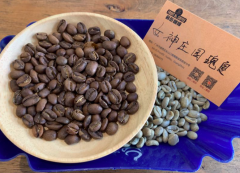
Flavor Profile, Taste Characteristics, and Brewing Parameters for Colombia Caldas Natural Process Geisha Coffee Beans
After tasting Geisha from Panama and Geisha from Ethiopia, it is worth getting to know Colombia's version. Today FrontStreet Coffee is sharing a naturally processed Geisha from Colombia.
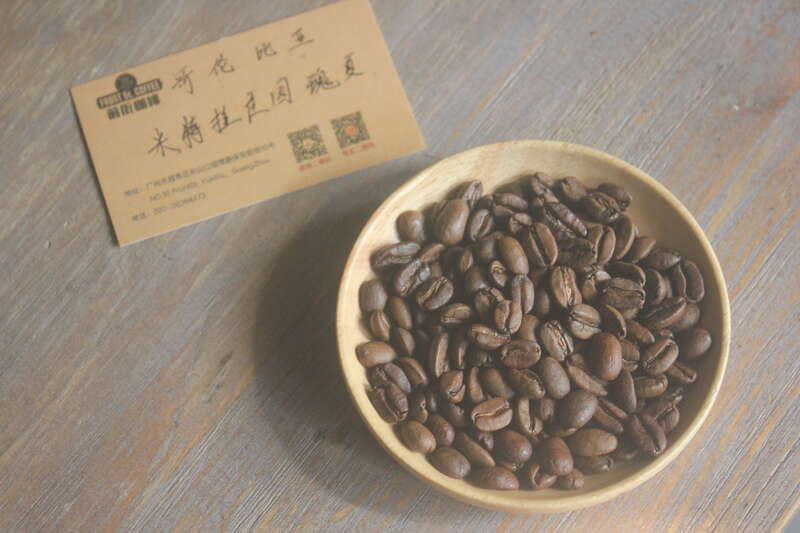
Colombia Mi Terra Geisha
Colombia - Mi Terra Estate Geisha
Origin Country: Colombia
Region: Caldas Chinchina
Altitude: 1700-1850 meters
Variety: Geisha
Processing Method: Natural
Grade: SUPREMO
Colombia
Colombian coffee is famous worldwide. It once ranked second among coffee-producing countries and now ranks third. Before 2001, Colombia concentrated on the commercial coffee market; only after 2001 did it move into the smaller specialty segment. Even so, because the country's environment suits specialty coffee so well -- varied topography, low latitude, high altitude, and a wide temperature swing that slows bean development -- it has enormous potential.
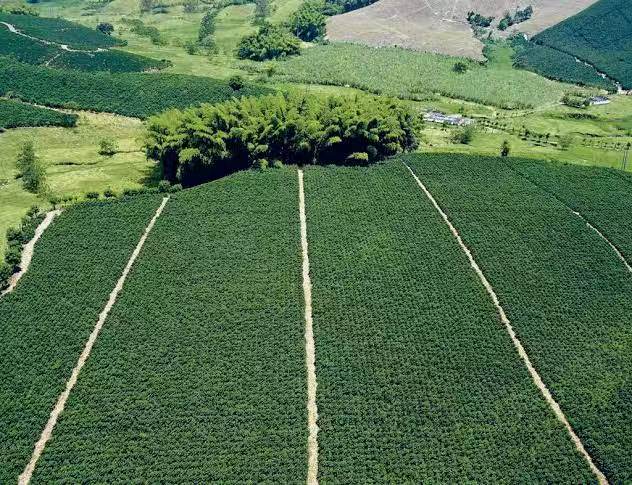
Three Cordillera ranges run north to south through Colombia as part of the Andes, and coffee is planted along their highlands. Those mountain terraces create a range of climates, so there is a harvest somewhere year-round, with different coffee types ripening at different times. Unlike Brazil, Colombia also does not have to worry about frost. The country has roughly 2.7 billion documented coffee trees, 66% of them planted using modern methods on plantations, with the rest on traditionally managed small farms.
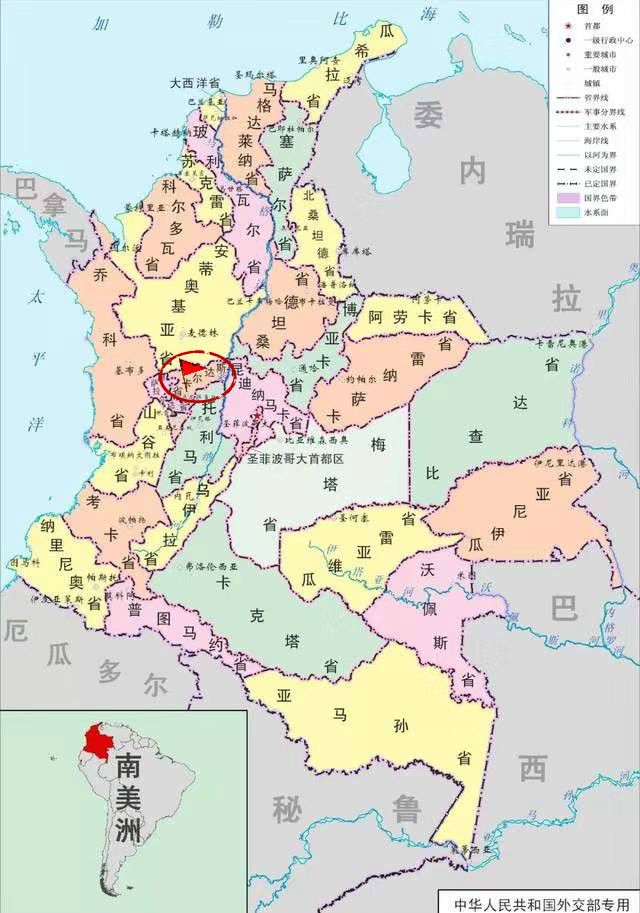
Caldas Chinchina lies in the heart of Colombia's coffee region, in the center of the country, and is the core of Colombia's well-known coffee tourism. Coffee from Caldas has a distinct vanilla aroma, soft acidity, and a full body.
Geisha
Geisha is pronounced the same as the Japanese word "geisha," which is how it got its name. Because the tree grows taller than typical coffee trees, it was originally planted in a small corner of the estate and used as a windbreak.
The Geisha variety was discovered in 1931 in the Geisha forest of Ethiopia and later sent to a coffee research institute in Kenya. In 1936 it was introduced to Uganda and Tanzania, and in 1953 to Costa Rica.
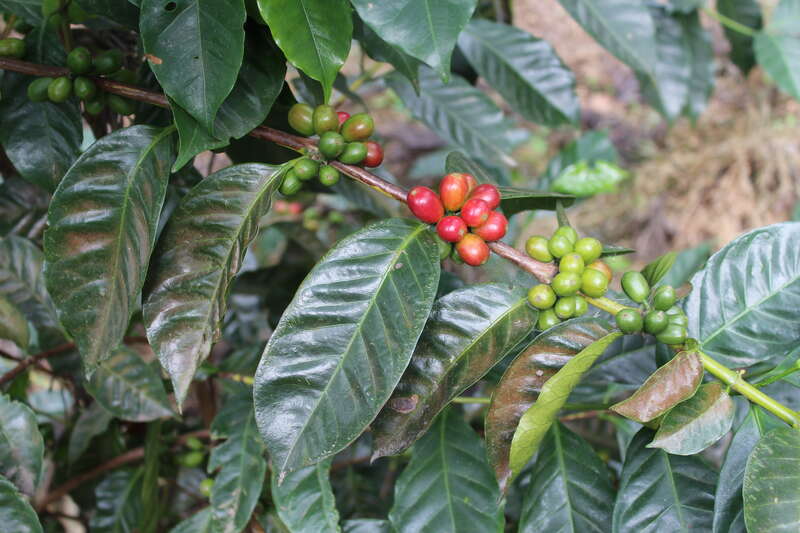
Geisha is unusually demanding about where it grows, needing high altitude, cloud shade, fertile soil, and enough accumulated heat. The average altitude is 1625 meters, the annual average temperature falls between 16C and 25C, and average rainfall is about 3500 millimeters. The plantation is farmed under semi-shade, and the trees are all local, distinctive varieties.
Processing Method
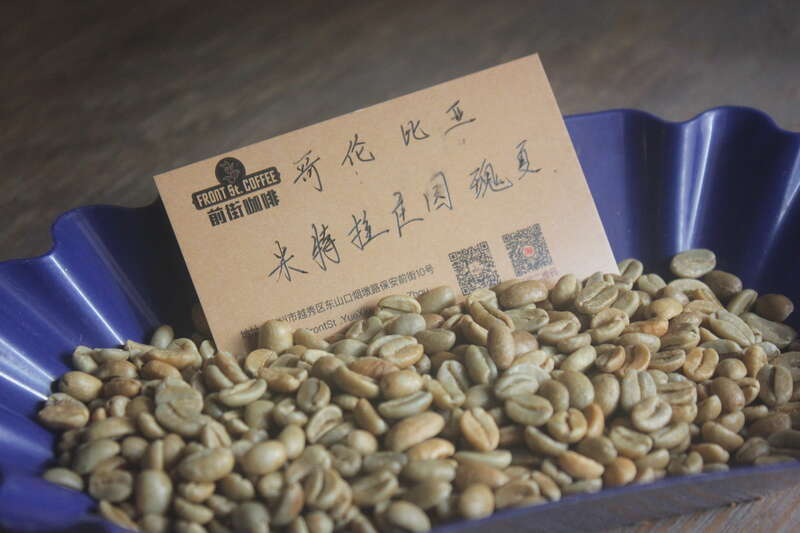
Colombia's most common processing method is washed, but the Geisha FrontStreet Coffee is presenting here is naturally processed. Natural processing is the older method: the moisture in the coffee cherries is reduced by sun-drying. It layers in some fermented character, lifts sweetness, and adds depth to the cup.
Roast Profile
This bean comes from a relatively high altitude and has a hard, dense structure. To bring out its character and aroma, FrontStreet Coffee chose a light roast, which better reveals what the bean already has, using medium heat through the drying phase.
Yangjia 800N roaster (300g batch size)
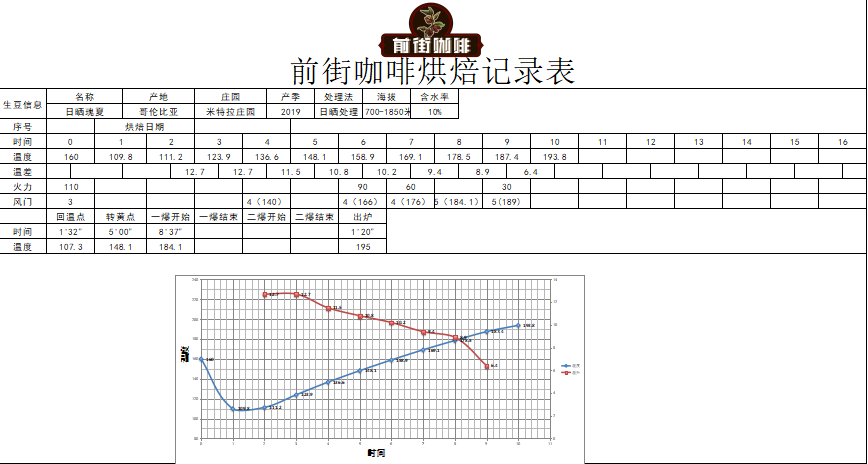
The drum is preheated to 160C, the air damper opened to 3, heat set at 110, and the turning point comes at 1'32" at 107.3C. When the drum reaches 140C, open the air damper to 4; at this point the bean surface turns yellow and the grassy aroma disappears entirely, marking the start of the drying phase. When the drum reaches 166C, adjust the heat to 90C and leave the air damper unchanged.
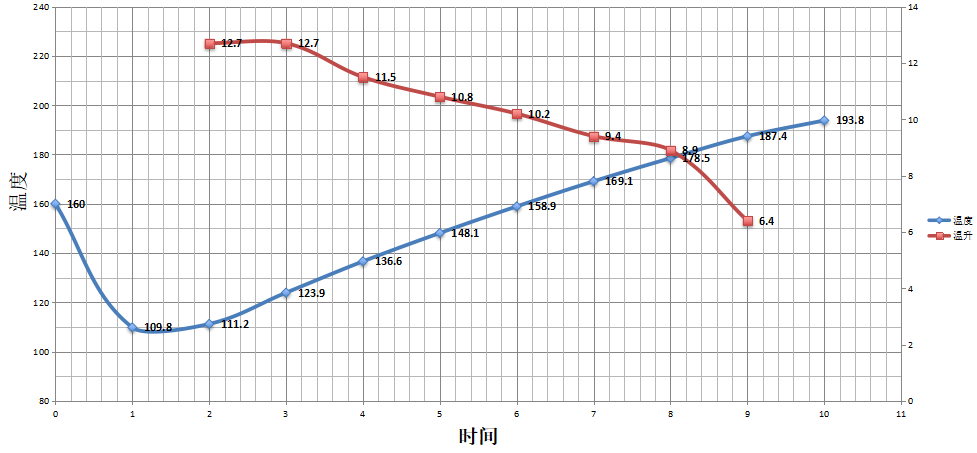
At 7'46", ugly wrinkles and dark spots appear on the bean surface and the toast aroma clearly shifts into coffee aroma, which can be read as the prelude to first crack. Listen carefully for the sound of first crack. At 8'37" first crack begins, so adjust the air damper to 5, taking care with the heat change so the cracking does not stall. After first crack, develop for 1'28" and discharge at 195C.
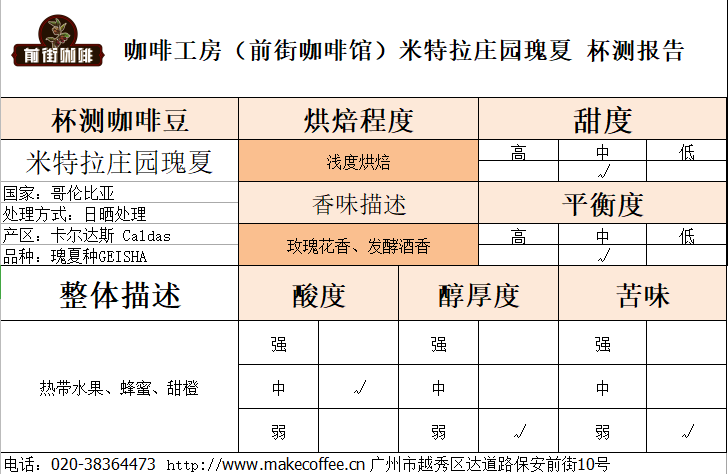
Cupping Notes: Tropical fruits, citrus, fermented wine aroma, rose floral notes
Brewing Parameters
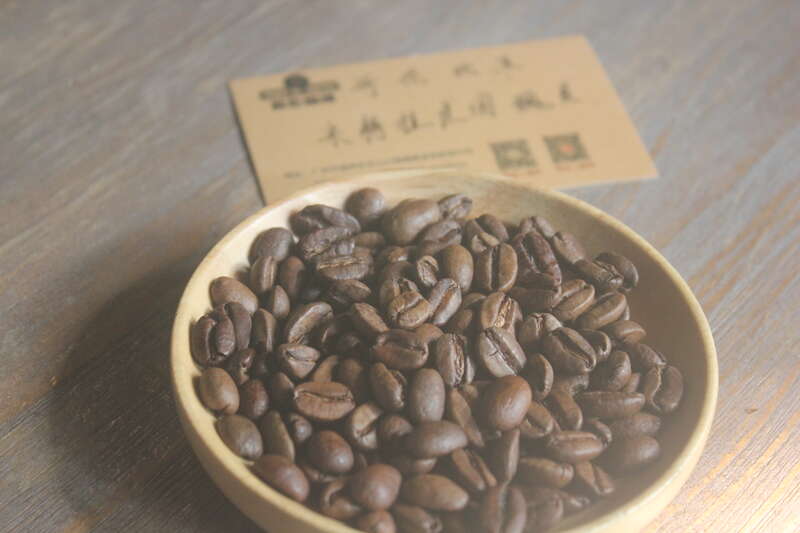
FrontStreet Coffee Recommended Brewing Method: Pour-over
1. Dripper: Hario V60
2. Grind Size: Medium-fine grind (BG 5T: 58% pass rate through China standard #20 sieve)
3. Water Temperature: 90C
4. Coffee-to-Water Ratio: 1:16
5. Brewing Technique: Segmented extraction

Use 30g of water for the bloom and let it sit for about 30 seconds. Then pour 95g of water in a slow circular motion at the center, breaking the pour at 125g. When the water level drops and is about to expose the coffee bed, continue pouring to 240g to finish. When the water level again drops and is about to expose the bed, remove the dripper; timing starts from the bloom. Total extraction time is 1'50".
Flavor: The wet aroma is floral, with oolong tea. In the cup there are tropical fruits, peach, citrus, and honey.
FrontStreet Coffee Recommendation
Colombia is the third great home of Geisha, and if you want to compare it directly against the Panamanian and Ethiopian versions, FrontStreet Coffee's Grana Estate Geisha from Ethiopia is a useful counterpoint -- a light-to-medium roast that keeps the varietal's white florals while pushing orange, guava, and citrus acidity to the front with a cleaner finish.
For the Panamanian reference, FrontStreet Coffee's Boquete Geisha is the entry-level bottle of the classic tangerine-and-honey style, while the Green Label (Private Collection) Esmeralda lot delivers the same signature high-altitude character from blended plots at a friendlier price.
Geisha beans are hard and dense, so they tend to sink and clog the drain hole. FrontStreet Coffee suggests a grind size at a 78% pass rate through the China standard #20 sieve -- roughly fine caster sugar -- with 91C water, and a 1:16 ratio in a small V60. Bloom with 30g for 30 seconds, pour to 125g, wait for the bed to drain halfway, then pour to 225g and let it finish; total brew time runs about 2:10-2:20.
You can also pull Geisha as SOE. FrontStreet's medium-roast Grana Estate recipe is 20g of coffee, a 1:2 ratio, a 25-second shot, and 40g of espresso -- add 200g of hot water for an Americano with orange, nut, and blueberry notes, or 200g of milk for a latte with a cream-cookie texture.
Important Notice :
FrontStreet Coffee is a long-established specialty coffee roaster in Guangzhou China, selling freshly roasted beans from its own farm in Yunnan as well as dozens of carefully selected single-origin beans from around the world for both pour-over and espresso. The products deliver consistently excellent quality and great value, with shipping within 24 hours. Guangzhou's FrontStreet Coffee shop is recommended by many coffee lovers, and the beans are now available online at the Tmall 。
FrontStreet Coffee has moved to a new address:
FrontStreet Coffee Address: 315,Donghua East Road,GuangZhou
Tel:020 38364473
 Scan and follow the En Gafei WeChat official account. Please indicate that the reprint comes from "En Gafei".