Costa Rica's Innovative Natural Process—Black Soul | How Does Black Soul Coffee Taste

If it weren't for Costa Rica's honey-processed coffee, FrontStreet Coffee suspects many people would never learn that coffee beans have to be processed into green beans before they can be exported. Fewer still realize that coffee has very professional processing terms: washed, natural, honey process, and so on.
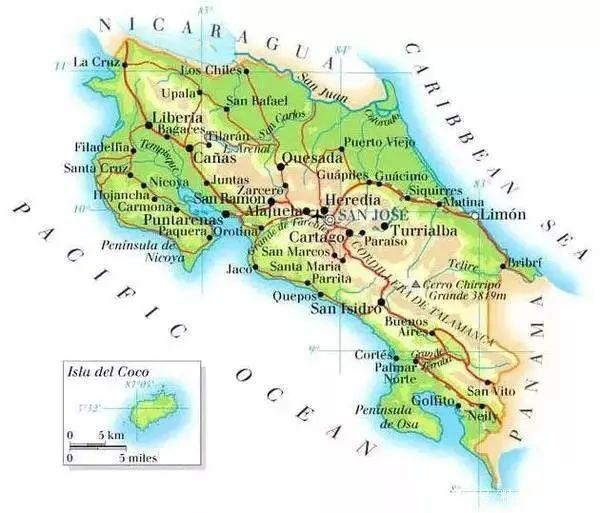
Costa Ricans say that coffee changed this country, allowing it to enjoy a prosperous environment. Coffee has indeed made outstanding contributions. Today, Costa Rica's coffee industry is one of the best-organized in the world, with yields as high as 1,700 kg per hectare. The country has a population of only 3.5 million, yet more than 400 million coffee trees, and coffee exports account for 25% of total exports. Costa Rica's volcanic soil is very fertile and drains well.
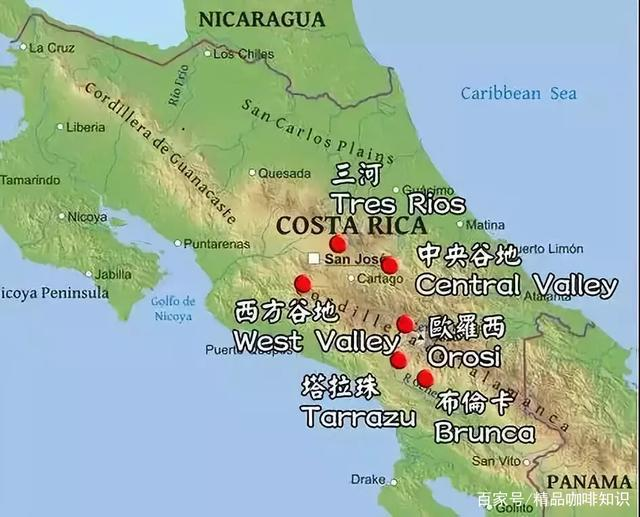
Central Valley
Altitude: 1,200–1,600 meters. Harvest season: November to March. This region has three sub-regions: San José, Heredia, and Alajuela.
Three high-altitude volcanoes sit in the region—Irazu, Barva, and Poas—supplying abundant nutrients to the surrounding coffee areas. The excellent microclimate, combined with the fertile soils of the Poás and Barva volcanoes, gives beans from this region superior characteristics such as chocolate and cocoa flavors, bright fruit acidity, and elegant aromas.
The Central Valley was also the first area in Costa Rica where coffee was cultivated, before the country's coffee industry expanded to other regions. With moderate rainfall, an average annual temperature of 19°C, and high altitude, the beans are hard, aromatic, smooth, highly acidic, full-bodied, and richly fragrant. This is Costa Rica's earliest coffee area, with rich volcanic soil that sometimes imparts a chocolate aroma. Processing begins with a washed stage, followed by machine drying at low temperature.
Costa Rica was the first country to use the honey processing method for green coffee beans. It has three major coffee-growing regions: Tarrazú, Central Valley, and Western Valley.
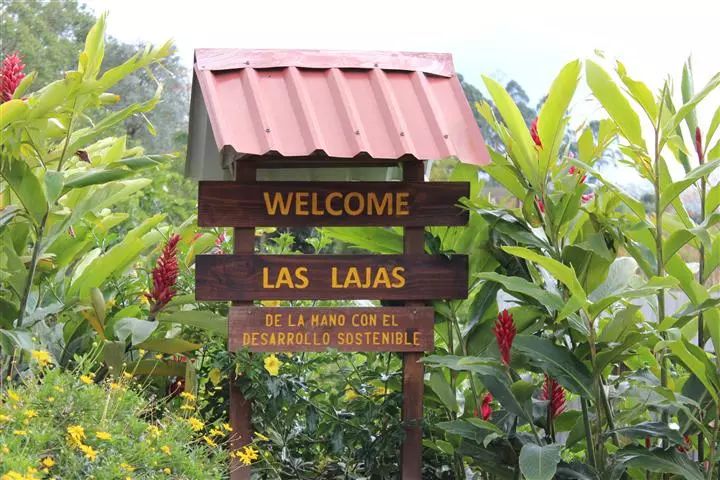
Las Lajas Estate lies in the Central Valley region at the foot of the Poás de Alajuela volcano. It has been run by the Chacón family for over 80 years. The estate sits at an altitude of 1,300–1,500 meters with an annual production of about 46,000 kg. Harvest runs from December to February. The owner insists on picking only fully ripe red fruit and mostly uses honey and natural processing to enhance the coffee's sweetness and body. The coffee is placed on African-style raised beds to ensure even sun exposure and avoid over-fermentation. The estate has also actively obtained international organic certifications and is currently certified by USDA (USA), JAS (Japan), and NOP.
Las Lajas Estate (Finca Las Lajas) sits in Costa Rica's famous Central Valley growing region, part of the Poás volcanic range. The fertile soil and rich mineral content provide excellent conditions for high-quality coffee. The estate's fine reputation comes not only from its exceptional coffee quality but also from its commitment to organic, ecological farming. It began introducing organic cultivation in 1990 and in 2000 became the first coffee estate in Costa Rica to earn organic certification.
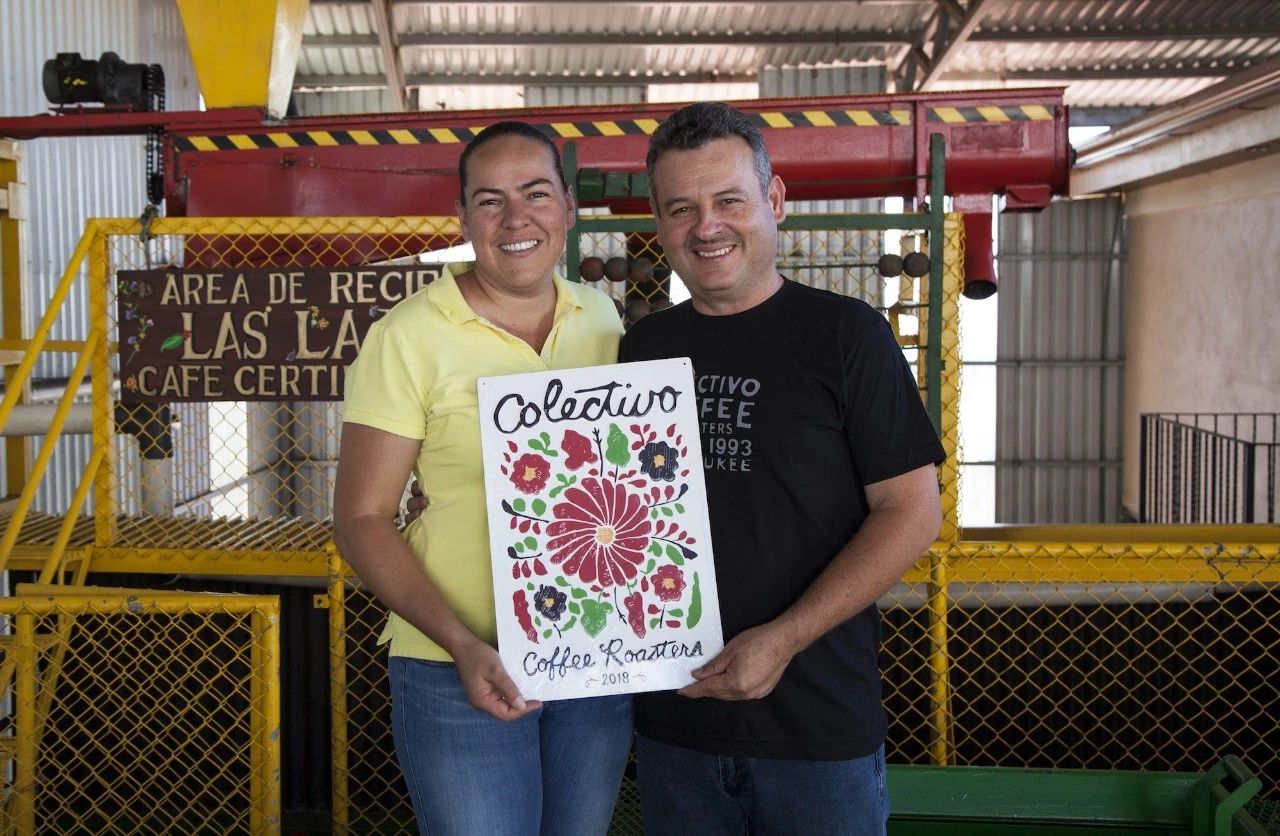
Today it is certified by three international organic organizations: USDA, JAS, and NOP. Oscar Chacon, the estate's third-generation operator, has said that promoting organic certification posed great challenges in agricultural technology and also brought severe economic pressure from sharply reduced yields. In the third year, the estate's annual production fell to only 20% of its former level. Yet this did not shake their determination to pursue organic farming. Staying away from chemical fertilizers and pesticides protects the environment for sustainable development and also safeguards the health of coffee farmers.
Innovative Natural Processing - Alma Negra
Las Lajas Estate uses honey and natural processing for all of its green beans and has developed characteristics that set it apart from other estates. Among honey-processed coffees, they are divided into three types based on how much mucilage is retained: yellow honey, red honey, and black honey. Natural-processed coffees are divided into two products based on fermentation level: Pearl Negra and Alma Negra. Pearl Negra has intense fruity fermentation flavors, while Alma Negra leans toward dried fruit and molasses. Both are among today's most fashionable natural styles, yet they offer two very different characters.
The Alma Negra beans are processed using the natural method.
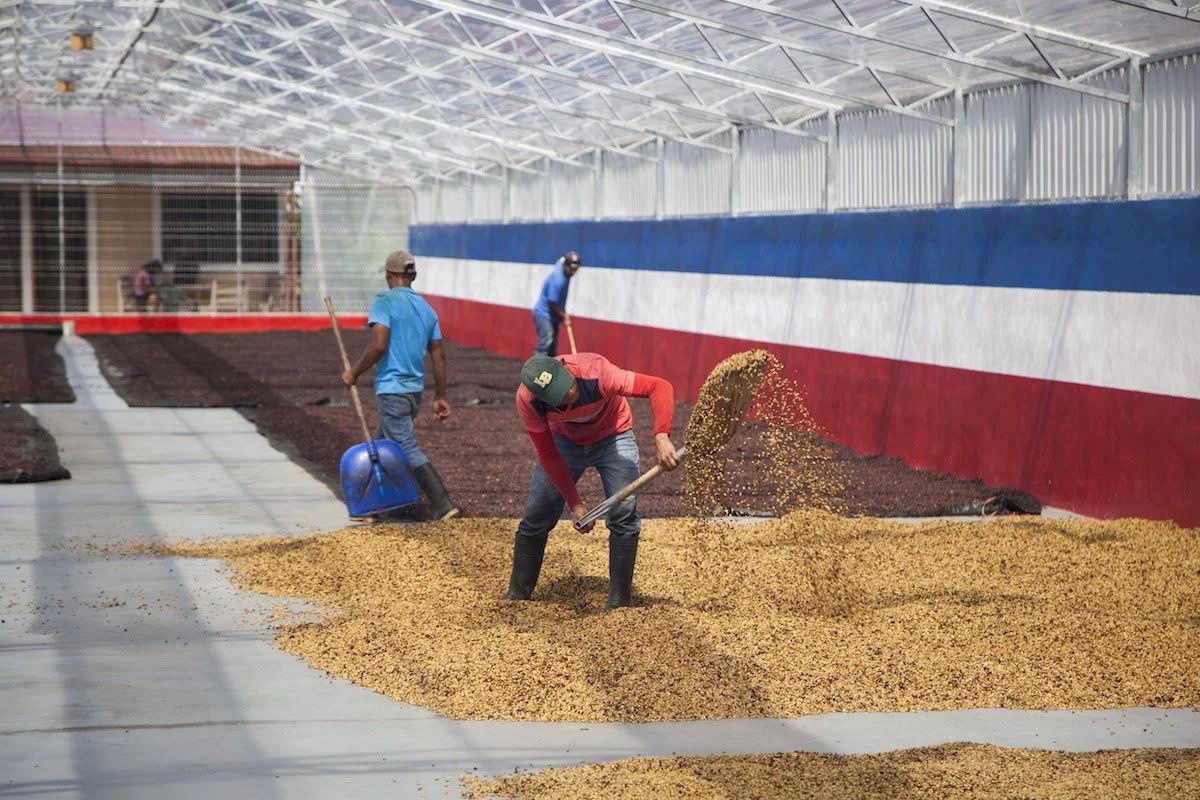
Harvested red cherries are placed on African raised beds in the early morning, turned regularly for sun exposure throughout the day, and then covered with plastic tarps in the shade until they reach a moisture content of 11.5%. The whole process takes about three weeks.
Green Bean Analysis
The Alma Negra beans are the common Caturra and Catuai varieties found in the Americas.
Caturra is a natural variant of Bourbon, discovered in Brazil in 1937. Its plant is smaller and more compact than Bourbon. Although it inherits Bourbon's lineage and therefore has relatively weak disease resistance, its yield is higher than Bourbon's. Despite being discovered in Brazil, Caturra is not suited to growing there, so it was never widely cultivated in Brazil. Instead it became popular across Central and South America, in countries such as Colombia, Costa Rica, and Nicaragua.
Catuai is a variety that is an artificial hybrid of Caturra and Mundo Novo. It has better resistance to natural disasters, particularly wind and rain. The Catuai tree is relatively low-growing. Compared to other coffee trees, its fruit grows more firmly and is harder to pick. The fruit comes in both red and yellow forms.
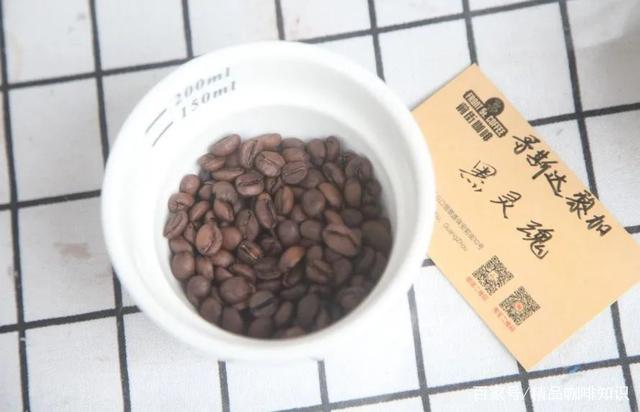
The "Alma Negra" green beans are typically yellowish-green after natural processing, with a faint hawthorn-like acidic aroma.
Roasting Analysis
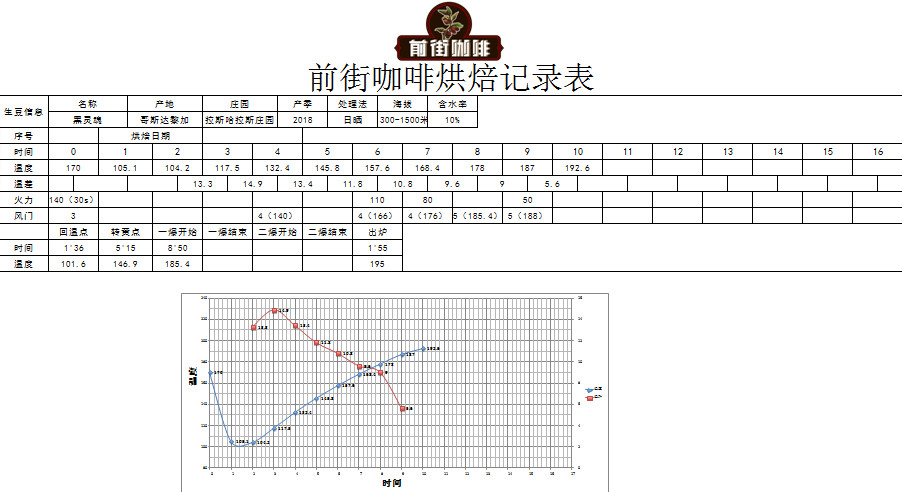
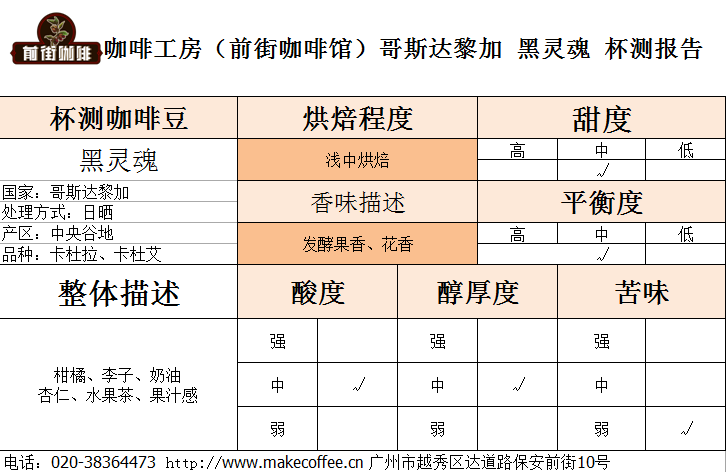
Roaster: Yangjia 800N semi-direct flame (300 g batch size)
Preheat the roaster to 170°C before loading, with the damper set at 3. After 30 seconds, increase the heat to 140. The turnaround point comes at 1'36" with a temperature of 101.6°C. At 140°C, keep the heat unchanged and open the damper to 4. At 5'15", the beans turn yellow, the grassy aroma disappears, and the roast enters the dehydration phase. Keep the heat unchanged and hold the damper at 4.
Dehydration completes at 8'07", with wrinkles and dark spots appearing on the bean surface. The toasted-bread aroma shifts into coffee aroma, signaling the prelude to first crack. At this point, listen for the first crack sound. First crack begins at 8'50", with the damper fully open to 5 and the heat unchanged. The development time after first crack is 1'55", with the beans discharged at 195°C.
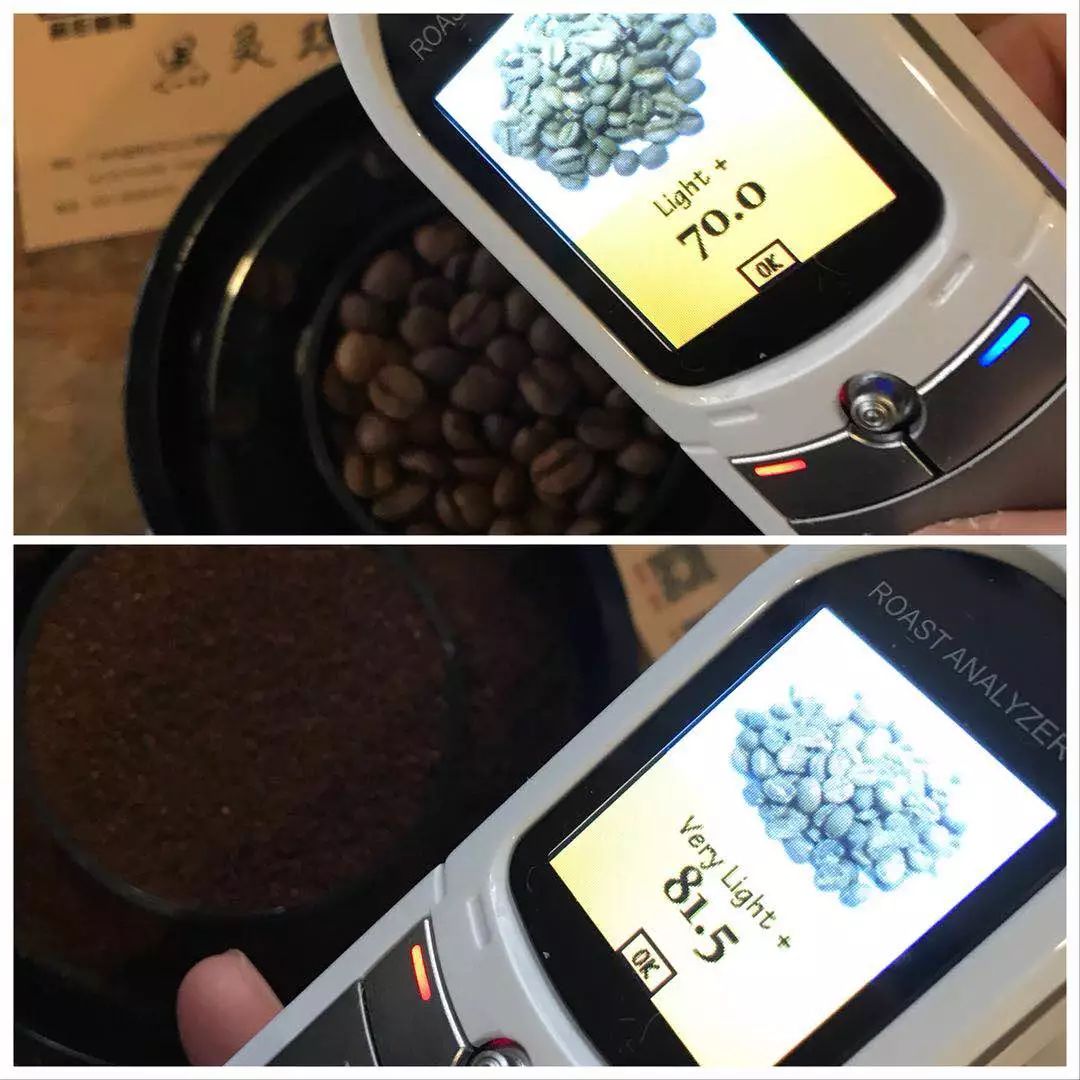
Agtron bean color value is 70, Agtron pink value is 81.5, and the Roast Delta value is 11.5.
Cupping notes: fermented fruit aroma, floral notes, citrus, plum, fruit tea. Noticeable sweet-and-sour sensations, a juicy texture, and overall balance.
Brewing Recommendations
Recommended brewing method: pour-over
Dripper: Hario V60
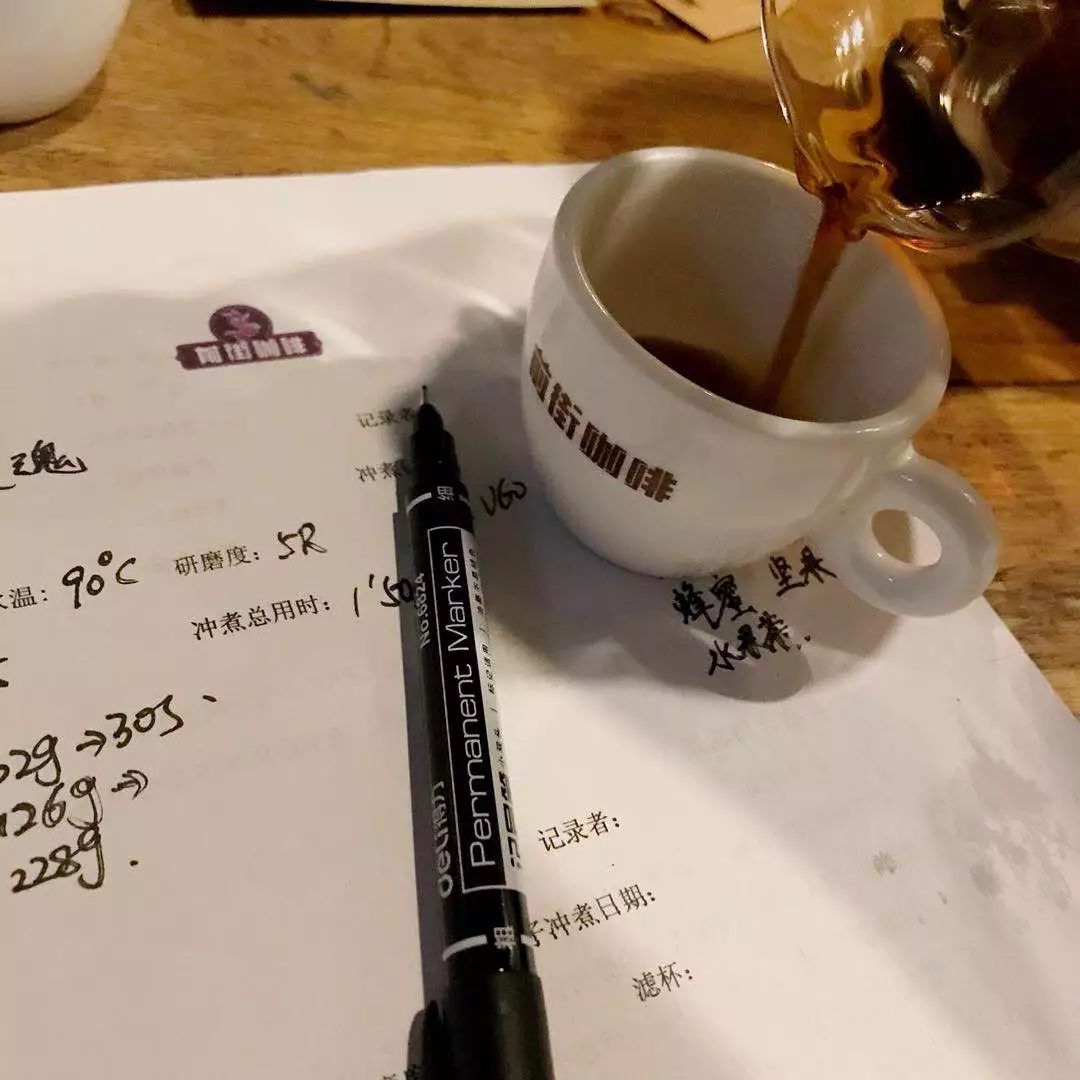
Water temperature: 90°C
Coffee-to-water ratio: 1:15
Grind size: BG 5R (58% pass-through rate on China-standard #20 sieve)
Brewing technique: 32 g of water for a 32-second bloom, then pour in stages to 126 g. When the water level drops and is about to expose the coffee bed, continue pouring to 228 g and stop. When the level drops again to the point of exposing the bed, remove the dripper. (Timing starts at the beginning of the bloom.) Extraction time is 1 minute and 50 seconds.
Flavor: an aroma of faint fermented wine and almond. The entry shows sour notes of dark plum, citrus, and green apple. Dark chocolate and nutty flavors emerge in the middle, with a light cane-sugar sweetness in the finish. As the cup cools, the entry takes on tropical-fruit sweet-and-sour notes, with cream and honey-like sweetness in the middle and a fruit-tea sensation in the aftertaste.
END
FrontStreet Coffee Recommendation
Alma Negra is a natural process at its most expressive, and it is a good reminder that honey and natural methods are ultimately about how much mucilage and fruit stay with the bean. If this fruit-forward, fermented style appeals to you, FrontStreet Coffee's Costa Rica Blackberry is a natural companion: its black honey process retains almost all of the mucilage and dries slowly for at least two weeks, then is roasted medium-light for grape, berry, and ripe blackberry flavors.
For a Brazilian take on the same honey-processing tradition, FrontStreet's Cerrado Red Bourbon is half-washed and medium roasted, with creamy peanut, toasted bread, caramel, and hazelnut notes. And if you like the idea of processing pushing flavor further, FrontStreet's Mozart uses raisin honey processing to concentrate dried-fruit sweetness even more.
Important Notice :
FrontStreet Coffee is a long-established specialty coffee roaster in Guangzhou China, selling freshly roasted beans from its own farm in Yunnan as well as dozens of carefully selected single-origin beans from around the world for both pour-over and espresso. The products deliver consistently excellent quality and great value, with shipping within 24 hours. Guangzhou's FrontStreet Coffee shop is recommended by many coffee lovers, and the beans are now available online at the Tmall 。
FrontStreet Coffee has moved to a new address:
FrontStreet Coffee Address: 315,Donghua East Road,GuangZhou
Tel:020 38364473
 Scan and follow the En Gafei WeChat official account. Please indicate that the reprint comes from "En Gafei".