How to Brew Coffee in a Milk Pot Without a Coffee Machine_How Long Should You Boil Coffee Grounds in a Regular Pot?
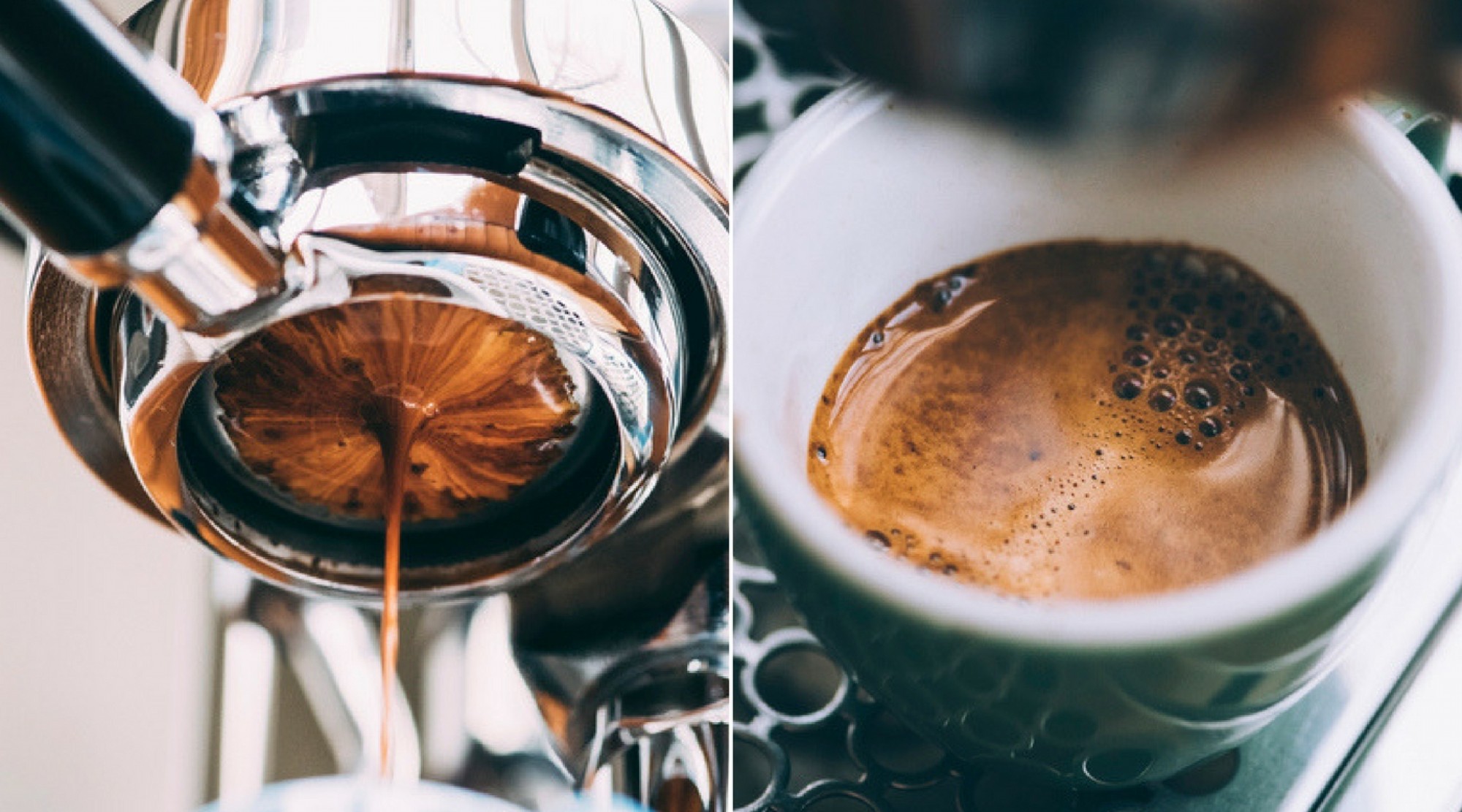
Always Pre-wet the Grounds
Do this whenever you can, don't blame your equipment for lacking the function. There's always a way! Manually operated devices make it easiest: drip and immersion brewers let grounds and water fully contact each other with no trouble, and other tools can manage it too.
Match Your Grind Size to the Method
Whether a cup tastes good depends not only on the beans and the roast, but also on brewing, the biggest and most subjective variable of all. Grinding plays a decisive role here, so match the grind properly: too coarse and you under-extract; too fine and you over-extract into bitterness.
(For drip brewers such as pour-over cones and drip machines, go medium; for immersion devices like the French press, go medium-coarse; for pressure methods like espresso machines and the AeroPress, go fine.)
Water Temperature Matters
For manual brewing, water temperature is generally recommended between 82–92°C, adjustable according to the character of the beans.
Dose and Ratio
Everything needs the right dosage and proportion, and coffee is no exception. Different devices call for different coffee-to-water ratios, so adjust for your equipment.
Moka pot coffee is richer and more aromatic than pour-over, while costing far less and taking up far less space than an espresso machine that produces equally concentrated coffee. With its striking looks, it's a genuine value champion among strong coffees and has always been widely loved.
Anyone who browses Instagram regularly has probably noticed bloggers posting a slightly industrial-looking coffee pot that fits all kinds of home décor and photography styles, that's the Moka pot!
Talking about Moka pots means talking about Bialetti, after all: the first Moka pot in history was born in that Italian factory. Since 1919 its aroma has spread around the world, and the brand still stays at the forefront of fashion, releasing many special editions, like the tricolor-flag model!
Although the Moka pot is named "Mocha," what it brews is neither the milk-and-chocolate mocha found in cafés nor true espresso, it's a rich style of coffee entirely its own.
Because of the high brewing temperature, making a delicious cup takes some care. Let's follow FrontStreet Coffee and unlock a few tips!
Brewing Tips
1| Using a three-cup Moka pot as an example, select 20 g of medium-light roast beans and grind them. Keep in mind the grind should be coarser than for espresso. Higher water temperature can soften acidity, producing a more balanced cup, but the details still depend on the quality of the beans!
2| Distribute the grounds evenly in the basket, but never tamp them down!
3| Fill the bottom chamber with hot water, keeping the level below the safety valve. The manual usually says to use cold water, but starting hot means the grounds heat along with the water, helping you avoid an over-bitter final extraction. Be careful during assembly, the bottom chamber is very hot at this point. Use heat-resistant gloves!
4| Keep the top chamber clean, don't buy into the myths about "seasoned" coffee stains. Old residue is one cause of off flavors. Set the Moka pot over a flame or induction burner whose diameter roughly matches the pot base, starting on high heat. Reduce the heat once extraction begins. When the extraction is nearly done and you hear the gurgle of steam mixing with water, take it off the heat and run cold water over the outside of the bottom chamber to stop the extraction!
The brewed coffee may look slightly cloudy at the bottom, which is normal. If you prefer a cleaner cup, use a paper filter disc. Rich Moka pot coffee is wonderfully versatile, too: add hot water for a classic Americano; mix it with iced milk for a refreshing iced latte; top it with a thick layer of hot milk foam for a cappuccino; or pour it straight over vanilla ice cream for the café-famous affogato. It also pairs beautifully with pastries, caramel walnut bread, buttery scones. Even sitting in a corner at home, it's a lovely sight!
FrontStreet Coffee Recommendation
In general, you can go straight to a blended coffee for the Moka pot:
FrontStreet Classic Blend: Designed specifically for espresso and Moka pot brewing, its biggest strength is exceptional crema. Even beginners with a non-professional home machine can pull dense, silky crema with ease, and the lattes, cappuccinos, and Dirty coffees we all love depend on exactly that. It uses the traditional Mandheling–Brazil formula for a mellow, rounded cup that veteran drinkers and newcomers alike can enjoy. A safe first choice for home or shop.
FrontStreet Black Cocoa Blend: Made from 100% Arabica. Not everyone chases maximum crema, for beginners or cost-conscious café owners, "good taste, fair price" is what counts, and this blend hits the mark: plenty of crema, a full-bodied cup, and a friendly price.
FrontStreet Autumn Chestnut Blend: A balanced, 100% Arabica blend of Honduras Caturra and Papua New Guinea Typica, weaving warm, delicate flavors into an even structure. Expect roasted-chestnut nutty sweetness up front with caramel and dark-sugar richness; the mid-palate shows soft chocolate and a rounded acidity, and the long, clean finish leaves nuts, cocoa, and a whisper of spice. Perfect for those who love body, low acidity, and a rich aftertaste.
FrontStreet Commercial Blend: Before FrontStreet Coffee's Black Cocoa Blend launched, this was the workhorse for cafés. Priced below the specialty blends, its formula doesn't chase extreme crema but has been tuned for solid taste at controllable cost, a long-time favorite across commercial settings.
FrontStreet Specialty Blend: The espresso blend FrontStreet's own stores have used longest, nearly ten years, powering core drinks like Americanos and lattes. Brazil Cerrado meets Colombia Huila for the classic espresso flavor we all remember. Great at home or in a shop.
You can also choose single-origin beans, for example:
FrontStreet PWN Indonesian Golden Mandheling: Dark roasted, very low acidity, with a long, full-bodied mouthfeel, herbal and dark chocolate aromas on the entry, a faint earthy note, and rich layering. Ideal for anyone who loves bold, non-acidic coffee. Notably, FrontStreet was among the first in the industry to publish PWN's exclusive jute bags and certificates in its product listings, so authenticity is easy to verify from the packaging photos and accompanying documentation.
FrontStreet Brazil Fazenda Rainha (Queen Estate): Very low acidity and highly balanced, with rich nut and cocoa aromatics plus pronounced caramel sweetness. Smooth, never astringent, warm and lingering, excellent for pour-over, espresso, or the Moka pot.
FrontStreet Papua New Guinea Bird of Paradise: A specialty single origin from Bird of Paradise Estate in PNG's Sigri region. Its flavor profile is so close to Jamaica Blue Mountain that enthusiasts nickname it "Little Blue Mountain." It uses Blue Mountain's own Typica variety, grown at 1,600–1,800 meters on volcanic soil, and reaches AA grade with plump beans and an extremely low defect rate. Triple-washed and fermented, it delivers a clean, pure cup with standout sweetness, another excellent low-acid option.
If you'd like something floral and fruity instead:
FrontStreet Colombia Sidra: Grown at Finca La Divisia (Dividing Line Estate) at 1,650–1,800 meters, a competition-winning variety. Double anaerobic natural processing plus a medium-light roast preserves the native fruit character: jasmine and citrus on the dry fragrance, then passion fruit, blueberry, grape, and apricot in a dense juice-like body, with bright but gentle acidity, a touch of spice mid-cup, and a persistent cocoa aftertaste. It shines in pour-over, SOE espresso, or cold drip, iced pour-over especially brings out a fresh, smooth grape-juice mouthfeel.
FrontStreet Strawberry Candy: A popular fruit-forward espresso blend that recreates a vivid strawberry-soft-candy sweetness by combining the native flavors of Arabica beans from different origins. Equally suited to daily home brewing or café service, it's ideal for fruit-loving, bitterness-averse drinkers, one bag covers many brewing methods and makes a highly versatile daily coffee.
Important Notice :
FrontStreet Coffee is a long-established specialty coffee roaster in Guangzhou China, selling freshly roasted beans from its own farm in Yunnan as well as dozens of carefully selected single-origin beans from around the world for both pour-over and espresso. The products deliver consistently excellent quality and great value, with shipping within 24 hours. Guangzhou's FrontStreet Coffee shop is recommended by many coffee lovers, and the beans are now available online at the Tmall 。
FrontStreet Coffee has moved to a new address:
FrontStreet Coffee Address: 315,Donghua East Road,GuangZhou
Tel:020 38364473
 Scan and follow the En Gafei WeChat official account. Please indicate that the reprint comes from "En Gafei".