How Much Does Authentic Imported Blue Mountain No. 1 Coffee Cost Per Pound? 2022 Jamaica Blue Mountain Coffee Price List
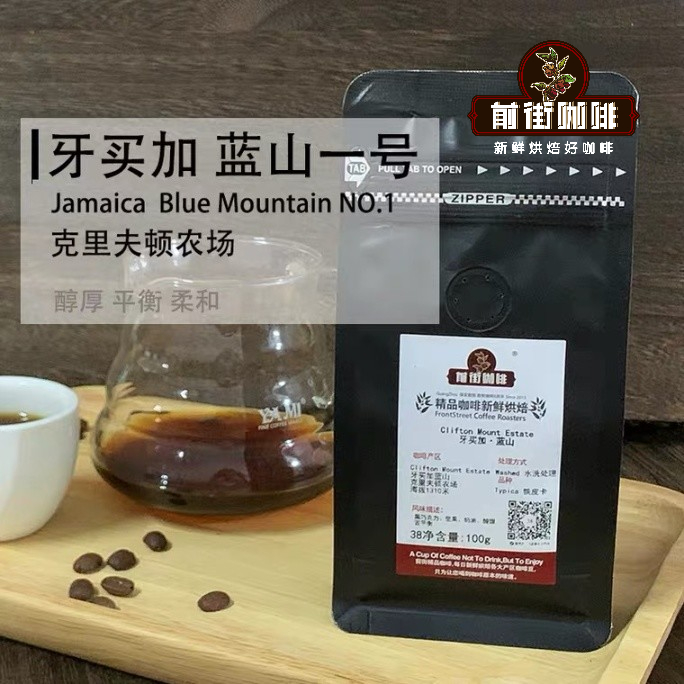
Jamaica Blue Mountain coffee beans are the pearl of the specialty coffee market and one of the most popular coffees in the world. It is a wet-processed (washed) coffee that produces a smooth and balanced brew with a rich, mellow, refined taste. Jamaica Blue Mountain beans are also extremely scarce. They are known for their exceptionally sweet flavor and richness, with a creamy mouthfeel almost everyone has heard of.
FrontStreet Coffee: Introduction to Jamaica FrontStreet Blue Mountain Coffee Beans
The Four Great Estates of Jamaica Blue Mountain
The four great estates of Jamaica Blue Mountain are Clifton Hill Estate, Stoney Grove Estate, Golden Cup Estate, and RWS Coffee Estate.

Clifton Hill Estate is the only Blue Mountain estate in Jamaica with Rainforest Alliance certification. FrontStreet Coffee's Blue Mountain beans are selected from this estate, offering a perfect balance of acidity, body, and aroma with an endless aftertaste. The estate has a 200-year history. Stoney Grove Estate works mainly with Japanese companies and is less known at home, with only 80 years of history. Golden Cup Estate has an even shorter history of just 20 years, but it has merged two century-old estates and runs on more advanced management techniques. RWS Coffee Estate has merged three century-old estates, also for the development of Blue Mountain coffee.
Clifton Hill Village
The coffee cultivation and processing areas sit at an average altitude of 4,300 feet (1,310.64 meters). Sufficient elevation, gentle afternoon cloud and mist around the forested slopes for shade, ample sunlight, and mineral-rich soil give the coffee trees excellent growing conditions and extend the cherries' ripening period.

In 1953, the Jamaican government established the Coffee Industry Board of Jamaica (CIB) to regulate and guarantee the quality of Jamaican coffee. Jamaica was the first country in the world to tie a specific geographical location to a particular coffee brand, somewhat like how the French wine industry established the AOC system.
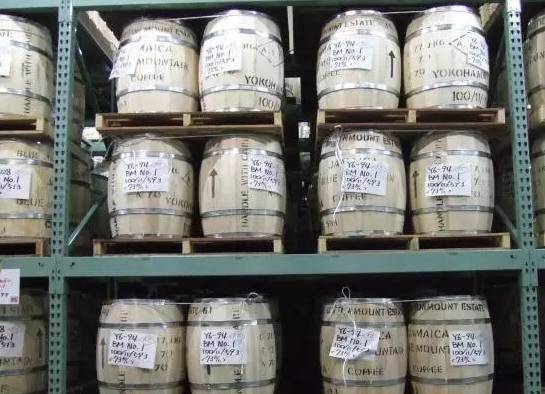
All coffee exported from Jamaica is certified by the CIB. Beyond that, strict testing by trained quality-control experts ensures that everything exported is 100% authentic Jamaican Blue Mountain coffee.
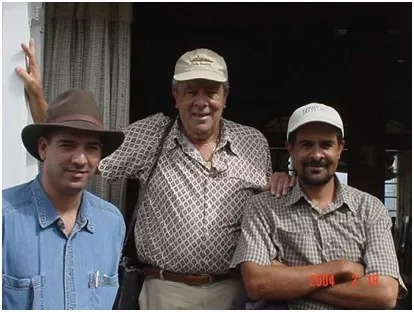
The Sharp family: Jason, Lawrence (father), and Richard
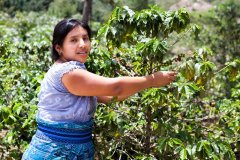
As early as the mid-eighteenth century (around 1750), Clifton Hill Farm began cultivating and producing coffee. According to an 1810 survey by the Jamaica Institute, Robert Hamilton was the farm's owner at that time; today it is managed by the Sharp family.
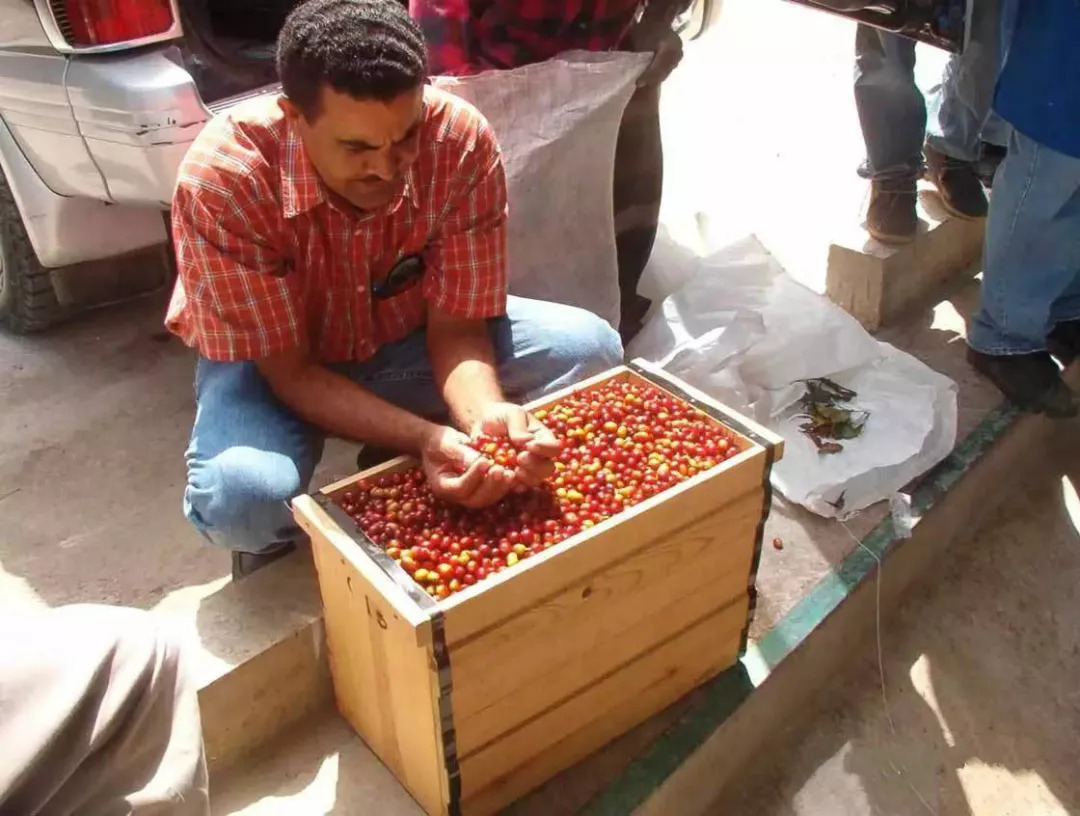
Sharp inspecting red cherries
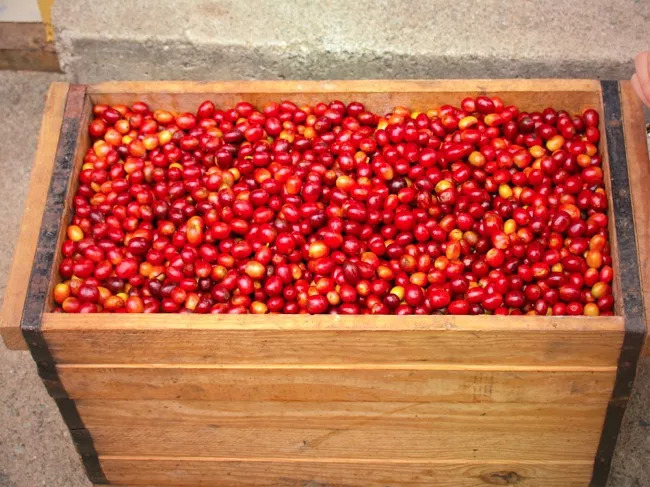
The high altitude and long history of Clifton Hill, combined with its distinctive processing methods, give Clifton Hill coffee not only the characteristic roundness and smoothness of Blue Mountain No. 1 but also subtle floral notes and other rich flavors. This is why Clifton Hill is in demand and commands high prices, with standards exceeding 10,000 per barrel.
FrontStreet Coffee: Jamaica FrontStreet Blue Mountain No. 1 Coffee Bean Varieties
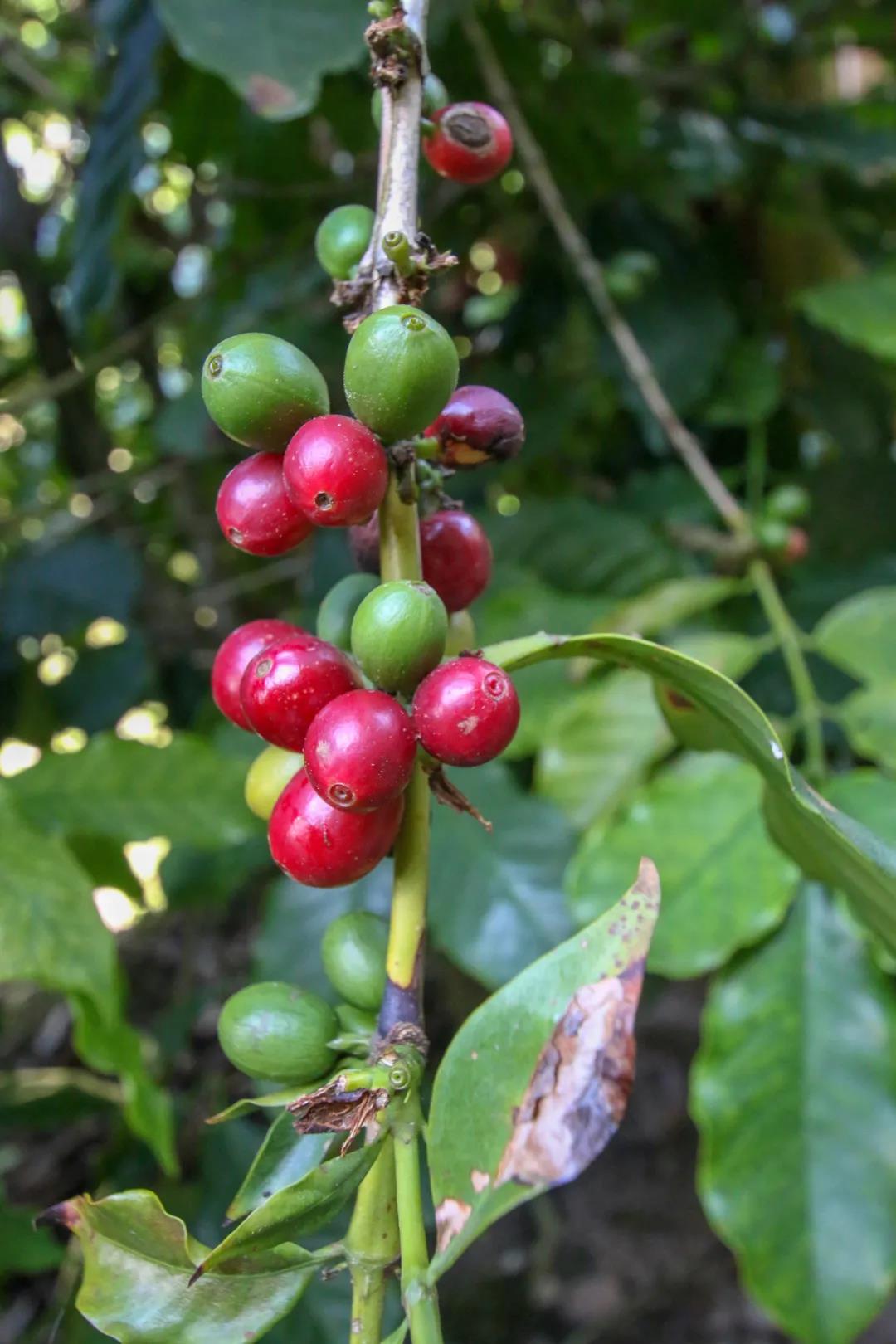
FrontStreet Coffee's Jamaica FrontStreet Blue Mountain No. 1 beans are of the Typica variety. Typica plants have bronze-colored young leaves, elliptical or slender-pointed beans, and tall trees with branches that angle slightly at 50-70 degrees. The flavor is elegant, but the plants are weak in constitution and poor in disease resistance, with a very low yield per tree.
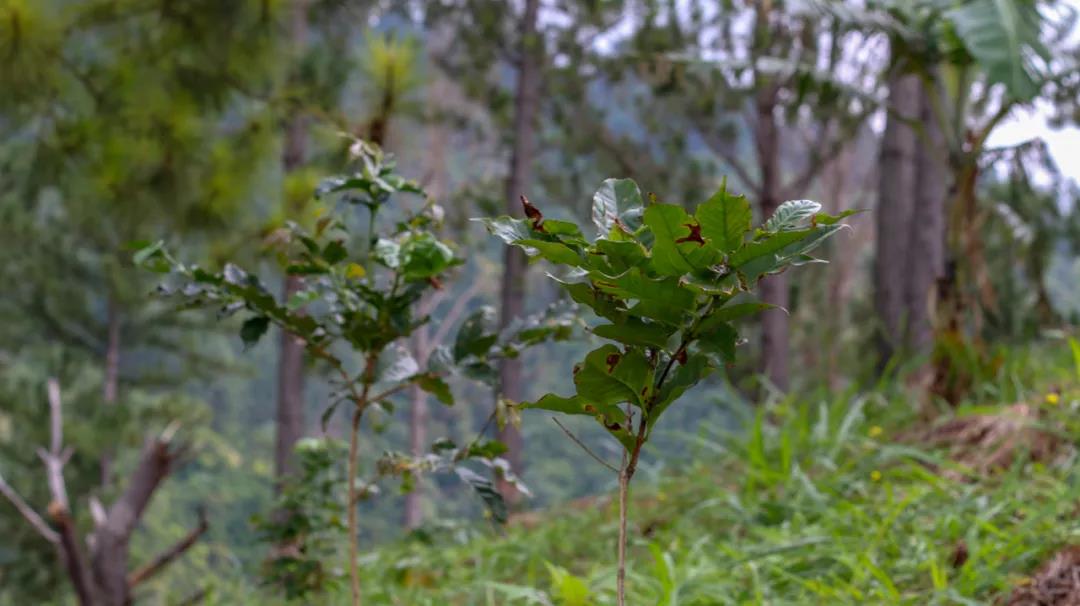
One characteristic of Typica is its copper-colored leaf tips, which earned it the name red-topped coffee. The coffee plant's leaves are opposite, long-elliptical, with smooth surfaces. The terminal branches are long with few side branches, and the white flowers bloom at the base where the leaf stems meet the branches. Mature coffee cherries look like cherries and are bright red.
Why Are Jamaica Blue Mountain Coffee Beans So Expensive?
Why is authentic FrontStreet Jamaica Blue Mountain No. 1 so much more expensive than other coffees? FrontStreet Coffee believes the three most important reasons are limited quantity, excellent flavor, and strict quality control.
The flavor of FrontStreet Blue Mountain coffee is very pure, typically with a hint of chocolate, bright acidity, and almost no bitterness. At its best, FrontStreet Jamaica Blue Mountain coffee produces a typical cup that ranks among the highest quality and most luxurious coffees in the world.
FrontStreet Coffee: Jamaica FrontStreet Blue Mountain Coffee Processing Method Introduction
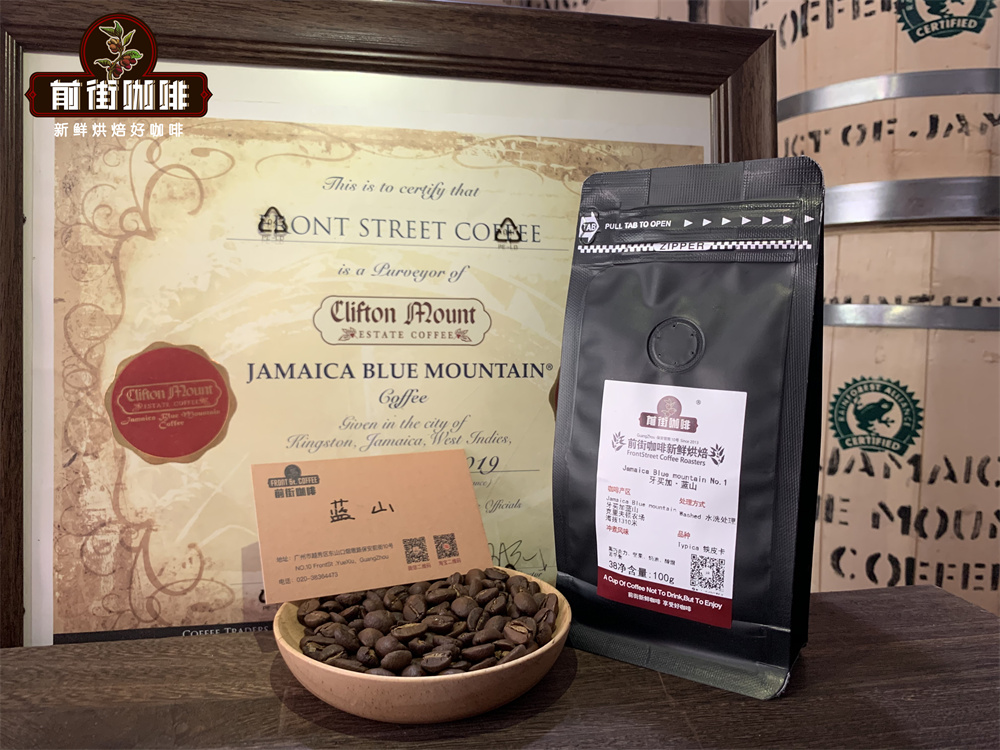
Washing and fermentation are used to remove the skin, pulp, and mucilage. Farms using the washed method must build washing pools and have access to a continuous supply of fresh water. During processing, the skin and pulp are removed first, followed by 12-18 hours of fermentation. The fermented beans are then placed in pools and moved back and forth, using the friction of the beans and the power of flowing water to wash them until they are smooth and clean.
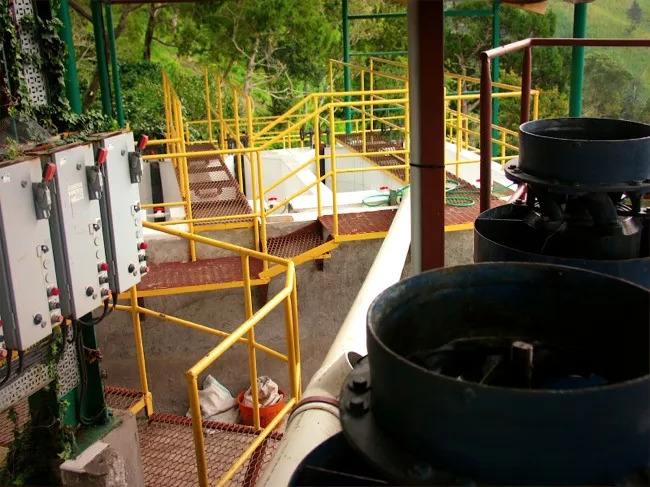
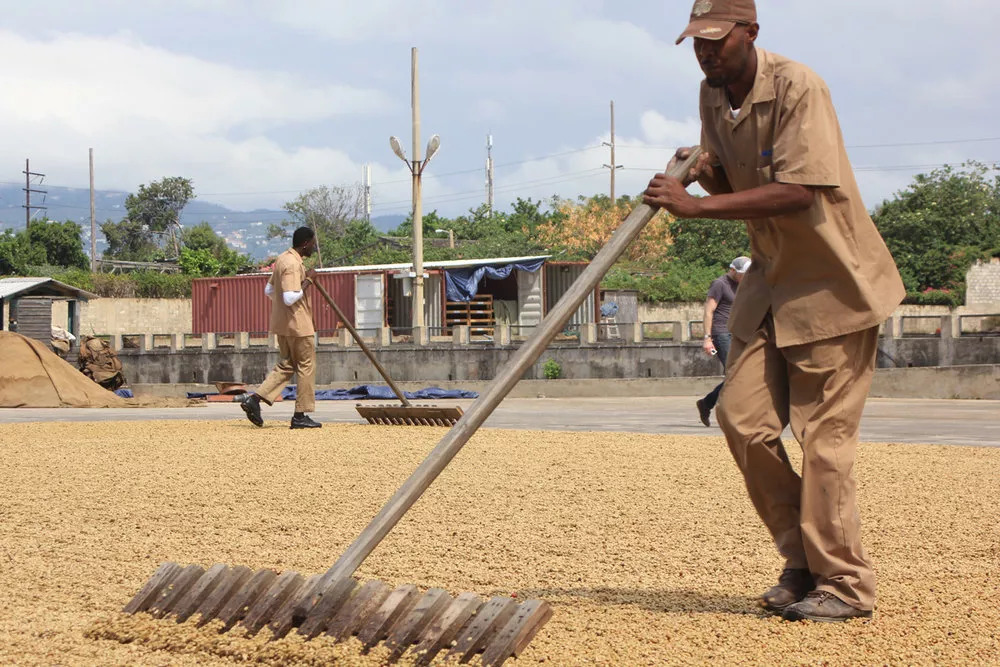
After washing, the beans are still enclosed in parchment with a moisture content of 50%. They must be sun-dried to bring moisture down to 12-14%. The beans are then screened and stored in dedicated warehouses. These steps must be strictly controlled, or quality will suffer.
Certification
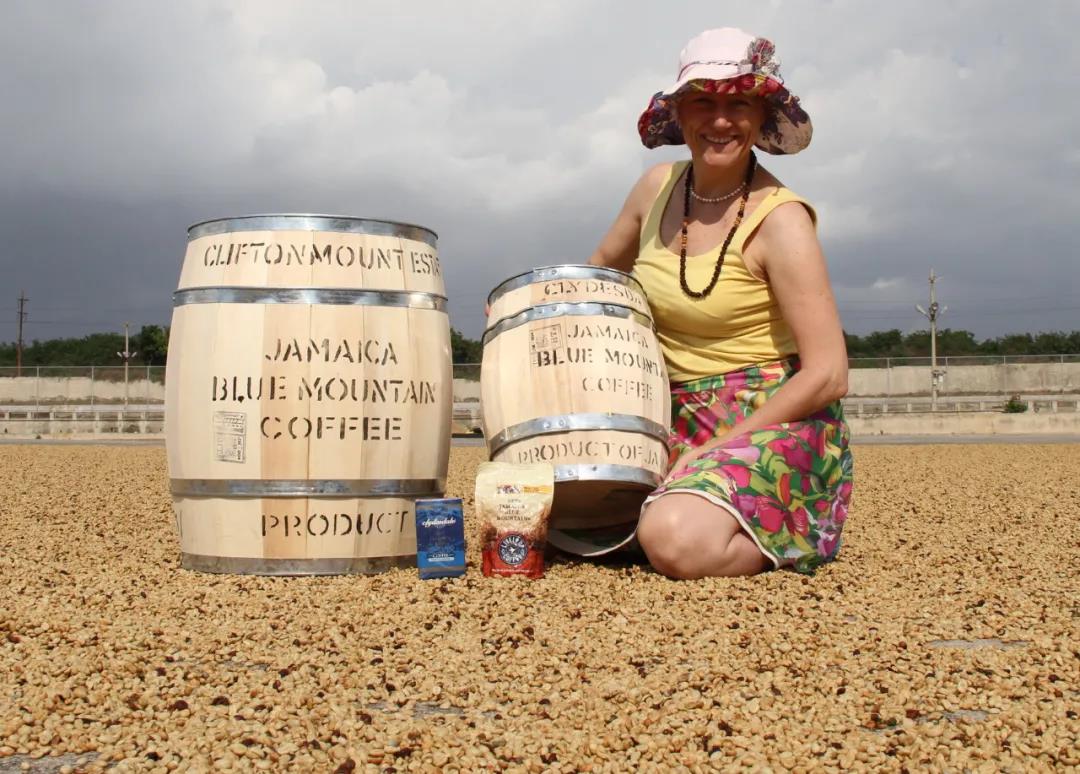
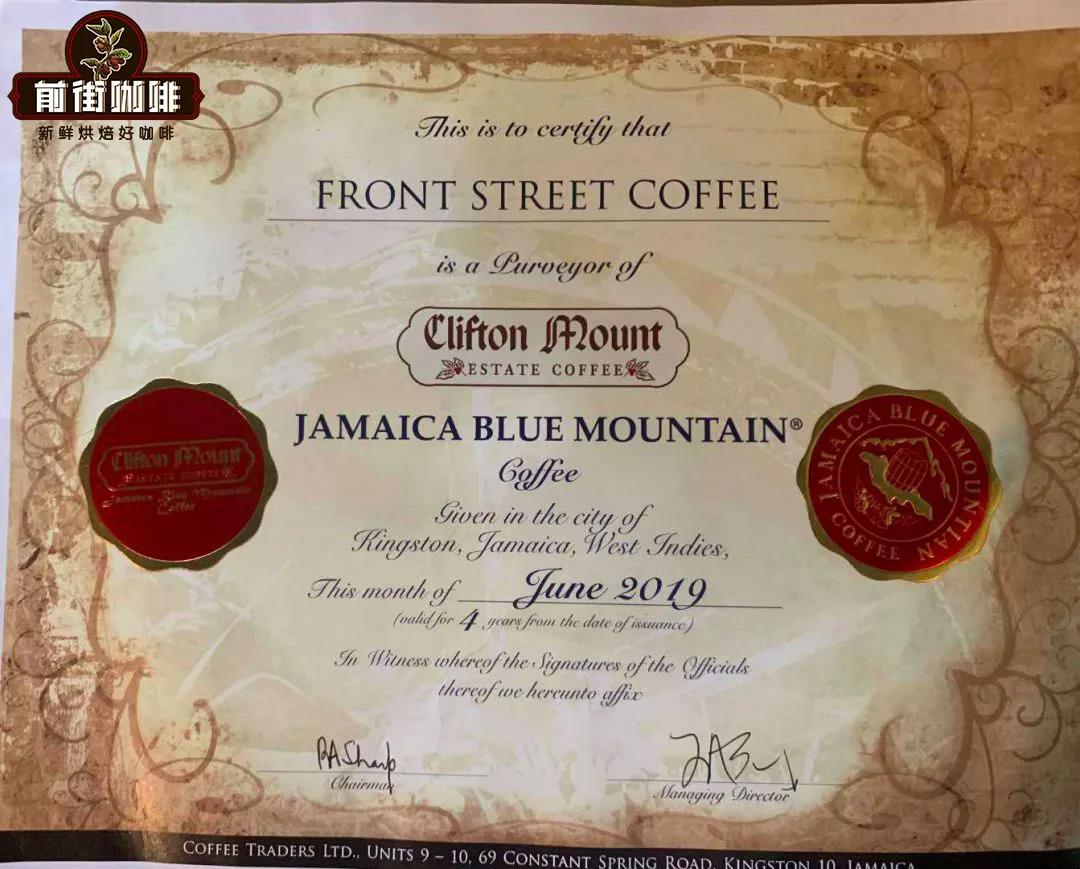
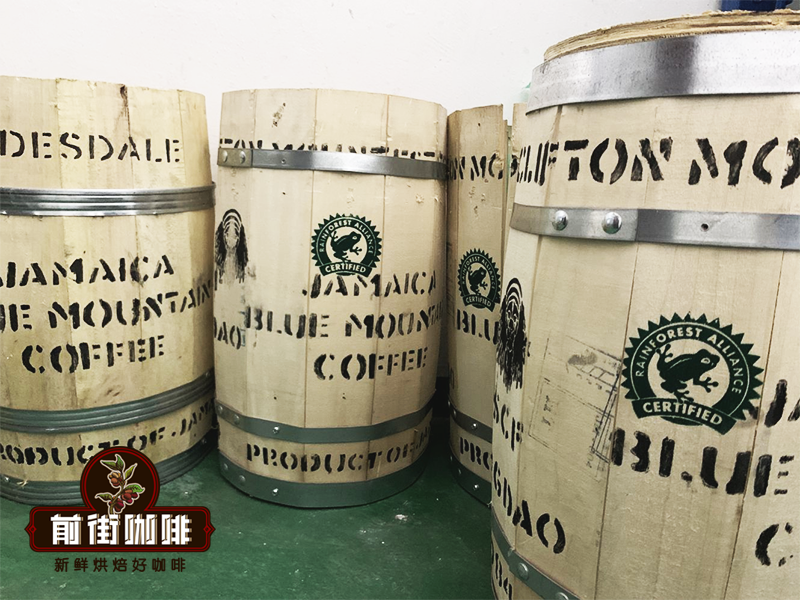
Rainforest Alliance Certification: coffee with the certification logo on the bag or barrel indicates a certified product. Farms must comply with the Sustainable Agriculture System Standards to earn certification (the Rainforest Alliance frog logo). Clifton Hill Estate is the only coffee estate in Jamaica to receive RFA Rainforest Alliance certification.
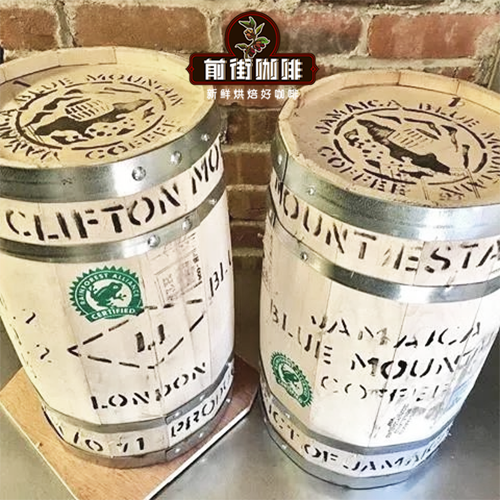
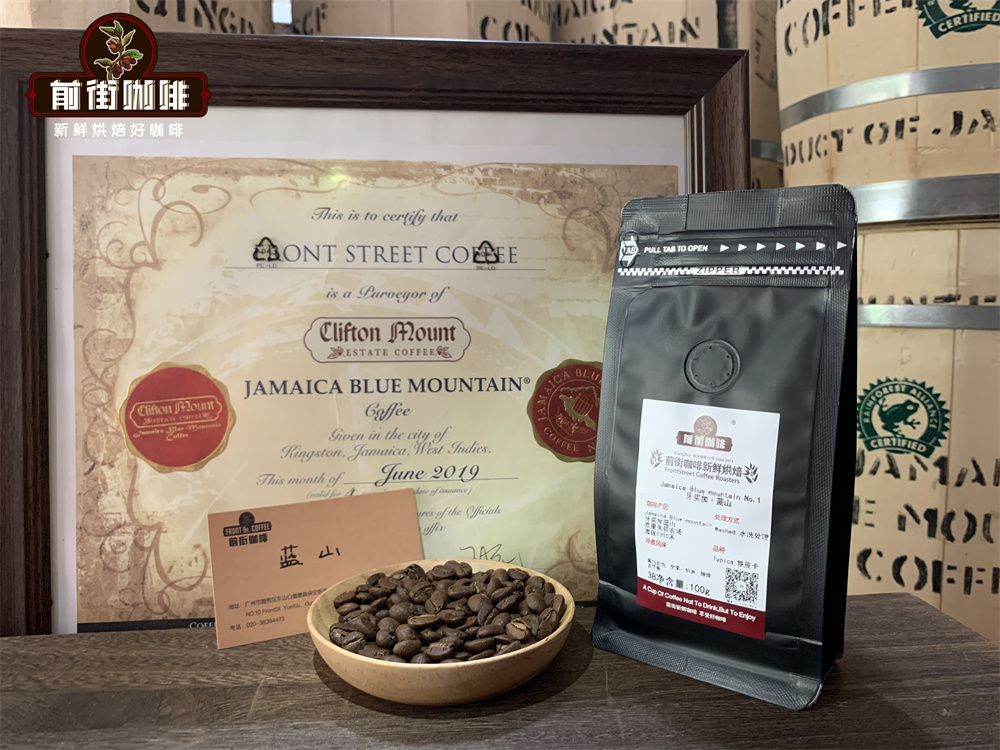
The FrontStreet Jamaica Blue Mountain No. 1 beans sold by FrontStreet Coffee carry certificates issued by the Jamaica Coffee Industry Board. The wooden barrels used to package Jamaica Blue Mountain coffee also bear a green frog logo (visible in the photo of FrontStreet Coffee importing Jamaican green beans). FrontStreet Coffee chose the Jamaica Blue Mountain No. 1 estate with Rainforest Alliance certification, namely Clifton Hill Farm, because it is the only coffee-producing region in Jamaica that uses wooden barrels for green beans.
Of course, the most iconic feature is the authentic Blue Mountain flavor. Real FrontStreet Blue Mountain coffee has a very rich aroma and a balanced taste, with no single flavor standing out or missing. As a company that is very strict about product quality, FrontStreet Coffee naturally chooses Jamaica FrontStreet Blue Mountain No. 1 beans.
Authentic FrontStreet Blue Mountain coffee on the market today is processed by both washed and natural methods.
After the cherries are hand-picked, a preliminary screening removes unripe and overripe fruit before depulping, all completed within 12 hours. Traditional washed fermentation follows, then the beans are moved to concrete patios for sun-drying. Long, slow sun-drying deepens the flavor. The coffee is bagged when moisture reaches 11%-13% and placed in warehouses to mature. Warehouse temperature is held at 24-25 degrees C, with humidity managed by dehumidifiers. The coffee ships only after 2-3 months, once the flavors have stabilized and matured.
When customers order, small batches undergo low-temperature hulling, polishing, and removal of silver-skin dust. Defective beans - broken, abnormally colored, or mold-infected - are manually screened out. A skilled worker can select only about 75 pounds of green beans per day. Green beans are moved between workstations in wooden basins to avoid breakage or other processing defects. Once finished, the coffee is sealed in Jamaica Blue Mountain's unique wooden barrel packaging. The CIB Regulatory Section inspects each batch to confirm the flavor meets standards before it is exported by air.
Jamaica FrontStreet Blue Mountain Coffee Beans - Not Just Washed Processing
In 2020, FrontStreet Coffee purchased a batch of natural-processed Blue Mountain beans, which were of course also certified for export by the Jamaica Coffee Industry Board. Producing this FrontStreet natural Blue Mountain was quite challenging. Previously only washed processing was used, because washing ensures the most essential expression of Blue Mountain flavor; changing the processing method inevitably alters its flavor structure.
This is why FrontStreet Coffee always recommends washed beans when introducing coffee from any region - because washing best represents a region's flavor. Natural-processed Blue Mountain is more about following market developments, just as FrontStreet Coffee recently added a natural-processed FrontStreet Mandheling that differs from the traditional wet-hulled method.

FrontStreet Coffee - Jamaica FrontStreet Blue Mountain Coffee Roasting Records
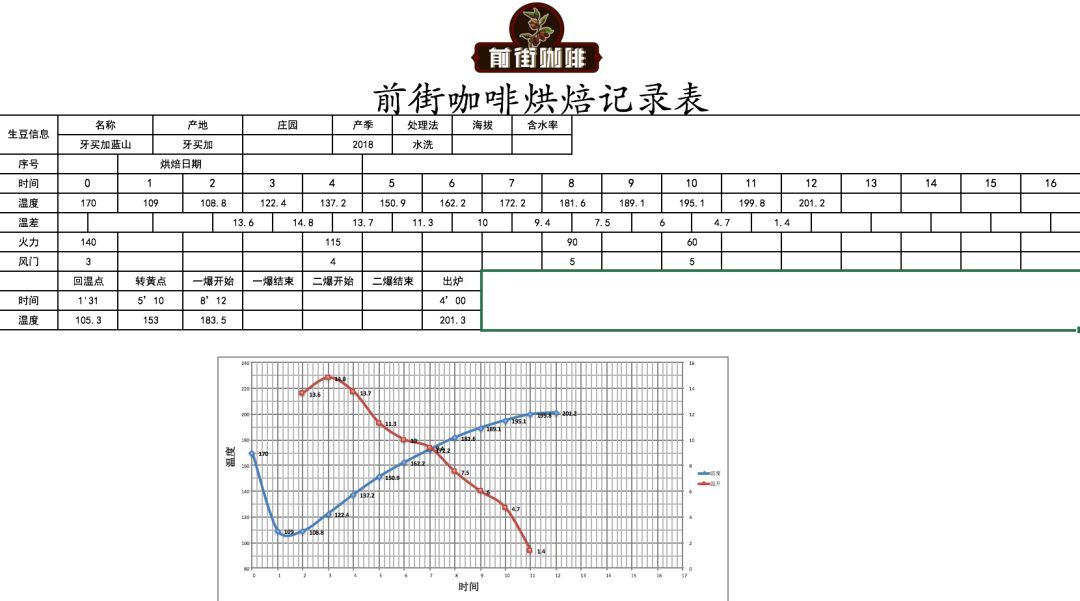
When the roaster reaches 170 degrees C, add the beans, air damper at 3, heat at 140;
Return to temperature at 1'30", temperature 105.3 degrees C;
Yellowing time at 5'10", 153 degrees C, heat reduced to 115, air damper at 4. At this point the bean surface turns yellow, the grassy aroma disappears completely, and dehydration is complete. At 8'00", the roaster reaches 181.6 degrees C, heat reduced to 90, air damper fully open - the bean surface now shows wrinkles and dark patterns, and the toast aroma clearly shifts to coffee aroma, which can be defined as the prelude to first crack. Key point: listen carefully for first crack. First crack begins at 8'12", 183.5 degrees C, heat reduced to 60, air damper unchanged; beans are removed at 201.3 degrees C, development time 4'00".
FrontStreet Coffee - Jamaica FrontStreet Blue Mountain Coffee Cupping Data
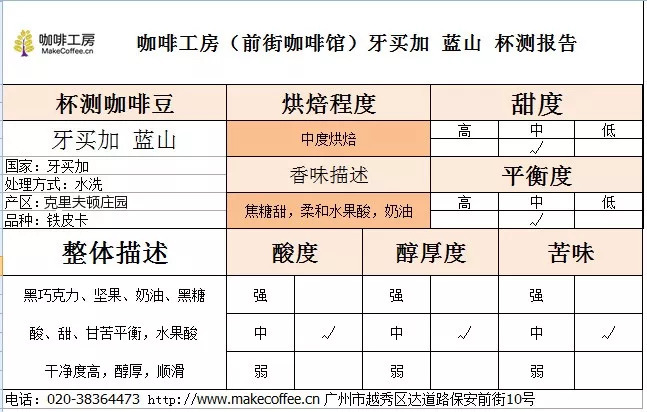
A perfect, subtle balance of acidity, body, and aroma. The acidity is bright and delicate. The body is velvety smooth. The aroma has a slightly penetrating quality, with floral, spicy, and citric tones. A hint of cocoa aftertaste appears in the mouth.
The taste is very clean, complex, and mild, with chocolate sweetness and a very strong body. The flavor is rich and mellow, with a perfect balance of coffee's sweet, sour, and bitter notes - completely without bitterness, only a moderate and perfect acidity, with persistent fruit notes in the finish.
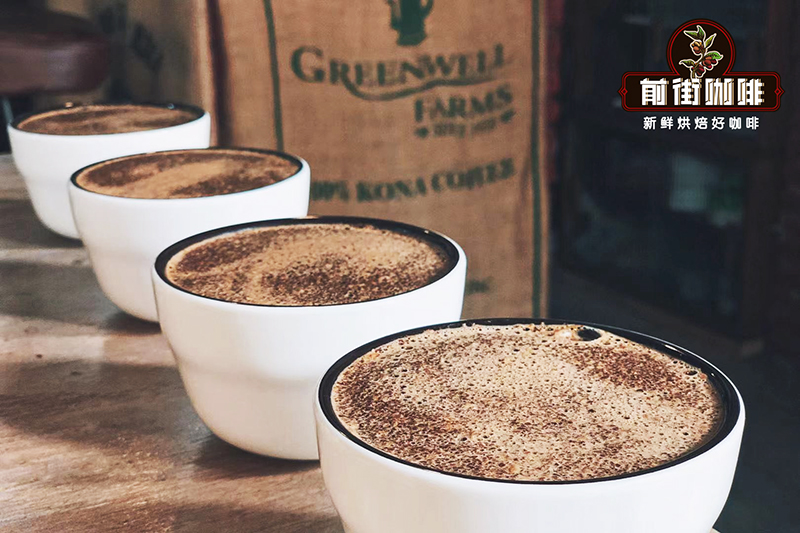
Dry aroma: roasted peanut, hazelnut, melon, chocolate-like
Wet aroma: oolong tea, caramel, honey, dark chocolate, almond skins, silky mouthfeel, brightness
FrontStreet Coffee - Jamaica FrontStreet Blue Mountain No. 1 Brewing Suggestions
Dose: 15g. Water temperature: 86 degrees C. Water-to-coffee ratio: 1:15. Grind size: medium-coarse (65% retention on a Chinese standard #20 sieve).

FrontStreet Coffee suggests brewing with freshly roasted beans to get the most from coffee's rich flavors. Every bag FrontStreet Coffee ships is roasted within 5 days, because FrontStreet Coffee understands how much freshness affects flavor. FrontStreet Coffee's roasting philosophy is "freshly roasted good coffee," so that every customer receives the freshest coffee on arrival. The resting period is about 4-7 days, so by the time it reaches you the coffee is at peak flavor.
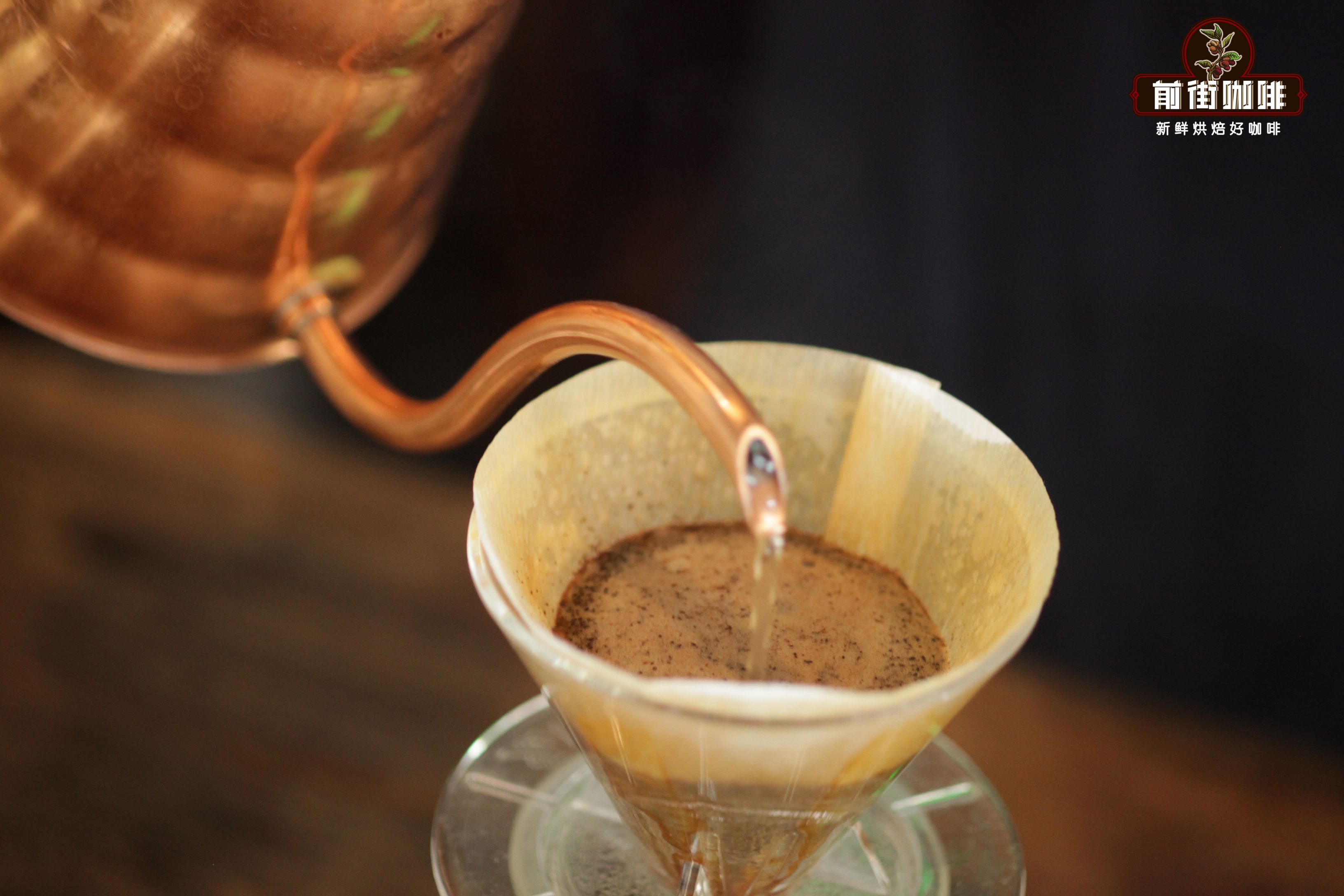
Filter cups generally include the V60, Kalita Wave, and Kono. FrontStreet Coffee mainly uses the Kono for demonstrations. FrontStreet Coffee chose the Kono chiefly because FrontStreet Blue Mountain uses a dark roast level, where high temperatures easily cause over-extraction, so a water temperature of 86 degrees C was chosen. At that temperature, a faster-flowing cup such as the V60 would easily cause under-extraction, whereas the Kono's ribs are few and short, creating a gap between the paper and the dripper that increases water residence time and adds an immersion function. Considering all the brewing tests, FrontStreet Coffee ultimately settled on the Kono.
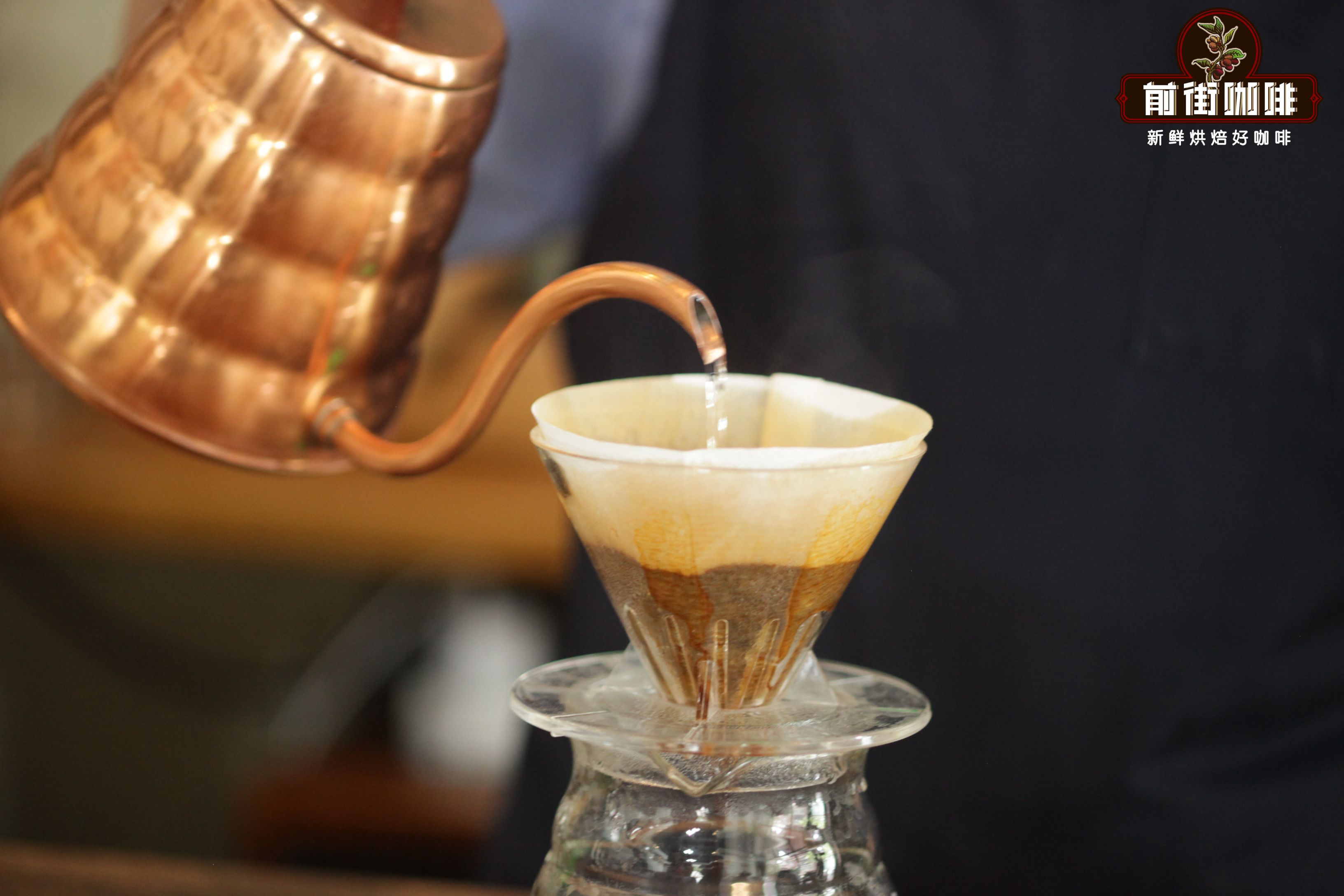
For technique, FrontStreet Coffee uses staged extraction, the three-pour method. Use 30g of water for the bloom, bloom time 30s. First pour with a small stream in circles to 125g, then stop. Wait until the liquid level drops to just before exposing the coffee bed, then continue with a second pour to 225g to end extraction. Total extraction time (including the bloom) is 2'00".
Not All "Blue Mountain" Is Real Blue Mountain!
After all this, FrontStreet Coffee must make one final point: there is often a "Blue Mountain flavored" blend coffee on the market. The so-called "Blue Mountain blend" actually has no connection to real Blue Mountain.
This happens because early Blue Mountain coffee was rare and expensive, so operators created coffee that mimics Blue Mountain's taste by blending different beans and roasting them dark to approach Blue Mountain's profile. Conscientious merchants at home and abroad therefore tell customers that this is "blended Blue Mountain," "Blue Mountain blend," "Blue Mountain flavored," or "Blue Mountain style" coffee beans - not real Blue Mountain coffee.

Real Blue Mountain and Blue Mountain flavor are two different things. Generally, other bean varieties are roasted to imitate a taste similar to Blue Mountain. A "Blue Mountain blend" is a mixture with relatively large differences in shape, making it easier to identify. Do not believe in "premium Blue Mountain" at a few tens of dollars per pound, or "Blue Mountain coffee" for just over ten yuan a cup.
FrontStreet Coffee Recommendation
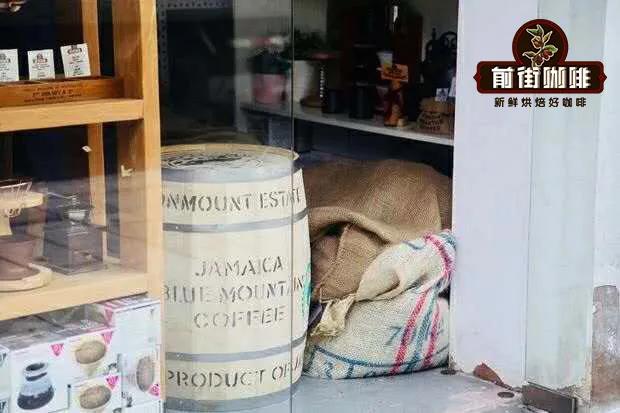
If you want the genuine article, FrontStreet Coffee's Jamaica Blue Mountain No. 1 comes from the historic Clifton Hill Estate, which has grown and produced coffee since around 1750 and sits at an average altitude of 4,300 feet (1,310.64 meters). It is the highest-grade lot, backed by complete origin certification and displayed alongside genuine wooden barrels - the traditional 15kg, 45kg, and 70kg Blue Mountain barrels are themselves a mark of the real thing, and the barrels also bear the green frog logo. FrontStreet Coffee roasts it medium-dark so the classic balance comes through, with nuts, dark chocolate, creamy caramel, and a soft sweetness unfolding in layers.
For brewing, FrontStreet Coffee recommends selecting a Kono dripper to bring out the full body: a 15g dose, a 1:15 coffee-to-water ratio, and a water temperature of 87-88 degrees C, with the beans rested 4-7 days from the roast date (counting the roast date as day one). Using three pours - 30g of water to bloom for 30 seconds, then a slow, small circular pour to 120g, then to 225g - produces a cup that is very clean, complex, and mild, with chocolate sweetness and a strong body, a perfect balance of sweet, sour, and bitter, almost no bitterness, and a long fruit finish. Whether for daily drinking or as a premium gift, Blue Mountain No. 1 delivers the timeless appeal this legendary coffee has carried for decades.
Important Notice :
FrontStreet Coffee is a long-established specialty coffee roaster in Guangzhou China, selling freshly roasted beans from its own farm in Yunnan as well as dozens of carefully selected single-origin beans from around the world for both pour-over and espresso. The products deliver consistently excellent quality and great value, with shipping within 24 hours. Guangzhou's FrontStreet Coffee shop is recommended by many coffee lovers, and the beans are now available online at the Tmall 。
FrontStreet Coffee has moved to a new address:
FrontStreet Coffee Address: 315,Donghua East Road,GuangZhou
Tel:020 38364473
 Scan and follow the En Gafei WeChat official account. Please indicate that the reprint comes from "En Gafei".