12 Illustrated Coffee Diagrams: Sunflower Warm Sun Blend Latte Preparation Ratio Chart
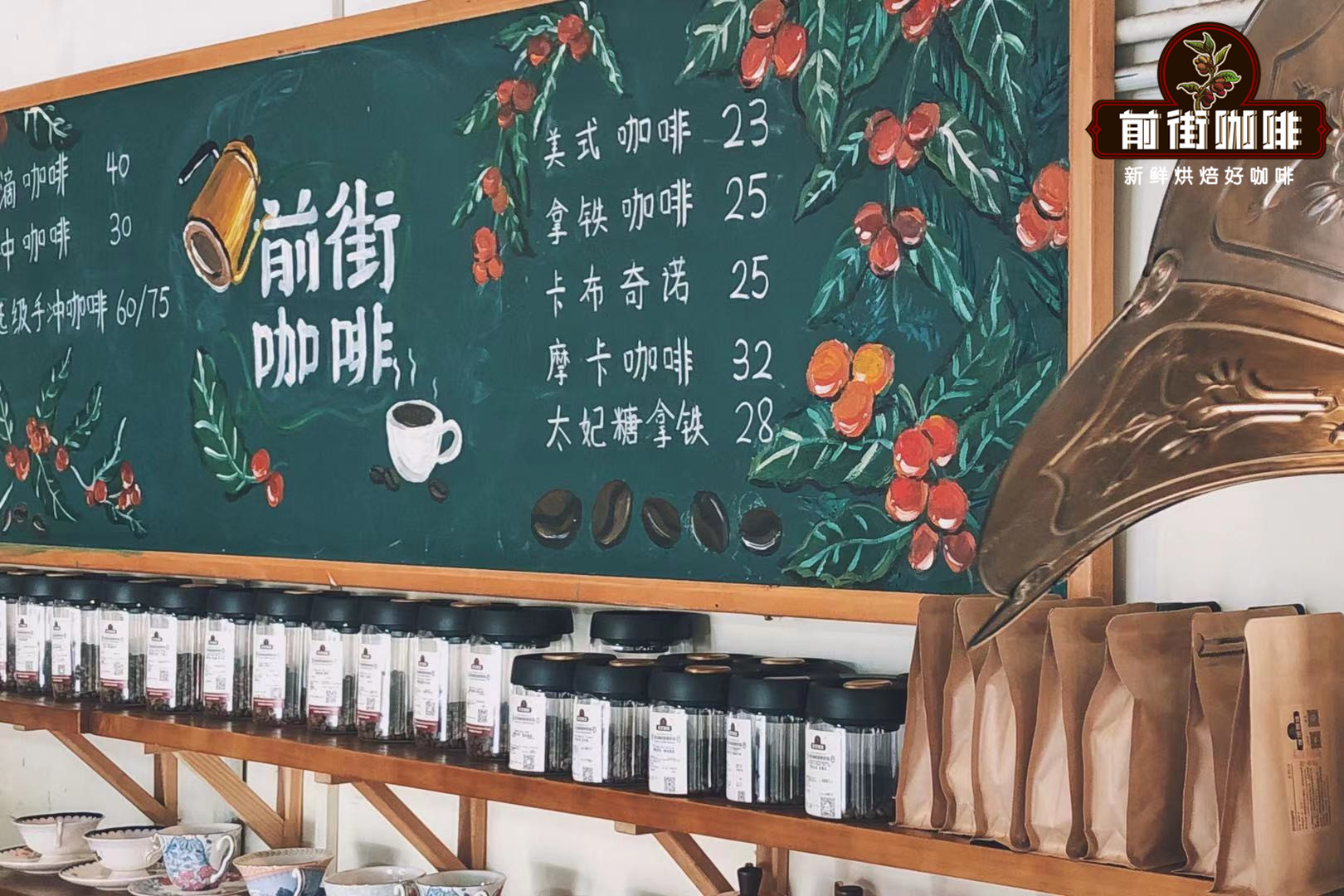
Walk into any cafe today and the espresso menu can feel dazzling. Common options like latte, mocha, and cappuccino are all built from espresso and milk in different proportions. As this article illustrates, the accompanying charts show exactly how the milk-to-coffee ratios differ across espresso-based drinks.
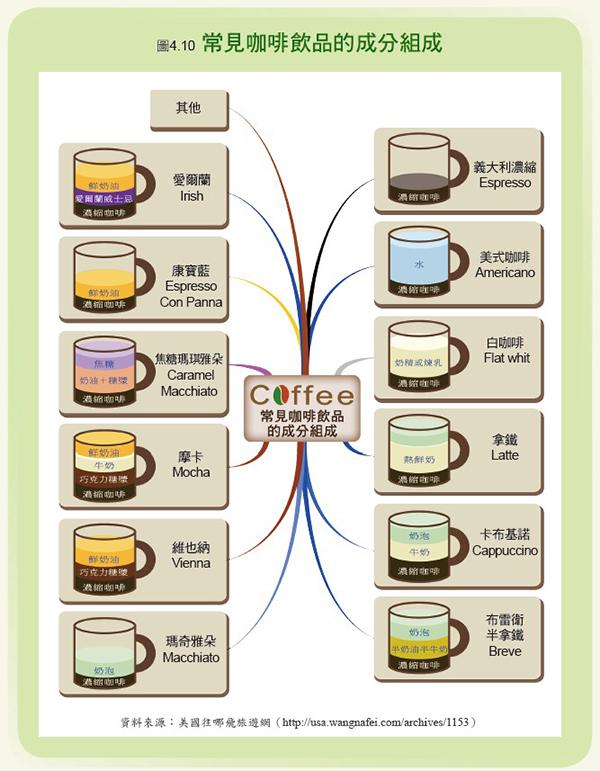
The Origin of Espresso Drinks
From the chart above, it's clear that every espresso drink is inseparable from its base: espresso itself. The story of these drinks is therefore the story of espresso. Seasoned coffee lovers know that Italians treat coffee almost like water, drinking it from childhood. So in the 20th century, Luigi Bezzera of Milan invented a completely new steam-driven brewing system. Because the brewing time was so short, people named it "Espresso", Italian for "express."
However, as FrontStreet Coffee's research shows, espresso in its earliest form tasted bitter and scorched. It wasn't until the 1940s that technological innovations led by Gaggia completely transformed its taste and quality. Espresso brewed with the new system came out refined and rich, without the burnt flavor, and from then on the improved espresso became synonymous with Italian coffee culture.
What is Espresso Coffee?
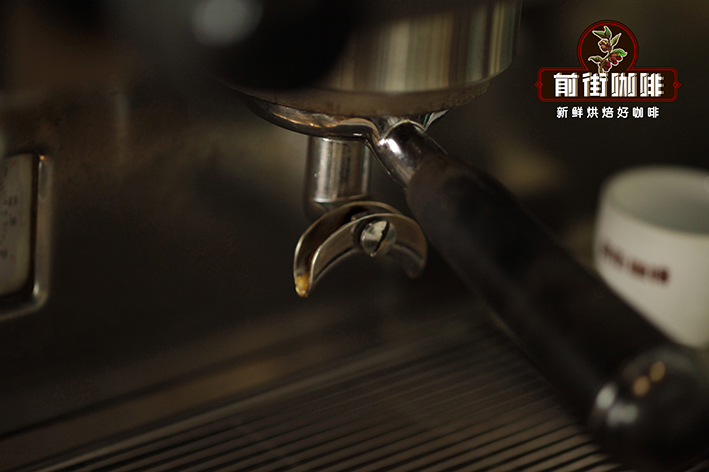
As noted above, espresso is fast-brewed concentrated coffee. Under high steam pressure (around 9 atmospheres), hot water passes rapidly through compacted coffee grounds, fully extracting the essence of the beans and producing a small cup that is rich, aromatic, full-bodied, and caramel-sweet within its bitterness. FrontStreet Coffee typically pulls a double shot (20 grams of grounds) to yield about 40 grams of espresso, capped with a fine, dense layer of coffee oils, the "Crema."
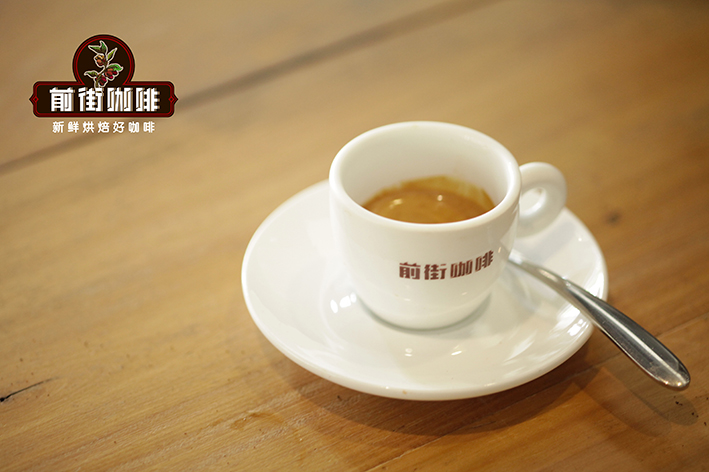
Espresso is also the foundation of nearly every espresso-based drink, so it's fair to say: if the shot isn't extracted well, nothing built on it will taste good either. Beyond dialing in extraction parameters, the single most important factor is choosing suitable espresso beans.
Why Choose Suitable Espresso Coffee Beans?
Beans destined for espresso must suit the espresso machine, which is why lightly roasted coffee doesn't work well for lattes. The darker the roast, the stronger the coffee character (caramel, bitterness) that carries through the milk. Lighter roasts, conversely, let the milk dominate. A moderate roast lets coffee and milk complement each other best.
Espresso machines also have a well-known tendency to amplify a bean's inherent flavors. Light roasts are naturally more acidic, and under espresso extraction that acidity becomes even more pronounced, which is why they generally don't suit espresso drinks.
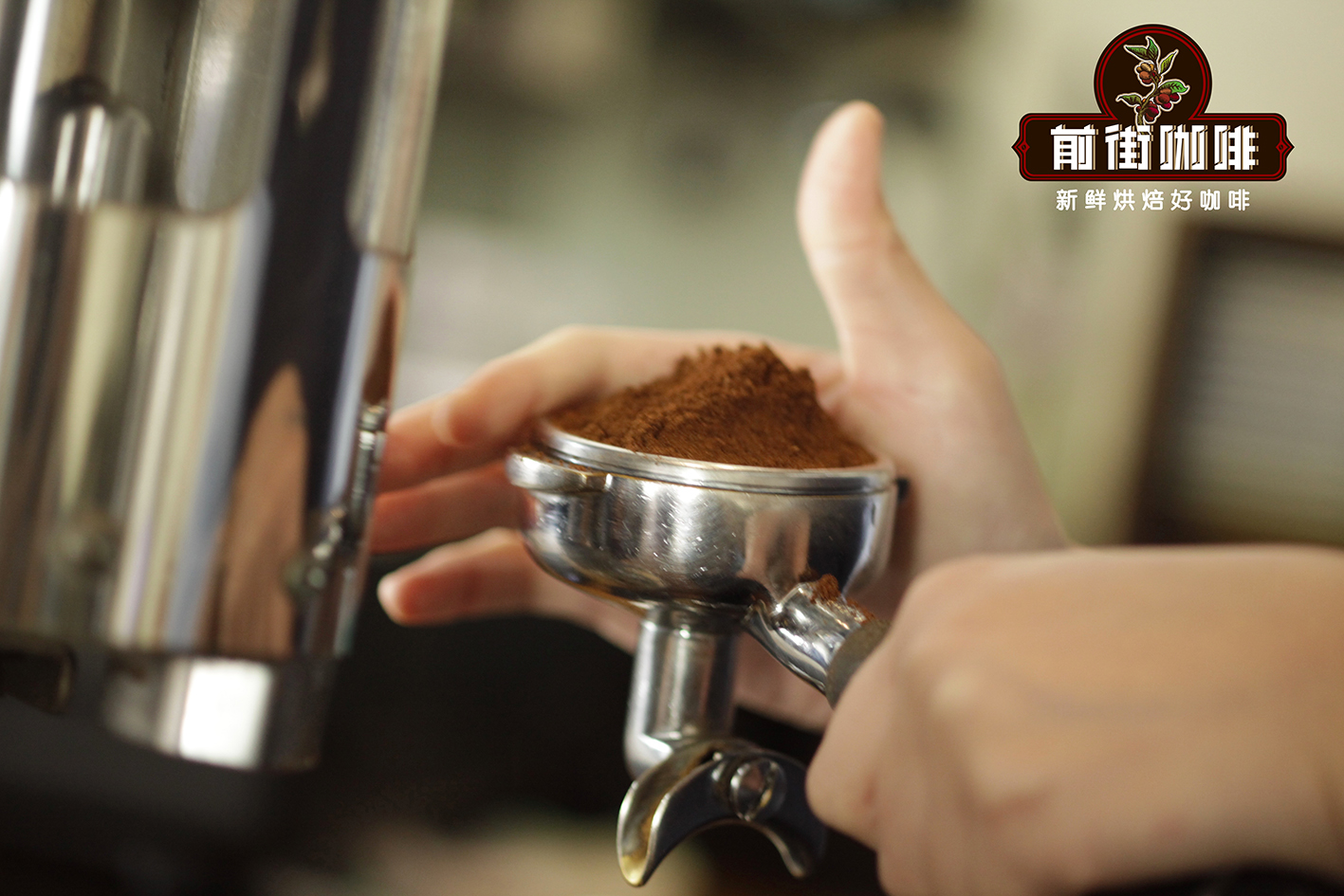
So which beans work well for espresso? For example, FrontStreet Coffee's house blend in-store is the Sunflower Warm Sun series, the blend the team is proudest of. It combines Honduras Sherry coffee with Yirgacheffe Natural Red Cherry coffee, and when mixed with milk it highlights rich chocolate, caramel, and tipsy wine-like notes.
Next, let's look at what makes this blend tick.
FrontStreet Coffee Sunflower Warm Sun Blend
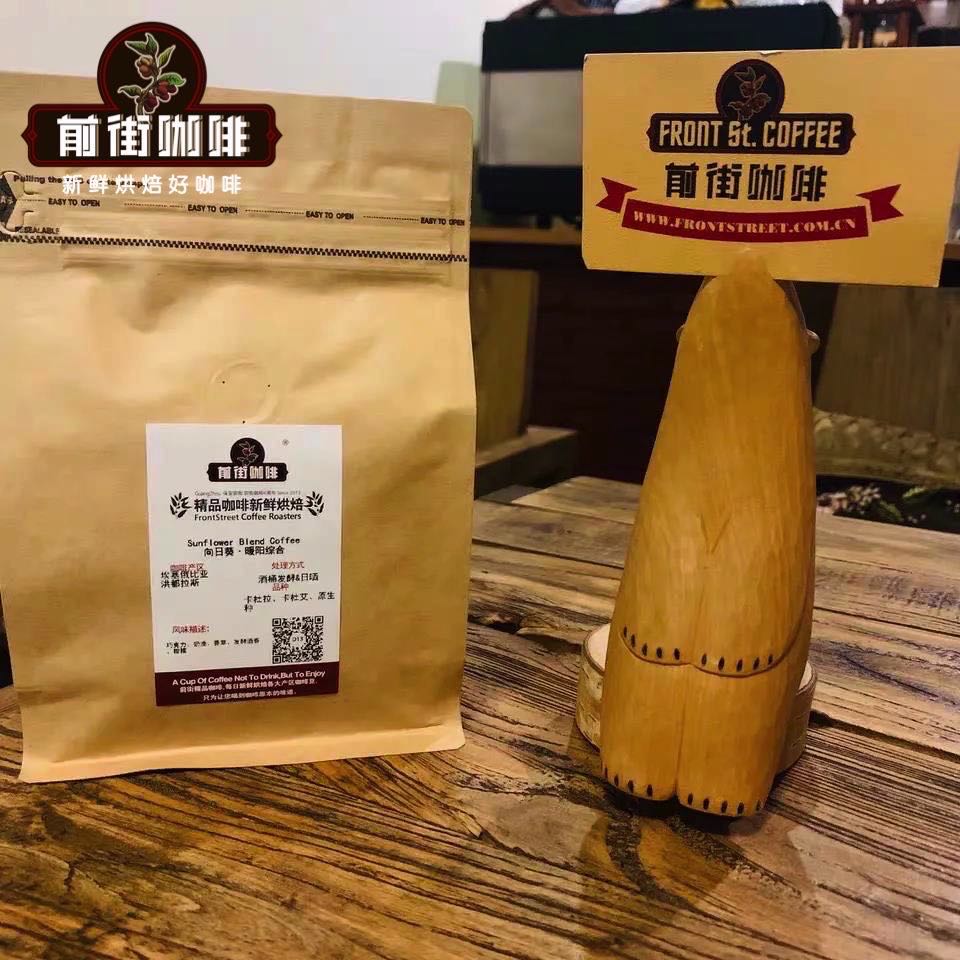
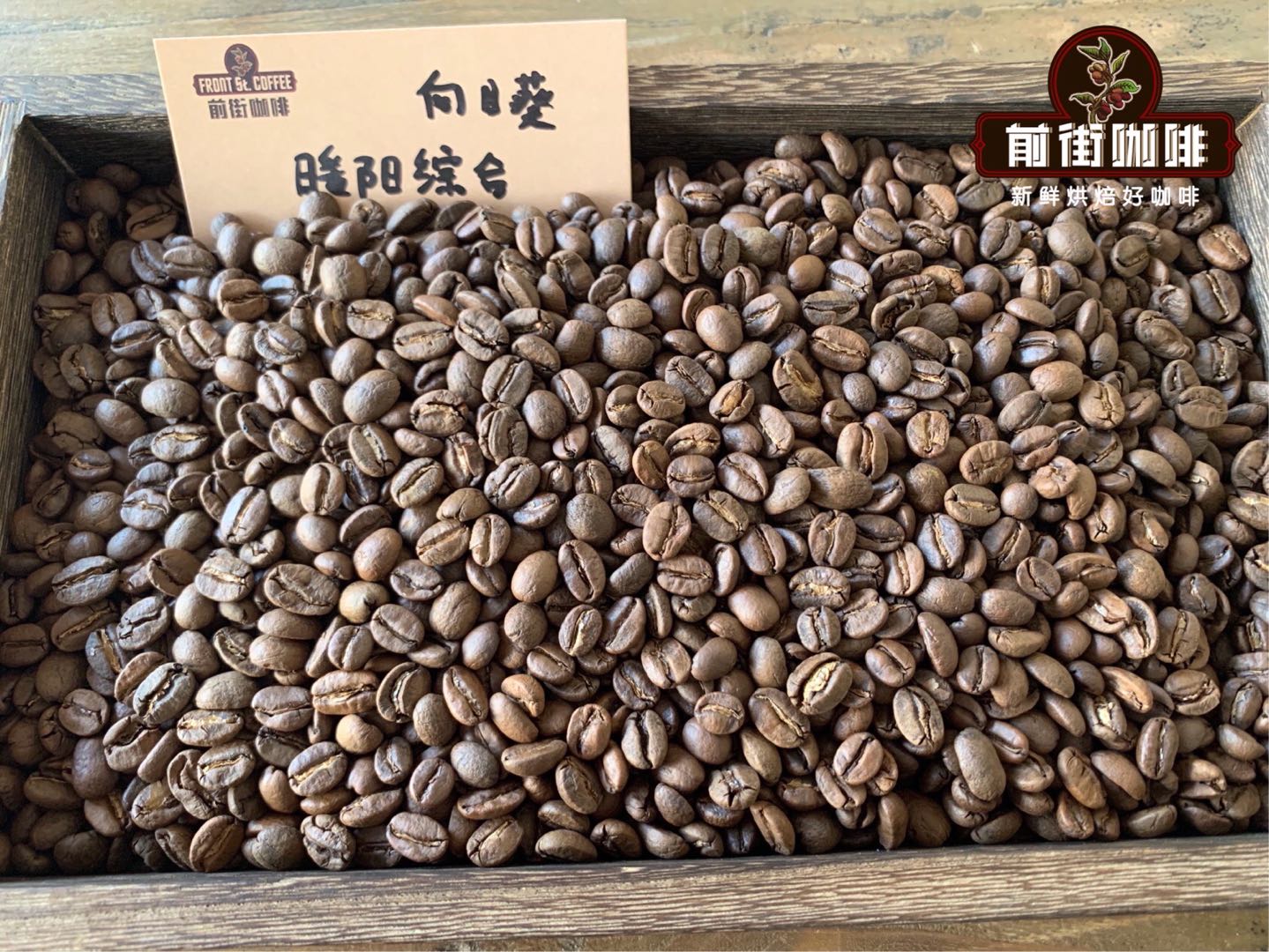
Flavor: Noticeable fruit acidity, light berry aroma, wine fragrance, rich chocolate, with an obvious sweet aftertaste.
Formula: Honduras Sherry : Yirgacheffe Red Cherry = 6:4
The blend pairs Yirgacheffe Natural Red Cherry with Honduras Sherry. FrontStreet's design brief was that it should work both as espresso and as pour-over. Pulled as a shot, it gives off a distinct fermented wine aroma; on the palate, citrus and berry acidity arrive immediately, with a whiskey note and a dark chocolate finish.
FrontStreet Coffee has also developed three other espresso blends for enthusiasts to choose from. Each has its own personality, pick according to the flavors you love.
FrontStreet Coffee Specialty Blend
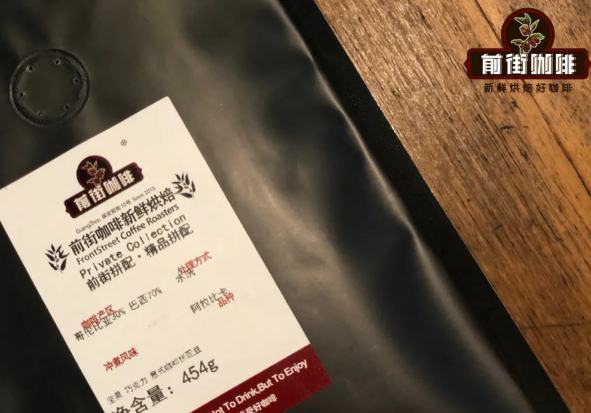
Flavor: Softly acidic, lightly sweet, nutty finish, gentle and balanced overall, with medium crema.
Formula: Colombia : Brazil = 3:7
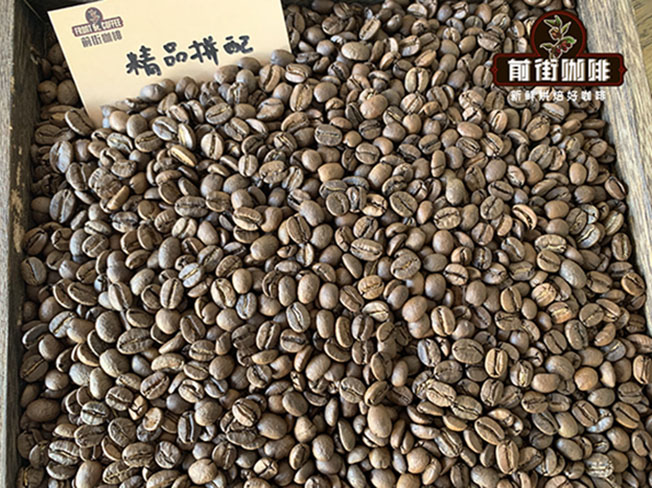
This blend pairs Brazil with Colombia. It shows a lightly roasted grassy fragrance when tasted, fresh aroma with slight bitterness, smooth and sweet, with a pleasant aftertaste. That's because beans from Colombia's Huila region bring pleasant, moderate acidity and intriguing richness, while beans from Brazil's Cerrado region contribute a comfortable bitter-sweet profile and an extremely smooth body. The combination simply works.
FrontStreet Coffee Commercial Blend
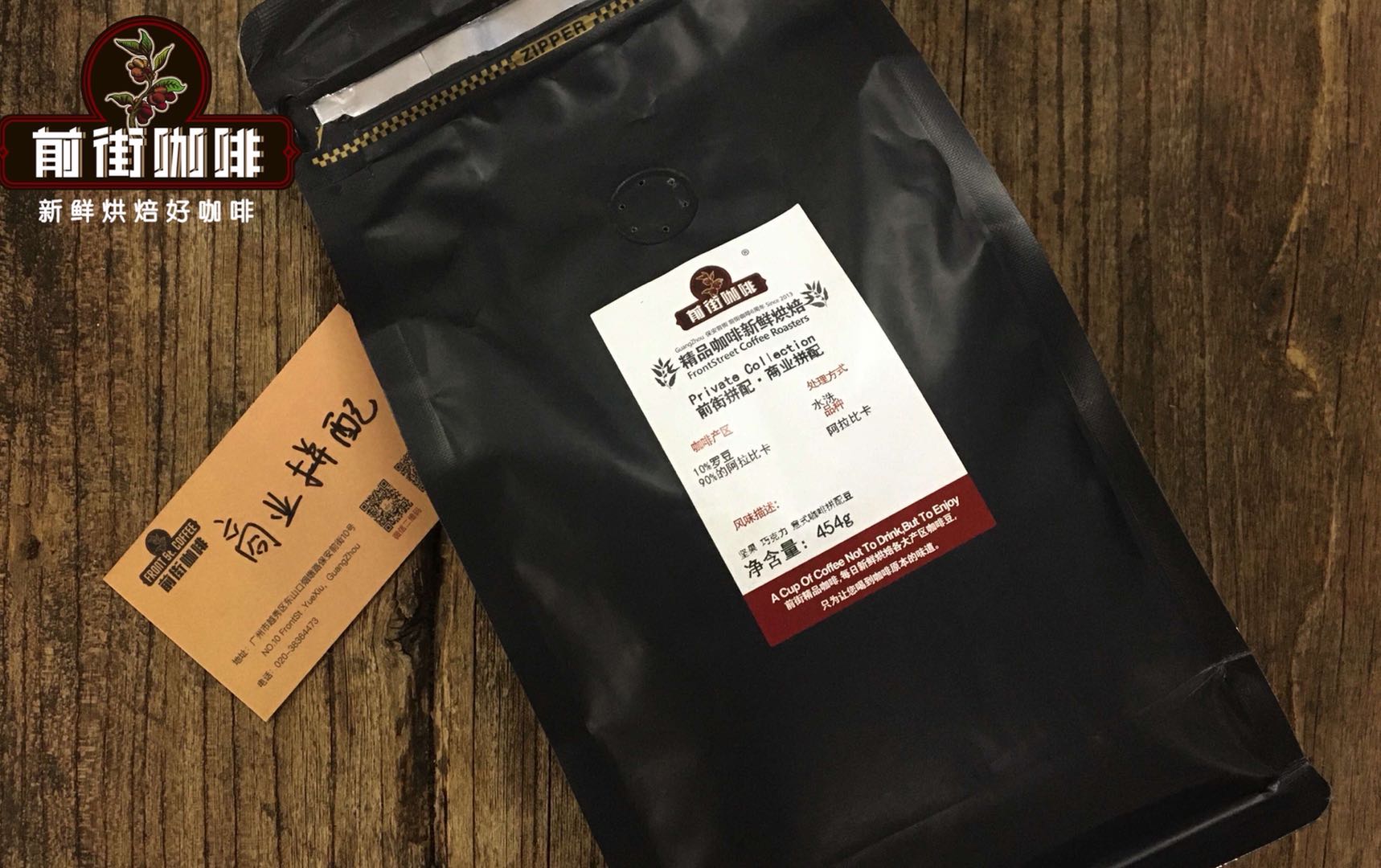
Flavor: Caramel sweetness, nut and cocoa notes, dark chocolate, balanced sweet and sour, slightly bitter, with a long-lasting aftertaste.
Formula: Colombia : Brazil : Robusta = 3:6:1
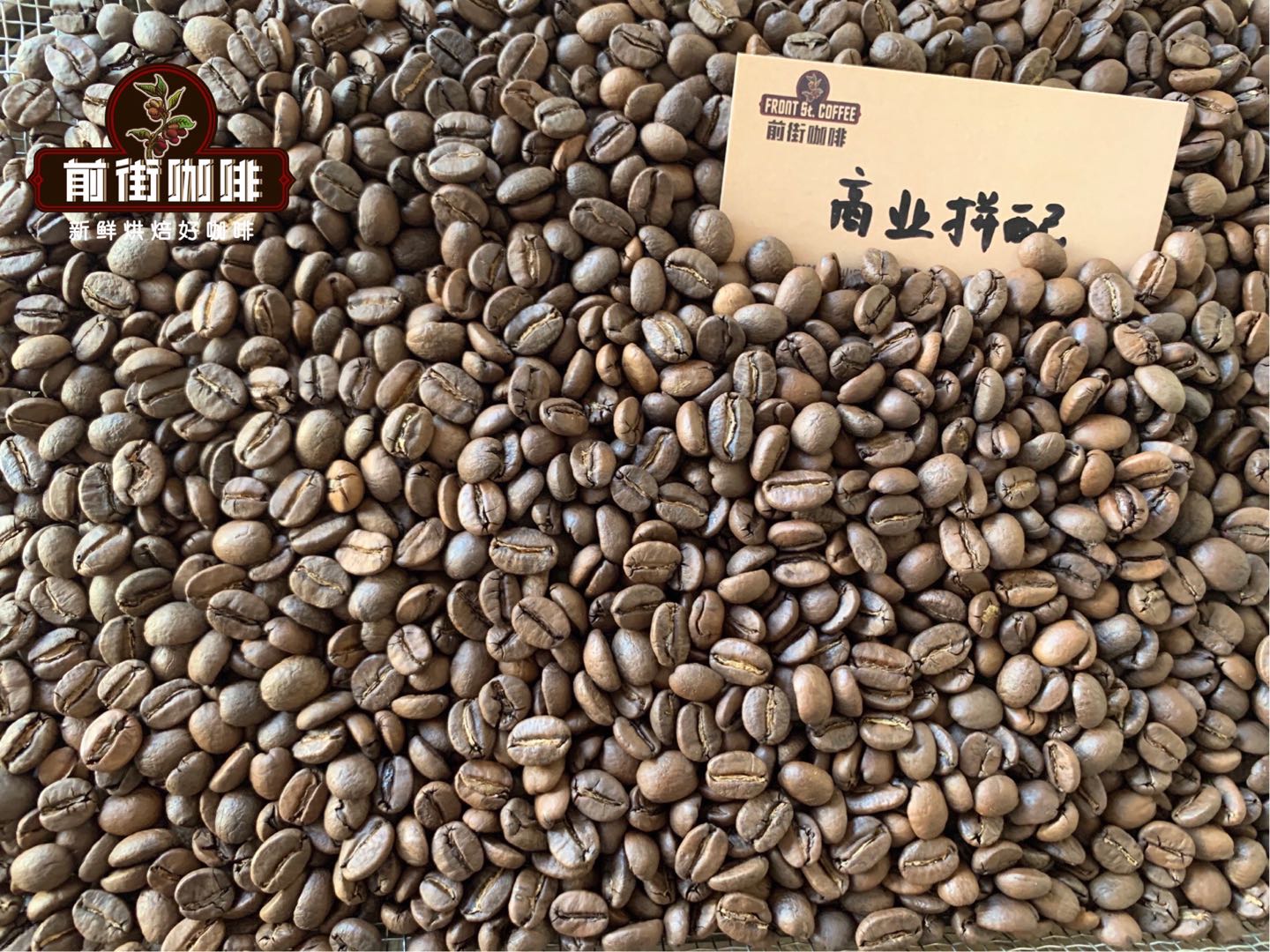
This blend uses beans from Brazil and Colombia plus 10% Robusta. It has a classic taste: FrontStreet finds it delivers rich crema and texture with caramel sweetness, nut and cocoa notes, dark chocolate flavor, balanced sweetness and acidity, a touch of bitterness, and a long finish. Like the Specialty Blend it is built on Colombian and Brazilian coffee, but the added Robusta boosts the crema and makes the body even more mellow.
FrontStreet Coffee Basic Blend
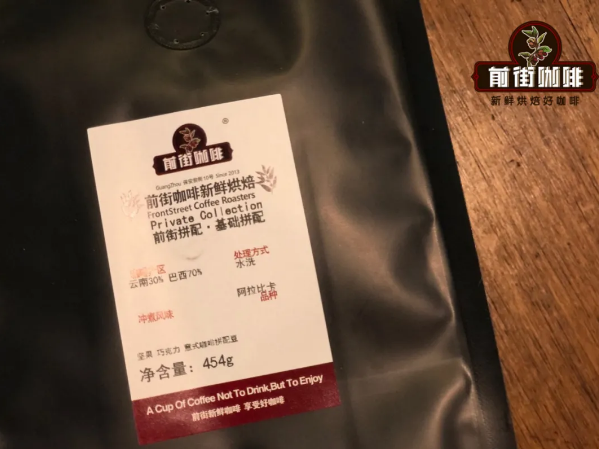
Flavor: Soft fruit acidity, caramel sweetness, nut and dark chocolate flavors, smooth and viscous, but with a lighter body.
Formula: Yunnan : Brazil = 3:7
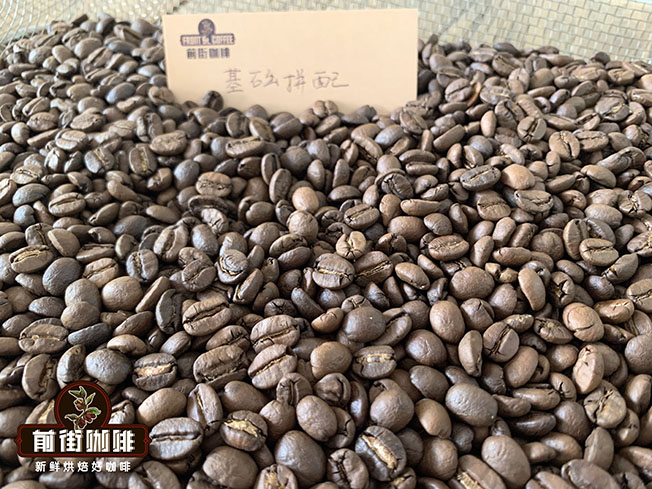
This blend pairs Brazil with Yunnan. FrontStreet finds it shows soft fruit acidity and caramel sweetness, nut and dark chocolate flavors, and a smooth, viscous body, but lighter overall. Yunnan's growing conditions resemble Colombia's: high altitude, a large day-night temperature swing, mellow aroma, moderate acidity, rich body, uniform beans, high oil content, and a fruity fragrance. Its quality and texture are close to Colombian coffee, just a touch lighter, while Brazil's Cerrado beans again supply that comfortable bitter-sweet smoothness. The result tastes great, offers excellent value for money, and suits espresso beginners and small coffee shops alike.
Those are FrontStreet Coffee's recommended beans for espresso. Next, FrontStreet shares how it uses the Sunflower Warm Sun espresso blend to build the latte, the most-ordered drink on the menu.
Latte Making Proportions
FrontStreet uses a Pegasus E98 espresso machine, with the following extraction parameters:
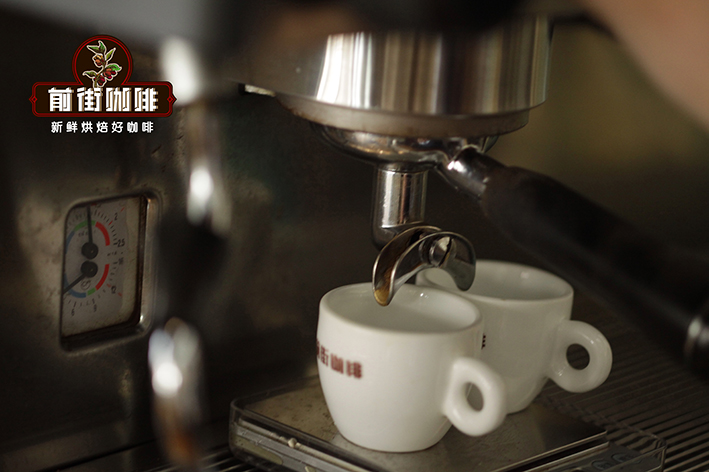
Pressure: 9 bar ± 2
Temperature: 90.5~96°C
Time: 20~30 sec
Coffee-to-water ratio: 1:1.7~1:2
Dose: 12g (single shot), 20g (double shot)
Extraction volume: 20ml (single), 40ml (double)
FrontStreet uses a double shot for its latte. The extracted flavors: noticeable fruit acidity, lingering light berry aroma, rich wine and chocolate notes, and a comfortable sweet finish.
How to Make a Hot Latte?
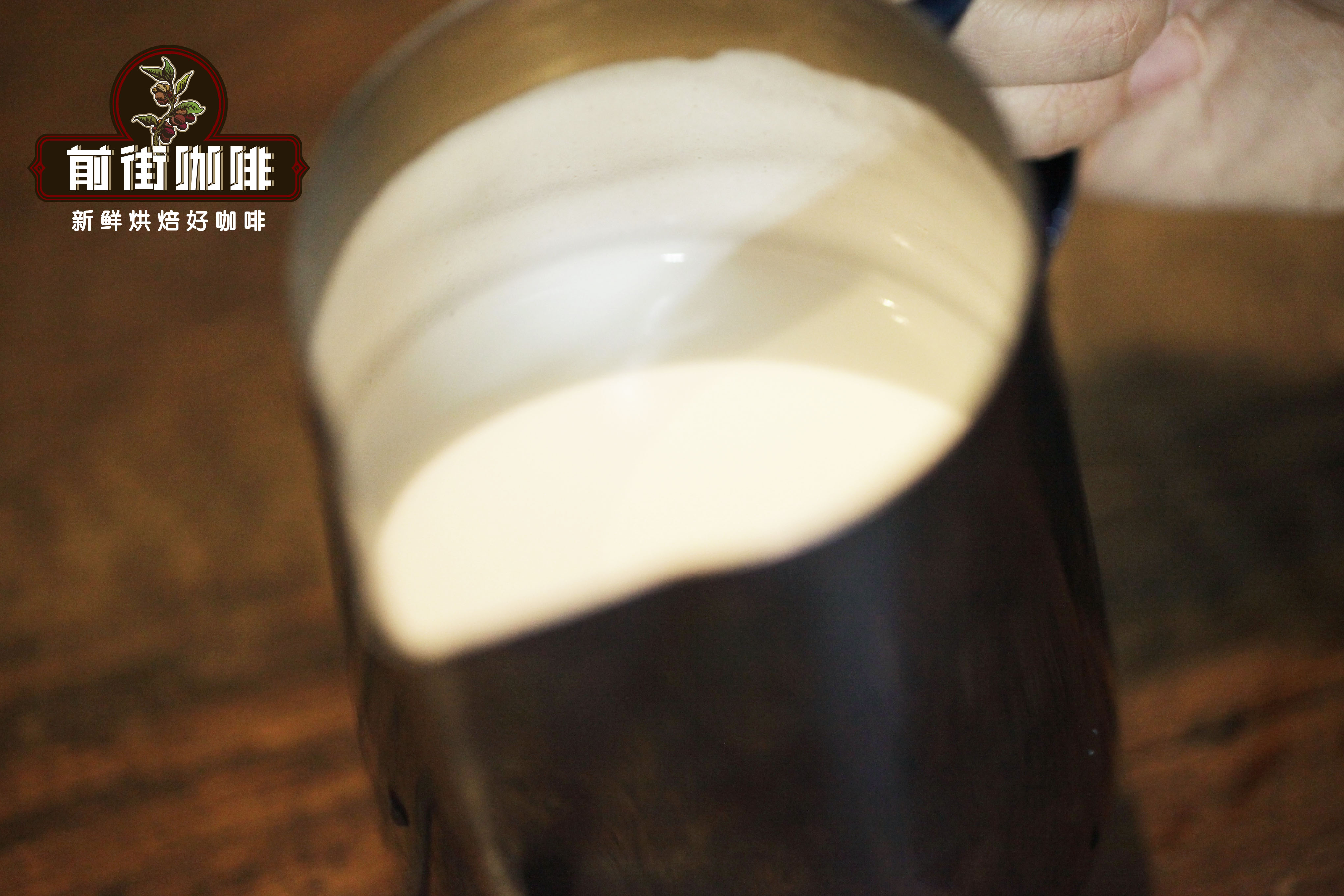
Milk: Whole fresh milk (FrontStreet uses Kowloon Dairy fresh milk)
Frothed milk temperature: 50-60°C (too low and the lactose never develops; too high and the milk's proteins break down, giving a grainy texture)
Foam thickness: 1 cm (thinner than 1 cm is for a flat white; thicker than 1 cm is for a cappuccino)
How to Froth Milk for Hot Latte?
1. Purge before steaming: Rinse the steam wand first, clearing condensed water from the tip so the foam doesn't turn watery (cover with a clean cloth to avoid splashing).
2. Insert the steam wand into cold milk: Let the steam rush into the milk. Depth matters: too deep and it only heats without foaming; too shallow and you'll get big bubbles that ruin the latte art. (Tap the pitcher on the counter to break up large bubbles.)
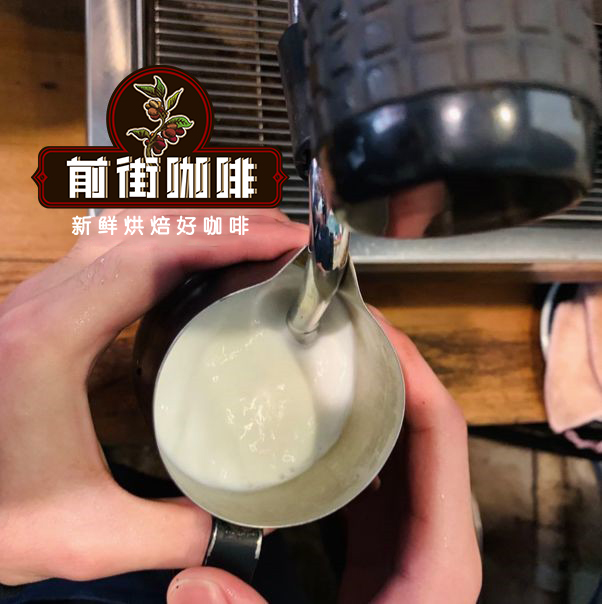
3. Steam wand position: The most reliable steam injection point is with the wand inside the pitcher resting against the spout, tip pointing at the center, offset by about 1cm.
4. Turn on the steam: Start frothing. Listen carefully, the sound should resemble blowing air through a straw into a drink, not the crisp crackle of bubbles hitting metal. Once the temperature reaches 50-60 degrees, shut off the steam.
Hot Latte Making Proportions Recommendation
FrontStreet recommends a coffee-to-milk ratio of 1:6.5 for the latte, 40ml espresso to 260ml hot milk. Swirl the milk and espresso together in a circular motion and you have a hot latte. Heated fresh milk releases its lactose sweetness more readily, and once evenly combined with the espresso, the whole drink carries a natural milky sweetness that doesn't drown the espresso, it sets it off.
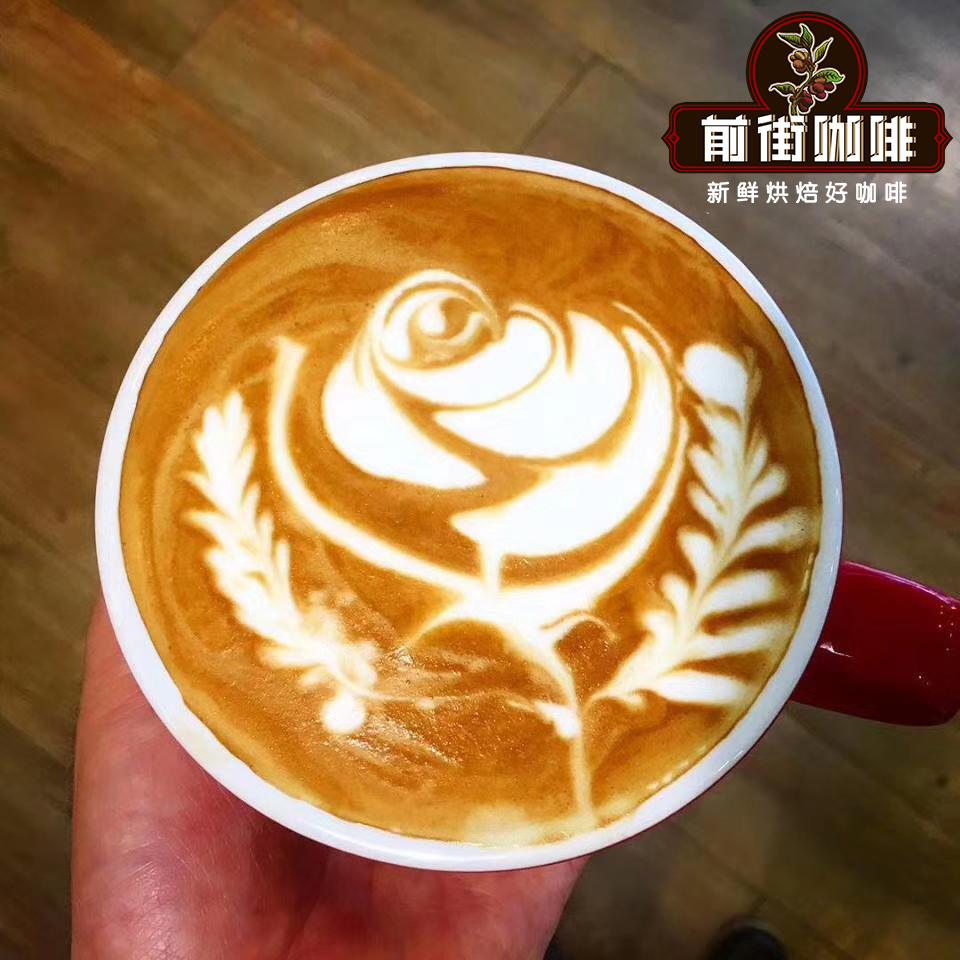
FrontStreet's hot latte shows: whiskey fragrance, lactose sweetness meeting coffee acidity in a milkshake-like way, and a hazelnut-like nutty finish.
FrontStreet Coffee also serves an iced latte in-store, slightly lighter in flavor than the hot version.
Iced Latte Making Proportions Recommendation
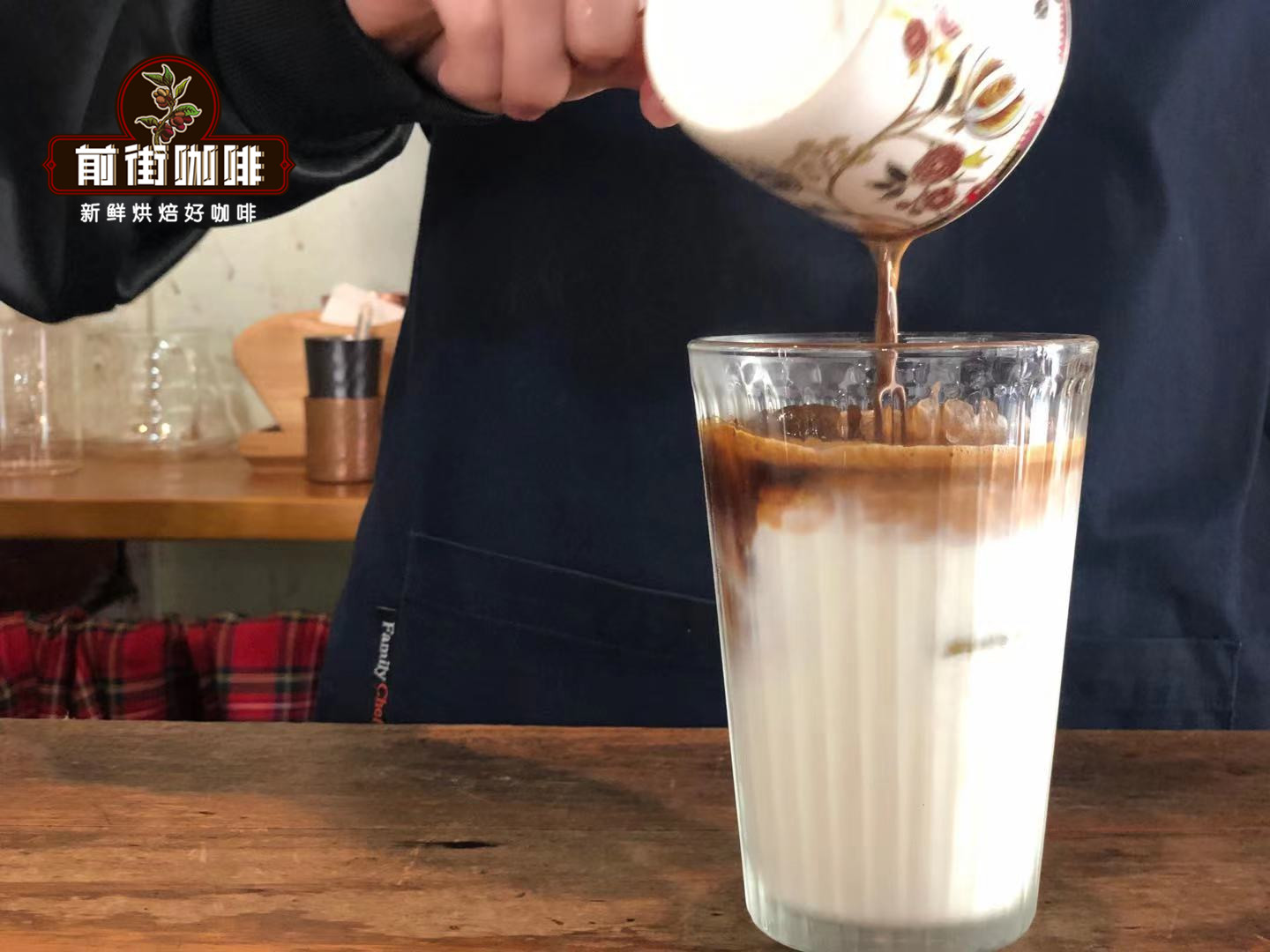
Milk: Whole fresh milk
Milk temperature: Refrigerated, straight from the fridge
Ice cubes: Mixed with milk at a 1:3 ratio
Milk and coffee amount: FrontStreet recommends 300ml iced milk mixture : 40ml espresso
Add ice and fresh milk to a total of 300ml, then extract a double shot and pour it over the iced milk. If you use less ice, remember to add more milk.
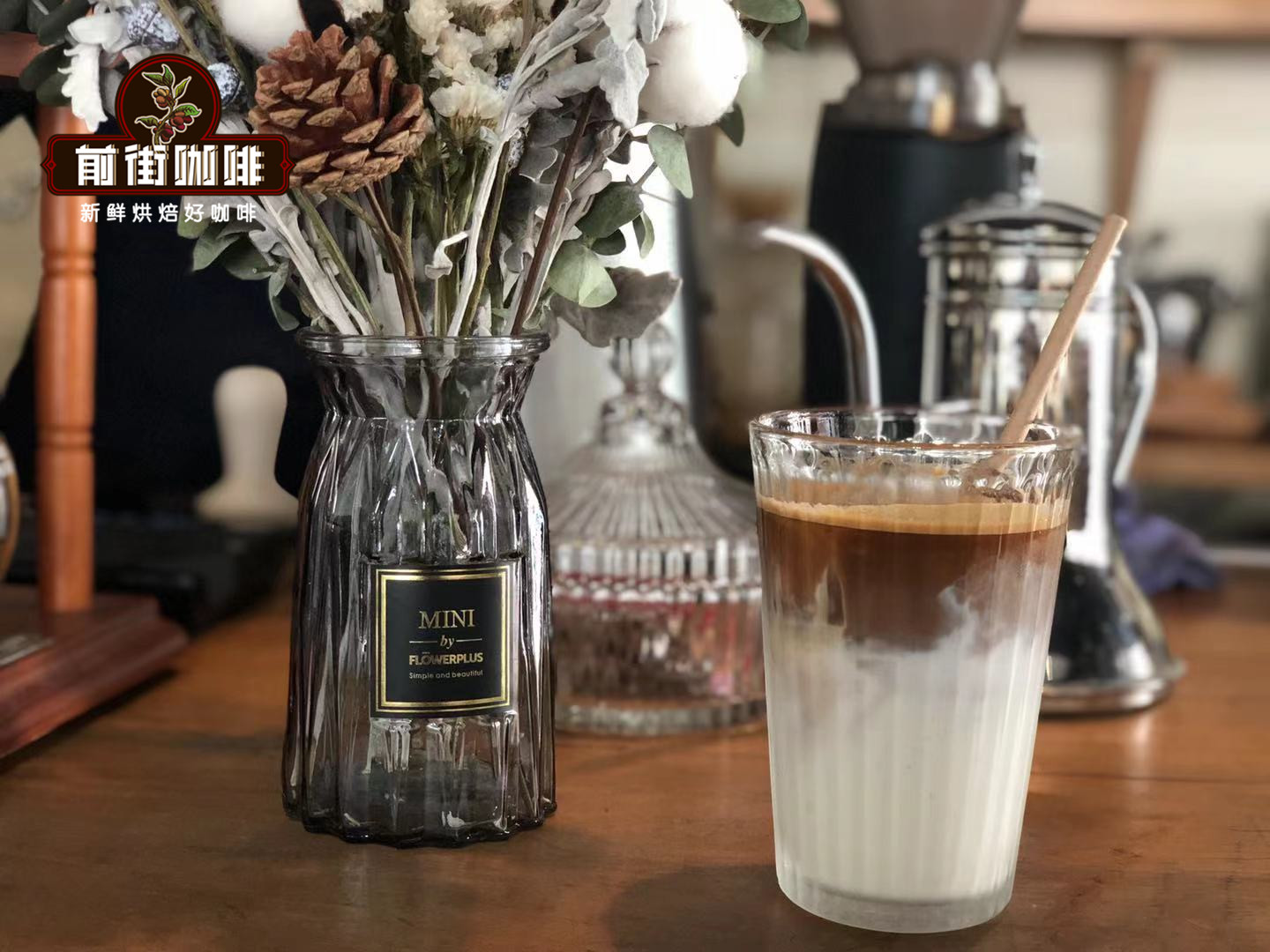
FrontStreet's iced latte shows: whiskey fragrance with a rich nutty aroma. As the ice melts, the overall intensity gradually softens.
That's FrontStreet Coffee's rundown on espresso drinks, we hope it helps enthusiasts brew a fragrant cup of espresso-based coffee at home.
FrontStreet Coffee Recommendation
A cappuccino is built on a shot of espresso, with milk steamed into dense microfoam in place of cream, then spooned into a peaked cap or dome on top. Because the milk proportion is smaller than in a latte, the overall taste is rich, sweet, and wonderfully fluffy, smooth, creamy, and full-bodied, the two impressions everyone associates with a good cappuccino. Here's how FrontStreet makes one at home.
The cappuccino's components couldn't be simpler: milk, espresso, and a solid, thick layer of foam. The first thing you need is the espresso. With an espresso machine, the parameters FrontStreet uses are: a 20g dose, a 1:2 ratio, and about a 30-second extraction, yielding 40ml of espresso with enough concentration and a fully even extraction, excellent in both flavor and texture.
Compared with milk coffees built for latte art like the flat white or latte, the cappuccino's signature is its thick, fluffy foam and intense, mellow coffee body, which makes it the perfect match for FrontStreet's espresso blend series. If you're a beginner at home, go for the crema powerhouse FrontStreet Classic Blend or the value champion FrontStreet Dark Cocoa Basic Blend.
If you'd rather try a floral, fruity cappuccino, first pick is the FrontStreet Strawberry Sugar espresso blend, which brings aromas of berries, rose, raisin, and fruit candy. For something fresher and not bitter, choose the FrontStreet Granada Geisha SOE: a natural-processed, medium roast that carries notes of berries, orange, and persimmon on its own, and takes on a milky-candy character when paired with milk.
The cappuccino's "golden ring" is its most satisfying feature: the outer circle is colored by the espresso, while the inner circle is filled by the foam. There's no trick to it, here's how FrontStreet demos it:
1. Extract the espresso first: FrontStreet uses a 20g dose and pulls 40ml of espresso in about 30 seconds, then pours it into a pre-warmed cup.
2. While the shot pulls, froth the milk. Since no latte art is needed, aerate generously, thicker, denser foam is exactly what you want.
3. Take a spoon, scoop a spoonful of foam, and place it right at the center of the coffee, using the foam to build a circle in the middle.
4. Then swirl the pitcher to re-combine the foam and milk, and pour into the very center of the cup. With the surface covered in foam there's no risk of overflow, pour confidently all the way until the cup is nearly full to the brim.
Important Notice :
FrontStreet Coffee is a long-established specialty coffee roaster in Guangzhou China, selling freshly roasted beans from its own farm in Yunnan as well as dozens of carefully selected single-origin beans from around the world for both pour-over and espresso. The products deliver consistently excellent quality and great value, with shipping within 24 hours. Guangzhou's FrontStreet Coffee shop is recommended by many coffee lovers, and the beans are now available online at the Tmall 。
FrontStreet Coffee has moved to a new address:
FrontStreet Coffee Address: 315,Donghua East Road,GuangZhou
Tel:020 38364473
 Scan and follow the En Gafei WeChat official account. Please indicate that the reprint comes from "En Gafei".