How Expensive Can a Cup of Jamaican Blue Mountain Coffee Be? What's Different About Jamaican No.1 Coffee Pour-Over Brewing Method
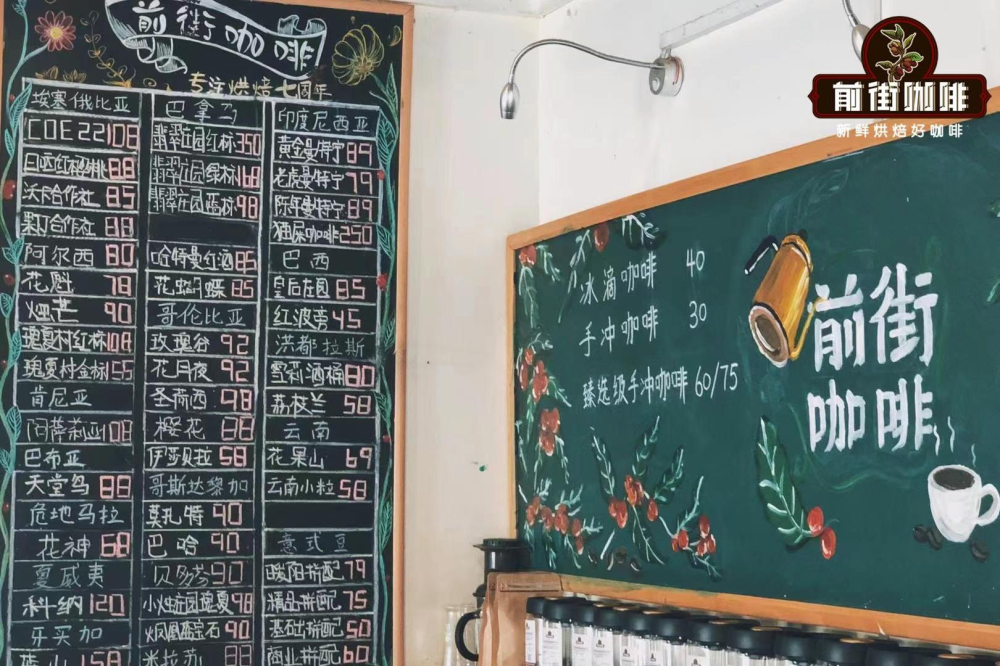
Many friends have only heard of Blue Mountain Coffee's reputation but have never had the chance to taste a cup because of its high price, and they remain very curious about what it actually tastes like. FrontStreet Coffee is here to explain how Jamaican Blue Mountain Coffee became so expensive.
The History of Jamaican Coffee Development
Jamaica is a small island nation in the Caribbean. The first coffee seedling was brought from Martinique by Sir Nicholas Lawes in 1728, and to this day Jamaica has nearly three hundred years of coffee cultivation history. The first plant was established in the St. Andrew area and gradually spread to the Blue Mountain range. The Blue Mountains hold the highest peak in the Caribbean, and their altitude and rugged terrain create diverse microclimates. With fog, rain, and cool, comfortable weather year-round, plus fertile volcanic ash soil, they offer an ideal natural environment for crops. Locals can often be seen interplanting coffee trees with banana trees.
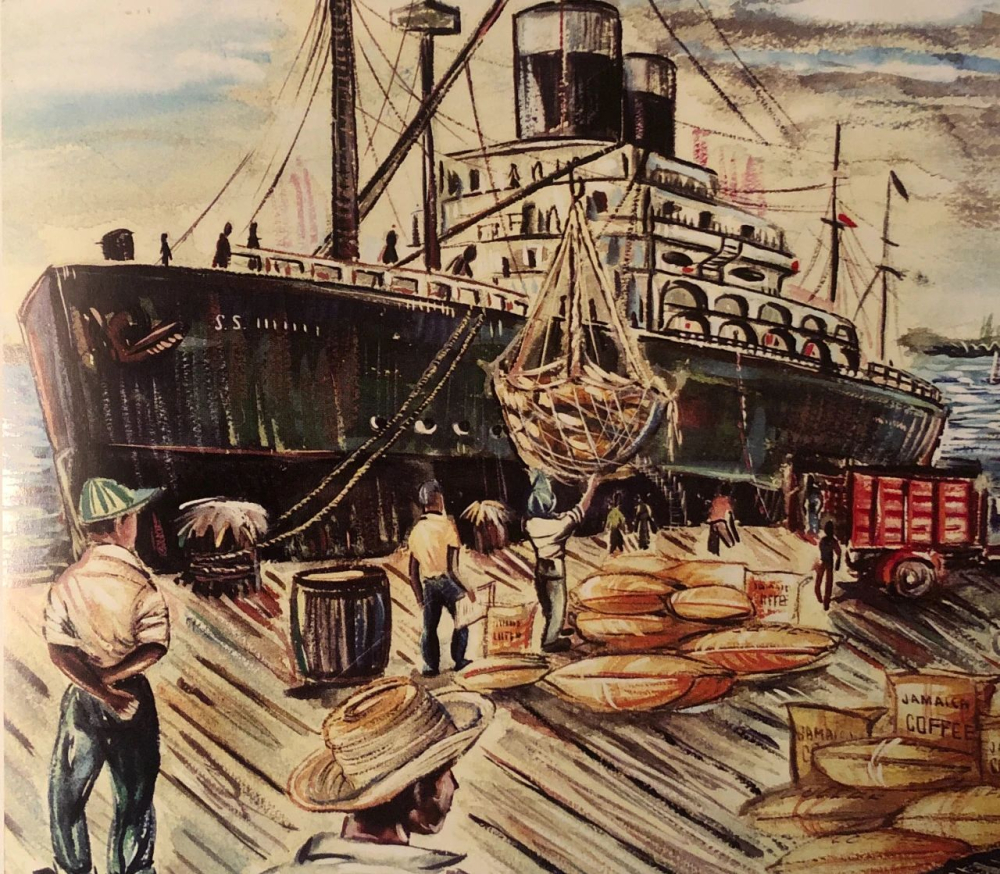
In the late 18th century, Jamaica had over six hundred coffee farms, and annual production reached 15,000 tons in 1814. Later, with the abolition of slavery, the coffee industry declined rapidly, many plantations were abandoned, and production fell sharply. To revive the industry, the Jamaican government passed legislation in 1891, sending guides to Blue Mountain growers on cultivation, management, and green bean processing to raise production. As production grew, quality also had to be assured. By 1950, the government formally established the Jamaican Coffee Industry Board (CIB), giving it authority to improve and control the quality of coffee exported from Jamaica. Thanks to the CIB's strict management, coffee from the Blue Mountains came to be regarded as one of the world's finest premium coffees.
Before the 1960s, Jamaican coffee beans were very popular across the specialty market and commanded relatively high prices. In 1969, Jamaica was hit hard by hurricanes, and multiple industries struggled, coffee among them. At that point Japan's UCC company provided financial assistance to the Jamaican coffee industry and introduced scientific ecological cultivation methods. Grateful for the help, the Jamaican government signed a 30-year contract with Japan, agreeing to allocate 80% of the premium Blue Mountain Coffee quota to Japan, with the remaining 10% allocated to European and American countries.
During that period, Blue Mountain Coffee was not entirely consumed within the Japanese domestic market. Some was sold at high prices to other Asian countries and regions, and with Japan's intensified promotion, coffee enthusiasts in neighboring countries also began to pursue Blue Mountain Coffee, such as Singapore, South Korea, Taiwan, and Hong Kong. Since 2000, the "Blue Mountain craze" gradually spread to mainland China, which also led to Blue Mountain Coffee being expensive and hard to find.
During the 2008 global economic crisis, Jamaica tried to sell Blue Mountain Coffee to more countries, and by coincidence the agreement with Japan had also expired, allowing more Blue Mountain quotas to be distributed to other countries. According to media reports, China signed a letter of intent for cooperation as the sole general agent for Jamaican Blue Mountain Coffee green beans in China when the Hangzhou Coffee and Western Restaurant Industry Association visited Jamaica in 2010. In 2011, the first batch of Blue Mountain Coffee beans was officially imported directly from Jamaica to the Chinese mainland market.
With the growth of China's coffee market, many domestic merchants can now import Blue Mountain Coffee beans directly from Jamaica. It is no longer necessary to pay exorbitant prices to enjoy it. FrontStreet Coffee's Blue Mountain No. 1 Coffee Beans, for example, are priced at 158 yuan per 100g package, while a cup of Blue Mountain pour-over in the store costs 60 yuan.
Premium Jamaican Blue Mountain Coffee
The Blue Mountain Coffee purchased by FrontStreet Coffee is the highest grade, Blue Mountain No. 1, from the historically renowned Clifton Mountain Estate region, harvested from Typica coffee trees at specific altitudes between 910-1700 meters. The green beans must meet specifications of 17 screen size or larger, with a defective bean ratio not exceeding 2%, moisture content around 10-12.5%, and a cup showing well-balanced acidity, sweetness, bitterness, body, and aroma.
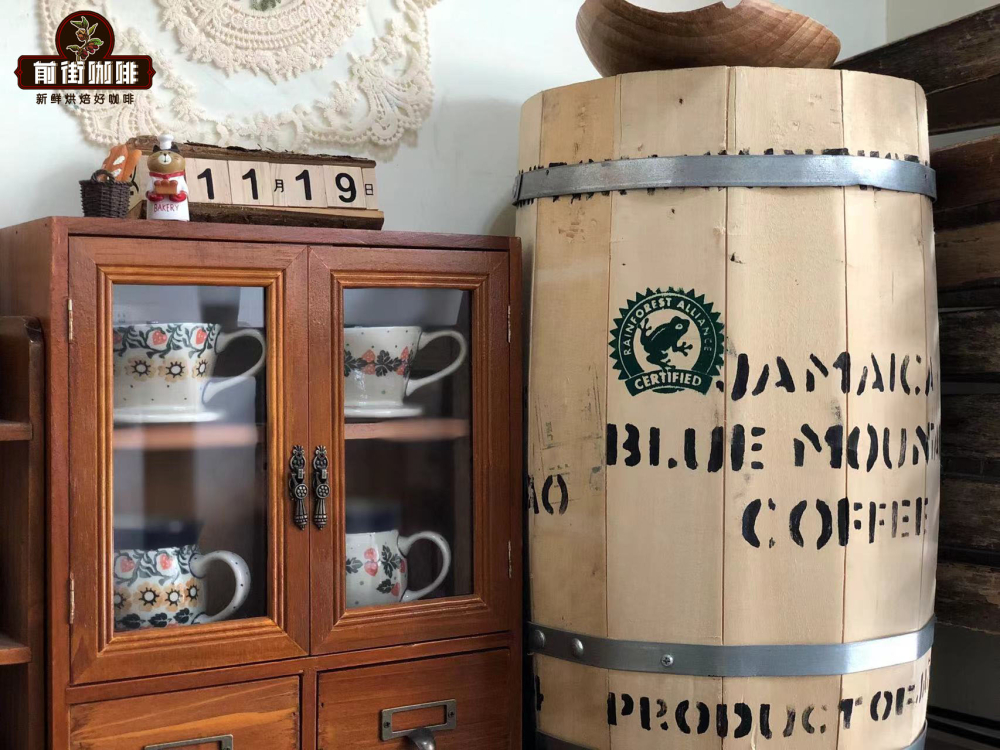
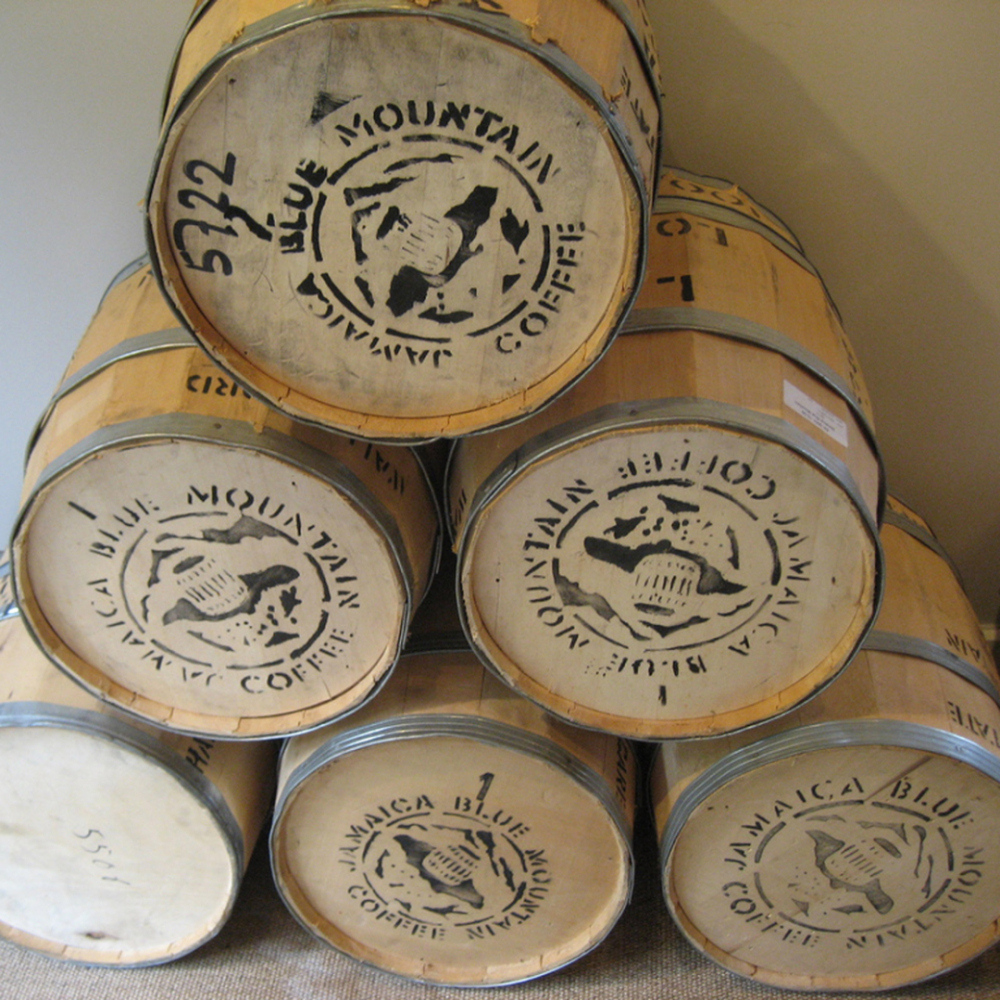
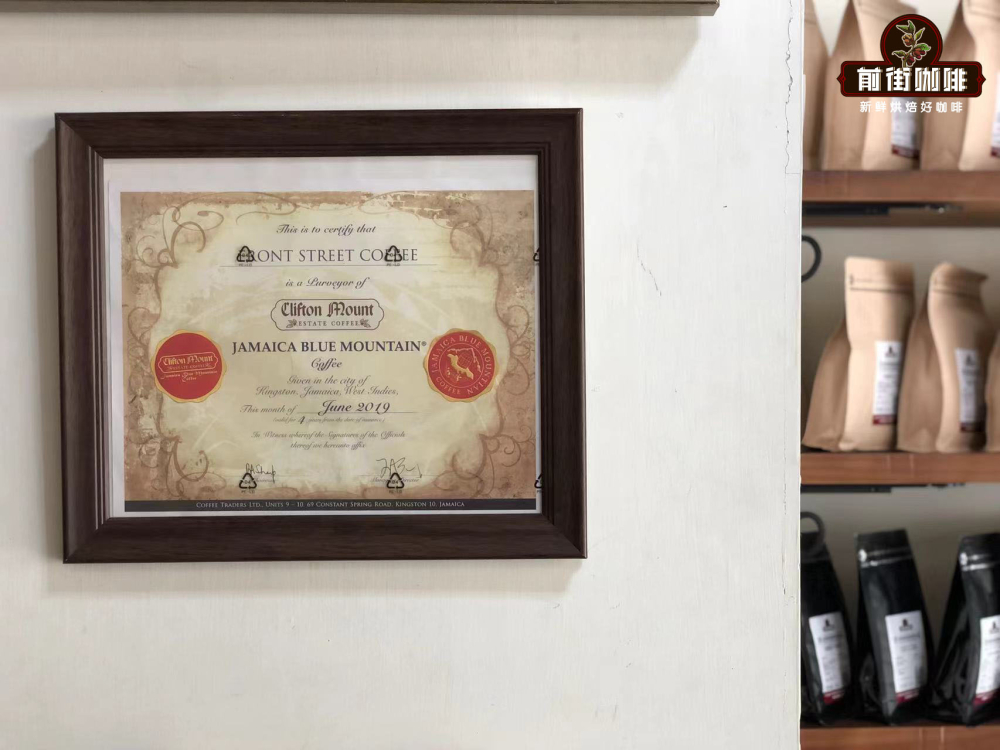
FrontStreet Coffee's store also displays certified origin certificates from Clifton Mountain Estate and the handmade wooden barrels used for transporting Blue Mountain Coffee. Unlike other countries, Blue Mountain Coffee is the only coffee growing region that packages green beans in wooden barrels, while other regions use jute bags. The advantage of oak barrels is their ability to absorb and release internal and external humidity while preventing coffee aroma from escaping, which helps keep the beans' moisture content more stable for more consistent roasting. The rainforest frog logo on the barrels indicates that Clifton Mountain Estate complies with "Sustainable Agriculture System Standards" and is certified by the Rainforest Alliance.
The classic Blue Mountain flavor features rich chocolate and roasted nut aromas, with soft acidity and a full-bodied mouthfeel. To restore this classic flavor, FrontStreet Coffee's roaster chose medium-dark roasting to highlight roasted aromas while preserving some acidity. Through cupping, FrontStreet Coffee found that Blue Mountain No. 1 shows balanced acidity, sweetness, aroma, bitterness, and body, so its baristas developed corresponding brewing approaches based on that profile.
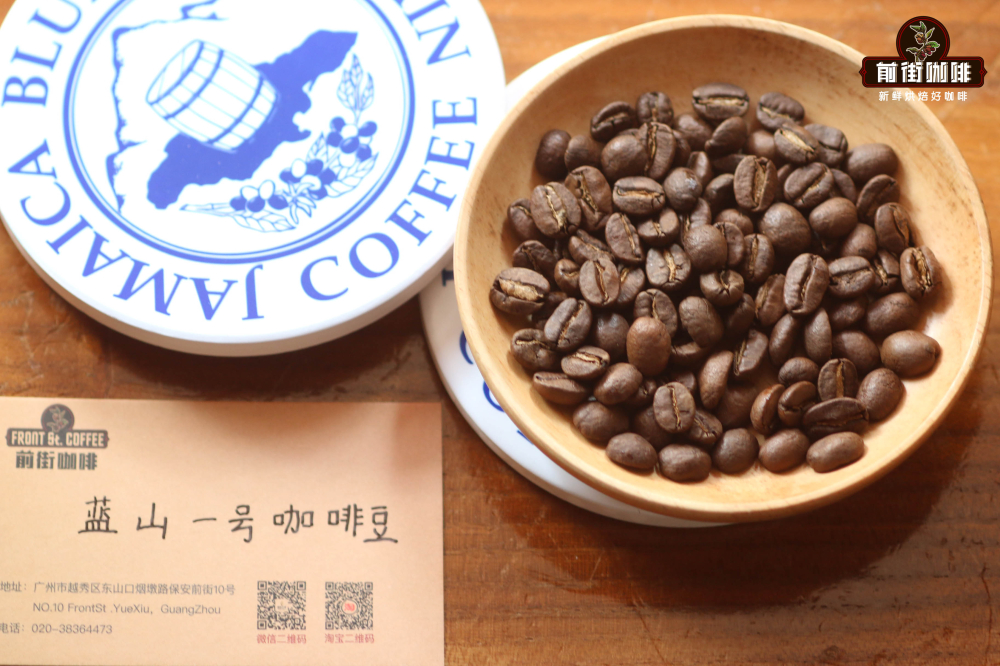
Before brewing, FrontStreet Coffee recommends using freshly roasted coffee beans, especially specialty beans like Blue Mountain No. 1, as freshness largely determines the fullness of the brewed flavor. FrontStreet Coffee ships beans roasted within 5 days, ensuring each customer receives them at their peak flavor. We hope everyone enjoys them within the optimal tasting window so that precious Blue Mountain Coffee beans are never wasted.
FrontStreet Coffee usually reaches for the KONO dripper when brewing beans with predominantly bitter notes, aiming to highlight the coffee's full body. The upper part of the KONO dripper lets the filter paper adhere better. Compared with the V60 dripper, its extraction method is primarily immersion-based, which increases the overall concentration of the coffee and thereby enhances its body. The KONO dripper is also suitable for brewing Brazil Queen Estate Coffee Beans and Golden Mandheling Coffee Beans.
FrontStreet Coffee's store parameters for brewing Blue Mountain No. 1 are: KONO dripper, 88°C water temperature, 1:15 coffee-to-water ratio, 15g coffee grounds, grind size of 75% pass-through rate on a #20 standard sieve, and three-stage extraction.
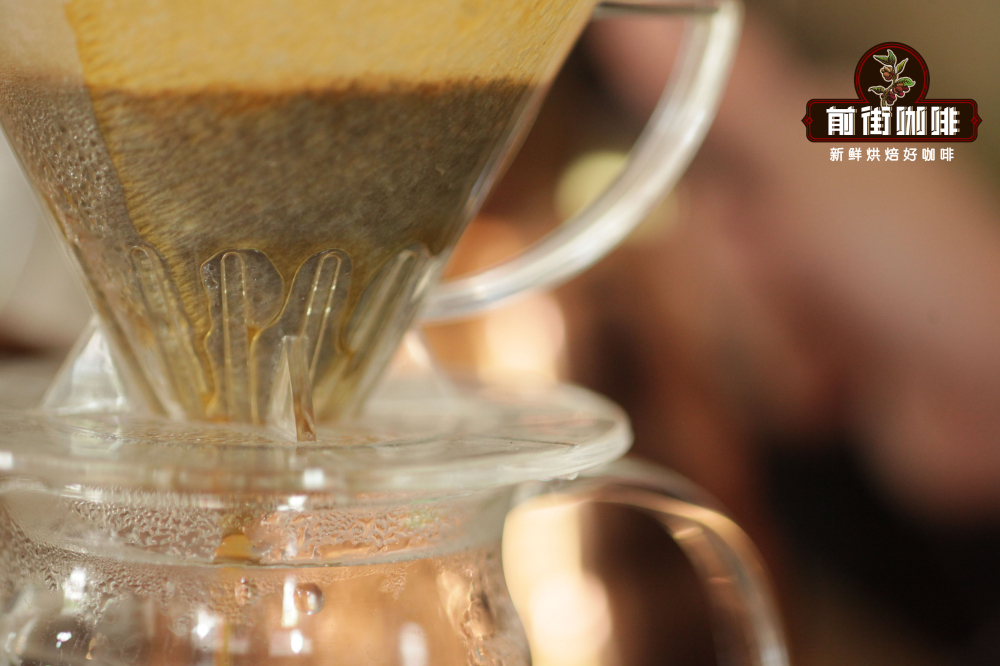
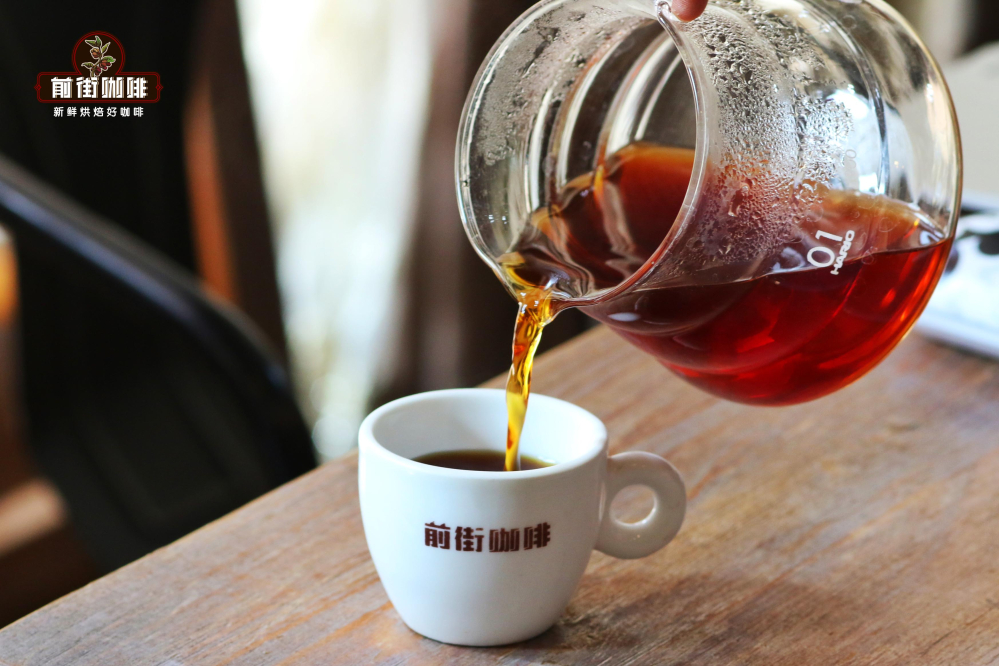
FrontStreet Coffee first wets the KONO dripper, then places the aligned filter paper for a better fit with the dripper. After pouring out the water from the sharing pot, add 15g of coffee grounds. Bloom with 30g of water for 30 seconds, then begin pouring in small circular motions from the center until reaching 125g, then segment. Wait for the coffee bed to drop to half the dripper's height before starting the second pour with the same technique until reaching 225g. Once all dripping is complete, remove the dripper.
Blue Mountain No. 1 Coffee tastes of dark chocolate sweetness, caramel sweetness, and soft, elegant acidity. Each flavor is well balanced, with a smooth and full-bodied mouthfeel, showing very typical Blue Mountain character.
For professional coffee knowledge exchange and more coffee bean information, visit FrontStreet Coffee.
To explore more specialty coffee beans, visit FrontStreet Coffee.
FrontStreet Coffee Recommendation
For many coffee lovers, Blue Mountain is a name they cannot get around. In the years before specialty coffee was widespread, treating someone to Blue Mountain was practically synonymous with high-quality coffee, and even now, as more and more specialty regions are discovered, it still holds an irreplaceable place with its distinctive flavor and balance.
Many people assume all coffee grown in Jamaica is Blue Mountain coffee, but that is not so. Strictly speaking, only coffee grown in the designated area of Jamaica's Blue Mountain range and certified by the Jamaican authorities can be called Jamaica Blue Mountain Coffee. The range lies in eastern Jamaica, is one of the highest in the Caribbean, and has a highest peak of 2,256 meters. It is wrapped in cloud and mist year-round, which is where the name comes from. That setting shapes the coffee's unique quality: high altitude creates a wide day-night temperature swing that lengthens the ripening period, fertile volcanic soil feeds the trees, and even rainfall with a mild, stable climate lets the cherries slowly accumulate sugars and flavor compounds.
Blue Mountain's status is high. If Ethiopia stands for the origin of coffee and Panama Geisha for the peak of modern specialty coffee, then Blue Mountain stands for the king of the classic specialty era, and in the second half of the 20th century it was almost a symbol of premium coffee. The producing area is limited, and the entire Jamaican Blue Mountain region yields less than 2,500 tons a year, only a tiny share of world output. Long-term trade also meant that Japan historically bought more than 70 percent of the crop, so even less reached the rest of the world. Scarce supply and strong demand kept prices high.
Compared with specialty coffees that stress individual character, Blue Mountain's appeal is its balance; it has almost no obvious shortcoming. It avoids the strong fruit acidity of some African coffees and the heavy bitterness of a dark roast, finding an excellent balance among acidity, sweetness, bitterness, and aroma. A good Blue Mountain typically shows cream, caramel, chocolate, nuts, honey, and a light fruit character. The entry is soft and rounded, the middle is rich in sweetness, and the finish is clean and long, layered without being showy. That near-perfect balance is why so many coffee professionals call it the specialty coffee most likely to please most people.
Certification is important when buying Blue Mountain. Genuine Jamaican Blue Mountain does not carry a traceability code, but importers usually hold complete export certification and origin papers, or the green beans show clear origin details. Traditional Blue Mountain ships in wooden barrels of 15, 45, and 70 kilograms, and each barrel is itself a mark of authenticity. Sellers who can provide full certification and origin documents are generally the most trustworthy.
Many people think Blue Mountain can only be brewed as pour-over, but that is not true either. Because it is so well balanced, it shows different layers whether brewed as pour-over, in a Moka pot, or as espresso. To fully enjoy its delicate layers and rich sweetness, pour-over is the method that best brings out the origin, using a 1:15 to 1:16 coffee-to-water ratio, a water temperature of 85-88°C, and a medium-coarse grind; this highlights the cream, caramel, and nut flavors while keeping the soft, bright sweet-tart quality, for a cleaner, more transparent and layered cup. For a thicker, richer cup, a Moka pot also suits Blue Mountain very well: grind slightly finer than for pour-over, fill with hot water, heat over medium-low, and take it off the heat just as the coffee finishes flowing. The Moka pot intensifies the chocolate, caramel, and nut notes, giving a fuller body while keeping the signature balance, and it also works beautifully with milk for a latte or flat white.
For anyone who wants an authentic Blue Mountain experience, the grade is worth noting too. Blue Mountain No. 1 is one of the highest grades, with strict standards for bean size, defect rate, and overall quality. FrontStreet Jamaica Blue Mountain No. 1, for example, comes with complete origin certification and original shipping barrels on display, so its source can be traced clearly. It is roasted medium-deep so the classic balance shows fully, and the cup unfolds layers of nuts, dark chocolate, cream caramel, and a soft sweetness, with acidity, sweetness, bitterness, and aroma in harmony. Whether as a daily specialty cup or a premium gift, Blue Mountain No. 1 lets you experience the charm this legendary coffee has sustained for decades.
Important Notice :
FrontStreet Coffee is a long-established specialty coffee roaster in Guangzhou China, selling freshly roasted beans from its own farm in Yunnan as well as dozens of carefully selected single-origin beans from around the world for both pour-over and espresso. The products deliver consistently excellent quality and great value, with shipping within 24 hours. Guangzhou's FrontStreet Coffee shop is recommended by many coffee lovers, and the beans are now available online at the Tmall 。
FrontStreet Coffee has moved to a new address:
FrontStreet Coffee Address: 315,Donghua East Road,GuangZhou
Tel:020 38364473
 Scan and follow the En Gafei WeChat official account. Please indicate that the reprint comes from "En Gafei".