Comprehensive Guide to Three-Stage Pour-Over Coffee Extraction - How to Perfect Three-Pour Pour-Over Coffee Brewing Technique
Understanding Three-Stage Pour-Over Brewing
In pour-over brewing, the three-stage method means splitting the total water into three separate pours over the course of the extraction. That covers the initial bloom plus two extraction pours, which is why it is also called the "three-pour technique." There are two pauses between the pours, and by controlling how much water goes into each stage the barista can steer the balance between the beginning, middle and end of the cup, landing on something harmonious and even.
Why Use Segmented Pouring?
You will often see baristas pause mid-brew, waiting for the water level to drop before adding more. That pause is what we mean by segmented extraction.
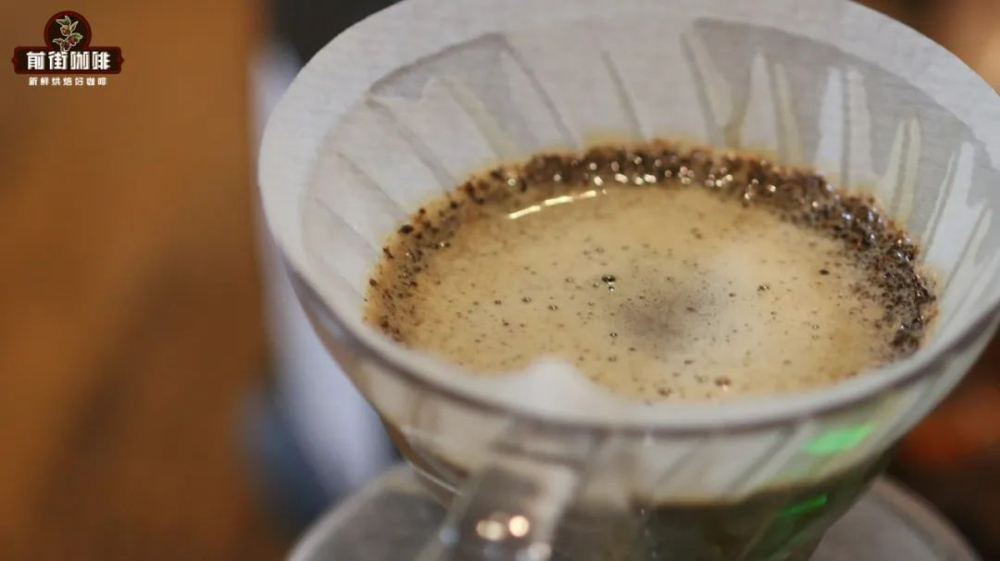
The first stage is a small pour of hot water to wet the grounds, which releases the internal gases that would otherwise interfere with later stages. This is the bloom. The most common approach is to pour twice the weight of the coffee in water and let it sit for 30 seconds. With 15 grams of coffee, for example, FrontStreet Coffee uses 30ml of water for the bloom, which is also the most manageable blooming formula for beginners. Whether a brew counts as segmented depends on what happens after the bloom. Divide the post-bloom water into two pours and, together with the bloom, you have "three-stage pouring." Skip the pause and finish in one continuous pour and you have "single-pour brewing."
Baristas segment the pour because different compounds in coffee extract at different rates. Exposed to hot water, flavours come out in the order of sour, then sweet, then bitter. In segmented pour-over, apart from the bloom, the more stages you split the same coffee-to-water ratio into, the less water each stage carries but the more times the coffee bed is rinsed and stirred, which raises the extraction rate.
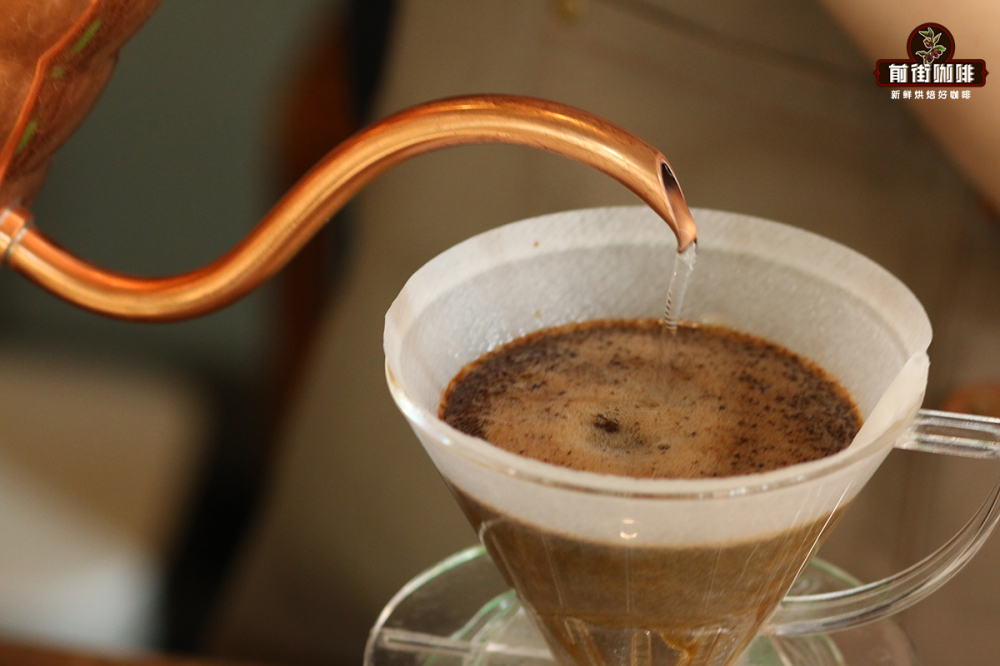
More stages also stretch out the total extraction time, and the more compounds released at each stage, the richer the layers of flavour. FrontStreet Coffee would caution, though, that the more stages you use, the longer the process takes and the greater the risk of over-extraction. In the later stages, larger molecular compounds are released more easily and can mask the sweetness. So more pours is not automatically better. How, then, should it be worked out?
The Versatile Three-Stage Pour-Over Method
Based on extensive brewing experience, FrontStreet Coffee recommends that beginners start with the three-stage method. Three-stage extraction dissolves flavour compounds more fully, adding complexity to the mouthfeel while avoiding the over-extraction that long immersion can cause. For 15 grams of coffee at a 1:15 ratio and 225ml of total water, the three pours are 30ml, 95ml and 100ml, with the scale reading 30g, 125g and 225g.
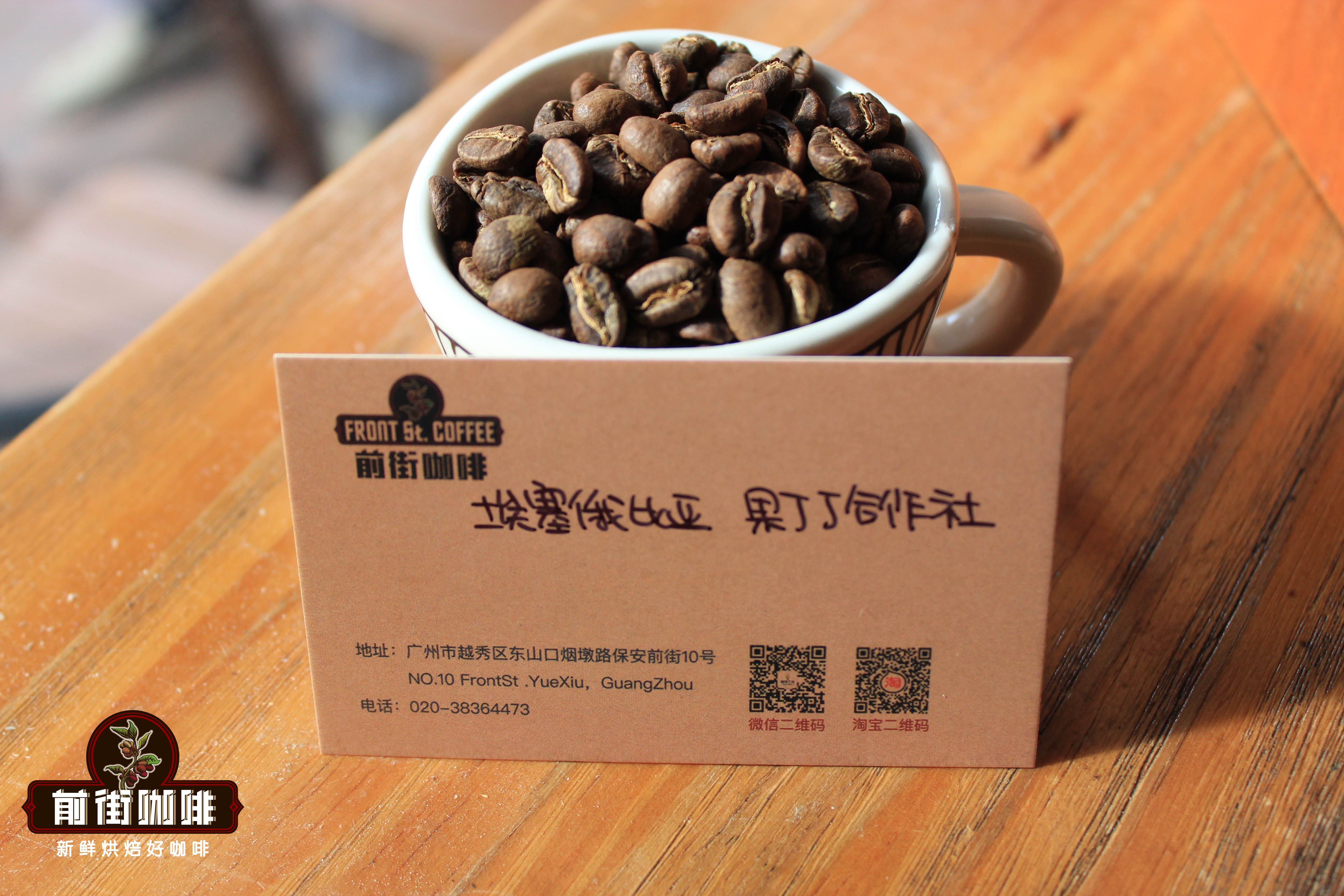
For this demonstration, FrontStreet Coffee used its house-roasted washed Yirgacheffe Gudingding Cooperative beans, brewed in a Hario V60 dripper. The V60's spiral ribs let the grounds degas more effectively, maximizing the release and dissolution of acidic aromatic compounds. Because FrontStreet Coffee's Yirgacheffe is a light roast, the beans are relatively hard and need water at 92°C-93°C to bring out the floral and fruit notes.
For grind size, FrontStreet Coffee recommends a medium-fine grind (78% pass-through on China's standard #20 sieve), about as fine as granulated sugar. Too coarse and the rich, rounded compounds will not extract, leaving a thin cup; too fine and the high water temperature can easily push it into over-extraction, producing bitterness and astringency.
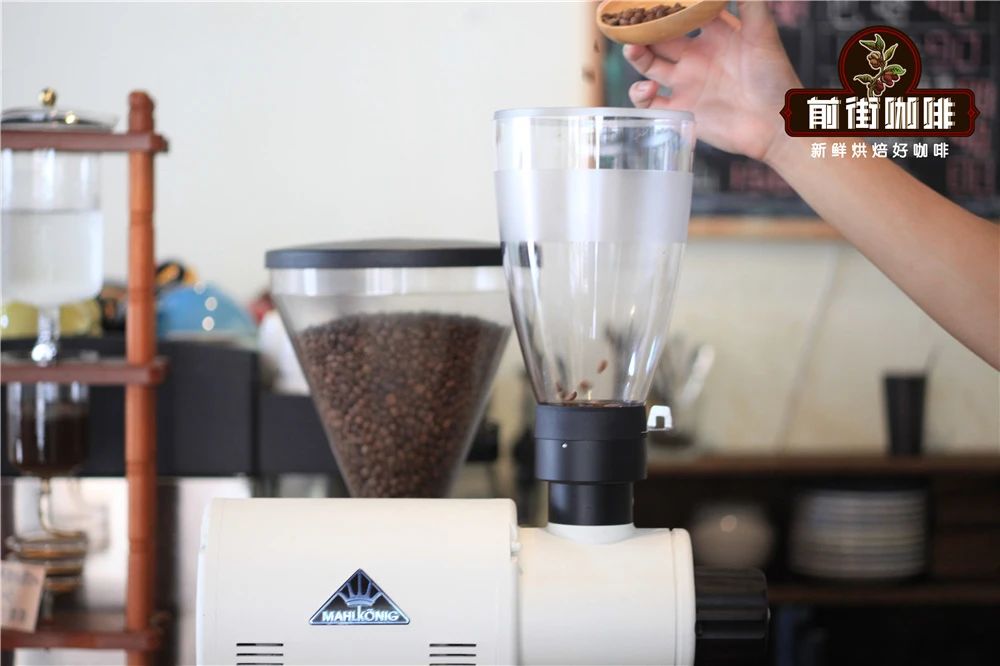
On brewing ratio, FrontStreet Coffee considers 1:15 to 1:16 perfectly acceptable. If you want a fuller mouthfeel, go with 1:15; if you want the floral and sweet notes to read more clearly, go with 1:16 and let the flavours spread out.
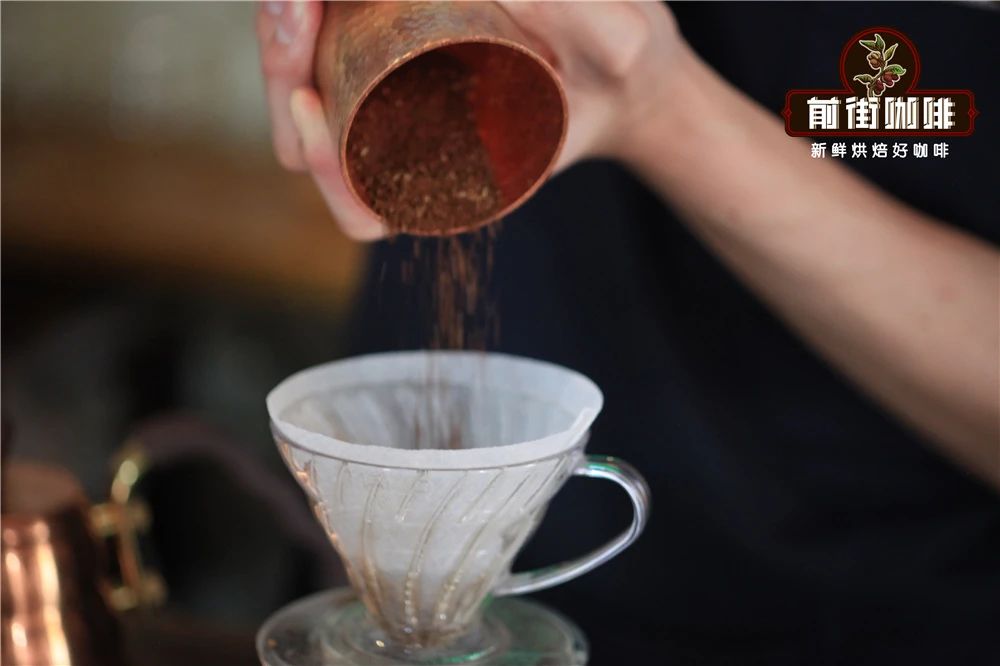
First, set the folded filter paper into the dripper and make sure it sits snugly. Add 15 grams of ground coffee and zero the scale.
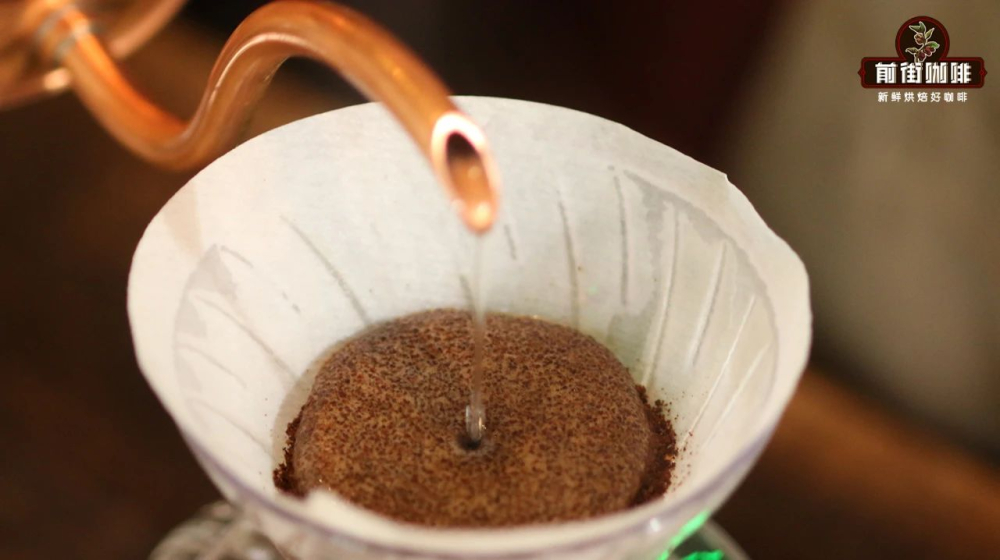
For the first stage, pour 30g of water for a 30-second bloom. Start the timer as you begin pouring, using a gentle stream that starts at the centre and spirals outward, making sure the whole coffee bed is wet.
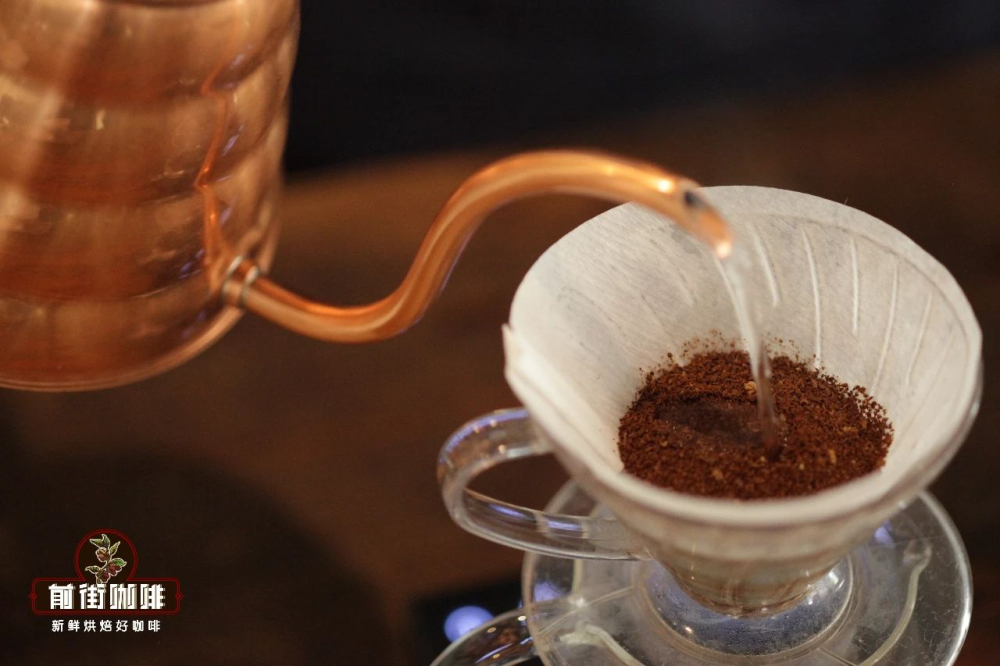
After 30 seconds, begin the second stage of 95g with a slightly larger, steady stream. The aim is to lift the entire coffee bed, so the stream should be poured vertically and evenly. The scale should now read 125g, and this pour should take about 55 seconds.
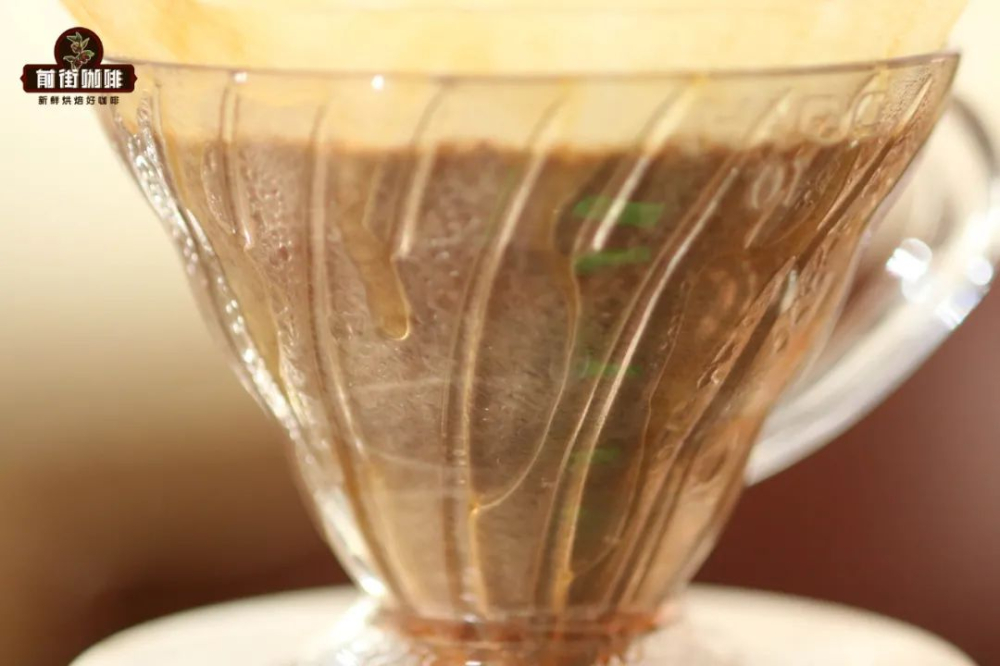
When the water level drops to about halfway, begin the third stage of 100g with a small stream in small circles. Try to keep the stream from spiralling too wide, which easily disturbs the coffee bed and causes under-extraction. The final water weight should total 225g, with the complete drip finishing in around 2 minutes. Remove the dripper, swirl the coffee in the sharing pot to even it out, and taste.
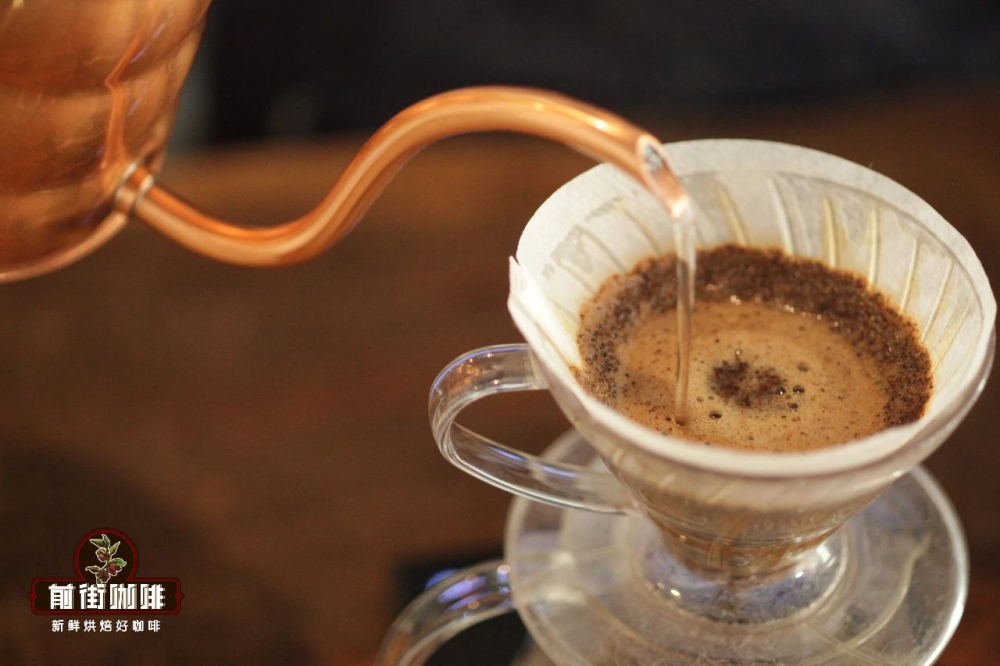
The water volume for each pour is not fixed. It can be adjusted according to your accumulated pour-over experience and your understanding of the beans. FrontStreet Coffee believes there are thousands of ways to brew a delicious cup. Keep learning and practising, and mastering the various pour-over parameters is not difficult.
FrontStreet Coffee Recommendation
This three-stage method is built for bright, aromatic light roasts, and FrontStreet Coffee's washed Yirgacheffe Gudingding Cooperative is the bean the recipe was written around. As many drinkers' first taste of specialty coffee, Yirgacheffe is reliably citrusy, berry-forward and floral, with a green-tea sweetness in the finish, and at a light roast it suits 92°C-93°C water and a medium-fine grind.
If you want to push the fruit further, FrontStreet Coffee's Ethiopia Huakui is one of the standout lots of recent years, loaded with tropical aromas of strawberry, passion fruit, jackfruit and even lychee. It is noticeably sweet and has almost no bitterness, so it works well with the same 1:16 ratio when you want those flavours to spread out.
For something in the geisha vein, FrontStreet Coffee's Strawberry Candy brings a geisha-style profile, and FrontStreet Coffee's Mozart adds a raisin-forward character. Both are floral and fruit-driven and reward the same gentle, three-stage pour in a V60.
Important Notice :
FrontStreet Coffee is a long-established specialty coffee roaster in Guangzhou China, selling freshly roasted beans from its own farm in Yunnan as well as dozens of carefully selected single-origin beans from around the world for both pour-over and espresso. The products deliver consistently excellent quality and great value, with shipping within 24 hours. Guangzhou's FrontStreet Coffee shop is recommended by many coffee lovers, and the beans are now available online at the Tmall 。
FrontStreet Coffee has moved to a new address:
FrontStreet Coffee Address: 315,Donghua East Road,GuangZhou
Tel:020 38364473
 Scan and follow the En Gafei WeChat official account. Please indicate that the reprint comes from "En Gafei".