Brazilian Coffee Like Peach Wine|Brazil Glorious River Estate Coffee|Brazil Catuai Coffee
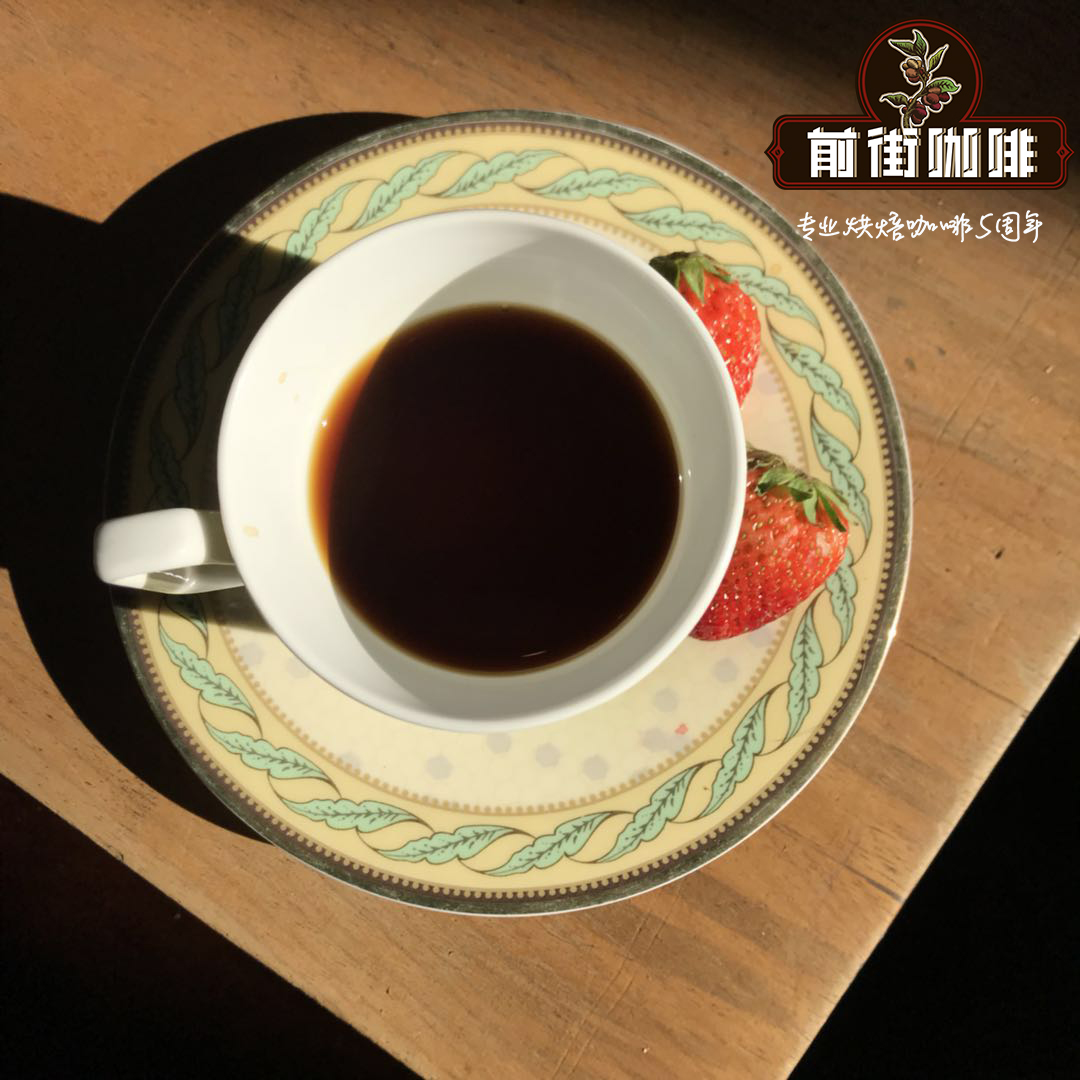
Brazil is the world's largest coffee producer, accounting for roughly 30% of global output. Yet the country's geography works against the classic specialty profile: Brazil sits in the tropical zone with relatively flat terrain and few high, shaded mountains, so most coffee grows at low altitude in non-volcanic soils. The result is beans that grow fast and large but stay soft and low in density, with limited flavor variation. Combine that with large-scale mechanical harvesting that strips cherries of very different ripeness levels at the same time, and Brazilian coffee has long been boxed into the commercial-grade category.
Things began to change after 2000, when coffee competitions gave high-altitude farms in the south a stage. Quality from the Minas Gerais highlands in particular earned recognition, this is both the quality leader among Brazilian coffees and the largest production zone. Cerrado in western Minas, the Matas region in the east, northern Bahia, and the small farms of southern Minas have made "Minas" nearly synonymous with Brazilian specialty coffee.
In recent years, competitions have also split categories by processing method, washed, semi-washed (pulped natural), honey, and natural, pushing farms to develop wildly different flavors, textures, and aftertastes from the traditional Brazilian profile. Honey and natural processing have performed especially well, yielding clean, low-acidity fruit character and dialing back the heavy chocolate notes.
The FrontStreet Coffee offering introduced here comes from Fazenda Rio Brilhante in the Cerrado, from the Pantano micro-region that has earned Protected Designation of Origin status, Cerrado is one of Brazil's most famous coffee regions and the only one holding a protected geographical indication. Conditions are close to ideal for coffee: an average annual temperature of 24°C and rainfall of 1,300–2,000 mm, with abundant rain and clearly defined wet and dry seasons. Estate owner Inacio Urban acquired the farm in 1984. The name "Rio Brilhante", Bright River, comes from the river running through the property, which also irrigates the coffee trees.
Which brings us to the Catuaí from Fazenda Rio Brilhante that FrontStreet Coffee is featuring now. Unlike the chocolate-and-nut Brazilian profile most of us know, this lot tastes of peach wine, a genuinely surprising turn for a Brazilian coffee.
FrontStreet Coffee Recommendation
If you want to explore more of what Brazil does well, FrontStreet Coffee carries a few benchmarks worth knowing. For a taste of classic Cerrado, try FrontStreet Coffee's pulped natural Cerrado Red Bourbon: a quintessential Brazilian single origin from the region's famous quality-focused growing area. Roasted medium, it shows creamed peanut, toasted bread, caramel, and hazelnut aromas, with a round, non-acidic mouthfeel and only a faint trace of bitterness. It works as pour-over but is equally happy in a moka pot, as a single-origin espresso, or through a siphon or French press.
For something rarer, FrontStreet Coffee's Fazenda Rainha Yellow Bourbon comes from Mogiana near southern Minas, where fertile red volcanic soil feeds the cherries and builds full aroma. The farm pairs traditional estate management with modern, standardized operations, which has lifted local quality considerably. Yellow Bourbon itself is a natural mutation of Red Bourbon with a cleaner fruit character: brewed by hand or machine, the cup reveals a sugarcane sweetness you won't find in other origins, alongside fruit and chocolate notes.
Finally, Brazil's low acidity, balance, and approachable price make it the backbone of many espresso blends. FrontStreet Coffee's classic blend (rich crema), its nut-forward premium blend, the balanced black cocoa blend favored by baristas, and FrontStreet Coffee's Commercial Blend designed for cafés all contain Brazilian components, contributing chocolate and cream aromas, gentle acidity and bitterness, and a steady, balanced profile that keeps extraction consistent.
Important Notice :
FrontStreet Coffee is a long-established specialty coffee roaster in Guangzhou China, selling freshly roasted beans from its own farm in Yunnan as well as dozens of carefully selected single-origin beans from around the world for both pour-over and espresso. The products deliver consistently excellent quality and great value, with shipping within 24 hours. Guangzhou's FrontStreet Coffee shop is recommended by many coffee lovers, and the beans are now available online at the Tmall 。
FrontStreet Coffee has moved to a new address:
FrontStreet Coffee Address: 315,Donghua East Road,GuangZhou
Tel:020 38364473
 Scan and follow the En Gafei WeChat official account. Please indicate that the reprint comes from "En Gafei".