
The Story of Geisha Coffee Bean Variety: Panamanian La Esmeralda Estate Geisha Coffee Bean Pour-Over Flavor Characteristics

Have you ever heard the saying that there are only two types of specialty coffee beans: Geisha, and every other Arabica variety? It may be an exaggerated joke, but it hints at the remarkable place Geisha holds in the specialty coffee world.
What Makes Geisha Coffee Special? Why Is It So Expensive?
Today, even if you don't drink pour-over coffee, you've likely heard of Geisha's reputation — often paired with the word "expensive," and it frequently tops lists of the world's most expensive coffees. So why is Geisha so costly?
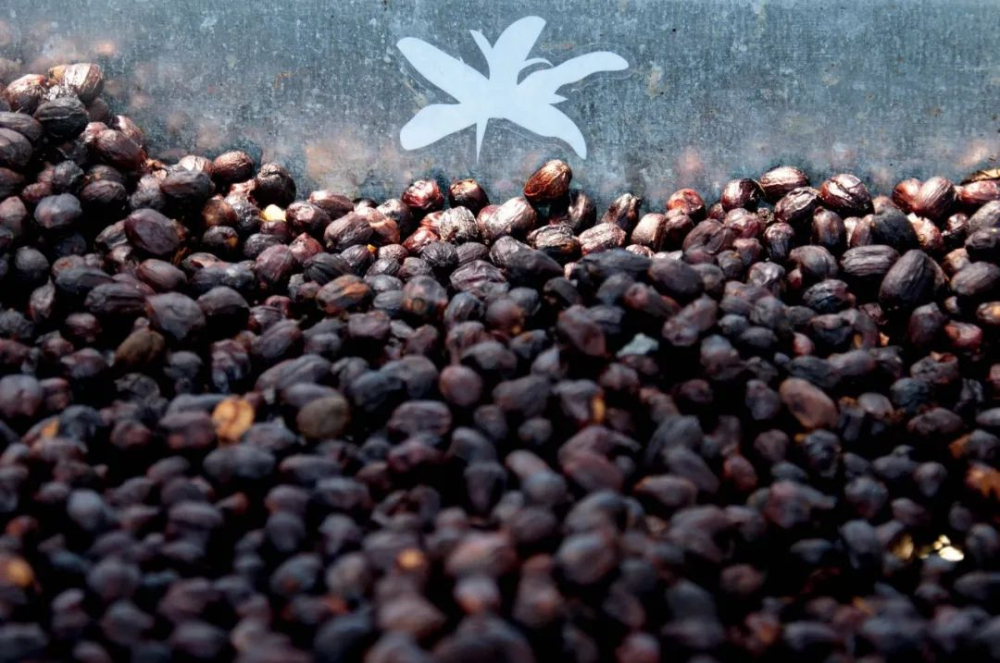
Geisha coffee presents rich and elegant floral aromas, citrus, peach, and complex fruit acidity in the cup, with a creamy smooth mouthfeel and a finish carrying the sweet fragrance of oolong tea. Its exquisite flavor performance makes you feel as though you're not drinking coffee at all, but tasting a cup of fragrant fruit tea. FrontStreet Coffee frequently points out that coffee, as an agricultural product, has a flavor expression always tied to variety, climate, altitude, soil, and management. It is a natural and honest expression of the variety and the local terroir, and post-processing and roasting should work to maximize, preserve, and showcase those most authentic flavors. Geisha's excellence, therefore, cannot be separated from a combination of all these factors.

As the saying goes, rarity makes things precious. Geisha production is extremely scarce. Panama's annual coffee output is about 10,000 tons, while the renowned Hacienda La Esmeralda produces only 150 bags of green beans a year, about 9,000 kilograms. If Geisha accounts for just 3% of that, it comes to a mere 270 kilograms. Add to this the steady stream of media coverage, the vivid portrayals of Geisha's flavor, and the growing enthusiasm of drinkers, and the price of Geisha coffee naturally stays high.
Compared with other Arabica varieties, Geisha not only yields little fruit but is particularly fragile and picky about its growing environment. It requires high altitude, fertile soil, cloud cover or shade, and cannot be exposed to direct sunlight. The leaf system of Geisha trees is very thin, meaning photosynthesis efficiency is low, and the roots are quite fragile, absorbing water and nutrients slowly. Production is therefore very low, and the high-altitude environment means the fruit ripens relatively late. A Geisha tree yields only half the fruit of a Caturra — one reason Geisha is so precious.
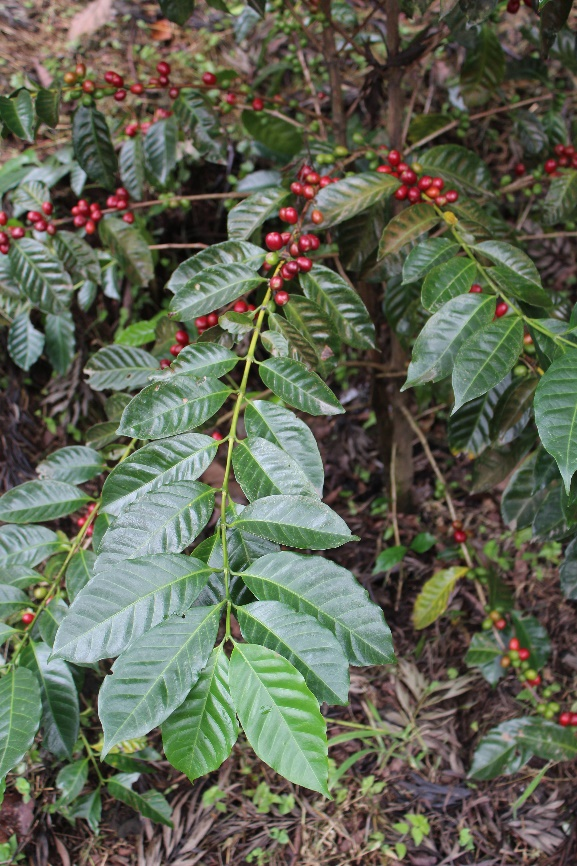
The "talent scout" of Geisha, the owner of Hacienda La Esmeralda, once said the estate needs abundant shade trees to protect the delicate Geisha from sunlight, and traditional pruning must be adopted in the early planting stages, or the plants are prone to dying. Geisha planted at higher altitudes has a longer fruit maturation time, producing more complex and unique flavor. The fruit must be harvested at the most appropriate stage of ripeness and processed immediately. This poses a great challenge to the estate owner's judgment and the quality of the workforce; missing the right timing leads to quality degradation and waste.
Geisha Coffee Rose to Fame at the Best of Panama Competition
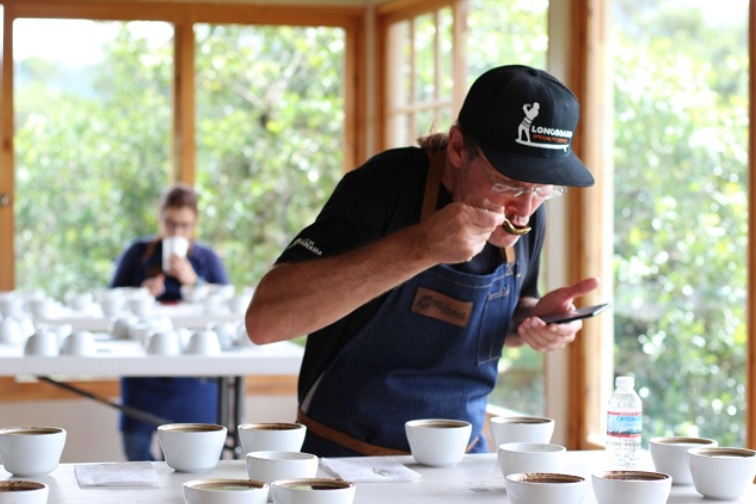
FrontStreet Coffee believes Geisha's current reputation owes a great deal to Panama's Hacienda La Esmeralda. Daniel Peterson, the third-generation owner, has said that discovering the "Geisha variety" was the result of years of comparison and testing, with the variety finally locked in during 2003. Two weeks before the 2003 Best of Panama (BOP) competition, while selecting competition batches at the estate's internal cupping table, he found that the Geisha variety possessed outstanding flavors of jasmine, citrus, peach, blueberry, bergamot, and sugarcane. These differed from the flavors preferred by the coffee world at the time, but Daniel chose to compete with Geisha anyway — and won first place.

In 2005, Hacienda La Esmeralda entered Geisha in the Specialty Coffee Association of America (SCAA) competition, defeating many star contenders and winning recognition as a world-class specialty coffee. It swept the world championships in 2006 and 2007, once again drawing the attention of coffee enthusiasts worldwide. Since then, producing regions around the globe have rushed to introduce Geisha, including Yunnan, which has also begun planting this popular variety. Although Geisha can now be produced in many places, FrontStreet Coffee believes that as the discoverer of Geisha flavor, Hacienda La Esmeralda not only strictly controls the quality of what it produces but also uses natural processing to present the classic "Geisha flavor" at its best.
The Difference Between Red Label and Green Label Geisha
On FrontStreet Coffee's bean list alone there are about 10 different Geisha coffees. If you're trying Geisha for the first time, FrontStreet Coffee would recommend the Hacienda La Esmeralda natural Red Label or washed Green Label. "Red Label" refers to the Esmeralda Special grade (including competition bids), while "Green Label" refers to the Private Collection.
The highest-grade Red Label is harvested from high-altitude Geisha (1,600-1,800 meters) with cupping scores above 90 points, mainly from the Jaramillo and Cañas Verdes farms. Despite the challenges of planting and harvesting at such altitude, Geisha's floral and fruity flavors are at their most prominent in the Boquete region. Hacienda La Esmeralda holds its own auctions, and the Red Label batches selected from divided plots for competition are called competition bids. Each competition batch has a unique number corresponding to an entire batch from a specific plot. The one most often mentioned is the Mario plot of the Jaramillo farm. The FrontStreet Coffee Esmeralda Red Label Geisha beans we source come from the Mario plot, processed by the natural method.
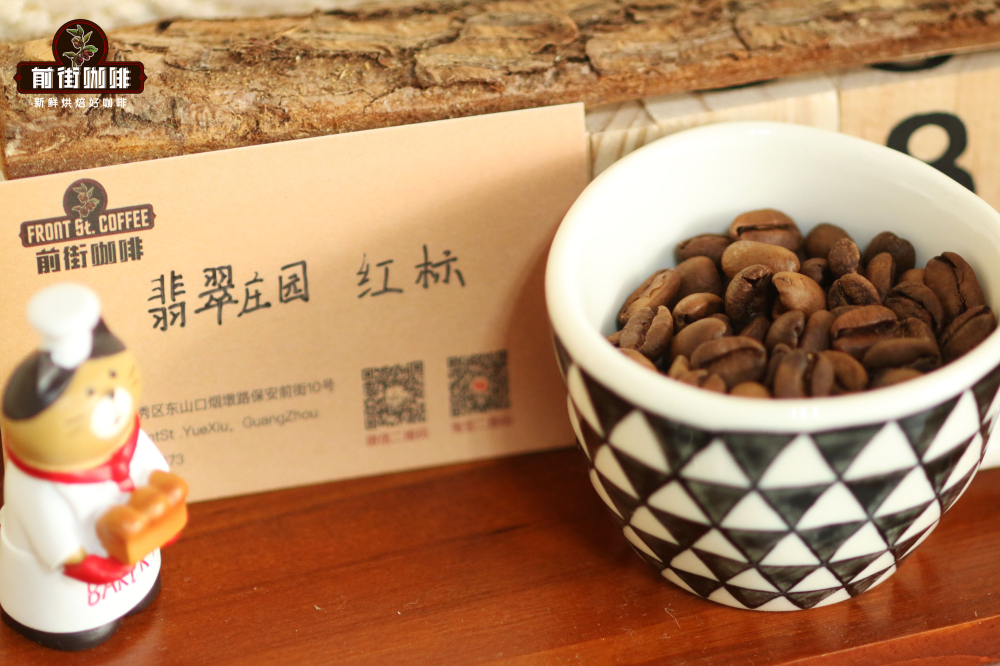
The other FrontStreet Coffee Hacienda La Esmeralda Green Label grade, processed by the washed method, presents fresher, more natural flavors of lemon, berries, grapefruit, and Tieguanyin tea in the cup. Green Label is selected from micro-batch beans grown at 1,600-1,800 meters from Jaramillo, Cañas Verdes, and other farms, without specifying a particular plot. Green Label does not participate in bidding. Although its grade is lower than Red Label, it mainly showcases the iconic, classic flavors of high-altitude Geisha.
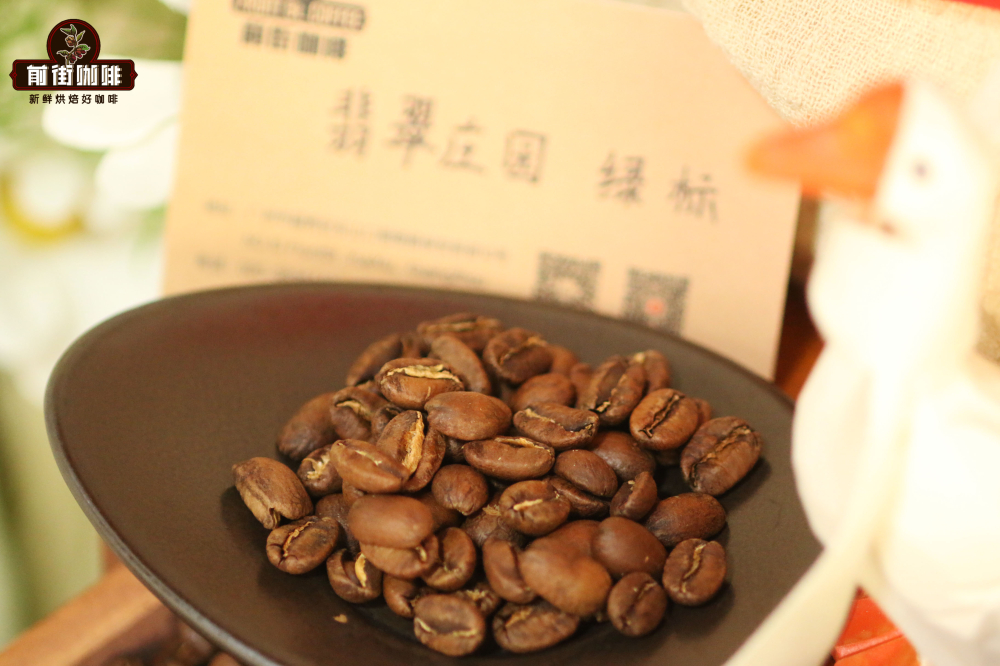
To present the classic "Geisha flavor," FrontStreet Coffee believes more floral aromas and acidity should be preserved, so all FrontStreet Coffee Geisha beans are lightly roasted, with roasting curves adjusted for different processing methods and flavor differences. Through cupping, FrontStreet Coffee tasted fragrant rose, citrus, berries, complex fruit, and honey in the Esmeralda Natural Red Label, while the Esmeralda Washed Green Label showed rich layers of jasmine, citrus, berries, honeysuckle, and oolong tea fragrance, fresh and bright.
FrontStreet Coffee Esmeralda Geisha Pour-Over Sharing
Lightly roasted beans allow high-altitude coffee to retain more floral and fruity aromas. Compared with medium-dark roasts, the internal structure of lightly roasted beans is relatively compact, requiring higher water temperature and a finer grind to extract flavor compounds well. Here, FrontStreet Coffee uses hot water at 92-93°C. For grind size, FrontStreet Coffee uses a #20 standard sieve with an 80% pass rate — the texture of granulated sugar, or setting 10 on the EK43s grinder in FrontStreet Coffee stores.
FrontStreet Coffee's flavor descriptions for each coffee are based on freshly roasted beans. If beans have been stored for more than a month, some aroma may have been lost and is difficult to recover during brewing. FrontStreet Coffee knows the importance of freshness, so it ships only beans roasted within 5 days, letting everyone enjoy the complete flavor window on arrival.
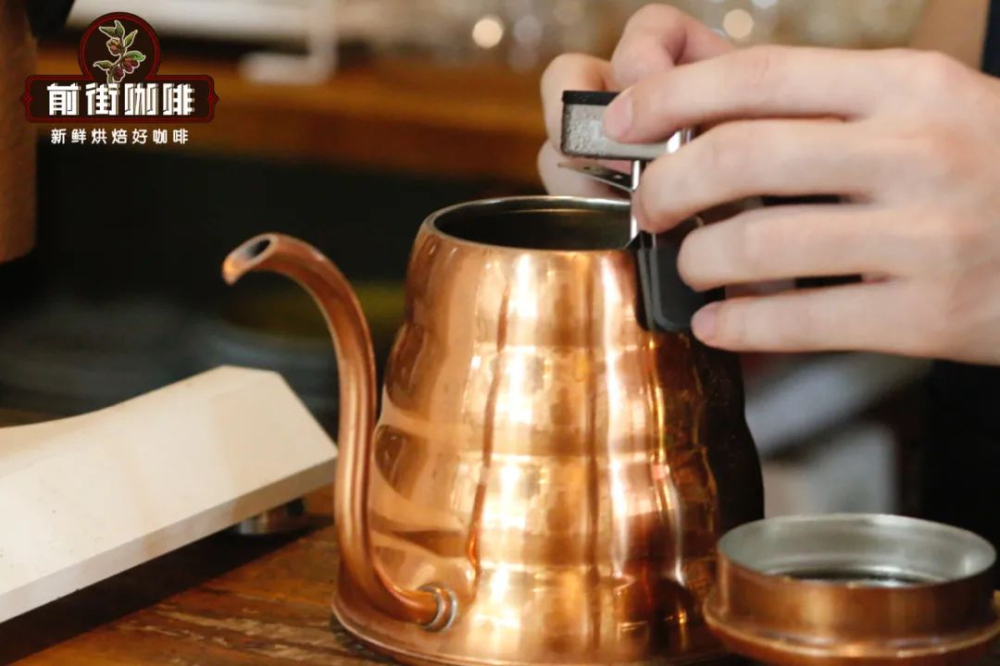
For the filter, FrontStreet Coffee believes the Esmeralda Red Label Geisha should present rich layers of citrus and honey. Our baristas use a resin V60 dripper. The V60 has ribs connecting top and bottom and a large circular hole in the center, which speeds the flow. Its spiral exhaust grooves extend the water path, increasing contact time between grounds and hot water. Each stream converges along the grooves to the center point, concentrating pressure on the coffee bed and yielding a richer, more layered cup.
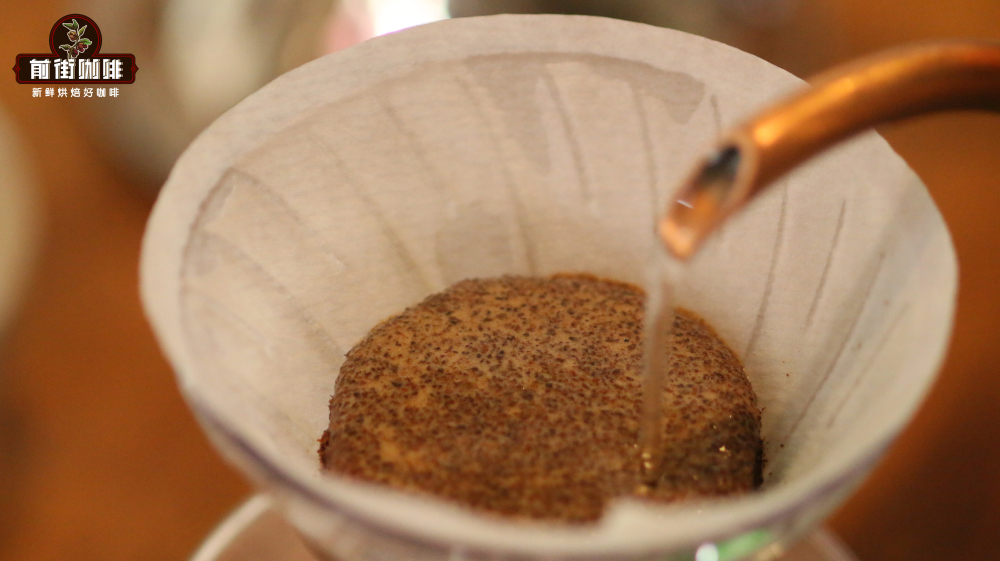
Below, FrontStreet Coffee demonstrates the brewing steps for the Esmeralda Red Label Natural Geisha served in stores, for your reference and comparison with your own approach.
The parameters for FrontStreet Coffee Esmeralda Red Label Geisha pour-over are: Dripper: V60, Water temperature: 91-92°C, Coffee amount: 15g, Coffee-to-water ratio: 1:16, Grind size: granulated sugar (#20 sieve bowl, 80% pass rate).

Three-stage extraction: First, inject 30g of water for a 30-second bloom, then inject 95g (scale shows about 125g), finishing the pour in about 1 minute. When the water level drops to 2/3 of the coffee bed, inject the remaining 100g (scale shows about 225g), finishing in about 1 minute 35 seconds. At 2'10", drip filtration is complete; remove the dripper and finish extraction.

The pour-over FrontStreet Coffee Esmeralda Red Label Geisha shows elegant rose, citrus, strawberry, and tropical fruit acidity, with a persistent, pleasant black tea aftertaste. The flavor layers shift with temperature, and the overall mouthfeel is smooth.
For professional coffee knowledge exchange and more coffee bean information, follow Coffee Workshop (WeChat public account: cafe_style).
For more specialty coffee beans, add FrontStreet Coffee on private WeChat, ID: qjcoffeex
FrontStreet Coffee Recommendation
If this story has you ready to taste Geisha for yourself, FrontStreet Coffee can take you from an accessible introduction up to the estate level. For the classic Boquete expression, the FrontStreet Esmeralda Red Label Geisha comes from the Mario plot of the Jaramillo farm, naturally processed and lightly roasted for rose, citrus, strawberry, and a lingering black tea finish. Prefer a brighter, cleaner cup? The Esmeralda washed Green Label offers lemon, berries, grapefruit, and Tieguanyin tea notes at 1,600-1,800 meters.
For newcomers to the variety, the FrontStreet Boquete Geisha is an affordable entry point that still delivers Panama's signature orange-blossom honey character, oolong tea body, and delicate fruit acidity. And if you'd like a Geisha-like profile you can drink every day, the FrontStreet Strawberry Candy blend pairs Costa Rican honey processing with a washed Panamanian Geisha for a sweet, floral, fruit-forward cup. Brew any of them at 91-93°C with a 1:15 to 1:16 ratio and a medium-fine grind to keep the florals intact.
Important Notice :
FrontStreet Coffee is a long-established specialty coffee roaster in Guangzhou China, selling freshly roasted beans from its own farm in Yunnan as well as dozens of carefully selected single-origin beans from around the world for both pour-over and espresso. The products deliver consistently excellent quality and great value, with shipping within 24 hours. Guangzhou's FrontStreet Coffee shop is recommended by many coffee lovers, and the beans are now available online at the Tmall 。
FrontStreet Coffee has moved to a new address:
FrontStreet Coffee Address: 315,Donghua East Road,GuangZhou
Tel:020 38364473
 Scan and follow the En Gafei WeChat official account. Please indicate that the reprint comes from "En Gafei".

