Confused by Iced Coffee? Understanding the Differences Between Cold Drip, Cold Brew, Cold Extract, and Iced Coffee

Iced coffee menus can be confusing. Cold drip, cold brew, cold extract, iced coffee — the labels overlap, the techniques don't. Here's how the four actually differ.
Ice Drip Coffee
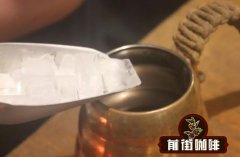
Ice drip is all about "cold" and "slow." Ice water held in the reservoir at the top of the tower is released through a valve, dripping one drop at a time onto the coffee grounds until they're fully saturated. The liquid then passes through a single filter and collects in the carafe below. A full extraction takes roughly half a day.
Advantages: Because the grounds are saturated with cold water before dripping, the finished coffee is neither sour nor astringent. After one to three days of refrigeration, a gentle fermented note emerges, making the coffee sweeter and smoother — a richness reminiscent of whiskey — while retaining the distinct, layered complexity you'd expect from a pour-over. FrontStreet Coffee recommends its Mandheling and Yirgacheffe for this method.

Drip speed: set the valve to a leisurely one drop every 2 seconds. The grounds must be completely saturated before dripping begins, or channeling will send water through only part of the bed. Too fast, and extraction falls short — the coffee comes out thin and aroma-less. Too slow, and the coffee ferments, picking up sour or boozy notes.

Ice Drip Extraction Secrets
Ratio: the coffee-to-ice ratio runs roughly 1:6–8 (100 grams of grounds yields 600–800cc of ice drip concentrate), adjustable to taste.

Grind size: grind finer than usual to increase the contact area between water and coffee.
Bean selection: for a balanced cup, FrontStreet Coffee suggests dark-roast Mandheling or Kenya; for a fruit-forward profile, medium-light roast Sun-dried Red Cherry or Costa Rica Honey Process.

Medium-light roasts foreground bright fruit acidity and florals, with Ethiopian coffees as the classic example. But floral lots should be drunk fresh off the tower, not aged — after fermentation you may gain an alcoholic note, but the delicate white-flower aromatics will be gone.
Cold Brew Coffee
Cold brew works like cold-brewed tea: steep the grounds directly in ice water for an extended period — about 18 hours — then filter and bottle. It's the most popular coffee beverage of recent years.

Advantages: cold brewing amplifies flavor and aroma while taming acidity, and the colder it's served, the better it tastes. Because ice water never extracts the large-molecule impurities and bitterness that hot water does, the cup is clean, pure, refreshing, lightly sweet, and smooth.
Disadvantages: the long contact time between water and grounds makes cold brew the highest in caffeine of the four — ideal when you need to stay sharply alert.

Iced Coffee
Iced coffee is simply hot-extracted coffee chilled quickly — brewed hot, then poured over ice or flash-cooled. The whole process takes about 2–3 minutes; Japanese-style iced pour-over and the iced Americano are the classics.

It's fast and convenient, but the flavor easily thins as the ice melts.
Flavor Comparison: Ice Drip, Cold Brew, and Iced Coffee
Ice drip and cold brew both use cold water, so they're collectively called "cold brew coffee" in the broad sense. Compared with hot extraction, they preserve more of the coffee's flavor and aroma — less volatilization — while softening both acidity and bitterness. Cold water extracts the acidic fats less readily and slows oxidation, which suppresses the sour, astringent edges entirely.

Iced coffee, by contrast, is just hot coffee cooled down, and in sheer character it can't match either cold method.
FrontStreet Coffee Recommendation
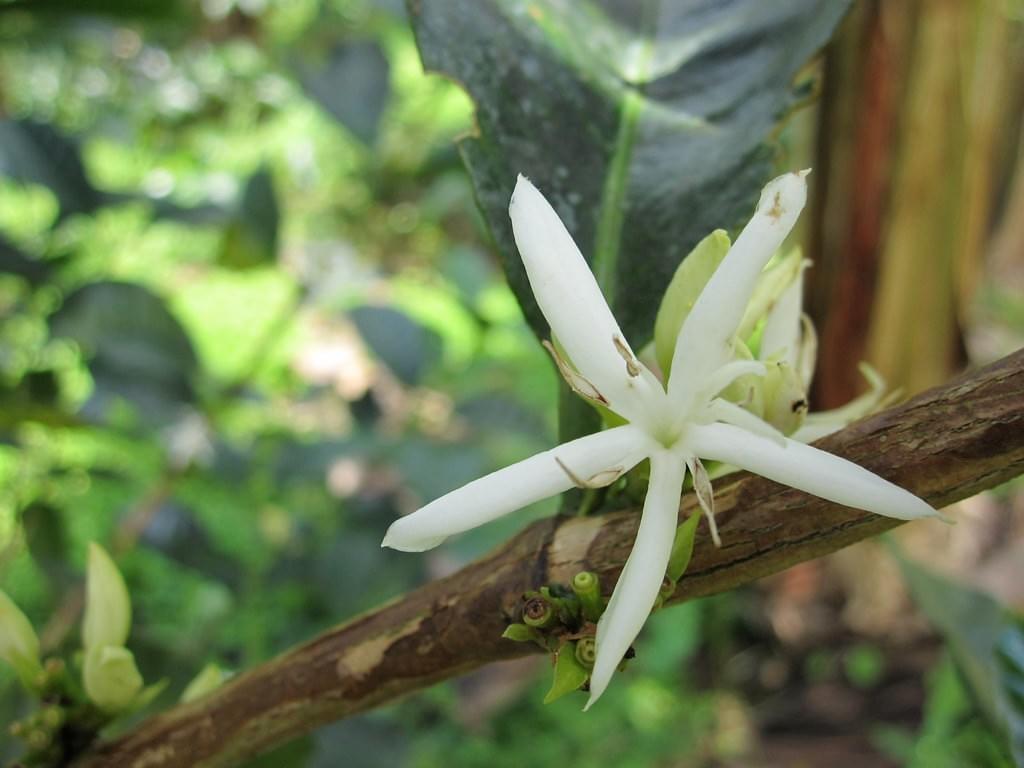
For a cold brew or ice drip base, FrontStreet Coffee's washed Yirgacheffe is the classic starting point. Yirgacheffe — a small town in Ethiopia's Sidamo region at roughly 1700–2100m, with coffee actually planted above 1800m — is famed for its unmistakable white jasmine florals, bright citrus and lemon acidity, and a tea-like finish. Separated from generic Sidamo grading by the Ethiopian Commodity Exchange in 2010, the name has become shorthand for Ethiopian specialty coffee, and the approachable price makes it a perfect first specialty bean.
For something more layered, try the washed Worka (Guodingding) cooperative lot from southeastern Yirgacheffe: traditionally washed, free of the old bitter baseline, and bursting with clean citrus, lemon, and jasmine. Or go with the natural Sun-dried Red Cherry, made from fully ripe cherries dried whole on raised beds — turned every 2–3 hours during the first days to prevent uneven heating — for three to five weeks. The result pairs classic Yirgacheffe acidity with tropical fruit, honeyed sweetness, berry juiciness, and a creamy smoothness that cold extraction showcases beautifully.
Important Notice :
FrontStreet Coffee is a long-established specialty coffee roaster in Guangzhou China, selling freshly roasted beans from its own farm in Yunnan as well as dozens of carefully selected single-origin beans from around the world for both pour-over and espresso. The products deliver consistently excellent quality and great value, with shipping within 24 hours. Guangzhou's FrontStreet Coffee shop is recommended by many coffee lovers, and the beans are now available online at the Tmall 。
FrontStreet Coffee has moved to a new address:
FrontStreet Coffee Address: 315,Donghua East Road,GuangZhou
Tel:020 38364473
 Scan and follow the En Gafei WeChat official account. Please indicate that the reprint comes from "En Gafei".