
Brewing Guide: Flavor Profile and Pour-Over Data for Natural & Washed Yirgacheffe
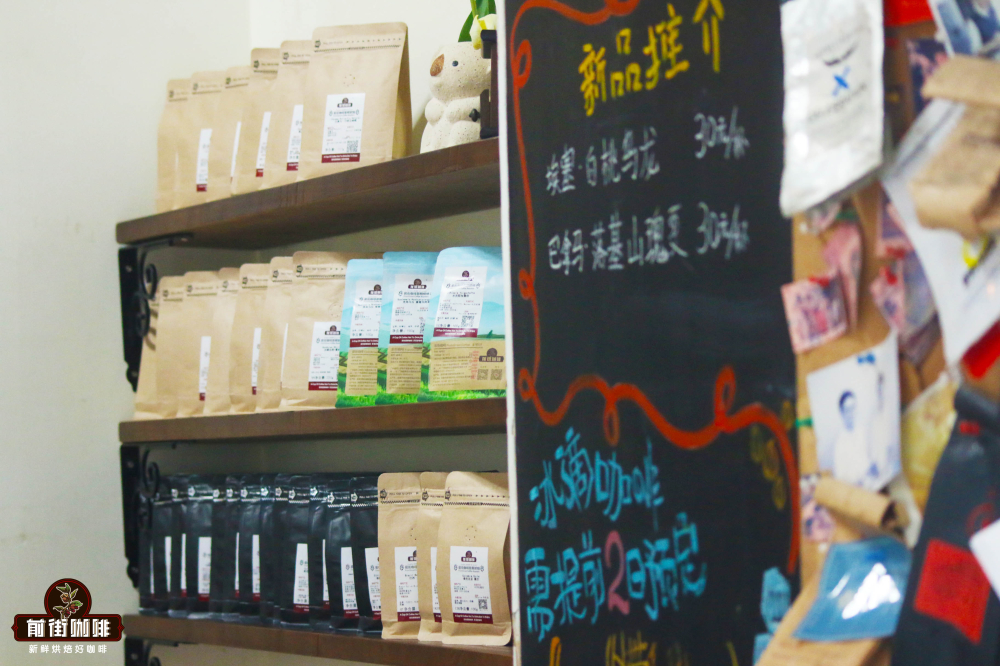
When buying coffee beans, besides paying attention to origin and flavor, we also choose beans processed in different ways, because different processing methods bring out different flavor characteristics. Even coffee from the same origin will taste different when processed as washed or natural. On FrontStreet Coffee's bean list, for example, the Ethiopia Yirgacheffe - Geddin Cooperative coffee is a washed batch, while the Red Cherry coffee is natural processed. Let's look at the differences between these two beans.
Natural Processed Yirgacheffe Coffee
So-called "natural processing" means that ripe coffee cherries are dried directly after harvesting. During drying, the sugars and aromas in the pulp are well preserved and penetrate into the raw coffee beans. At the same time, the longer the natural processing, the more complete the fermentation. Because the natural method lets the cherries dry whole, the beans mature naturally inside the fruit without interference from the outside environment, so naturally processed beans amplify their own flavors, with distinct tropical fruit notes, full fermentation, and sweetness.
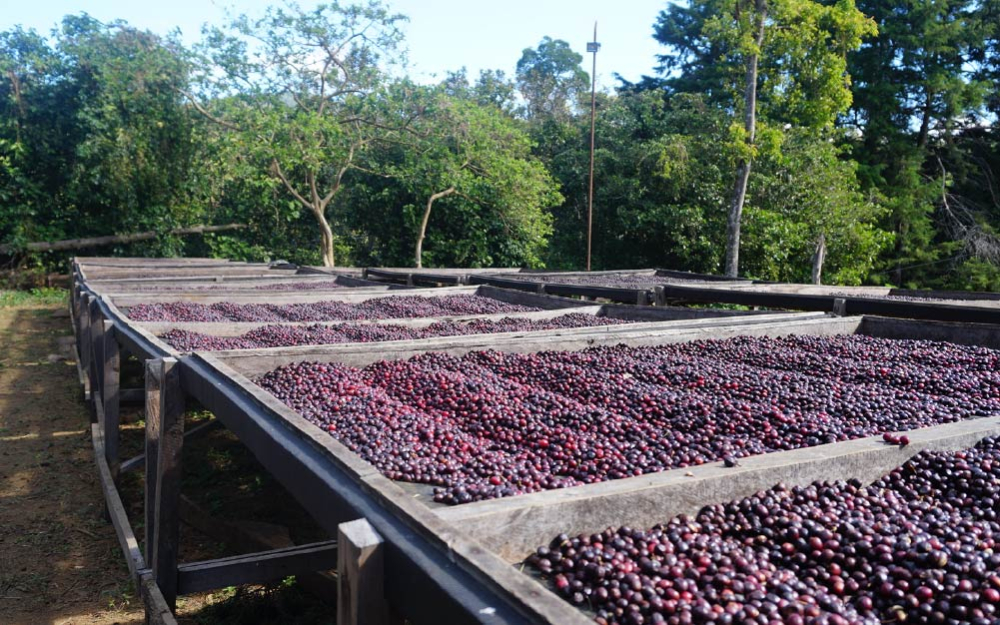
Traditionally, Ethiopia's high altitude, low rainfall, and long sunshine hours have been very suitable for natural processing. Farmers used to dry the beans directly on mud floors or rooftops, though, where the cherries could easily pick up earthy flavors from the ground or suffer uneven heating and over-fermentation, ultimately hurting quality.
To improve the income of local Ethiopian farmers and the quality of coffee, the Dutch trading company Trabocca BV launched the "OPERATION CHERRY RED PROJECT" in 2007, mainly targeting high-altitude producing areas like Ethiopia's Yirgacheffe to improve processing techniques such as washed, semi-washed, and natural methods. Professional cuppers were also involved, and during the harvest season different harvest quantities were set for different microclimate zones, requiring only 100% mature red cherries to be harvested, with production of approximately 1500-3000KG. The economic loan support, new equipment, and production knowledge that Trabocca provided greatly improved the quality of coffee beans in the Yirgacheffe region and even throughout Ethiopia, resulting in higher prices for coffee and higher farmer income.
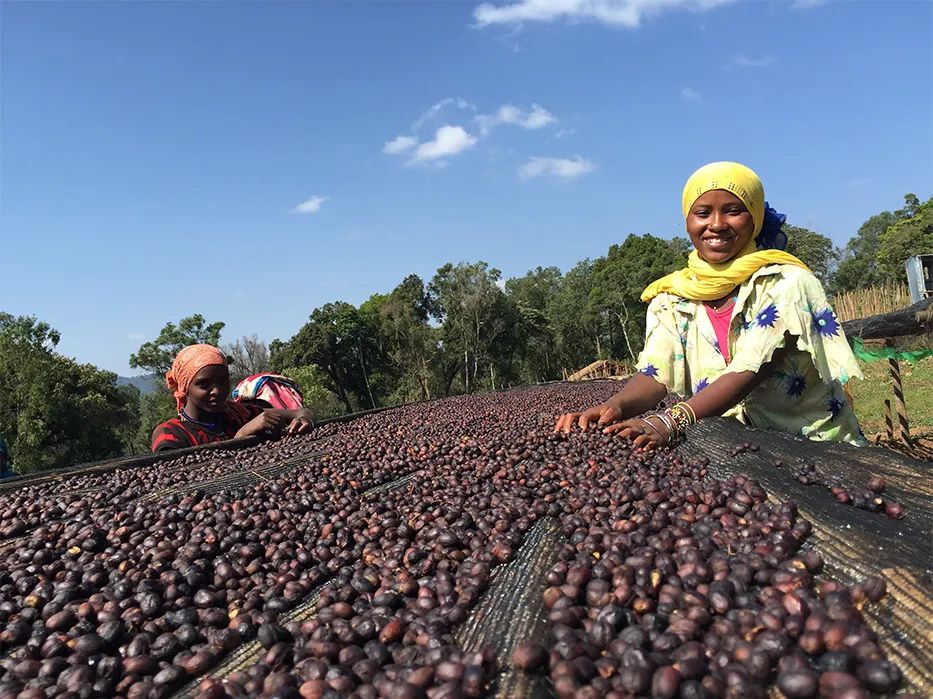
Unlike in the past, today's natural processing pays more attention to manual sorting and even drying. Freshly harvested red cherries are hand-sorted, removing defective beans that are overripe or insect-damaged and leaving only good ones, then sent to drying locations. Different producing areas use different drying racks, some waterproof tarps and some raised beds, but the most common are African drying beds. Drying generally takes 27-30 days, until the coffee turns dark purple and the moisture content drops to 11%, at which point it is considered complete. Natural processed Yirgacheffe has a stronger, more layered flavor, with wine-like fermentation notes and relatively high sweetness.
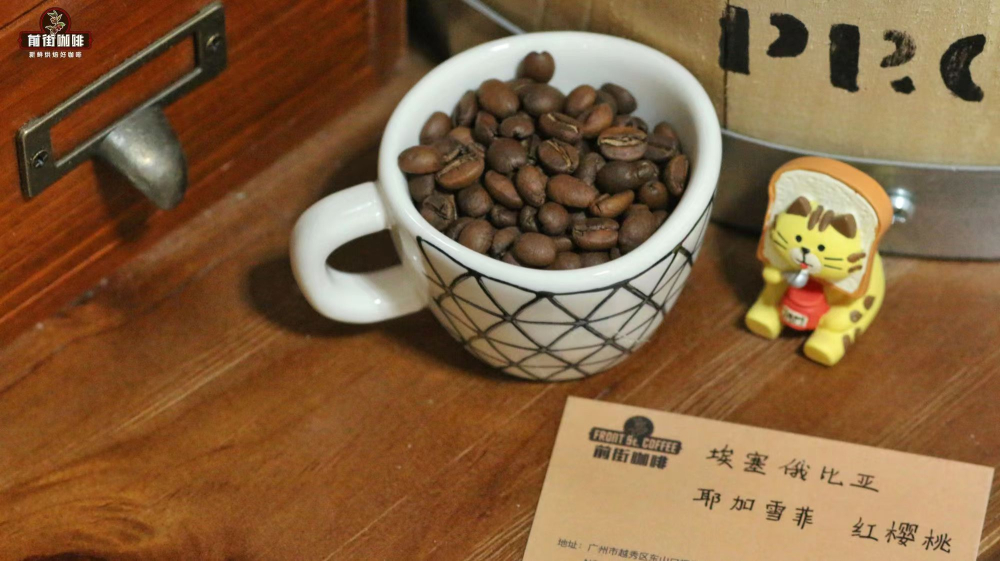
Washed Yirgacheffe Coffee
Ethiopia's washed processing technology was introduced from Central and South America in 1972. The washed process is complex and tedious and requires a large amount of clean water, so it costs more than natural processing and is used less in water-scarce African regions.
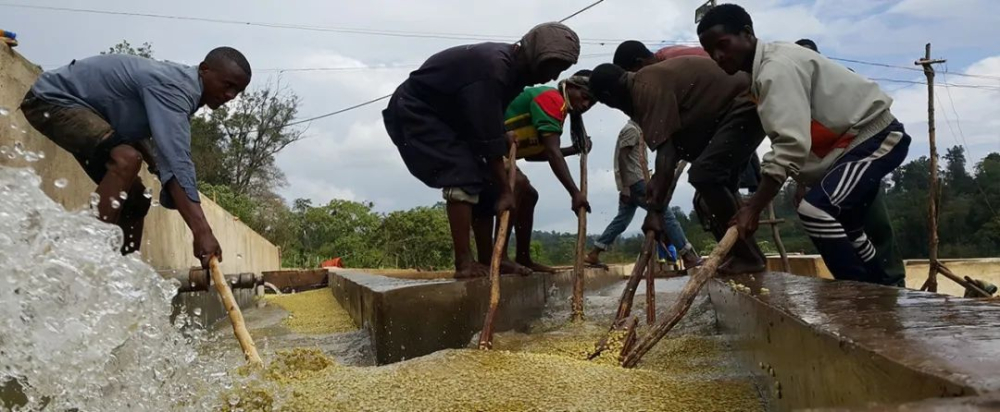
Washed steps: after harvesting, the cherries are placed in water, using buoyancy to sort out insufficiently ripe fruit. A depulper then removes the skin and pulp, and the beans are left in fermentation tanks for 18-36 hours until the mucilage layer decomposes. After fermentation, the parchment beans are washed in channels for 30-60 minutes. Through specially designed channels with water flow, low-density, poor-quality beans are removed. The high-quality beans are then drained and spread on African raised racks to dry.
Because the pulp is removed before drying, Yirgacheffe's inherent aromas become clearer and more transparent, presenting citrus and lemon tones and elegant white floral notes, with an overall bright and delicate flavor. After washed beans were introduced, Yirgacheffe became a representative of the world's specialty coffee producing regions.
Flavor Differences in Cupping
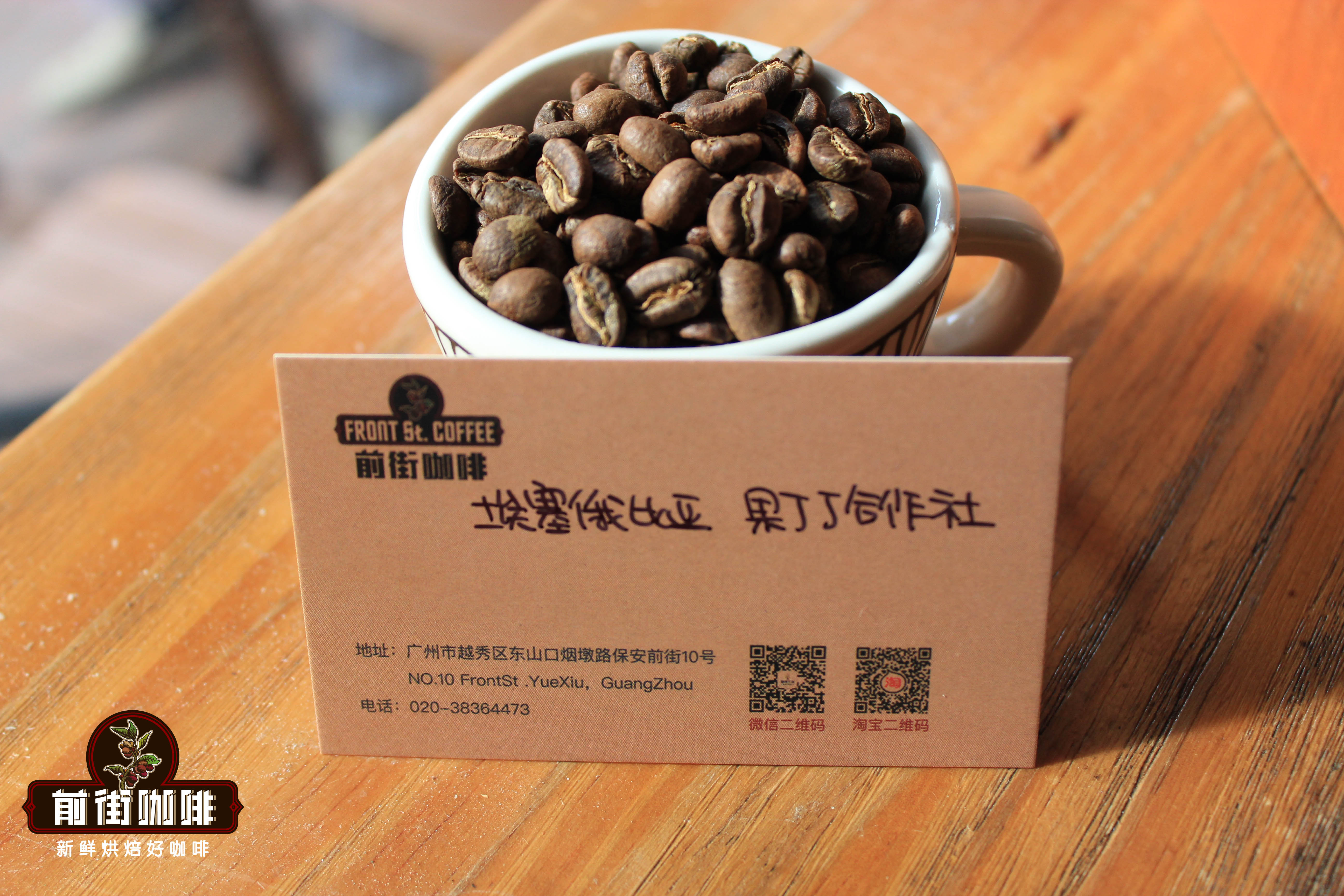
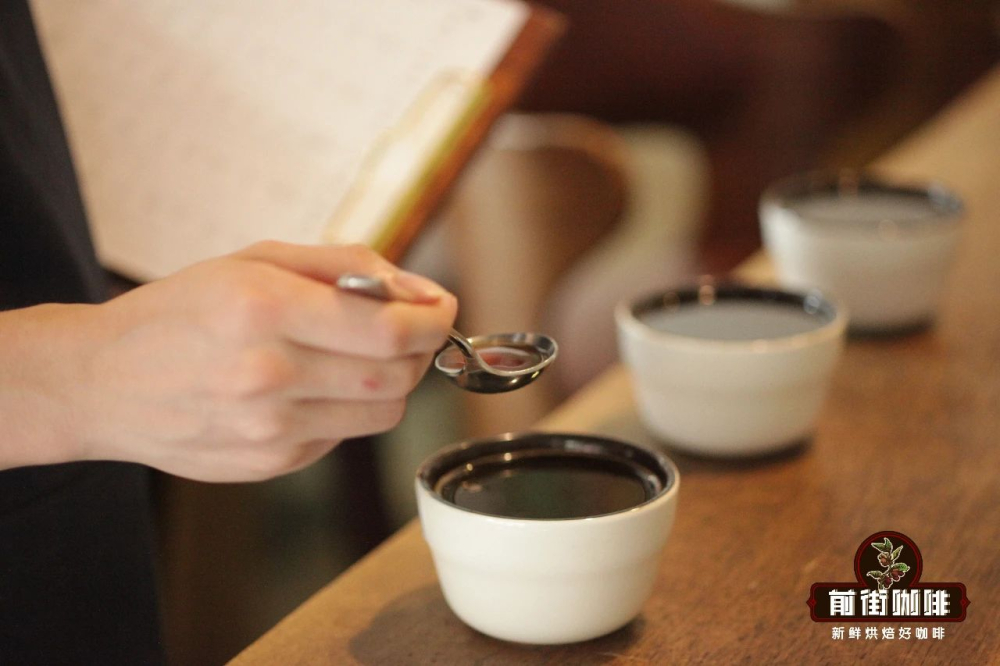
In roasting, FrontStreet Coffee considers that Yirgacheffe should present acidity as the main flavor direction, so a medium-light roast is adopted. The washed Yirgacheffe Geddin Cooperative beans use a light roast to retain more bright acidity and floral notes, while the natural Yirgacheffe Red Cherry beans use a medium-light roast to present full berry sweetness. FrontStreet Coffee conducts at least one cupping evaluation before launching each coffee bean. Under the same standards, cupping lets us feel the pros and cons of a coffee more objectively.
Cupping flavors of washed Geddin Cooperative coffee:
The dry aroma gives off fresh passion fruit, citrus, and berry tartness. The wet aroma is citrus and berries. On the entry there is citrus acidity, berry sweetness, almond, and tea-like notes, with a finish carrying honey sweetness. Low body, bright acidity, clean and refreshing.
Cupping flavors of natural Red Cherry coffee:
The dry aroma shows full berry sweetness. When slurping at different temperatures, there are soft berry sweet-and-sour notes, fermented flavors of ripe fruit, obvious honey sweetness, and a black tea finish, with a smooth texture.
Through comparison, FrontStreet Coffee found that both natural and washed Yirgacheffe carry citrus and berry acidity. The washed version has higher acidity, a brighter and more uplifting taste, and honey aromatics on the finish, while the natural version emphasizes tropical fruit roundness, a creamy smooth texture, and heavier fermentation notes.
Pour-over Suggestions
Many friends consult FrontStreet Coffee for brewing suggestions after buying beans. In fact, every bag of FrontStreet Coffee's beans has brewing reference on the label. Here, FrontStreet Coffee takes the washed Geddin Cooperative as an example to explain the extraction thinking according to shop production standards.

Since Yirgacheffe beans grow at high altitude and have a relatively hard texture, FrontStreet Coffee uses high-temperature water at 92°C-93°C to bring out more floral and fruit flavors. FrontStreet Coffee recommends a medium-fine grind size (78% pass rate through a China standard #20 sieve). Too coarse cannot extract body substances, making the brewed coffee appear thin. Too fine can easily lead to over-extraction at high water temperatures, making the coffee prone to bitterness and astringency.
During cupping, FrontStreet Coffee noticed that this bean shows different flavors at different temperatures, so the brewing technique uses three-stage extraction, letting different flavor compounds express themselves better as the coffee bed temperature rises in stages. To highlight the fresh, charming aroma of washed Yirgacheffe, FrontStreet Coffee uses a V60 dripper.

Compared with other drippers, the conical shape and 60-degree angle mean that with a V60 the water must flow to the center before dripping into the lower pot, extending the contact area between water and coffee and allowing full extraction of aroma and flavor. Its signature single large aperture lets water flow without any obstruction, and the flow rate depends largely on the brewer's control and shows directly in the cup. If your pouring habit is larger or faster, delicious substances may not have time to release before extraction ends, making the coffee taste thin and bland.
Furthermore, the side walls of the V60 have multiple raised spiral ribs, some long and some short, running through the dripper. First, they keep the filter paper from fitting tightly against the dripper, creating enough space for air circulation to maximize the water absorption and expansion of coffee particles. Second, the spiral groove design lets the downward water flow compress the coffee bed, creating richer layering while also extending the water flow path, avoiding under-extraction caused by the large aperture.
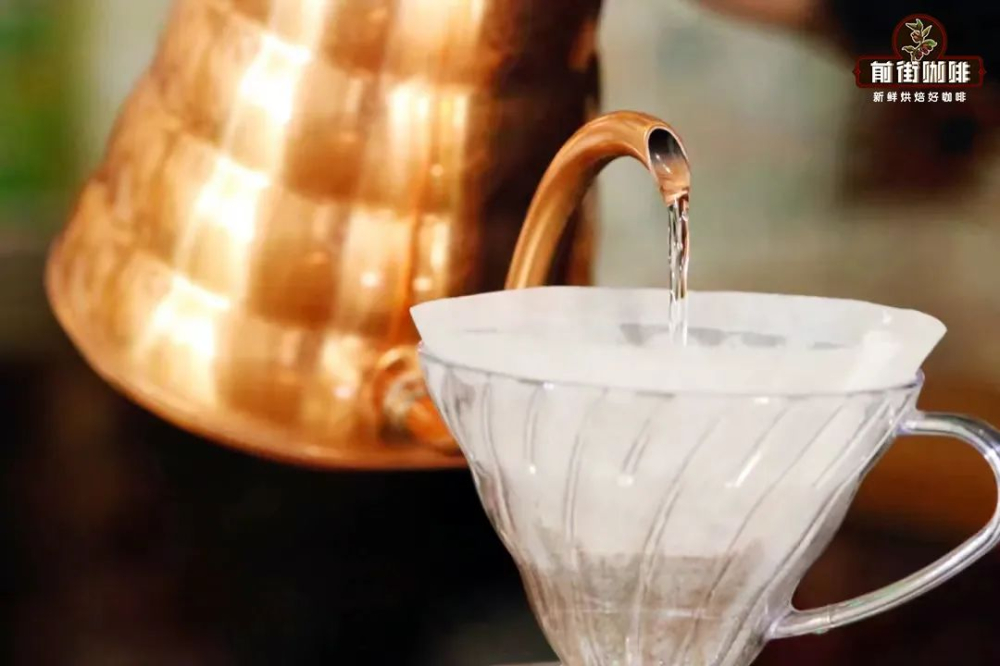
On the brewing ratio, FrontStreet Coffee believes 1:15 to 1:16 is acceptable. For a richer taste, use 1:15; to experience floral and honey sweetness more clearly, use 1:16 to let the flavors disperse more.
Dripper: V60
Water temperature: 92-93°C
Coffee dose: 15g
Coffee-to-water ratio: 1:15
Grind size: Fine sugar size (20 sieve bowl filtered to 78%)
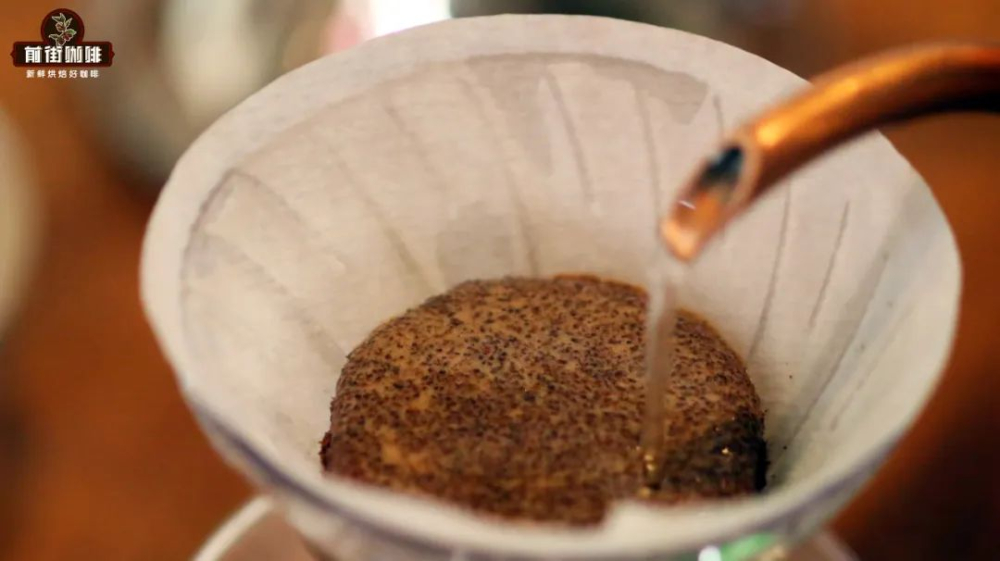
Three-stage pouring: Use twice the amount of water to wet the coffee bed, forming a dome, and bloom for 30s. Then use a small water flow to pour from inside to outside in circles until 125g, wait until the coffee bed drops to half the height of the dripper, continue with the same fine water flow to inject the third stage to 225g, until all the coffee liquid is filtered out, then remove the dripper, taking about 2 minutes. After the coffee flows into the lower pot, remove the dripper, then shake the coffee liquid in the sharing pot evenly, and you can start tasting Yirgacheffe's flavors from high temperature.
Pour-over Washed Yirgacheffe Flavor Description
After grinding washed Yirgacheffe beans into powder, you can smell the fresh fragrance of honey and jasmine. When FrontStreet Coffee pours hot water, a hint of berry begins to emerge. The pour-over black coffee has bright lemon, citrus, and green tea notes on the entry. As the temperature changes, berry, cream, and sugarcane notes appear on the finish, with an obvious aftertaste, and the cup is clean and sweet.

Professional Coffee Knowledge Exchange
For more coffee bean information, visit FrontStreet Coffee.
To explore more specialty coffee beans, visit FrontStreet Coffee.
FrontStreet Coffee Recommendation
For a newcomer who wants to understand the Ethiopian origin, the most classic starting point is a washed Yirgacheffe, known for its white jasmine, bright citrus and lemon acidity, and tea-like character. Its affordable price also makes it the first bean many people ever brew as a specialty coffee.
Yirgacheffe is a town in southern Ethiopia, in the Sidamo region, at an altitude of about 1700-2100 meters, with the coffee trees themselves planted above 1800 meters, making it one of the highest coffee regions in the world. It was a wetland from ancient times, and the town's highly recognizable white floral and lemon-citrus acidity made Yirgacheffe a byword for Ethiopian specialty coffee. In 2010, because the Yirgacheffe name had become so famous, the Ethiopia Commodity Exchange separated it from the Sidamo production area, which is how the household-name Yirgacheffe coffee came to be.
Yirgacheffe can be divided into many smaller areas, even small villages, and several experienced cooperatives there produce especially refined Yirgacheffe. The most representative is the washed Gedeb cooperative from Gedeb village. Gedeb sits at the southeastern edge of Yirgacheffe, in the Worka region, and was originally part of the Worka cooperative under the Yirgacheffe union. As demand for traceability grew, it was uncovered by coffee hunters around the world as a single origin. The cooperative follows traditional washing, and the coffee is known as the last pure land of Yirgacheffe. Washed FrontStreet Gedeb cooperative coffee avoids the traditional bitter note, carrying fresh, bright citrus and lemon acidity and jasmine fragrance that wins people over at the first sip.
FrontStreet Red Cherry beans, from the same Yirgacheffe region, use whole red cherry natural processing, picking only fully ripe and sound fruit. The cherries go through a first sorting at the processing station and are then spread on raised beds to dry, turned every 2-3 hours in the first few days to prevent uneven heating and over-fermentation. After three to five weeks of drying, workers remove the outer fruit with a machine according to the weather and temperature, then move the beans to storage. Because the cherries dry with the fruit still on, the coffee keeps the classic Yirgacheffe character while gaining the tropical fruit that natural processing brings, showing citrus acidity, berry juiciness, honey sweetness, and a creamy smoothness.
For brewing Yirgacheffe, use a V60 dripper with water at 90-91°C, 15g of coffee, a 1:15 coffee-to-water ratio, and a grind of EK43s setting 10, or fine granulated sugar, with about 80% passing a #20 sieve bowl. FrontStreet Coffee's method is to pour 30g of water for a 30-second bloom, then add 95g (the scale reads around 125g) over about 1 minute; when the water level drops to 2/3 of the powder bed, add the remaining 100g (the scale reads around 225g) over about 1 minute 35 seconds; dripping finishes in 2 to 2 minutes 10 seconds, at which point remove the dripper to complete extraction.
Important Notice :
FrontStreet Coffee is a long-established specialty coffee roaster in Guangzhou China, selling freshly roasted beans from its own farm in Yunnan as well as dozens of carefully selected single-origin beans from around the world for both pour-over and espresso. The products deliver consistently excellent quality and great value, with shipping within 24 hours. Guangzhou's FrontStreet Coffee shop is recommended by many coffee lovers, and the beans are now available online at the Tmall 。
FrontStreet Coffee has moved to a new address:
FrontStreet Coffee Address: 315,Donghua East Road,GuangZhou
Tel:020 38364473
 Scan and follow the En Gafei WeChat official account. Please indicate that the reprint comes from "En Gafei".

