How to Make Cold Brew Coffee? Do You Know the Four Major Characteristics of Cold Brew Coffee?

During the hot summer months of July and August, high temperatures can dull your appetite and leave you craving nothing more than a cool drink to beat the heat. If you are a coffee lover, did you know that besides adding ice cubes, there is another way to enjoy refreshingly cold coffee? This special brewing method is called "Cold Brew Coffee," and with simple equipment you can make a refreshing cup right at home.
What is Cold Brew Coffee?
Unlike regular coffee brewed with hot water, cold brew coffee is made by steeping coffee grounds in cold water at a certain ratio and refrigerating for several hours, then filtering to extract the coffee. Because of its unique brewing process, its taste differs from regular iced coffee made with ice cubes: it is less bitter, more concentrated, and has a slight fermented sensation reminiscent of alcohol.

History of Cold Brew Coffee
Any method of extracting coffee liquid by steeping coffee grounds in cold water is called Dutch Coffee, so both Cold Brew Coffee and Cold Drip Coffee belong to the Dutch Coffee family. This brewing method is said to have been invented in the early 18th century by Dutch merchants trading in Batavia, Indonesia.
Around 1699 AD, coffee was introduced to Batavia, Indonesia, through Dutch merchants. Besides wanting to create substantial economic profits by cultivating coffee extensively in the colonies, the Dutch themselves were fascinated by this beverage. Because hot-brewed coffee contains many oils that were difficult for Dutch merchants to preserve during sea voyages, Dutch coffee, made by steeping coffee grounds in cold water, was born. Beyond being able to be stored for long periods, the merchants were pleasantly surprised to find that the coffee tasted completely non-bitter, even sweet, with a distinctive flavor profile.

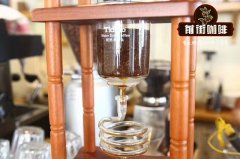
Dutch coffee spread to Japan through the trade routes of Dutch merchants, where it was greatly loved and gradually evolved into the three-pot cold drip tower. As the third wave of coffee culture emerged from Japan, pour-over coffee and cold drip coffee techniques spread from Japan to various parts of the world, becoming popular in European and American countries. Interestingly, after 300 years, "Dutch coffee" has finally returned to the Netherlands with this wave of coffee culture.
Characteristics of Cold Brew Coffee
1. Sweeter Taste
The principle behind cold brew coffee is extraction through low temperatures over an extended period. Cold extraction makes the coffee sweeter and even imparts a rich, wine-like aroma.
2. Reduced Bitterness
Cold brew coffee has relatively low bitterness because steeping in cold water avoids high-temperature extraction, so many chemical compounds are never released, significantly reducing the coffee's bitter taste.

3. Longer Shelf Life
Cold brew coffee can be stored in the refrigerator for up to several weeks. The reason is again that the molecular structure has not been broken down by hot water, which extends its shelf life. It even develops different layers of complexity over time.
4. Higher Caffeine Content
Because the water and coffee grounds stay in contact for a longer time, the caffeine content is higher than in hot water extraction. Anyone sensitive to caffeine should therefore be careful not to overdo it.

Homemade Cold Brew Coffee Tutorial
For this demonstration, we have selected "FrontStreet Coffee Mozart," a coffee that has recently been popular among friends, as our brewing bean. The cold brew made from it has a very full-bodied juice sensation, with flavor notes of grapes, berries, red wine, and some purple floral notes similar to lavender. The parameters are as follows:
Coffee amount: 80g
Grind setting: Ek43 at 9 on the dial, with 85% passing through a #20 sieve, fine sugar-like grind
Coffee-to-water ratio: 1:10
Steeping time: 12 hours
Remember to prepare a sealable container. After grinding the coffee beans, the first thing to do is pour the FrontStreet Coffee Mozart grounds into the container.

Then pour in the target amount of water. Because FrontStreet Coffee uses 80g of coffee grounds, we pour in 800ml of room temperature water.

After pouring the water, stir it a bit to speed up the wetting of the coffee grounds.

Afterward, seal the container and place it in the refrigerator to chill.

When the steeping time is complete, take the coffee out, filter out the grounds with filter paper, and enjoy your delicious cold brew coffee. If it is brewed quite concentrated, remember to dilute it with ice.

The FrontStreet Coffee Mozart, extracted using the cold brew method, immediately reveals distinct aromas of mature fruits like orange and grape upon tasting. With the addition of ice, it is like drinking a chilled fruit wine: clear and sweet, with a floral aftertaste.
FrontStreet Coffee Recommendation
Cold brew's low-temperature extraction softens bitterness and plays up sweetness, which makes it a fine showcase for a full-bodied, low-acid coffee. FrontStreet Coffee's Sumatra Mandheling comes from the Toba Lake area of the Lintong region, wet-hulled and medium-dark roasted into a low-acid, syrupy cup of caramel, dark chocolate, and toast. For a more select Sumatra lot, the PWN Golden Mandheling shows sandalwood, herbs, spice, roasted hazelnut, caramel, and dark chocolate with a clean, rich finish. Steeped cold overnight, either one turns into a smooth, dessert-like glass that stays sweet from the first sip to the last.
Important Notice :
FrontStreet Coffee is a long-established specialty coffee roaster in Guangzhou China, selling freshly roasted beans from its own farm in Yunnan as well as dozens of carefully selected single-origin beans from around the world for both pour-over and espresso. The products deliver consistently excellent quality and great value, with shipping within 24 hours. Guangzhou's FrontStreet Coffee shop is recommended by many coffee lovers, and the beans are now available online at the Tmall 。
FrontStreet Coffee has moved to a new address:
FrontStreet Coffee Address: 315,Donghua East Road,GuangZhou
Tel:020 38364473
 Scan and follow the En Gafei WeChat official account. Please indicate that the reprint comes from "En Gafei".