
Central America Costa Rica Pirón Processing Plant Sun-Dried Caturra Costa Rica Coffee Flavor Description
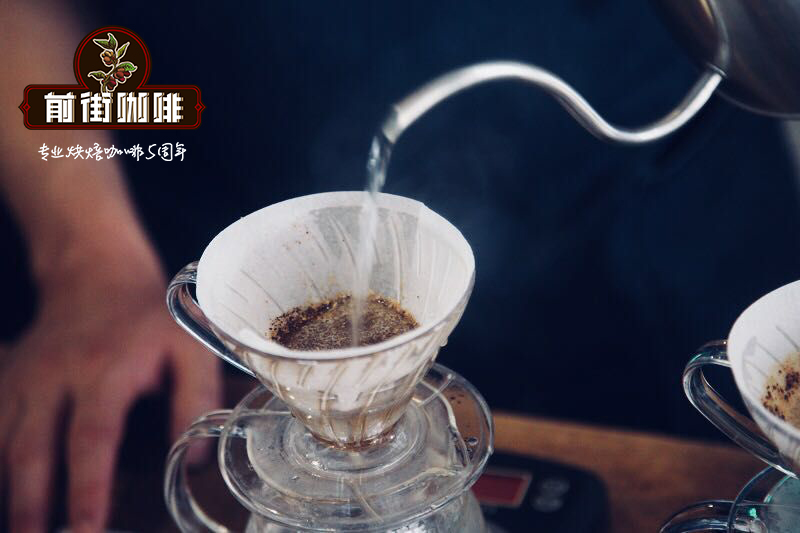
Coffee is sweet - and Costa Rican coffee can be exceptionally sweet. As the world's premier producer of honey-processed coffee, Costa Rica treats the honey process almost like a national treasure, and there are few better ways to start a morning than with a cup of honey-processed coffee that seems to touch the heart.
Costa Rica sits on the Central American isthmus, where Pacific and Atlantic currents and sea breezes regulate the climate. Within its borders rise many volcanoes reaching 2,000 meters in altitude. Coffee cherries grow slowly in fertile volcanic ash soil and a cool high-altitude environment, developing beans with complete, richly layered flavors.
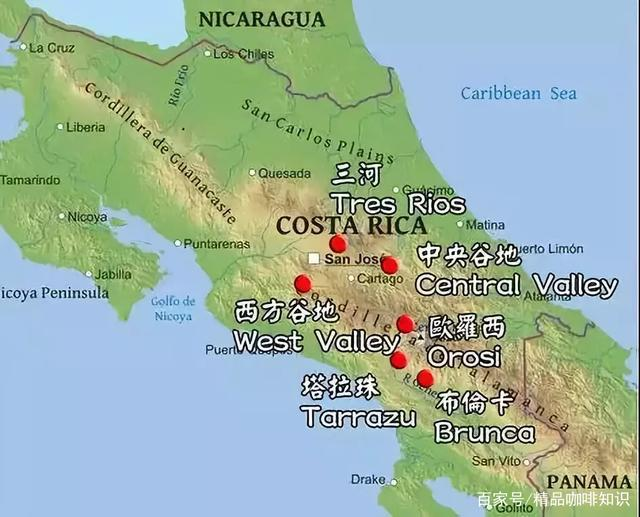
Costa Rica's Eight Major Coffee Regions
West Valley, Central Valley, Tarrazu, Tres Rios, Orosi, Brunca, Turrialba, and Guanacaste. Tarrazu is one of the main coffee-producing areas here.
Tarrazu lies in the fertile volcanic belt of Central America, with a humid climate and rich volcanic soil. Abundant rainfall year-round, high altitude, and dense forest canopy that provides natural shade create an exceptional growing environment for coffee. Nearly 95% of the beans grown in the high mountains of Tarrazu qualify as Strictly Hard Beans (SHB), typically cultivated above 1,500 meters.
Coffee from Costa Rica's high-altitude regions is world-renowned for being rich and mild yet brightly acidic. The beans here are meticulously processed, and that care is exactly why the quality reaches such heights. Tarrazu lies south of the capital, San José, and ranks among the country's most valued coffee-growing regions - and among the world's major coffee-producing areas.
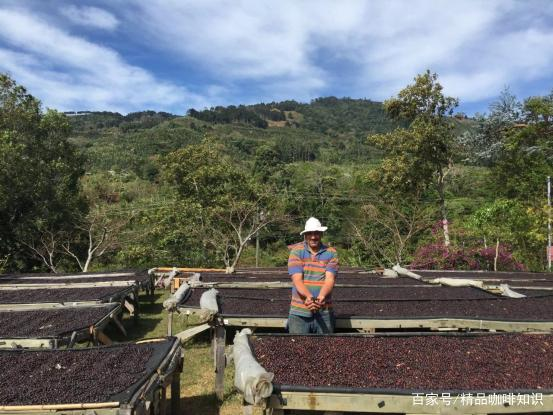
Pilon Processing Plant
The Pilon Processing Plant sits in Costa Rica's famous Tarrazu region, on the border of the town of Leon Cortez, and is owned by Edgar Urena and Efrain Mendez. Pilon is Costa Rica's first government-approved fully natural processing facility, and it relies on the rare natural sun-drying method. This batch of coffee shows rich nutty chocolate and tropical honey-apple aromas, an excellent showcase of natural-process flavor. Costa Rica has traditionally taken pride in its washed coffees - uniformly hand-picking ripe red cherries and strictly controlling every step of processing - until the honey process that swept the coffee world became a target for producers in many countries to pursue.
Geographical Environment
At an altitude of 1,700 meters, the coffee is dried on raised African beds. Sun-drying this way is labor-intensive and time-consuming, and Pilon uses a "28 days of slow sun drying" schedule. The beans are turned daily to ensure even sun exposure and prevent mold, and the result is a clean, abundant sweetness with fruit flavors.
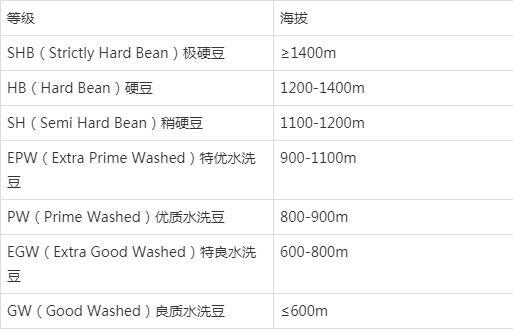
Costa Rica Coffee Bean Hardness Grading
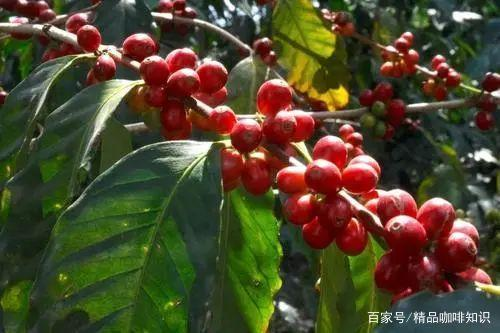
Variety: Caturra
Caturra is a mutation of Bourbon, discovered in Brazil in 1937. It offers better yield and disease resistance than Bourbon, and its shorter plants make harvesting easier. Unfortunately, like Bourbon, it suffers from biennial production cycles.
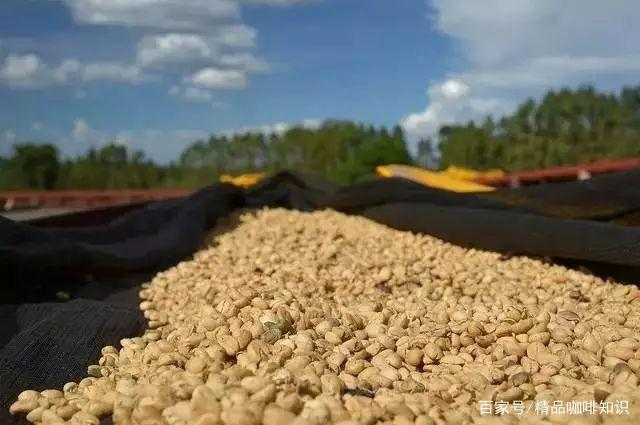
Natural Processing Method
Because the farm sits at 1,700 meters, the coffee is dried on raised African beds. The sun-drying process is labor-intensive and time-consuming, using a "28 days of slow sun drying" schedule. The beans are turned daily to ensure even sun exposure and prevent mold, which also lets the coffee develop its clean, abundant sweetness and fruit flavors.

FrontStreet Coffee Roasting Suggestions
The green beans appear yellowish-green, typical of natural processed beans, with an intense aroma of ripe and fermented fruit.
Since this bean belongs to the SHB (Strictly Hard Bean) category, with hard bean density and medium moisture content, FrontStreet Coffee's roaster decided to charge at 200°C. The yellowing point occurred at 5 minutes 15 seconds, entering first crack at 8 minutes 30 seconds, with a 2-minute development after first crack before dropping.
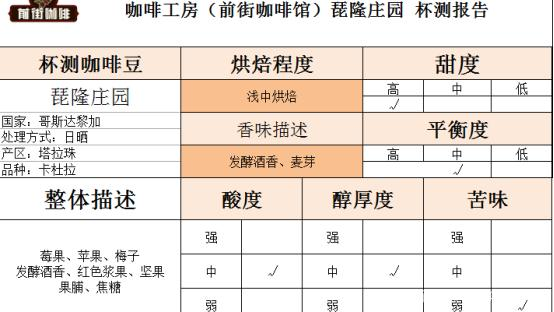
FrontStreet Coffee Cupping Report
FrontStreet Coffee Brewing Parameters
Filter: V60
Water Temperature: 90-92°C
Grind Size: BG#5R
Coffee-to-Water Ratio: 1:15

FrontStreet Coffee Brewing Method
Technique: Use 15g of coffee with 31g of water for a 30-second bloom. When the water reaches 124g, switch to a segmented pour. When the water level drops to just about to expose the coffee bed, use a larger flow to pour up to 226g to finish. Total brewing time: 1'45". This bean is intensely flavorful and suits high-temperature, quick brewing; discard the final portion to avoid over-extraction and bitterness.
Flavor Description
The aroma is rich with red wine fermentation notes. The flavor profile includes nectarine, berries, orange, and red berries, with a distinct red wine aftertaste and a light sugarcane sweetness in the finish.
FrontStreet Coffee Recommendation
If this natural Costa Rican profile is what you love, FrontStreet Coffee's Costa Rica Blackberry is a natural next step. It is grown in Costa Rica and given a black honey process - almost no mucilage is removed, drying takes at least two weeks under shade covers that slow the sun so the sugars can fully develop, and the beds are turned at intervals to prevent uneven heat and over-fermentation. It is roasted medium-light, and the ground coffee opens with an intense floral fragrance; brewed, it delivers distinctive grape, berry, and ripe blackberry notes.
For something brighter and more floral, try FrontStreet Coffee Strawberry Candy, a blend of Panama Geisha and Costa Rican coffee. The Costa Rican component is raisin honey processed, keeping 100% of the mucilage with a zero-water method: the day's cherries are floated to separate dense, ripe fruit from underdeveloped or overripe floaters, then dried on raised beds for at least three days before the skin is removed and the mucilage left on for further drying, turned constantly for evenness. The cup keeps Geisha's floral-tea character while adding grape and dried blueberry notes, soft fruit acidity, an almond finish, and clear sweetness.
Important Notice :
FrontStreet Coffee is a long-established specialty coffee roaster in Guangzhou China, selling freshly roasted beans from its own farm in Yunnan as well as dozens of carefully selected single-origin beans from around the world for both pour-over and espresso. The products deliver consistently excellent quality and great value, with shipping within 24 hours. Guangzhou's FrontStreet Coffee shop is recommended by many coffee lovers, and the beans are now available online at the Tmall 。
FrontStreet Coffee has moved to a new address:
FrontStreet Coffee Address: 315,Donghua East Road,GuangZhou
Tel:020 38364473
 Scan and follow the En Gafei WeChat official account. Please indicate that the reprint comes from "En Gafei".
![[FrontStreet Coffee Barista's Notes] Pour-over Tips - How to Extract Coffee Based on Coffee Grind Size](https://en.gafei.com/uploads/allimg/190719/19-1ZG9210925260-lp.png)
