Yirgacheffe Coffee Bean Characteristics & Flavor - Ethiopian Yirgacheffe Red Cherry Coffee
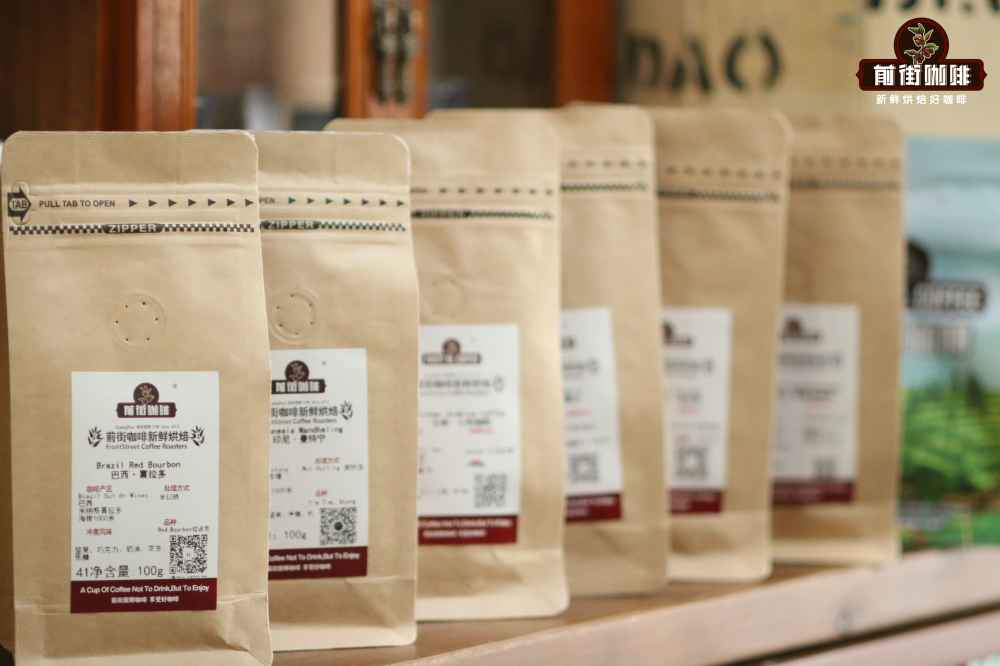
For more specialty coffee knowledge, follow the official WeChat account: FrontStreet Coffee.
Yirgacheffe is a coffee region many drinkers know well. Its bright acidity and clean, refreshing flavors have made it the first choice for countless people entering the world of specialty pour-over. FrontStreet Coffee is here today to introduce the flavor characteristics of Yirgacheffe coffee beans.
Yirgacheffe Processing Methods
In many people's memory, Yirgacheffe has always been a region focused on washed processing. FrontStreet Coffee believes Yirgacheffe favors washing because it highlights the region's floral aromas and lemon acidity, bringing a fresh, clean impression. In fact, Yirgacheffe originally used natural processing. It wasn't until 1972, when the Ethiopian government introduced washed processing from Central and South America to improve quality, that Yirgacheffe coffee became even fresher and more refined, winning more people's favor.

Yirgacheffe Coffee Region
Yirgacheffe sits on the eastern edge of the East African Rift Valley, with complex terrain and an elevation of 1,800-2,000m, making it one of the highest-average-elevation coffee regions in Ethiopia. To the west lies Lake Abaya, historically a wetland with abundant water, which provides excellent resources for Yirgacheffe's washing stations.
Yirgacheffe is a sub-region of Sidamo, but its unique flavor characteristics led to it being separated as its own distinct region, and it has become one of the most renowned regions in Africa.

Under Ethiopia's regional classification system, Yirgacheffe is one of four sub-regions (namely Yirgacheffe, Wenago, Gelena Abaya, and Kochere). Administratively, the Kochere region covers two areas: Kochere itself and Gedeb. Kochere and Gedeb form the two pillars at the southern end of the greater Yirgacheffe region, one to the west and one to the east. Gedeb was historically an independent region separated from Kochere, so it's not surprising that they are now grouped together. Sometimes we refer to Gedeb as an independent micro-region. Notably, Worka Kebele within Gedeb Woreda has frequently gained prominence and is gradually being referred to independently.
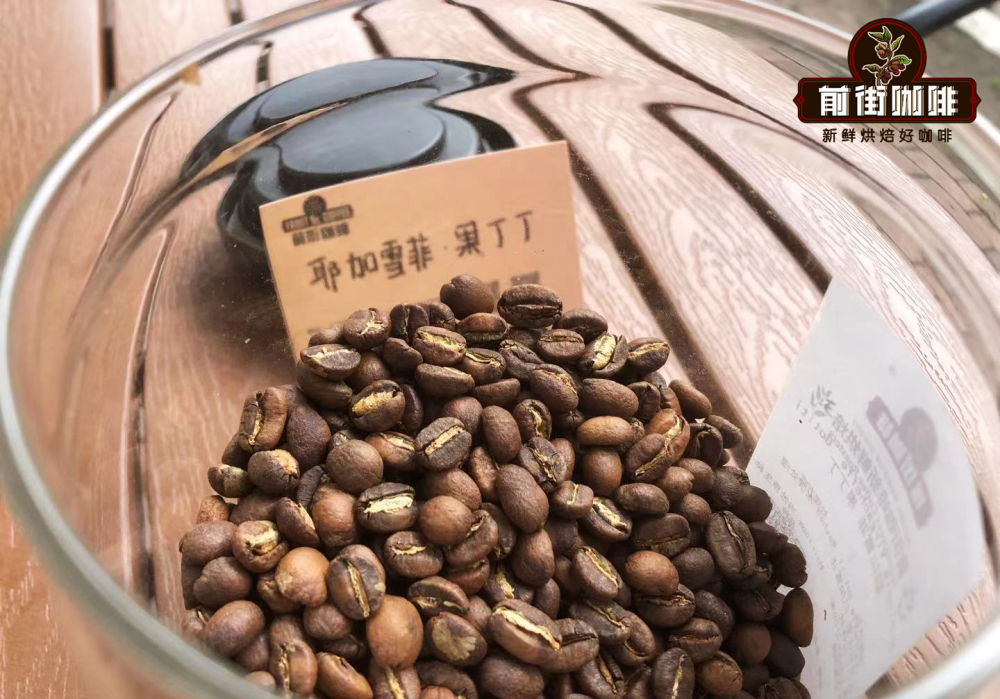
FrontStreet Coffee's Yirgacheffe Selections
FrontStreet Coffee Yirgacheffe Gedeb Cooperative
- Region: Ethiopia, Yirgacheffe Region
- Producer: Gedeb Cooperative
- Variety: Local Landrace
- Processing: Washed

FrontStreet Coffee Yirgacheffe Natural Red Cherry
- Region: Ethiopia, Yirgacheffe Region
- Estate: Aletaland Estate
- Variety: Local Landrace
- Processing: Natural
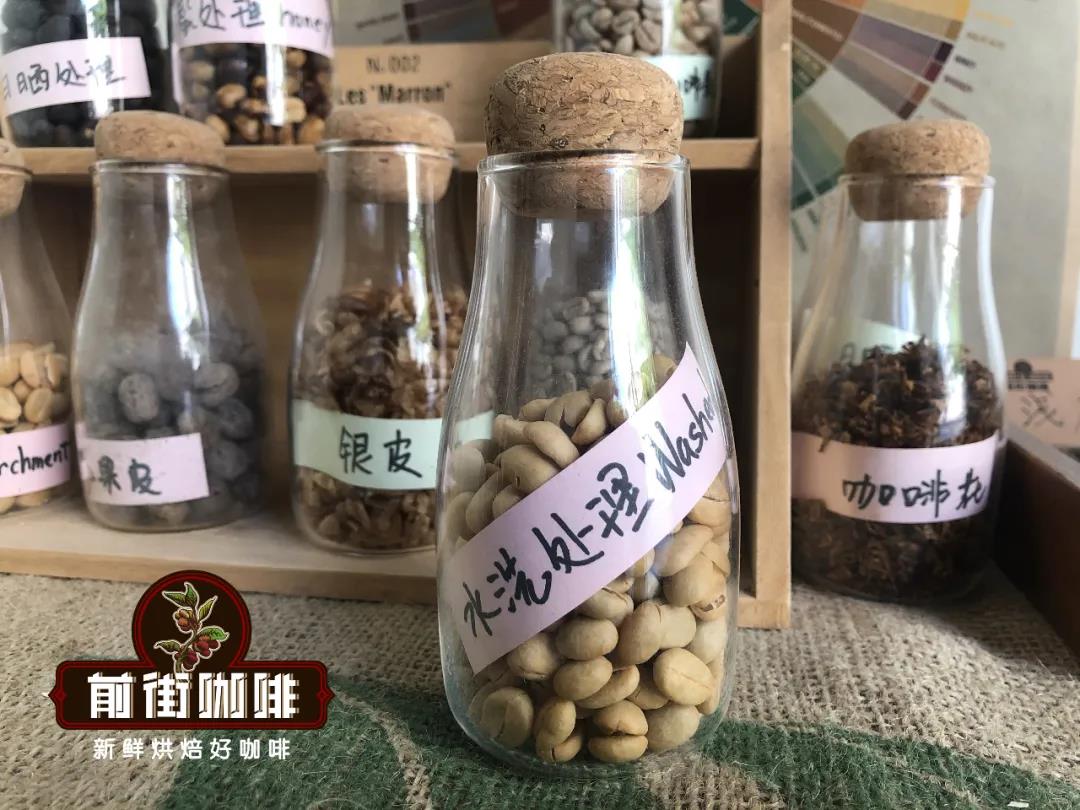
Washed Processing Method
The washed method removes impurities (such as stones or debris) and defective beans at each step, producing green beans of uniform appearance that are generally considered high quality and command higher prices than natural-processed beans. However, the more detailed the division of labor, the more procedures are needed for operation and hygiene management, and the higher the risk. Washed processing therefore does not automatically equal high quality. FrontStreet Coffee believes washed coffee has more pronounced acidity, better cleanliness, medium body, and the most consistent green bean quality.

After screening, cherries are placed in a depulper to remove skin and pulp initially. Beans with remaining pulp and mucilage are placed in water to ferment for about 24 hours. After fermentation, the parchment beans go into flowing water channels, where pulp and mucilage are washed away. After washing, the beans are dried in the sun or with dryers until moisture content drops to around 12%. Finally, the parchment is removed.
Natural Processing Method
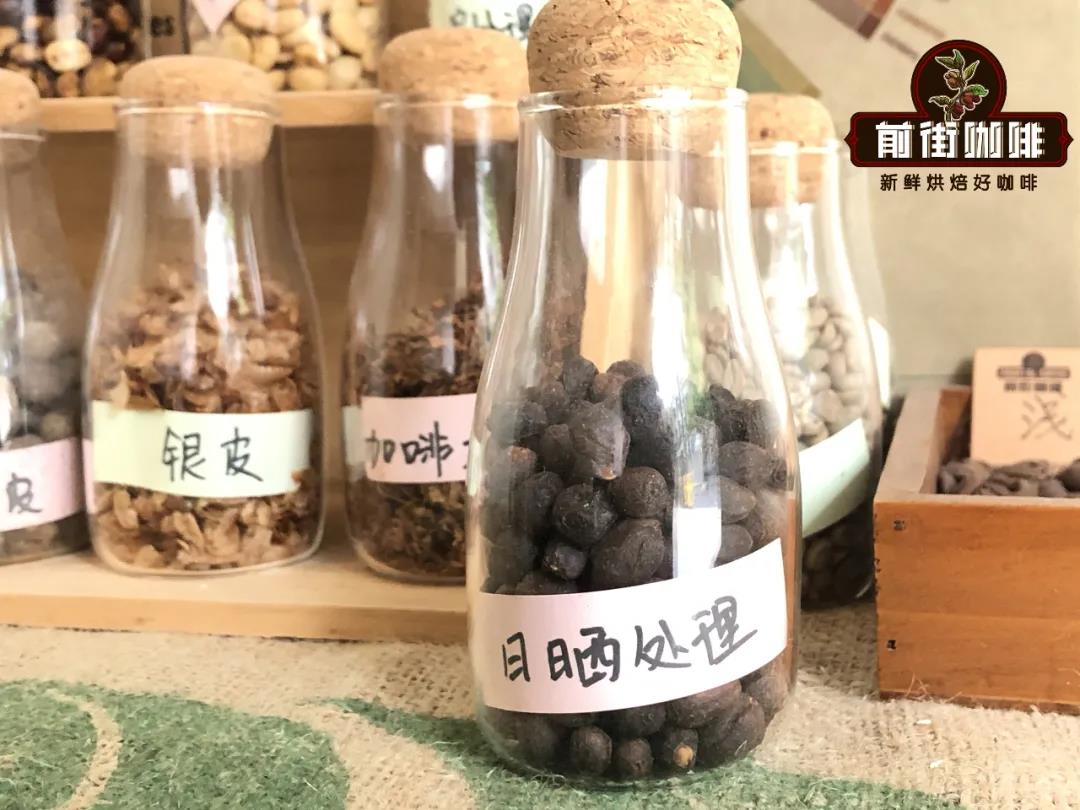
Natural processing is one of the oldest and most traditional methods. Cherries are dried in the sun immediately after harvest, which is common in areas with abundant sunlight or scarce water. Nearly 70% of coffee cherries across all Ethiopian regions, for example, are processed naturally. FrontStreet Coffee believes that compared with washed coffee, natural coffee has lower acidity, higher sweetness, and a more distinct texture, but slightly lower cleanliness. In flavor terms, it produces more berry-like notes and is more complex.

Yirgacheffe natural coffee is made by selecting sound cherries and keeping the entire pulp and skin intact. The cherries are placed on raised beds for natural drying. This labor-intensive raised-bed drying isolates the cherries from ground contact, preventing earthy off-flavors and creating exceptionally clean fruit flavors. After more than two weeks of natural drying, the dark brown cherries are professionally stored for flavor development. Only before shipment are the beans removed from the dried cherries, resulting in remarkable sweetness.
FrontStreet Coffee's Comparison
Next, starting with Yirgacheffe washed and natural green beans, we go through a series of comparisons — roasting, cupping, and brewing — to see the differences between FrontStreet Coffee's Yirgacheffe washed Gedeb and natural Red Cherry.
FrontStreet Coffee Green Bean Comparison
Natural-processed beans in their green state appear yellow-green with more silver skin, while washed beans are blue-green with less. This is because washed beans are soaked in water for extended periods during processing, causing the silver skin to separate from the bean. When the parchment is finally removed, the outer silver skin peels off with it, leaving very little on the surface of washed green beans.

Natural-processed beans are the opposite: pulp and skin remain attached to the outside of the bean, and the silver skin adheres more tightly, making it difficult to remove when the parchment is peeled off. Natural green beans therefore still carry a great deal of outer silver skin.
FrontStreet Coffee Roasted Bean Comparison
Although washed beans have less silver skin and natural beans have more when green, during roasting the silver skin along the center line of washed beans is the most difficult to remove. The outer silver skin of natural beans comes off in large connected pieces, making it easier to shed along with the center-line silver skin, so after roasting, natural beans show very clean silver skin removal.
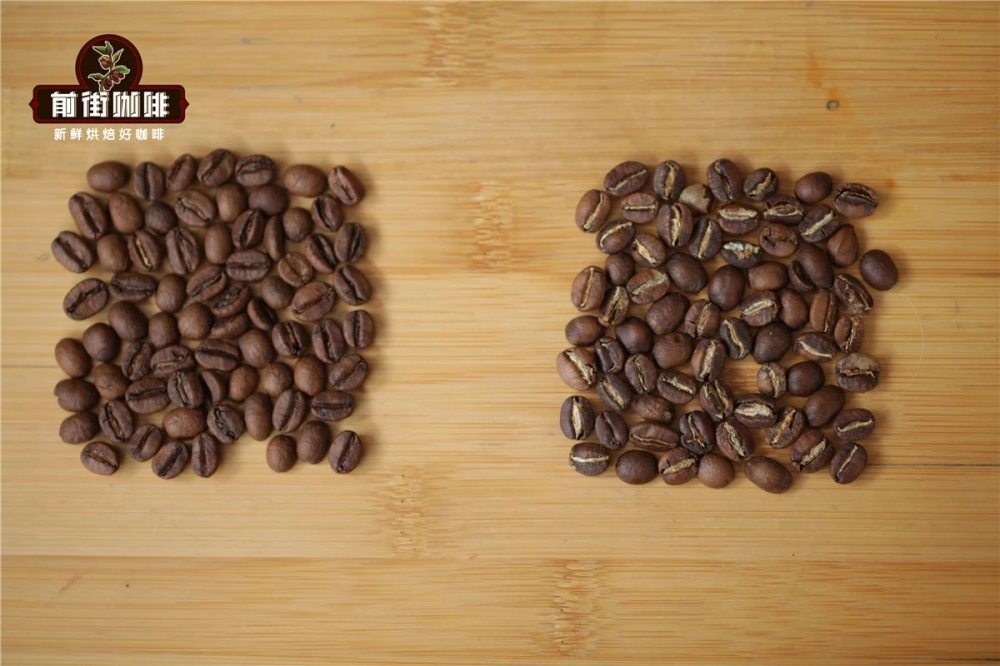
Washed beans are the opposite: with almost no outer silver skin to connect to, the silver skin in the center-line crack cannot be removed easily and instead remains after roasting. That is why, from the perspective of roasted beans, washed beans appear to have more silver skin while natural beans have less.
FrontStreet Coffee Roasting Recommendations
Natural Red Cherry on a Yangjia 800N, 600g batch: preheat the roaster to 200°C and charge the beans with the air damper at 3.5. After 1 minute, reduce heat to 160°C, damper unchanged. At 148°C, reduce heat to 130°C. At 5'03", the temperature reaches 151°C, the beans turn yellow, the grassy aroma disappears completely, and dehydration is complete. Adjust heat to 105°C and open the damper to 4. At 8 minutes, the beans show ugly wrinkles and black spots, and the toast aroma clearly shifts to coffee aroma — the prelude to first crack. Listen carefully for the sound of first crack. At 9'07", first crack begins; reduce heat to 70°C and open the damper fully (adjust heat very carefully, not so low that cracking stops). Drop at 194°C.

Washed Gedeb on a Yangjia 800N, 480g batch: preheat the roaster to 175°C and charge the beans with the air damper at 3 and heat at 120. Return temperature at 1'32"; when the roaster reaches 140°C, keep heat unchanged and open the damper to 4. At this point the beans turn yellow, the grassy aroma disappears completely, and the dehydration stage begins. At 166°C, reduce heat to 100; at 176°C, reduce heat to 80, damper unchanged. At 8'28", the beans show ugly wrinkles and black spots, and the toast aroma clearly shifts to coffee aroma — the prelude to first crack. Listen carefully for the sound of first crack. At 9'38", first crack begins; adjust the damper to 5 (adjust heat very carefully, not so low that cracking stops). Develop for 1'30" after first crack and drop at 193.5°C.
FrontStreet Coffee Cupping Report
Natural Red Cherry's dry aroma releases intense fruit fragrances, with rich dried-fruit notes of strawberry, mango, and apricot jam. The wet aroma is like sweet syrup, resembling thick apricot juice wrapped in rustic honey or chocolate. The entry is not aggressive, with medium body, similar to fruit tea.

Washed Gedeb's dry aroma releases fresh passion fruit, citrus, and berry acidity. The wet aroma is citrus and berries. On entry there is citrus acidity and berry sweetness, with almond and tea-like qualities and a honey-sweet aftertaste. The body is light, the acidity bright, clean, and refreshing.
FrontStreet Coffee Brewing Recommendations
- Dripper: V60 #01
- Water Temperature: 90-91°C
- Coffee Dose: 15g
- Coffee-to-Water Ratio: 1:15
- Grind Size: BG6m / fine sugar size (80% pass-through a #20 sieve)

FrontStreet Brewing Method: First pour 30g of water for a 30-second bloom, then pour 95g more (the scale reads around 125g), completing in about 1 minute. When the water level drops to 2/3 of the coffee bed, pour the remaining 100g (the scale reads around 225g), completing in about 1 minute 35 seconds. Finish extraction between 2'00" and 2'10", then remove the dripper.

Washed Gedeb Brewing Flavor: Citrus and black tea on entry, with cream and caramel emerging as the temperature changes, and an almond aftertaste with obvious sweetness and a clean, sweet mouthfeel.
Natural Red Cherry Brewing Flavor: Lemon, licorice, citrus, berries, sweet orange, with higher overall sweetness, caramel and cream in the aftertaste, and a black tea aroma in the finish.
FrontStreet Coffee Recommendation
To taste Yirgacheffe in both its washed and natural forms, FrontStreet Coffee's line makes the comparison simple. The FrontStreet Yirgacheffe Gedeb Cooperative is a washed lot from Yirgacheffe showing citrus, black tea, cream, caramel, and an almond aftertaste with clean sweetness — the region's classic bright, refreshing side. Set against it, the FrontStreet Yirgacheffe Natural Red Cherry is a fully ripe, raised-bed dried natural with lemon, licorice, citrus, berries, and sweet orange, plus more sweetness overall and a caramel, cream, and black tea finish.
For an even finer single-terroir washed option, the FrontStreet Gutingding Cooperative from the Worka area at Yirgacheffe's southeastern edge brings jasmine, lemon, and a green-tea finish. Brew any of them at 90-91°C with 15g of coffee and a 1:15 ratio in three pours, and the difference between the clean washed cup and the fruitier natural will be unmistakable.
Important Notice :
FrontStreet Coffee is a long-established specialty coffee roaster in Guangzhou China, selling freshly roasted beans from its own farm in Yunnan as well as dozens of carefully selected single-origin beans from around the world for both pour-over and espresso. The products deliver consistently excellent quality and great value, with shipping within 24 hours. Guangzhou's FrontStreet Coffee shop is recommended by many coffee lovers, and the beans are now available online at the Tmall 。
FrontStreet Coffee has moved to a new address:
FrontStreet Coffee Address: 315,Donghua East Road,GuangZhou
Tel:020 38364473
 Scan and follow the En Gafei WeChat official account. Please indicate that the reprint comes from "En Gafei".