
Ethiopia Guji Ana Sola Estate Dorothy Coffee Beans Enzyme Washed Peach Oolong Flavor Introduction
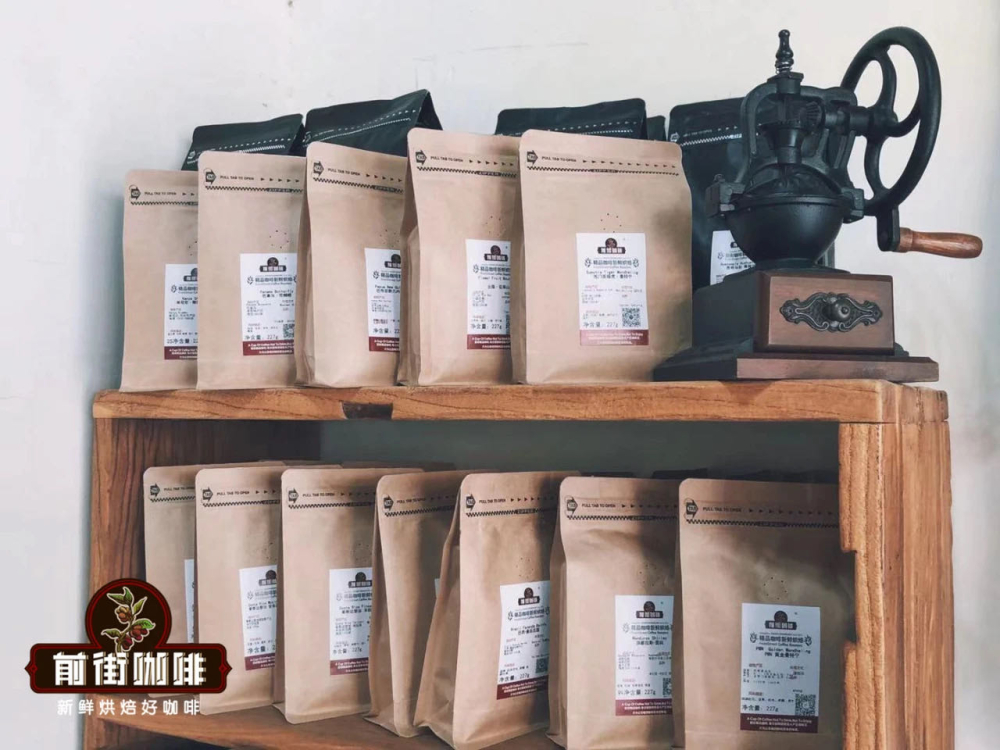
Ethiopia: The Birthplace of Coffee and Its Treasure Trove of Flavors
As the universally recognized birthplace of coffee, Ethiopia is truly a land brimming with treasures. The specialty coffees from Ethiopia have earned endless praise from coffee connoisseurs around the world. Ethiopia's specialty coffee beans are primarily processed using natural and washed methods, and even with such simple processing, these modest coffee beans surprise many enthusiasts with their unique flavor characteristics. Among them, the Sidamo coffee beans stand out with their sweet and tart taste, reminiscent of fruit juice.
Sidamo: A Premier Coffee Region
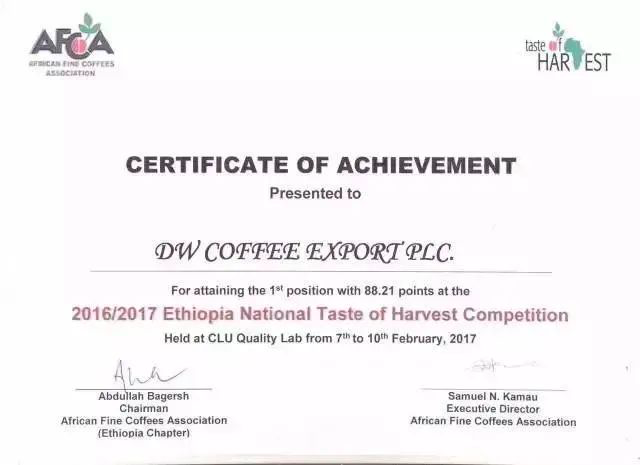
Sidamo is one of Ethiopia's major coffee-producing regions and is renowned for its high-quality specialty coffee beans. FrontStreet Coffee's Hambela Flower Queen from Sidamo is an excellent example. In 2017, the Flower Queen coffee beans won the natural category championship in Ethiopia's TOH competition with their intense strawberry cream flavor. The Flower Queen beans also helped competitor Li Jianfei secure second place in the China division of the World Brewers Cup, which was dominated by Geisha coffee beans. In the following years, FrontStreet Coffee's Flower Queen continued to captivate coffee lovers with its alluring berry and cream notes.
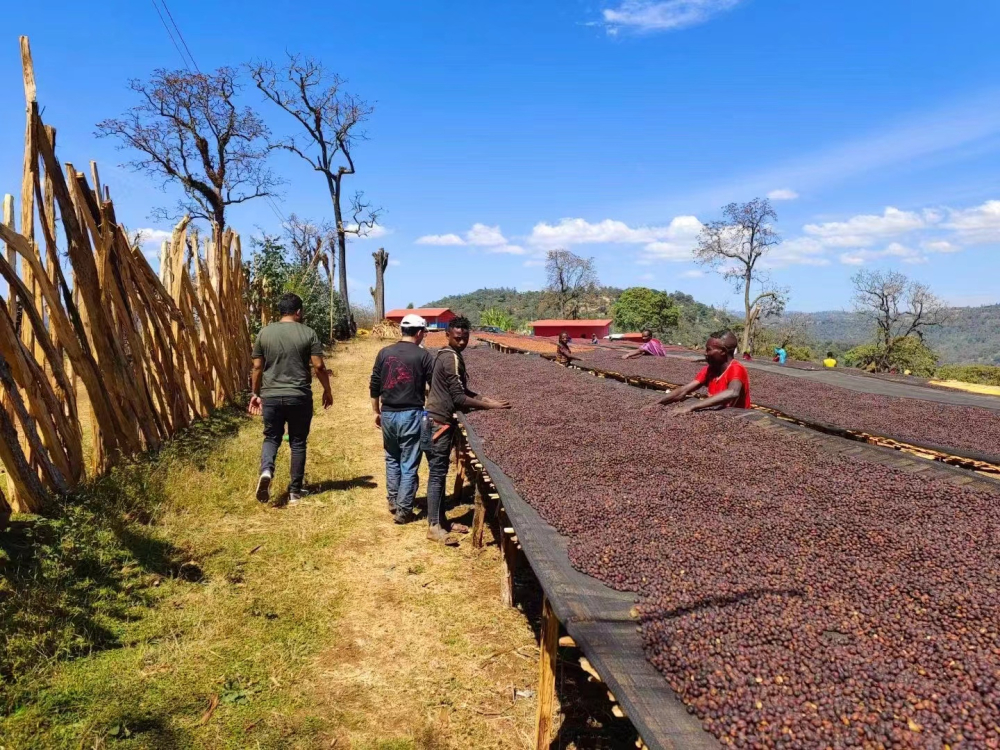
Today, FrontStreet Coffee's Sidamo coffee beans are making a new appearance, but this time without the intense berry notes. Instead, they present a fresh peach flavor that has impressed many coffee enthusiasts and given this region newfound recognition. A particularly popular coffee bean with fruit tea notes on the market has received overwhelmingly positive feedback, whether used for hot pour-over or cold brew.
Guji: The Rising Star
While the white peach oolong-flavored coffee is undoubtedly appealing, its distinctive profile has led many to forget that this "rising star" actually originates from the Guji region. Guji, which was historically part of the Sidamo region, was established as an independent coffee-producing area by the Ethiopia Commodity Exchange (ECX) in 2010. The goal was to create more specialty coffee regions like Yirgacheffe, and Guji has now become one of Ethiopia's key focus areas.
In recent years, the quality of Guji's specialty coffee beans has been evident to all, with Guji-origin beans frequently appearing in competitions like TOH and Cup of Excellence (COE). On FrontStreet Coffee's menu, two Guji-region coffee beans have won championships in these competitions: the 2017 TOH Ethiopia natural champion—FrontStreet Coffee's Flower Queen, and the 2020 TOH washed category champion—FrontStreet Coffee's Inflorescence. Both coffee beans have their unique characteristics and are equally worth experiencing.
It's clear that Guji is a region producing high-quality specialty coffee beans. The well-known white peach oolong-flavored coffee beans are commercially known as FrontStreet Coffee's Dorothy, originating from the Ana Sora area in the Guji region.
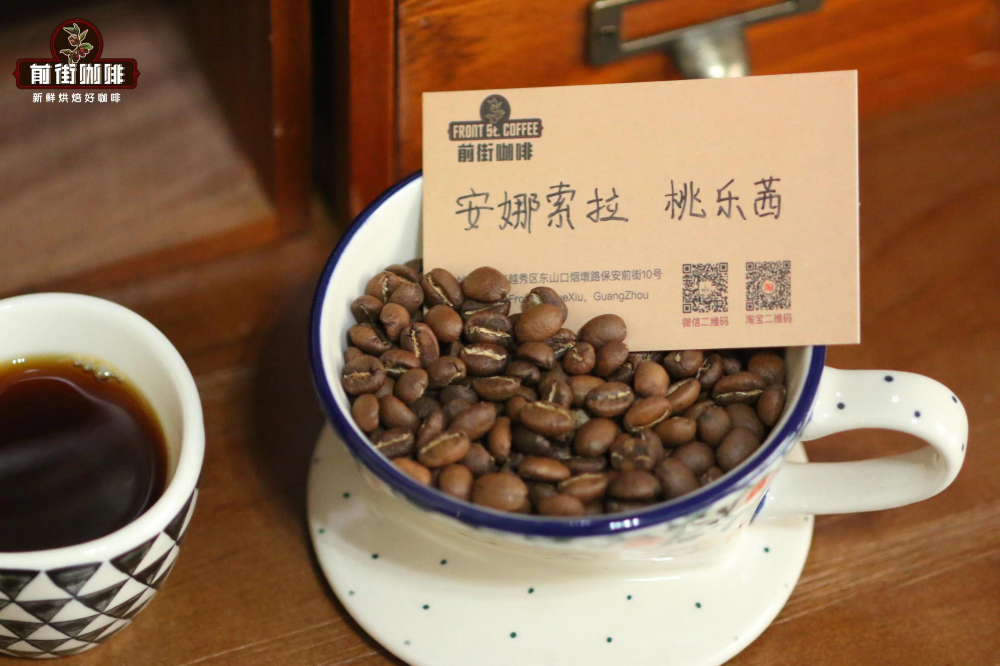
FrontStreet Coffee Ethiopia White Peach Oolong Dorothy Coffee Beans
Region: Guji
Estate: Ana Sora
Altitude: 1900-2350 meters
Grade: G1
Variety: Local heirloom varieties
Processing: Enzyme washed
Harvest: 2021
Ana Sora is the name of a village in Ethiopia's Guji region. Near this village, there is a young yet renowned coffee plantation that shares the same name: Ana Sora. Established in 2010, the Ana Sora estate covers 250 hectares, with approximately 150 hectares dedicated to coffee cultivation. Coffee growers have planted various plants like acacia trees and bananas near the coffee-growing areas. These plants provide shade for the coffee crops, and when their leaves and branches fall, they become an essential source of nutrients for the coffee plants. With growing altitudes ranging from 1900 to 2350 meters and iron-rich red soil, the coffee beans produced at Ana Sora are delightfully sweet and tart, making them highly sought after.
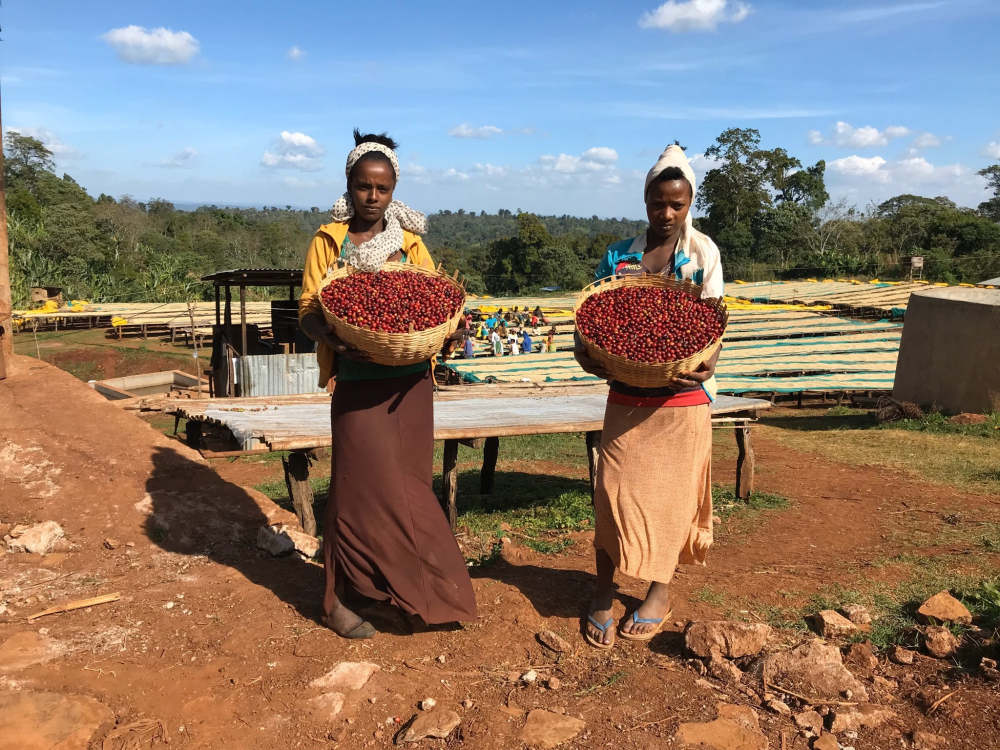
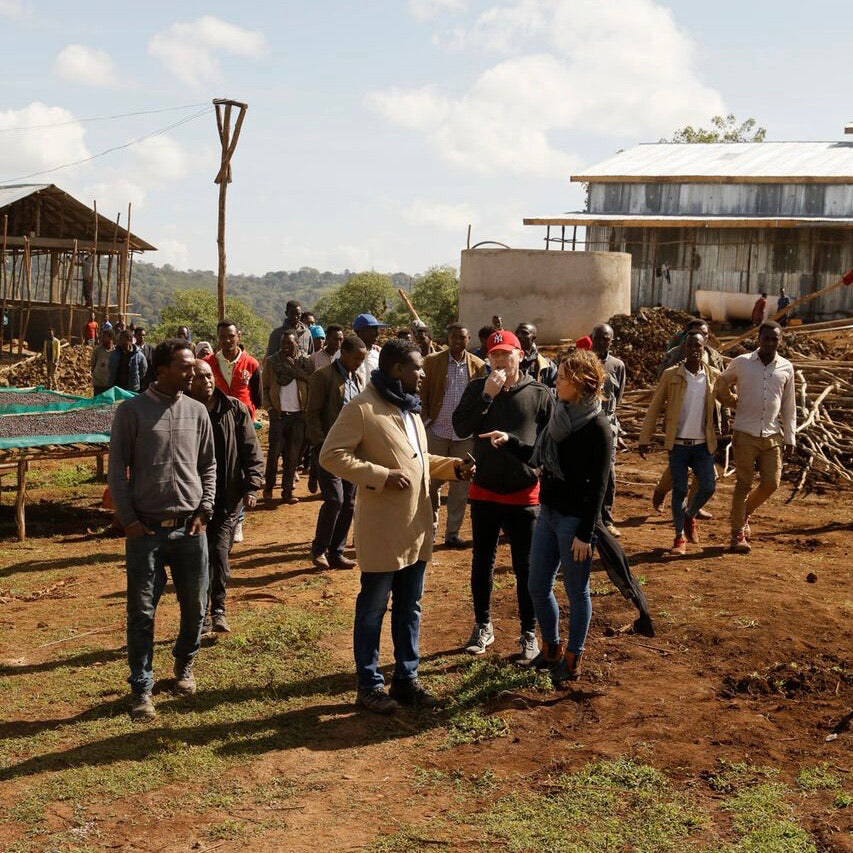
Ana Sora Estate is one of the few privately-owned coffee processing stations in Ethiopia and is now managed by its second-generation operator, Israel Degfa. When Israel was young, he learned extensive knowledge about coffee bean production from his father, who managed a coffee cooperative, and his mother, who sold green coffee beans at the station. Today, Israel Degfa leverages his years of experience and hard work to operate 48 washed processing plants and 5 natural processing plants.
Before 2018, Ana Sora Estate only produced natural coffee beans due to the lack of a washing station. Taking advantage of its proximity to the Turo River, the estate established a green coffee bean washing station in 2018, using clear water from the river for the washing process. The emergence of this washing station made Ana Sora's coffee beans one of the few estate-style washed coffee beans in Ethiopia that are self-produced and sold.
Processing and Roasting
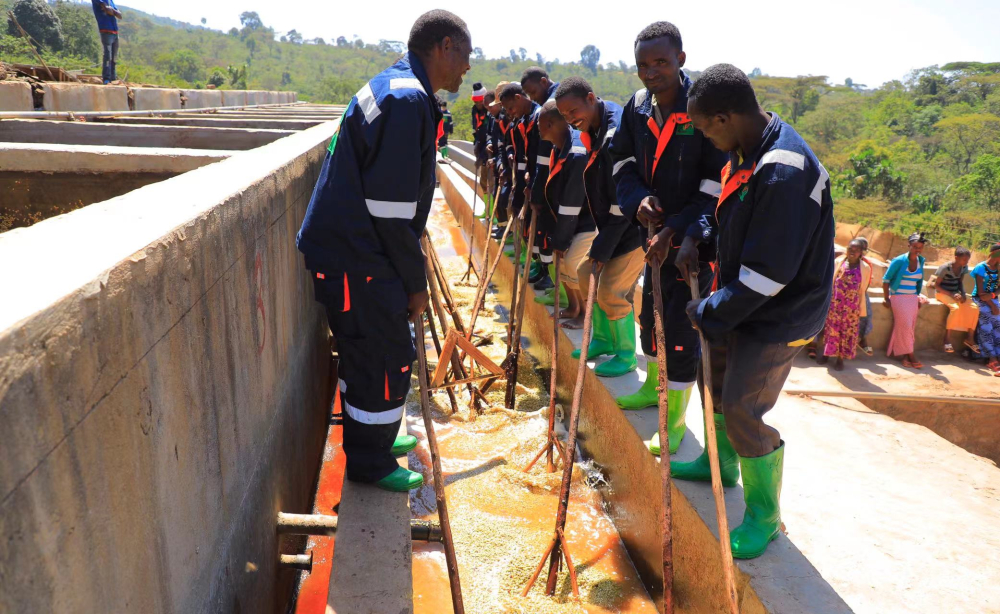
The FrontStreet Coffee Dorothy coffee beans use an enzyme-washed processing method. After selecting ripe coffee cherries and removing the pulp and skin, they are placed in containers with enzymes for sealed fermentation for 24 hours. After fermentation is complete, these coffee beans are transferred to large water pools, soaked in clear water for 48 hours, and then stirred. The friction between the coffee beans and the water flow helps remove the sticky mucilage layer from the parchment. Finally, the cleaned green coffee beans are evenly spread on drying beds for sun-drying.
When roasting FrontStreet Coffee's Dorothy coffee beans, FrontStreet Coffee's roaster considered highlighting the bright acidity, rich peach flavor, and tea-like notes. Additionally, to ensure even roasting of the local heirloom variety beans with varying sizes, they slowed down the roasting process and used a medium-light roast level.
Brewing Recommendations
When brewing these coffee beans, FrontStreet Coffee recommends using a Hario V60 dripper, water temperature of 91°C, medium-fine grind, and a three-pour technique.
Dripper: Hario V60
Water Temperature: 91°C
Dose: 15 grams
Ratio: 1:15
Grind Size: 80% passing through China standard #20 sieve
First, pour 30 grams of hot water to fully saturate the coffee grounds and let it bloom for 30 seconds. Then, pour from the center with a small stream in a slow circular motion until reaching 125 grams for the first pour. When the water level in the dripper drops to just above the coffee bed, continue pouring in a circular motion until reaching 225 grams. Wait until all the water has dripped through to the server below, then remove the dripper. The total extraction time should be approximately 2 minutes.
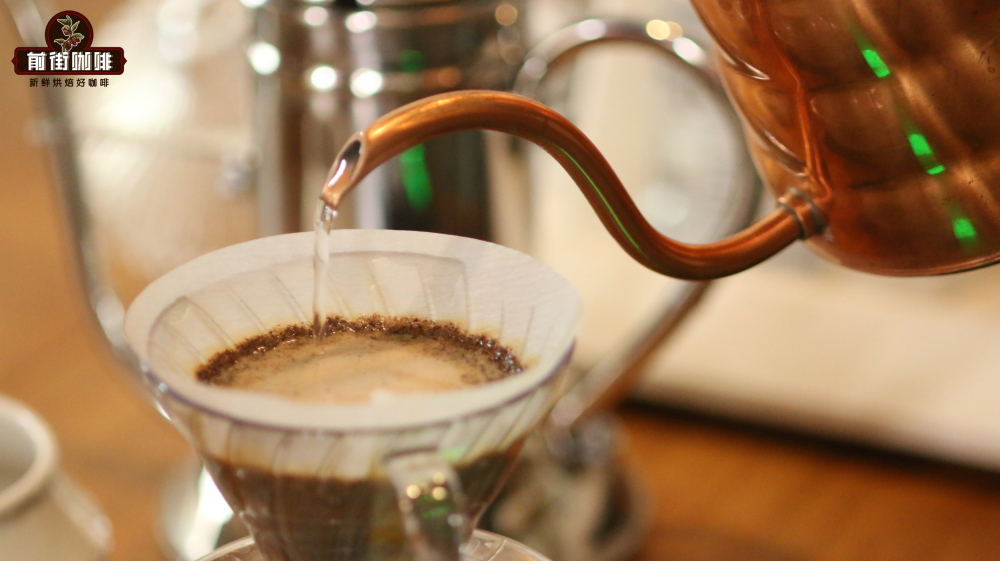
After brewing, FrontStreet Coffee's Ethiopia Dorothy coffee beans reveal delicate floral notes and an intense peach aroma. The entry offers citrus-like acidity, while the aftertaste has a sweet finish reminiscent of oolong tea. The overall experience is akin to drinking a cup of white peach oolong tea.
For more coffee bean information, please follow Coffee Workshop (WeChat official account: cafe_style)
For professional coffee knowledge exchange, please add WeChat ID: kaixinguoguo0925
FrontStreet Coffee is a long-established specialty coffee roaster in Guangzhou China, selling freshly roasted beans from its own farm in Yunnan as well as dozens of carefully selected single-origin beans from around the world for both pour-over and espresso. The products deliver consistently excellent quality and great value, with shipping within 24 hours. Guangzhou’s FrontStreet Coffee shop is recommended by many coffee lovers, and the beans are now available online at the Tmall 。
Important Notice :
前街咖啡 FrontStreet Coffee has moved to new addredd:
FrontStreet Coffee Address: 315,Donghua East Road,GuangZhou
Tel:020 38364473

- Prev
What Are the Types of Arabica Beans? How to Distinguish Arabica from Gesha, Bourbon, and Typica Coffee Beans?
For professional coffee knowledge exchange and more coffee bean information, please follow Coffee Workshop (WeChat public account: cafe_style). Do you know what Gesha coffee looks like? What about Bourbon coffee? Coffee comes in many varieties, but many people don't know how to distinguish them. Setting aside flavor and appearance variations, coffee
- Next
How to Taste and Appreciate Espresso? What are the Characteristics, Taste, and Flavor Requirements of Standard Espresso?
For more professional coffee knowledge and coffee bean information, please follow Coffee Workshop (WeChat public account: cafe_style). Coffee is best consumed within 2-10 days after roasting. Beyond this time frame, the quality of coffee will decline rapidly. For this reason, you should try to purchase smaller quantities of coffee more frequently, while increasing
Related
- How to make bubble ice American so that it will not spill over? Share 5 tips for making bubbly coffee! How to make cold extract sparkling coffee? Do I have to add espresso to bubbly coffee?
- Can a mocha pot make lattes? How to mix the ratio of milk and coffee in a mocha pot? How to make Australian white coffee in a mocha pot? How to make mocha pot milk coffee the strongest?
- How long is the best time to brew hand-brewed coffee? What should I do after 2 minutes of making coffee by hand and not filtering it? How long is it normal to brew coffee by hand?
- 30 years ago, public toilets were renovated into coffee shops?! Multiple responses: The store will not open
- Well-known tea brands have been exposed to the closure of many stores?!
- Cold Brew, Iced Drip, Iced Americano, Iced Japanese Coffee: Do You Really Understand the Difference?
- Differences Between Cold Drip and Cold Brew Coffee: Cold Drip vs Americano, and Iced Coffee Varieties Introduction
- Cold Brew Coffee Preparation Methods, Extraction Ratios, Flavor Characteristics, and Coffee Bean Recommendations
- The Unique Characteristics of Cold Brew Coffee Flavor Is Cold Brew Better Than Hot Coffee What Are the Differences
- The Difference Between Cold Drip and Cold Brew Coffee Is Cold Drip True Black Coffee