What Are the Types of Arabica Beans? How to Distinguish Arabica from Gesha, Bourbon, and Typica Coffee Beans?
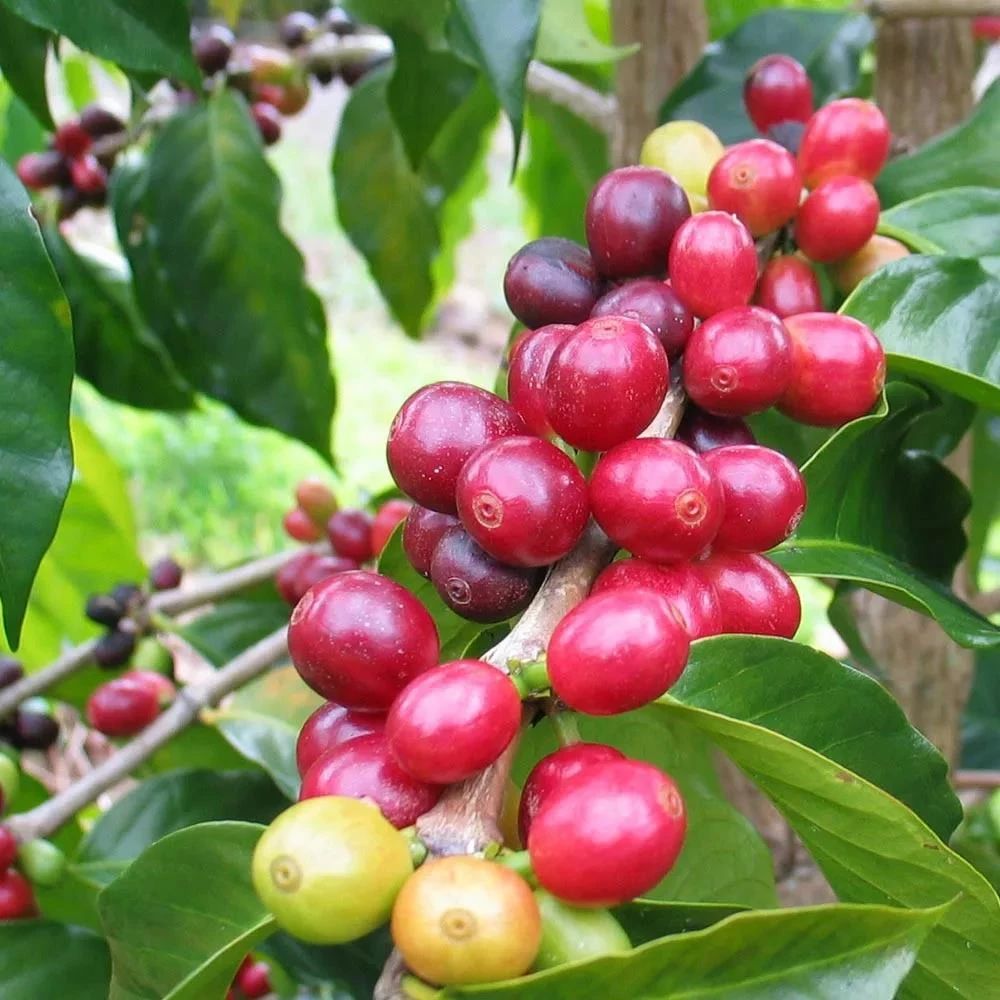
Ethiopia, as the birthplace of coffee, is naturally the genetic reservoir for coffee varieties, which is why so many of them originate there. There are three major coffee species: small-seeded Arabica, medium-seeded Robusta, and large-seeded Liberica.
Arabica Coffee
Small-seeded coffee, also known as Arabica, accounts for most specialty coffee and is currently the most widely produced variety in the world. Arabica was the first variety discovered and is considered the finest among coffee species, as well as the most predominant worldwide. It is cultivated in Central and South American countries, Brazil, Colombia, Ethiopia and Tanzania in Africa, Yemen, Indonesia, and elsewhere. Arabica plants typically grow 2.5 to 4.5 meters tall, tolerate low temperatures but not frost, have limited drought resistance, and produce relatively large beans of excellent quality and mellow flavor, with slight acidity and mild bitterness, accounting for about 75% of world production. Small-seeded Arabica comes from the Ethiopian highlands and, because of its exceptional flavor and quality, is now widely cultivated and has given rise to many varieties. Typica, Bourbon, Geisha, and others all belong to the Arabica species. These are among the most ancient Arabica varieties, cultivated mainly in Brazil, Colombia, and other Central and South American countries; in Central America's Tikal and Sidamo regions; and in Indonesia's Sumatran Typica and Jamaica's Blue Mountain.
Arabica varieties are highly sensitive to their growing environment, so regions suited to Arabica are mostly high-altitude mountainous terrain within the tropical coffee belt between the Tropics of Cancer and Capricorn. Arabica needs altitudes of 800-2000 meters, with higher elevations generally giving better quality. Arabica is currently the most widely distributed coffee variety, grown in Asia, Central and South America, and Africa. Ethiopia, Kenya, Panama, Colombia, and Brazil are all renowned Arabica producers.
In terms of flavor, Arabica beans are considered the finest quality and have been used in the specialty coffee market ever since the specialty coffee concept emerged. The Typica sub-variety of Arabica, for example, has excellent acidity, scores high in cupping, and, as one of the most ancient coffee varieties, boasts an outstanding genetic heritage.

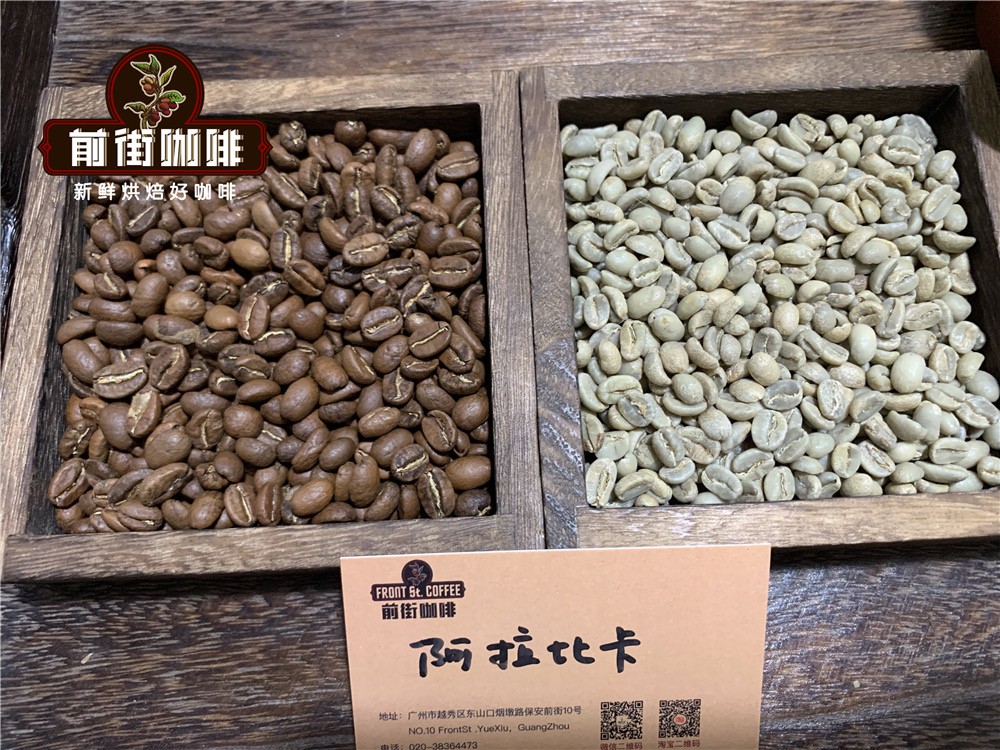
Externally, Arabica beans are elongated and flat with an S-shaped center line, while Robusta beans are more rounded and robust with a center line closer to straight. Although they come from the same Arabica tree, location, climate, and soil can produce completely different flavors. Geisha grown in Ethiopia, for instance, tastes nothing like Geisha grown in Panama.
Bourbon and Typica make up the world's most culturally and genetically important C. arabica coffee group. Historical records indicate that coffee seeds were brought from the coffee forests of southwestern Ethiopia to Yemen and cultivated there as a crop. Recent genetic testing confirms that Bourbon and Typica were the main seeds transported from Ethiopia to Yemen. Their descendants spread from Yemen to the rest of the world, forming the foundation of modern Arabica cultivation.

Arabica was the first coffee variety discovered and is considered the finest of all, with generally superior flavor, making it the primary source of specialty coffee. It does, however, have weaker disease resistance and can only be cultivated at high altitude. Humans have grown Arabica for more than 700 years, developing many varieties. Common Arabica varieties today include Typica, Bourbon, Caturra, Pacas, Villa Sarchi, Maragogipe, Pacamara, Mundo Novo, Catuai, Geisha, Timor, and Catimor, among others. Arabica appears predominantly as specialty coffee.
Typica
Ethiopia's most ancient native variety, from which all Arabica varieties are derived. Typica has bronze-colored young leaves and oval or slender, pointed beans. It offers an elegant flavor but has a weak constitution, poor disease resistance, and low yield. Excellent estate beans such as Jamaica Blue Mountain, Sumatra Mandheling, and Hawaii Kona all belong to the Typica variety.
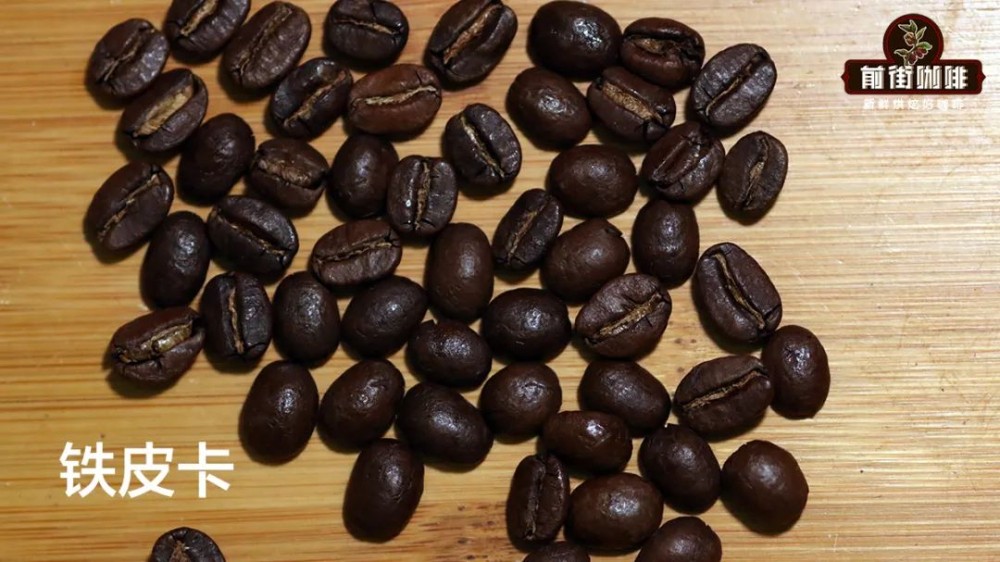
Typica is distinct and may be the easiest variety to identify. The plant has an overall conical shape with a vertical main trunk that can reach up to 5 meters, which means the branches on a single stem are more sparsely distributed than in other varieties. The trunk and branches are not very thick. The leaves, cherries, and green beans are usually slender, with young leaves showing bronze-colored tips. The leaf surface is smoother than other Arabica varieties, with less pronounced wavy edges, and mature cherries are bright red.

Arabica beans contain about 1.2% caffeine, while Robusta beans are higher at around 2.8% (with inferior flavor, often used for instant coffee), whereas Pointed Bourbon has only 0.6%. Not only is its caffeine low, but its rich fruit flavors and mellow character are in no way diminished.
Bourbon
A natural mutation of Typica that occurred after Typica was introduced to Yemen in early times, before documented coffee history. The bean shape changed from slender and pointed to round. In 1715, after the French introduced the round beans from Yemen's Mocha to Bourbon Island off the east coast of Africa, renamed Reunion Island after the French Revolution, the variety was named Bourbon. The round Bourbon beans were successively introduced to Brazil and Central and South America in 1727, and in 1732 the British introduced Yemen's Mocha round beans to St. Helena Island, where Napoleon was later exiled, also Bourbon round beans. Bourbon is a consistent winner in American specialty coffee cupping competitions.
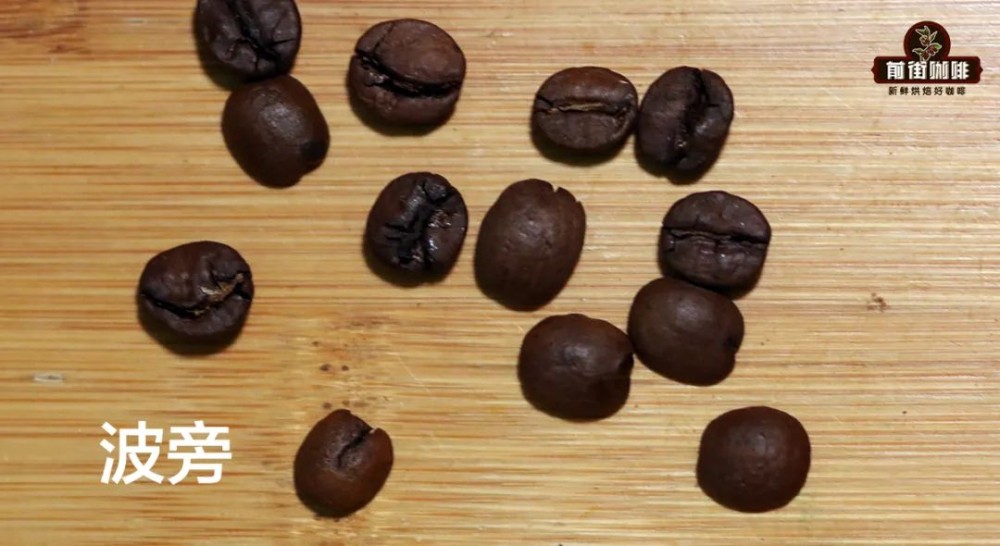
Bourbon shares Typica's tall height and conical shape, but has more secondary branches and appears denser. Both the trunk and branches are thicker, making Bourbon sturdier but relatively less flexible. The denser branching lets Bourbon produce roughly 30% more cherries than Typica.

Bourbon leaves are wider than Typica's, with a rougher texture and wavy edges. Young leaves are typically green but sometimes have bronze-colored tips. The cherries are round and mature into various colors such as red, orange, or yellow, though the color is consistent on the same plant.
Caturra

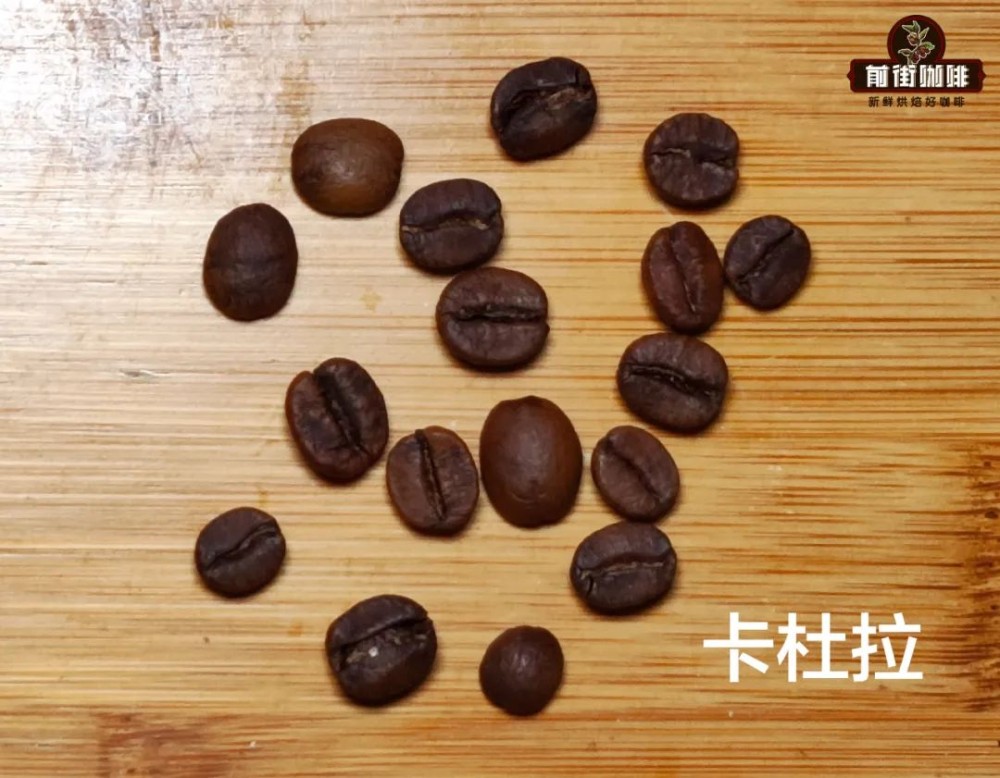
A natural mutation of the Arabica variety Bourbon, discovered in Brazil in 1937. Its plants are shorter than Bourbon. Inheriting Bourbon's lineage, it has relatively weak disease resistance but yields more than Bourbon. Although discovered in Brazil, Caturra is not suited to cultivation there and so was not planted on a large scale, instead becoming widely popular in Central and South America, with extensive cultivation in Colombia, Costa Rica, and Nicaragua.
Catuai
Catuai is a man-made hybrid of Caturra and Mundo Novo. Mundo Novo is itself the result of natural hybridization between Bourbon and Sumatran Typica, so Catuai also carries Typica genes, which show in its physical characteristics.
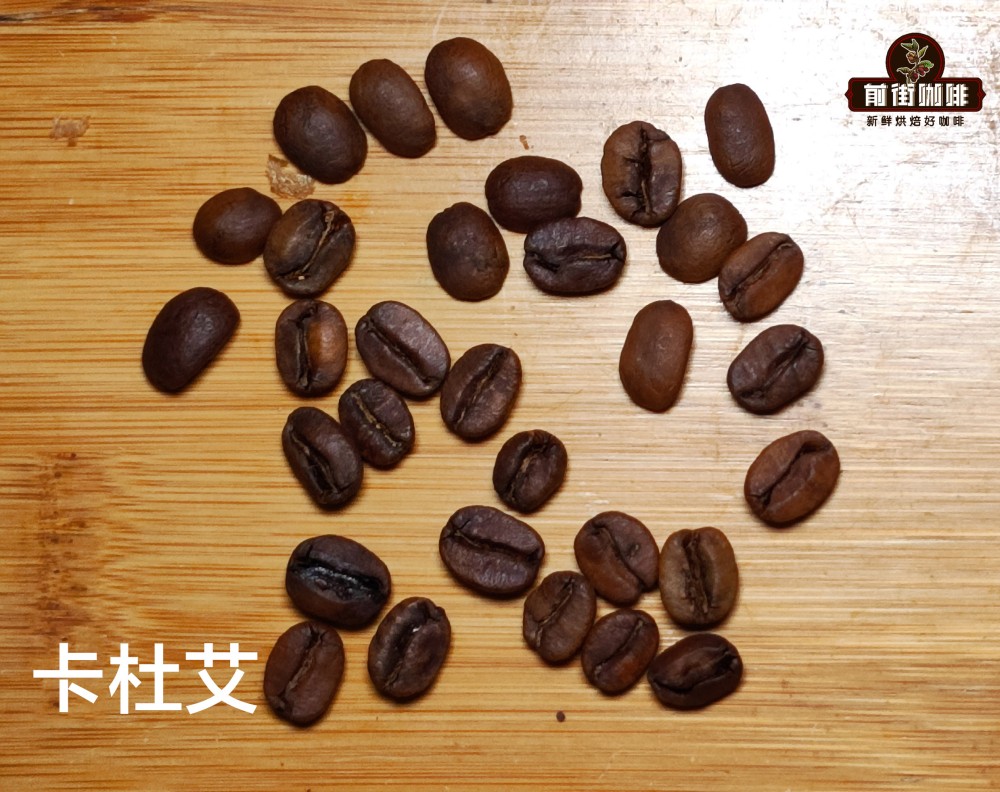
Catuai beans are oval and flat, with a relatively slender tail end. In Central and South America, many growing regions plant Caturra and Catuai together, which is why Central and South American coffees show smaller, rounder Caturra beans mixed with larger, longer Catuai beans.
Pacas
Pacas: a Bourbon mutation discovered in El Salvador. In 1935 the Salvadoran farmer Pacas selected high-yielding San Ramon Bourbon trees and planted them on his farm. In 1956 friends noticed the Bourbon on his farm yielded more than other trees of the same variety and invited a professor from the University of Florida to identify it. It was confirmed that Bourbon had undergone a genetic mutation, and the new variety was named "Pacas" after the farm's evaluation. Its high yield and excellent quality made Pacas popular in Central America and won it a role as a stallion for variety improvement. Currently 68% of El Salvador's coffee is Bourbon, 29% is Pacas, and the remaining 3% is Catuai, Caturra, and the noble Pacamara.

Kenya's "SL28" and "SL34"

Kenyan specialty coffees are typically washed, producing clean, bright flavors with more prominent acidity. Many smallholders still insist on high quality control and consistently turn out excellent specialty coffee. Kenya's phosphate-rich soil seems well suited to the SL-28 and SL-34 Bourbon mutations, the main contributors to the region's characteristic plum-like acidity. That distinctive plum acidity, citrus aroma, and wine-like pleasant flavors, mixed with sugarcane sweetness, create intense yet elegant aromas with clear, distinct layers. The complex, deep flavors, full of individualistic acidity, show what makes Kenyan specialty coffee extraordinary.

Geisha
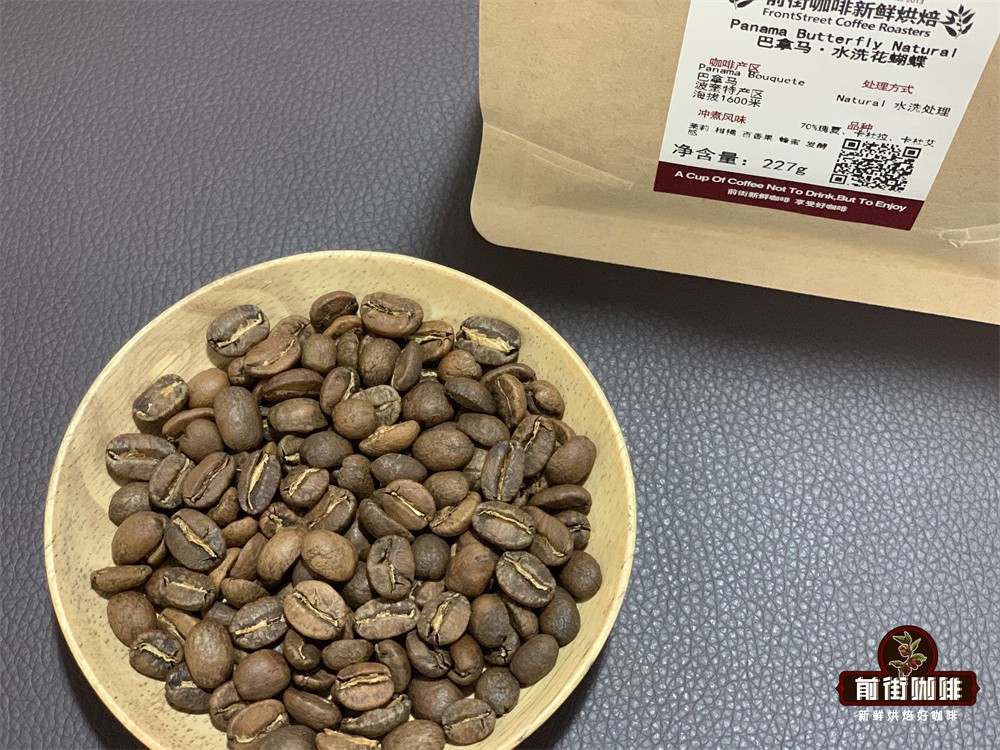
Geisha is likely the variety most people have heard of, but many have only heard the name without seeing the plant. FrontStreet Coffee explains its characteristics using Panamanian Geisha, which has the highest recognizability. Panamanian Geisha beans are slender and elongated, pointed at both ends, and plump in the middle. The roasted beans somewhat resemble sausage buns.

This extremely popular variety is easily identified by the angle of its top branches and its plant shape. Geisha's top branches extend toward the sky at 45-50 degrees. Geisha plants are tall with long distances between branches, and both trunk and branches are slender, somewhat like Typica.
The leaves are smooth and slender, and the cherries are also elongated like Typica's. The most obvious difference between Geisha and Typica is that Geisha has an umbrella-shaped or flat top, while Typica is conical. Mature Geisha cherries taste completely different from other varieties, with citrus flavors and sweetness along with jasmine-like aromas.

In a "Butterfly" blend containing Geisha, Caturra, and Catuai, for example, we can first pick out the large, elongated beans pointed at both ends, a typical mark of Geisha. Smaller Geisha beans have slightly lower recognizability, but on careful observation they still show the pointed ends and plump middle.
These characteristics do not apply to Ethiopian Geisha, though, because Ethiopian Geisha was identified only after Panamanian Geisha became famous, by tracing back to the Ethiopian forest where samples were originally taken and searching it for varieties believed to have flavors similar to Panamanian Geisha.

The Geisha varieties at Gesha Village Estate, for instance, are called Gori Gesha and Gesha 1931. The owner traced historical records to a place called Gori Gesha Forest, believing the British originally sampled and took Geisha varieties from there. They also sampled in the area and eventually selected Gesha 1931, chosen not by genetic identification but by observing plant morphology, bean shape, and cupping flavor. From their samples they judged this variety similar to Panama's Geisha.
Gori Gesha, meanwhile, was found by the owner when he re-entered the Gori Forest in 2011. Even with the right place, among the thousands of varieties in the Geisha forest there is no guarantee the ones found were the original Geisha (T2722). Different bean characteristics are therefore normal, since they are not the same variety.

Gesha Village's Geisha beans are generally smaller. Gesha 1931 has slightly pointed ends and a plump middle, while Gori Gesha appears oval and is relatively small.
Villa Sarchi
A Bourbon mutation first discovered in Costa Rica in the 1960s.
Maragogipe (Elephant Bean)
The bean shape is three times larger than Arabica, making it the largest in the world, hence the name. It is the most famous mutation of Typica, first discovered in 1870 in the Maragogipe production area of Para state in northeastern Brazil.

FrontStreet Coffee Brewing Recommendations:
In coffee brewing, the freshness of the beans is crucial to flavor. FrontStreet Coffee therefore ships all coffee within 5 days of roasting. Its roasting philosophy is "Freshly Roasted Good Coffee," ensuring every customer who places an order receives the freshest coffee possible. The resting period is approximately 4-7 days, so by the time customers receive their coffee it is at peak flavor.
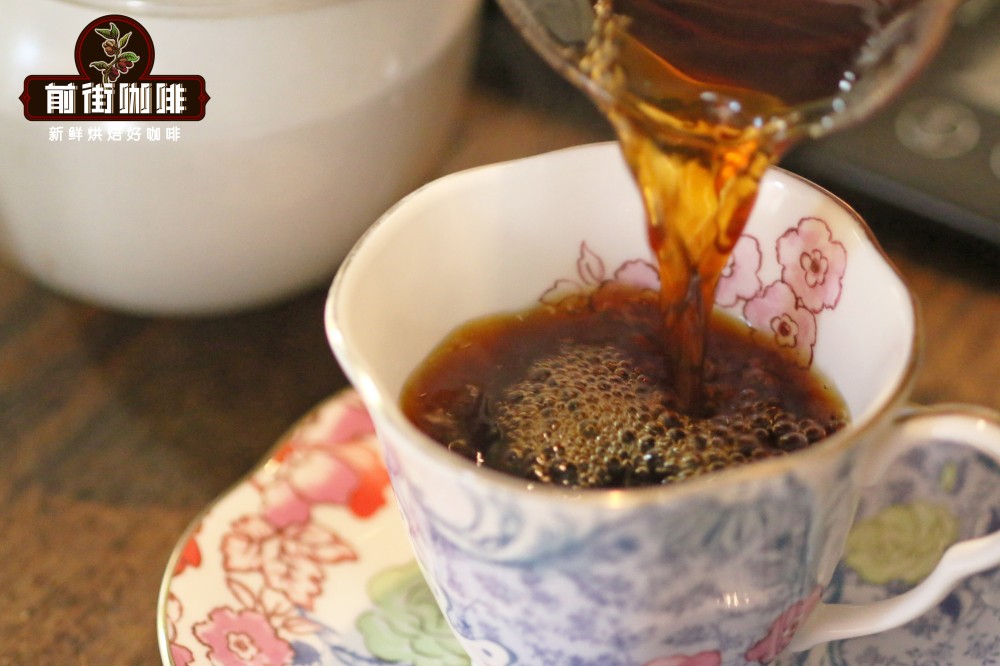
For those who need ground coffee, FrontStreet Coffee kindly reminds you: if the beans are ground in advance, no resting period is needed, because during shipping the pressure of carbon dioxide inside the packaging also helps mellow the flavor, so you can brew a cup as soon as the ground coffee arrives. Ground coffee must be used promptly, however, as it oxidizes relatively quickly in air, meaning the flavor dissipates faster and will not be as good. FrontStreet Coffee therefore recommends buying whole beans and grinding fresh before brewing to better appreciate the flavor.
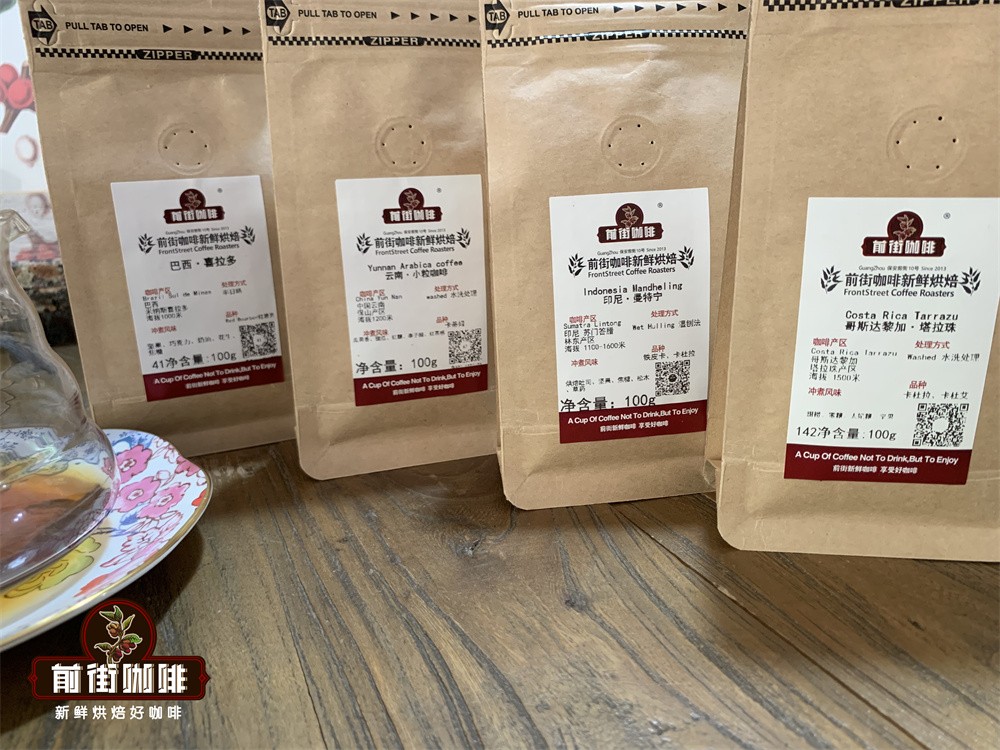
Coffee bean variety directly affects coffee flavor. Different origins and varieties produce different flavors. For this reason FrontStreet Coffee wants everyone to gain more knowledge about coffee, which is why it offers over fifty single-origin beans from various regions and has directly selected 9 beans from different producing countries as daily stock beans of excellent value, among them Colombia's Huila coffee, Panama's Boquete Geisha, Brazil coffee, Ethiopia's washed Yirgacheffe, and China's Yunnan small-seed coffee.
FrontStreet Coffee Recommendation
If you want to see the varieties described above in the cup, the most approachable comparison is the Typica family, and the reference point is FrontStreet Jamaica Blue Mountain No. 1. Blue Mountain is Typica, the parent variety of nearly every Arabica line, and its calm, balanced cup, with cream, caramel, chocolate, and nuts over a soft body, shows why Typica is prized for elegance rather than drama.
For the Bourbon side of the family, try FrontStreet Brazil Queen Estate Yellow Bourbon. Bourbon is a natural mutation of Typica that turned the bean from slender and pointed to round, and that fuller bean shape carries a sweeter, more aromatic cup. This Yellow Bourbon, from Mogiana near South Minas, shows the fresh sweetness of sugarcane juice, black tea, a smooth fruit sweetness, obvious nutty flavors, balanced gentle acidity, and a rich chocolate and nut aroma, bright and refreshing with a smooth, delicate texture.
To taste how geography transforms one variety, compare that with FrontStreet Panama Boquete Geisha. Geisha grown in Panama's Boquete brings the elegant jasmine florals, citrus, peach, and full fruit acidity, a creamy mouthfeel, and an oolong-tea sweetness in the finish, so refined it feels less like coffee than a fragrant fruit tea. Side by side with an Ethiopian Geisha, it neatly demonstrates the point that the same variety can taste completely different depending on where it grows.
Important Notice :
FrontStreet Coffee is a long-established specialty coffee roaster in Guangzhou China, selling freshly roasted beans from its own farm in Yunnan as well as dozens of carefully selected single-origin beans from around the world for both pour-over and espresso. The products deliver consistently excellent quality and great value, with shipping within 24 hours. Guangzhou's FrontStreet Coffee shop is recommended by many coffee lovers, and the beans are now available online at the Tmall 。
FrontStreet Coffee has moved to a new address:
FrontStreet Coffee Address: 315,Donghua East Road,GuangZhou
Tel:020 38364473
 Scan and follow the En Gafei WeChat official account. Please indicate that the reprint comes from "En Gafei".