An Introduction to Kenya's Main Coffee Varieties: Are Kenya Peaberries Better Than Flat Beans?
Understanding Peaberry Coffee: A Complete Guide

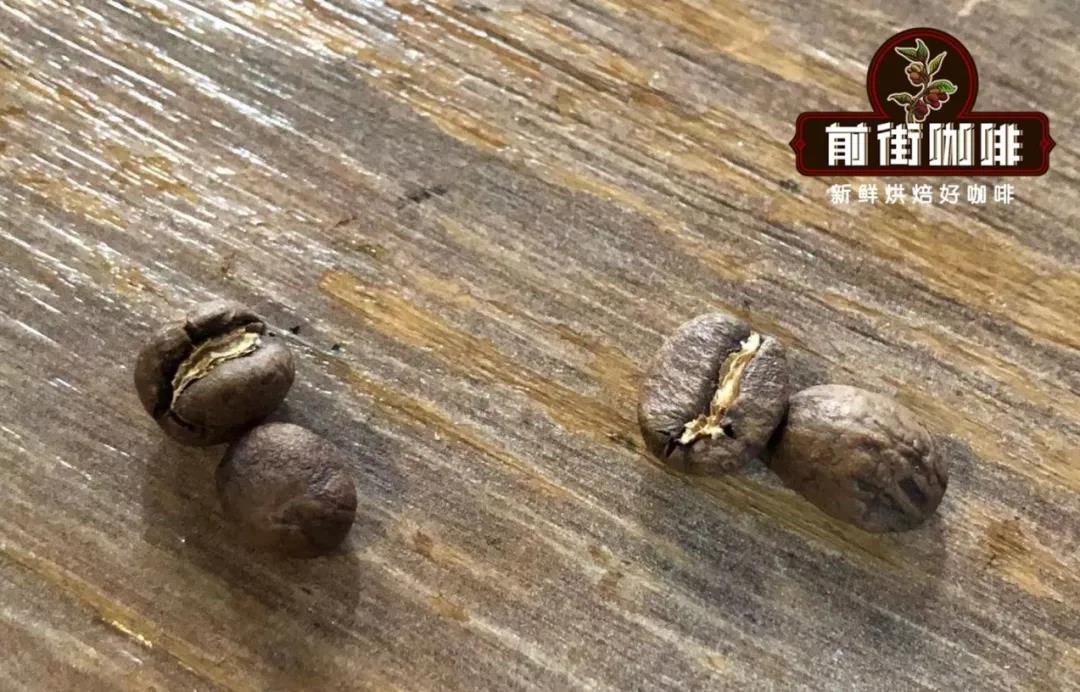
In our common coffee bean shapes, we see one flat side and one curved side - these are what we call flat beans. However, on a coffee tree, there will always grow some cute little ones that are completely round and plump, forming a three-dimensional oval shape - these are what we call peaberries.
The Origin Story: Investigating Peaberry vs Flat Beans
Because of their special appearance, online discussions about the flavor differences between small round beans and flat beans seem to favor peaberries. One particular statement - "one bean absorbs the nutrients of two beans, making it taste better" - caught FrontStreet Coffee's attention. We acquired PB peaberries and AA-grade flat beans from the Sasini Estate to investigate whether this claim holds true.
Kenya Kiambu Sasini Estate
KIAMBU
The Kiambu region is located in central Kenya. This area is traditionally a tea-growing region but contains the highest altitude coffee growing areas within the region. Named after Nakuru town, this area's coffee growing altitude ranges from 1850 to 2200 meters. Coffee production is relatively small, with both estate and smallholder farming models, and coffee has two harvest seasons.

Sasini Estate is located in the Kiambu region at an altitude of 1500 to 2000 meters. The area boasts beautiful scenery and pleasant weather, with abundant sunshine and fertile soil. It features fertile acidic red soil that is loose and deep, ensuring good drainage. The water pH here ranges between 5.5-6.5.
Where Do These Cute Round Beans Come From?
Peaberry
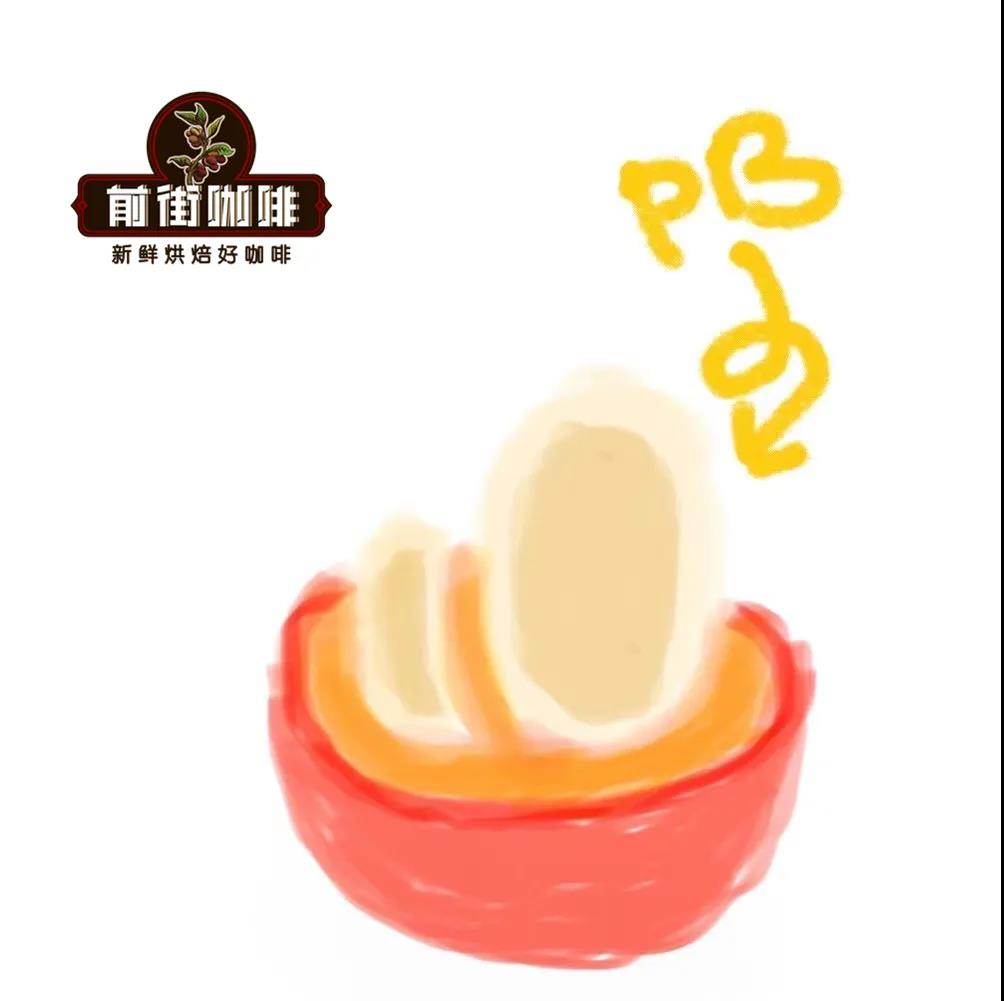
Normally, a coffee cherry contains two coffee seeds divided in half. However, in rare cases, the internal seeds don't divide (these are called peaberries). Because the side that touches is flat, they're called flat beans.
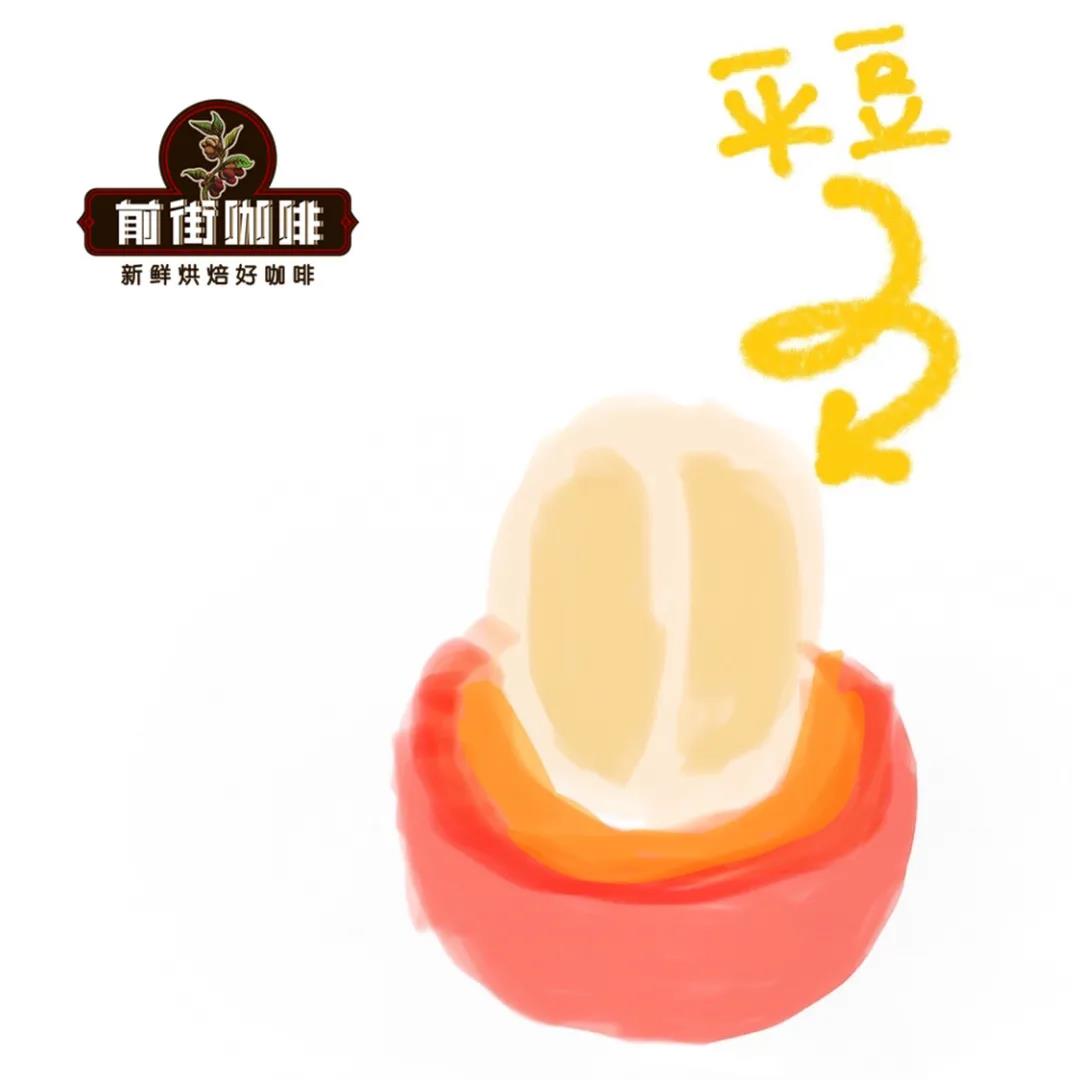
But sometimes, for unknown reasons during growth, only one coffee bean matures while the other develops poorly and remains malformed. The mature one, having sufficient growing space, naturally follows the shape of the coffee fruit's growth, becoming a plump oval shape - hence the name "round bean." Peaberries are less common in production, frequently found on the branches of young coffee trees, accounting for 5-10% of the total tree yield.
Peaberry Grading: A Separate Category
PB
Peaberries are usually classified into a separate grade, which we call PB (Peaberry). Peaberries are typically smaller than flat beans, which is why they're also called small round beans. For peaberry grading, there's a set of screen size standards, generally using screens 8-12 for peaberry classification.
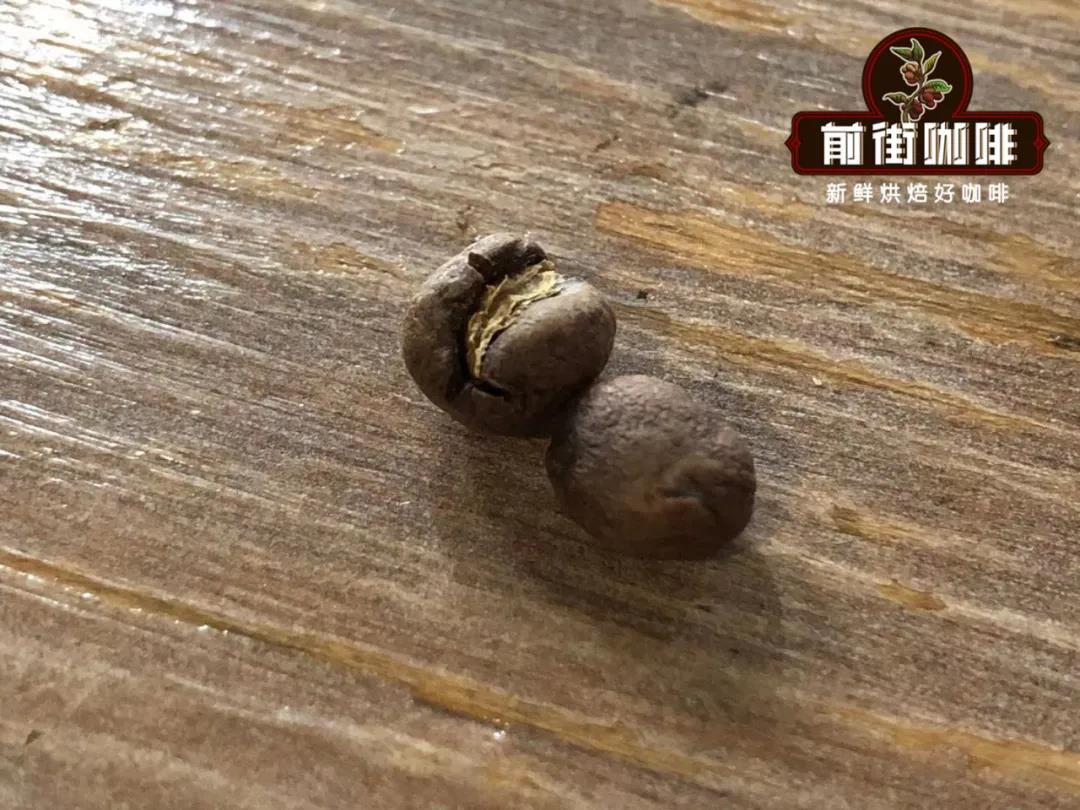
Due to the lower yield of peaberries and the additional labor required for selection during the screening process, labor costs increase, making peaberries relatively more expensive. Do they taste better than flat beans? FrontStreet Coffee will explain this through cupping and brewing.
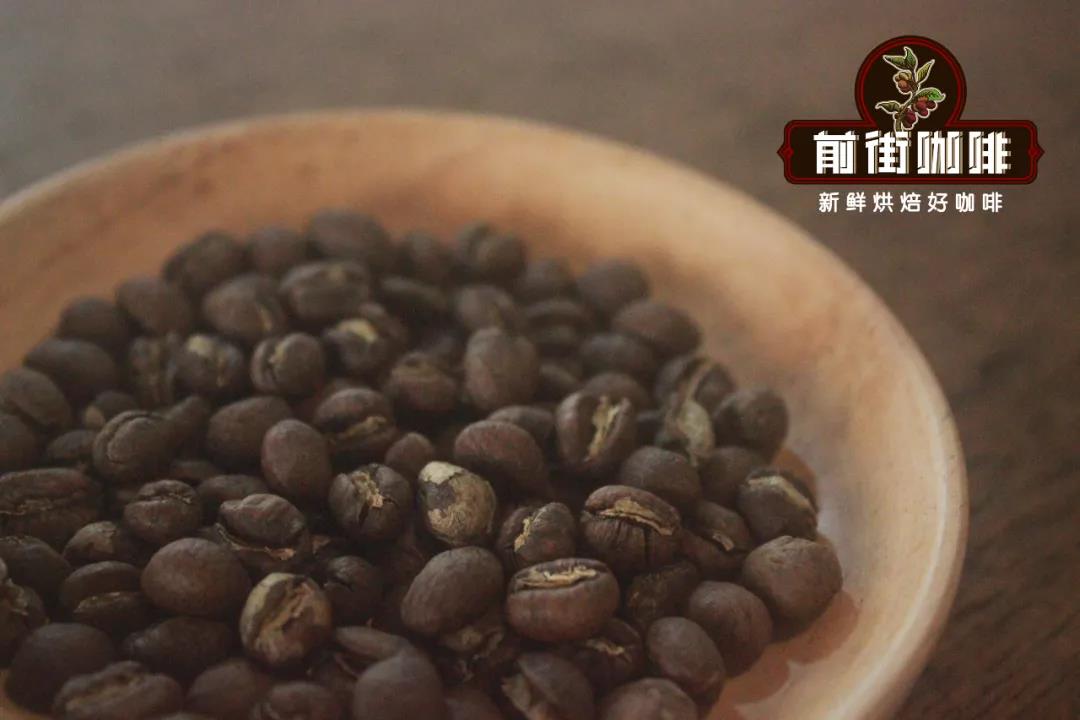
FrontStreet Coffee - Kenya Sasini Estate PB Peaberry
Region: Kenya, Kiambu
Estate: Sasini Estate
Altitude: 1500-2000m
Processing: Washed
What Coffee Variety is This Peaberry?
SL28
According to historical records, senior coffee officials at Scott Laboratories (A.D. Trench) noticed a variety growing in the Modi region of Tanzania that appeared to be tolerant to drought, diseases, and pests. Seeds were collected and brought to Scott Laboratories, where their drought resistance was confirmed.
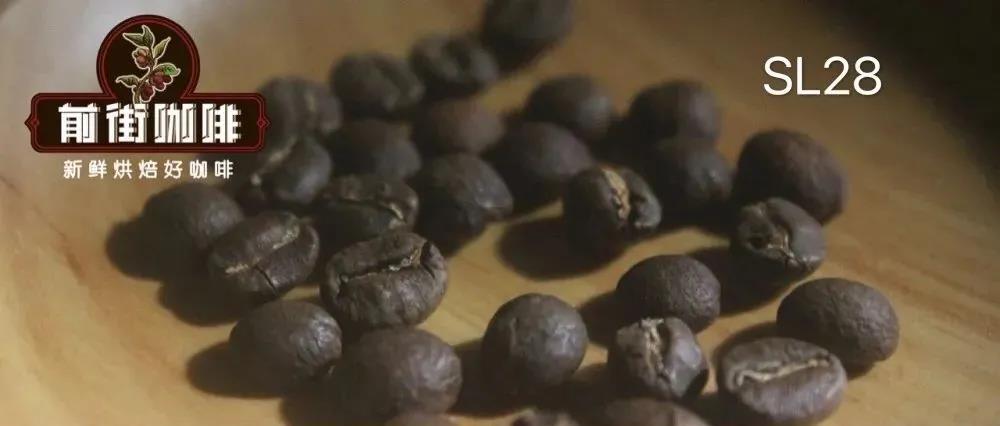
Recent genetic testing has also confirmed that the SL28 variety belongs to the Bourbon genetic group, which is why SL28 coffee beans appear similar to Bourbon varieties - round and full-bodied. Through FrontStreet Coffee's experience with the SL28 variety, its flavor profile exhibits complex and varied acidity with excellent sweetness.

FrontStreet Coffee - Kenya Sasini Estate Washed AA
Region: Kiambu Region, Sasini Estate
Varieties: SL28, SL34
Processing Method: Washed
Altitude: 1650m
Grade: AA
Washed Processing Method
Washed
Both Sasini Estate coffee beans acquired by FrontStreet Coffee use the most traditional fully washed processing method. First, the pulp and fruit skin are removed, allowing fermentation for 12-18 hours. Then the fermented beans are placed in pools and moved back and forth, using the friction of the beans and the power of flowing water to wash the coffee beans until smooth and clean. After washing, the coffee beans are still encased in parchment with 50% moisture content, so they need to be dried to reduce the moisture content to 12-14%.

FrontStreet Coffee Roasting Insights
FrontStreet Coffee observed that the peaberries had vibrant green raw beans with high moisture content and high density. Due to easier rolling in the roaster, peaberries heat more evenly than flat beans. However, this bean's quality and density make heat transfer less efficient. Therefore, FrontStreet Coffee's roaster designed a roast that allows sufficient heat to reach the bean core, extending the dehydration time to better homogenize the coffee during the roasting preparation phase, entering first crack with high heat to express its rich berry flavors and full body.
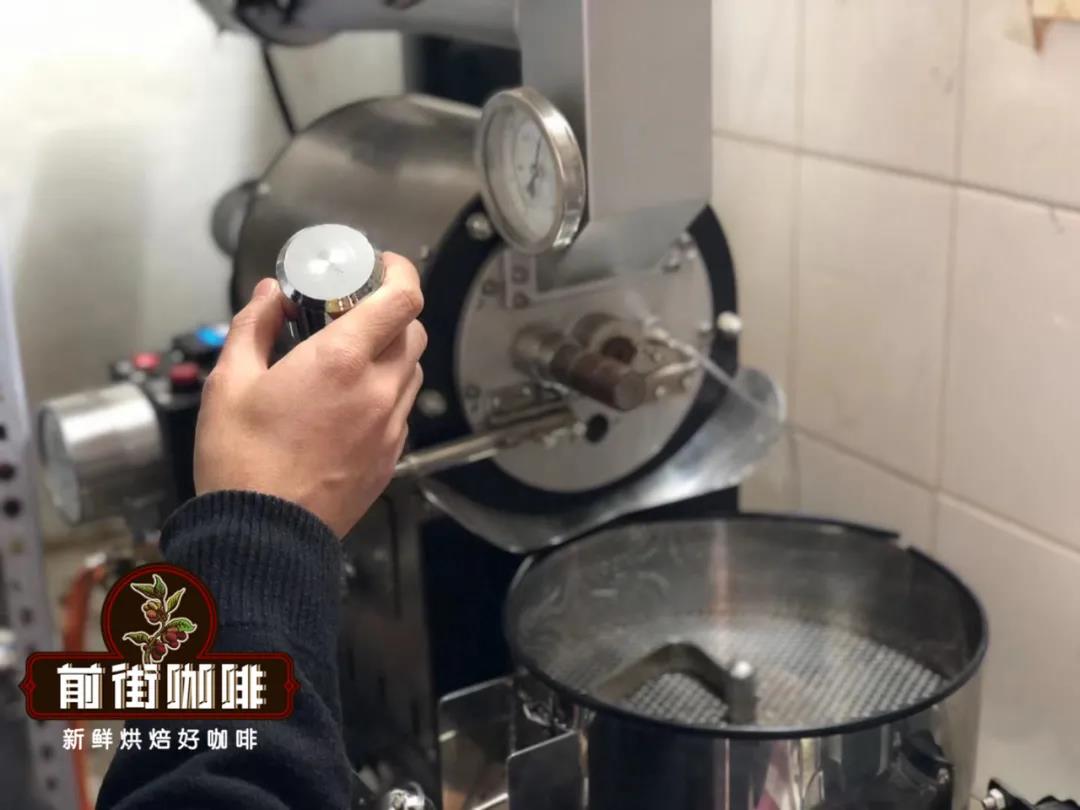
Heat the roaster to 140°C, set the damper to 3, and the heat to 130. Return temperature point: 1'20". Roast to 6'10", temperature 150.6°C, bean surface turns yellow, grassy aroma completely disappears, dehydration complete. Temperature rises to 159°C, damper set to 4. When ugly wrinkles and black spots appear on the bean surface, and toast aroma clearly transitions to coffee aroma, this can be defined as the prelude to first crack. At this point, listen carefully for the sound of first crack. At 9'40" first crack begins, damper unchanged, 177°C heat increased to 160, 186°C heat increased to 170, damper set to 5. First crack development time 2'17", unload at 197°C.
FrontStreet Coffee observed that the AA-grade beans were full and round. To make this bean express the bright and full flavor characteristics of Kenyan regional coffee, FrontStreet Coffee used a medium-light roast for these coffee beans.
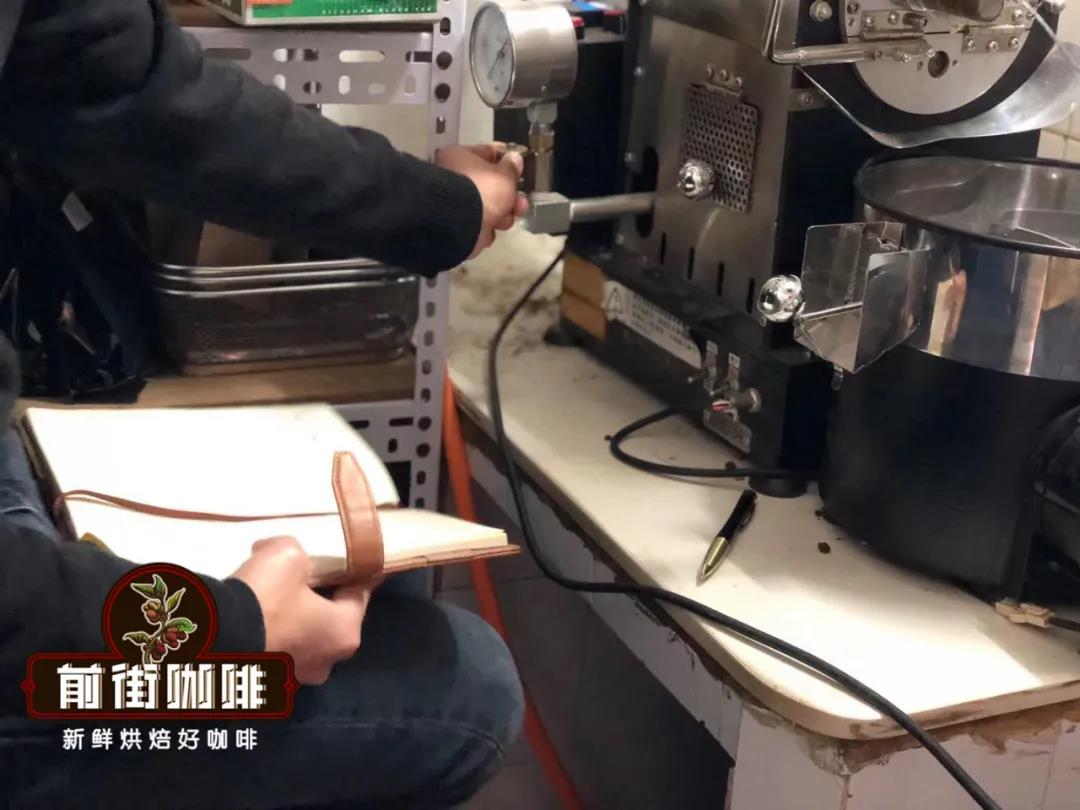
Heat the roaster to 160°C, set the damper to 3, and the heat to 120. Return temperature point: 1'28". Temperature rises to 130°C, damper set to 4. Roast to 6'00", temperature 154.6°C, bean surface turns yellow, grassy aroma completely disappears, dehydration complete. When ugly wrinkles and black spots appear on the bean surface, and toast aroma clearly transitions to coffee aroma, this can be defined as the prelude to first crack. At this point, listen carefully for the sound of first crack. At 9'28" first crack begins, damper unchanged, first crack development time 2'20", unload at 193.8°C.
FrontStreet Coffee Cupping Report
Kenya PB Coffee Bean Cupping Report
Dry Aroma: Berries
Wet Aroma: Caramel
Flavor: Cherry tomato, honey, almond, plum, black plum

Kenya AA Grade Coffee Bean Cupping Report
Dry Aroma: Berries
Wet Aroma: Caramel
Flavor: Cherry tomato, black plum, nuts, honey
FrontStreet Coffee Brewing Insights
FrontStreet Coffee noticed that Kenyan coffee beans extract flavors relatively easily. To avoid the coffee becoming too concentrated and developing astringency after extraction, FrontStreet Coffee suggests grinding slightly finer than coarse sugar. Water injection should be gentle to avoid excessive agitation of the coffee bed, with total extraction time controlled at 2'00".
For this brewing of both beans, FrontStreet Coffee used 15g of coffee grounds with a 1:15 ratio. The grind size had a 75% pass-through rate on a #20 sieve. Water temperature used was 90°C to prevent high temperatures from easily extracting bitter substances and lower temperatures from overly emphasizing the coffee's acidity.

This time, we used segmented brewing. First, inject 30g of water for a 30-second bloom, during which the coffee expanded quite fully. For the second stage, inject 125g of water in small circles at the center. Injection height was 5cm, with gentle force to minimize coffee bed agitation. Wait until the water level drops to 1/2 of the coffee bed before starting the third injection. In this stage, inject water gently from center outward in circles, with water flow approximately 4g/s, until reaching 225g to complete the injection. End extraction when all coffee liquid has dripped from the filter cup, with a time of about 2'00" seconds.

Brewing Flavors:
Peaberry Brewing Flavor: At high temperature, it enters with berry juice sensation, black plum acidity, and honey sweetness. As it cools, it reveals full-bodied tomato juice texture, plum acidity, and almond aftertaste.
AA Bean Brewing Flavor: At high temperature, distinct full-bodied tomato juice texture, black plum acidity, and honey sweetness. As it cools, it brings slight nutty notes, juice-like texture, and bright acidity.
Are Peaberries Really Better Than Flat Beans?
Through FrontStreet Coffee's cupping and brewing, the claim that peaberries taste better than flat beans is not absolute. If anything, they are relatively easier to roast, so there might be differences in flavor clarity - this is merely due to roasting differences. As the saying goes "scarcity makes things precious" - the idea that peaberries taste better is just a psychological suggestion brought by price. But at least from FrontStreet Coffee's comparison results this time: there is not much difference in flavor between peaberries and flat beans.
FrontStreet Coffee Recommendation
If this comparison has you craving Kenyan fruit acidity, FrontStreet Coffee's Kenya Cherry Tomato is an easy pick. A fully washed lot from the Thika region, grown at 1550-1750m on classic SL28 and SL34 varieties, it goes through Kenya's signature 72-hour double washed fermentation and a light roast to keep its lively acidity intact. Expect dried cherry tomato and floral notes in the dry fragrance, bright cherry tomato and black plum flavors with a juicy, fresh-pressed texture, pear and black plum sweetness mid-palate, and a clean finish of yellow sugar and green tea. It matches the Sasini profile in this article almost note for note - if you enjoyed the PB and AA cups here, this one will feel right at home.
Important Notice :
FrontStreet Coffee is a long-established specialty coffee roaster in Guangzhou China, selling freshly roasted beans from its own farm in Yunnan as well as dozens of carefully selected single-origin beans from around the world for both pour-over and espresso. The products deliver consistently excellent quality and great value, with shipping within 24 hours. Guangzhou's FrontStreet Coffee shop is recommended by many coffee lovers, and the beans are now available online at the Tmall 。
FrontStreet Coffee has moved to a new address:
FrontStreet Coffee Address: 315,Donghua East Road,GuangZhou
Tel:020 38364473
 Scan and follow the En Gafei WeChat official account. Please indicate that the reprint comes from "En Gafei".