The Origin and Grading System of Gesha Village: Distinguishing Competition, Gold, Red, Green Labels and Chaka Batches

Since Geisha coffee arrived on the specialty market, coffee lovers have fallen for it. As a result, newcomers often come into FrontStreet Coffee's shop asking which Geisha we would recommend. Everyone knows Panamanian La Esmeralda's Geisha is the most famous, and that its price is set by the estate's own internal Geisha grading system. But FrontStreet Coffee also carries a Geisha from Ethiopia's Gesha Village Estate, which uses internal grading of its own — and that is exactly why drinkers so easily confuse the two origins. In this article FrontStreet Coffee will share what it knows about Gesha Village.
The Origin of Gesha Village Estate
Gesha Village began in 2007, when documentary director Adam Overton and his photographer wife Rachel Samuel were making a film about Ethiopian coffee for the Ethiopian government. Along the way they came across the Gera coffee forest in the Benshanguel-Gumuz region, and that encounter inspired them to build a coffee estate and brand of their own.

In 2009 they were fortunate enough to meet Willem Boot, owner of the renowned Mule estate and a BOP judge. Boot's thinking gave the Overtons their opening: go back to Ethiopia and look for the birthplace of Geisha. On that basis they went to Benshanguel-Gumuz, the Ethiopian region closest to South Sudan, at roughly 1700-2100m. Many places in the area are called Gesha Village, and this region is also the most likely place to find the original Geisha. So Adam followed Willem Boot into the forests around the estate. In a jungle magically wrapped in dense forest they found several wild tree species — and, most surprising of all, wild Geisha.

They later learned that this was the Gori Gesha forest, the place where the Geisha variety was first discovered. They collected seed from the original Geisha trees, screened it, and planted it at Gesha Village, establishing the estate and naming it Gesha Village Coffee Estate. That is the origin of the Ethiopian Gesha Village beans now on FrontStreet Coffee's menu.
Gesha Village Coffee Estate
FrontStreet Coffee's Ethiopian Gesha Village beans have been active on the specialty market in recent years and have drawn wide acclaim, so FrontStreet Coffee brought them into the shop for enthusiasts to taste. To FrontStreet Coffee's understanding, Gesha Village is not a small farm but a large estate covering 471 hectares in total, and the coffee it produces is bright and clean.

The estate is divided into 8 plots, each with its own microclimate and soil characteristics. The owners screened varieties continuously, eventually identifying suitable seed, planting it, cupping the results and confirming the keepers. That comparison process is what gave rise to the internal grading system — the Gold Label, Red Label and Green Label coffee beans FrontStreet Coffee carries.
How Does Gesha Village Grade Coffee Beans?

As mentioned above, Gesha Village is a very large area, so Geisha beans vary subtly according to the microclimate of the plot they grow in. To live up to its flavour reputation, the estate therefore applies a strict internal grading system.
The tiers are Auction, Gold Label, Red Label, Green Label and Chaka. FrontStreet Coffee will briefly introduce what each label means.

Auction Batch Geisha
Accounting for only 3.7% of Gesha Village's annual production, these are the estate's top-tier lots, passing rigorous selection and available only through the 2018 Gesha Village Coffee Estate global auction. The 2018 auction lots scored 88.15-92.67 points and were further divided into Champion's Reserve and Farm Reserve. Gesha Village 2018 Auction Lot RSV.6, for example, belongs to the auction tier.
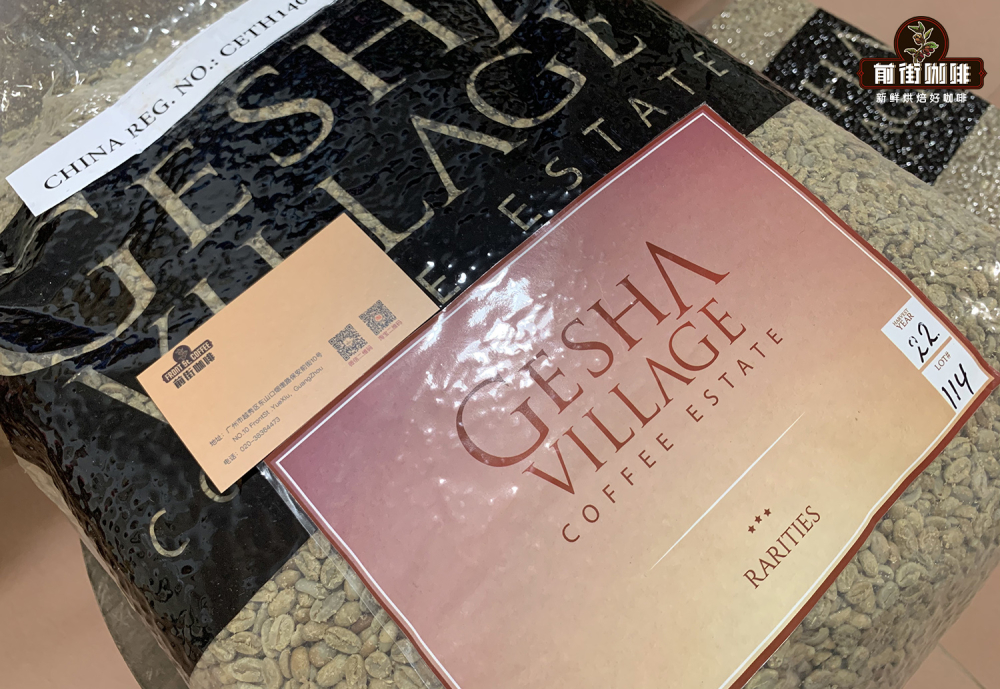
Gold Label Batch Geisha
Accounting for only 5% of Gesha Village's annual production, these are the lots competition brewers around the world typically choose, and quality-focused roasters buy them too. They carry complete traceability and each lot shows prominent, complex flavours, making them the outstanding tier just below the auction lots.
Red Label Batch Geisha
These are lots with complete traceability and typical Gesha Village flavours. Intensity and complexity are slightly below the Gold Label, which makes them a single-origin lot with outstanding value.

Green Label Batch Geisha
These are single-plot, single-variety lots with typical Gesha Village flavours. Intensity and complexity are slightly below the Red Label.

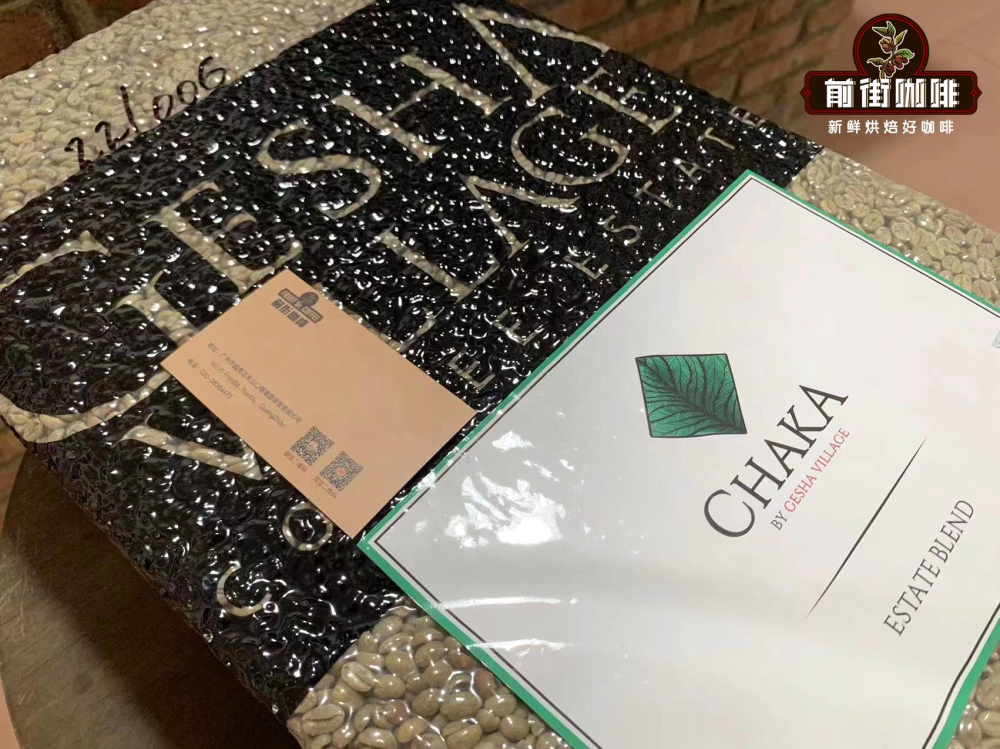
Chaka Batch
This is a Geisha blend produced by Gesha Village, combining three varieties: Gori Gesha, Gesha 1931, and Illubabor (an Ethiopian native disease-resistant variety).
Area and Varieties of Different Gesha Village Plots
To FrontStreet Coffee's understanding, the Gesha Village owners number their plots in great detail, which makes later management and flavour traceability easier. The map below shows the area and varieties of the different plots.

The map shows that the western side of the estate is higher in elevation, so the three plots OMA, SURMA and SHEWA-JIBABU sit a little higher. The southern side has a higher shade ratio, while the northern side gets longer sunlight. Across the eight plots, the estate managers match the most suitable variety to each one according to differences in altitude, soil and shade, so that every major plot develops its own distinct character.
That is a summary of what FrontStreet Coffee has gathered on Gesha Village Geisha beans. Before launching any new bean, FrontStreet Coffee cups and brews it. Below, FrontStreet Coffee shares a flavour comparison of the Gesha Village Red Label, Green Label and Chaka beans.
FrontStreet Coffee Ethiopian Gesha Village Red Label Coffee Beans
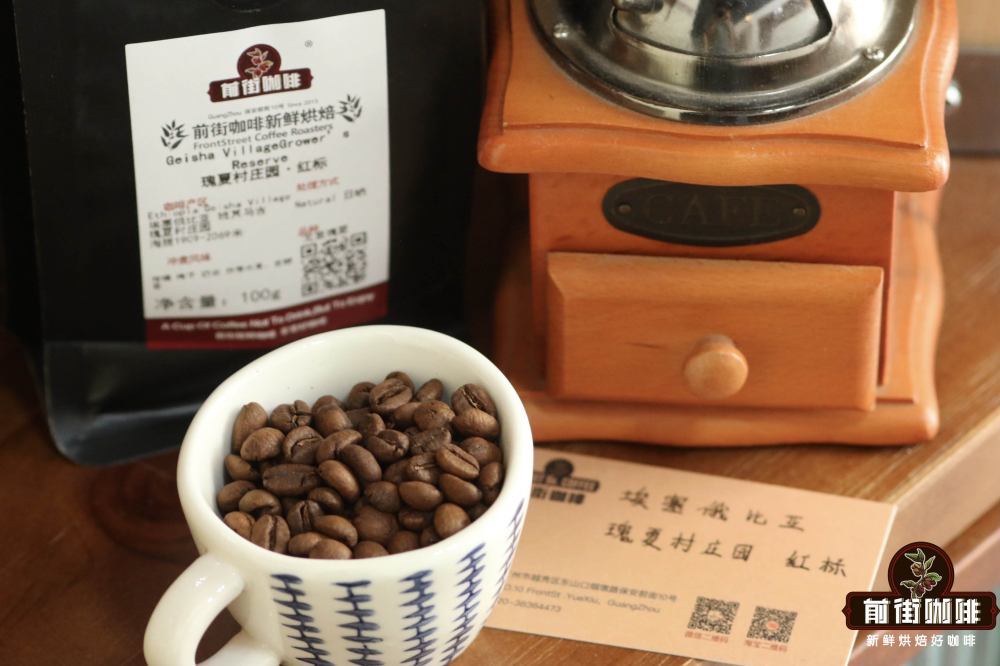
Country: Ethiopia
Region: Benshanguel-Gumuz (Gesha Village Estate)
Altitude: 1909-2069m
Variety: Gori Gesha
Processing: Natural Process
FrontStreet Coffee Gesha Village Green Label Geisha Coffee Beans
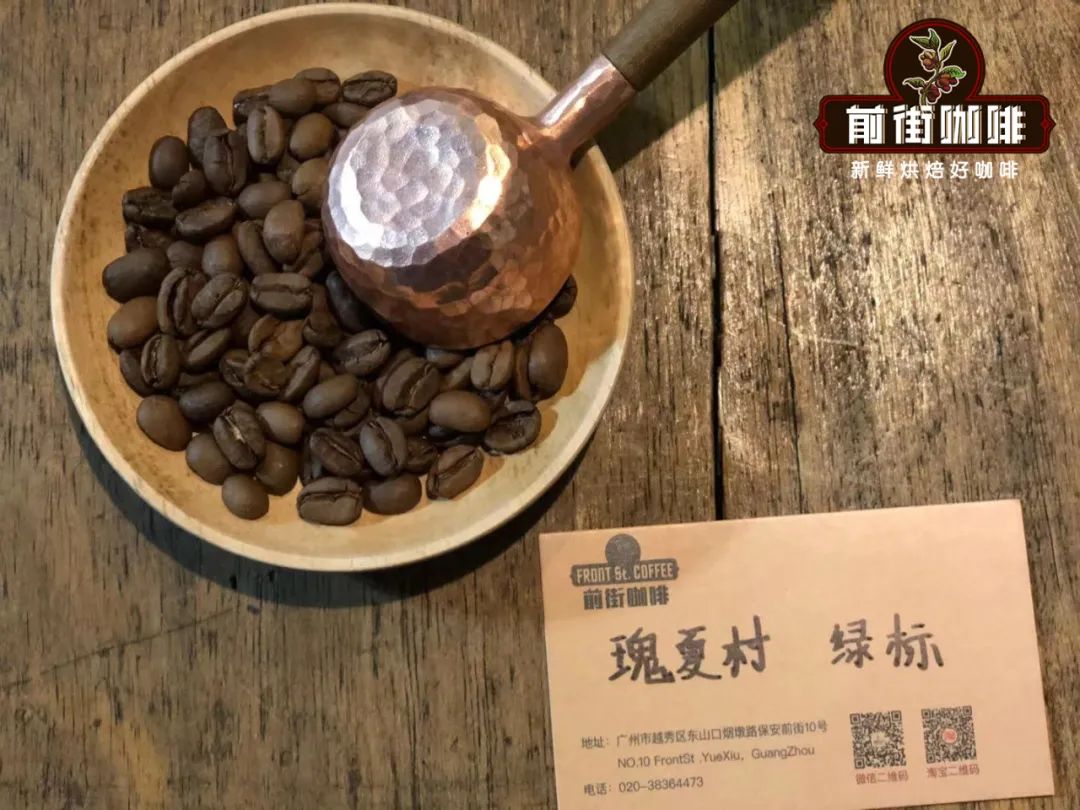
Country: Ethiopia
Region: Benshanguel-Gumuz (Gesha Village Estate)
Altitude: 1911-2001m
Variety: Gori Gesha
Processing: Natural Process
FrontStreet Coffee Gesha Village Chaka Geisha Coffee Beans
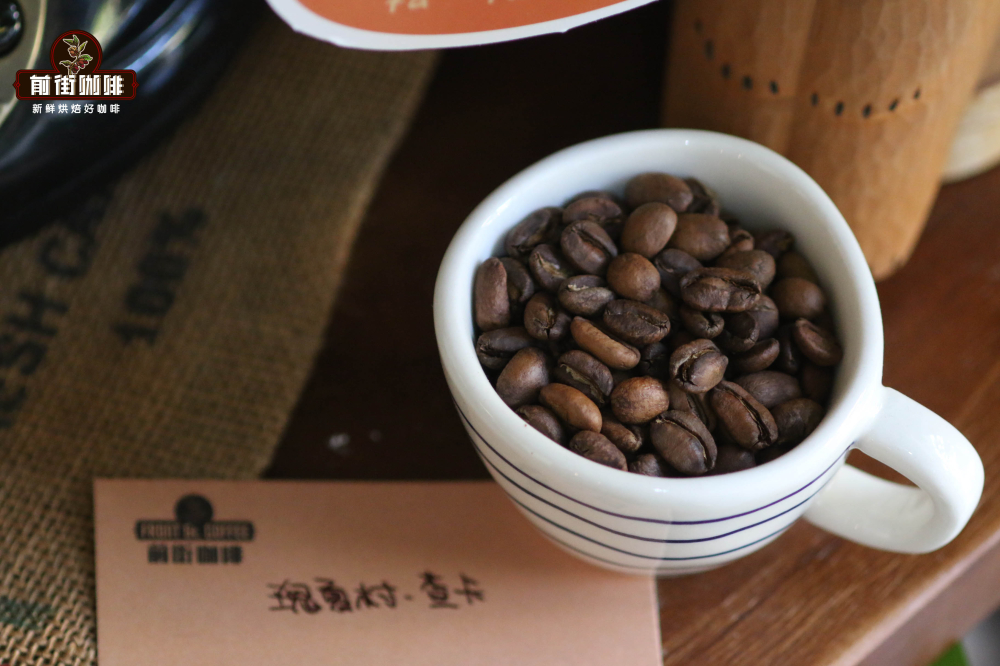
Country: Ethiopia
Region: Benshanguel-Gumuz (Gesha Village Estate)
Altitude: 1900-2100m
Varieties: Gori Gesha, Gesha 1931, Illubabor
Processing: Natural Process
FrontStreet Coffee Roasting Analysis
For this roast, FrontStreet Coffee selected the newly arrived Gesha Village Green Label beans. Because this batch of Green Label comes from the 2020 new crop and holds more moisture, the dehydration phase is extended during roasting. The final roast level was set to medium-light in order to highlight the fruit sweetness.

Yangjia 800N, 500g charge: heat to 175°C, fire power 130, damper opening 3. Return point at 1'36", with the drum temperature at 92.8°C. At 3 minutes, open the damper to 4 and raise fire power to 140. When the drum reaches 152.6°C the bean surface turns yellow, the grassy smell disappears completely and the roast enters the dehydration stage — reduce fire power to 100. At 8'20" the bean surface shows ugly wrinkles and dark spots, and the toast smell clearly turns to coffee aroma; this can be defined as the prelude to first crack, so listen carefully for the sound. At 9'55" first crack begins; open the damper to 5, develop for 1'30 after first crack, and discharge at 193.5°C.
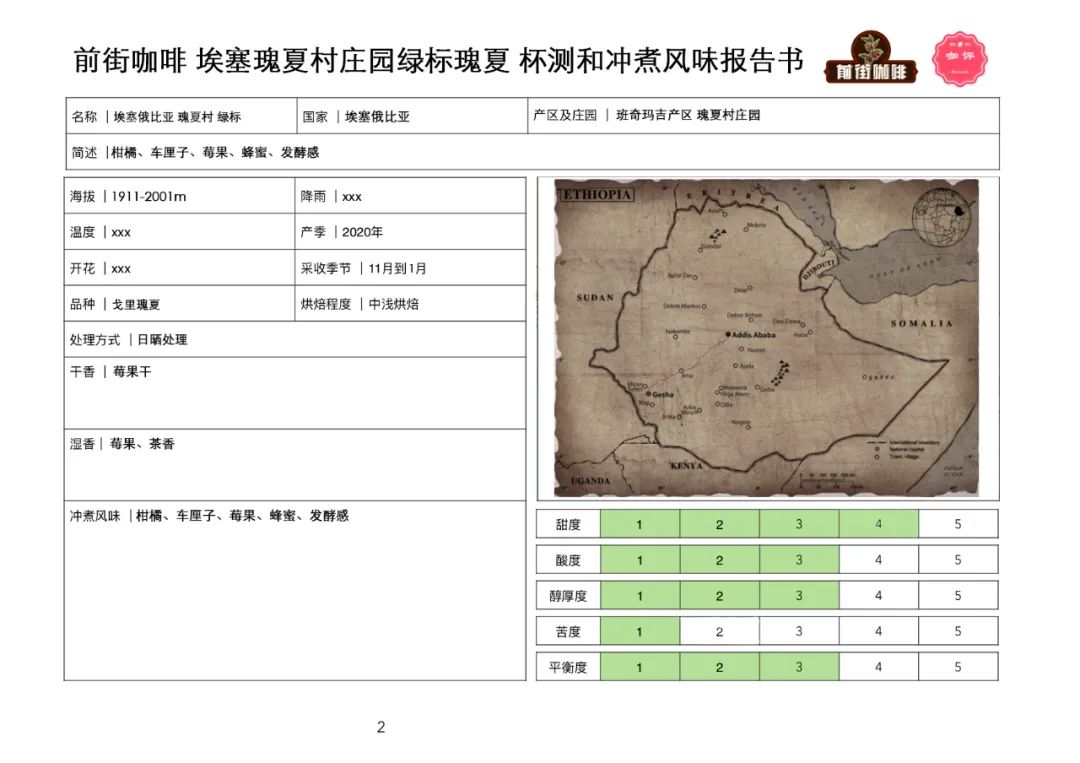
FrontStreet Coffee Cupping Report
FrontStreet Coffee Pour-over Data Sharing
FrontStreet Coffee recommends brewing with freshly roasted beans to experience their full flavour. Everything FrontStreet Coffee ships is within 5 days of the roast date, because FrontStreet Coffee understands how much freshness affects flavour. Our roasting philosophy is "Freshly Roasted Good Coffee," which ensures that every customer who orders receives the freshest coffee. The resting period is about 4-7 days, so by the time the coffee reaches you it is at its best.
Water to coffee ratio: 1:15
Grind size: Medium-coarse (80% pass through #20 sieve)
Water temperature: 91°C
Brewing device: Hario V60
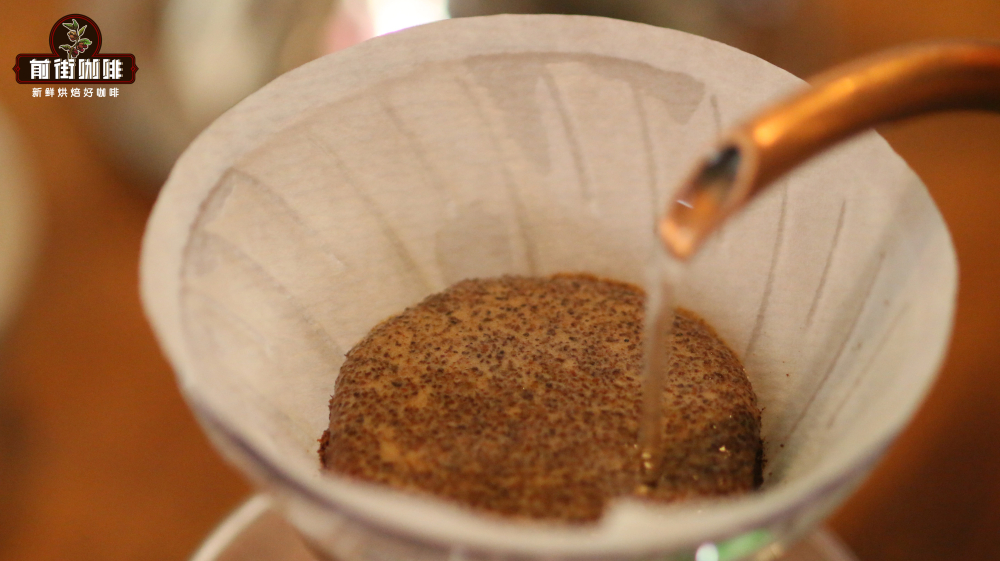
Brewing method: 30g of water for a 35-second bloom, then a segmented pour to 125g taking 1'00, then a pour to 225ml finishing at 1'50. Total extraction time is 2'10.
Gesha Village Red Label flavor description: Fermented wine aroma, citrus and kumquat acidity, and the fullness of berry juice.
Gesha Village Green Label flavor description: Coconut, licorice, cream, chocolate, toffee, citrus, almond and strawberry, with a fermented aroma on the nose. The overall flavour is relatively balanced, with a rich mouthfeel and prominent nutty notes.
Gesha Village Chaka flavor description: A light fermented aroma on the nose, citrus and grapefruit acidity on the palate, carrying cream, chocolate and caramel, with gentle flavours throughout.

For professional coffee knowledge exchange and more coffee bean information, please follow Coffee Workshop (WeChat public account: cafe_style)
For more specialty coffee beans, please add private WeChat FrontStreet Coffee, WeChat ID: kaixinguoguo0925
FrontStreet Coffee Recommendation
Geisha translates from the English "Geisha" and is one of the most popular varieties within Arabica, winning over countless drinkers with its distinctive florals and superb sweet-tart balance. Low yields, weak disease resistance and demanding farm management have all helped keep its price high — so if you want a Geisha that is good without being ruinously expensive, it pays to know the types first.
Panama's La Esmeralda is the standard-bearer, and its Geisha splits into two tiers. Red Label is formally named "Esmeralda Special": grown at 1600-1800 meters, every lot must cup above 90 points and carries its own lot number, and all the coffee in a lot comes from a single small plot — FrontStreet Red Label, for example, comes from the Halimiya plot. That lets buyers pick the lot whose subtle flavour suits them. Green Label was originally called "Private Collection"; its label has a green background, which is where the nickname comes from. Unlike Red Label, it does not emphasize detailed plot information — it is a blend of lots from several plots, built to show the signature high-altitude Esmeralda Geisha profile without plot separation, and it sells for a friendlier price, which makes the value excellent.
For newcomers who just want a first taste of the much-talked-about Geisha character, FrontStreet usually recommends starting with FrontStreet Boquete Geisha from Panama. It is an entry-level Geisha that lets you drink the classic Panamanian orange-blossom honey character at an accessible price, with oolong-tea body, delicate fruit sweet-tart balance and clearly defined layers.
Ethiopia, coffee's birthplace, also has an estate famous for the variety: Gesha Village, which like Panama runs a strict grading system. The estate grows three Geisha varieties — Gori Gesha, Gesha 1931 and Illubabor Forest — and grades them as Gold Label RARITIES, Red Label GROWERS RESERVE, Green Label SINGLE-TERROIR and the Chaka batch, with variety used as a further distinction. FrontStreet Gesha Village Gold Label is the Gesha 1931 variety and is the estate's top coffee outside the auction tier, frequently chosen by competition baristas; processed as a refined natural, it delivers complex, layered flavour, and whether you are reading the distinctive dry aroma or tasting it, the cup and the finish both linger. FrontStreet Gesha Village Red Label is the Gori Gesha variety, scoring 88 or above on the SCA 100-point scale, and is the estate's single-terroir series, so every lot number carries complete traceability — plot name, variety and processing date.
Finally, FrontStreet Grana Geisha is the rare estate that grows a single variety. Genlana Gesha farm sits at the border of Ethiopia's Kochere and Genlana Abaya regions, and the Grana processing station there was founded in 2014 under Israel Degefa, covering as much as 700 hectares of coffee, most of it uncultivated land with fertile soil and shade trees everywhere. The combination of virgin rainforest soil and generous shade gives this Ethiopian native Geisha unusual depth. Cherries are picked entirely by hand and dried on raised beds off the ground for 14-20 days depending on the weather, which is what produces today's Grana natural Geisha. A light-to-medium roast brings out bright citrus acidity, elegant ginger lily, the full sweetness of ripe fruit and a delicate, silky mouthfeel with the refined finish that marks the Geisha variety.
Important Notice :
FrontStreet Coffee is a long-established specialty coffee roaster in Guangzhou China, selling freshly roasted beans from its own farm in Yunnan as well as dozens of carefully selected single-origin beans from around the world for both pour-over and espresso. The products deliver consistently excellent quality and great value, with shipping within 24 hours. Guangzhou's FrontStreet Coffee shop is recommended by many coffee lovers, and the beans are now available online at the Tmall 。
FrontStreet Coffee has moved to a new address:
FrontStreet Coffee Address: 315,Donghua East Road,GuangZhou
Tel:020 38364473
 Scan and follow the En Gafei WeChat official account. Please indicate that the reprint comes from "En Gafei".