What are the Flavor Characteristics of Geisha Coffee from Ethiopia's Geisha Village Estate? What is Gold Label Geisha Coffee?
Geisha coffee is most famous from Panama, while Costa Rica's Geisha, right next door, keeps a charm of its own. In fact, the variety can be traced across the ocean to Ethiopia, the birthplace of ancient Arabica coffee. FrontStreet Coffee has also tested Geisha from Ethiopia's Gesha Village, and this article asks how the African Geisha differs from its American counterparts.

FrontStreet Coffee Ethiopia Gesha Village Gold Label Geisha
Region: Banchi Maji Zone, Ethiopia
Estate: Gesha Village Coffee Estate, Oma Block
Altitude: 1,900-2,040 meters
Variety: Gesha 1931
Processing: Natural Process
The Legendary Story of Gesha Village
In 2007, documentary director Adam Overton and his photographer wife Rachel Samuel were filming a documentary about Ethiopian coffee for the government when they came across the Gera coffee forest in the Banchi Maji region. During that work, they began to imagine establishing their own coffee estate and brand.

In 2009, they had the good fortune to meet Willem Boot, a renowned estate owner and BOP judge. His ideas gave the Overtons an opening: return to Ethiopia and find the birthplace of Geisha.
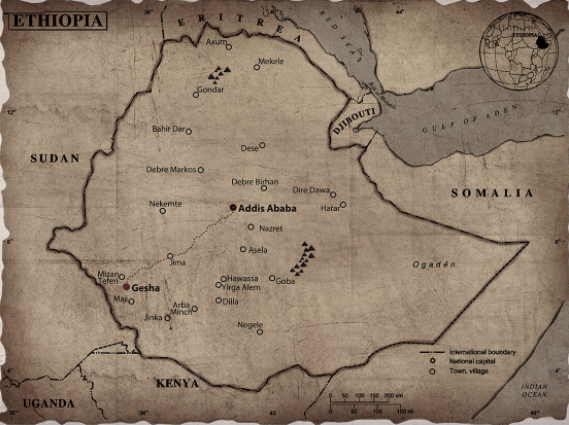
Eventually they reached Banchi Maji, an area of southwestern Ethiopia near South Sudan where many places carry the name Gesha village and which is the most likely region for finding the original Geisha.
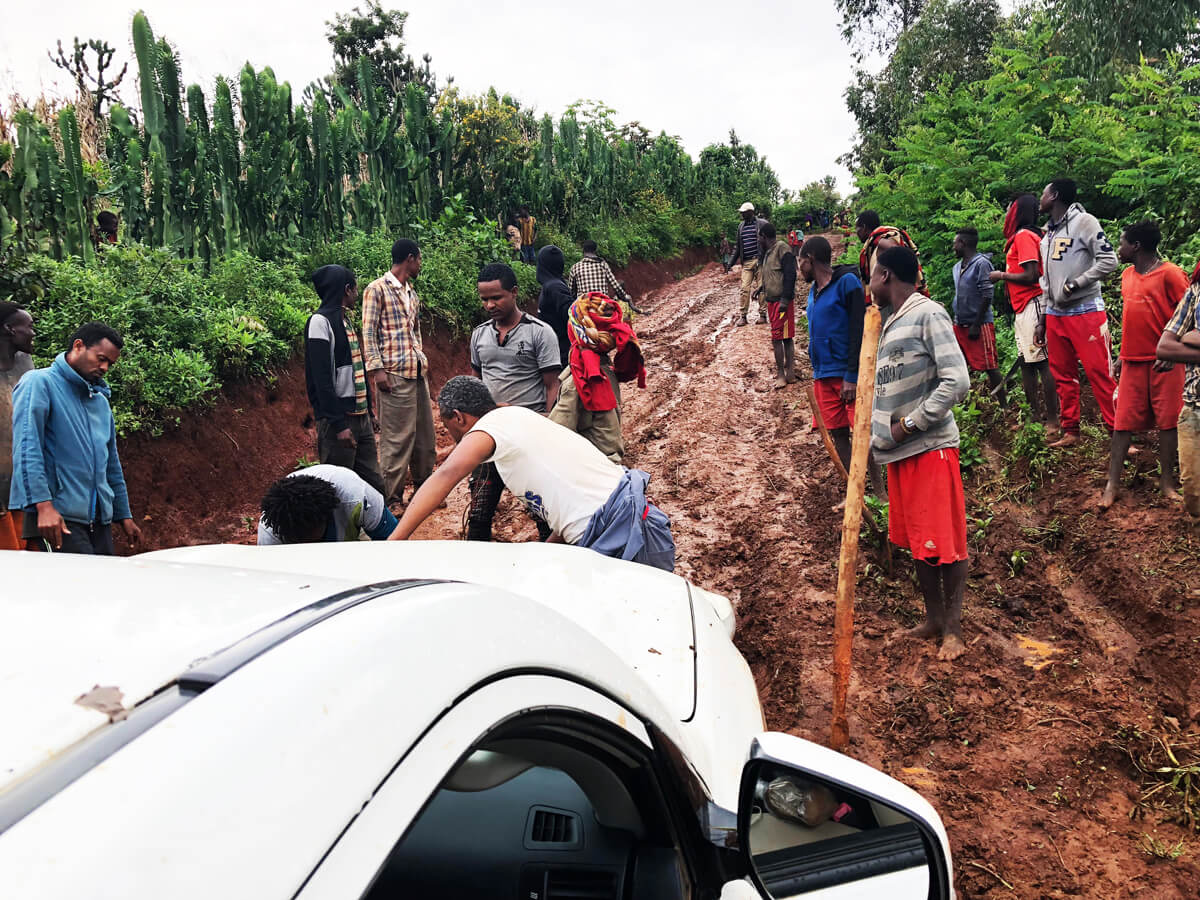
Adam joined Willem Boot on an "adventure" through the forests surrounding the estate. In jungle magically wrapped in dense forest, they found multiple wild tree species, and, to their greatest surprise, wild Geisha.
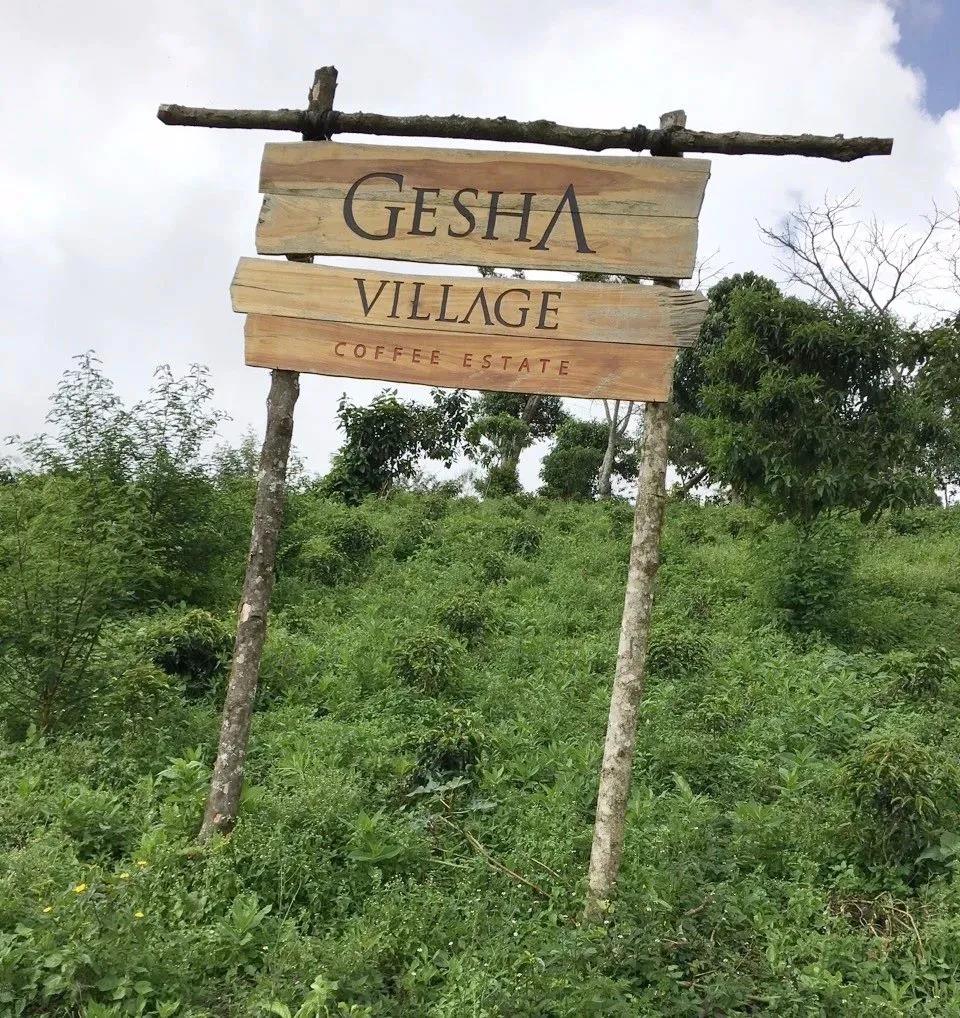
They later learned that this was the Gori Gesha forest, the place where the Geisha variety was first discovered. They collected seeds from the native Geisha trees, screened them, and planted them in Gesha Village. They decided to establish the estate here and named it Gesha Village Coffee Estate, a 475-hectare coffee farm located about 12 miles from the Gori Gesha forest.
Unlike most Ethiopian farms, Gesha Village is not a small holding but a large 500-hectare estate with its own washing station and laboratory. The entire farm grows only Geisha varieties, rather than the typical Ethiopian native varieties where the specific variety cannot be determined.
Coffee Varieties at Gesha Village
Gesha Village has three varieties, named after the expedition teams that discovered the coffee: Gesha 1931, Gori Gesha, and Illubabor (provided by the Ethiopian Coffee Research Center).

Gesha 1931 was confirmed by observing plant morphology, bean shape and size, and cup quality. It is the closest to the mother plant of Panama Geisha. The Gori Gesha variety was collected by the Gesha Village owner in 2011 through their own expedition from the Gori Gesha wild coffee forest, 20 kilometers from the current Gesha Village farm, and no duplicate samples have been found elsewhere.
Gold Label Geisha Coffee
Gesha Village uses a product-line structure similar to Hacienda La Esmeralda, divided into RARITIES (Gold Label), GROWERS RESERVE (Red Label), SINGLE-TERROIR (Green Label), and CHAKA.
The official name of the Gold Label Geisha is RARITIES. The Gold Label accounts for only 10% of Gesha Village's annual production and can almost be considered on par with competition batches. Competitors from around the world typically choose these lots; at the 2018 WBC World Championships in the Netherlands, for example, the Australian and Japanese champions both selected Gold Label batches for their routines. Roasters with high quality requirements buy them as well. Each batch has complete traceability, prominent flavors, and high complexity, making them the second-highest grade at the estate, just below the competition batches.
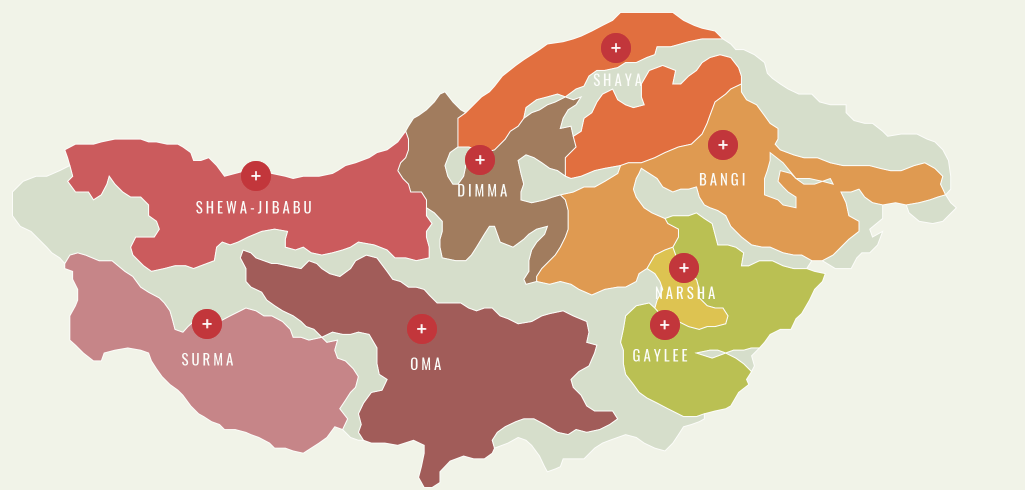
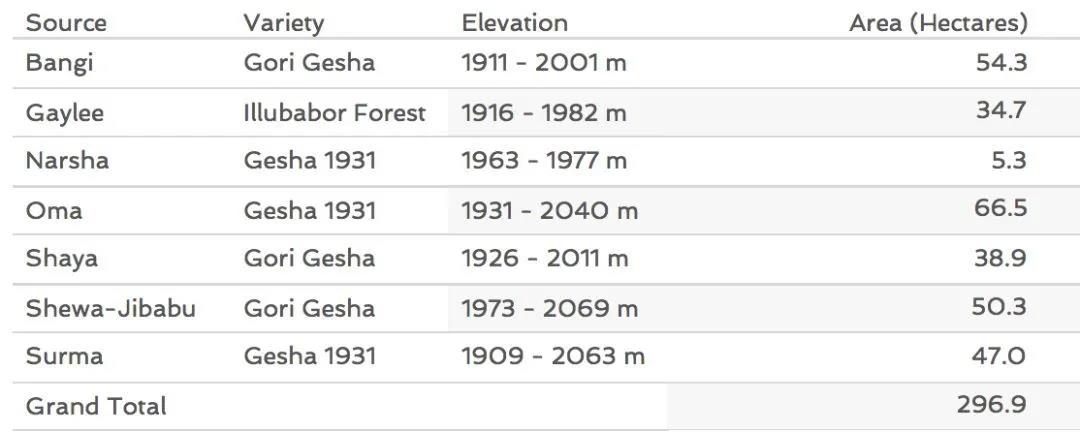
Gesha Village is divided into strict plots, with different coffee varieties planted in each area. This Gold Label Geisha comes from the Oma block, located in the south-central part of Gesha Village. The planted variety is Gesha 1931, the coffee variety genetically closest to Panama Geisha.
Estate's Meticulous Natural Processing
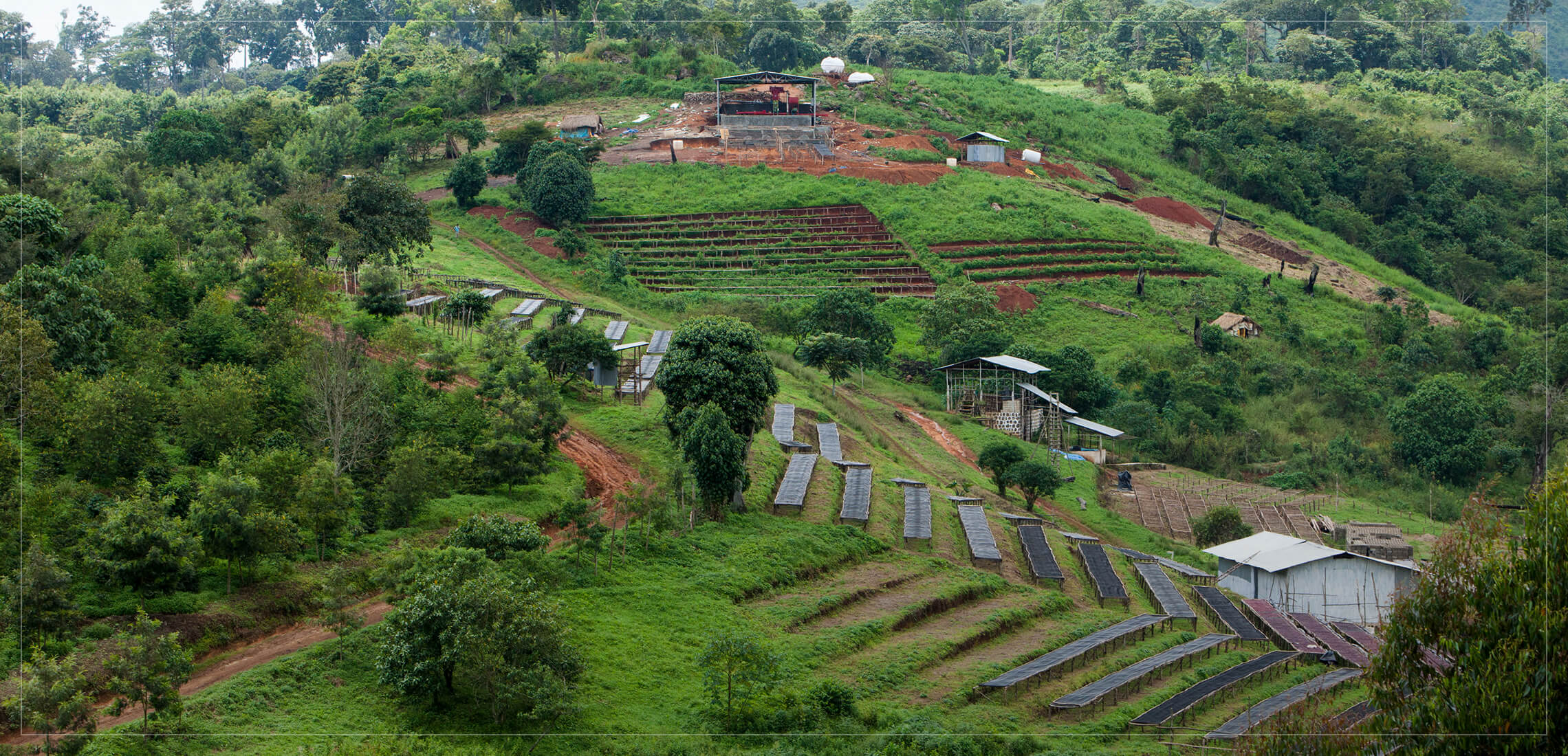
FrontStreet Coffee's Gesha Village coffee uses natural processing. First, floating matter and impurities are removed, then the cherries are sun-dried on African raised beds in thin layers under plastic covers. During drying, further screening picks out insect-damaged beans and green-colored beans. Total drying time is 18-30 days. FrontStreet Coffee believes naturally processed coffee has obvious sweetness, soft acidity, and complex fruit flavors.
FrontStreet Coffee Roasting Analysis
Because this lot comes from the 2020 new-harvest season with higher moisture content, the dehydration stage is extended during roasting. The final roast level was set to medium-light to highlight the fruit sweetness.
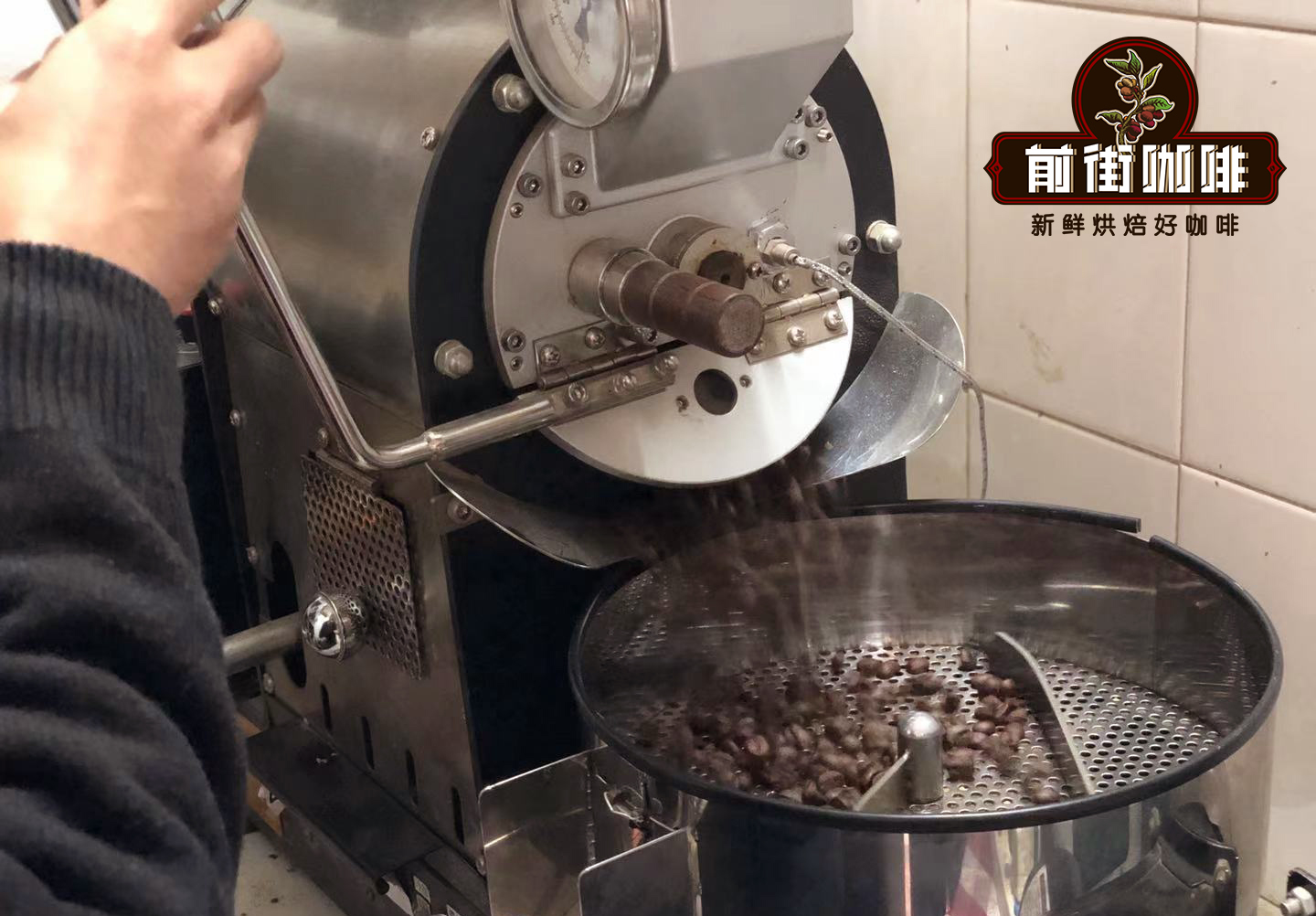
On a Yangjia 800N at a 500g batch size: preheat the roaster to 175°C, heat at 130, damper at 3; return temperature at 1'36", when the drum temperature reaches 92.8°C, open the damper to 4 at 3 minutes and raise heat to 140; when the drum temperature reaches 152.6°C (6'26"), the bean surface turns yellow and the grassy smell disappears completely, entering the dehydration phase, so reduce heat to 100; at 8'20", ugly wrinkles and black spots appear on the surface and the toast aroma clearly shifts to coffee aroma, which marks the prelude to first crack. Listen closely for first crack, which begins at 9'55"; open the damper to 5, develop 1'30" after first crack, and discharge at 193.5°C.
FrontStreet Coffee Cupping Report
Brewing Parameters:
Coffee Dose: 15 grams
Coffee-to-Water Ratio: 1:15
Grind Size: Fine grind for pour-over (78% pass-through on a #20 standard sieve)
Water Temperature: 90°C
FrontStreet Brewing Method: First wet the filter paper and preheat the dripper and server. Use 30g of water for a 30-second bloom, then pour in small circles to 125g for the first stage. When the water level drops and the coffee bed is about to be exposed, continue pouring in circles to 225g and stop. Wait until the water level drops and the bed is about to show, then remove the dripper. (Timing starts from the bloom.) Extraction time is exactly 2 minutes.

Brewing Flavors: Rich jasmine aroma. Flavors of peach, apricot, candied fruit, melon, and honey citrus, combined with honey sweetness.
FrontStreet Coffee Recommendation
To taste this exact Gold Label Geisha from the Oma block, FrontStreet Coffee's Ethiopia Gesha Village Gold Label Geisha is the bottle to look for: a Gesha 1931 grown at 1,900-2,040 meters and naturally processed for 18-30 days on raised beds. Brewed as a pour-over at 1:15 and 90°C, it opens with a rich jasmine aroma and layers of peach, apricot, candied fruit, melon, and honey citrus over a honeyed sweetness. If you want to compare the American side of the family, FrontStreet Coffee's Panama Emerald Red Label Geisha grows at 1,600-1,800 meters and cups above 90 points, showing the elegant jasmine, citrus, and bergamot that made Panama famous. Try them side by side to see how the same variety expresses two continents.
Important Notice :
FrontStreet Coffee is a long-established specialty coffee roaster in Guangzhou China, selling freshly roasted beans from its own farm in Yunnan as well as dozens of carefully selected single-origin beans from around the world for both pour-over and espresso. The products deliver consistently excellent quality and great value, with shipping within 24 hours. Guangzhou's FrontStreet Coffee shop is recommended by many coffee lovers, and the beans are now available online at the Tmall 。
FrontStreet Coffee has moved to a new address:
FrontStreet Coffee Address: 315,Donghua East Road,GuangZhou
Tel:020 38364473
 Scan and follow the En Gafei WeChat official account. Please indicate that the reprint comes from "En Gafei".