What are the sub-varieties of Typica coffee beans? Characteristics and origin story of Typica variety coffee beans
Introduction to Typica: The Treasure of Fine Coffee

Typica can fairly be called the treasure of global specialty coffee. It is one of the oldest Arabica varieties. Nearly every Arabica variety grown today descends from Typica, and those descendants inherit its excellent flavour genes.
FrontStreet Coffee's original mission is to taste beans from around the world, to understand every variety, every region, and every processing flavour, to compare them, and to build a visual database. FrontStreet Coffee hopes that every coffee enthusiast can gain a deeper understanding of the coffee world and explore it together with us. Today FrontStreet Coffee's physical stores and online Tmall store display more than 30 different coffee varieties, each with its own character. Here, FrontStreet Coffee has selected several representative Typica coffees to share.

Typica Variety
Typica's flavour is elegant, but the plant itself is weak and has low disease resistance, making it susceptible to leaf rust. Yields are low, which makes it hard to farm economically. In recent years Typica in Central and South America has gradually been replaced by Catuai and Catimor, so it is becoming rarer and rarer. Though refined in the cup, it is not as popular as Bourbon. Typica beans are larger, shaped as pointed cones or slender points, unlike the round beans of Bourbon. Typica coffee has a uniquely clean and elegant flavour, balanced character, and high clarity in the cup.
Planting History of Typica
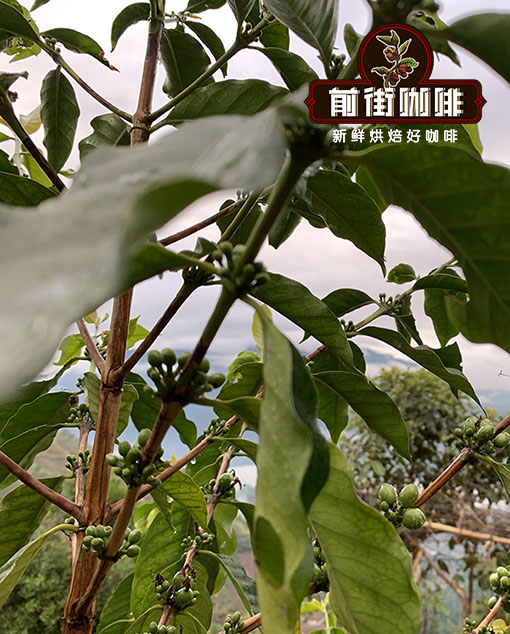
The earliest commercial cultivation of Typica grew out of the Dutch passion for coffee. While Europe was still resistant to coffee in its early days, the Dutch were already thinking about cultivating it for global trade. What the Dutch did not yet understand was that coffee is a tropical crop that cannot tolerate cold. It was not until 1616 that the Dutch East India Company managed to cultivate coffee trees in a greenhouse, transplanting them successfully and creating what became known as the "mother coffee tree."
In 1658 the Dutch shipped seeds from the mother tree to warmer Sri Lanka, attempting large-scale cultivation. Unfortunately, local cooperation was too limited and the attempt failed.
In 1690 and 1699 the Dutch East India Company shipped two batches of Typica seedlings from the Malabar territory in western India to Java for trial cultivation. Fortunately, Javanese farmers were very interested and worked hard at it, and the effort succeeded immediately.
Typica Tree Characteristics
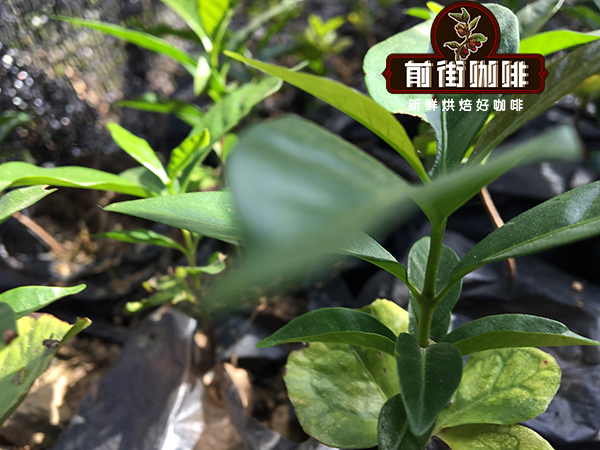
Typica has distinctive features and may be the most easily recognized variety. The plants have a conical shape with a main vertical trunk that can reach up to 5 meters in height. This height means that, compared with other varieties, Typica has longer distances between branches and between the nodes on a single branch.
The side branches form an angle of 50 to 80 degrees with the vertical trunk. The trunk and branches are not very robust, and the leaves, fruits, and green beans are typically elongated. The tips of young leaves are bronze-coloured. Compared with other Arabica varieties, Typica leaves have smoother surfaces and fewer wavy edges. Typical Typica fruits turn bright red when ripe.
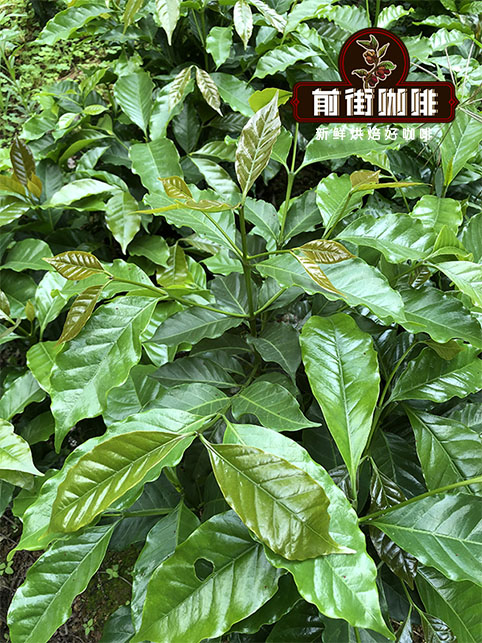
The bronze colour of Typica's top leaves is one of its hallmarks. The beans are larger, shaped as pointed ovals or slender points, which is why some call it "red-topped coffee." Typica coffee has its unique clean and elegant flavour, balanced character, and high clarity in the cup. The drawbacks are an insufficient yield, a requirement for high altitude, susceptibility to leaf rust, and weak resistance to pests and disease.
Leaf Rust Disease
FrontStreet Coffee believes many coffee enthusiasts have heard of this disease that threatens coffee trees. Let us take a brief look at the leaf rust that once caused serious losses for coffee growers. Leaf rust is the most serious coffee disease. It first appeared in the Lake Victoria coffee region of East Africa in 1861. In 1867 it ravaged Sri Lanka, destroying that country's coffee industry. It soon spread to many parts of Southeast Asia and eventually affected every coffee-producing region in southern, central, and western Africa.
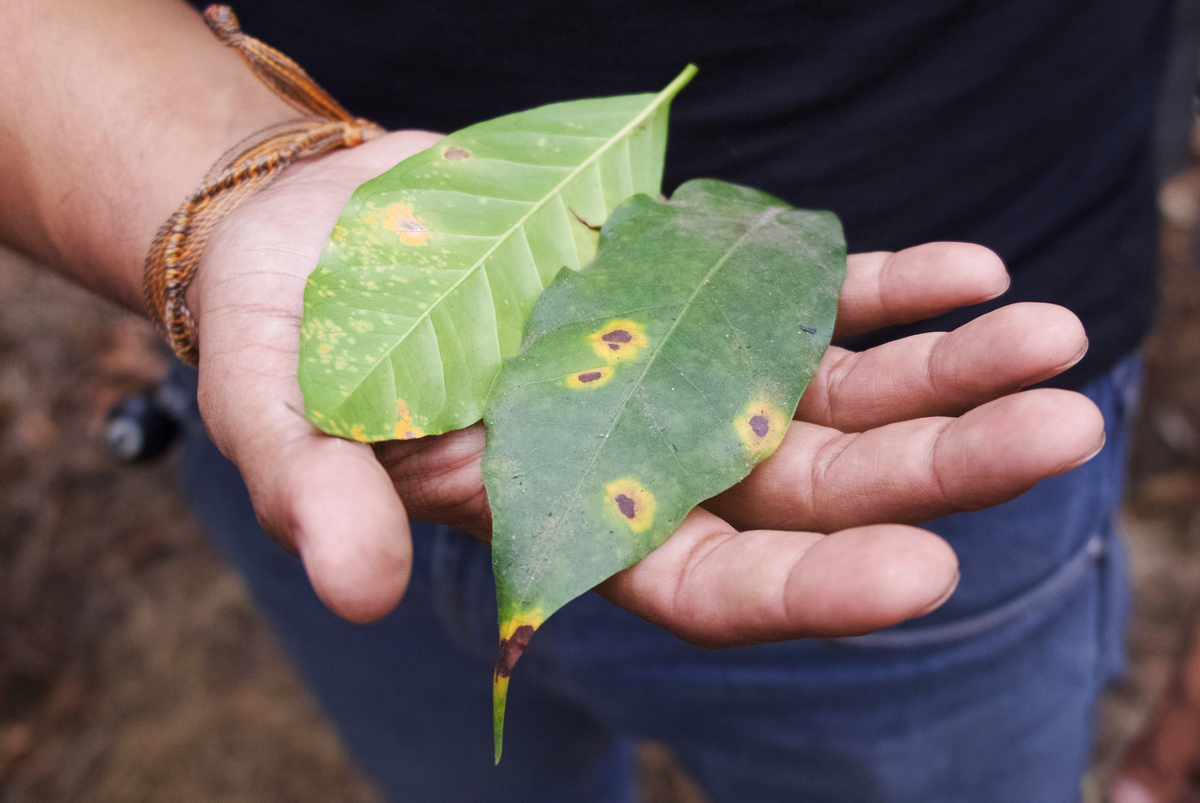
Before 1970 leaf rust had not been found in the Western Hemisphere, until it broke out in Bahia, Brazil, in 1970. Since then it has been found in every coffee-producing region in the world. Leaf rust is a parasitic fungus that infects coffee plants. It shows up as yellow spots, first attacking the tips of the leaves, then developing into yellow-orange powdery particles that resemble rust on iron and spread easily from plant to plant. One difficulty in fighting coffee leaf rust is how easily it transmits: the fungal spores are very light and powdery, so they travel easily on wind, rain, or even workers' clothes and tools. After an outbreak, long-term monitoring and chemical prevention remain treatments for the symptoms rather than the root cause. Since the outbreak, people have worked hard to research coffee varieties with strong disease resistance, in order to prevent leaf rust at its source while safeguarding yield and quality.
Typica: Rich Layers and Smooth Flavor
This is the variety closest to the original species, originating from Kaffa in Ethiopia and Yemen. An ancestor of the Arabica varieties, Typica shows excellent purity and consistency, with citrus-like acidity and a sweet aftertaste. Typica's top leaves are bronze-coloured, with oval or slender-pointed beans; the trees are 3 to 4 meters tall with a conical shape and an angle of roughly 50 to 70 degrees between the trunk and branches. The leaves are narrow and bronze-coloured. The berries are more oval than those of other varieties. In Central America it is known as Arabigo or Criollo. Low resistance to leaf rust makes it difficult to cultivate, and the low fruit yield per tree, combined with a long harvesting period, results in low production.
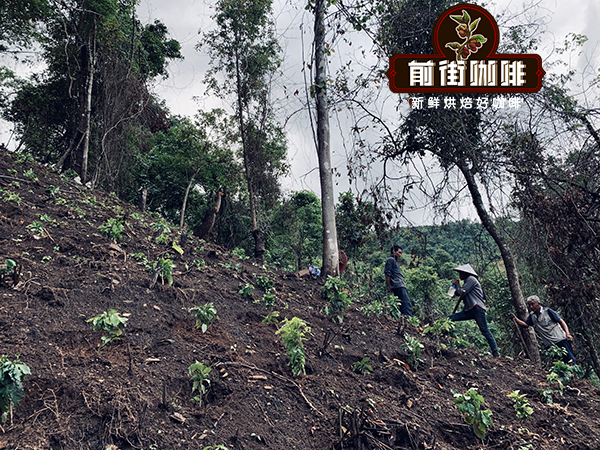
Typica has evolved genetically into many variants that are better adapted to their surroundings and have developed new characteristics, and these are often treated as new varieties. Mexican Typica, for example, differs slightly from Hawaiian Typica and therefore carries a different name; Criollo (South America), Arabigo (the Americas), Kona (Hawaii), Pluma Hidalgo (Mexico), Garundang (Sumatra), Blue Mountain (Jamaica and Papua New Guinea), San Bernardo and San Ramon (Brazil), and Kent and Chickumalgu (India) all belong to Typica.
Famous Typica Variety Coffees

FrontStreet Coffee - Indonesia Golden Mandheling Coffee
- Company: PWN
- Region: Sumatra
- Altitude: 1100-1600m
- Variety: Typica
- Processing Method: Wet-hulled
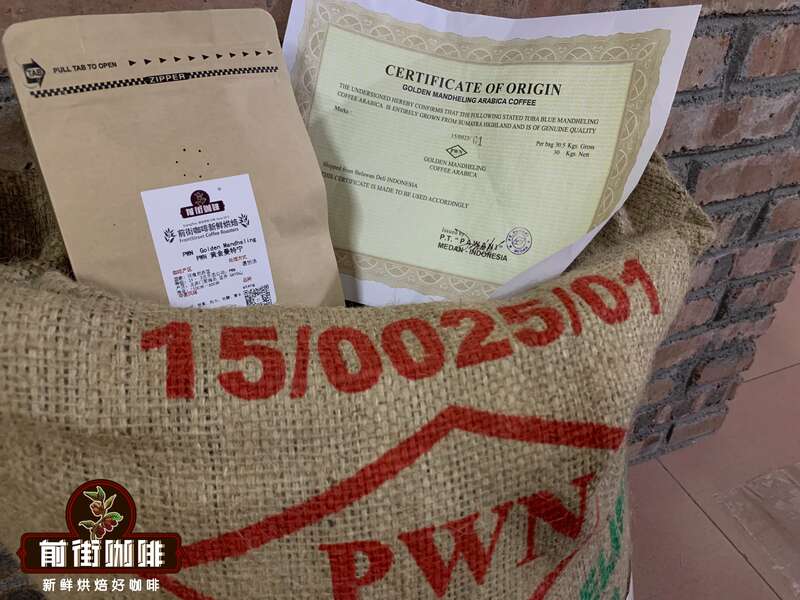
Golden Mandheling is a Typica variety, specified as 19 mesh or larger, with fewer than 3 defective beans per 300 g green-bean sample, belonging to the highest grade, G1, with a colour leaning toward dark green, and a well-formed flat bean. After strict screening, FrontStreet Coffee found that Golden Mandheling not only lacks the typical earthy impurities of ordinary Mandheling but also tastes cleaner and more transparent, with stronger sweetness. FrontStreet Coffee's Golden Mandheling comes from PWN Company. Golden Mandheling is in fact produced from Mandheling that Pawani Coffee Company buys locally in Indonesia and then registers under the name Golden Mandheling, so Mandheling produced by this company is the authentic Golden Mandheling.
Roasting Suggestions
FrontStreet Coffee finds that Golden Mandheling is a green bean with higher moisture content and a wider moisture variation than sun-dried beans, so dehydration deserves special attention. For high-moisture beans, you can close the air damper immediately after loading, let them sit for 30 seconds, then open to level 3 until the beans turn light green or white, then open the air damper to level 4, and after first crack open it to level 5 (maximum).
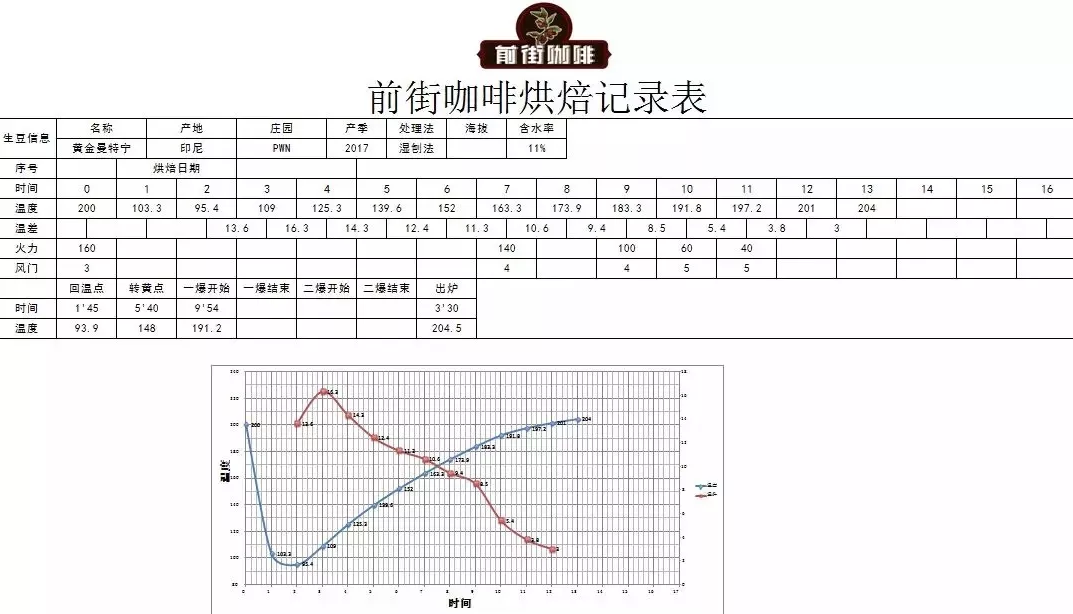
Bean entry temperature 200°C, yellowing point at 5'40", first crack begins at 9'54" at 191.2°C, first crack development for 3'30", discharged at 204.5°C.
Brewing Parameters
- Dripper: KONO dripper
- Water temperature: 85-88°C (higher temperature = more bitterness)
- Dose: 15 grams
- Coffee-to-water ratio: 1:15
- Grind size: Medium grind (70% pass-through rate on #20 standard sieve)
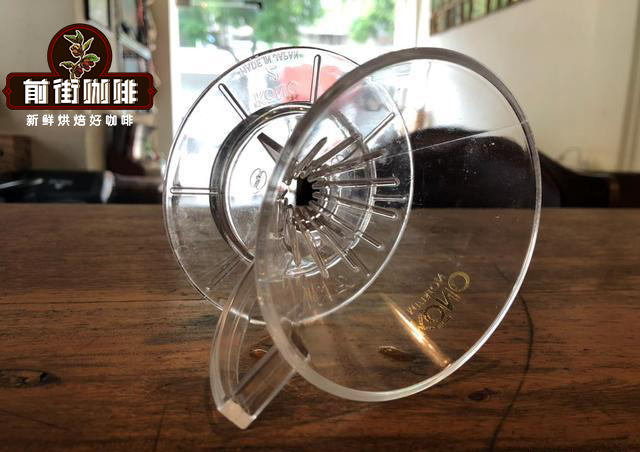
For daily brewing of Mandheling, FrontStreet Coffee recommends a KONO dripper, because it produces a rounder, fuller-bodied taste and a more direct flavour expression. The only exhaust area of the KONO dripper is the quarter ribs. When the water level rises above the rib area, the water volume in the dripper keeps increasing, creating pressure through the weight of the water. Because the outlet is relatively small, this extends the contact time between the coffee particles and the water, and the flow drives a more effective extraction of soluble substances. This brewing method used by FrontStreet Coffee generally achieves the high-body effect customers expect.

Brewing Technique
Segmented extraction
Use 30 g of water for the bloom, about 30 seconds. Pour 95 g with a small stream in a centre circle, so the first segment ends at 125 g of water. When the water level drops and is about to expose the coffee bed, continue pouring to 225 g to finish. When the level drops and the bed is about to be exposed, remove the dripper (timing starts from the beginning of the bloom). Extraction time is 2'00".
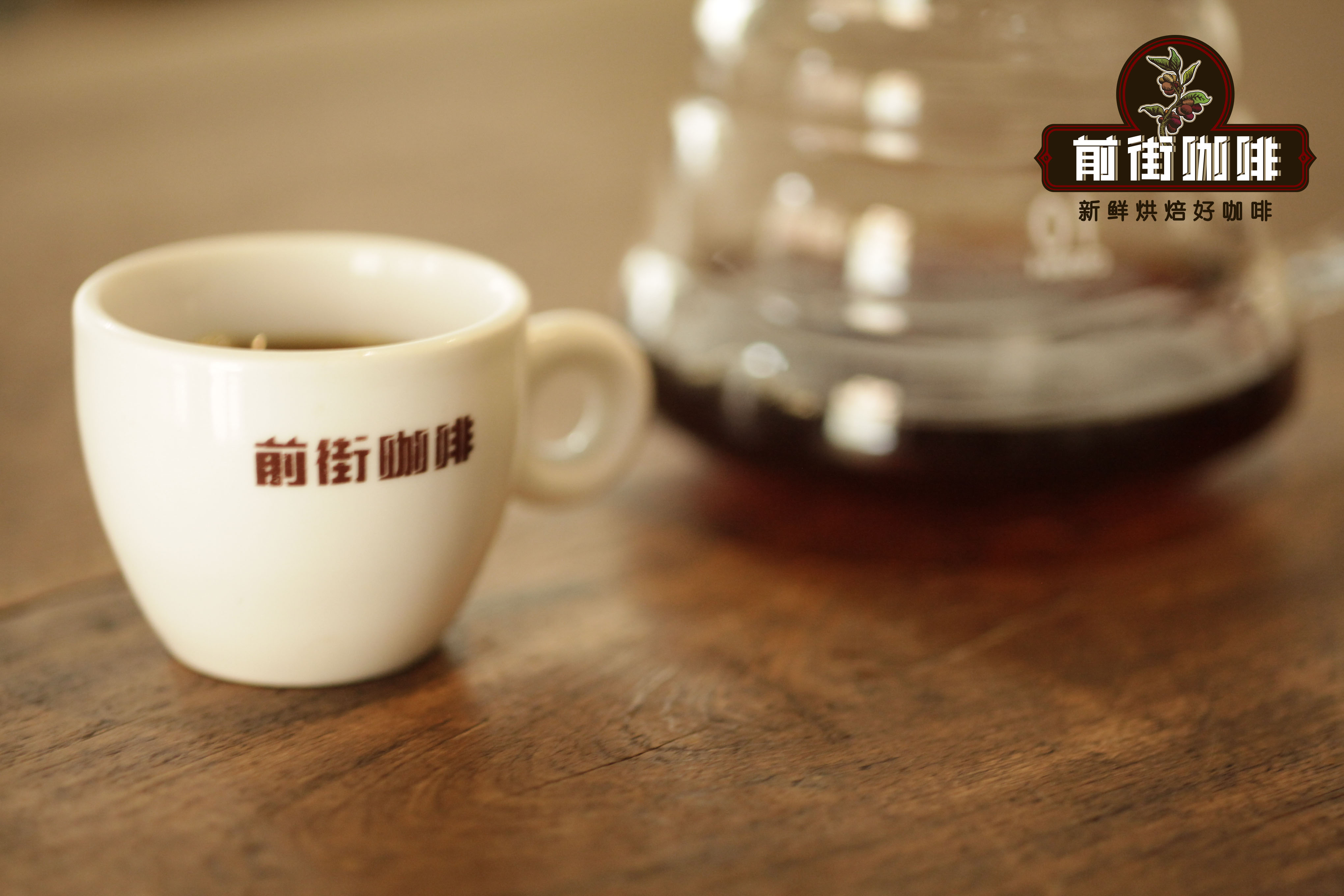
Brewing Flavor:
Multi-layered, clean, and balanced, with a persistent caramel sweetness in the aftertaste. High sweetness, rich and full-bodied.
Yunnan Huaguoshan
At FrontStreet Coffee you can find two types of Yunnan coffee beans: one is washed Typica, and the other is Catimor. At FrontStreet Coffee, Yunnan Typica is labelled as Yunnan specialty coffee, while Yunnan Catimor is labelled, by market custom, as Yunnan small-bean coffee. FrontStreet Coffee roasts both to a medium roast because the Yunnan region is not an acidic one. Their flavours are relatively balanced, with base notes of nuts and brown sugar. FrontStreet Coffee chooses a medium roast to show Yunnan coffee's balance, its nutty and brown-sugar sweetness, and its gentle fruit acidity.
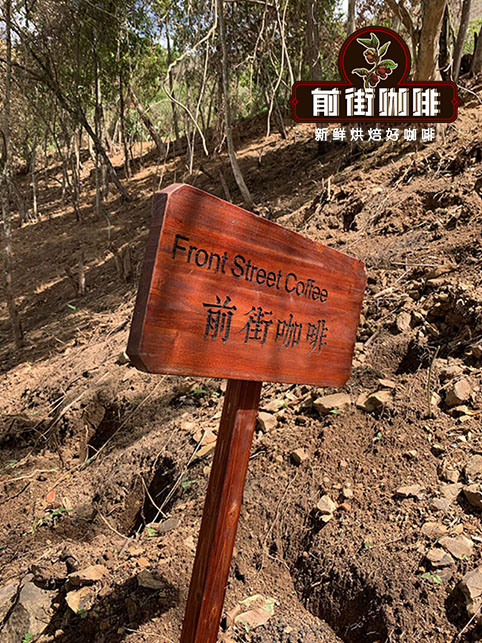
FrontStreet Coffee's predecessor was "Dazhen Coffee," named because we wanted to grow coffee in a place called Dazhen in Guangdong. When we grew Catimor seedlings to 20 cm, more than half a year passed before we finally understood the relationship and the sequence of variety, altitude, and processing method. Choosing the right variety, planting it at the appropriate altitude, and then experimenting with processing methods that express unique flavours after maturity is, in FrontStreet Coffee's view, the only logical relationship by which specialty coffee can develop a distinct regional flavour. It is also the work recently led by the Yunnan Department of Agriculture: building a flavour map of Yunnan specialty coffee. Later, amid the confusion, FrontStreet Coffee chose the hardest path: selecting high altitudes, cultivating Arabica varieties, and planting sensibly. After that, we began to cultivate and grow coffee seedlings in Yunnan.

FrontStreet Coffee - Yunnan Huaguoshan Typica
- Coffee Origin: China, Yunnan, Baoshan
- Coffee Variety: Typica
- Production Altitude: 1200M
- Quality Grade: AA
- Processing Method: Washed
- Roast Level: Medium roast
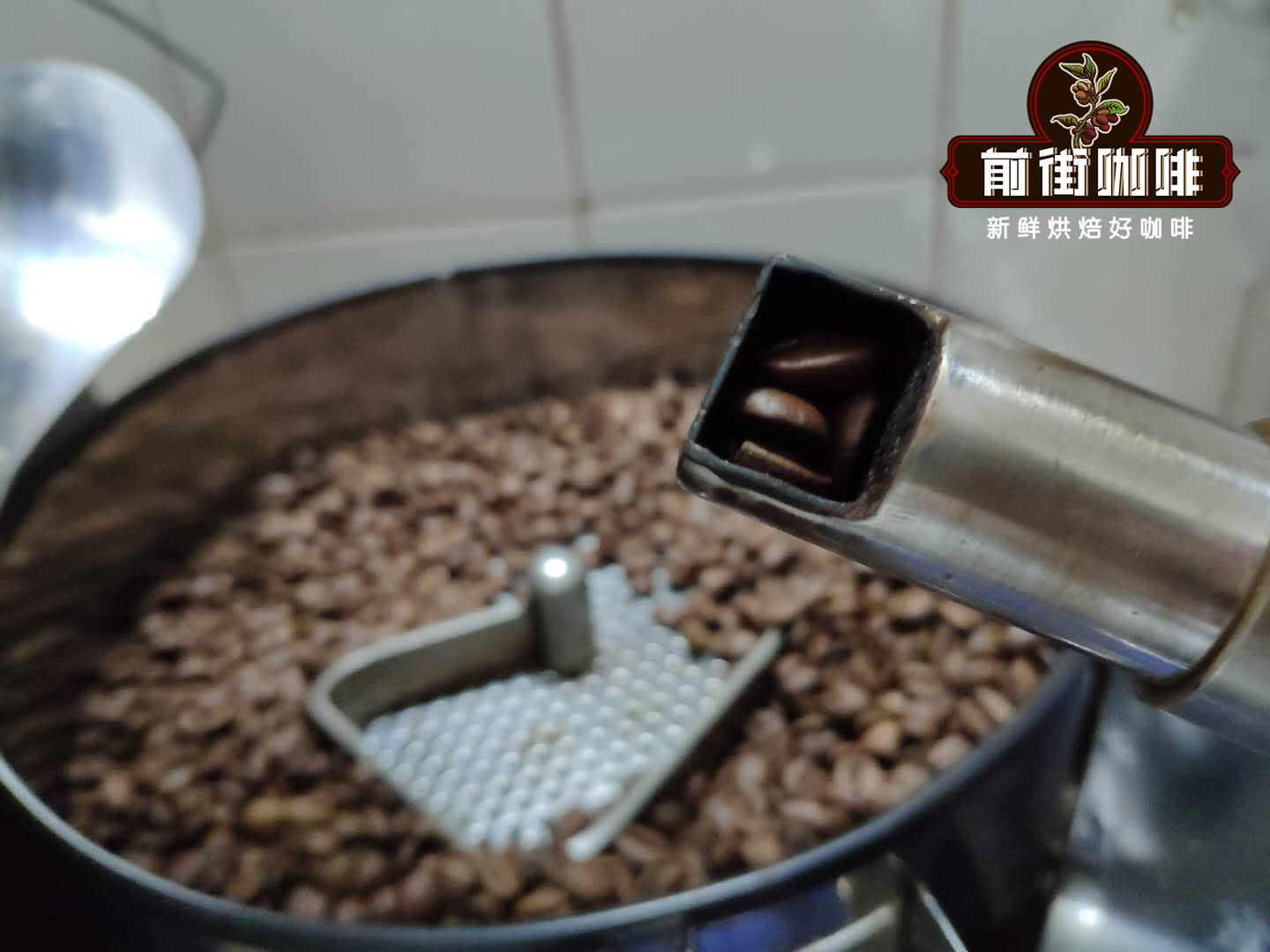
Roasting Suggestions
FrontStreet Coffee's roaster believes that Huaguoshan beans are best served by a medium-slow roast, which shows off their round and smooth character while preserving rich floral and fruit aromas.
- Roasting Machine: Yangjia 600g semi-direct heat
- Heat to 200°C to load beans, air damper set to 3
- After 30 seconds, adjust heat to 160 degrees, air damper unchanged
- Return temperature point at 1'33", adjust heat once at 168 degrees
- At this point the bean surface turns yellow, the grassy smell completely disappears, and dehydration is complete
- Adjust heat to 130 degrees, air damper to 4
- At 8'45", ugly wrinkles and black spots appear on the bean surface
- The toasted bread smell clearly turns to coffee aroma, which can be defined as the prelude to first crack
- At this point, listen carefully for the sound of first crack
- First crack begins at 9'07", adjust heat to 80 degrees, air damper fully open to 5
- (Be very careful when adjusting heat; do not reduce it to the point where there is no crackling sound)
- 3'00" after first crack, discharge at 198 degrees
Brewing Parameters
- Dripper: V60 dripper
- Water temperature: 90°C
- Dose: 15 grams
- Coffee-to-water ratio: 1:15
- Grind size: Medium grind
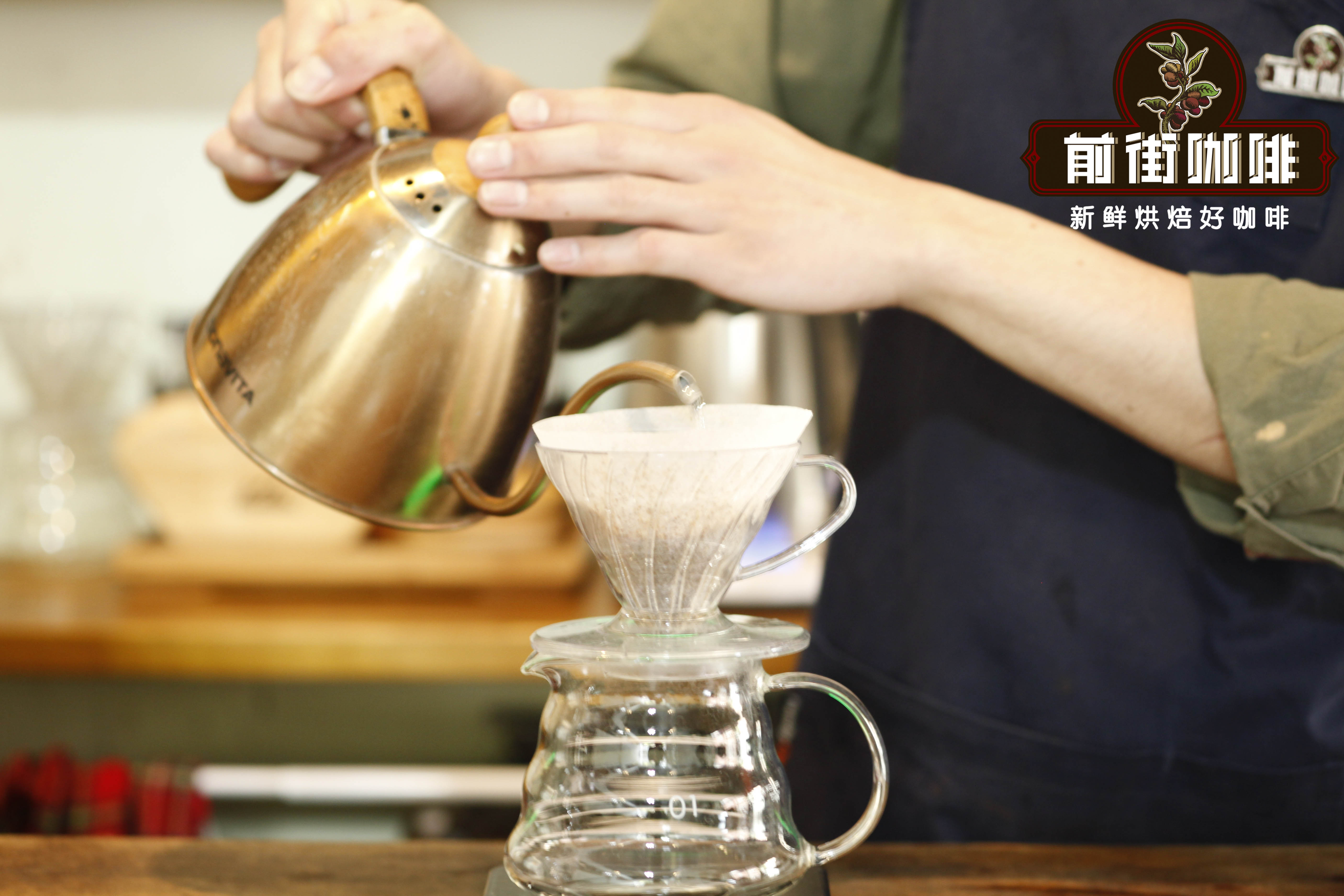
Brewing Technique
Segmented extraction
Use 30 g of water for the bloom, about 30 seconds. Pour 95 g with a small stream in a centre circle, so the first segment ends at 125 g of water. When the water level drops and is about to expose the coffee bed, continue pouring to 225 g to finish. When the level drops and the bed is about to be exposed, remove the dripper (timing starts from the beginning of the bloom). Extraction time is 2'00".
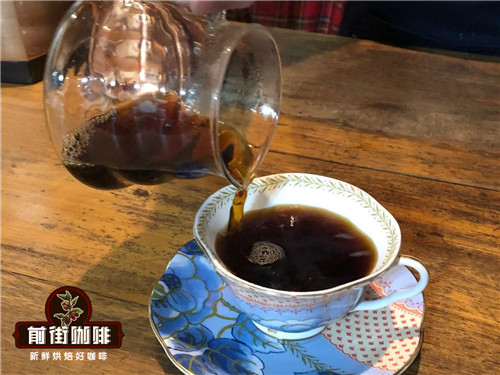
Brewing Flavor:
Melon and fruit aroma, nuts, sugarcane, cream, gentle fruit acidity, black tea.
Jamaica Blue Mountain Coffee
When it comes to Jamaican coffee, almost everyone's first thought is Jamaica Blue Mountain Coffee. Blue Mountain can be called the most popular and most distinctive Jamaican coffee on this small island. FrontStreet Coffee's Jamaica Blue Mountain comes from Clifton Estate. The Clifton Mountain where the estate sits is the oldest coffee-producing area in Jamaica still in normal operation today.
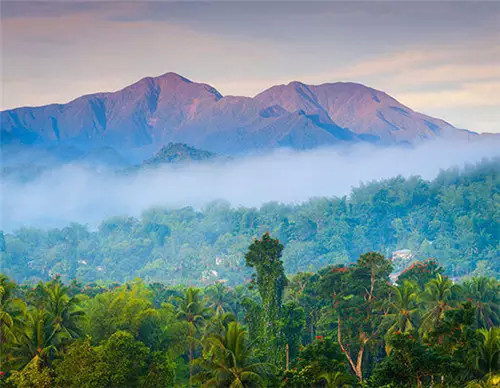
Jamaica island sits squarely in the coffee cultivation zone. The Blue Mountain range lies in the eastern part of the island. It has fertile volcanic soil that supplies nutrients, suitable temperatures and climate, and abundant rainfall. This very distinctive geography provides superior growing conditions for coffee in the Jamaica Blue Mountain range and has created the world's second highest-priced coffee. Authentic Jamaican Blue Mountain has a rich aroma and a uniquely full-bodied, elegant flavour with a very balanced palate. Blue Mountain's balanced taste means no single flavour stands out. It is precisely this full body and pleasant aroma, with a persistent aftertaste and sweetness, that draws so many coffee lovers to it. FrontStreet Coffee's Blue Mountain from Clifton Estate is Blue Mountain coffee designated by the Coffee Industry Board for export companies, with green beans packed in wooden barrels, and it is Rainforest Alliance certified.
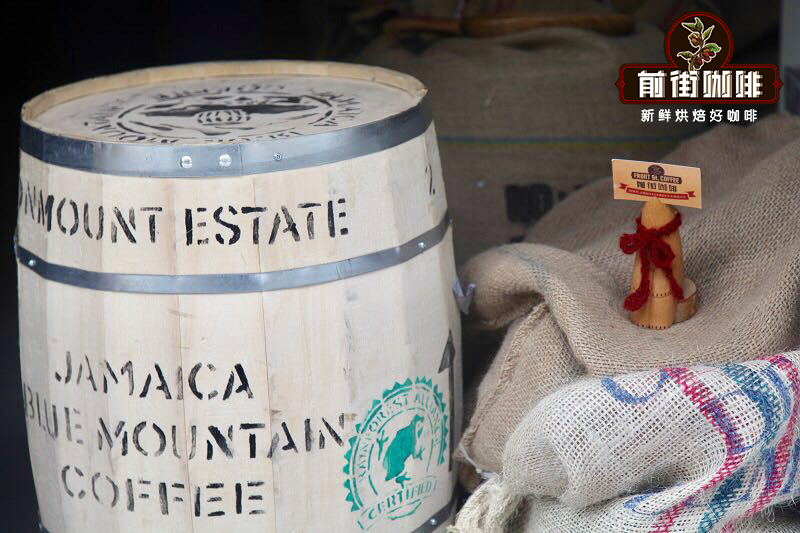
Rainforest Alliance certification represents that the crop meets:
- Less water pollution
- Less acid damage
- Reduced impact on the environment and human health
- Protection of wildlife habitats
- Less waste
- Use of less water
- High-efficiency farm management mechanisms
- Protection of agricultural workers' rights and welfare
- Protection of agricultural workers' income and competitiveness
- Increased cooperation between agricultural workers and environmentalists

FrontStreet Coffee - Jamaica Blue Mountain No. 1 Coffee Beans
- Farm: Clifton Farm
- Estate Owner: The Sharp family
- Certificate: Rainforest Alliance certification
- Location: Newcastle region
- Total area: 250 acres
- Coffee cultivation area: 180 acres
- Altitude: 1310 meters
- Processing method: Washed
- Variety: Typica
- Roast: Medium-dark
Roasting Suggestions
Jamaica Blue Mountain is not grown at high altitude, and the traditional Typica variety makes the green beans relatively soft. Unfortunately, it also has high-temperature characteristics: if more energy is applied during roasting, the rate of temperature rise becomes very high, and once the roast level is not well controlled, smoky and burnt flavours appear. To highlight Blue Mountain's full body as well as its chocolate and caramel flavours, FrontStreet Coffee chooses a medium-dark roast.
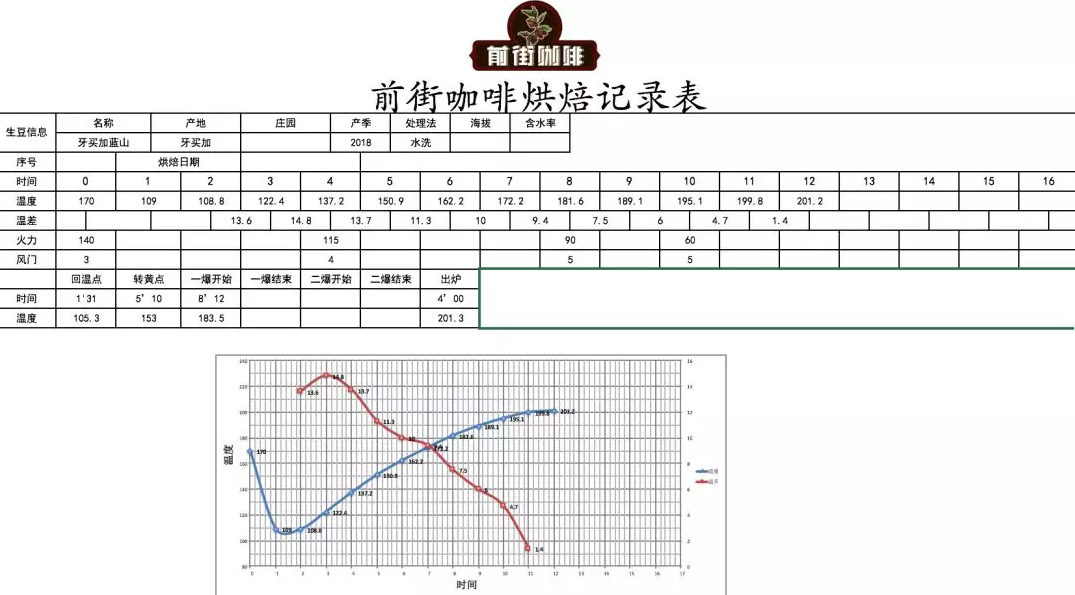
Bean entry temperature: 170°C, yellowing point: 5'10", 153°C, first crack begins: 8'12", 182.5°C, first crack development: 4'00", discharged at 201.3°C.
Brewing Experiment
Because this bean is medium roasted, FrontStreet Coffee brews it with the KONO. KONO's ribs stop before reaching halfway up the dripper height. This design is meant to ensure that, once the filter paper is wet, it clings tightly to the dripper wall and restricts airflow. That increases the time the coffee particles spend absorbing water, making the extracted coffee more uniform overall and enhancing the full body. The groove skeleton at the bottom of the dripper is the key design that creates a siphon effect during brewing.
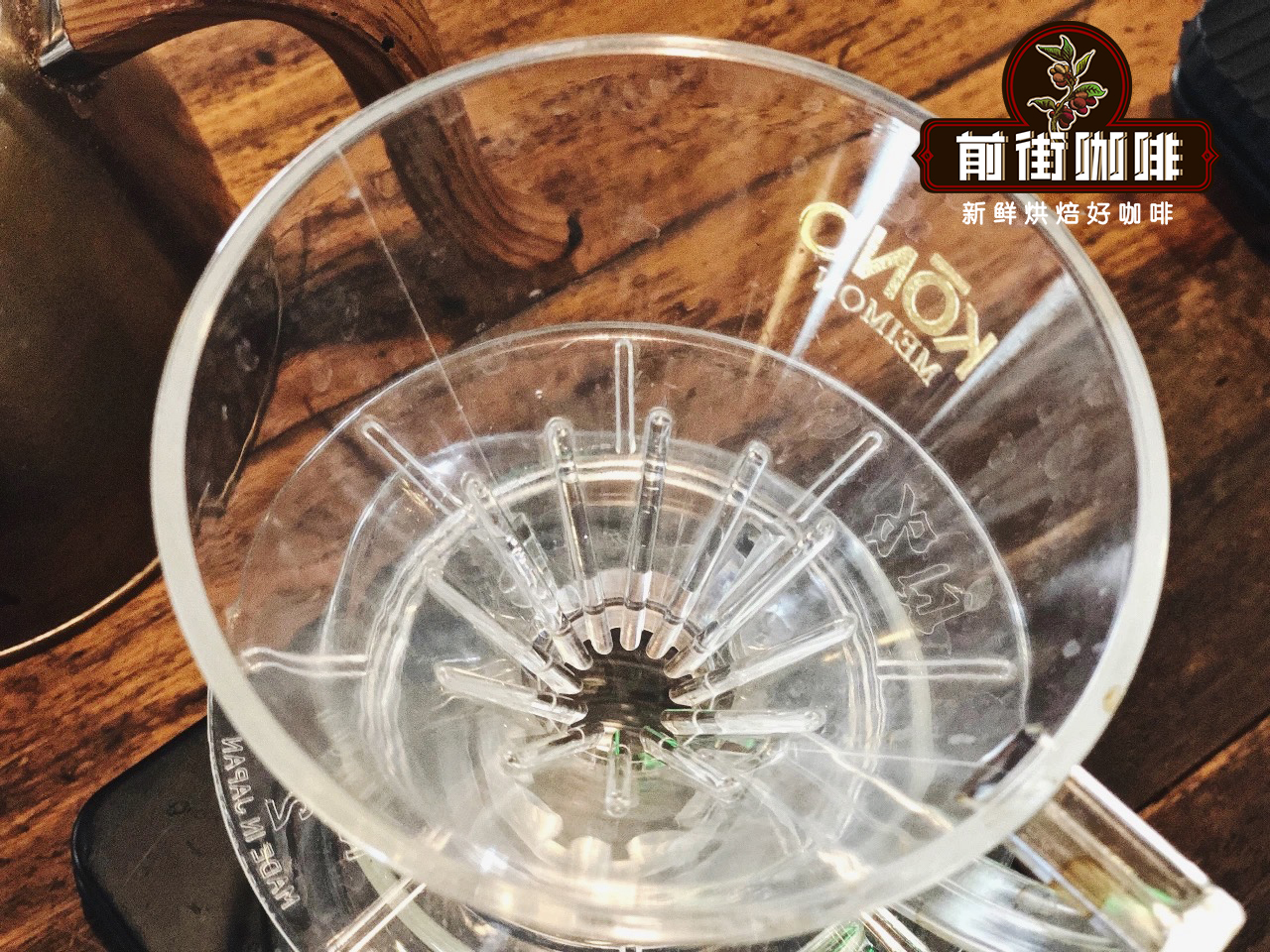
- Reason for choosing the KONO dripper: the KONO dripper has few ribs, located at the bottom, so the filter paper clings tightly to the dripper and restricts airflow, increasing the contact time between water and coffee and allowing the coffee to be fully extracted, which enhances the full body.
Brewing Parameters
- Dripper: KONO
- Dose: 15 grams
- Coffee-to-water ratio: 1:15
- Water temperature: 87 degrees
- Grind size: Fine sugar
- Total extraction time: 2 minutes
- Total extraction amount: 225 grams

Brewing Technique
Segmented extraction
Use 30 g of water for the bloom, about 30 seconds. Pour 95 g with a small stream in a centre circle, so the first segment ends at 125 g of water. When the water level drops and is about to expose the coffee bed, continue pouring to 225 g to finish. When the level drops and the bed is about to be exposed, remove the dripper (timing starts from the beginning of the bloom). Extraction time is 2'00".

Flavor:
Clean, mild taste, with chocolate sweetness at the entry, a full-bodied texture, a moderate, well-judged acidity, and persistent fruity flavours at the end.
Hawaii Kona
Hawaiian coffee is one of Hawaii's best agricultural products. With an annual production exceeding 8 million pounds, Hawaii is the only state in the United States that grows coffee. Coffee plants were brought to Hawaii as early as the early 1800s, but it was not until the early 20th century that production finally began, mainly on small farms. Although Kona coffee on the Big Island remains the most famous, coffee is now grown on every major island, on more than 950 farms, with a harvested area of over 7,900 acres.
For coffee, FrontStreet Coffee believes that, in addition to variety, processing method, and cultivation method, the growing environment, climate, and altitude are also very important factors. Hawaii's year-round warm, sunny weather, rich volcanic soil, stretching mountain slopes, tranquil trade winds, and abundant rainfall combine to make Hawaiian coffee one of the best coffees in the world. Hawaiian coffee is smooth and aromatic, with an appealing nutty flavour and a balanced, moderate acidity.
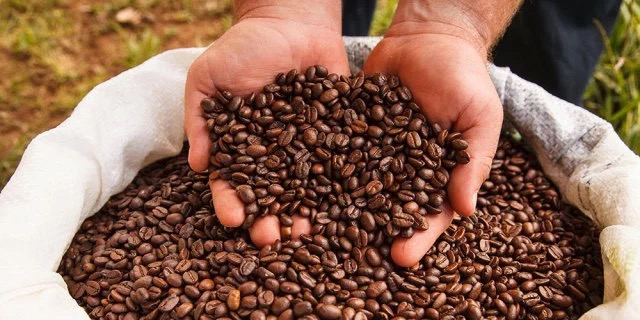
Coffee trees in the Kona region mostly grow on volcanoes, able to absorb large amounts of the nutrients stored in the soil; combined with artificial cultivation techniques, this gives every bean there a unique appearance. Kona brewed from these beans is silky smooth, with a rich aroma, a slightly captivating nutty fragrance, and moderate acidity, as moving and meaningful as the colourful scenery of the Hawaiian island. Before Kona green beans are exported, the burlap bags are labelled with numbers indicating certification by the Hawaii Department of Agriculture and accompanied by an official seal of identification, which makes them more expensive. Kona prices are second only to Blue Mountain. Kona coffee relies on manual labour from sowing, harvesting, and washing through to sun-drying and polishing, so limited production combined with American manual processing makes it high-quality and expensive. Today, Hawaii 100% Kona and Blue Mountain are synonymous with premium coffee.
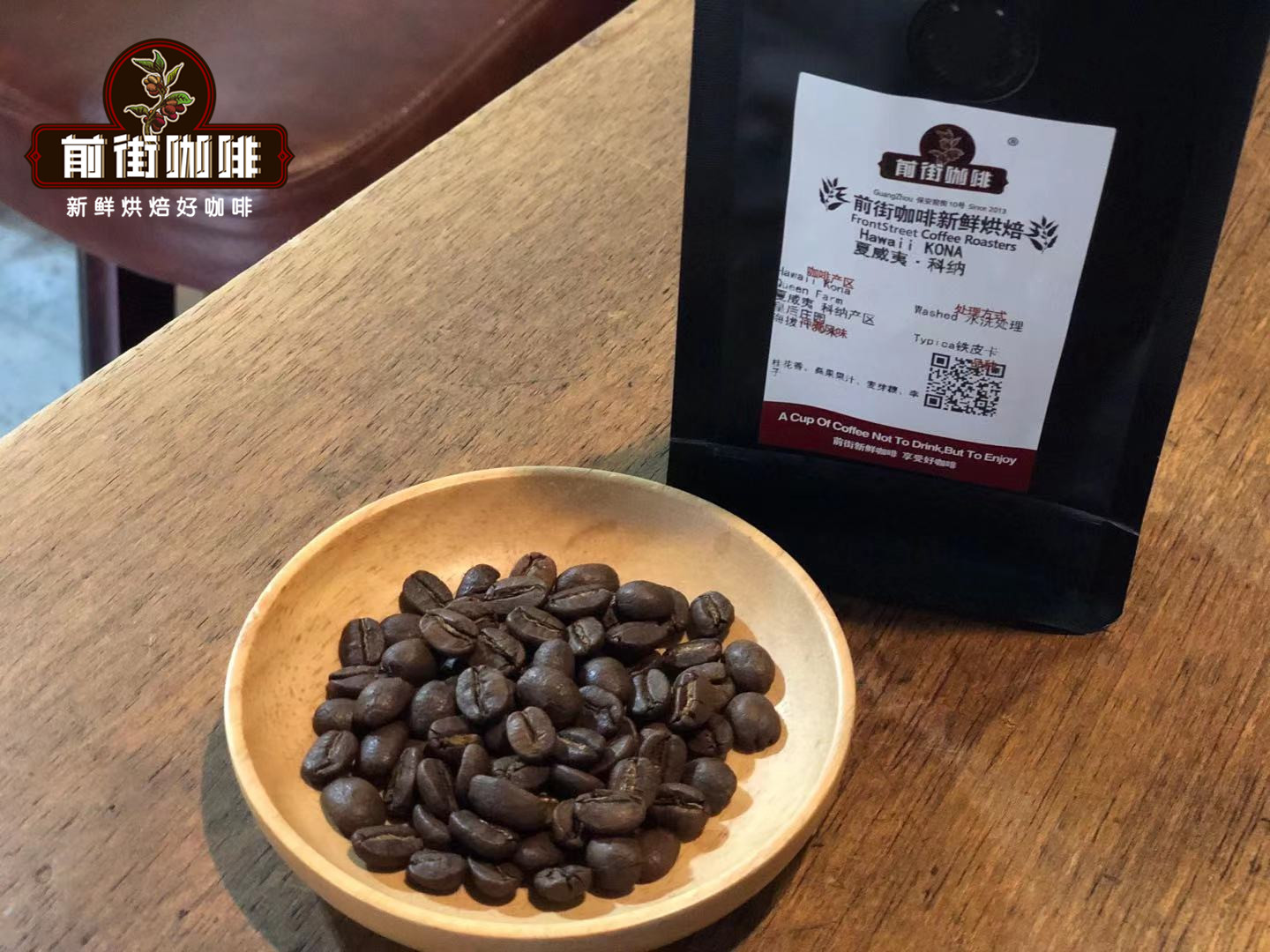
FrontStreet Coffee - Hawaii Kona Coffee Beans
- Region: Kona region
- Estate: Queen's Estate
- Altitude: 1100m
- Variety: Typica
- Processing method: Washed
Roasting Suggestions
Kona, like Blue Mountain, is a low-density bean, so the bean entry temperature cannot be too high. When it releases sweetness the colour turns light yellow, and moisture content is high, requiring sufficient steaming time. The beans are refreshing, clean, solid, and weighty. Kona should not be roasted too dark, and FrontStreet Coffee suggests a medium-light roast.
- Machine: Yangjia 800N, 550g green beans
- Bean entry temperature: 200°C
- Yellowing point: 5'35", 150.1°C
- First crack point: 9'30", 187°C
- Development after first crack: 1'50", discharged at 193.4°C
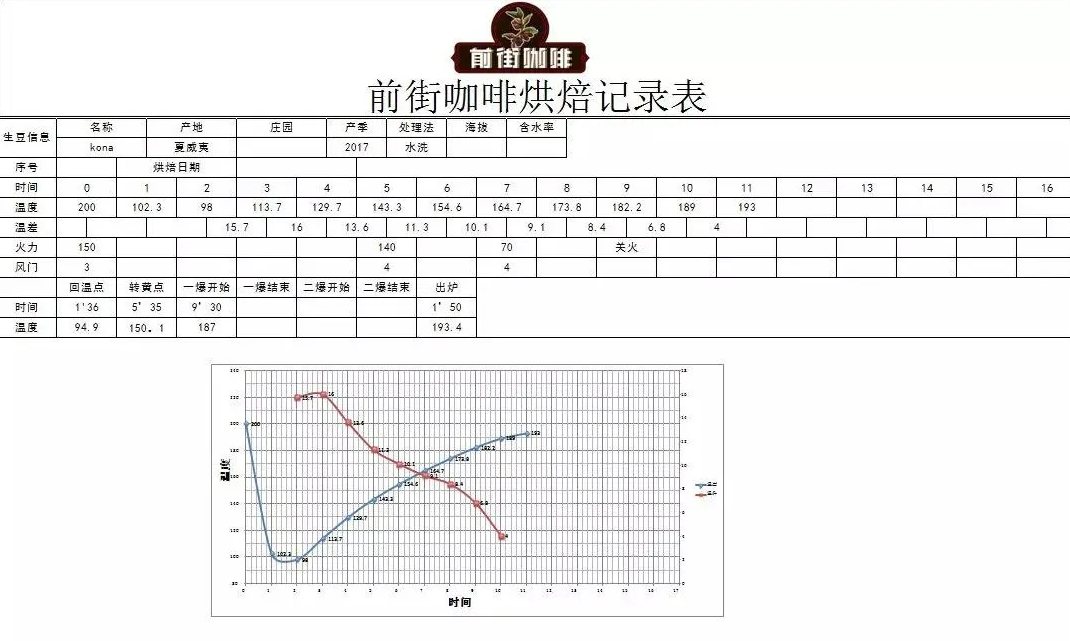
Heat to 200°C to load beans, air damper set to 3. After 1 minute, adjust heat to 150 degrees, air damper unchanged. Roast to 5'35", temperature 150 degrees: the bean surface turns yellow, the grassy smell completely disappears, and dehydration is complete. Adjust heat to 140 degrees, air damper to 4.
At 9'30", ugly wrinkles and black spots appear on the bean surface, and the toasted bread smell clearly turns to coffee aroma, which can be defined as the prelude to first crack. At this point, listen carefully for the sound of first crack. First crack begins at 9'30"; adjust heat to 70 degrees, air damper fully open (be very careful when adjusting heat, and do not reduce it to the point where there is no crackling sound). Turn off the heat at 182 degrees, discharge at 193.4 degrees.
FrontStreet Coffee Brewing Suggestions
Brewing Parameters
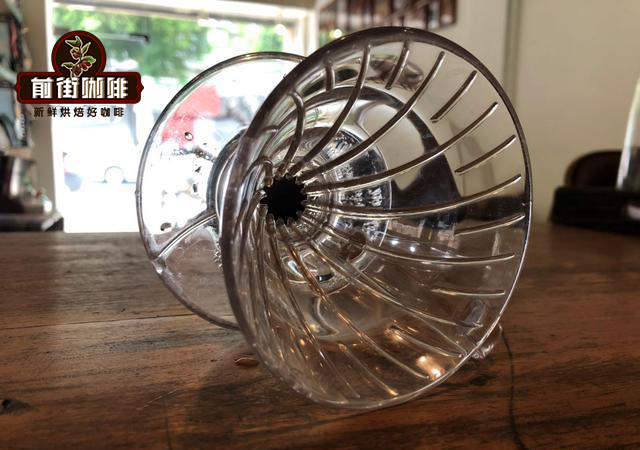
- Dripper: Hario V60
- Water temperature: 90°C
- Dose: 15 grams
- Coffee-to-water ratio: 1:15
- Grind size: Medium-fine grind (BG#6S)
Brewing Technique
Segmented extraction
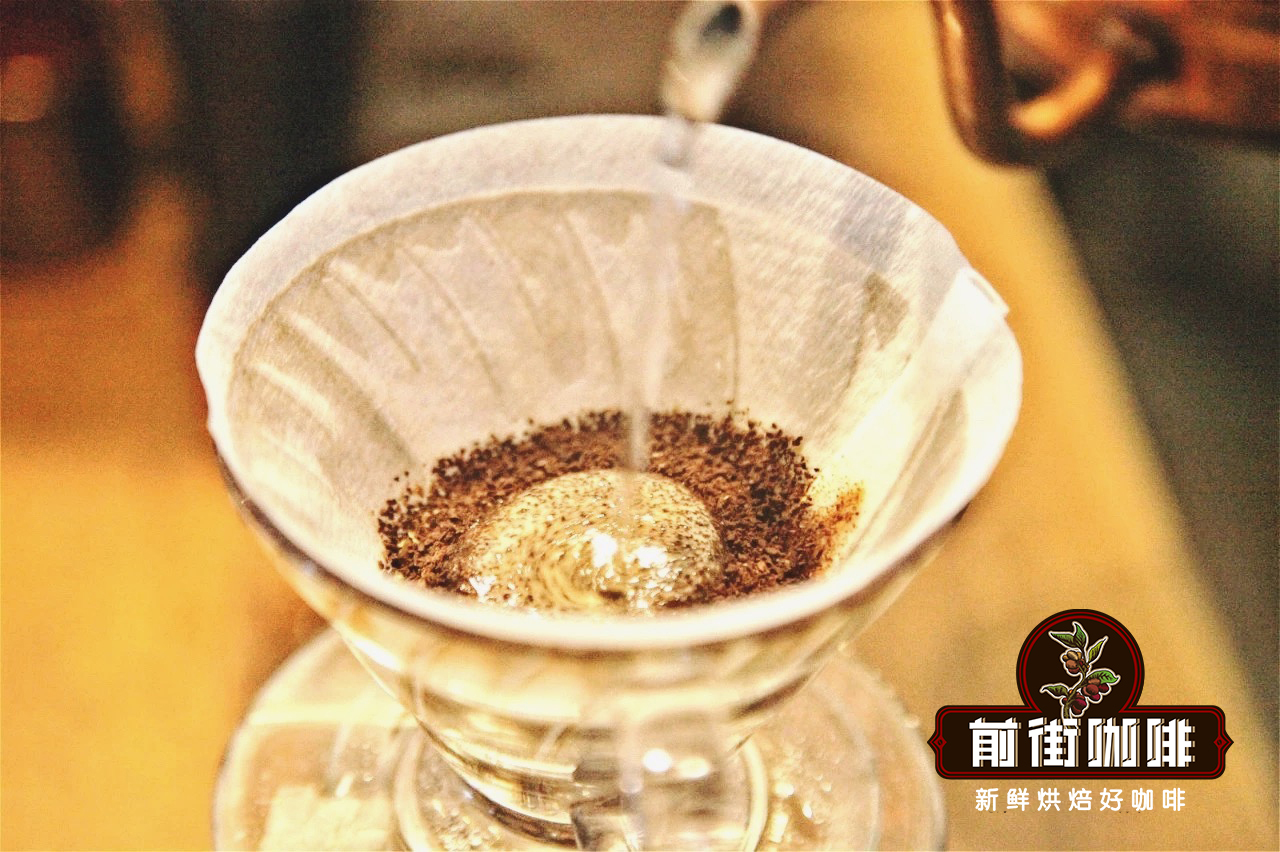
Use 30 g of water for a 30-second bloom. Pour with a small stream in a circle to 125 g for the first segment. When the water level drops and is about to expose the coffee bed, continue pouring to 225 g and stop. When the level drops and the bed is about to be exposed, remove the dripper (timing starts from the beginning of the bloom). Extraction time is 2'00".
Flavor Description
A balanced, warm osmanthus-honey sweetness with an elegant, substantial but not thick mouthfeel. The brewed coffee releases a mulberry aroma that feels like sweet happiness. The aftertaste has a smooth malt flavour, and when cooled it is like a cup of mulberry tea.

When FrontStreet Coffee first entered the coffee industry, we were exposed to coffee cultivation. FrontStreet Coffee also has its own coffee plantation and takes part in various auctions in coffee regions. On one hand this lets FrontStreet Coffee understand changes in the global coffee industry; on the other hand, FrontStreet Coffee wants to show everyone, through text and images, a deeper understanding of coffee.
FrontStreet Coffee Recommendation
If this tour of Typica has whetted your appetite, the most direct way to taste the variety at its most refined is FrontStreet Coffee's Jamaica Blue Mountain No. 1, grown at 1,310 m on Clifton Estate in Jamaica's Newcastle region, washed, medium-dark roasted, and Rainforest Alliance certified. Typica is exactly the variety behind Blue Mountain, and its balanced, mild, silky cup with gentle acidity and a full, pure aroma is the clearest illustration of why the variety has endured for centuries. To hear how a sibling old variety differs, FrontStreet Coffee's Brazil Queen's Estate single origin uses Yellow Bourbon, the other classic heirloom, with cream, peanut, roasted-bread, and sugarcane notes and a mellow, clean sweetness. And to see how far the Arabica family has travelled from Typica, FrontStreet Coffee's Panama Red Label Geisha from Emerald Manor in Boquete shows the floral, citrus, and peach layers that made Geisha the variety everyone talks about today.
Important Notice :
FrontStreet Coffee is a long-established specialty coffee roaster in Guangzhou China, selling freshly roasted beans from its own farm in Yunnan as well as dozens of carefully selected single-origin beans from around the world for both pour-over and espresso. The products deliver consistently excellent quality and great value, with shipping within 24 hours. Guangzhou's FrontStreet Coffee shop is recommended by many coffee lovers, and the beans are now available online at the Tmall 。
FrontStreet Coffee has moved to a new address:
FrontStreet Coffee Address: 315,Donghua East Road,GuangZhou
Tel:020 38364473
 Scan and follow the En Gafei WeChat official account. Please indicate that the reprint comes from "En Gafei".