Coffee Tamping: The Essential Steps for Proper Espresso Tamping Technique
Introduction
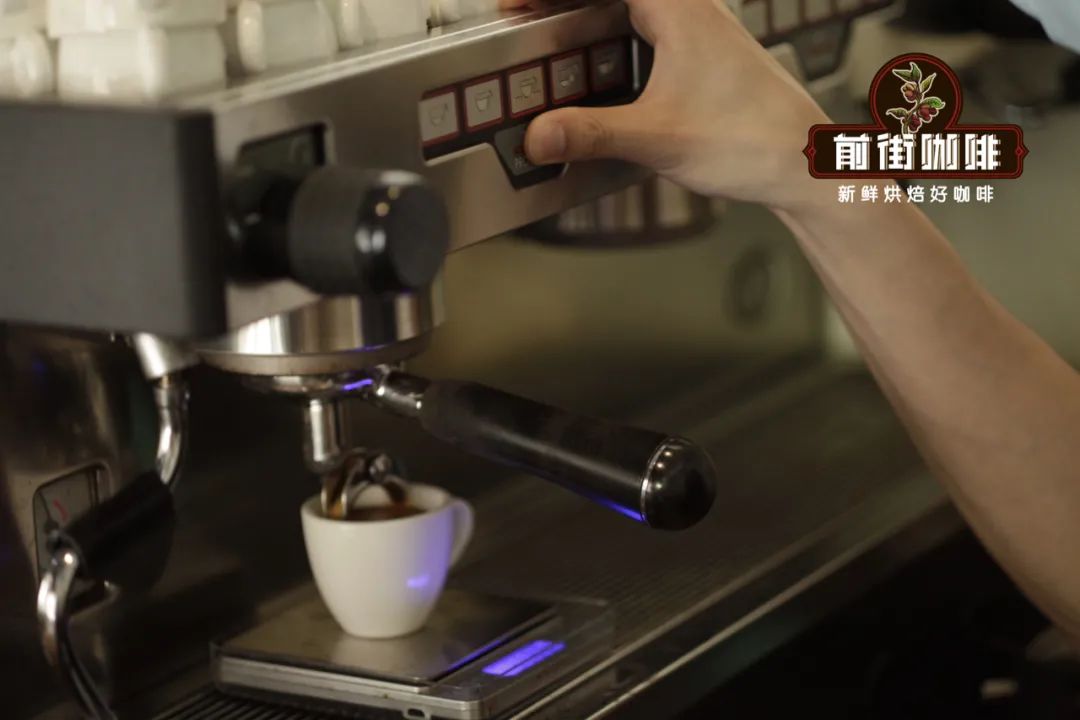
Espresso is the foundation of Italian coffee, and pulling a good shot is a core skill every barista has to learn. The process generally runs through grinding the beans, dosing the grounds into the portafilter, leveling, tamping, and finally extracting. These steps look simple, but each one is full of detail, and each also demands that dose, yield, and time be measured accurately.
Among them, distribution and tamping are often the parts that take the most time and practice to master. Today, FrontStreet Coffee shares some insights specifically about tamping.
What Is the Purpose of Tamping?
Tamping means using a tamper to compress the coffee grounds in the portafilter into a puck. Is it actually necessary, and what does it achieve? FrontStreet Coffee first ran a comparative experiment.
FrontStreet Coffee extracted two groups of espresso, differing only in whether tamping was applied. One group was tamped as the control; the other was left untamped as the test group. All other parameters were identical. The dose was 20 grams, yielding 40 grams of espresso liquid.
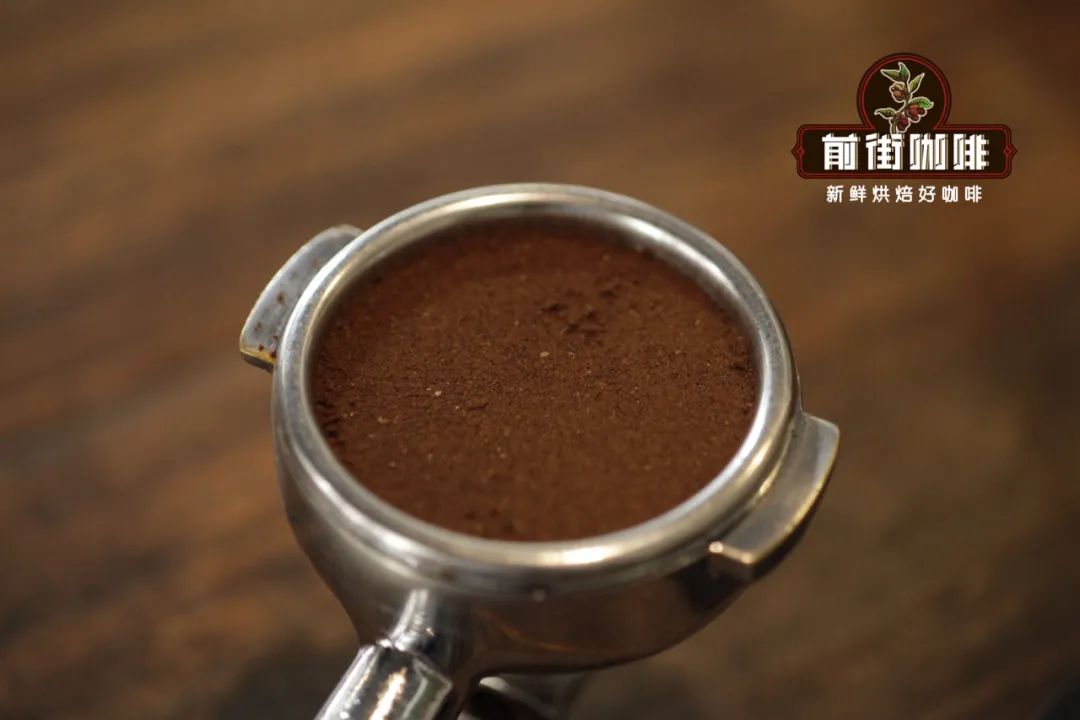
The normally tamped shot extracted properly with a stable flow, finishing in 27 seconds. The untamped shot, by contrast, sprayed espresso liquid out at the very start of extraction, flowed faster overall, and looked watery and unstable. Its total extraction time was 8 seconds faster than the control, and its taste was thinner and blander.
When making espresso, the first step is grinding the beans and distributing them evenly into the portafilter. The purpose of distribution is to spread the loose grounds evenly across the basket. At that point the grounds are still loose, with gaps of varying size between particles. If extraction were run without tamping, the machine's 9 bar of pressure would drive water quickly through the bed; the loose grounds would be scattered by the flow, and the water would seek the easiest paths through. Those easy paths would over-extract - the phenomenon known as channeling.
The purpose of tamping, then, is to compress the grounds, shrink the gaps between particles, and provide enough resistance to the water so that extraction happens evenly across the whole puck.
How to Tamp Correctly
Now that the importance of tamping is clear, how should it be done, and what should you watch for?
Tamping looks simple, but there are many details to attend to. Taking FrontStreet Coffee's baristas as an example: first make sure the portafilter is level. Hold the tamper handle with your palm, thumb webbing facing down, with the thumb and index finger gripping the tamper base. During the tamp, the elbow, forearm, tamper, and portafilter should form a straight line perpendicular to the horizontal. Apply force straight down in a single motion to compact the grounds.
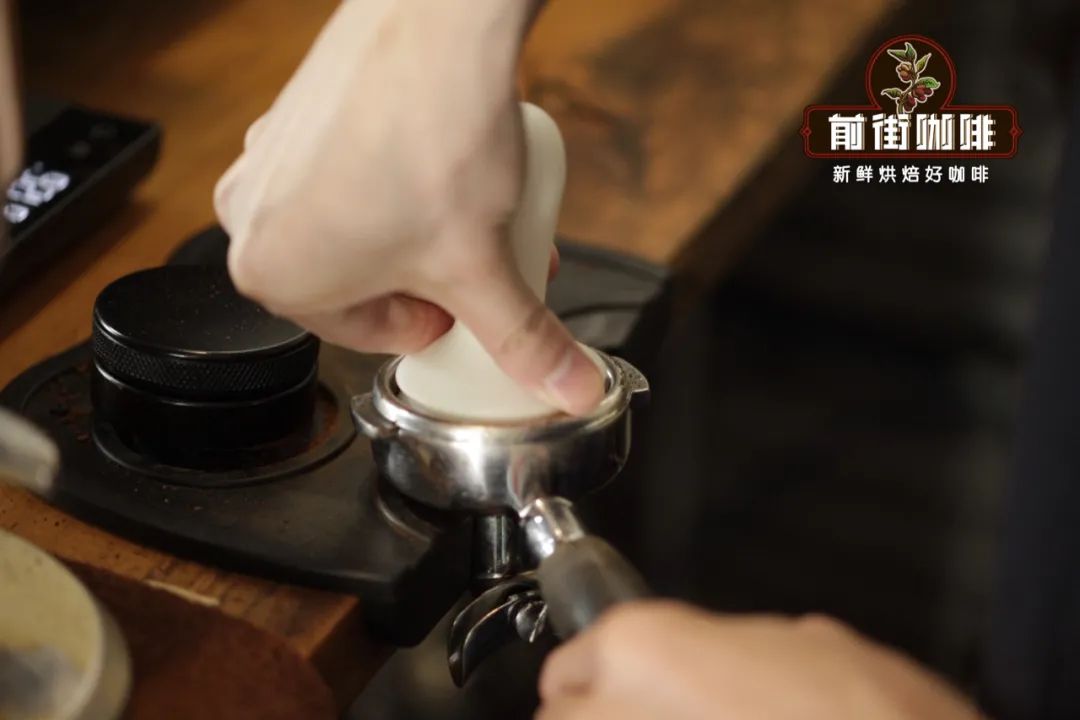
As noted earlier, distribution matters because water seeks easy paths and causes channeling. Tamping works the same way - the compression has to be even. Much of the detail in tamping exists to extract more evenly and to avoid channeling caused by unevenness. For that reason, FrontStreet Coffee considers the direction of the tamp the main thing to watch.
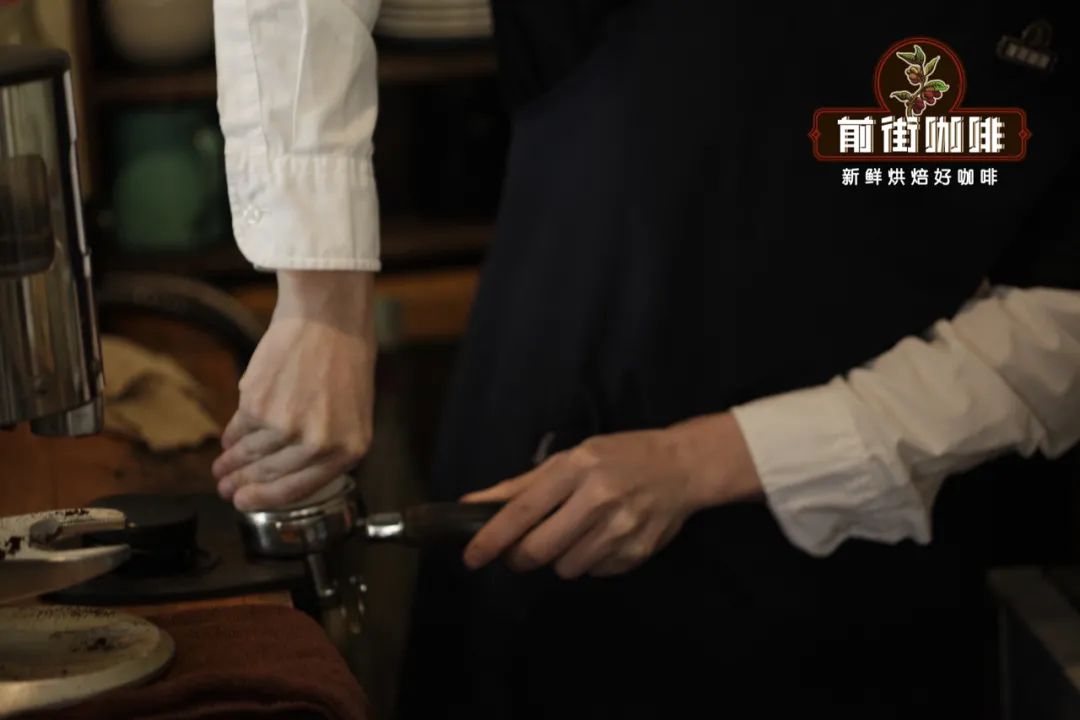
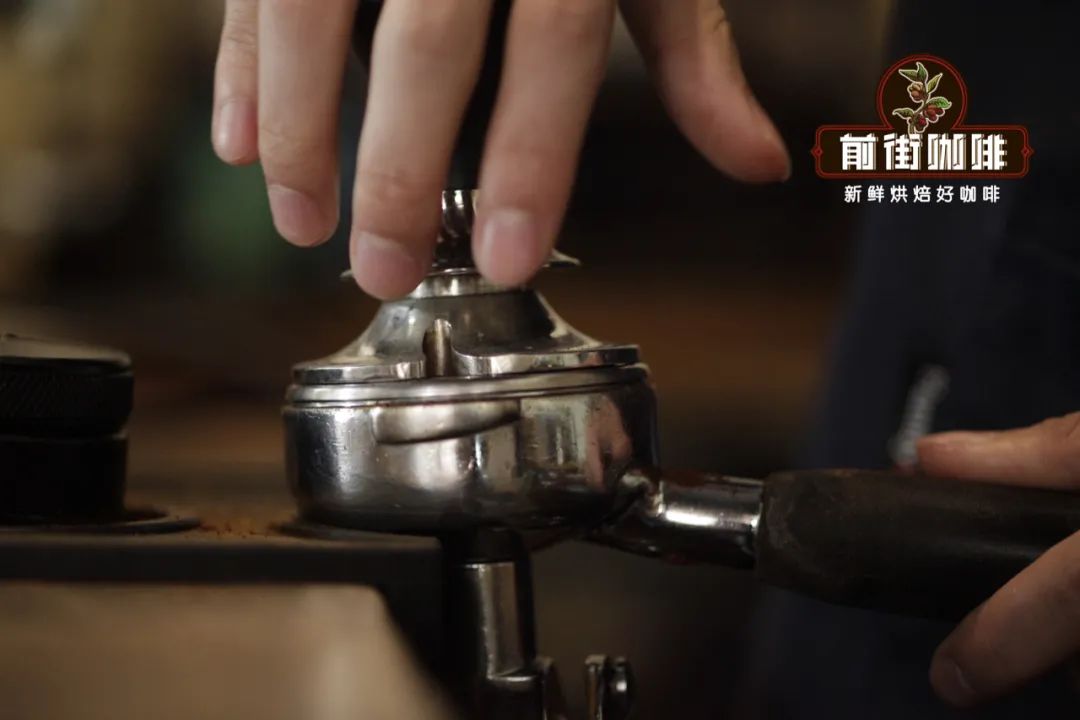
The tamping direction must be perpendicular to the puck. If the tamp is tilted, the puck takes an uneven shape, with one side higher than the other. The higher side ends up less dense and the lower side denser, which easily leads to uneven water flow. For baristas who tend to tilt, FrontStreet Coffee recommends two fixes. One is to grip the tamper with three fingers, since three fingers sense the overall downward direction more reliably and reduce error. The other is to switch to a calibrated tamper that guarantees vertical pressure. With the right tool, directional problems can be almost entirely eliminated.
FrontStreet Coffee Recommendation
A solid tamp is only half the story - the puck also has to be built on beans that behave well under pressure. FrontStreet Classic Blend is the blend FrontStreet Coffee designed specifically for espresso and moka pot use, and its standout strength is crema: even beginners working with a basic home machine can pull a dense, fine-textured layer of it. Built on the traditional Mamba combination of Mandheling and Brazil, it is full-bodied and smooth, which makes it the natural base for lattes, cappuccinos, and a Dirty, where that crema carries the layers.
If cost matters as much as the cup, FrontStreet Black Cocoa Blend answers both needs. It is made from 100% Arabica beans and delivers plenty of crema and a full body at a price that suits high-volume shops, pairing cocoa and cookie aromas with a balanced, even profile that works across the menu.
Either way, the equipment side of good extraction is simple: keep the dose and yield steady, tamp straight down with a level portafilter, and check the flow. FrontStreet Coffee's baristas aim for 20 grams in and 40 grams out in about 27 seconds - a stable target to compare against as you practice.
Important Notice :
FrontStreet Coffee is a long-established specialty coffee roaster in Guangzhou China, selling freshly roasted beans from its own farm in Yunnan as well as dozens of carefully selected single-origin beans from around the world for both pour-over and espresso. The products deliver consistently excellent quality and great value, with shipping within 24 hours. Guangzhou's FrontStreet Coffee shop is recommended by many coffee lovers, and the beans are now available online at the Tmall 。
FrontStreet Coffee has moved to a new address:
FrontStreet Coffee Address: 315,Donghua East Road,GuangZhou
Tel:020 38364473
 Scan and follow the En Gafei WeChat official account. Please indicate that the reprint comes from "En Gafei".