Flavor Characteristics and Taste of Brazilian Queen Estate Yellow Bourbon Coffee Beans, Brazilian Coffee Bean Pour-Over Brewing Method
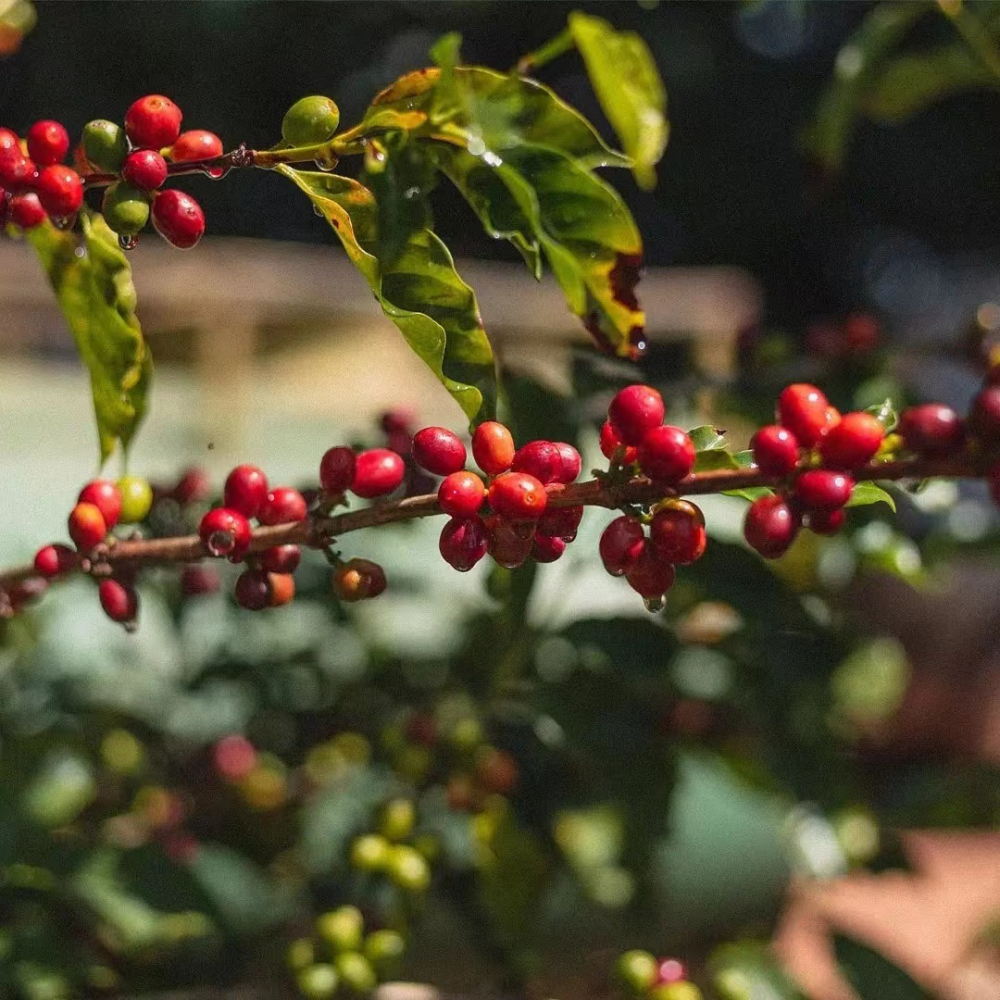
Besides the rare and high-quality Pink Bourbon, there is another common specialty coffee variety: Yellow Bourbon. It is cultivated mainly in Brazil and has won numerous awards at the Cup of Excellence (COE) competition. FrontStreet Coffee has selected the natural processed Yellow Bourbon from Fazenda Rainha (Queen Farm). This farm's Yellow Bourbon gives off berry aromas even in its raw bean form, with low acidity and high sweetness. On tasting, it produces a balanced mouthfeel, moderate body with nutty sweetness, and a persistent aftertaste; truly a bean worth experiencing.
Farm Introduction
This coffee comes from Fazenda Rainha (Queen Farm), which spans 280 hectares in Brazil's ancient volcanic valley, Vale da Grama. In 2011, the farm won the championship in Brazil's COE competition. Fazenda Rainha belongs to the renowned and respected Brazilian coffee family Carvalho Dias. The family's four major farms have won awards annually since the first Brazil COE competition in 1999, with over 12 awards in 7 years. In 2004 they even swept the championship, 9th place, 11th place, and more, surpassing many large and small farms in Brazil.
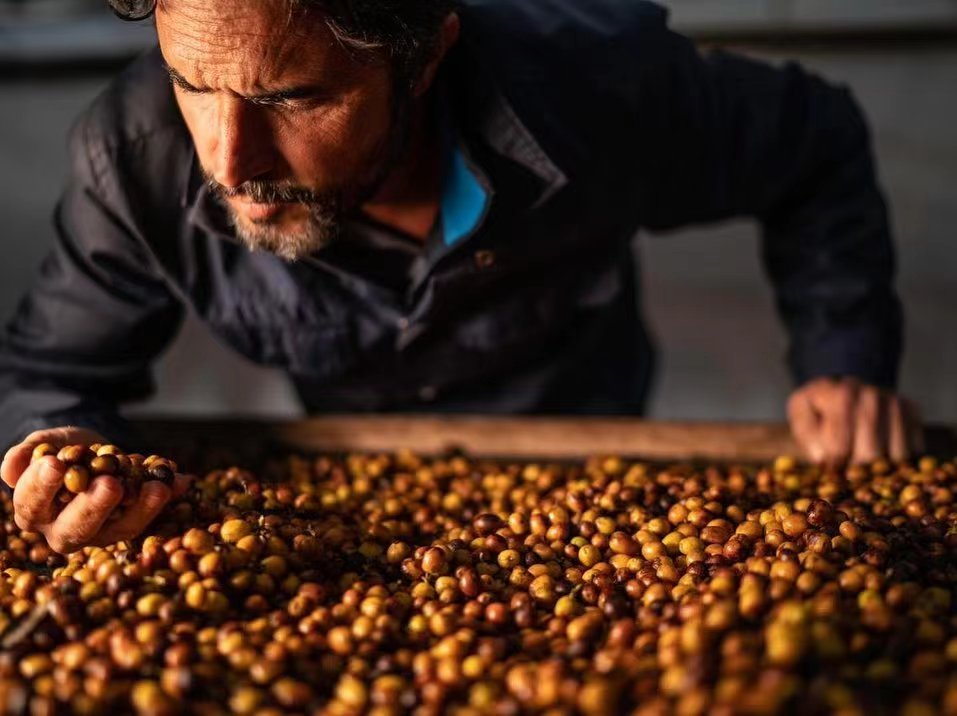
For years, many farms hoped to win awards but found it difficult, yet this family's farms have consistently carried away multiple awards year after year. The Fazenda Rainha lot boasts a brilliant record of its own: 2nd place in 2000, 3rd place in 2001, and 29th place in 2005. To date, Fazenda Rainha has won 3 times. The Carvalho Dias family is also a founding member of the Brazil Specialty Coffee Association, and its commitment to coffee quality and environmental protection is evident to all. Within their family farms, they use natural waterfalls to develop pollution-free hydroelectric power, becoming self-sufficient in electricity (another award-winning family farm was named after this waterfall: Waterfall Farm). They have built churches, classrooms, nurseries, and medical stations, insisted on preserving the original forest of native flora and fauna, and continued afforestation. Taking Fazenda Rainha as an example, environmental protection is quite thorough. Because the terrain is higher and not flat, machines cannot be used for harvesting; all fruit is picked completely by hand. They also cultivate low-yield, high-quality Bourbon varieties, making this a representative premium farm for Brazil's excellent coffee.
Fazenda Rainha's Coffee Processing System
Mature cherry fruits are hand-picked into cloth bags to avoid contact with the ground. Coffee fruits harvested on the same day are always sent to the farm's processing facility for pulped natural processing on the same day. Hand-picking and cloth bags keep the harvested fruit away from earthy flavors and improper fermentation. When the harvested fruit arrives at the processing facility, it immediately undergoes washing: the fruits are washed clean, and unqualified or dried fruits are screened out based on bean size. The qualified beans continue through the depulping process, using a coffee depulper.
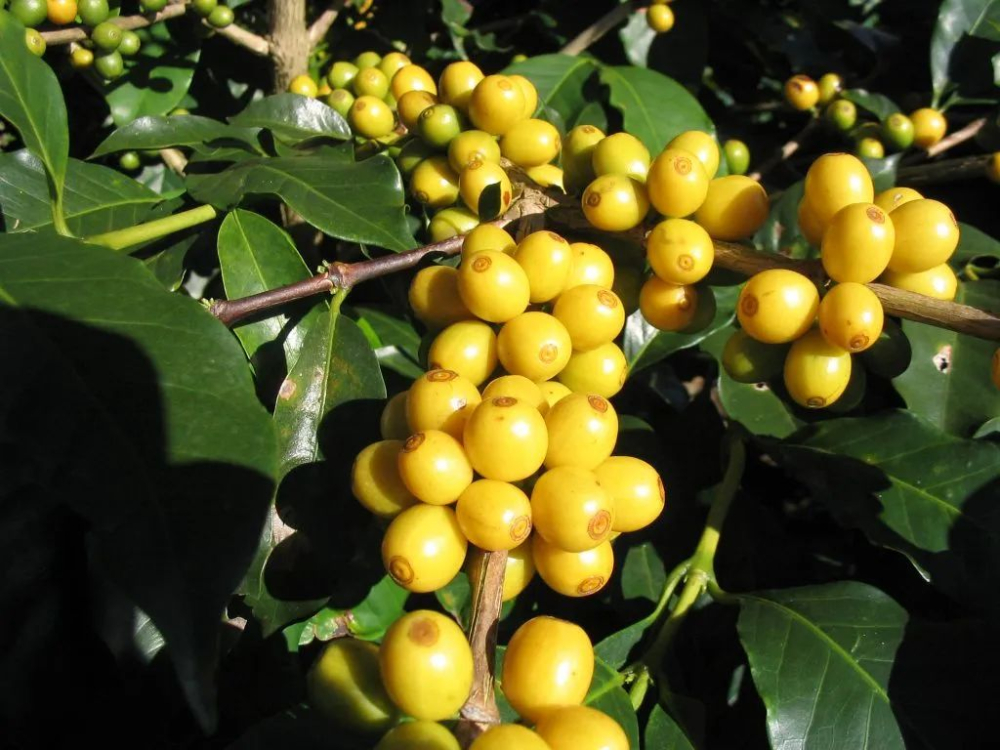
The farm plants 200 hectares of Yellow Bourbon coffee trees. The rolling mountains make large-scale mechanical harvesting impossible, so all coffee here must be hand-picked. The farm uses natural and pulped natural processing methods. The semi-washed method involves drying on drying racks plus mechanical drying. After mechanical screening, manual screening is also added. A large amount of work requires farm employees to live on the farm year-round, and all employees and their families enjoy benefits in housing, healthcare, and education.
The farm is a member of a medium-sized farm organization in the local Grama Valley, mainly exporting specialty coffee of Bourbon varieties. The organization's office is located in nearby Pocos de Caldas, and it also has a national-level cupping laboratory equipped with large warehouses. The organization also cooperates with local universities and other institutions for research, including Lavras University; the famous Dr. Flavio Borem comes from this university's Agricultural Research Center.

Fazenda Rainha Award Records:
2014 COE Cup of Excellence 13th Place
2013 COE Cup of Excellence 2nd Place
2012 COE Cup of Excellence 8th Place
2011 COE Cup of Excellence Champion
2010 COE Cup of Excellence 20th Place
2009 COE Cup of Excellence 6th Place
2008 COE Cup of Excellence 14th Place
FrontStreet Coffee Fazenda Rainha Yellow Bourbon Raw Bean Analysis
This bean uses Brazil's invented pulped natural method (depulping, semi-washed), which is similar to honey processing. This processing method makes the coffee flavor more rounded, with effects between washed processing and full natural processing. During processing, a small amount of water is used first to remove pulp and skin, then the coffee is placed directly on drying racks for sun-drying, with constant turning to ensure all coffee contacts sunlight. After several days of drying, mechanical drying is used to reach the appropriate moisture content.
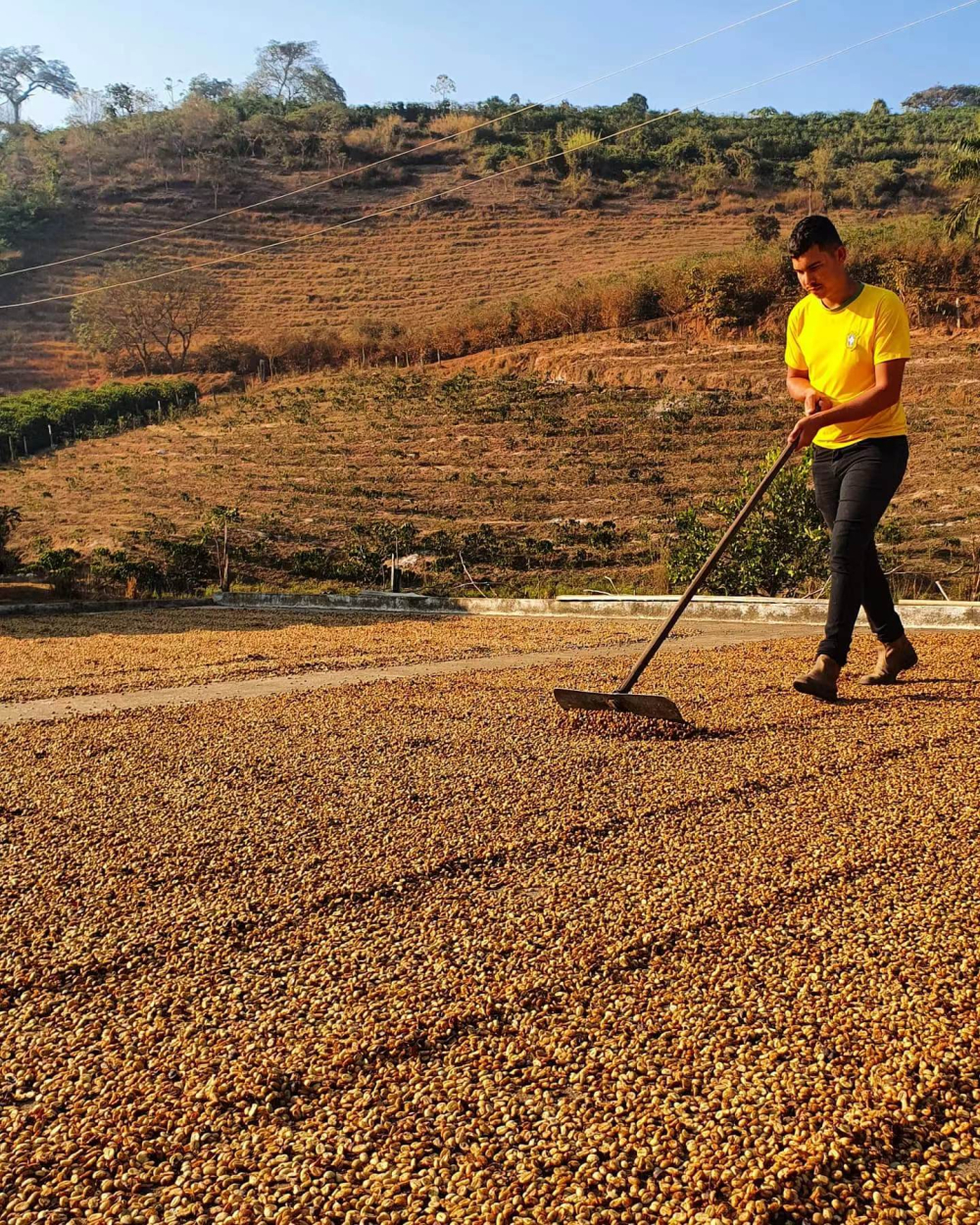
The processed coffee beans have relatively stable properties and can be stored for a long time. They have lower moisture content, and the beans are relatively large, with 98% of beans reaching size 16 or above, and half reaching size 18.
Brazil's coffee grading system evaluates based on defect ratio, size, flavor, and taste scores, an independent grading system more complex than those of other countries. For example, Brasil Santos NY 2 SC17/18 SS FC, where NY2 is the defect ratio grading: larger numbers represent higher defect ratios. In order: 2, 2/3, 3, 3/4, 4, with NY indicating it is based on New York grading standards.

FrontStreet Coffee Brazil Cerrado Coffee Raw Beans
FrontStreet Coffee Fazenda Rainha Yellow Bourbon [Roasting Analysis]
The raw beans have a solid texture and excellent flavor performance, with slight orange peel and spice aromas. Raw bean moisture content is 9.9%.
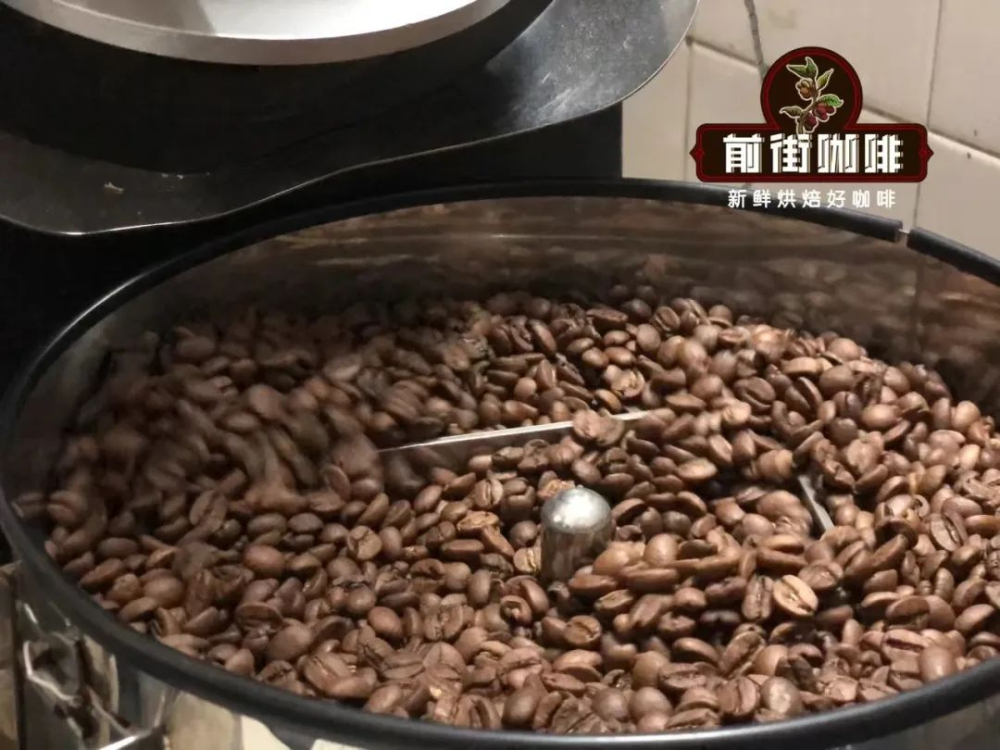
This bean has relatively low moisture content, which gives it strong heat absorption capacity. The roasting plan, therefore, is to start at 200°C, then use high heat and small airflow to accelerate dehydration. After the dehydration stage ends, use medium airflow and medium heat for the Maillard reaction, without rushing, and exit near the end of the first crack.
Charge amount: 550g
After 4 trial roasts, the final choice was to exit 1 minute 45 seconds to 2 minutes after the end of the first crack. The flavor has noticeable sweetness, but not a monotonous sweetness, with a subtle lemon aroma in the background that is more prominent in the wet aroma stage. The later stage shows obvious dark chocolate flavor, with an overall rounded feel. While reflecting the characteristics of Brazilian coffee, it also keeps a sense of liveliness.
[FrontStreet Coffee Fazenda Rainha Yellow Bourbon Cupping]
Dry Aroma: Roasted hazelnut, cinnamon
Wet Aroma: Slight tropical fruit aroma, cream, cane sugar
Flavor: Refined nutty flavor, fruitiness, creamy peanuts on entry
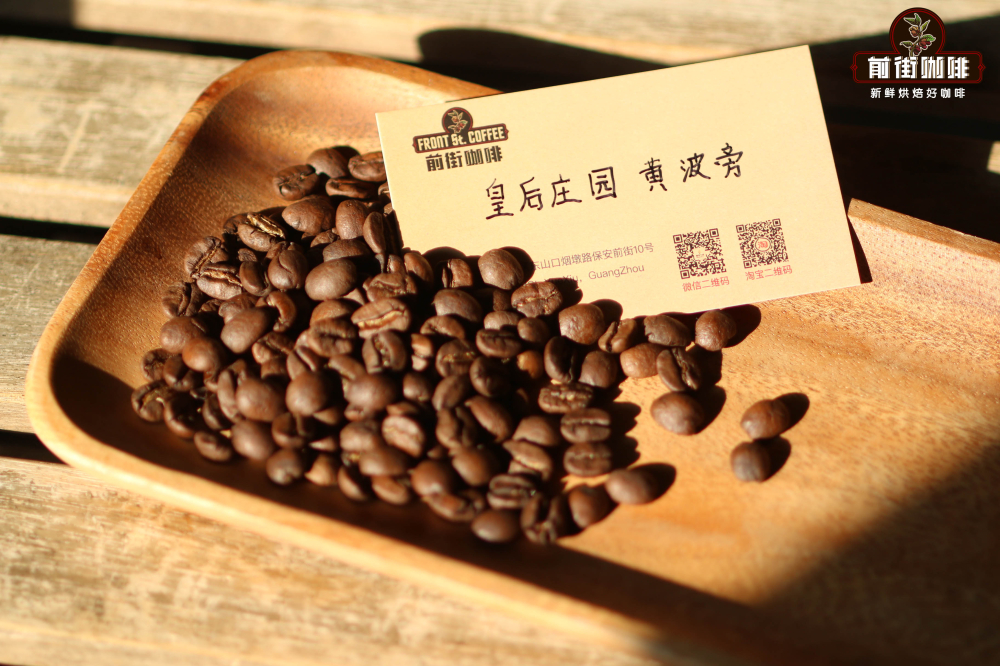
FrontStreet Coffee: Brazil Fazenda Rainha Coffee Beans
Region: Brazil Mogiana Region
Farm: Fazenda Rainha (Queen Farm)
Farm Owner: Regina Helena Mello de Carvalho Dias, belonging to the Carvalho Dias Family
Variety: Yellow Bourbon
Processing: Pulped Natural Processing
Altitude: 1400-1950m
Flavor: Chocolate, nuts, caramel, sugarcane, tropical fruit aroma
[FrontStreet Coffee Fazenda Rainha Yellow Bourbon Pour-over Parameters]:
Coffee powder amount: 15g, medium grind (Fuji Royal 4 grinding), Kono filter cup, 88-89°C water temperature. First pour 30g water and bloom for 27 seconds. Pour to 105g water and pause. Wait until the water level drops to half before pouring again. Slowly pour until reaching 225g water, avoiding the tail section. Water-to-coffee ratio 1:15, extraction time 2:00.
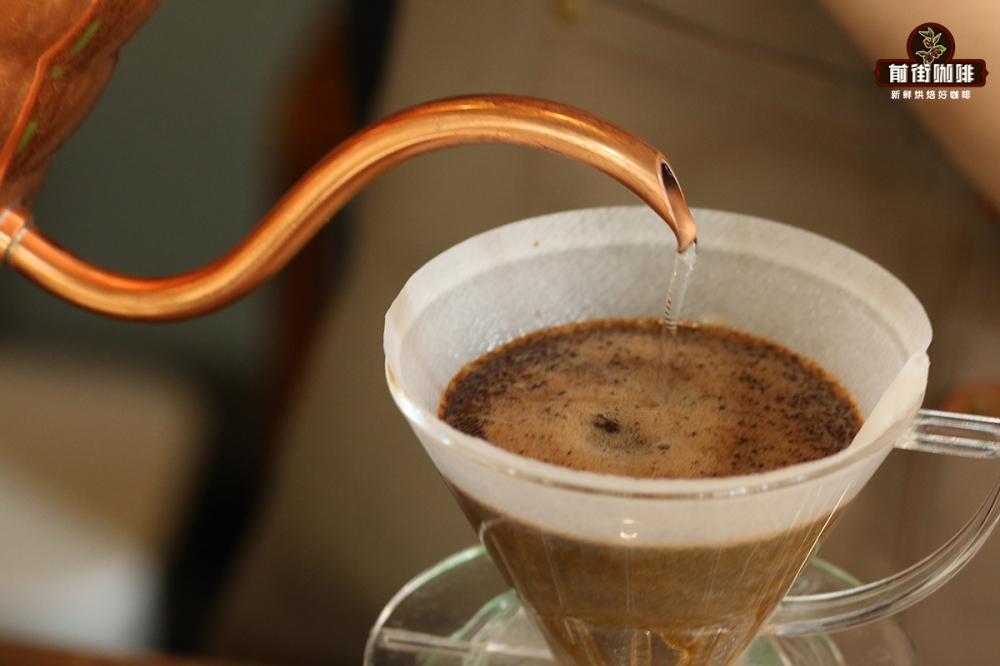
Pour-over flavor: The beans are sweet and clean. Using pulped natural processing makes the acidity slightly bright but well-balanced with sweetness. Some even have tropical fruit aromas, especially the aromatic notes during brewing, which are particularly appealing. The fresh sweetness of sugarcane juice, red tea, and soft fruity sweetness, obvious nutty flavors, balanced and smooth acidity, subtle and clean bitterness, rich chocolate aroma and nutty flavors, bright and refreshing mouthfeel, and a smooth, delicate texture.
FrontStreet Coffee Recommendation
FrontStreet Brazil Queen Estate Yellow Bourbon is our direct answer to this article. Grown in Brazil's Mogiana region, it comes from the rare Yellow Bourbon variety and is roasted medium, showing clean, gentle sweetness with fruitiness and chocolate, along with the sugarcane sweetness that few other regions offer. It works as pour-over, in a moka pot, or through a home espresso machine, so one bag covers several brewing styles.
If you want to start with an even more classic Brazilian single origin, FrontStreet Brazil Cerrado Red Bourbon is a pulped natural lot from the well-known Cerrado region, roasted medium to bring out cream peanut, toast, caramel, and hazelnut. The cup is rounded and low in acidity with a light bitterness, and it fits pour-over, moka pot, SOE, siphon, and French press.
Important Notice :
FrontStreet Coffee is a long-established specialty coffee roaster in Guangzhou China, selling freshly roasted beans from its own farm in Yunnan as well as dozens of carefully selected single-origin beans from around the world for both pour-over and espresso. The products deliver consistently excellent quality and great value, with shipping within 24 hours. Guangzhou's FrontStreet Coffee shop is recommended by many coffee lovers, and the beans are now available online at the Tmall 。
FrontStreet Coffee has moved to a new address:
FrontStreet Coffee Address: 315,Donghua East Road,GuangZhou
Tel:020 38364473
 Scan and follow the En Gafei WeChat official account. Please indicate that the reprint comes from "En Gafei".