Flavor Characteristics of Central American Coffee: Coffee Growing Regions and Their Flavor Profiles
Flavor Characteristics of Central American Coffee
Experienced coffee drinkers know that coffee flavor is generally divided by three major growing regions: Africa, Asia, and Latin America. Central American coffee offers the most balanced flavors of the three. Brazilian coffee tends to be rich and full-bodied, Costa Rican coffee is milder with a smooth mouthfeel, and Panamanian beans are famous for intense citrus and jasmine florals. Why is that? Today FrontStreet Coffee introduces the flavor characteristics of the typical coffee regions of Central America.
Brazilian Coffee
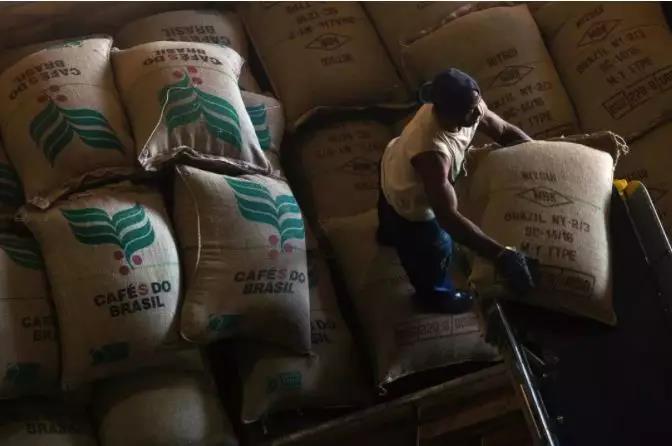
Everyone knows Brazil ranks first in coffee production and export volume, so it naturally stands out when discussing Central American regions. Yet Brazil has few well-known single-origin beans. That is because Brazilian processing is highly mechanized, which makes the flavor across Brazilian beans relatively uniform. This is not a mark of poor quality; rather, the best Brazilian beans share similar characteristics, so consumers naturally choose the finest within a similar profile. Brazil also grows many varieties, but its industrial policy favors quantity and affordability, so there are not many premium grades - though Brazilian beans make excellent blending material.
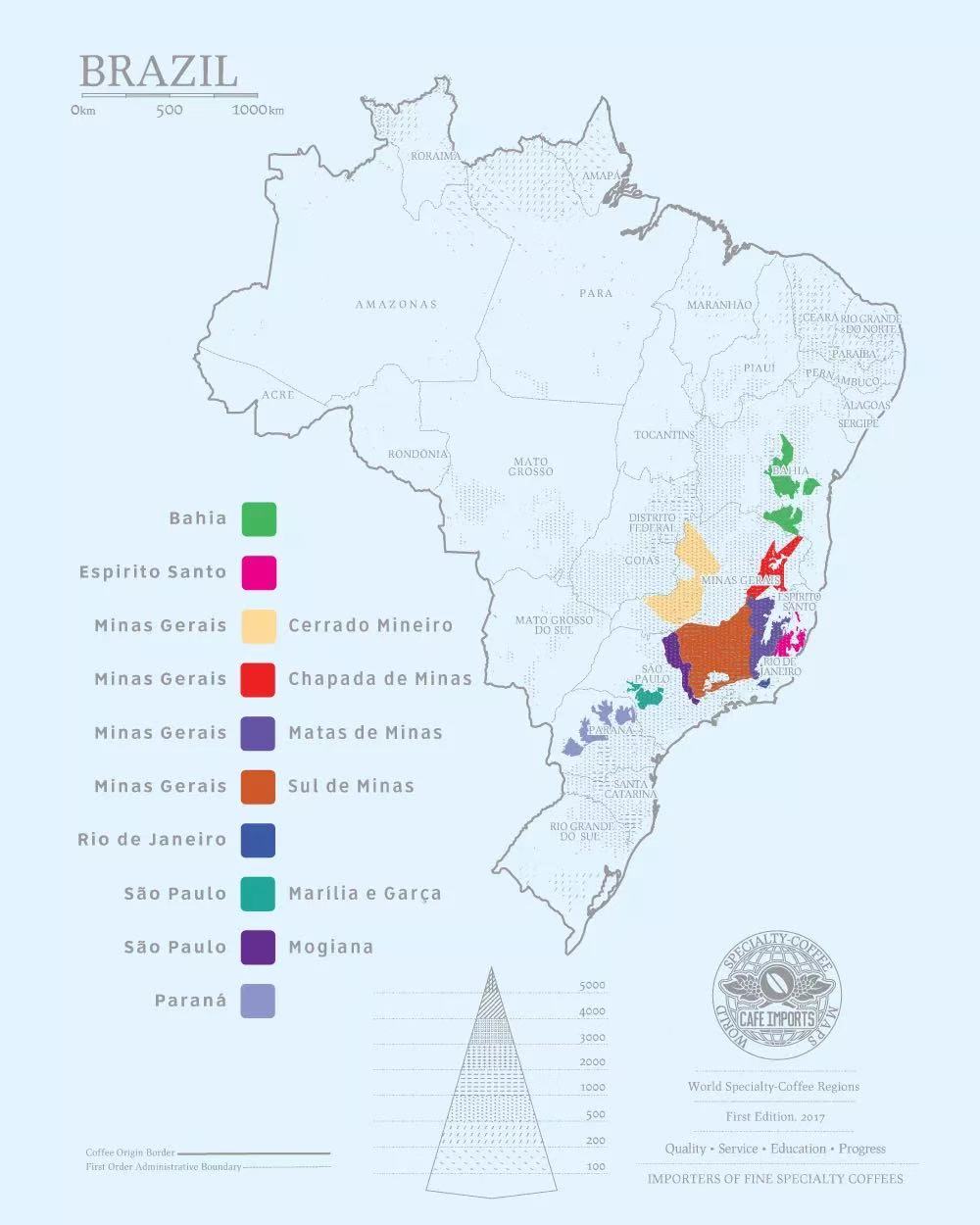
According to FrontStreet Coffee's research, Brazil's main coffee-producing regions are Minas Gerais, Sao Paulo, Bahia, and Espirito Santo, which together account for 90% of the country's total production. Among them, Mogiana in Sao Paulo state is the most famous, though the highest-altitude areas are not Mogiana but Cerrado and Sul de Minas in Minas Gerais. Next, FrontStreet Coffee introduces the characteristics of these three best-known Brazilian regions.
Sul de Minas
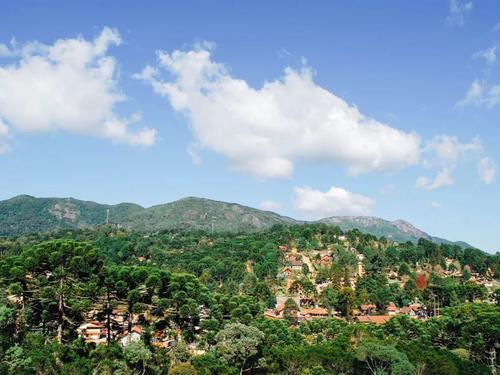
With elevations of 700-1200 meters, this region has hilly terrain and is one of Brazil's earliest coffee-producing areas. Rising labor costs mean most harvesting is now mechanized. It was also one of the first regions to commercialize coffee, which explains the presence of many large exporters. The Bahia region in northern Brazil mainly produces washed Brazilian coffee, while the coastal Espirito Santo region is the main export area for Brazilian Robusta.
Cerrado
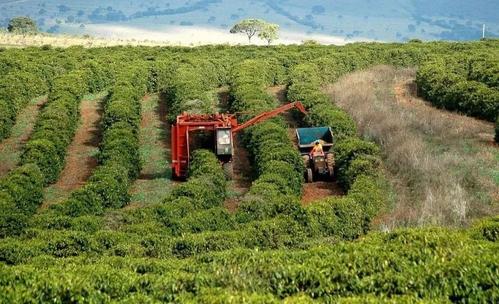
Occupying 22% of Brazil's total area, this vast savanna lies deep in the interior. The Portuguese word "Cerrado" means "closed-off place." The savanna originally stretched from Mato Grosso province in the southwest through central-west Minas Gerais to western Bahia. The Cerrado coffee region FrontStreet Coffee refers to is not the entire savanna but only the coffee-growing areas above 1000 meters in central-west Minas Gerais. Only those qualify as the Cerrado coffee region. This is the finest part of the savanna, and with high altitude and fertile soil it produces specialty beans with clear sweetness, rich body, and high cleanliness.
Mogiana
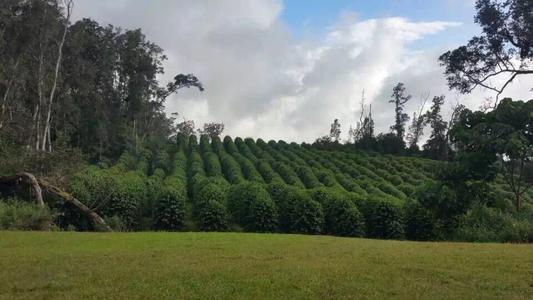
This region sits very close to southern Minas Gerais. Coffee grows among shrubs, grasslands, and other vegetation. Many farming families work here, some running traditional large farms and others practicing small-scale modern methods. The combination of modern technology and mountain coffee culture produces the highest-quality green beans.
The two Brazilian beans FrontStreet Coffee currently offers are precisely the Red Bourbon from the Cerrado region and the Yellow Bourbon from Mogiana.
FrontStreet Coffee Brazilian Red Bourbon Coffee Beans
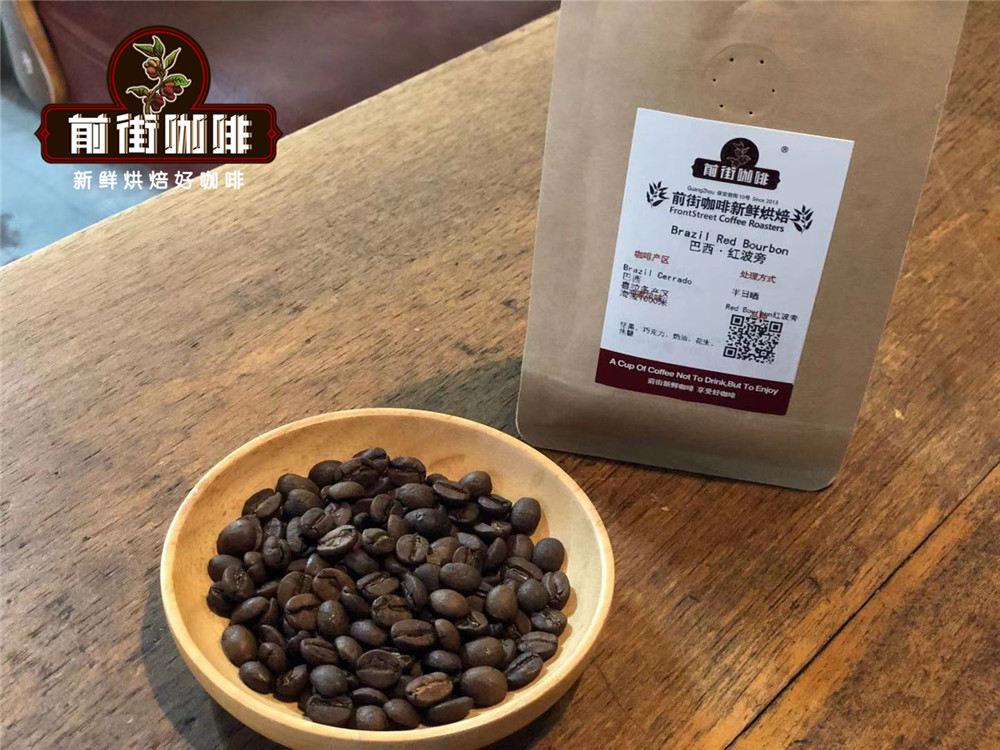
Country: Brazil
Region: Sul de Minas
Altitude: 1000m
Variety: Red Bourbon
Processing: Pulped Natural
Flavor: Nuts, Chocolate, Cream, Peanut, Caramel
FrontStreet Coffee Brazilian Queen's Manor Coffee Beans
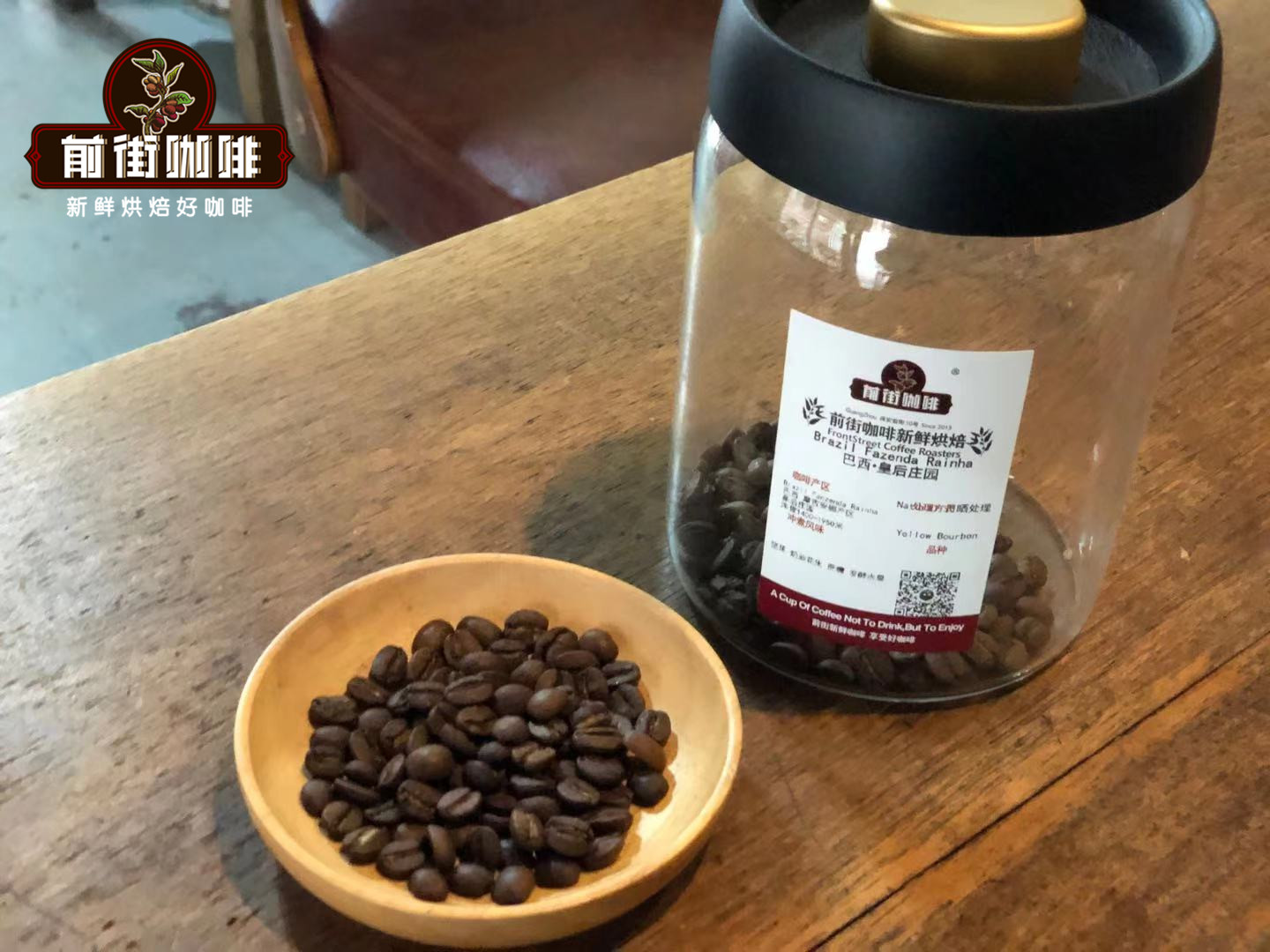
Country: Brazil
Region: Sao Paulo State (Queen's Manor)
Altitude: 1400-1950m
Variety: Yellow Bourbon
Processing Method: Pulped Natural/Natural
Flavor: Nuts, Cream, Peanut, Fermented Fruits, Sucrose
Costa Rican Coffee
According to FrontStreet Coffee's research, Costa Rica is one of the earliest countries to cultivate coffee, with a very long history. Its volcanic soil is extremely fertile and well-draining, especially in the Central Plateau. Fertile volcanic ash, mild temperatures, and steady abundant rainfall create the essential conditions for excellent coffee.
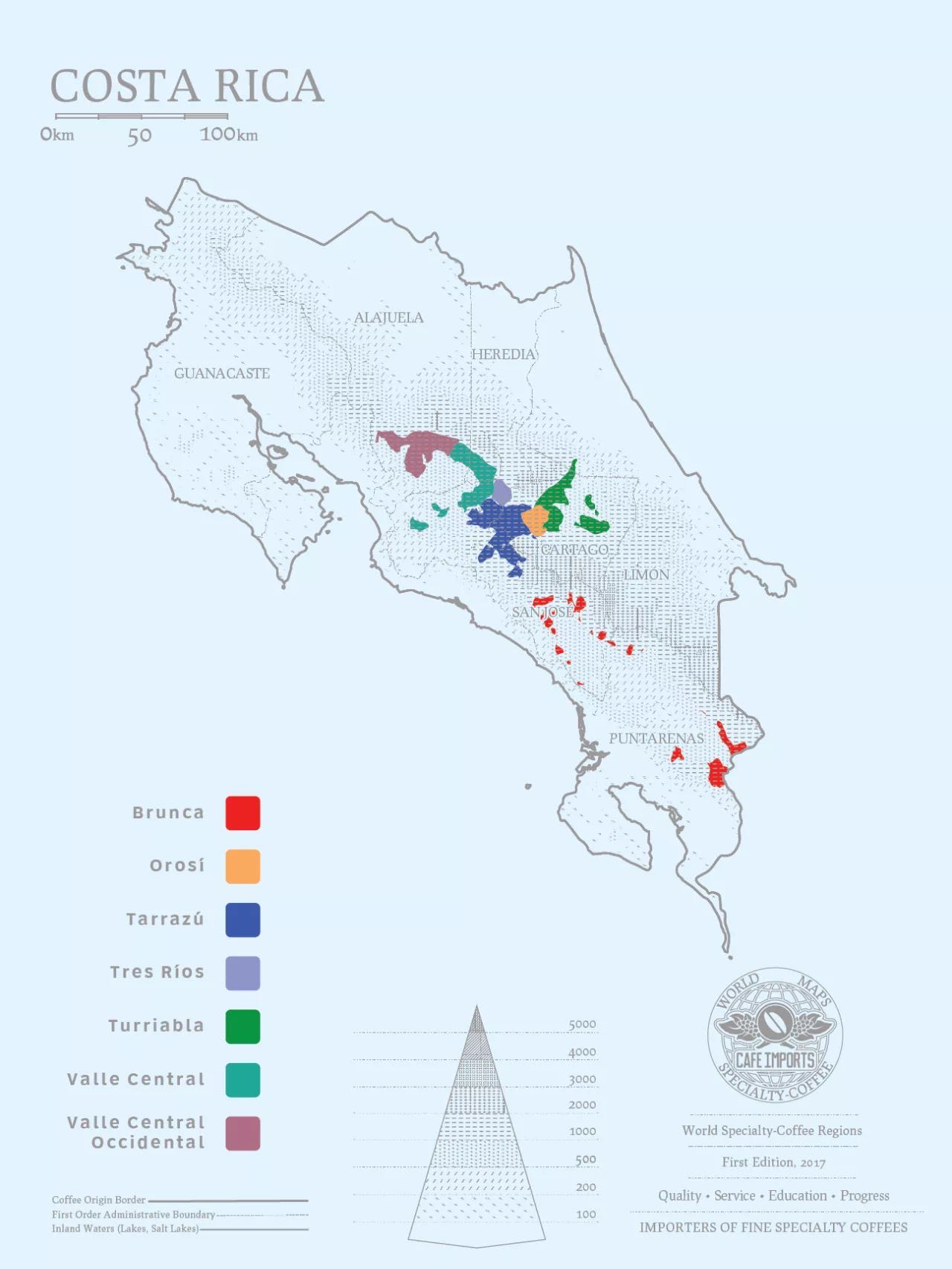
Costa Rica has eight main coffee-growing regions: Central Valley Occidental, Central Valley, Tarrazu, Tres Rios, Orosi, Brunca, and Turrialba. Among them, Tarrazu is the country's most famous.
Tarrazu
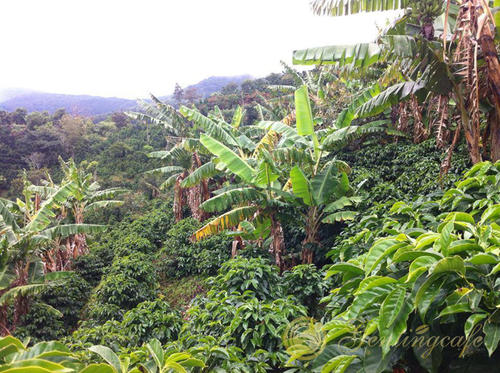
Tarrazu lies south of the capital, San Jose, and is one of the country's most valued coffee areas. With cultivation altitudes of 1,200-1,700 meters, the beans produced here have excellent acidity, are hard and full-bodied, and carry rich aromas. The famous Cafe Granja La Esperanza Musician Series beans originate from this region.
FrontStreet Coffee Costa Rican Musician Series Mozart Coffee Beans
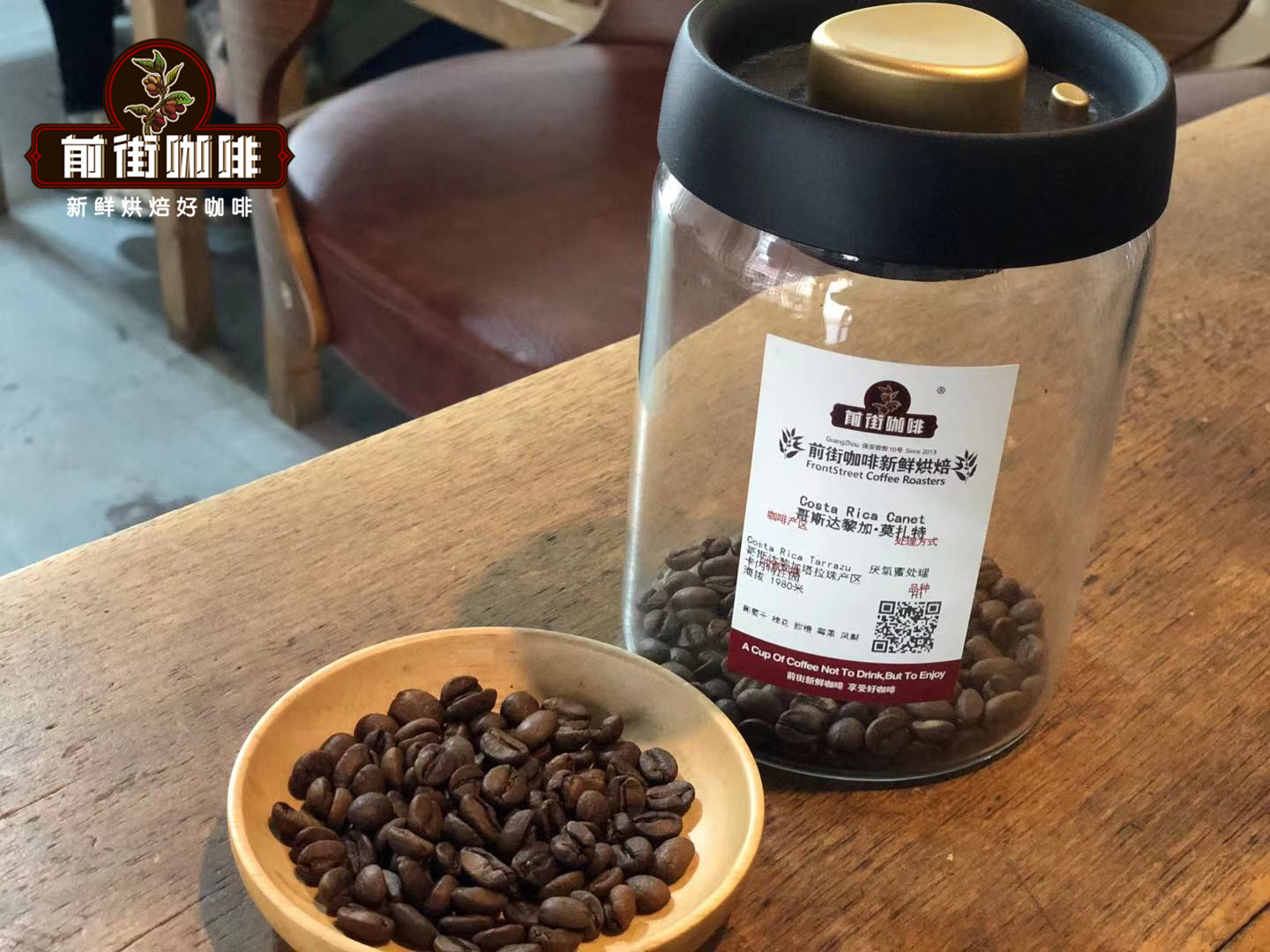
Country: Costa Rica
Region: Tarrazu
Altitude: 1800m
Variety: H1
Processing: Raisin Honey
Flavor: Raisin acidity, Berries, Floral notes, Fermented wine aroma
FrontStreet Coffee Costa Rican Musician Series Bach Coffee Beans
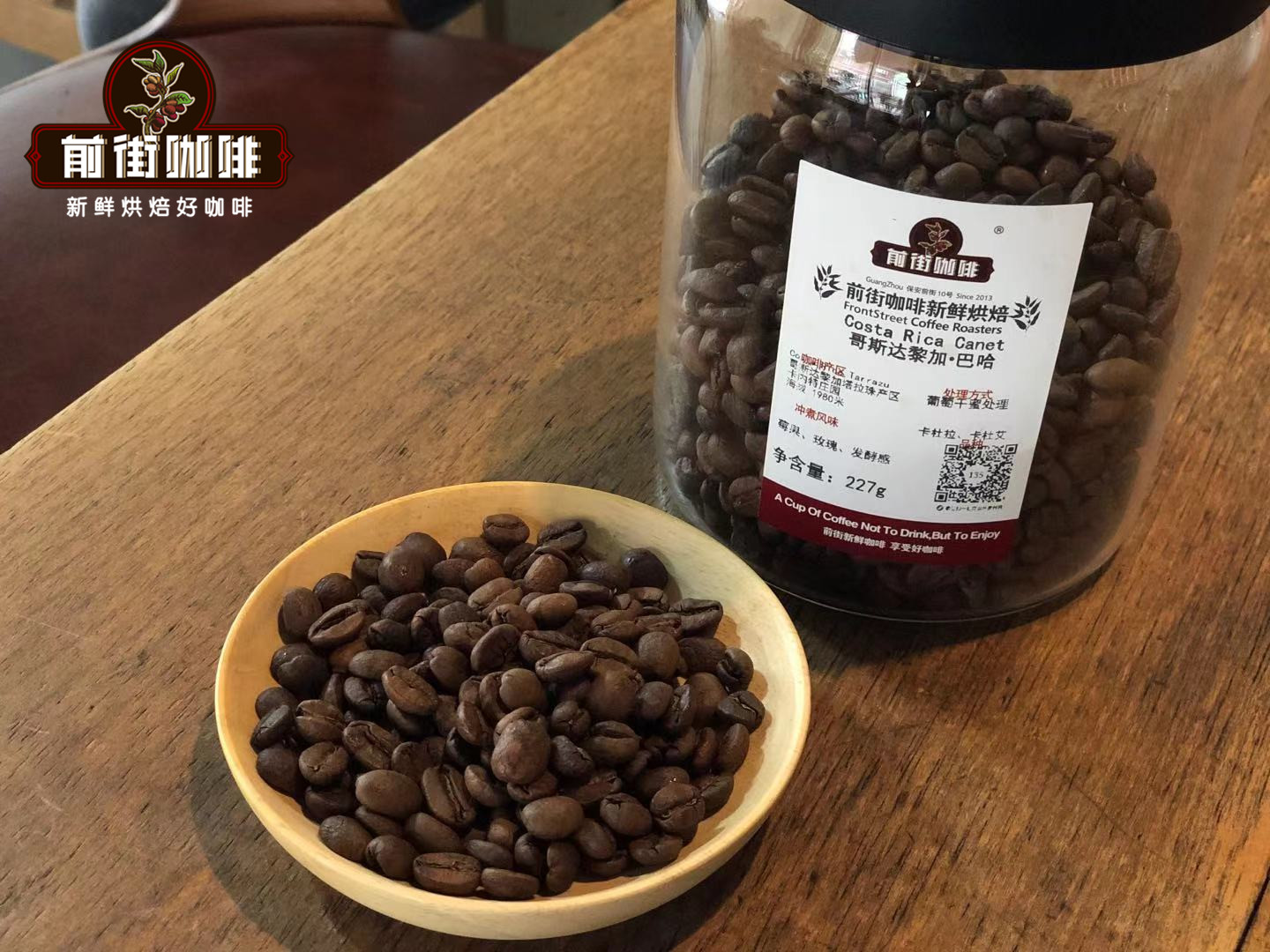
Country: Costa Rica
Region: Tarrazu
Altitude: 1950m
Variety: H1
Processing: Raisin Honey
Flavor: Fermented wine aroma, Berries, Fruit tea notes
FrontStreet Coffee Costa Rican Musician Series Beethoven Coffee Beans
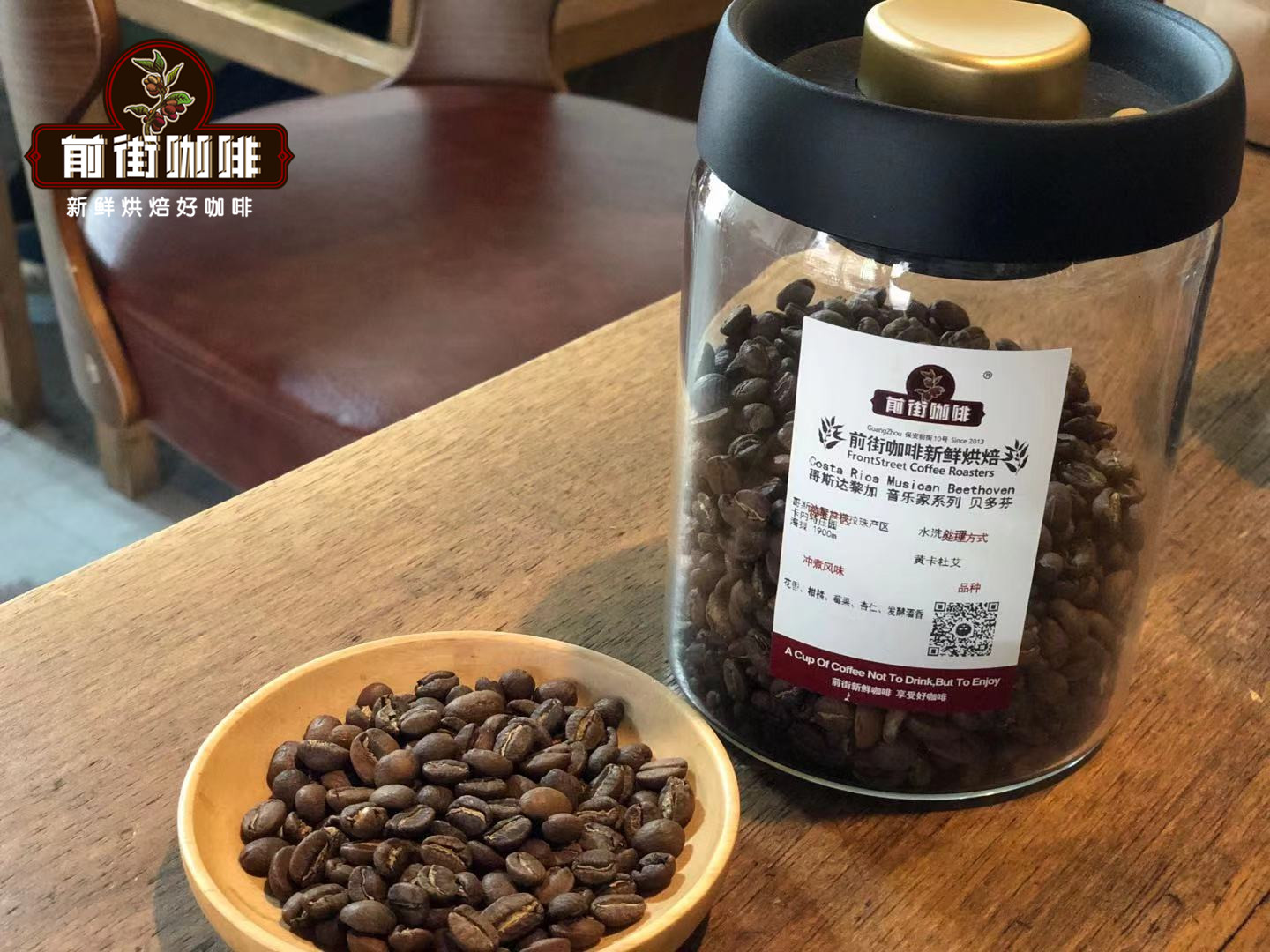
Country: Costa Rica
Region: Tarrazu
Altitude: 1800-1950m
Variety: Caturra, Catuai
Processing: Washed
Flavor: Citrus, Berries, Floral notes, Subtle fermented wine aroma
Panamanian Coffee
Panama lies at the southern end of Central America, bordering Colombia. Its beans are characterized by a smooth mouthfeel, balanced acidity, and pure, distinctive flavors. The most famous Panamanian beans, however, do not fit that description - they lean toward the citrus and lemon acidity of African Ethiopian coffees. That is because Geisha became a sensation in Panama, and Geisha inherently carries rich florals and citrus acidity, so its profile does not change much even when grown in Panama.
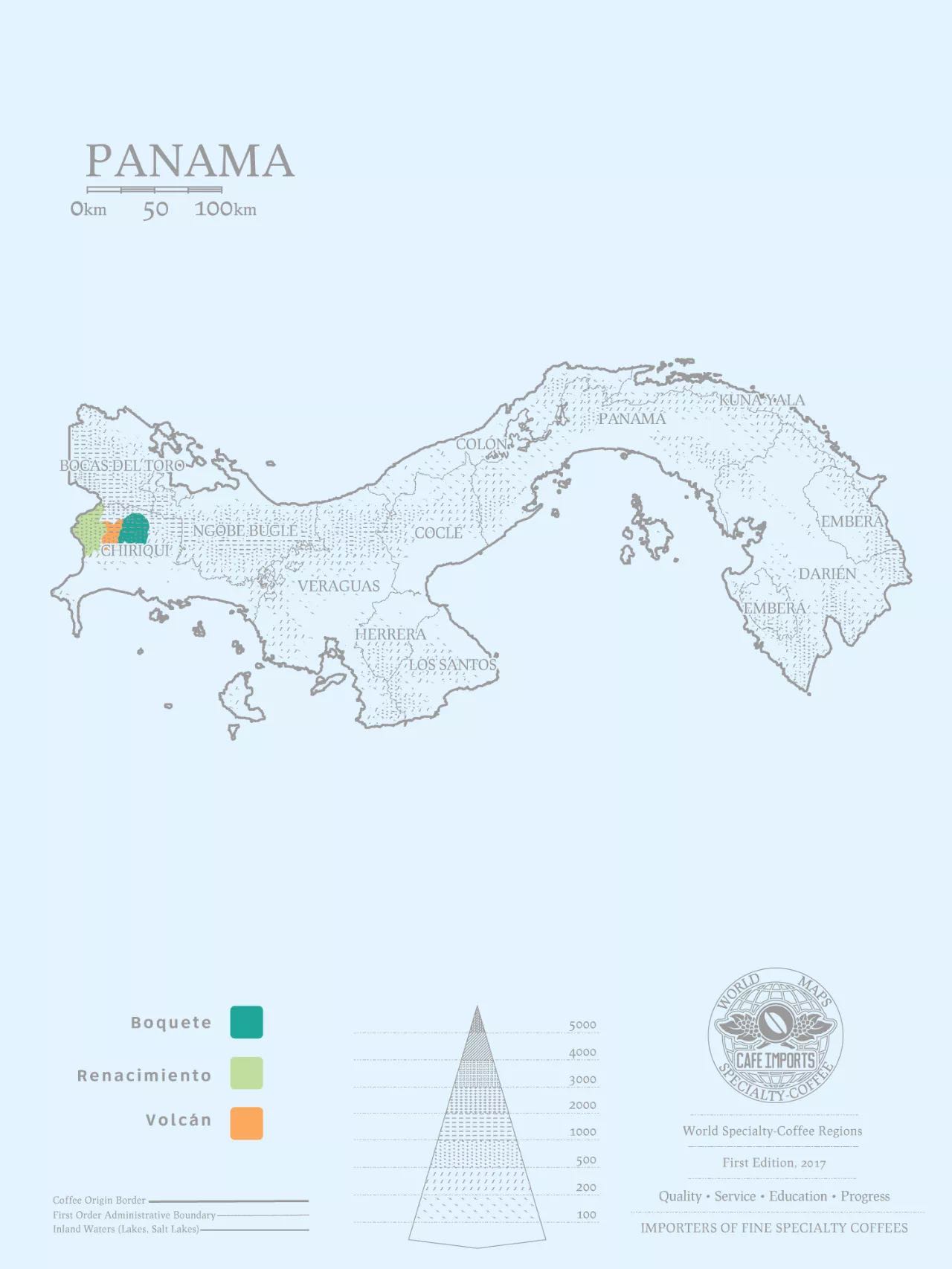
According to FrontStreet Coffee's research, Panama has four main coffee regions: Boquete, Volcan, Santa Clara, and Candela. Among them, Boquete produces the most famous beans, especially Hacienda La Esmeralda, which made Geisha famous in the region.
The rise of Panamanian Geisha was quite serendipitous. According to FrontStreet Coffee's research, what caught the attention of the Peterson father and son at Jaramillo Estate was precisely that the originally planted beans carried pleasant citrus and floral fruit aromas, unlike traditional Panamanian coffee flavors.
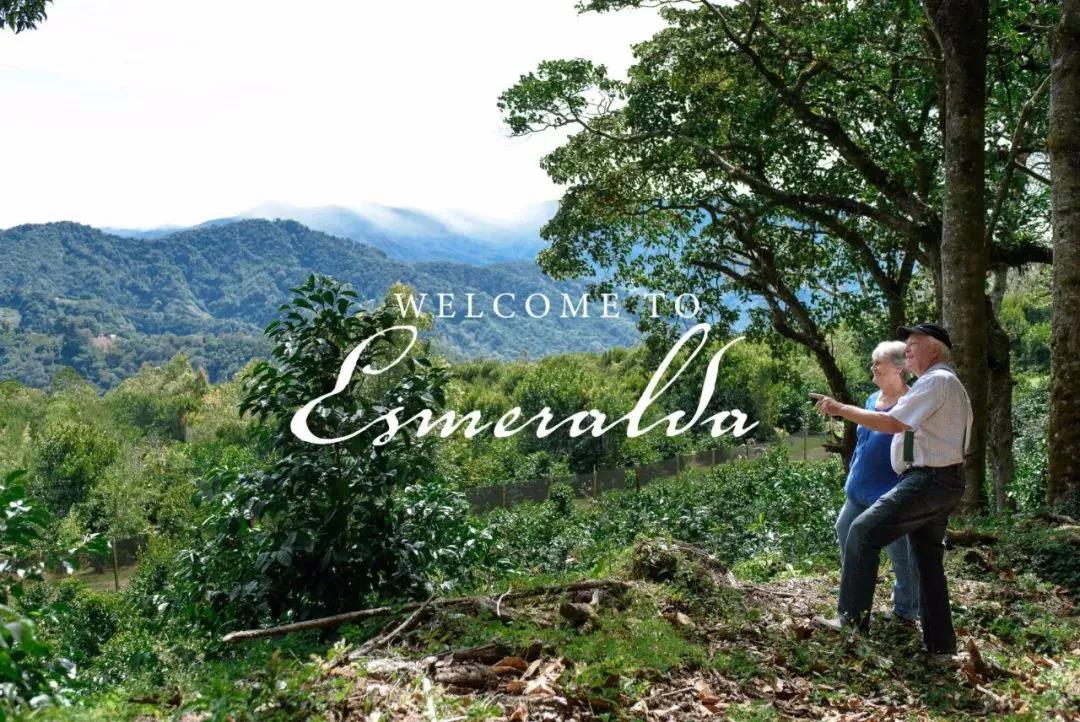
After cupping beans from different parts of the estate, they discovered that the unknown trees at the estate's highest point had been used only as windbreaks by the previous owner, because of their low yield. That tree is what coffee lovers now know as the Geisha coffee tree.
Later, this Geisha bean discovered by Peterson won first place in the 2004 Best of Panama (BOP) green coffee competition and went on to achieve remarkable results. Expert identification confirmed it was the Geisha variety from Ethiopia, which sparked a trend of planting Geisha in Panama. La Esmeralda Estate also grows Catuai and Caturra beans, which offer excellent flavors typical of Panamanian coffee. Next, FrontStreet Coffee introduces several famous Panamanian beans.
FrontStreet Coffee Panama La Esmeralda Red Label Geisha Coffee Beans
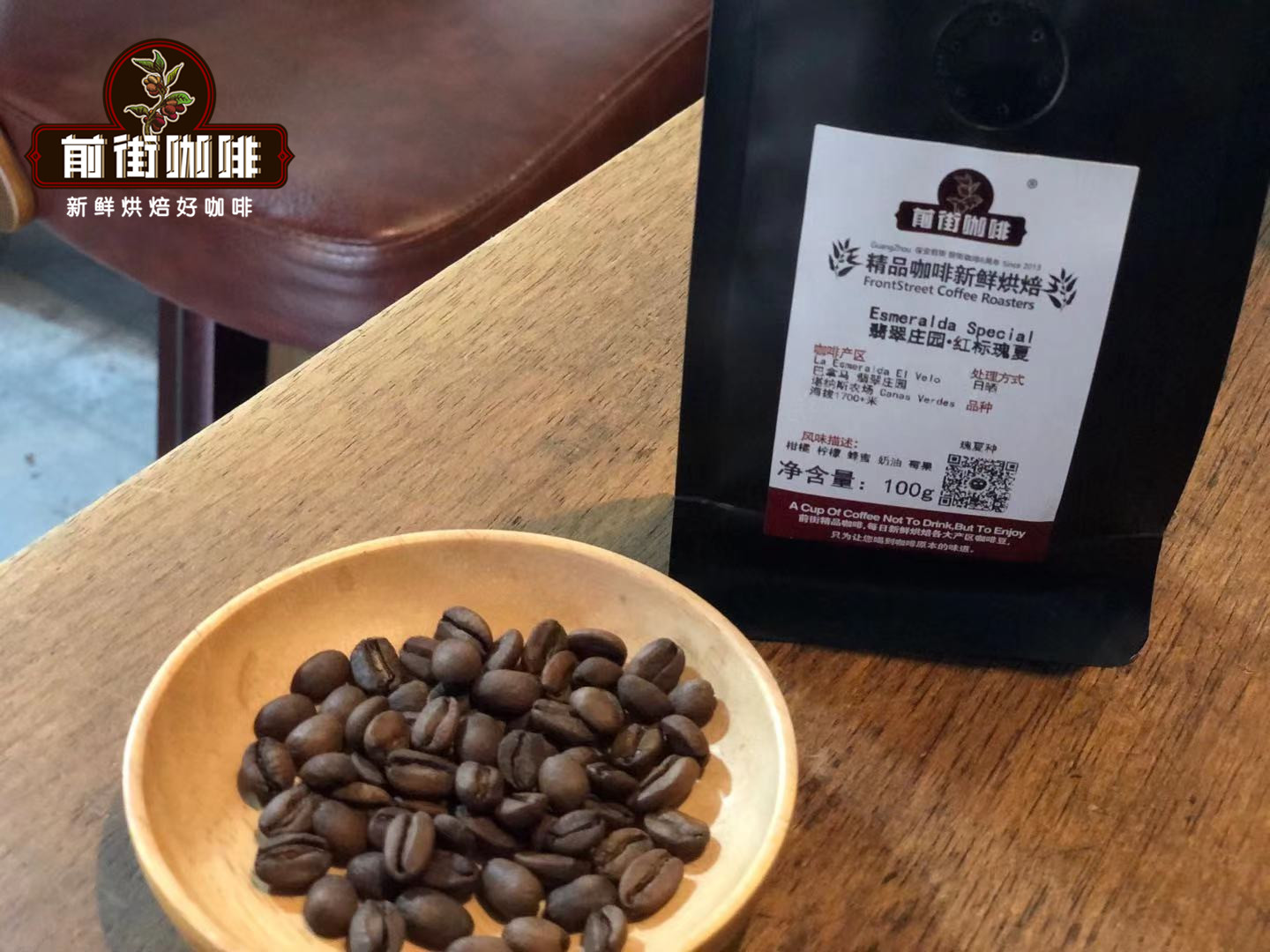
Country: Panama
Region: Boquete (La Esmeralda Estate)
Altitude: 1700 m
Variety: Geisha
Processing: Natural
Flavor: Citrus, Complex fruits, Rose tea, Honey
FrontStreet Coffee Panama La Esmeralda Green Label Geisha Coffee Beans
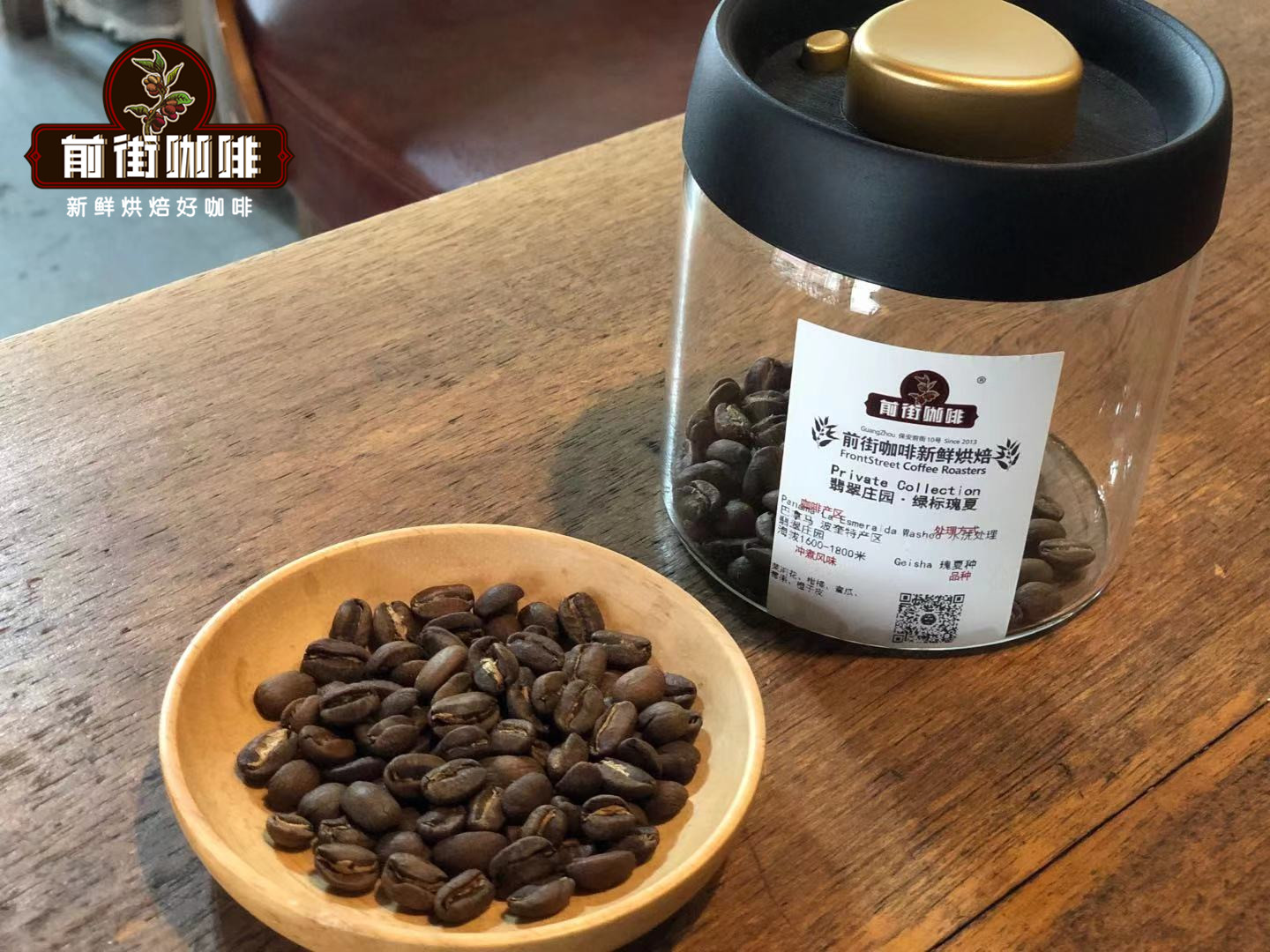
Country: Panama
Region: Boquete (La Esmeralda Estate)
Altitude: 1700 m
Variety: Geisha
Processing: Natural
Flavor: Jasmine, Citrus, Melon, Berries
FrontStreet Coffee Panama La Esmeralda Washed Blue Label Geisha Coffee Beans
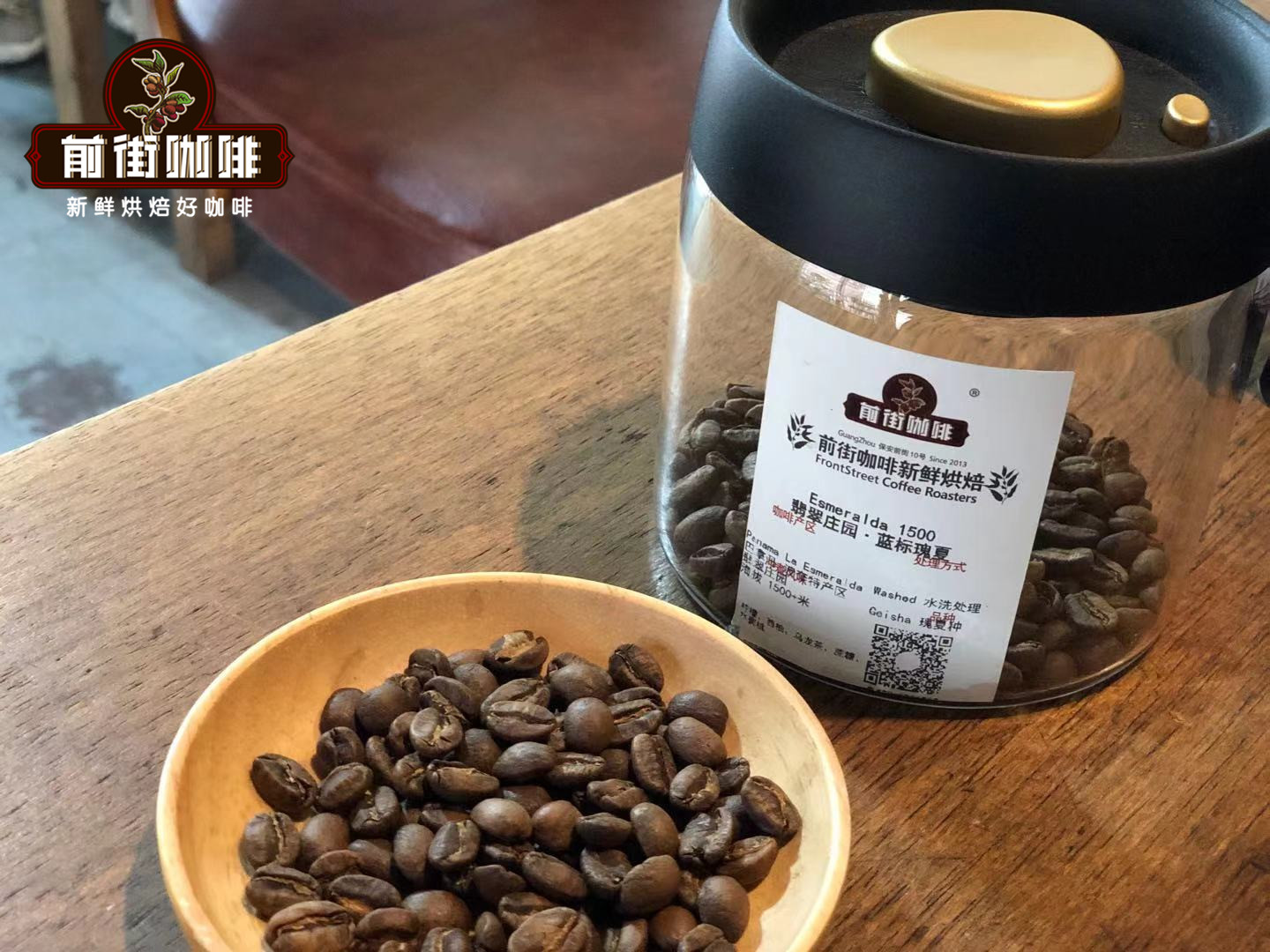
Country: Panama
Region: Boquete (La Esmeralda Estate)
Altitude: 1400-1500 m
Variety: Geisha
Processing: Washed
Flavor: Lemon, Oolong tea, Sucrose, Peach
FrontStreet Coffee Panama La Esmeralda Natural Diamond Mountain Coffee Beans
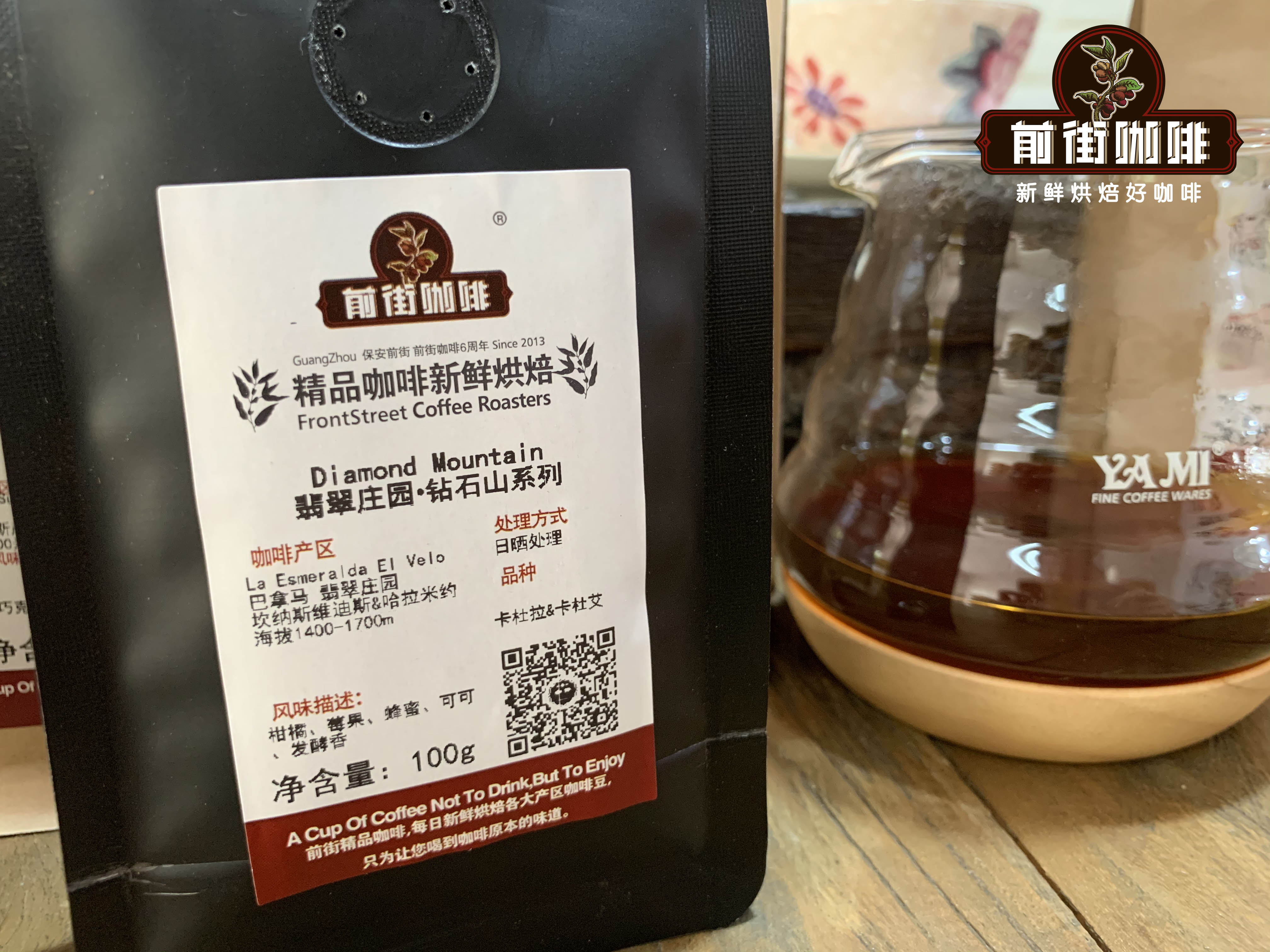
Country: Panama
Region: Boquete, La Esmeralda Estate
Estate: La Esmeralda Estate
Altitude: 1400-1700m
Variety: Catuai, Caturra
Processing: Natural
Flavor: Citrus, Bright acidity, Nuts, Honey, Fermentation notes, Cocoa
Colombian and Guatemalan beans also offer very distinctive characteristics. Next, FrontStreet Coffee introduces the features of coffee from these two regions.
Colombian Coffee
Colombia lies in the northwest of South America, where coffee holds very high status. Colombians count coffee among their "four treasures" - flowers, gold, emeralds, and coffee - which shows its importance. Few coffees in the world are named after a country, the way Mandheling or Blue Mountain is not, and Colombia was the first to use its country name as a coffee brand.
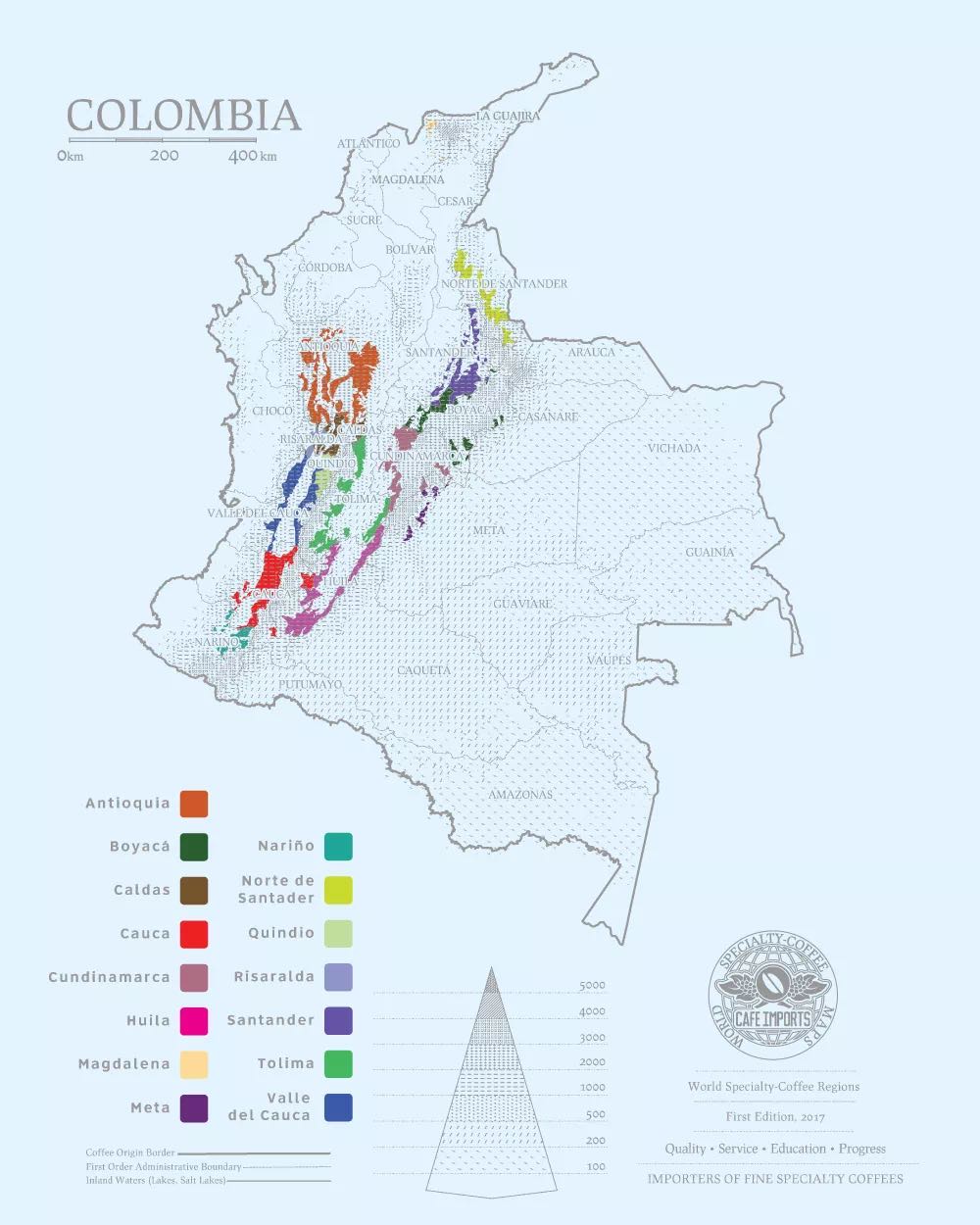
According to FrontStreet Coffee's research, Colombia's main traditional growing regions are concentrated in the Eastern and Central Cordillera mountain ranges, as well as Huila, Cauca, and Narino in the south. Among them, Huila is particularly famous and best represents the original flavor of Colombian beans. Next, FrontStreet Coffee introduces this region.
Huila
Located in southwestern Colombia, Huila is one of the main coffee areas, accounting for 12% of the country's total production. Through cupping, FrontStreet Coffee has found that coffee from Huila carries strong nutty, chocolate, and caramel flavors.
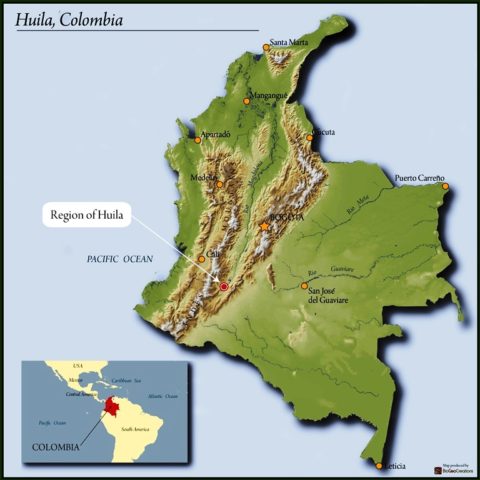
Huila province lies in the southern part of the Central Mountains in southern Colombia and is the country's most famous specialty coffee region. The area is surrounded by mountains above 1500 meters, and Colombia's most important rivers converge here, bringing abundant water and moisture. Contrary to the impression of Colombian coffee as balanced and smooth, many small-producer micro-lot Colombian specialty coffees have distinct regional character. For example, the Isabella and Huila beans FrontStreet Coffee offers both come from Huila province, yet microclimate differences still produce different flavor expressions.
FrontStreet Coffee Colombian Huila Coffee Beans
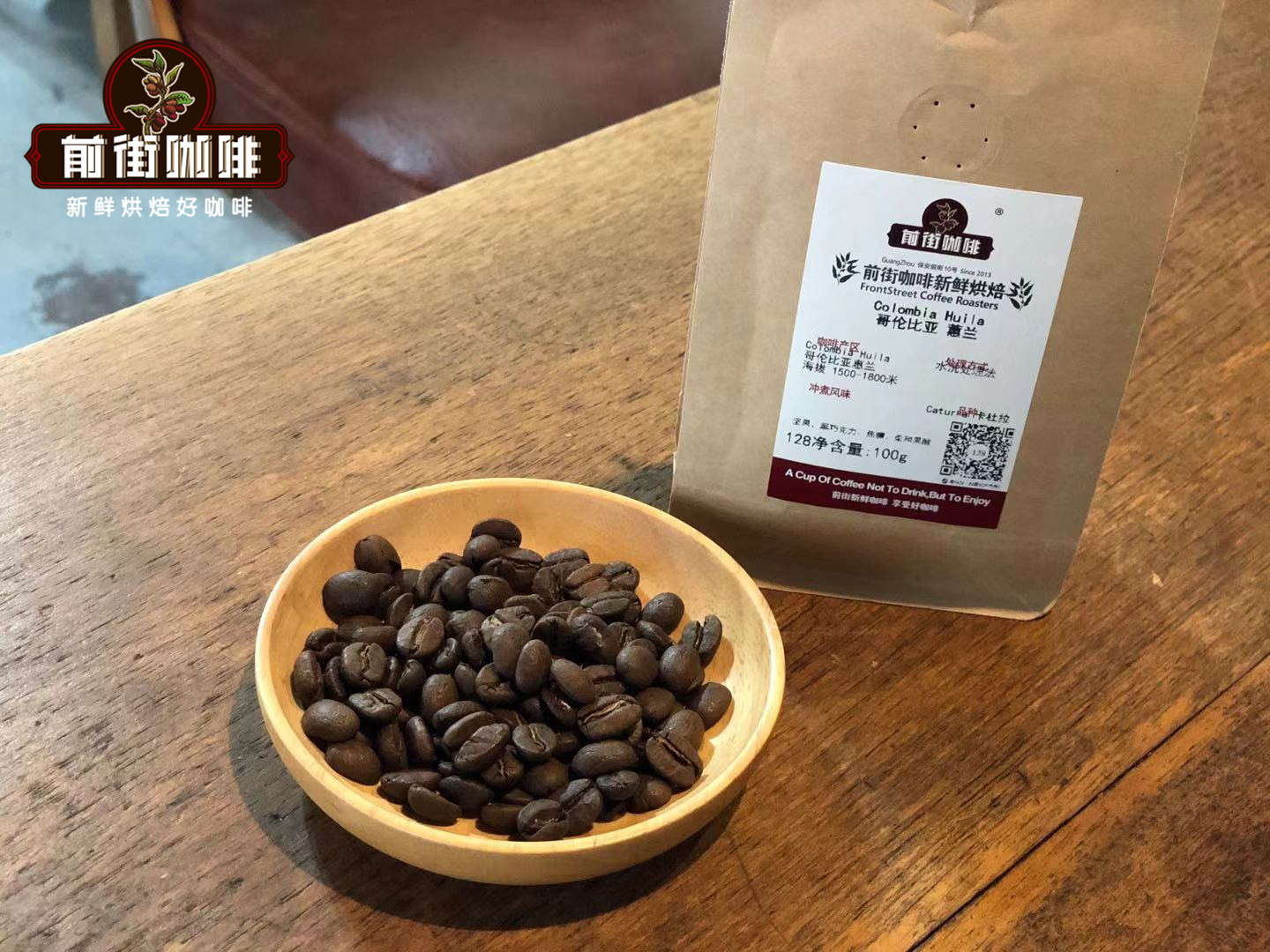
Country: Colombia
Region: Huila
Altitude: 1500-1800 meters
Variety: Caturra
Processing: Washed
Flavor: Nuts, Dark chocolate, Caramel, Gentle fruit acidity
FrontStreet Coffee Colombian Isabella Coffee Beans
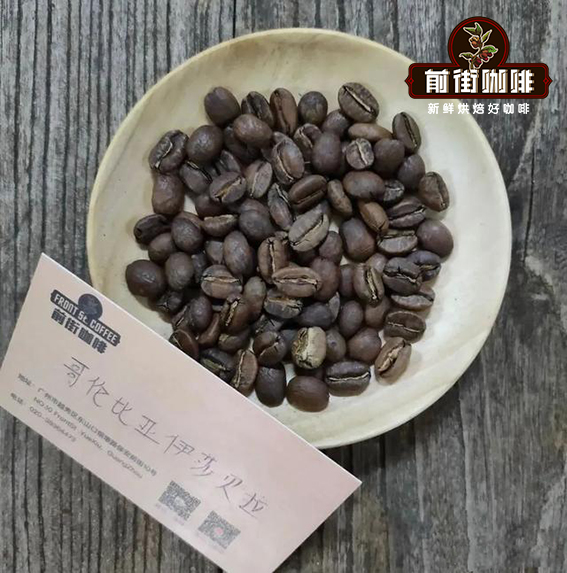
Country: Colombia
Region: Huila
Altitude: 1760m
Variety: Pink Bourbon
Processing: Semi-washed
Flavor: Cherry tomatoes, Citrus, Floral notes, Honey, Fruits
Guatemalan Coffee
According to FrontStreet Coffee's research, Guatemala lies on the Central American isthmus. The country contains many high mountains and plateau terrains formed by volcanoes, producing high-quality, high-altitude hard beans from the Central American region. That is also why Guatemalan beans show rich acidity and smoky flavors.
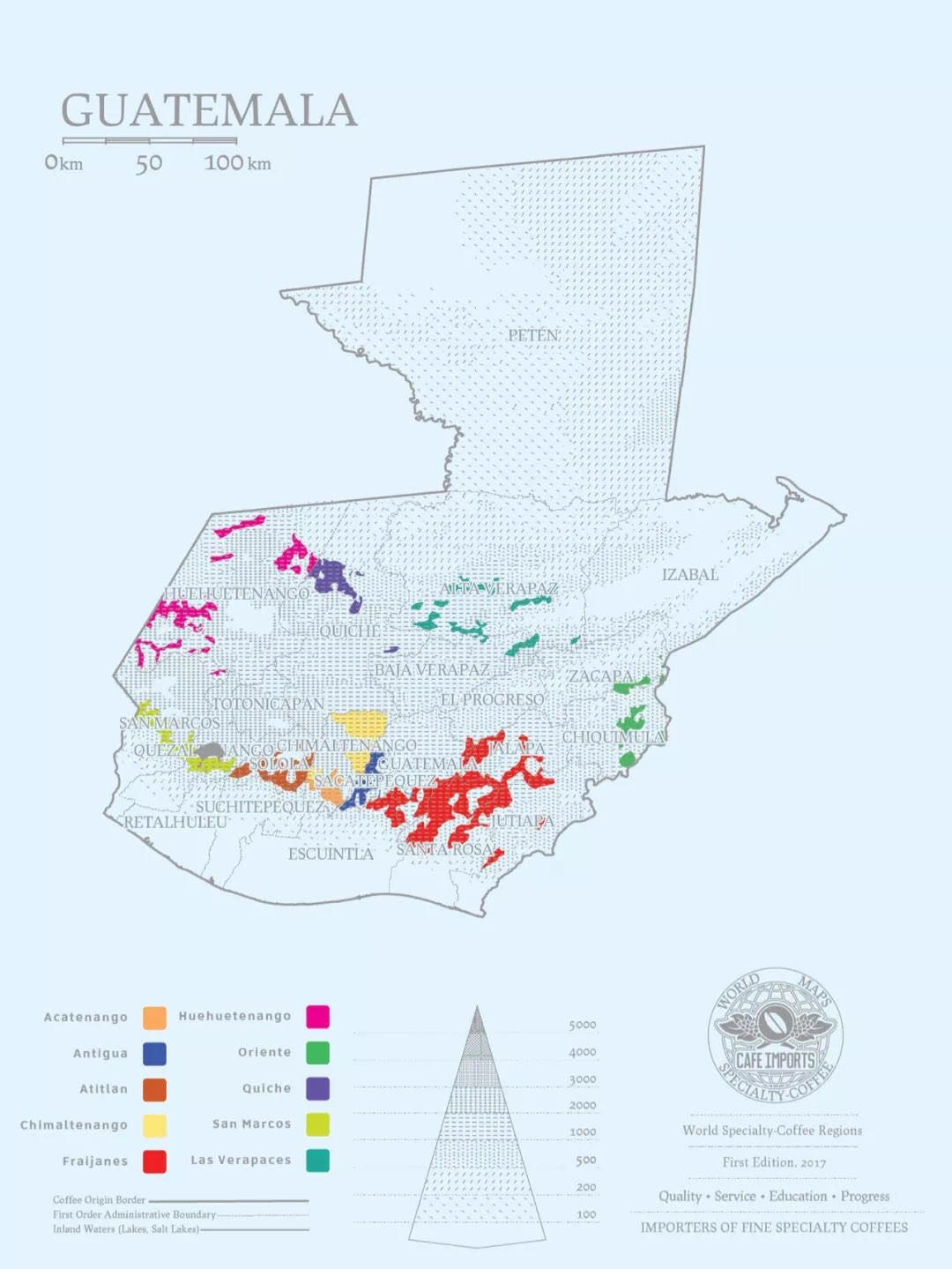
Guatemala's main coffee-growing regions include Antigua, Huehuetenango, Atitlan, Coban, Fraijanes, San Marcos, and Acatenango. All Guatemalan coffee is Arabica. The most famous regions are Antigua and Huehuetenango.
Antigua
The Antigua region occupies the entire area dominated by the Madre plateau within the mountainous range that crosses Guatemala. These natural conditions have made Antigua the most famous of Guatemala's eight coffee regions. Surrounded by active volcanoes, this highland area sits at 1850 meters altitude and is the country's most awarded and famous region.
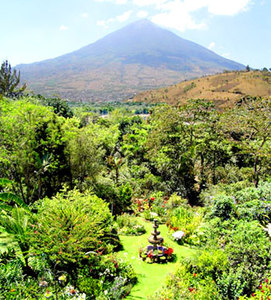
According to FrontStreet Coffee's research, Antigua sees little rain in summer and occasional frost in winter from excessive cold - conditions not actually suited to coffee trees. Fortunately, sitting in an active volcanic zone, the volcanic pumice that falls into the soil after eruptions cools and, with its many fine pores, easily retains moisture. Combined with the many shade trees planted on the estates, the coffee trees are protected from cold damage in winter. These factors that overcome adverse conditions, plus significant day-night temperature variation, create Antigua's unique microclimate, giving the beans here a subtle smoky flavor and rich fruit aromas, with a balanced sweet-and-sour profile.
Huehuetenango
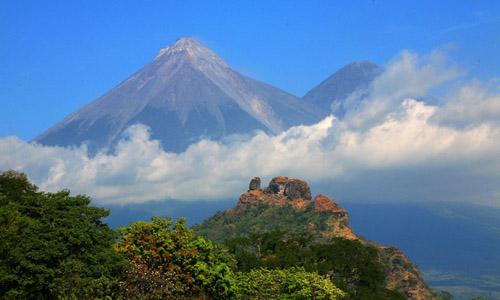
This region has the highest average altitude in Guatemala and belongs to the country's volcanic coffee regions. The terrain is rugged and remote from the capital. Fortunately, dry, hot winds from Mexico blow in, allowing the Huehuetenango highlands to cultivate coffee fruit at 2000m altitude.
FrontStreet Coffee Guatemalan Antigua Flora de la Esperanza Coffee Beans
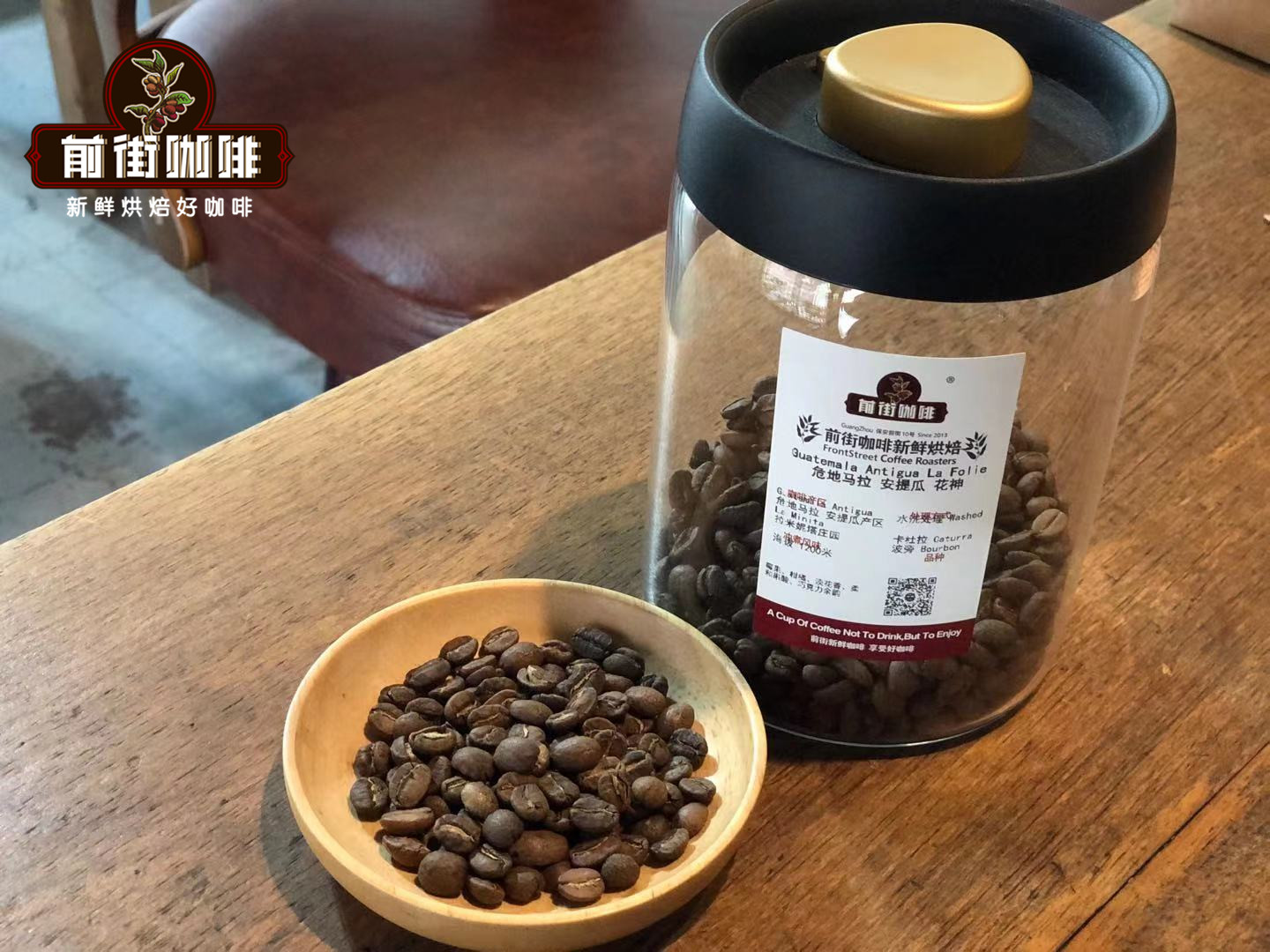
Country: Guatemala
Region: Antigua (La Minita Estate)
Altitude: 1200-1600m
Variety: Bourbon, Caturra, Catuai
Processing: Washed
Flavor: Citrus acidity, Bright fruit acidity, Caramel aroma, Slight smoky notes
FrontStreet Coffee Guatemalan Huehuetenango Coffee Beans
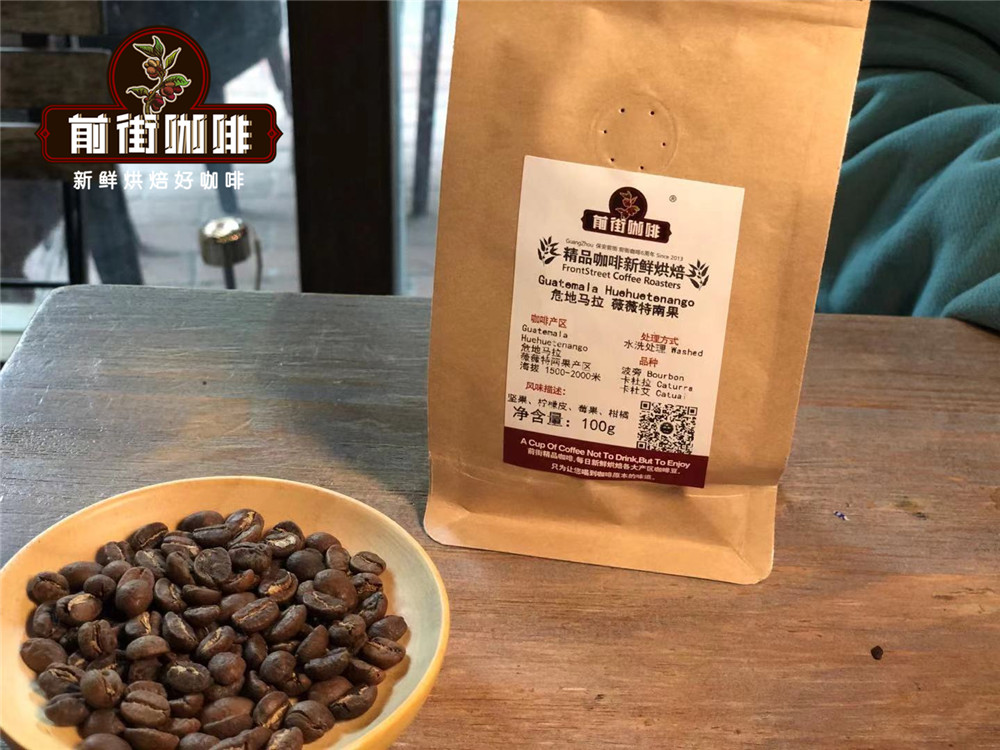
Country: Guatemala
Region: Huehuetenango
Altitude: 1500-2000 meters
Variety: Bourbon, Caturra, Catuai
Processing: Washed
Flavor: Nuts, Lemon peel, Berries, Citrus
That is FrontStreet Coffee's introduction to the flavor characteristics of several famous Central American coffees. We hope it helps coffee lovers who want to understand these regions choose beans suited to their taste.
FrontStreet Coffee Recommendation
If Brazil's balanced, versatile character appeals to you, these are the FrontStreet Brazilian beans we suggest.
FrontStreet Brazil Cerrado Red Bourbon - a classic Brazilian single origin. Cerrado is a well-known region prized for high-quality beans, and this lot is the Red Bourbon variety common across South America. Roasted medium, it shows rich aromas of creamy peanut, toasted bread, caramel, and hazelnut. The body is round and smooth, not acidic, with a light bitter note. It works as pour-over but also in a moka pot, as an espresso single origin, in a siphon, or in a French press.
FrontStreet Brazil Queen's Manor - the rarer Yellow Bourbon, from Mogiana near southern Minas Gerais, where fertile red volcanic soil feeds the fruit. Some farms here keep traditional methods while others adopt modern, standardized management, which has greatly improved local quality. The Yellow Bourbon mutates from Red Bourbon and has a cleaner fruit character. Through pour-over, moka pot, or a home espresso machine, it delivers the sugarcane sweetness unique to the region alongside fruit and chocolate notes.
FrontStreet Classic Blend Espresso - Brazil's low acidity, balanced body, and friendly price make it the first choice for many espresso recipes. FrontStreet's Classic Blend is a medium-dark espresso formula built from three origins, inspired by the old "Mamba" style of Mandheling and Brazil, with a small amount of Robusta added for aroma and crema. It helps even beginners pull an espresso with golden crema at home.
Important Notice :
FrontStreet Coffee is a long-established specialty coffee roaster in Guangzhou China, selling freshly roasted beans from its own farm in Yunnan as well as dozens of carefully selected single-origin beans from around the world for both pour-over and espresso. The products deliver consistently excellent quality and great value, with shipping within 24 hours. Guangzhou's FrontStreet Coffee shop is recommended by many coffee lovers, and the beans are now available online at the Tmall 。
FrontStreet Coffee has moved to a new address:
FrontStreet Coffee Address: 315,Donghua East Road,GuangZhou
Tel:020 38364473
 Scan and follow the En Gafei WeChat official account. Please indicate that the reprint comes from "En Gafei".