The Story, Characteristics, and Flavor Notes of 2020 New Season Bolivia Alpaca Estate Natural Java Coffee Beans
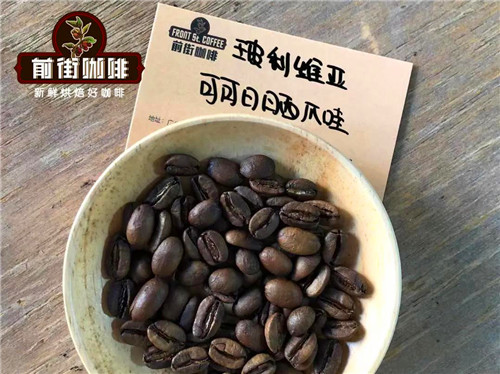
FrontStreet Coffee - Bolivia Alpaca Estate Coco Natural Java Coffee Beans
Region: La Paz Caravani, Bolivia
Estate: Alpaca Estate
Altitude: 1600-1900m
Variety: Java
Processing: Coco Natural
Bolivia Coffee
Cloud-piercing peaks, dreamlike salt lakes, grasslands rich in wildlife... The superior natural environment and resources have made this land a cradle of coffee. Among South America's coffee-producing countries, Bolivia's output may seem insignificant, but this beautiful nation brings the world specialty coffee as charming as its scenery. Locals proudly call Bolivian coffee "the taste of paradise."
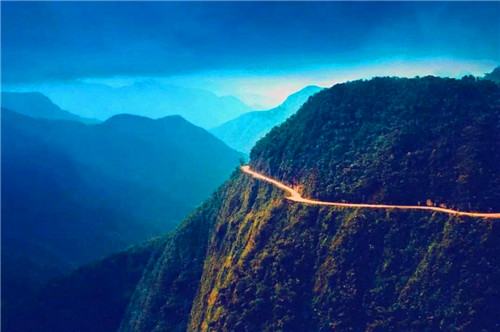
Unlike other coffee-producing regions, growing Bolivian coffee requires driving for several hours from cities at 3600 meters, descending all the way to areas below 2000 meters. Among these routes, the North Yungas Road is recognized as the world's most dangerous: the mountain road hugs the cliff edge with no guardrails, and with frequent fog, accidents happen often - earning it the nickname "Death Road."
La Paz Caravani Region
Bolivia's most famous region is La Paz, which includes Caravani, Yungas, Inquisivi, and other areas. Caravani lies near North Yungas, with coffee grown at altitudes of 1600-1900m in the hilly terrain of the Andes Mountains.
Alpaca Estate (FINCA LA LLAMA)
The estate is named after Bolivia's adorable alpacas. Although the estate is not large, its products are world-renowned. Here you'll find all the natural resources coffee needs: high altitude, fertile soil, and lush forests. The owner hopes the estate can demonstrate modern planting techniques and concepts to local farmers - showing them that new coffee trees can coexist with old ones.
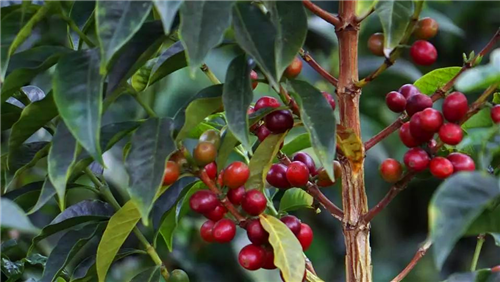
Bolivia Java
The Java from Alpaca Estate is popular every season thanks to its unique flavor profile. Genetic comparison revealed that Bolivia's Java actually descends from a branch called Abyssinia from Ethiopia - a primitive, ancient variety.
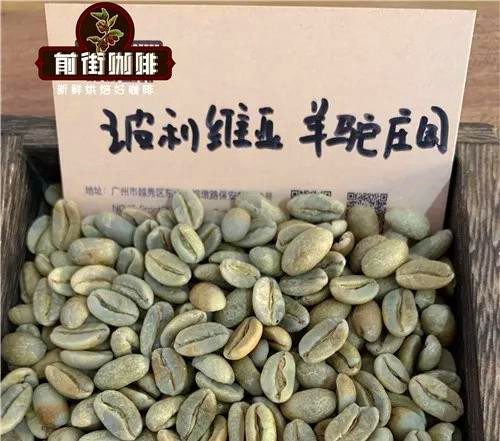
It is entirely different from Indonesian Java: Indonesian Java has evolved over hundreds of years to adapt to low-altitude environments, losing the variety's inherent advantageous genes, and its genetic source belongs to a different branch altogether.
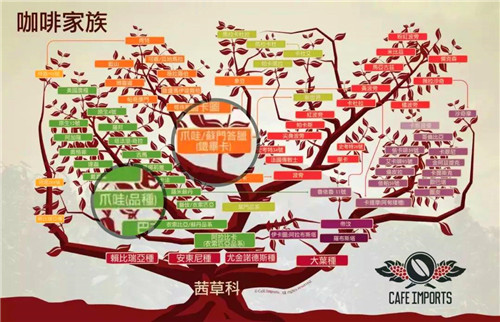
Bolivian Java and Geisha share the same branch and origin, both possessing excellent floral and fruity qualities. FrontStreet Coffee has observed that Bolivian Java beans are slender and pointed at both ends, while Geisha beans are slightly shorter and more rounded by comparison.
Coco Natural Processing
Because local temperatures are consistently low, beans cannot be dried through traditional natural processing. So estate owner Pedro kept innovating with different techniques, discovering that cocoa dryers can dry coffee slowly and continuously at low temperatures, reducing the impact of weather.
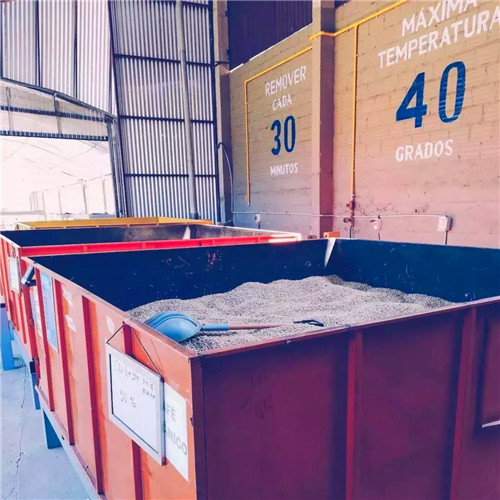
After selection and weighing, the cherries are carefully washed and placed on raised African drying beds, turned every hour. After about a week, the cherries go into the cocoa dryers: the beans are placed in large steel drums at temperatures not exceeding 40°C for about 35 hours, turned every 30 minutes. After drying, the estate uses mechanical equipment for careful hulling and sorting, in addition to manual sorting under both ultraviolet and natural light.
FrontStreet Coffee Roasting Recommendations
Charge the drum at 155°C with heat at 120 and damper at 3; turning point at 1'32". When the drum temperature reaches 140°C, open the damper to 4, heat unchanged. At 152°C, the bean surface turns yellow, the grassy aroma completely disappears, and drying concludes.

At 8'00", wrinkles and black spots appear on the bean surface and the toast aroma clearly transitions into coffee aroma - the prelude to first crack. When the drum temperature reaches 180°C, reduce heat to 100 and listen carefully for first crack. At 9'28", first crack begins; adjust the damper to 5. Develop for 1'20" after first crack and drop at 193°C.
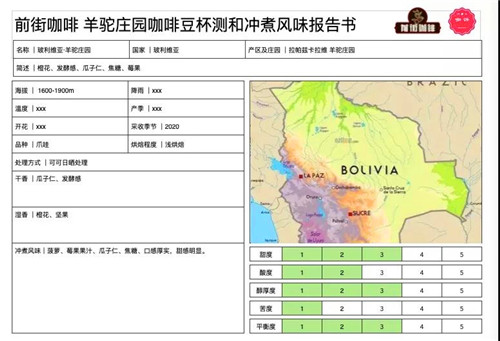
FrontStreet Coffee Cupping Report
FrontStreet Coffee Brewing Experience
Dripper: Hario V60
Dose: 15g
Ratio: 1:15
Grind: Medium-fine (77% retention on the #20 standard sieve)
Water Temperature: 90°C

Using segmented brewing: first pour 30g of water for a 30-second bloom. For the second segment, pour 125g in small circles from the center, gently, to minimize agitation of the coffee bed, at a flow rate of about 4g per second. When the water level drops to half the height of the coffee bed, begin the third pour - again gently in circles from the center outward - until reaching 225g total. End extraction once all the coffee has dripped through, at 2'00" total time. After brewing, gently swirl to mix the coffee before tasting.
Brewing Flavor: Orange blossom aroma, pineapple-like acidic fragrance, smooth as berry juice, melon-seed fragrance, and a caramel-like aftertaste. Full-bodied with noticeable sweetness.
FrontStreet Coffee Recommendation
If this Coco Natural Java intrigues you, FrontStreet Coffee's natural-processed specialty lineup offers plenty more to explore. The Ethiopia natural Red Cherry Yirgacheffe uses only fully ripe cherries sun-dried for 27-30 days on raised beds, layering elegant florals and bright acidity over pronounced tropical fruit and full fermentation sweetness. The celebrated Hua Kui natural from Sidamo shows light fermentation, florals, citrus, and mango with a thick body and lasting finish, while FrontStreet Coffee's 2013 Yunnan Typica natural balances nutty tones, dried apricot, and brown sugar with a gentle tea-like touch.
Important Notice :
FrontStreet Coffee is a long-established specialty coffee roaster in Guangzhou China, selling freshly roasted beans from its own farm in Yunnan as well as dozens of carefully selected single-origin beans from around the world for both pour-over and espresso. The products deliver consistently excellent quality and great value, with shipping within 24 hours. Guangzhou's FrontStreet Coffee shop is recommended by many coffee lovers, and the beans are now available online at the Tmall 。
FrontStreet Coffee has moved to a new address:
FrontStreet Coffee Address: 315,Donghua East Road,GuangZhou
Tel:020 38364473
 Scan and follow the En Gafei WeChat official account. Please indicate that the reprint comes from "En Gafei".