
Yunnan Coffee Varieties: Differences in Brewing Taste and Flavor Characteristics between Typica and Catimor Varieties
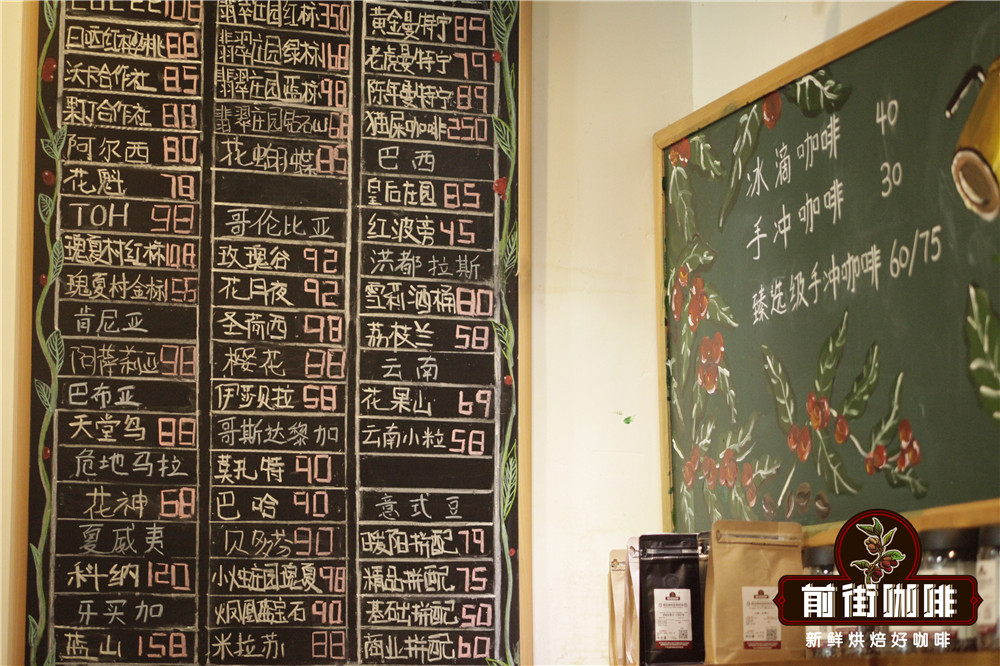
Whenever FrontStreet Coffee introduces its Yunnan Typica coffee beans, our baristas always mention that they are grown on FrontStreet Coffee's own plantation in Baoshan, Yunnan. Many people wonder: with Yunnan's coffee market developing as well as it is today, why does FrontStreet Coffee insist on growing its own coffee?
Why does FrontStreet Coffee choose to grow its own coffee?
The vast majority of Yunnan coffee on the market today is Catimor. To mask some of this variety's less appealing flavor traits, many producers turn to special processing methods that reshape the beans' original flavor. But FrontStreet Coffee believes that changing coffee's flavor through processing is not a sustainable long-term strategy. Specialty-processed coffees get tried out of curiosity — "just to see what it's like" — while traditionally processed coffee remains what people genuinely keep coming back to. And when traditional processing is applied to Catimor, the pleasant flavors you hope for may only sometimes appear in the cup.
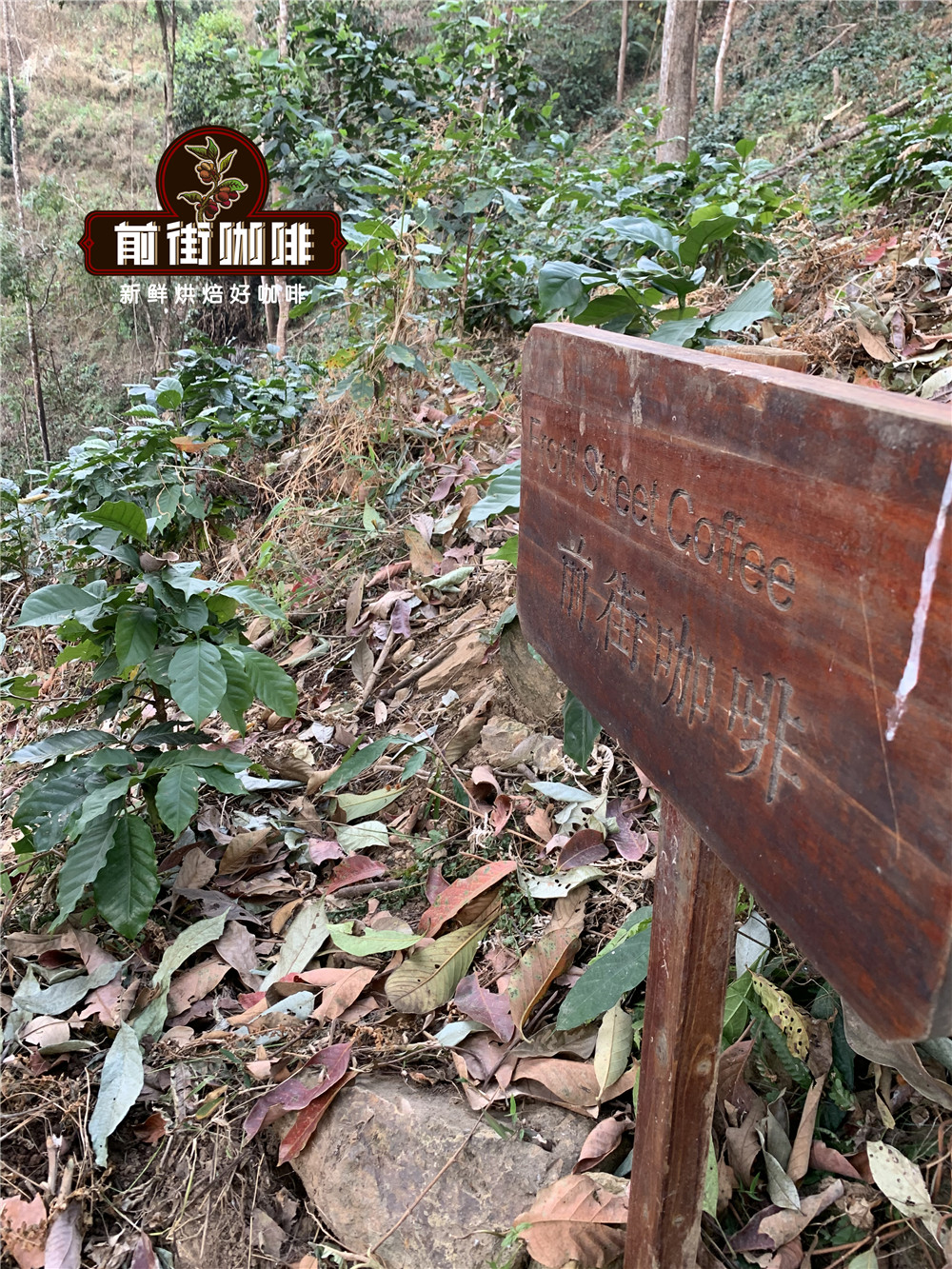
So how do you give people a good impression of traditionally processed Yunnan coffee? The answer lies in planting different varieties! FrontStreet Coffee's plantation in Baoshan, Yunnan grows mainly Typica precisely to lead by example — to show that if we want to change the general impression of Yunnan coffee, we have to start at the root of the problem.
Why did FrontStreet Coffee choose to plant Typica?
Through several years of planting practice, FrontStreet Coffee noticed that despite the healthy development of Yunnan's coffee market, bean prices have not improved meaningfully. Even specially processed beans have seen only modest gains. The root cause is the mediocre flavor profile of Catimor, which dominates Yunnan's plantings. At this point you might ask: "Then why not simply plant Typica!"
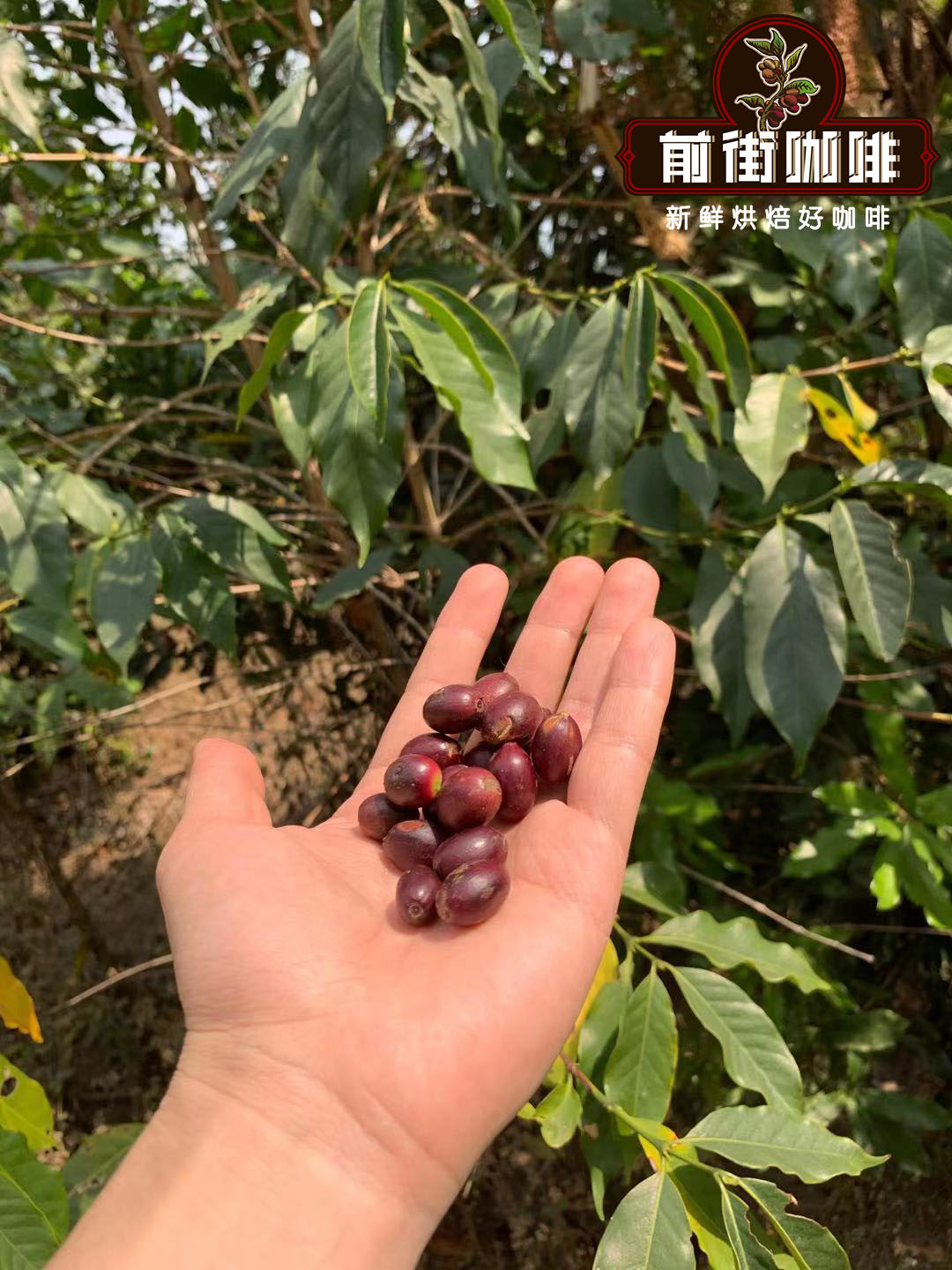
In fact, Yunnan did begin its coffee history with Typica. But this variety yields less and is susceptible to pests, so the cost-to-yield ratio never worked out. Farmers at the time also had no concept of specialty coffee, so they naturally kept their distance from Typica and gradually turned to the hybrid offspring of Arabica and Robusta — Catimor.

Asking Yunnan's coffee farmers today to tear out all their Catimor and replant Typica would be an expensive, slow proposition. During the 4 years from planting to first harvest, a farmer's income would not be enough to live on. FrontStreet Coffee started from scratch, so we were able to plant predominantly Typica from day one. Typica has a unique subtlety and cleanliness, along with balance and high flavor clarity — qualities that special processing methods simply cannot manufacture. By processing our cherries in the traditional way, we can let everyone taste what Yunnan coffee truly is.
What's the yield difference between Catimor and Typica?
Catimor trees grow straight and columnar and can be planted densely — typically 330 trees per mu, yielding approximately 300kg per mu. Typica trees, by contrast, have vertical trunks that can reach up to 5 meters tall. That height means the spacing between branches, and between nodes on the same branch, is longer than in other varieties, so only 100 trees can be planted per mu, yielding approximately 100kg per mu.
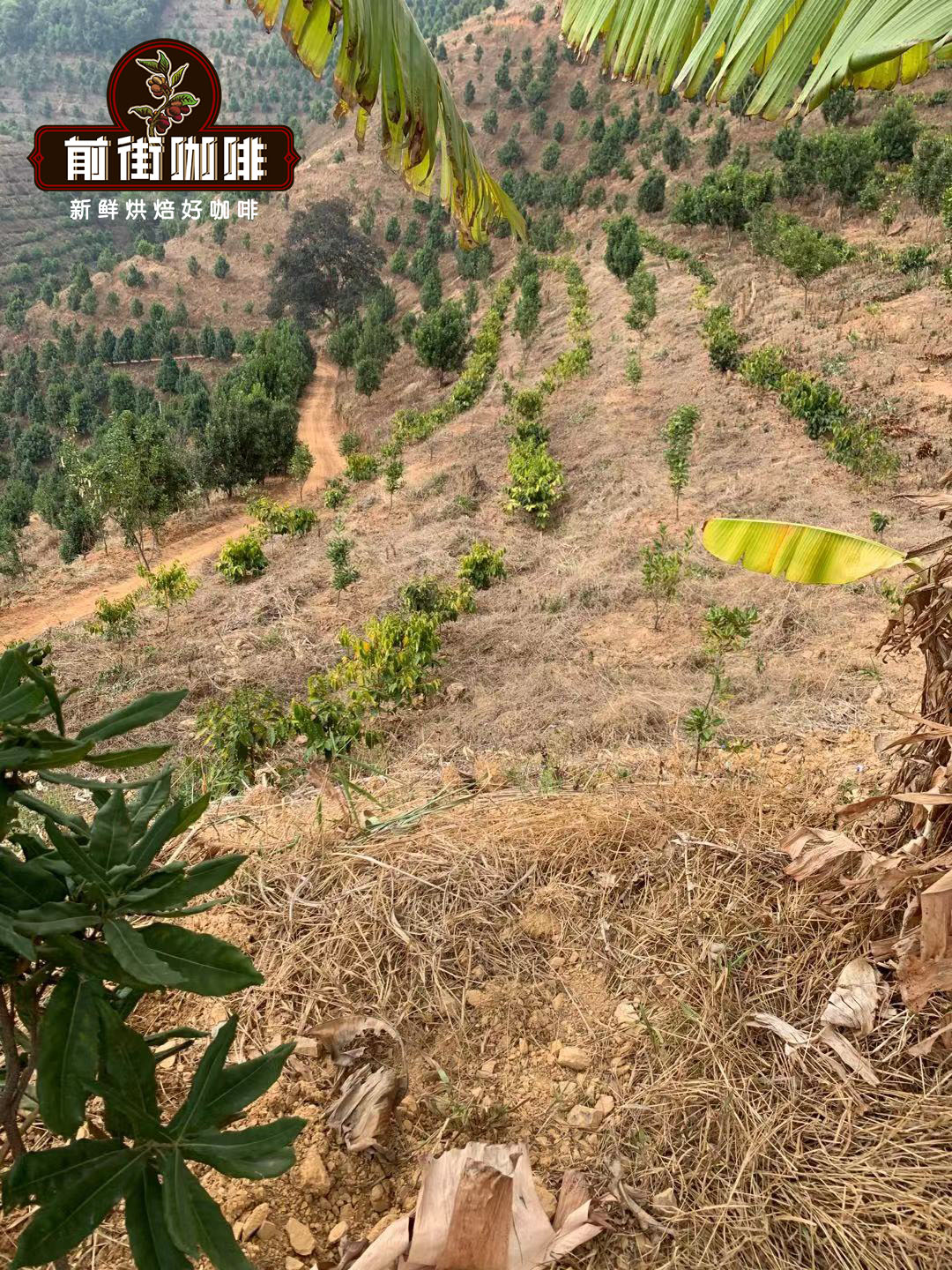
Where is FrontStreet Coffee's plantation located?
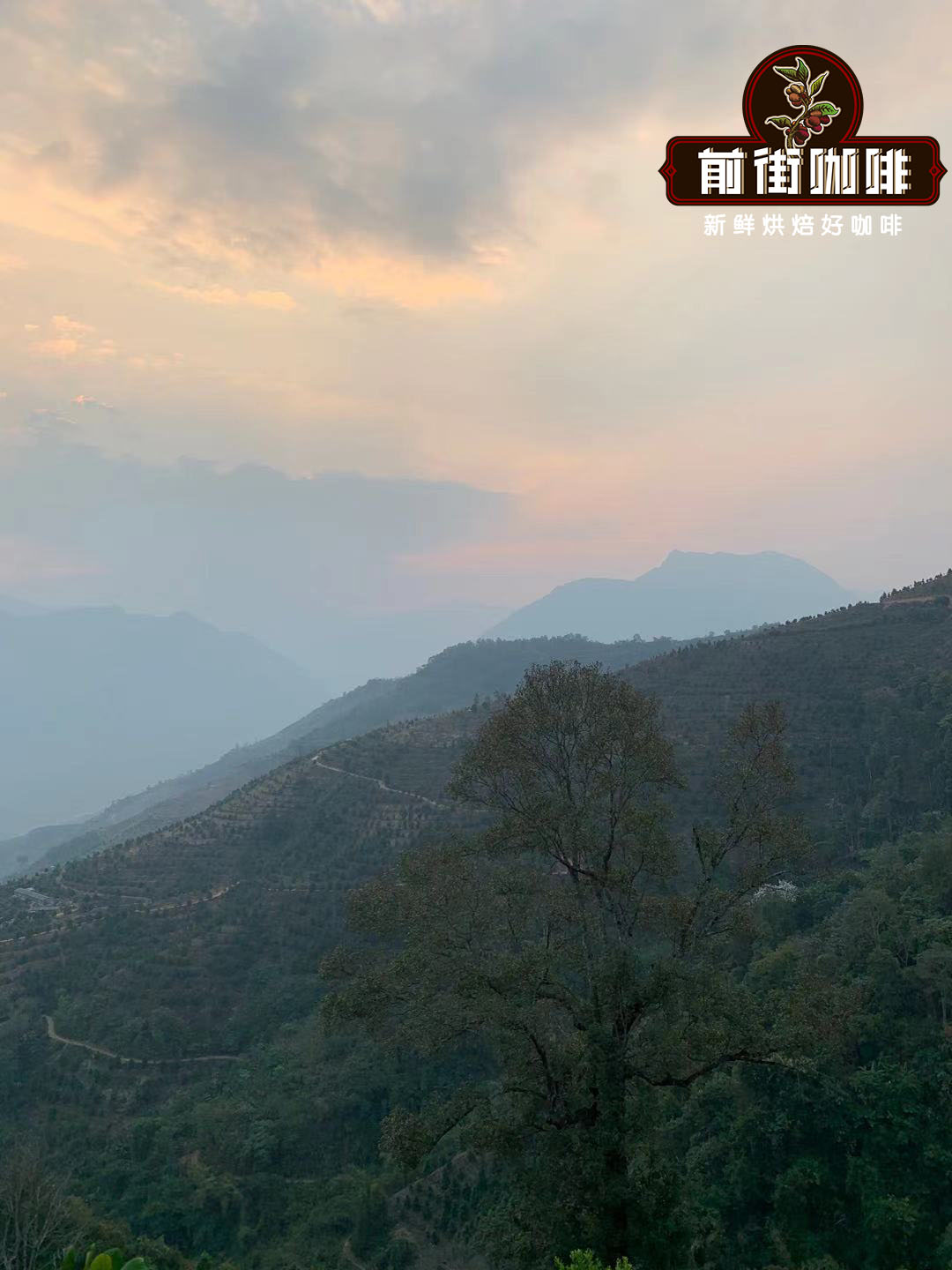
FrontStreet Coffee's Yunnan plantation sits at 1,200m elevation in Baoshan, near the border. The Baoshan coffee region has an average temperature of 21.5°C, is essentially frost-free year-round, and enjoys abundant rainfall — ideal conditions for coffee trees. In early March 2021, FrontStreet Coffee added new members to the plantation: the Bourbon variety. We look forward to seeing how the flavor profile of this Yunnan Bourbon turns out.
What are the flavor differences between washed Typica and washed Catimor?
To find out, FrontStreet Coffee ran a side-by-side brewing comparison of washed Catimor and washed Typica, both from Baoshan, to see how the two varieties perform under traditional processing.

FrontStreet Coffee Yunnan Catimor Small Bean Coffee
Region: Baoshan, Yunnan
Altitude: 1200 meters
Variety: Catimor
Processing: Washed

FrontStreet Coffee Yunnan Huaguoshan Typica Coffee
Region: Baoshan, Yunnan
Altitude: 1200 meters
Variety: Typica
Processing: Washed
To boost the body of both washed Yunnan coffees, FrontStreet Coffee brewed them with a Kono Meimon dripper. Its short-rib design slows the flow rate during extraction, prolonging contact time to enhance body.
Dose: 15g
Ratio: 1:15
Grind size: Medium-fine (76% pass-through rate with a 0.85mm aperture screen)
Water temperature: 90°C

FrontStreet Coffee used a segmented pour: first, 30g of water for a 30-second bloom, at which point the coffee bed expands into a dome. For the second segment, pour 125g of water in small circles from the center, keeping the spout 4cm above the bed and using a gentle touch to minimize agitation, at a flow rate of 4g per second. When the water level drops to half the height of the coffee bed, begin the third segment — again gently, starting from the center and spiraling outward until reaching 225g total. End the extraction once all the liquid has dripped through, with a total time of 2'01". After brewing, gently swirl the coffee to ensure the liquid is well mixed before tasting.

Washed Typica Brewing Flavor:
A rich fruit aroma on entry, with melon and herbal plant notes. The middle of the palate reveals nuts and milk chocolate, and the finish brings lively, bright plum acidity. As the cup cools from hot to warm, layered sweetness and acidity unfold — sweet first, then sour — with apricot and citrus-toned acidity, closing on a black tea finish touched with brown sugar sweetness.
Washed Catimor Brewing Flavor:
Pronounced roasted nuts, soft acidity, overall balanced and rich, with a solid dark chocolate aroma and a whisper of orange peel.
FrontStreet Coffee Recommendation
"Yunnan small-bean coffee" is simply the local name for Arabica — the smallest-seeded of the three original coffee species. Coffee arrived in Yunnan in 1904, when the French missionary Tian Deneng brought Typica seeds from Vietnam and planted the first coffee tree in Zhugula Village, Binchuan County — the beginning of Yunnan's coffee story. For a gentle introduction, the FrontStreet Yunnan Small Bean from Baoshan is the classic choice: washed and medium-roasted, it shows gentle nut and chocolate sweetness with a touch of plum acidity at a friendly price, making it many people's first taste of Yunnan coffee.
If you want a clearer expression of the region, step up to the FrontStreet 2013 Yunnan Natural Typica. FrontStreet built its estate in 2013 and planted Typica — one of the oldest and purest Arabica varieties, with pure Arabica genetics and an elegant, clean cup long recognized as a true specialty variety — hoping to rediscover the region's original terroir flavor. Only fully ripe red cherries are used, naturally processed and medium-roasted for a rounder body and more pronounced sweet-sour balance: dark berry tones, caramel sweetness, chocolate, and a hint of dried apricot, finishing on black tea. And for espresso lovers, the FrontStreet Black Cocoa Blend — Yunnan small-bean combined with Brazil Cerrado — balances the mixed nut aroma of Brazil with chocolate and citrus from Yunnan, producing an Americano with balanced sweet-sour-bitter notes of nuts and brown sugar, and a latte with the silky smoothness of almond and cream. Highly recommended for beginners.
Important Notice :
FrontStreet Coffee is a long-established specialty coffee roaster in Guangzhou China, selling freshly roasted beans from its own farm in Yunnan as well as dozens of carefully selected single-origin beans from around the world for both pour-over and espresso. The products deliver consistently excellent quality and great value, with shipping within 24 hours. Guangzhou's FrontStreet Coffee shop is recommended by many coffee lovers, and the beans are now available online at the Tmall 。
FrontStreet Coffee has moved to a new address:
FrontStreet Coffee Address: 315,Donghua East Road,GuangZhou
Tel:020 38364473
 Scan and follow the En Gafei WeChat official account. Please indicate that the reprint comes from "En Gafei".

