Introduction to the Flavor Characteristics of Ethiopia Guji Hambela Buku Low-Temperature Slow-Dried Natural Coffee
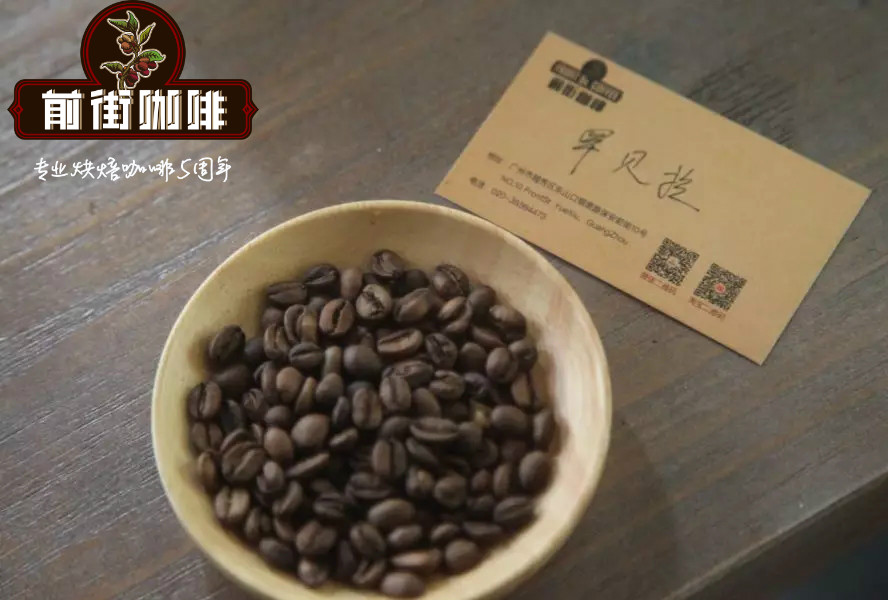
FrontStreet Coffee - Ethiopia Guji Zone Hambela Buku
Region: Guji Hambela
Altitude: 2050 meters
Processing: Slow-dried Natural
Grade: G1
Variety: Local Landrace
GUJI Zone
The Guji Zone has drawn significant attention in recent years, performing excellently in both flavor expression and quality. It was formerly part of the Sidamo region but was established as an independent new region by the Ethiopia Commodity Exchange (ECX) in 2010.
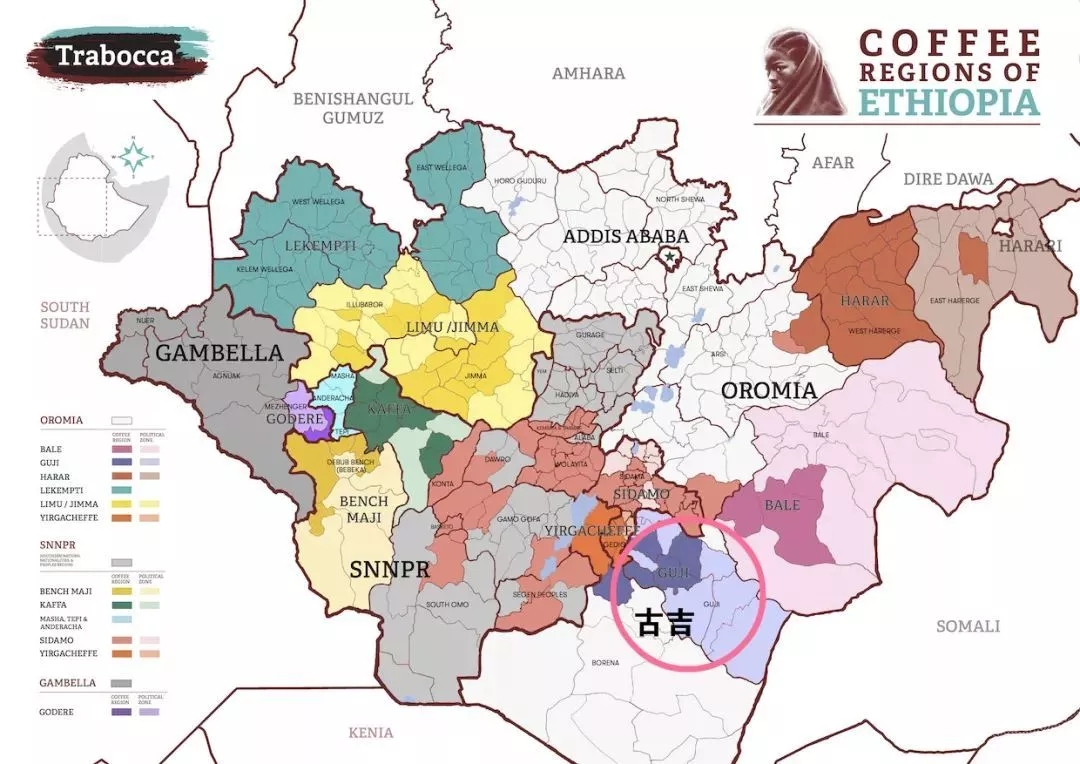
Located southeast of Yirgacheffe, the Guji Zone borders Sidamo and the Gedeo Zone, featuring complex topographical variation including towering mountains, highlands, plateaus, valleys, and plains.
The region's geology consists of fertile black soil (Vertisol) with soil depth reaching nearly two meters and an average altitude above 1,800 meters. Its geography creates a significant day-night temperature difference, providing ideal local conditions for high-quality specialty coffee.
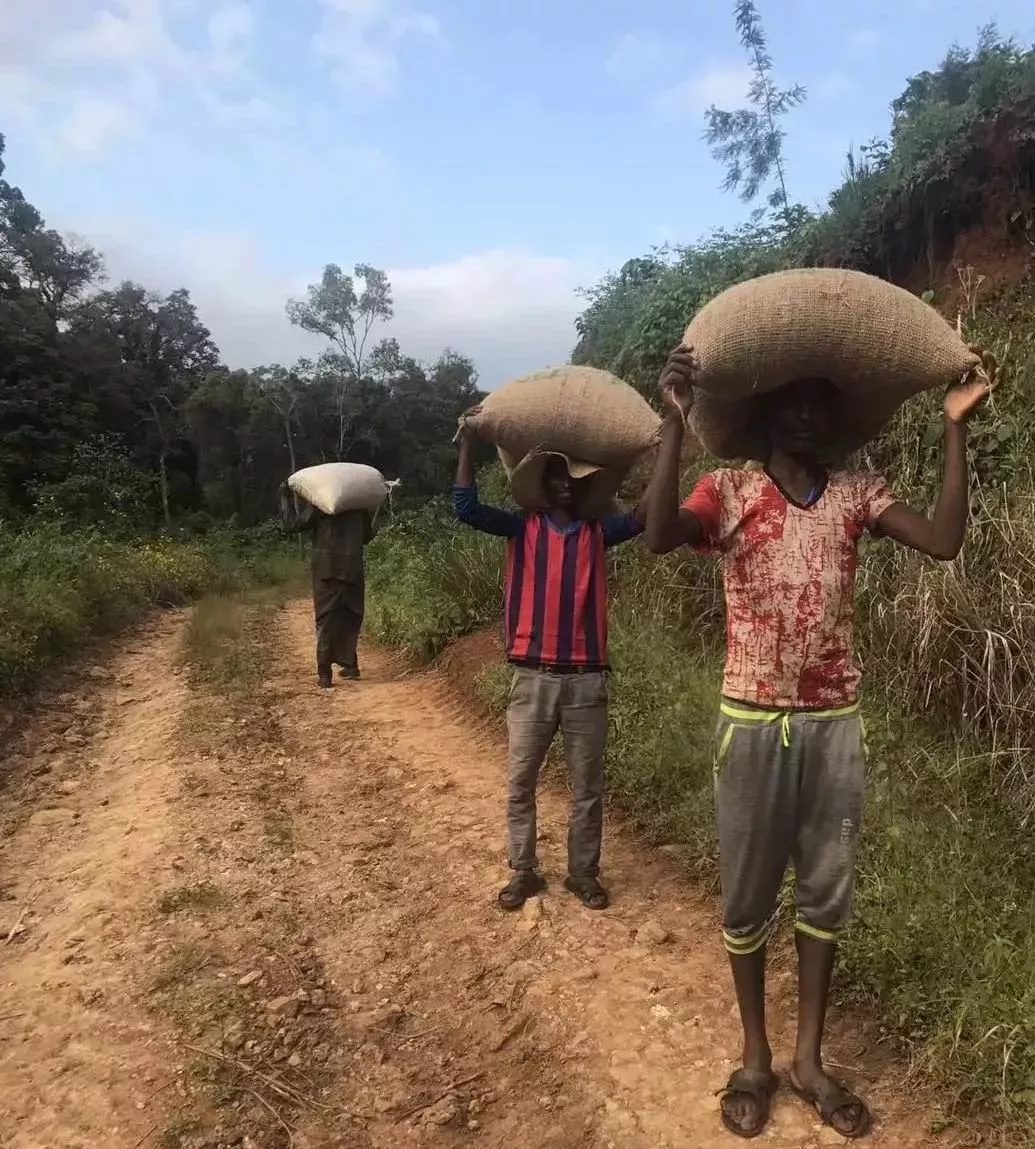
The region's greatest advantage is maintaining soil vitality through natural organic matter recycling, using fallen leaves and debris from surrounding forests, plant roots, and other materials as natural fertilizer.
Hambela is administered by Ethiopia's southernmost administrative state, the Oromiyaa Region. It faces the Yirgacheffe region's Kochere across mountains at 3,200m to the west, borders Shakiso to the east, connects to Uraga to the south, and adjoins Kercha to the north.
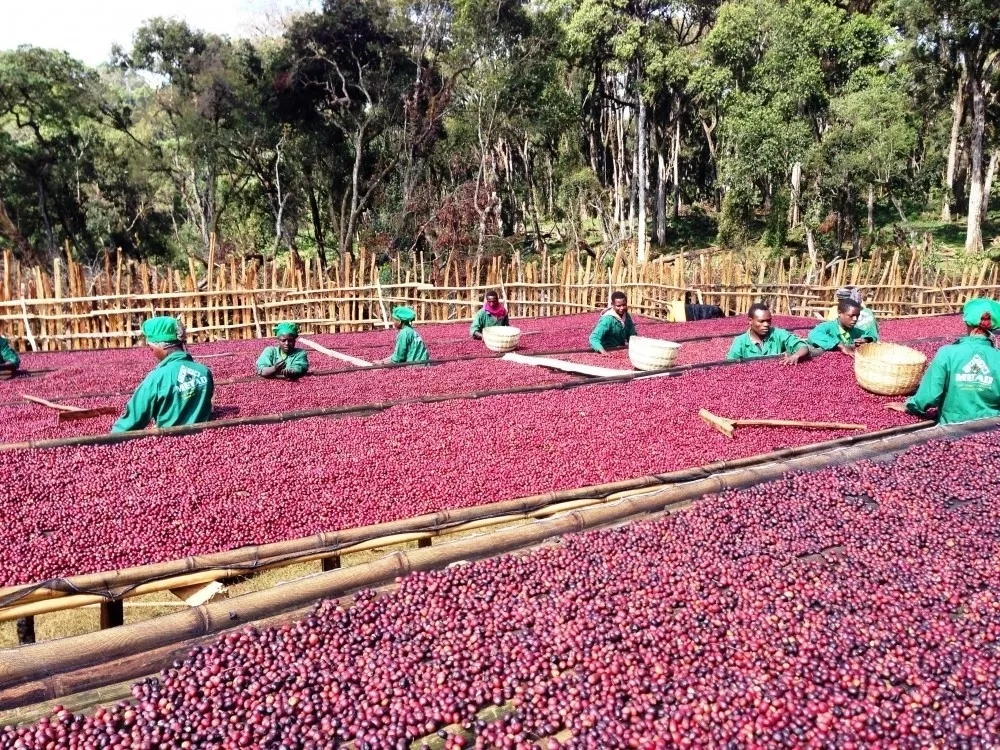
Currently there are about 20 processing stations in Hambela, distributed across different villages and estates in various sub-regions and varying in scale.
Buku Abel
In the local Ethiopian language, Buku Abel means "NEW," a new place. In this ancient country with over two thousand years of history and a population of one hundred million, blocked from Asia by the Great Rift Valley, new virgin lands await development on this plateau. Compared with millennia of culture, this is a relatively newly developed territory.
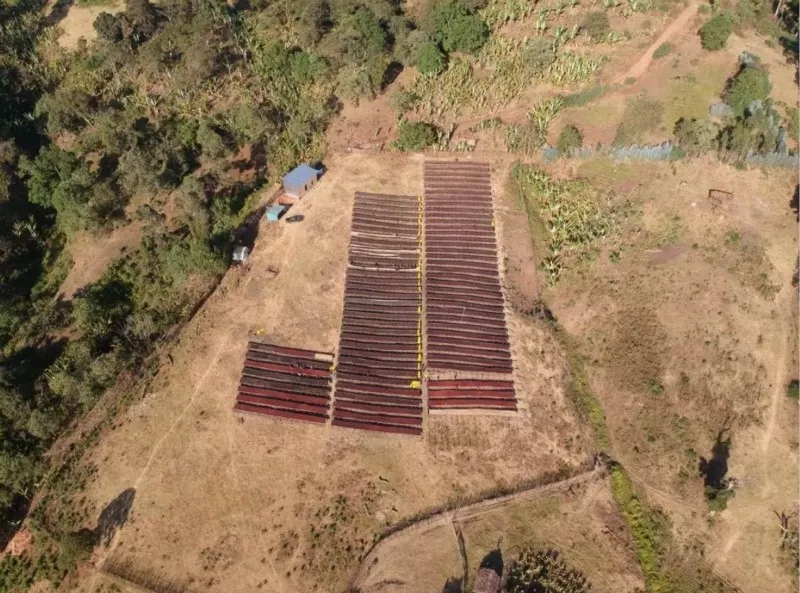
Buku Abel is located in southeastern Ethiopia, a high-altitude primitive tribal area in the Hambela region of the Guji Zone, with a population of about 30,000 people. This small village, like most Ethiopian coffee gardens, grows in wild primary forests. Coffee farmers have passed down their traditions through generations here, cultivating native bananas and interspersing local native coffee varieties among the banana groves.
Processing Method
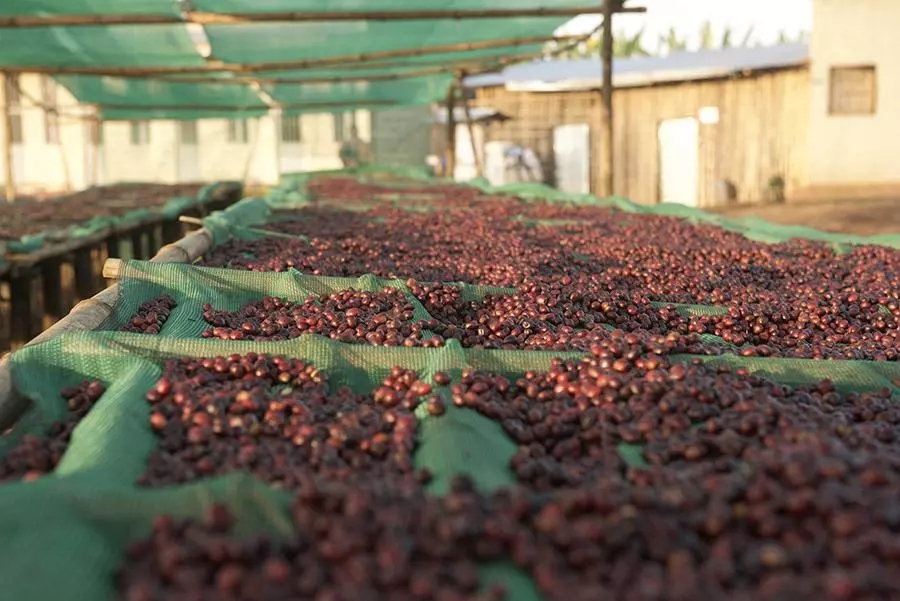
Only fully ripe bright red cherries are selected and harvested. Single-layer stacking of the cherries provides perfect convection and drying conditions, although this requires more space and can be disadvantageous for production volume.
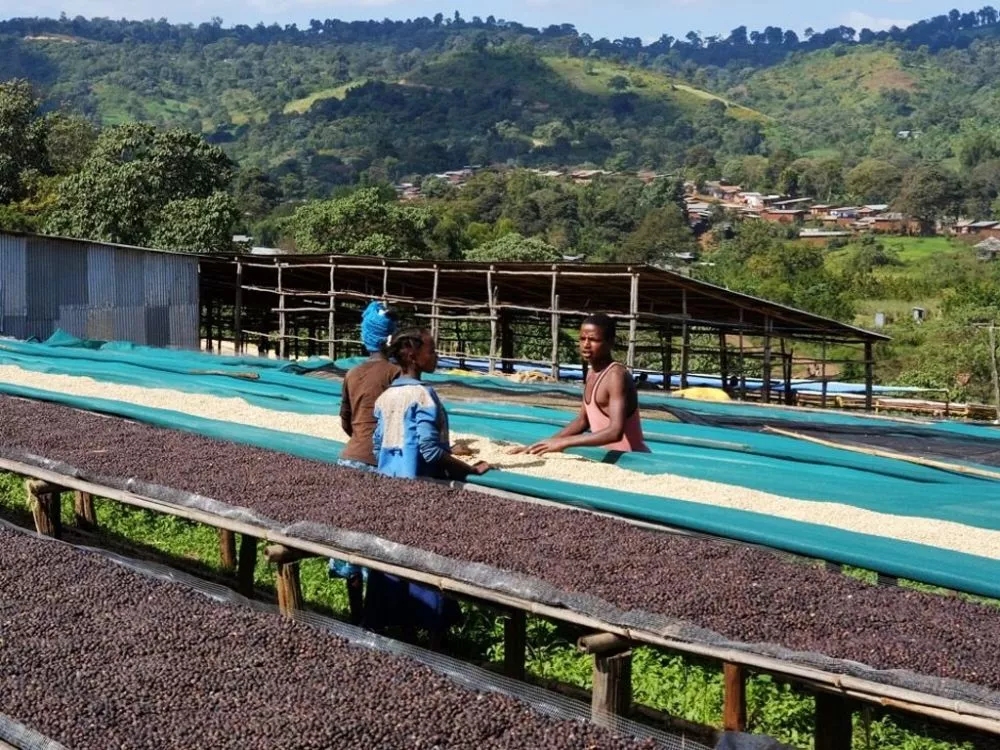
Proper slow drying lets the cherries develop optimal water activity during the process. This not only results in excellent flavor development but also lets green beans keep longer during seasonal storage cycles. This method extends the time each batch takes to produce, however. Adopting such drying techniques depends not only on favorable weather but also on producers' willingness to invest.
Green Bean Analysis
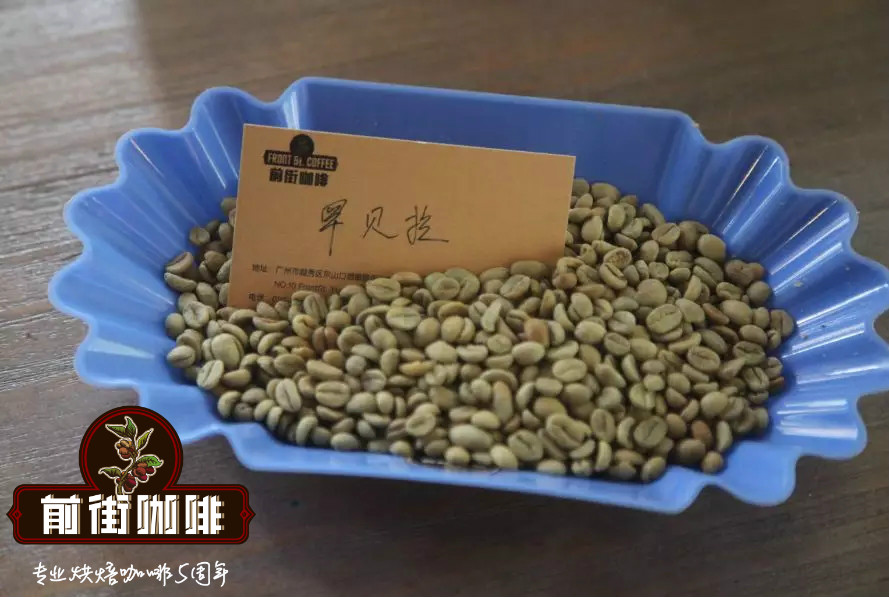
FrontStreet Coffee's Ethiopian Hambela green beans appear yellow-green and give off a faint fermented fruit aroma with fresh citrus acidity. Careful observation shows that FrontStreet Coffee's Hambela beans vary in size, which relates to the bean variety.
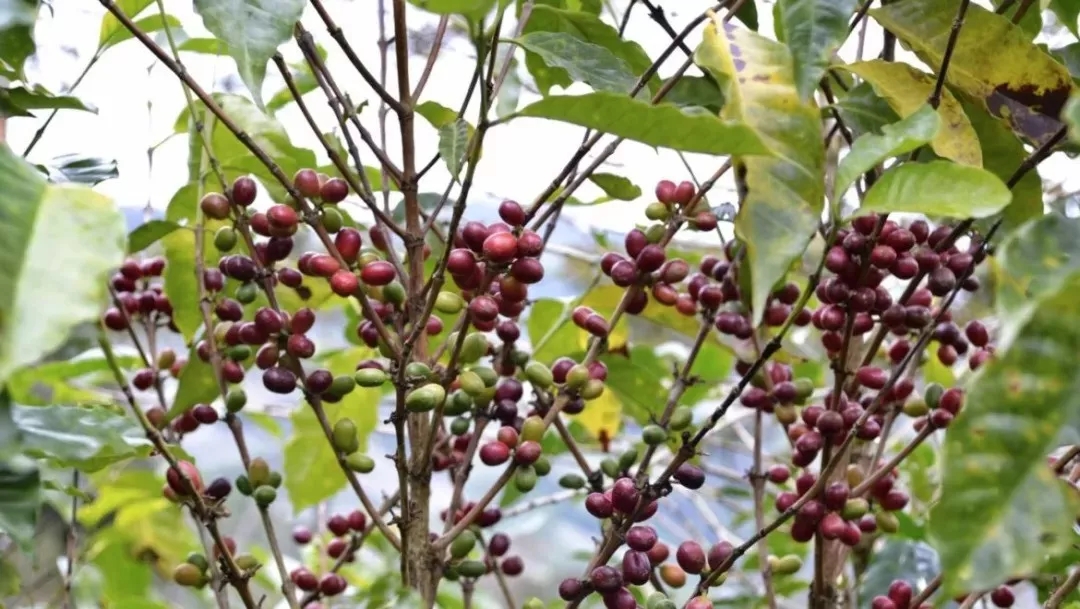
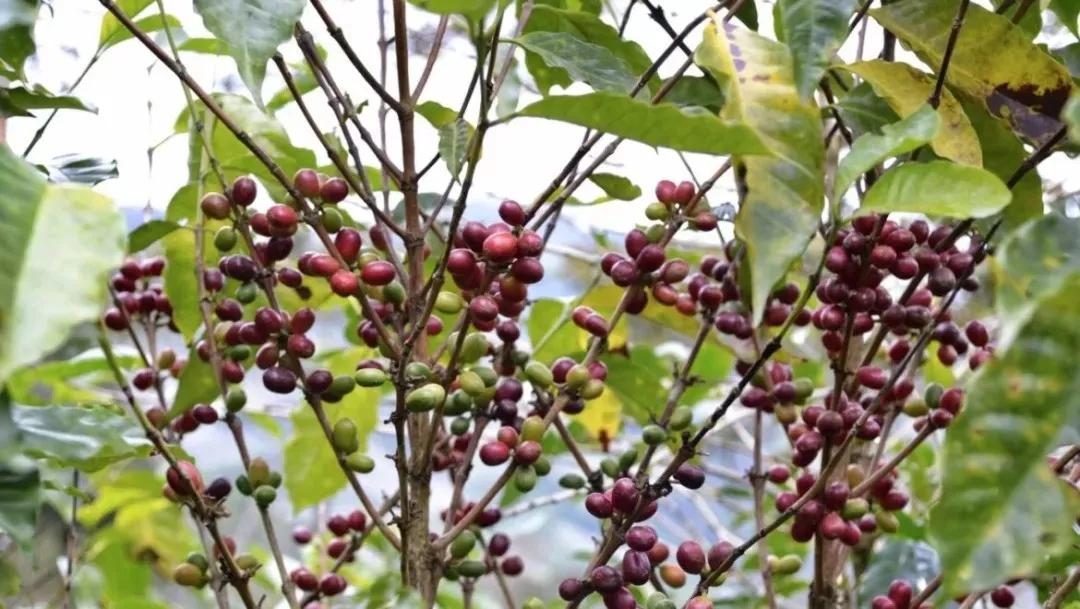
The variety of FrontStreet Coffee Ethiopian Hambela Buku is local landrace. Because Ethiopia has a vast number of varieties that serve as a natural gene bank for Arabica, there are two challenges: the sheer number makes identification and classification difficult, and the Ethiopian government, out of protection, is unwilling to disclose information about them. They are therefore collectively referred to as Heirloom Landrace.
Roasting Analysis
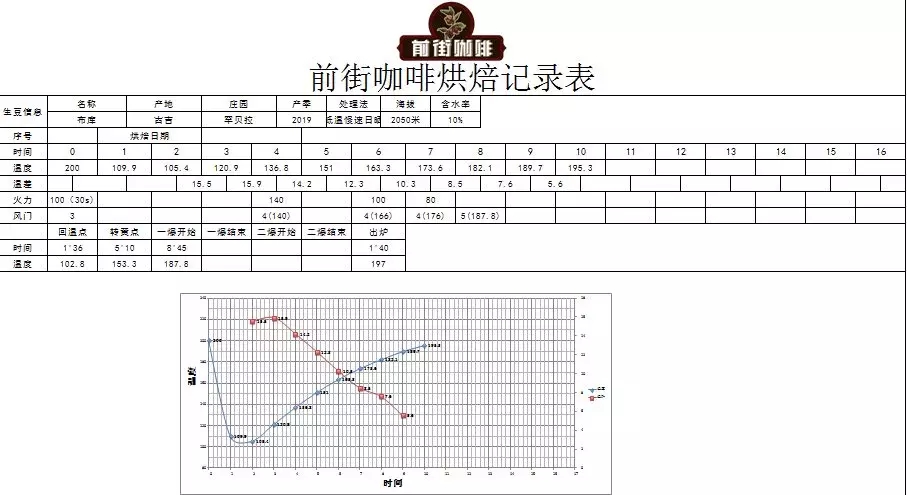
Preheat the roaster to 200°C with the damper setting at 3. After 30 seconds, increase heat to 160. Return temperature at 1'36". When the drum temperature reaches 140°C, adjust the damper to 4 and heat to 140. At this point the bean surface turns yellow and the grassy aroma completely disappears, entering the dehydration phase. When the drum temperature reaches 166°C, adjust heat to 100°C, keeping the damper unchanged.
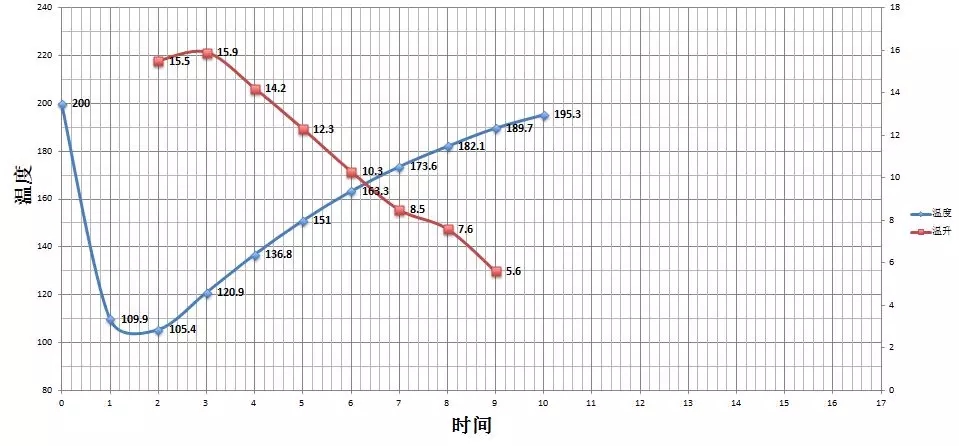
At 7'57", ugly wrinkles and black spots appear on the bean surface, and the distinct toast aroma clearly transitions to coffee aroma, which can be defined as the prelude to first crack. At this moment, listen carefully for the sound of first crack. First crack begins at 8'45" with the damper adjusted to 5. After first crack, develop for 1'40" and drop at 197°C.

Agrton bean color value is 71.8 (above image), Agrton color value is 85.7 (below image), and Roast Delta value is 13.9.
Cupping Notes

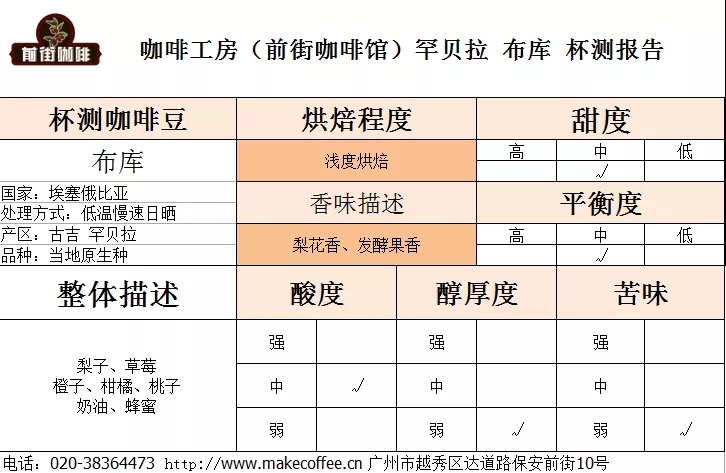
FrontStreet Coffee's Hambela Buku exhibits pear flower and fermented aromas. During slurping, one can perceive flavors of pear, strawberry, orange, citrus, and peach, along with creamy and honey-like sweetness.
Brewing Recommendations

Recommended brewing method: Pour-over
Filter: V60 dripper
Grind size: Fine sugar consistency (80% pass-through rate on a Chinese standard #20 sieve)
Coffee-to-water ratio: 1:15
Water temperature: 91°C
Brewing technique: Multi-stage extraction
Use 29g of water for a 30-second bloom, then pour with a small, relatively fast flow to 128g for the first stage. When the water level drops to just before exposing the coffee bed, continue pouring with a slightly larger flow to 226g and stop. When the coffee bed is about to be exposed, remove the filter cup. Total extraction time should be around 2'10".

FrontStreet Coffee Ethiopia Hambela Buku coffee flavor: The aroma presents subtle fermented fruit notes, floral hints, and rose fragrance. The entry reveals sweet-tart notes of orange, strawberry, and cream, with honey peach flavors emerging in the mid-palate. The aftertaste features sucrose and honey sweetness with jackfruit undertones, creating an overall sensation reminiscent of tropical fruit tea.
FrontStreet Coffee Recommendation
Newcomers who want to explore the Ethiopian origin should start with the most classic washed Yirgacheffe, known for its white jasmine, bright citrus and lemon acidity, and tea-like character. Its affordable price has also made it the first bean many people ever brew as specialty coffee.
Yirgacheffe is a town in southern Ethiopia, in the Sidamo region, at an altitude of about 1700-2100 meters, with the coffee trees themselves planted above 1800 meters, making it one of the highest coffee regions in the world. It was a wetland from ancient times, and the town's highly recognizable white floral and lemon-citrus acidity made Yirgacheffe a byword for Ethiopian specialty coffee. In 2010, because the Yirgacheffe name had become so famous, the Ethiopia Commodity Exchange separated it from the Sidamo production area.
Many people may not know that the town of Yirgacheffe can be divided into many smaller areas, even small villages, and several experienced cooperatives there produce especially refined Yirgacheffe. The most representative is the washed cooperative from Gedeb village. It sits at the southeastern edge of Yirgacheffe, in the Worka region, and was originally part of the Worka cooperative under the Worka union. As demand for traceability grew, it was uncovered by coffee hunters around the world as a single origin. The cooperative follows the most traditional washed processing and is known as the last pure land of Yirgacheffe. Washed coffee from there avoids the traditional bitter note, carrying fresh, bright citrus and lemon acidity and jasmine fragrance that wins people over at the first sip.
FrontStreet Red Cherry beans use whole red cherry natural processing, picking only fully ripe and sound fruit. A first sorting happens at the processing station, after which the cherries are spread on raised beds to dry, turned every 2-3 hours in the first few days to prevent uneven heating and over-fermentation. After three to five weeks of drying, workers remove the outer fruit with a machine according to weather and temperature, then move the beans to storage. Because the cherries dry with the fruit still on, the coffee keeps the classic Yirgacheffe character while gaining the tropical fruit that natural processing brings, showing citrus acidity, berry juiciness, honey sweetness, and a creamy smoothness.
For brewing Yirgacheffe, use a V60 dripper with water at 90-91°C, 15g of coffee, a 1:15 coffee-to-water ratio, and a grind of EK43s setting 10, or fine granulated sugar, with about 80% passing a #20 sieve bowl. FrontStreet Coffee's method is to pour 30g of water for a 30-second bloom, then add 95g (the scale reads around 125g) over about 1 minute; when the water level drops to 2/3 of the powder bed, add the remaining 100g (the scale reads around 225g) over about 1 minute 35 seconds; dripping finishes in 2 to 2 minutes 10 seconds, at which point remove the dripper to complete extraction.
Important Notice :
FrontStreet Coffee is a long-established specialty coffee roaster in Guangzhou China, selling freshly roasted beans from its own farm in Yunnan as well as dozens of carefully selected single-origin beans from around the world for both pour-over and espresso. The products deliver consistently excellent quality and great value, with shipping within 24 hours. Guangzhou's FrontStreet Coffee shop is recommended by many coffee lovers, and the beans are now available online at the Tmall 。
FrontStreet Coffee has moved to a new address:
FrontStreet Coffee Address: 315,Donghua East Road,GuangZhou
Tel:020 38364473
 Scan and follow the En Gafei WeChat official account. Please indicate that the reprint comes from "En Gafei".