Venezuelan Coffee | Venezuelan Coffee Bean Growing Regions & Flavor Profiles
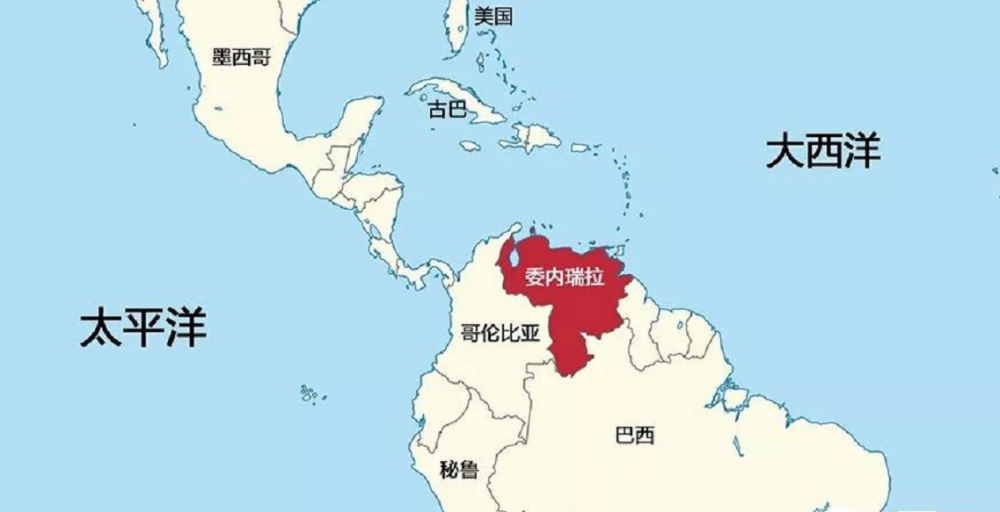
Venezuela
Coffee was introduced to Venezuela in 1730, thanks to a Christian monk named José Gumilla. At the time Venezuela was known for growing tobacco and cocoa, with its agricultural production relying mainly on slave labor. Large-scale coffee cultivation in the region began from 1793.
According to FrontStreet Coffee's understanding, oil was once considered Venezuela's main export. Although coffee had been introduced for cultivation as early as the 18th century, coffee production was almost abandoned amid the boom of the oil industry.
By the mid-18th century, coffee had spread throughout the country. Soon after, however, the nation's attention turned back to oil. From 1929 to 1938, the United States went through the Great Depression, and the depreciation of the dollar caused the prices of coffee exported from Venezuela to soar. As demand for coffee declined, the military government — recognizing the value of oil — began extracting it. Agriculture was quickly forgotten, and farmers and young people left the countryside in droves, flocking to the cities in search of oil-related jobs. As one can imagine, the urban population grew at a rapid pace that exceeded what urban planning could cope with.
In other words, during that period the urban population increased rapidly and city planning could not keep up. At the same time, with oil extraction underway, rural depopulation intensified and agriculture was gradually marginalized.
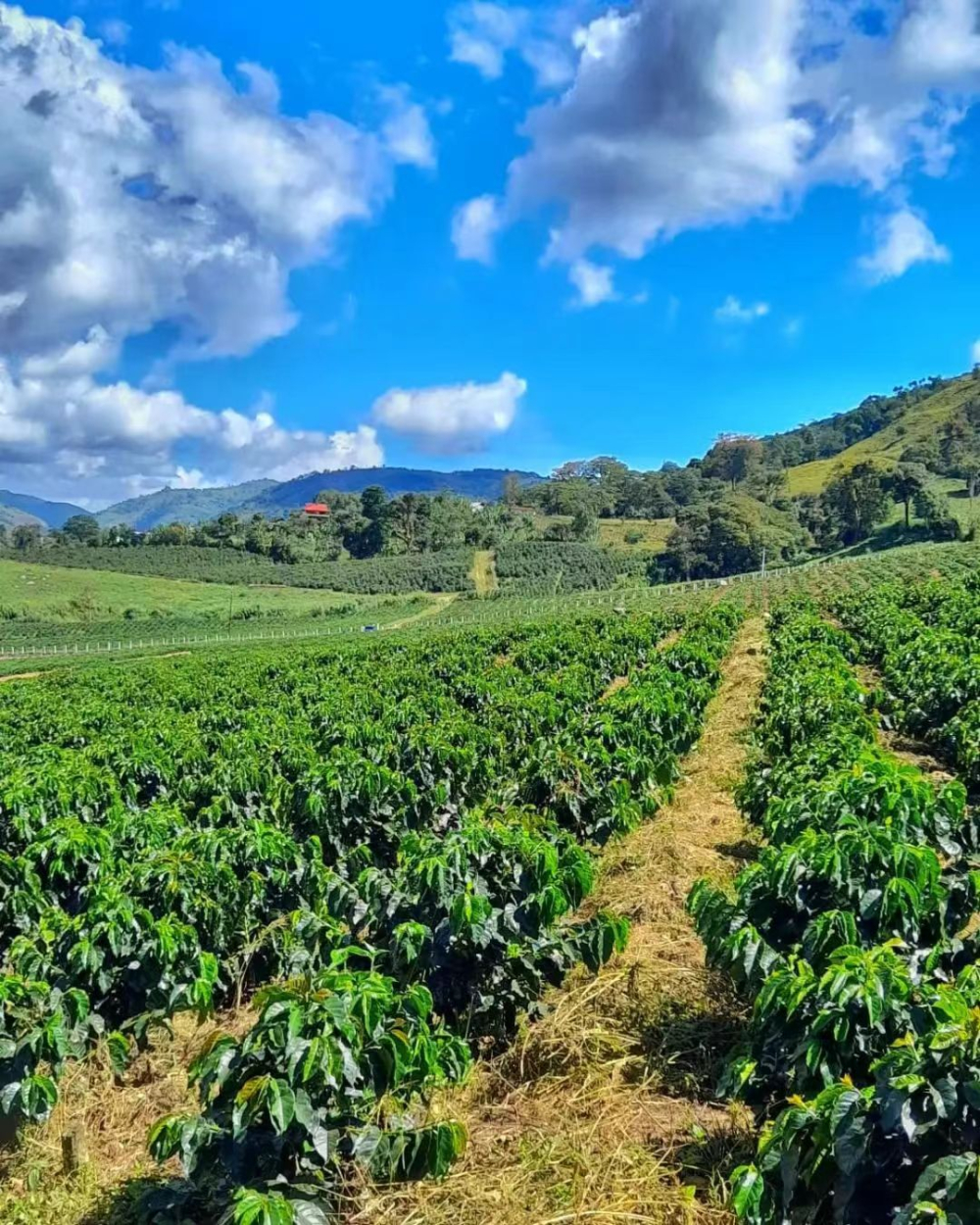
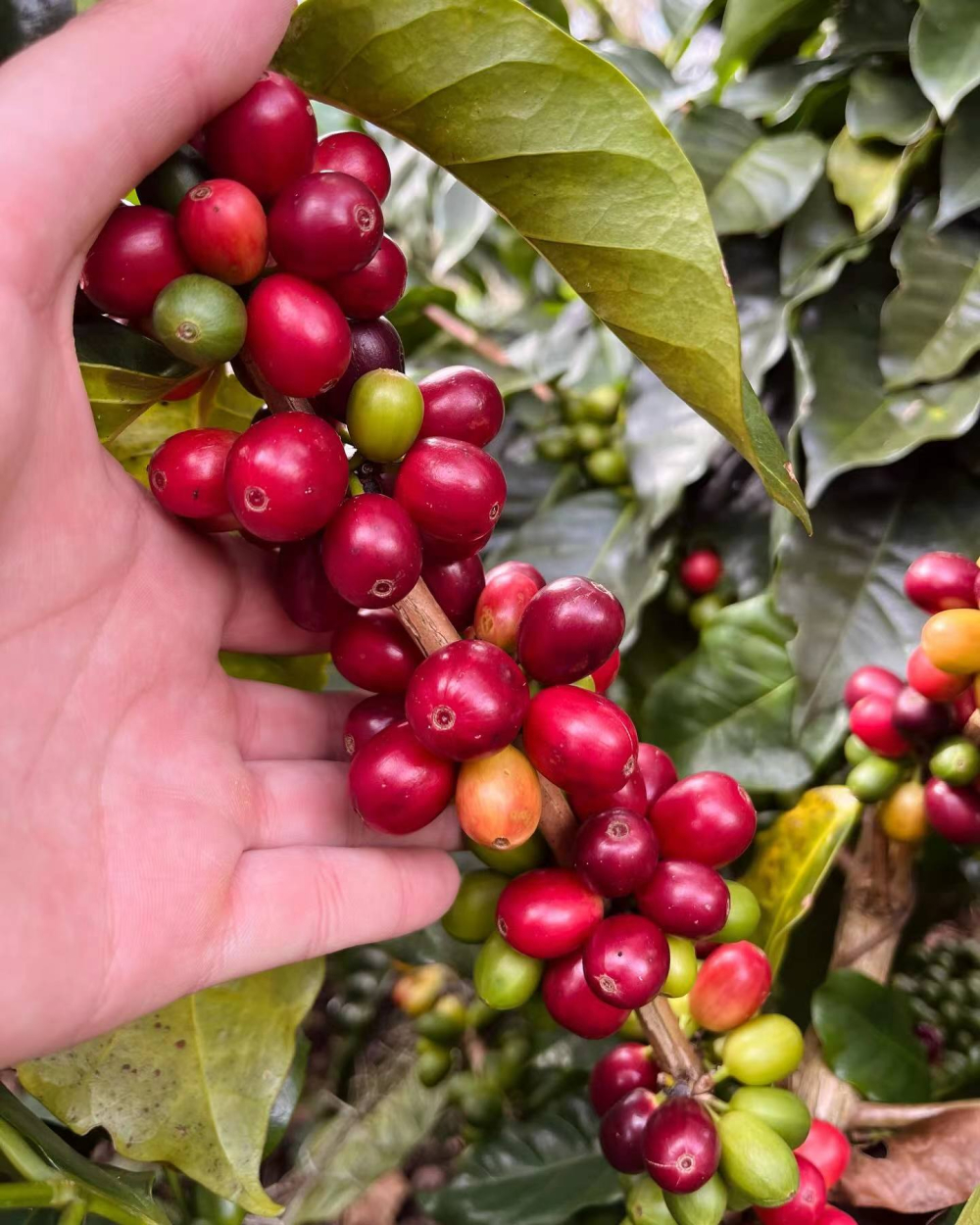
Happily, coffee plantations have revived in recent years, featuring mainly Typica and Bourbon trees, laying a solid foundation for coffee exports. Currently, most of Venezuela's coffee is exported to Russia and Colombia, where it is repackaged; meanwhile, many newly established small and medium-sized plantations have begun exporting coffee directly. Although the coffee industry is not prominent among Venezuela's many industries, the country's best coffee-growing region lies in the southwestern state of Táchira. Yet the name Táchira is widely used for beans from all over the country, so its distinctiveness has gradually faded.
Venezuela Coffee Regions
Venezuelan coffee is concentrated in four producing regions: the western, west-central, north-central, and eastern regions. The varieties cultivated are primarily Typica, Bourbon, Mundo Novo, and Caturra.
Western Region
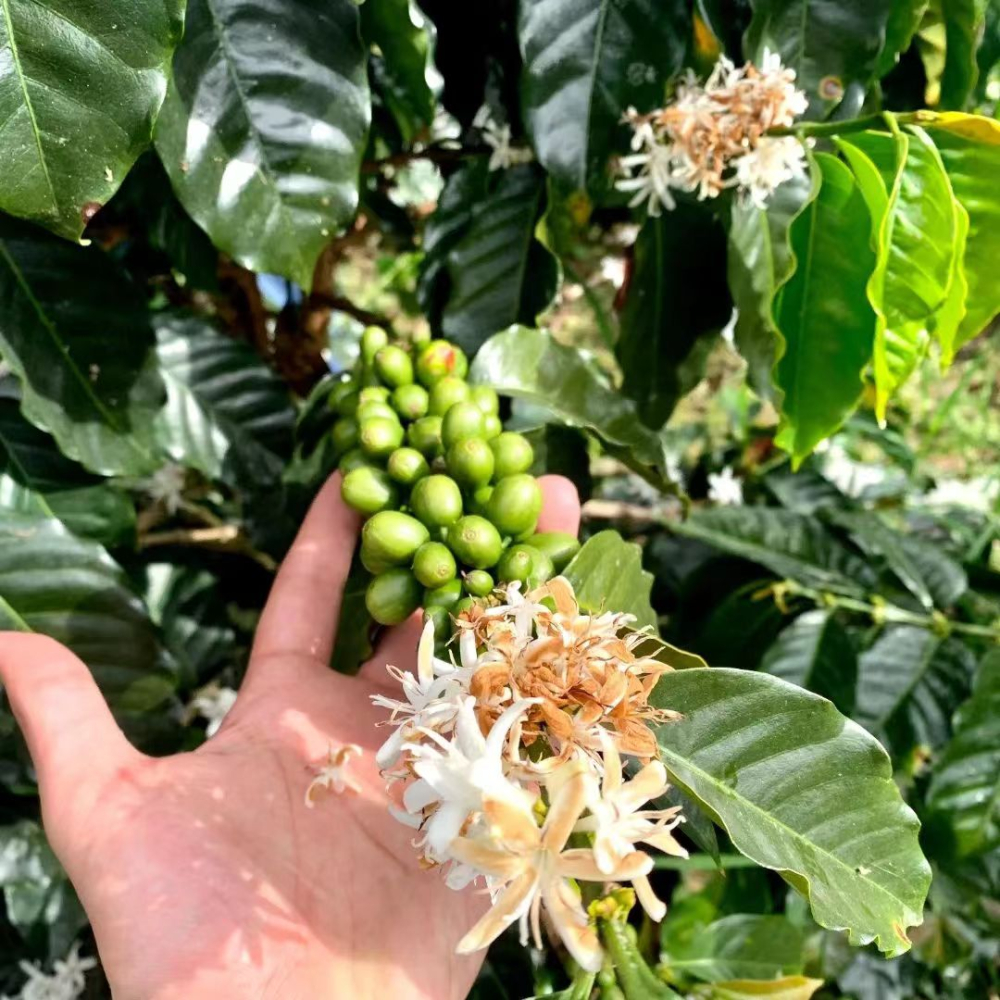
Most coffee from this region is labeled for export using state names such as Táchira, Mérida, or Zulia, rather than region names, and some people compare it directly with Colombian coffee. Altitude: 1,000-1,200 meters; Harvest period: September-March of the following year; Varieties: Typica, Bourbon, Mundo Novo, Caturra.
West-Central Region
This region includes the states of Portuguesa and Lara and is one of Venezuela's premier coffee-producing areas; the states of Falcón and Yaracuy also belong to it. The coffee produced here is of excellent quality, considered comparable to Colombian coffee. These high-quality beans are often called Maracaibos, after the export port. Altitude: 1,000-1,200 meters; Harvest period: September-March of the following year; Varieties: Typica, Bourbon, Mundo Novo, Caturra.
North-Central Region
The small amount of coffee from this region comes from the states of Aragua, Carabobo, Miranda, and Cojedes, and the federal dependencies. Altitude: 1,000-1,200 meters; Harvest period: September-March of the following year; Varieties: Typica, Bourbon, Mundo Novo, Caturra.
Eastern Region
This region lies within the states of Sucre, Monagas, Anzoátegui, and Bolívar. Occasionally a unique coffee called "Caracas" can be found here. Altitude: 1,000-1,200 meters; Harvest period: September-March of the following year; Varieties: Typica, Bourbon, Mundo Novo, Caturra.

Venezuela Coffee Flavor
Because Venezuelan coffee tastes different from coffee of other continents — comfortable and light, with less acidity than traditional coffee — it has a character all its own, not limited to use in blends.
For professional coffee knowledge exchange and more coffee bean information, please follow Coffee Workshop (WeChat public account: cafe_style).
For more specialty coffee beans, please add FrontStreet Coffee's private WeChat: qjcoffeex
FrontStreet Coffee Recommendation: Enjoy Mild and Balanced? Pour Yourself a Brazil Cerrado Red Bourbon
If Venezuela's gentle, low-acid profile appeals to you, FrontStreet Coffee's Brazil Cerrado Red Bourbon will feel instantly familiar. Cerrado, a renowned producing region in Minas Gerais, grows the Red Bourbon variety across flat highland terrain above 1,000 meters, and the beans are processed as a pulped natural — Brazil's signature half-washed method. Roasted medium, it opens with rich aromas of cream and peanut, toasted bread, caramel, and hazelnut; the cup is rounded and mellow, with no sharp acidity and only a light, pleasant bitterness. It is equally at home in a pour-over, a moka pot, an espresso SOE, a siphon, or a French press — and as an entry-level daily bean it delivers Brazil's comfortable, balanced character without stretching the budget.
Important Notice :
FrontStreet Coffee is a long-established specialty coffee roaster in Guangzhou China, selling freshly roasted beans from its own farm in Yunnan as well as dozens of carefully selected single-origin beans from around the world for both pour-over and espresso. The products deliver consistently excellent quality and great value, with shipping within 24 hours. Guangzhou's FrontStreet Coffee shop is recommended by many coffee lovers, and the beans are now available online at the Tmall 。
FrontStreet Coffee has moved to a new address:
FrontStreet Coffee Address: 315,Donghua East Road,GuangZhou
Tel:020 38364473
 Scan and follow the En Gafei WeChat official account. Please indicate that the reprint comes from "En Gafei".