How to Control Water Flow in Pour-Over Coffee? What Are the Common Mistakes?
Professional Coffee Knowledge Exchange
For more coffee bean information, please follow Coffee Workshop (WeChat official account: cafe_style)
Guests who visit FrontStreet Coffee often linger at the brew bar and ask two questions in the same breath: "How do you keep the stream that steady?" and "Why does my kettle pour like a fully opened tap at home, so that I can never reproduce the flavors I taste here?" This article explains how to train your hand to control pour-over water flow.
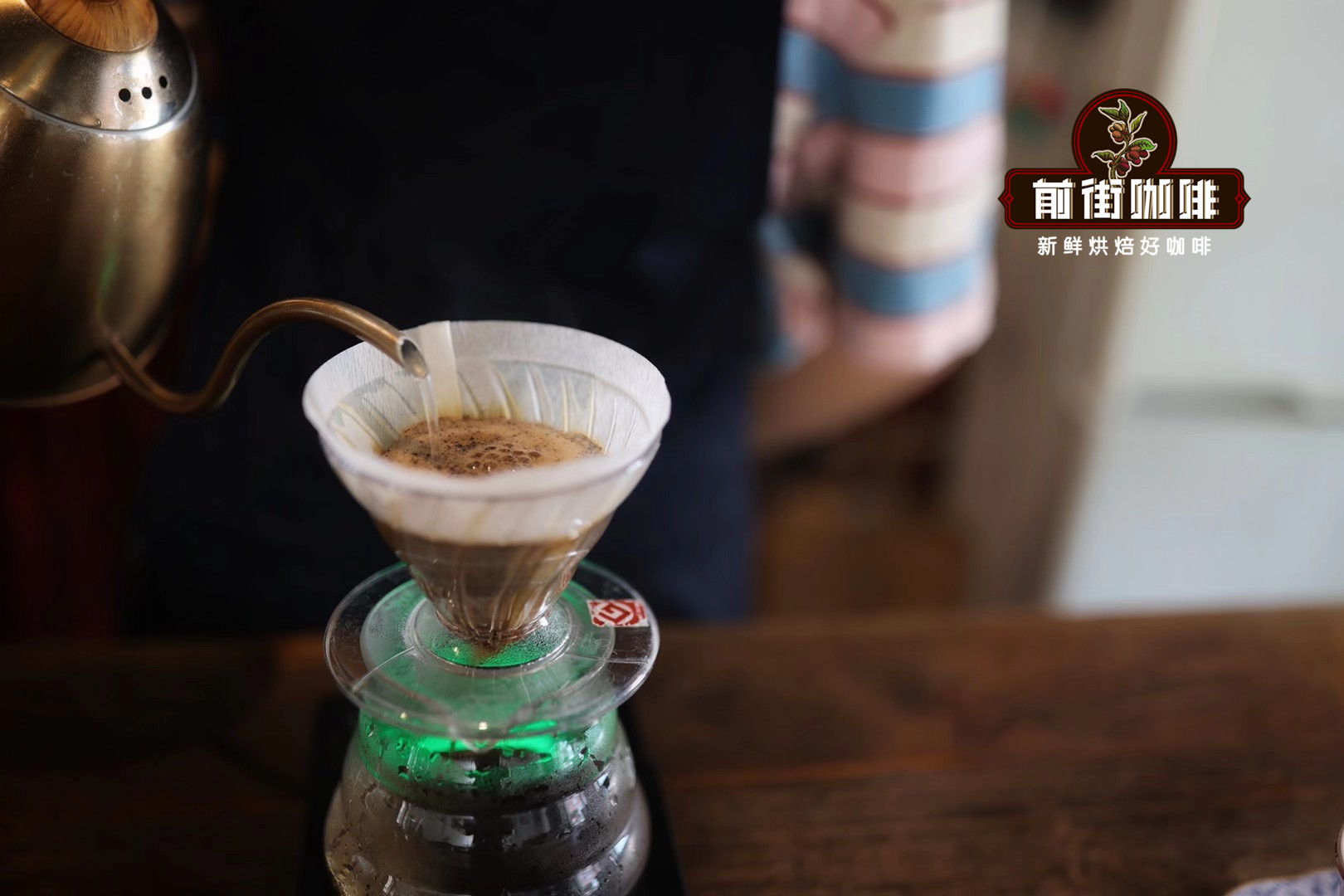
The Impact of Pour-Over Water Flow Control on Coffee Extraction
When the stream is too heavy, it strikes the coffee bed with real force. That disturbs the structure of the bed, shortens the contact time between water and grounds, and sends water down the funnel's walls or through cracks in the puck. The result is a thin, hollow cup whose acidity and bitterness sit out of balance. When the stream is too light, it no longer penetrates the grounds properly. Extraction drags on, the temperature of the slurry drops, and the extraction yield falls. A weak stream also keeps saturating the same shallow layer, over-extracting the particles at the top and loading the cup with bitterness and off-flavors.
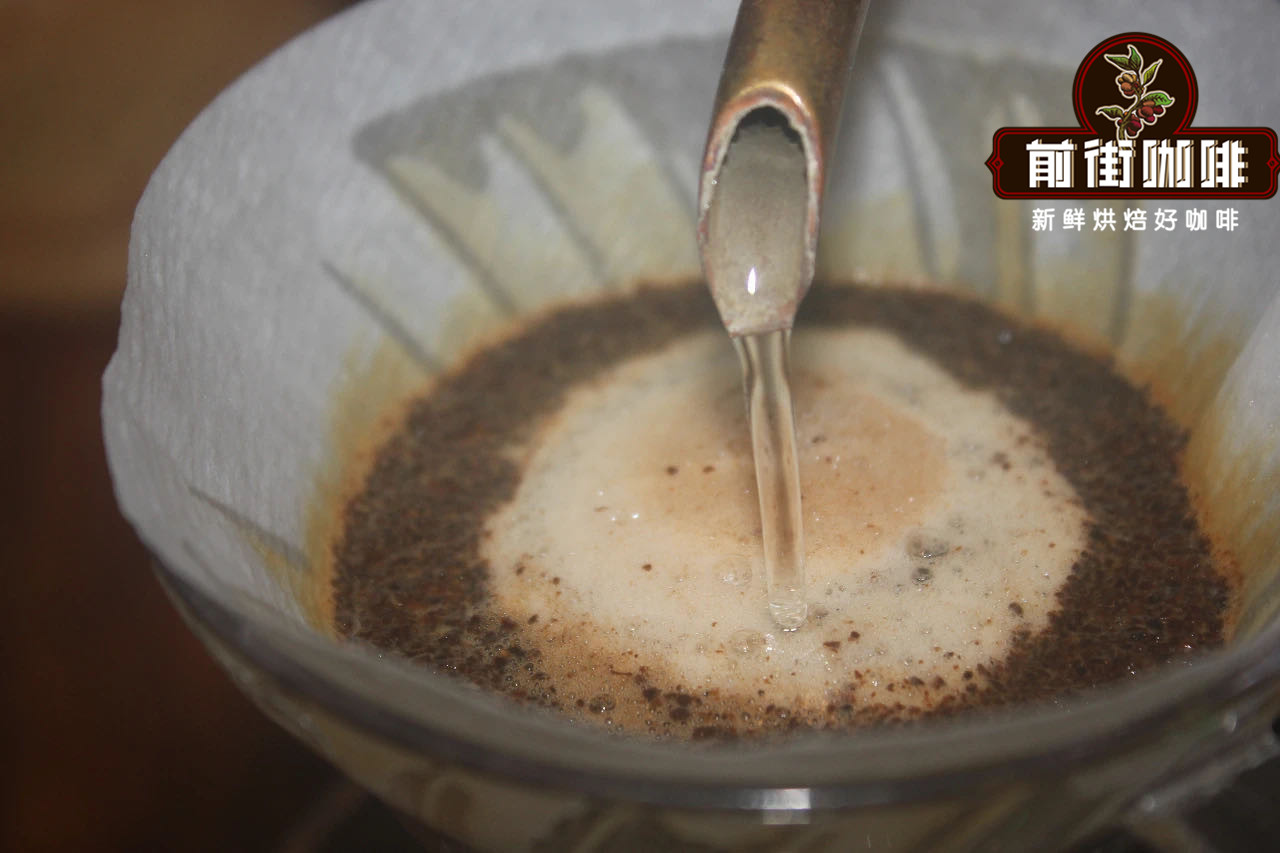
From experience, FrontStreet Coffee sums it up this way: a heavy, fast pour gives a thinner mouthfeel and a flatter, more one-dimensional profile, with acidity that stands out in an unpleasant way. A light, slow pour builds layers and a clear sweetness in the finish, but it is also the easiest way to pull out flavors you do not want.
How Should We Practice Pour-Over Water Flow Control?
1. Choose a Pour-Over Kettle That Suits You
Pour-over kettles come in a wide range of shapes. FrontStreet Coffee recommends a gooseneck kettle for beginners. Its narrow, flat-cut spout makes the stream far easier to govern and allows a wide repertoire of pouring techniques, though it rewards regular practice. Wide-mouth kettles are much harder to finesse into a slow, gentle stream, and are normally reserved for high-volume brewing styles.
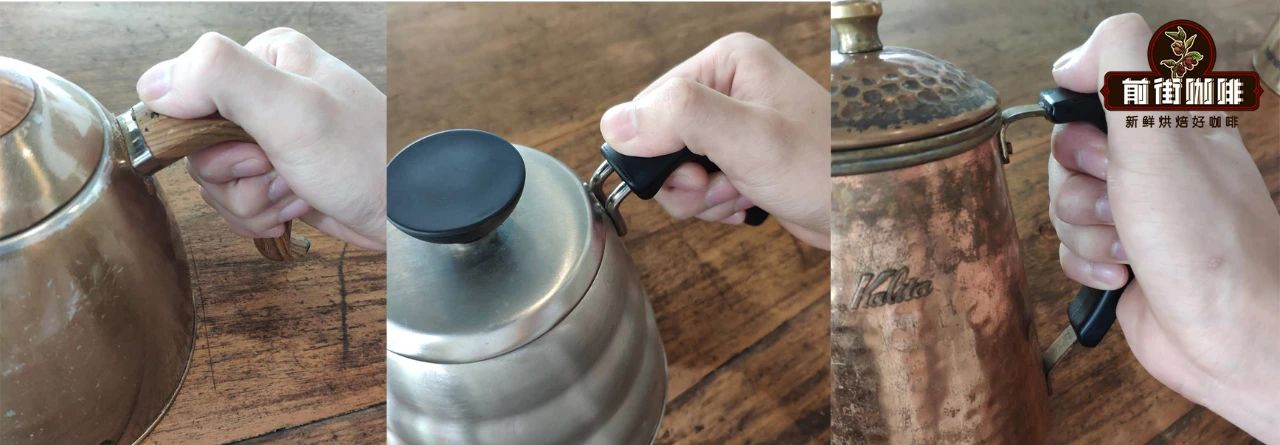
2. Kettle Holding Grip
Brewing a cup of pour-over coffee usually takes more than two minutes. Hold the kettle with a poor grip and your wrist will tighten and start to shake well before you finish. FrontStreet Coffee suggests resting your thumb on the handle with the other four fingers wrapped around it, in a grip stable enough that the kettle does not move when you nudge it with your free hand. Do not clamp down too hard, or your hand will tire out.
3. Fixed Point Pouring Practice
This drill looks dull, but it builds the muscle memory your wrist needs. Pour out the whole kettle at a slow, constant flow, keeping the water column perpendicular to the horizontal line, and repeat. When that feels natural, do the same at a medium, steady flow. Finally, move up to a heavy flow and repeat again.
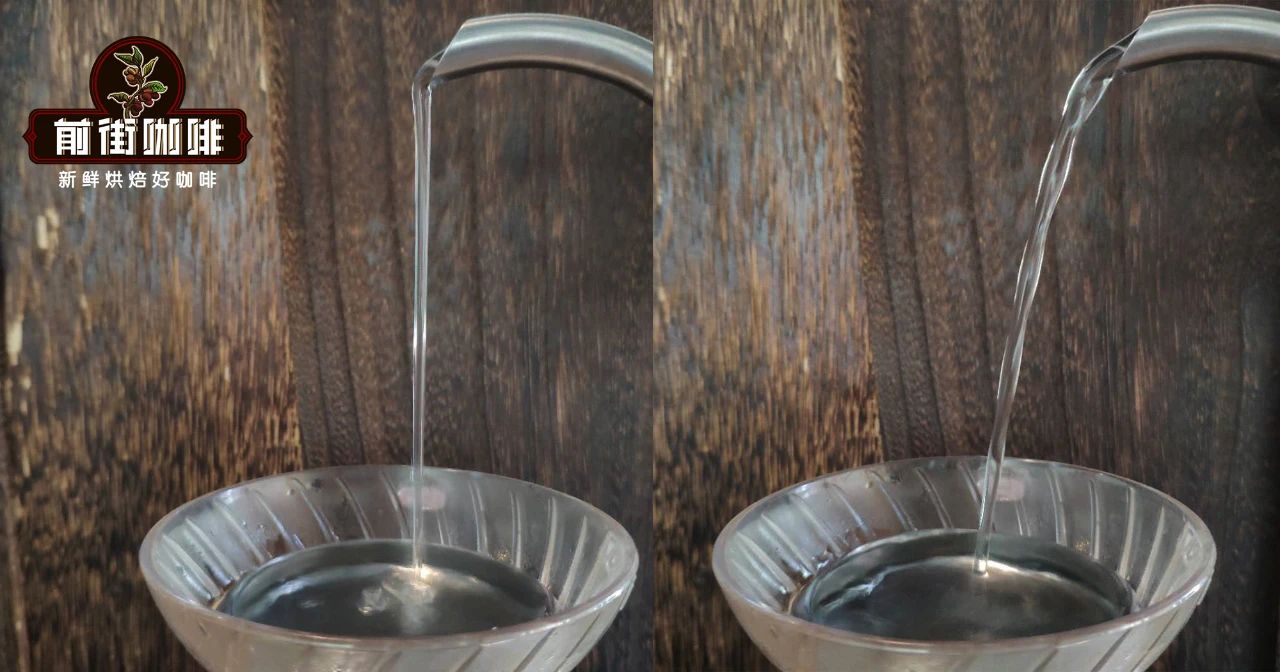
4. Practice Circular Pouring After Mastering Fixed Point Pouring
Once you can pour steadily at the center point, set a small object - a powder bowl, a bottle cap, or a few practice beans - in the middle of the dripper as an obstacle, then pour in circles around it, working to hold the flow constant through the motion. From there, move on to spiral pouring, following the pattern of a mosquito coil.
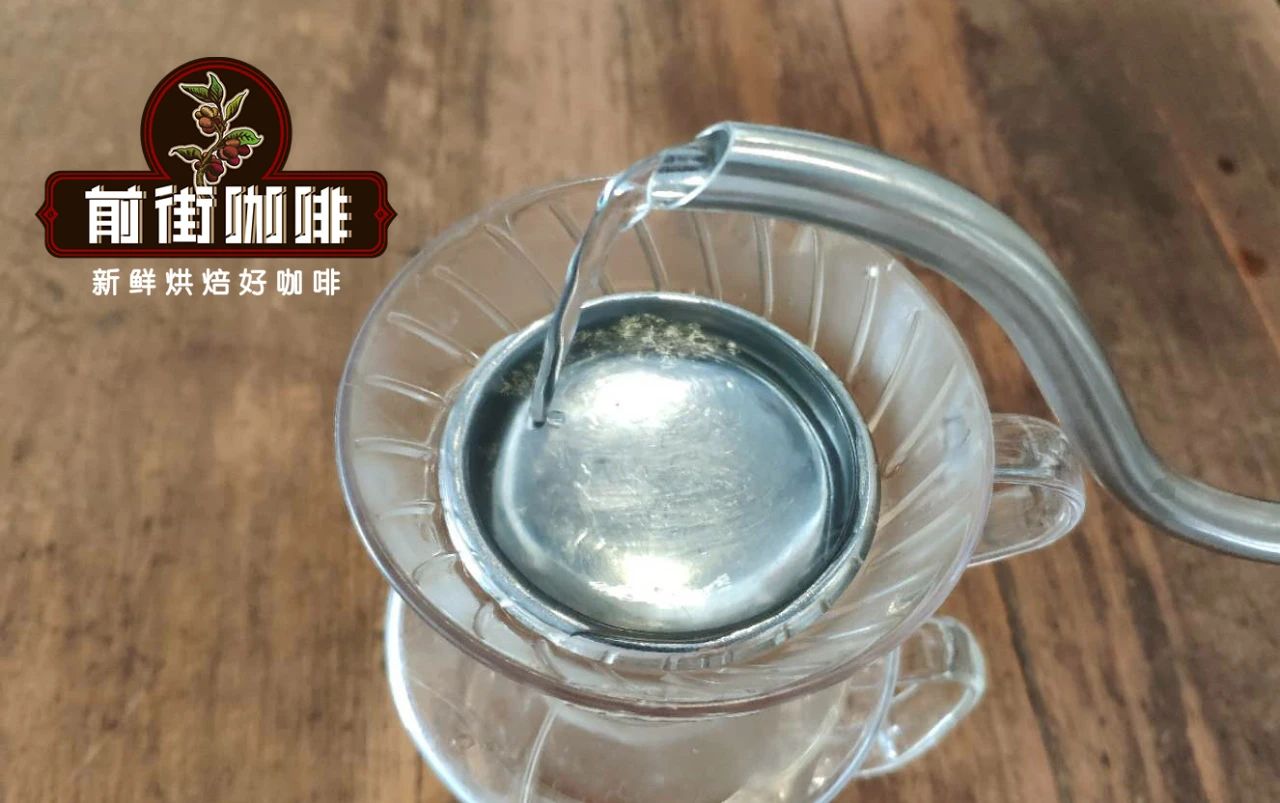
Why Doesn't Coffee Taste Good Even With Good Water Flow Control?
1. Coffee Bean Freshness
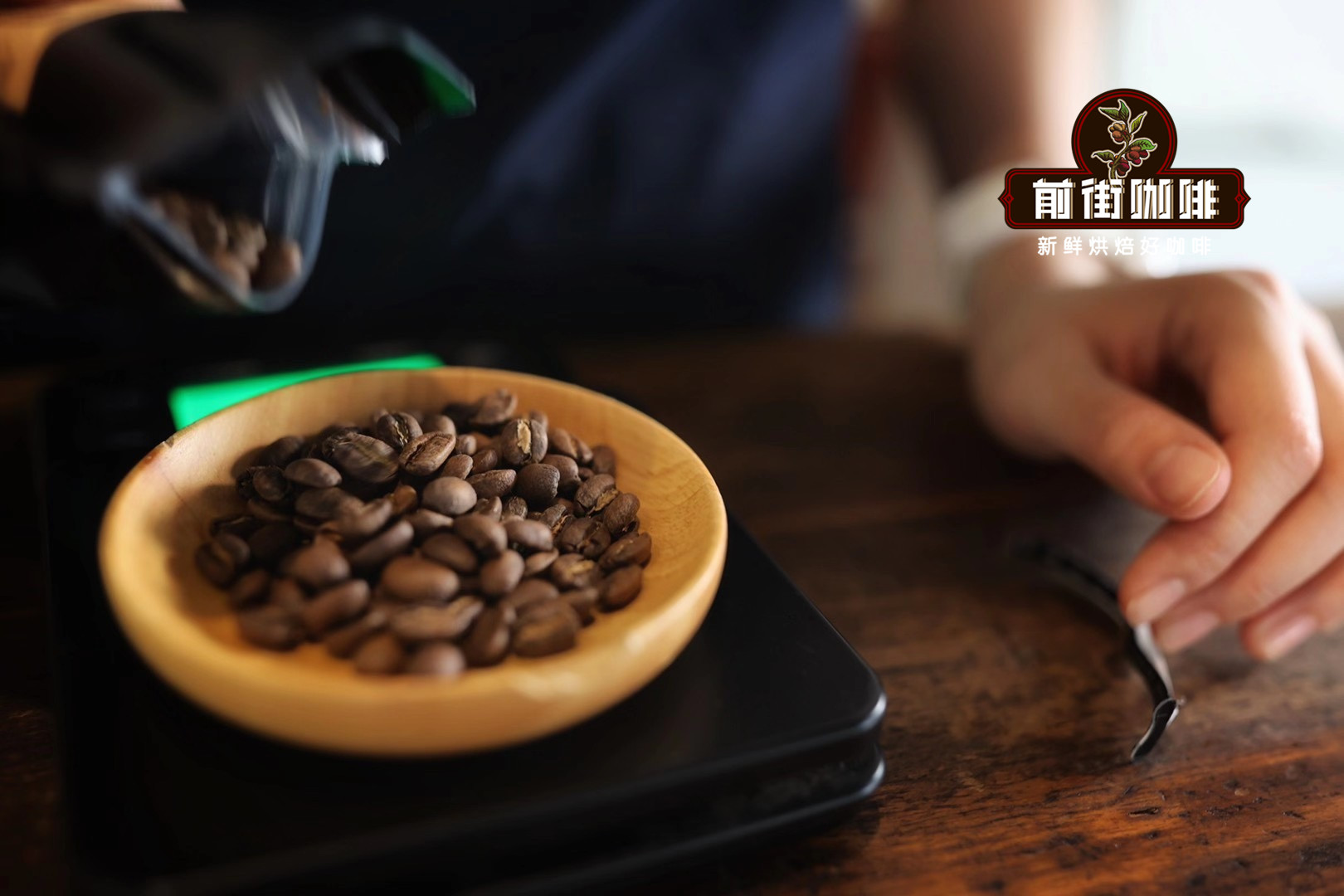
Freshness matters as much as technique. Leave beans sitting too long after roasting and both flavor and aroma fade. FrontStreet Coffee beans carry an optimal tasting window of 30 days; past that point, aroma compounds diminish as carbon dioxide escapes, and brewed coffee can taste bland and flat.
2. Pour-Over Coffee Grind Size
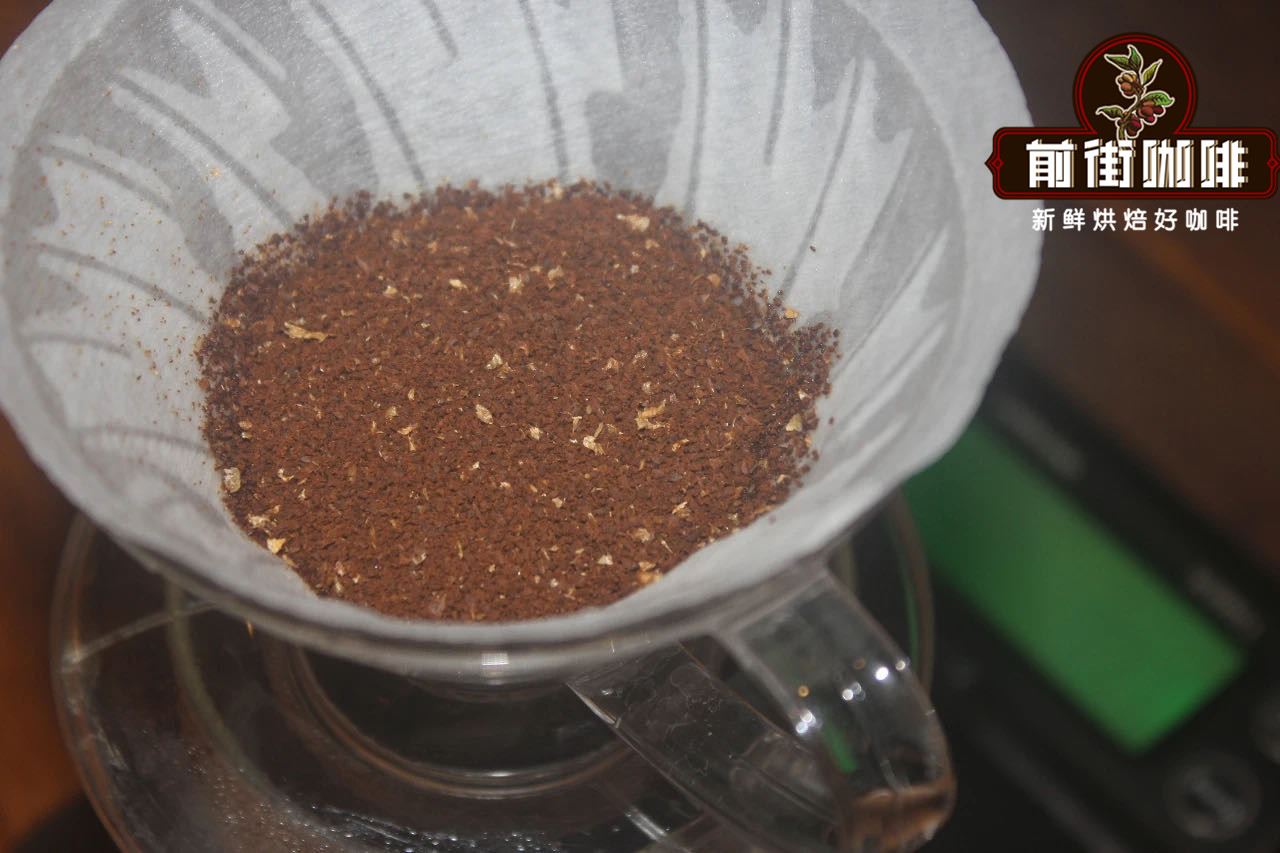
The finer the grind, the more the coffee packs against the bottom of the filter paper. Extraction resistance rises, flow slows, and contact time lengthens, so the brew pulls out more solubles and can turn harsh, or pick up woody and other off-flavors. The coarser the grind, the wider the gaps between particles, the less coffee comes into contact with hot water, the weaker the resistance, the faster the drip, and the lower the extraction yield - and the cup tastes thin. FrontStreet Coffee recommends a medium-fine grind for light to medium roasts (80% passing rate through Chinese standard #20 sieve), and a medium-coarse grind for medium to dark roasts (70-75% passing rate through Chinese standard #20 sieve).
3. Brewing Water Temperature
FrontStreet Coffee suggests 90-91°C for light to medium roasts and 88-89°C for medium to dark roasts. At a given grind size, if the cup tastes bitter, burnt, or astringent, lower the water temperature; if it tastes thin or bland, much of the flavor is still locked in the grounds, so raise it.
4. Filter Cup
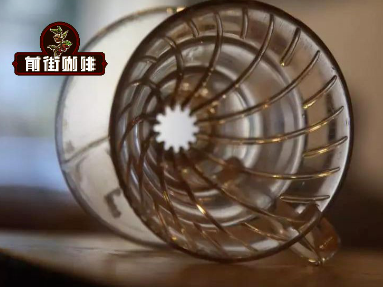
Beginners should start with a V60. Its wide opening and spiral ribs let air escape more easily and improve extraction quality. The mouthfeel may not be the thickest, but the high concentration of solubles brings out acidity and sweetness with a distinct aroma - one of its defining traits.
5. Coffee-to-Water Ratio
Working from SCA extraction theory, FrontStreet Coffee has found that a 1:15 coffee-to-water ratio for pour-over is the most reliable way to land inside the golden cup range of 18%-22% extraction and 1.15%-1.35% concentration.
6. Total Brewing Extraction Time
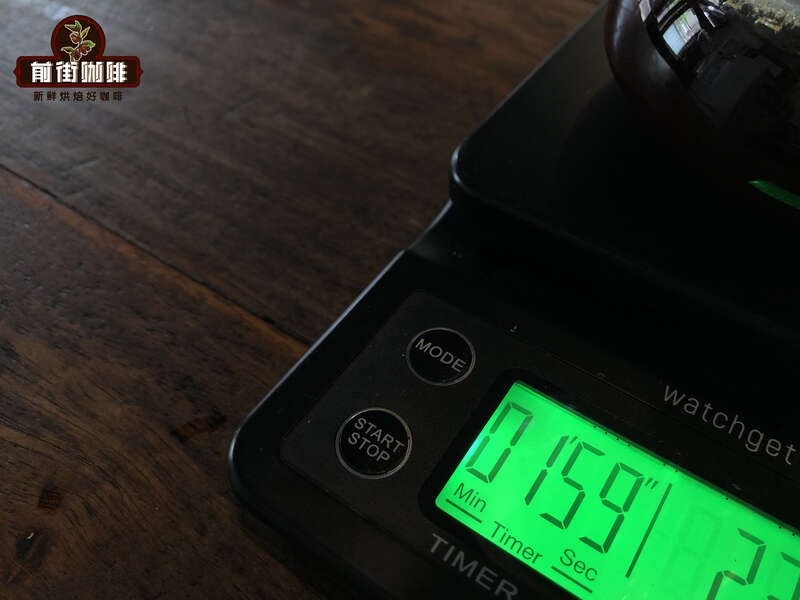
Early in the pour, aroma and flavor are at their most intense. As extraction continues, both taste and aroma taper off. The volume of water you pour also shapes the timing: a large pour runs through quickly and shortens the extraction. FrontStreet Coffee generally starts with 15 grams of coffee powder; timing varies with the bean, but at a 1:15 ratio the brew finishes within 2-2.5 minutes, which keeps both over-extraction and under-extraction in check.
For more specialty coffee beans, please add FrontStreet Coffee on WeChat: kaixinguoguo0925
FrontStreet Coffee Recommendation
Water flow is only half the equation - the other half is putting the right beans in the dripper. FrontStreet Coffee keeps a resin Hario V60 in its daily setup, chosen because resin blocks heat loss better than glass or copper and holds the tightest tolerances in production. The V60's 60-degree cone and single large hole force water to the center before it drops, extending contact with the coffee bed, and its fast flow rewards precisely the control this article is about. It is the dripper FrontStreet reaches for most often when brewing the light-roast, floral-and-fruity beans.
If you are practicing your pour on a light roast, start with FrontStreet's washed Yirgacheffe, which shows bright citrus and berry with a green-tea sweetness, or the Ethiopia Huakui, whose tropical fruit profile runs to strawberry, passion fruit and jackfruit with almost no bitterness. For a more delicate cup, the Panama Hacienda La Esmeralda Red Label Geisha brings jasmine, citrus and bergamot with a long, clean finish, while the Kenya Cherry Tomato offers vivid cherry-tomato and dark-plum acidity that stands up to a longer pour. Keep the ratio at 1:15, the temperature at 90-91°C, and the total time inside 2-2.5 minutes.
If you prefer a heavier, low-acid cup, reach for FrontStreet's PWN Golden Mandheling from Sumatra. Its wet-hulled, medium-dark profile delivers herbal and dark-chocolate notes with a faint earthy edge, and it is best brewed a touch cooler, around 88-89°C. Whichever bean you choose, buy within the 30-day tasting window and grind fresh - steady hands cannot rescue stale coffee.
Important Notice :
FrontStreet Coffee is a long-established specialty coffee roaster in Guangzhou China, selling freshly roasted beans from its own farm in Yunnan as well as dozens of carefully selected single-origin beans from around the world for both pour-over and espresso. The products deliver consistently excellent quality and great value, with shipping within 24 hours. Guangzhou's FrontStreet Coffee shop is recommended by many coffee lovers, and the beans are now available online at the Tmall 。
FrontStreet Coffee has moved to a new address:
FrontStreet Coffee Address: 315,Donghua East Road,GuangZhou
Tel:020 38364473
 Scan and follow the En Gafei WeChat official account. Please indicate that the reprint comes from "En Gafei".
![[FrontStreet Coffee Roaster's Notes] Different Flavor Expressions of Costa Rica Black Soul at Various First Crack Times](https://en.gafei.com/uploads/allimg/190423/17-1Z42314050M15-lp.jpg)