How to Drink Sumatra Aceh Gayo Coffee Beans? What is the Taste of Aceh Coffee?

Introduction to Mandheling Coffee
Indonesian Mandheling is the coffee that represents Indonesia in Asia. Mandheling is not actually the name of a coffee-producing region; it is a homophone of the Mandailing tribe of northwestern Sumatra. During World War II, when Japan occupied Indonesia, a Japanese soldier tasted an incredibly fragrant coffee in a cafe. When he asked the owner its name, the owner misunderstood and thought he was being asked "Where are you from?" and replied: "Mandailing." After the war the soldier remembered the coffee he had drunk in Indonesia as "Mandheling," and people later began calling Arabica beans from Sumatra Mandheling coffee.

Mandheling is produced on the island of Sumatra. Indonesia is a Southeast Asian country and the world's largest archipelagic nation, with Jakarta as its capital. It shares borders with Papua New Guinea, East Timor and Malaysia, and was one of the first places to cultivate coffee outside Yemen.
At the end of the 17th century, the Dutch introduced Arabica seedlings to Ceylon (now Sri Lanka) and Indonesia for the first time. They first transplanted Arabica Typica to Jakarta on Java. Because the local climate and soil were so favorable, Arabica quickly spread to Sumatra, northwest of Java, and to another large island, Sulawesi, to the northeast. In 1877 a large-scale disaster struck the Indonesian islands when coffee leaf rust destroyed nearly all the coffee trees. People had to abandon the Arabica they had cultivated for many years and introduce Robusta coffee trees from Africa, which had strong disease resistance.
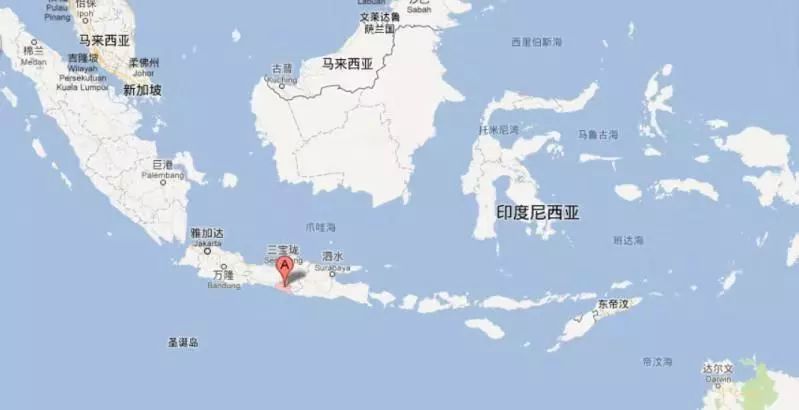
Today Indonesia is a major coffee-producing country, with cultivation concentrated mainly on Java, Sumatra and Sulawesi. Robusta accounts for 90% of total production. Sumatra Mandheling, however, is a rare Arabica. At present, Mandheling generally refers to Arabica coffee beans from the island of Sumatra.
Indonesian Coffee Bean Growing Environment
Indonesia has a typical tropical rainforest climate with an average annual temperature of 25-27°C, no distinct seasons, and annual precipitation of 1600-2200mm. It sits in a volcanic zone with fertile, mineral-rich soil that favors coffee cultivation, and elevations range between 900 and 2100 meters, with the major growing areas concentrated around 1200 meters above sea level.
Indonesian coffee beans have two main harvest seasons. The primary season runs roughly from September to October, while the secondary season falls from May to June. This year Indonesia's coffee exports have increased significantly compared with last year. Analysts suggest this is because exports were reduced last year when Indonesian coffee prices were high, and production rose in the current season, so shipments have climbed sharply.
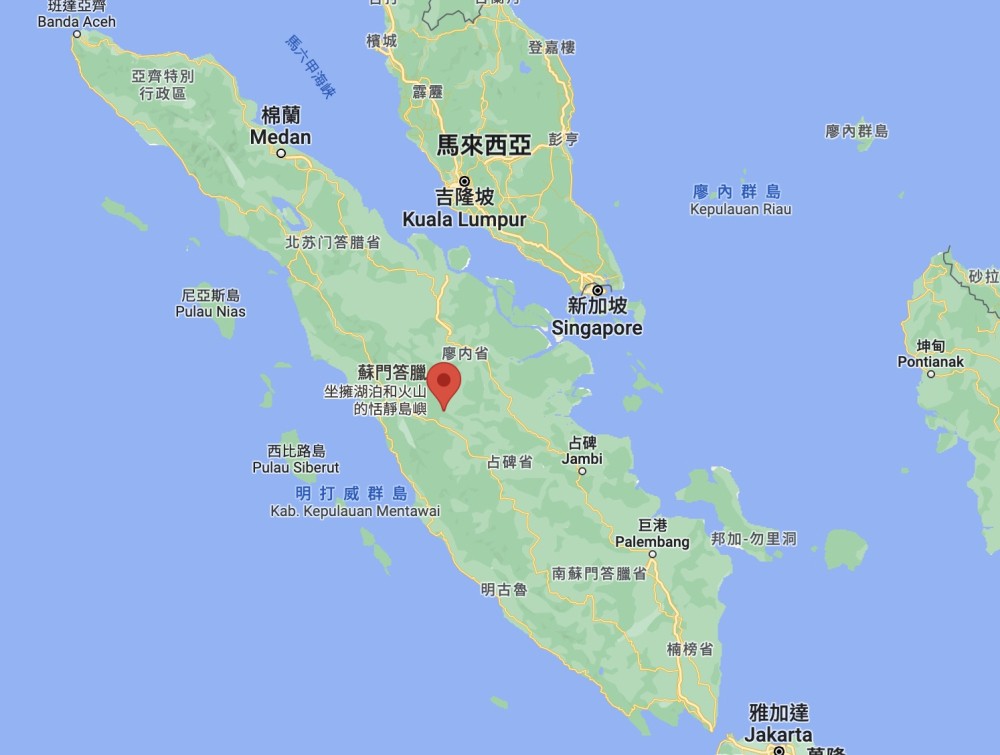
Indonesia's main coffee-producing regions include Sumatra, Java and Sulawesi, with "Mandheling" from Sumatra the most famous. Coffee from the northern Lake Tawar region can be called Aceh coffee or Lake Tawar coffee, while coffee from the Lintong and Lake Toba areas is called Mandheling. The country is divided into eight provinces, but only two cultivate coffee extensively—Aceh Province and North Sumatra Province. The most representative growing areas in these two provinces are the Gayo mountains around Lake Tawar in Aceh, where coffee is grown by the indigenous Gayo people, and the area around Lake Toba in North Sumatra, an enormous lake that is the world's largest volcanic lake. Mandheling from Lake Tawar and Lake Toba make up the famous "Two Lakes, Two Mandhelings," while south of Lake Toba lies the Lintong growing region.
Lake Toba Region
Lake Toba lies north of Medan, the capital of Sumatra, and is a high-altitude freshwater lake whose surface sits at about 900 meters above sea level. The lake is diamond-shaped, 100 kilometers long and 30 kilometers wide, with an area of 1,130 square kilometers. It is a highland lake whose surrounding slopes rise from roughly 1,100 to 1,600 meters, and it is also the world's largest volcanic lake. Generally, when people say Mandheling they mean Typica or its variants grown in the mountainous areas around Lake Toba. Among these, Lintong is the most famous Mandheling-producing region in the Lake Toba area, also known as Lintong Mandheling coffee.
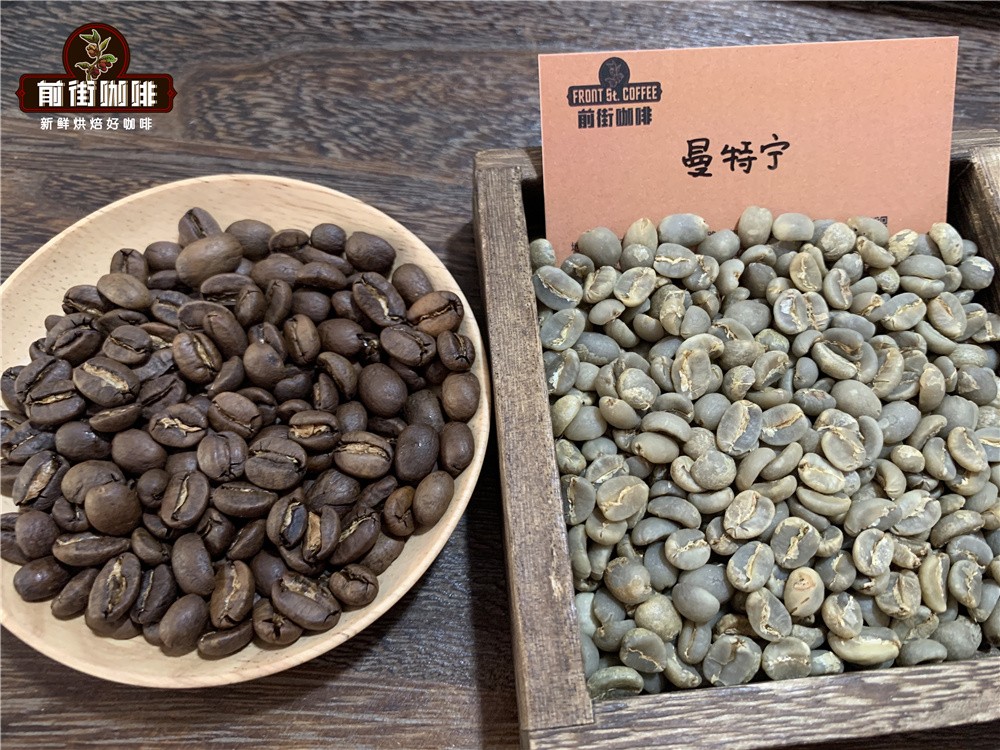
Lintong Mandheling with unsorted green beans can sometimes show inconsistent quality, but it largely retains the flavor of Sumatra coffee: a strong, rich taste with unique spice and herbal aromas. That is why FrontStreet Coffee also lists Lintong Mandheling among its high cost-performance daily beans, letting everyone experience the distinctive taste of Indonesian coffee.
Aceh Gayo Mountain Region
The Gayo Mountain region is located in Aceh Province in northern Sumatra. Coffee here is grown on the slopes around Takegon town and Lake Tawar, at average growing altitudes between 1,110 and 1,600 meters. It is grown by smallholders under shade trees and processed with the wet-hulled method, producing a deep, lively richness. Aceh, at the northernmost tip of Sumatra, is a fascinating and complex place.

Because of long-term political instability, Aceh is not a region ordinary people typically visit. The Gayo Mountains lie in the Aceh growing region of northern Sumatra, and most of the coffee farmers working there are local. The term "Gayo" comes from a tribe in Indonesia's Aceh region. The area has ideal growing conditions, a long cultural history and distinctive flavors. It widely uses organic methods without chemical fertilizers and is regarded as a world green coffee production area, so Gayo coffee is often called green coffee or Gayo organic coffee.
Lake Toba and Lake Tawar Regions
Lake Toba is located in central North Sumatra Province. In 1888 the Dutch colonialists moved "Java Mandheling" north to the Lake Toba area. Coffee from Lintong and Lake Toba in North Sumatra can be called Mandheling, with Lintong being the actual Mandheling-producing region. Mandheling is produced in the mountainous areas around Lake Toba, a high-altitude freshwater lake with a surface at about 900 meters above sea level.
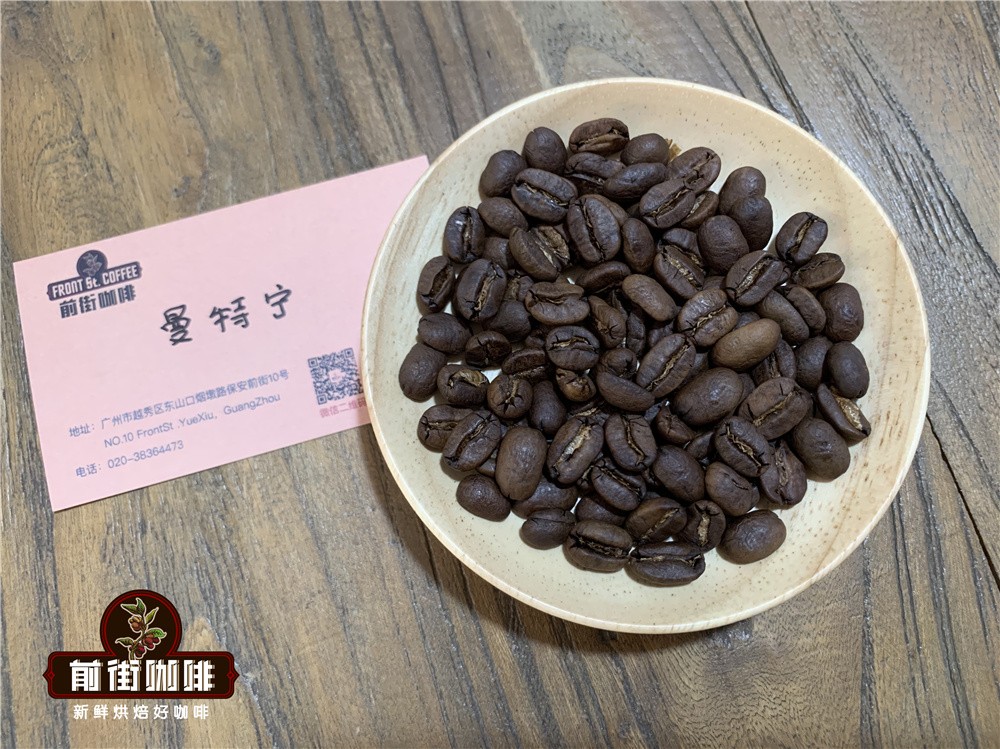
Lake Tawar is located in the central Aceh Special Administrative Region, at the northern tip of Sumatra. Most of the coffee produced in North Sumatra is Gayo, primarily of the Ateng variety. Coffee from the northern Lake Tawar can be called Aceh coffee or Lake Tawar coffee. Its area is less than one-tenth of Lake Toba, yet in recent years its coffee quality and production have surpassed Lake Toba's.
Because Indonesia has thousands of islands, not all coffee from the country tastes the same. Besides Java, coffee beans from Sumatra are world-renowned for their heavy body, low acidity, and earthy, spicy and herbal aromas, which is what made Mandheling coffee famous globally.
Indonesia's Unique Coffee Processing Method - Wet Hulling
Wet hulling, also known as Giling Basah in the local language, is a traditional Indonesian coffee processing method. Judging by the name alone, wet hulling appears similar to wet processing (washed processing), but the two produce distinctly different cup profiles. Coffee processed with wet hulling typically yields a rich, intense flavor with a very distinctive character.

The unique flavor of Mandheling comes from this local post-processing method. Because Sumatra sees rain year-round and the air is highly humid, dry processing would leave the cherries exposed to rain or even over-fermentation and spoilage. Conditions for dry processing simply cannot be met.
Washed processing, meanwhile, requires ample water and sufficient funds. Local economic conditions are limited and cannot fully meet those requirements. So the uniquely Sumatran wet-hulling method emerged, one that needs a shorter drying time and uses less water.

In the wet-hulling process, after the pulp is removed from the cherries the parchment beans, still coated in sticky mucilage, are briefly washed and then placed in water tanks for a short fermentation. The longer the fermentation, the stronger the acidity. Some processing plants or estates even skip fermentation entirely and spread the parchment beans straight out to dry. That approach suppresses acidity and increases the viscosity of the cup. To some extent the parchment layer acts as a protective shell for the green bean, shielding it from external damage.
But Sumatra's climate is too humid and coffee drying takes a long time. Over that short period, high humidity attracts bacterial infection and spoils the beans. Removing the parchment layer lets sunlight reach the surface of the green beans directly, allowing them to dry quickly.

While the parchment layer is removed, significant friction occurs between beans and between the beans and the machinery, generating excess heat that can cause the coffee to age rapidly, resulting in the woody and earthy flavors found in Sumatra coffee.
This special wet-hulling method leaves Mandheling beans cracked and asymmetrical in shape, what is often called a "sheep hoof" look. These are not defects but normal. Some friends even say the uglier the Mandheling beans, the better they taste.
Gold Mandheling Coffee
Another frequently mentioned Mandheling is "Gold Mandheling," where the word "Gold" reflects the high quality of the bean. FrontStreet Coffee sources Gold Mandheling from PWN. PWN applies extremely strict standards when producing Gold Mandheling: green beans must be size 18 or larger, with fewer than 3 defects per 300-gram sample, meeting G1 grade. On top of that, three rounds of manual sorting ensure defective beans are completely removed, maximizing the cleanliness of the cup and enhancing its sweetness.
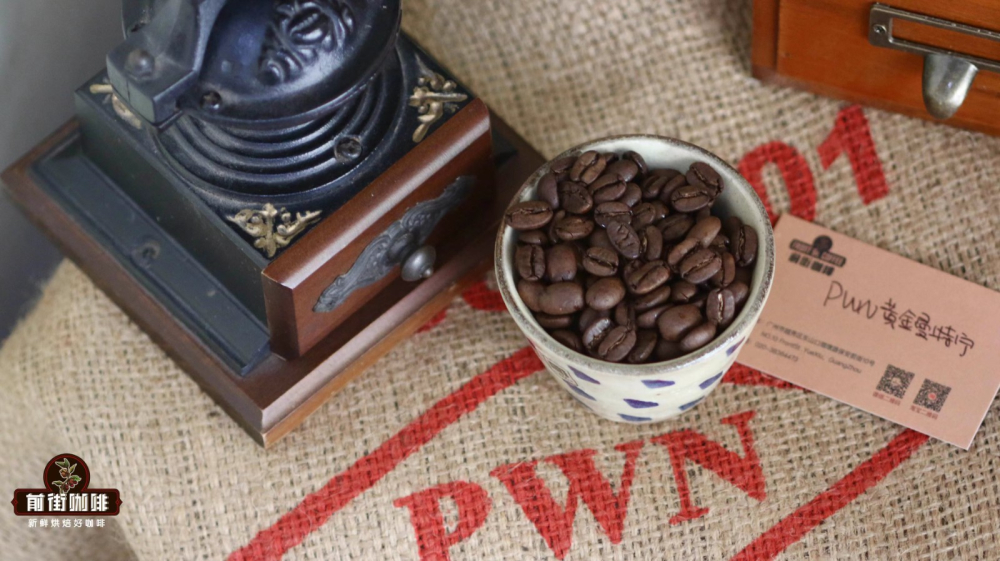
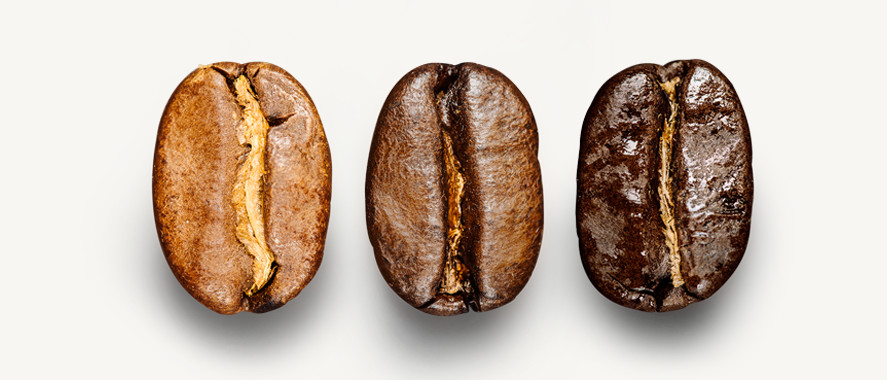
Traditional Mandheling has a rich taste thanks to its deep roast. To present the traditional Mandheling flavor, FrontStreet Coffee uses a medium-dark roast when roasting Mandheling.
FrontStreet Coffee's Brewing Parameters for Mandheling Coffee
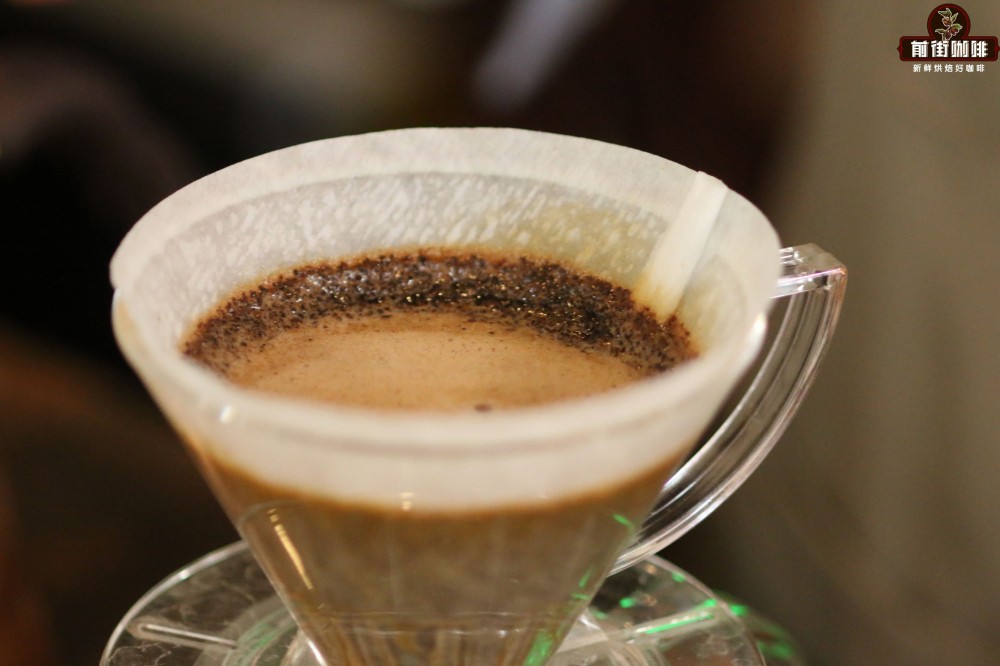
The special feature of the KONO dripper lies in its "ribs"—the guide channels extend to the bottom of the hole where the coffee liquid flows out. Because the ribs sit low and are short, they fit closely with the filter paper, resulting in a slower flow rate than a V60. This increases the extraction rate and enhances the coffee's richness.
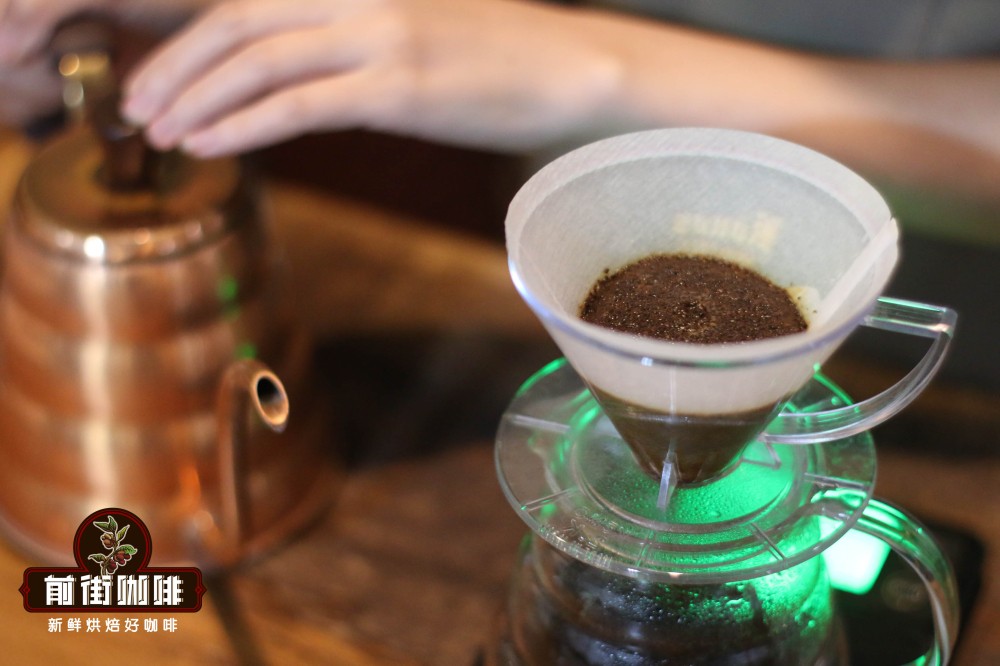
Dripper: KONO dripper, Water temperature: 88°C, Coffee amount: 15 grams, Coffee-to-water ratio: 1:15, Grind size: Medium-coarse grind (75% pass rate through China standard #20 sieve).
Using segmented extraction, bloom with twice the amount of water as the coffee grounds, i.e., bloom with 30g water for 30 seconds. Blooming is necessary so the grounds can release their internal carbon dioxide, ensuring more stable extraction later. Pour in a small circular motion to 125g, then continue pouring to 225g and stop. Remove the dripper once all water has dripped through. Time from the start of pouring: 2'00". Next, take the whole cup of coffee, shake it well, and pour it into cups for tasting.
[FrontStreet Coffee's Lintong Mandheling Coffee Flavor Characteristics]: Herbal, chocolate, caramel, overall relatively balanced.
[FrontStreet Coffee's Gold Mandheling Coffee Flavor Characteristics]: Nuts, spices, herbal plants, licorice, chocolate, caramel.
FrontStreet Coffee Recommendation
If you want the classic wet-hulled experience, FrontStreet PWN Gold Mandheling is the benchmark. Sourced from PWN, the beans are size 18 or larger with fewer than 3 defects per 300-gram sample, meeting G1 grade and then hand-sorted three times over. Medium-dark roasted, it is low in acidity and full in body, with herbal, black chocolate and a faint earthy note layered over spice, licorice and caramel sweetness. Brew it at 87-88°C with 15g at a 1:15 ratio and a coarse-sugar grind; three-stage pouring brings out the caramel sweetness and chocolate, nutty depth.
For a more affordable daily cup, FrontStreet Lintong Mandheling comes from the Lintong region of Sumatra and is also medium-dark roasted. It keeps the wild herbal and woody character that wet hulling is known for, with dark chocolate and caramel over a balanced, low-acid base. It is a great everyday pour-over bean and works just as well in a French press.
If you want Mandheling in an espresso, FrontStreet's classic blend adds medium-dark roasted Mandheling to the creamy, nutty base of Brazilian coffee. Butter, roasted chestnut and caramel come forward, while the Mandheling lifts the body and adds sandalwood, herbal and spice accents. A small amount of Robusta rounds out the crema, making it easy to pull latte art or build a layered Dirty.
Important Notice :
FrontStreet Coffee is a long-established specialty coffee roaster in Guangzhou China, selling freshly roasted beans from its own farm in Yunnan as well as dozens of carefully selected single-origin beans from around the world for both pour-over and espresso. The products deliver consistently excellent quality and great value, with shipping within 24 hours. Guangzhou's FrontStreet Coffee shop is recommended by many coffee lovers, and the beans are now available online at the Tmall 。
FrontStreet Coffee has moved to a new address:
FrontStreet Coffee Address: 315,Donghua East Road,GuangZhou
Tel:020 38364473
 Scan and follow the En Gafei WeChat official account. Please indicate that the reprint comes from "En Gafei".