Flavor Characteristics of Colombian Huayuena and Rose Valley Coffee Beans & Colombian Coffee Bean Processing Methods
Colombia is a beautiful country in the north-western corner of South America, with a pleasant climate and spring-like weather all year round. That climate not only nurtures its people but also suits coffee trees extremely well. FrontStreet Coffee's Colombian coffee gives off a faint, elegant fragrance — not as strong as Brazilian coffee nor as acidic as African beans, but with a sweet, dark-chocolate aftertaste. It is a coffee that truly earns the title "coffee gentleman."
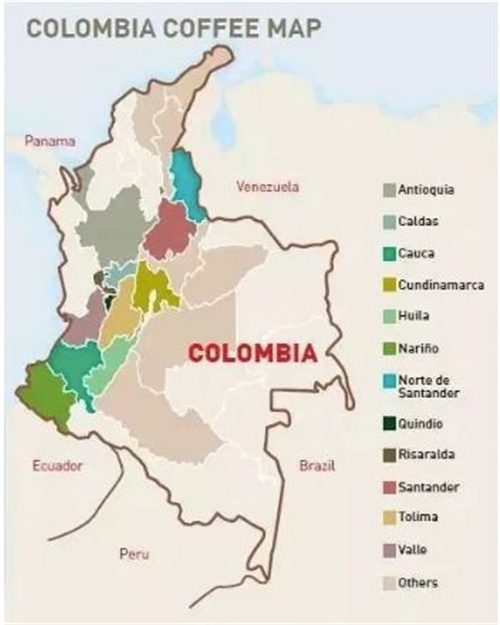
Colombia is one of the world's largest producers of high-quality coffee. Its beans are grown near the Andes at high altitude, which means machines cannot harvest them: everything is picked by hand, entirely by hand. Unlike Brazil, FrontStreet Coffee's Colombian coffee is mainly processed using the washed method. Among the seven daily-use coffee beans FrontStreet Coffee has launched, one comes from Huila, a famous specialty coffee region in Colombia that uses the country's more common washed processing. This Huila daily-use bean carries the classic rich nut and chocolate flavors of Colombian coffee.
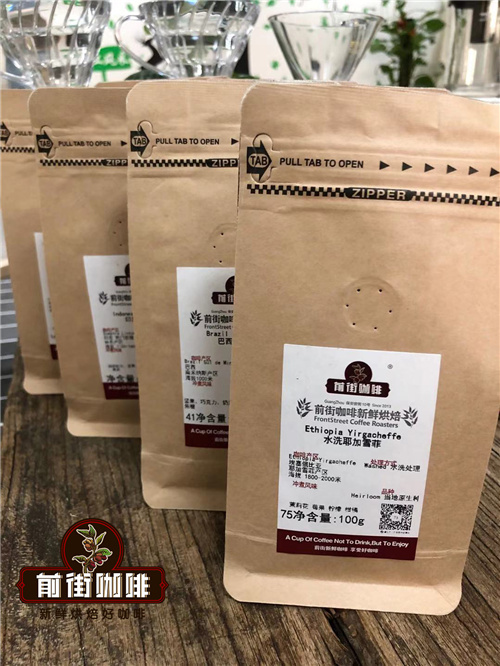
In recent years producing countries have innovated on the original processing methods for green coffee, creating all kinds of special processes, and anaerobic fermentation is now common in many of them, Colombia included. FrontStreet Coffee has sourced two Colombian coffees made with special processing — Colombian Rose Valley and Colombian Flower Moon Night. Both are the common Colombian variety Caturra. Caturra is a variant of Bourbon with smaller trees that are convenient to harvest, strong disease resistance and high yield.
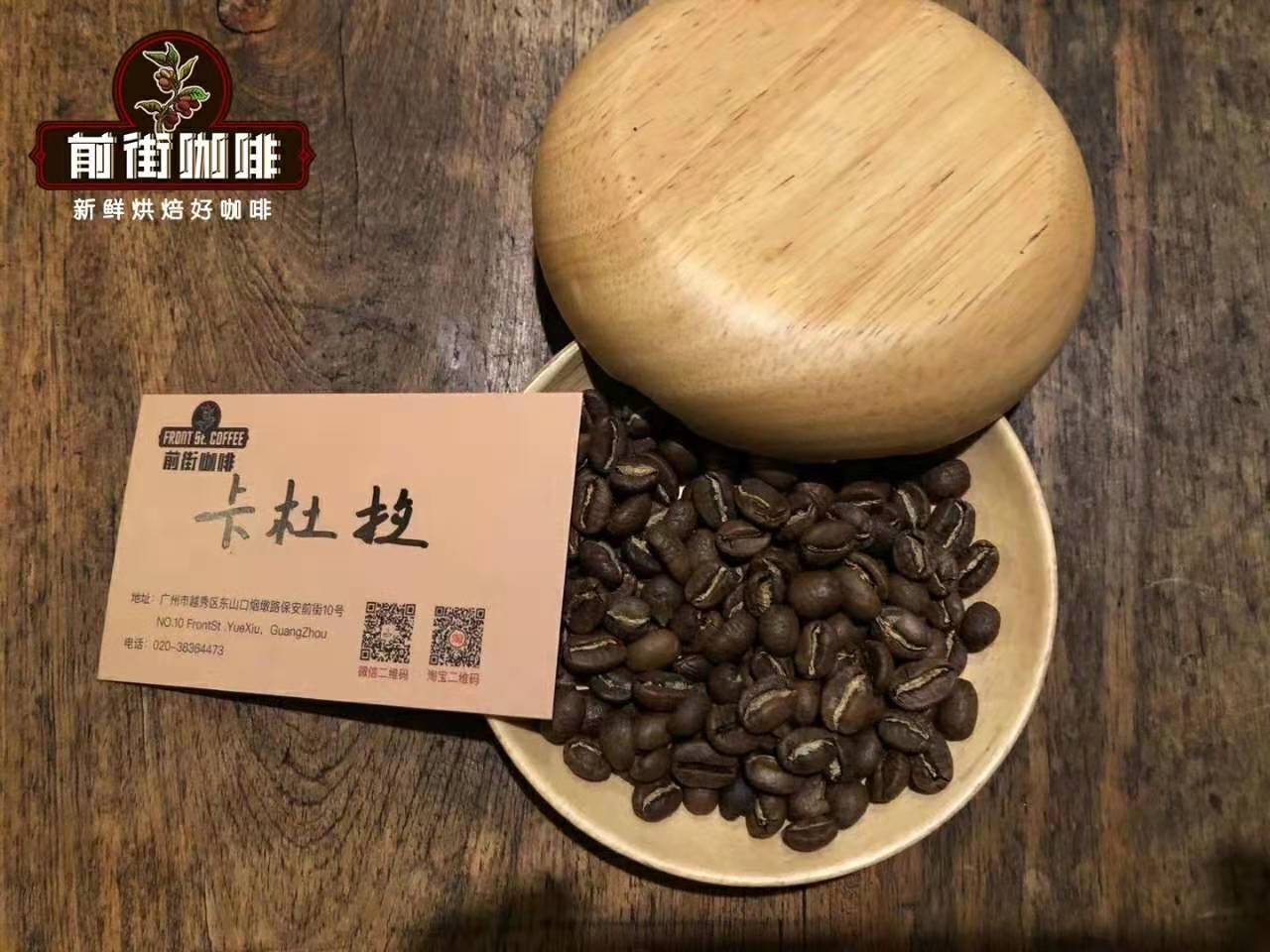
In recent years the Castillo variety has also been heavily promoted in Colombia. Castillo was developed jointly by the Colombian Coffee Growers Federation and the Colombian research center to raise yield and disease resistance, and it is known for its rich aroma and citric acidity. One of the coffees FrontStreet Coffee has acquired, Colombian Isabella, is of the Castillo variety.
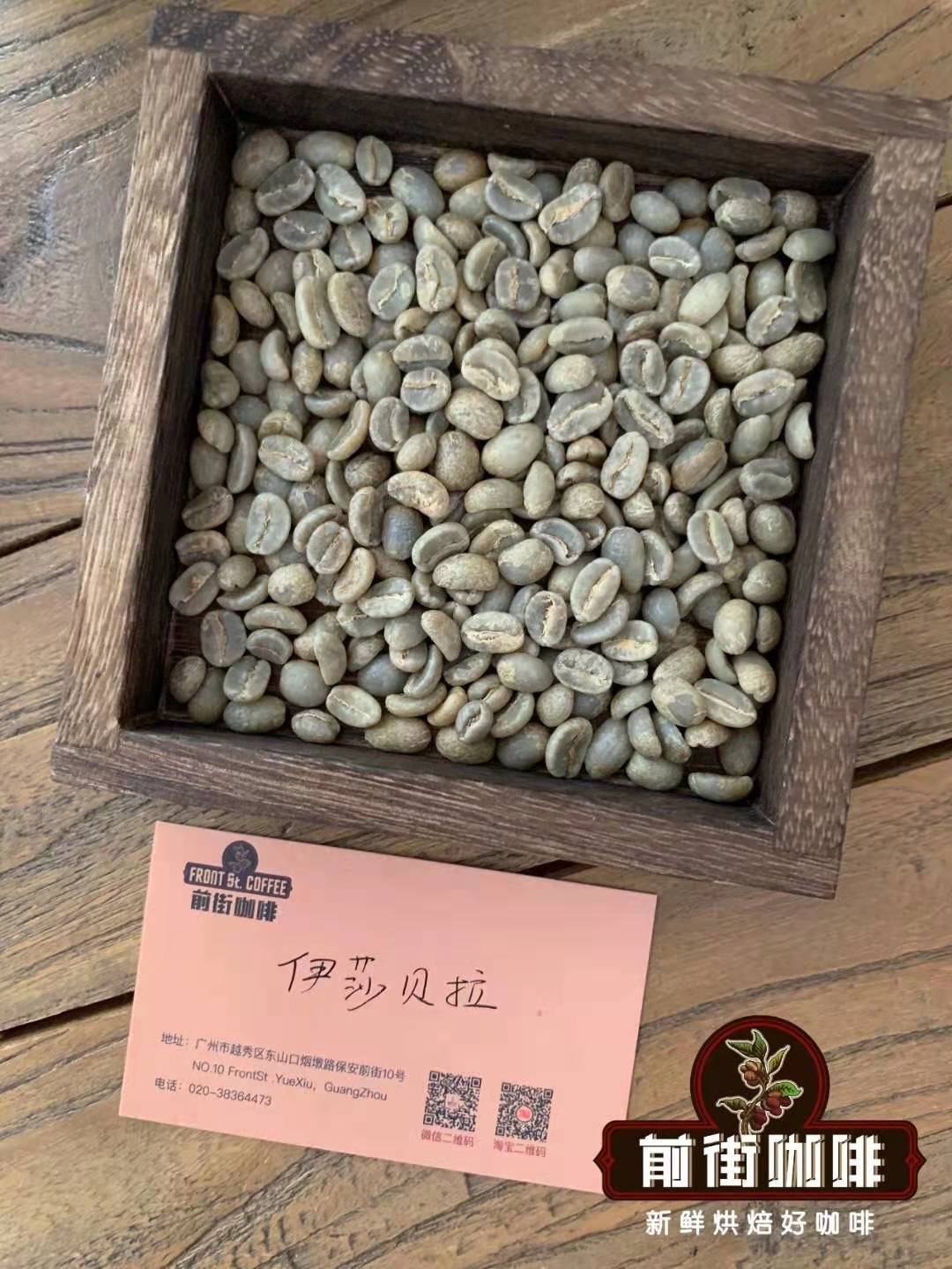
Colombian Isabella uses a semi-washed processing method. On the palate it has citrus and cherry tomato-like acidity, turning to honeyed sweetness as it cools, with a floral aftertaste and a smooth, clean texture. The Flower Moon Night and Rose Valley mentioned above have similar flavors — both carry strawberry notes and floral aromas — but tasted carefully, Rose Valley has a very strong floral aroma while Flower Moon Night is lighter yet delivers a rush of strawberry jam. Although both are FrontStreet Coffee's Colombian coffees, their processing methods differ.
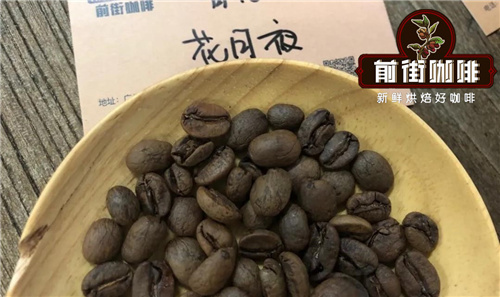
Flower Moon Night uses anaerobic natural processing. Its fruit flavors are more pronounced, with fermented wine aromas as well. A small sip brings a rich strawberry-jam aroma and a peach-like texture, like drinking a glass of strawberry juice — except that strawberry juice is pink, while Flower Moon Night's liquid, held up to the sun, looks like wine: mellow and sweet.
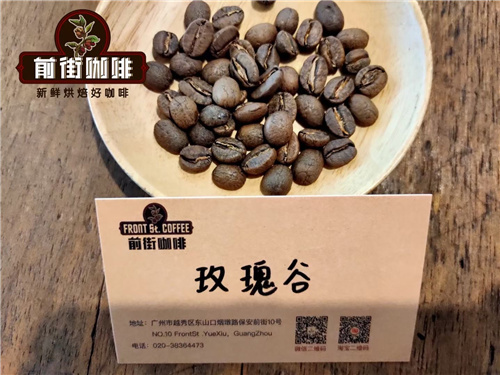
Rose Valley comes from the Dashu Estate in the Santander region. The estate is very particular about how it processes cherries, harvesting only fully ripe, dark red fruit. Colombian coffee production is dominated by large estates, with a smaller share run by families. Rose Valley has a distinctive taste — honey peach juice, rose tea, and the aromas of roses and liqueur chocolate, fragrant and rich. It has both the fine texture of black grapes and the silkiness of cream toffee, and its character comes from a special anaerobic double-enzyme washed processing: after defective beans are removed by flotation, machines take off the skin and pulp, and the beans are then held in an oxygen-free environment so that the breakdown of pectin sugars slows and fermentation is extended. As a result, Rose Valley tastes slightly more acidic than Flower Moon Night. Because Flower Moon Night is anaerobically natural-processed, its flavor is richer and more balanced overall, while Rose Valley drinks more like a juice, with grape flavors mixed with florals.
All three coffees above use anaerobic fermentation — letting the beans ferment in an oxygen-free or low-oxygen environment. What FrontStreet Coffee described are all natural fermentations, which makes the flavor very hard to control, with many uncertain factors. In washed processing, for instance, could over-fermentation in the tank make the beans too acidic? Or in natural processing, could too much sun push the pectin fermentation toward unwanted flavors? These are difficult to steer and depend entirely on nature. That is why anaerobic fermentation processing emerged. It generally means placing the beans in a pressure-resistant sealed stainless-steel tank and controlling temperature, time, pH value and the fermentation process to reach the desired flavor. FrontStreet Coffee's shop also carries many types of anaerobically fermented coffee.
To show how the controlled fermentation is carried out, FrontStreet Coffee uses a Colombian Flower Moon Night from the Huila region as an example. Freshly harvested cherries with the defective beans removed go straight into a sealed fermentation tank for low-temperature fermentation between 10 and 15 degrees. In that anaerobic environment, low temperatures inhibit microbial growth and slow the breakdown of pectin sugars, so fermentation takes longer than in traditional natural processing and sweetness increases. After more than three days of anaerobic fermentation, the cherries are dried naturally, and once drying is complete the skin and pulp are removed before the beans go to the warehouse. Cupping this Flower Moon Night, FrontStreet Coffee found very obvious sweetness, somewhat like strawberry jam, with a hint of fermented wine aroma.
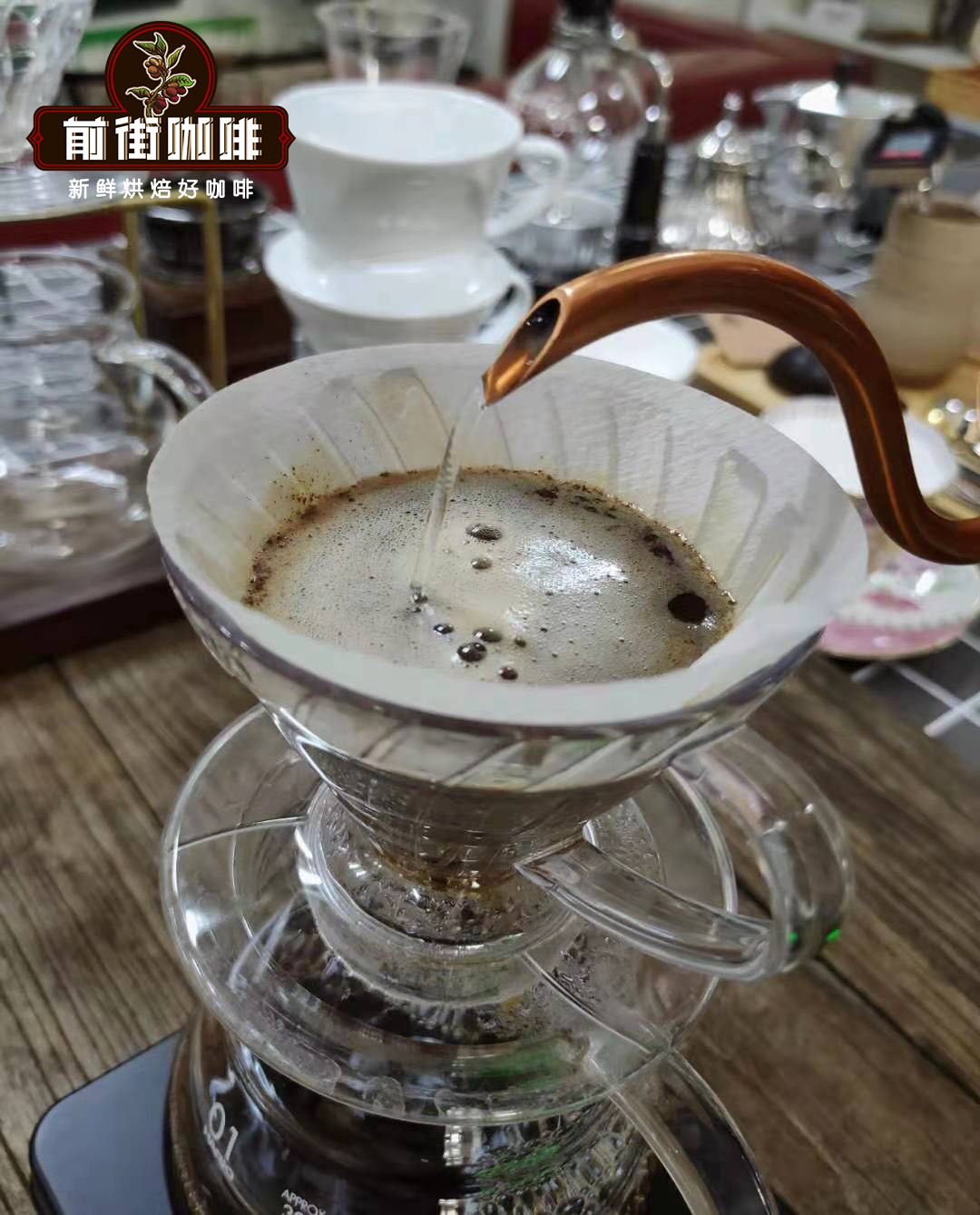
To brew this Colombian coffee, FrontStreet Coffee uses 15 grams with a medium-fine grind, a 1:15 coffee-to-water ratio and a common Hario V60 dripper, whose conical shape heightens the coffee's layers. The water temperature is 91 degrees Celsius. In the first stage, pour 30 grams of water to bloom for 30 seconds — the point of the bloom is to release carbon dioxide properly so that excess CO2 does not interfere with extraction. In the second stage, pour 100 grams, which together with the bloom water brings the total to 130 grams, pouring evenly in circles to strengthen the front and middle stages of extraction. After the pour, wait 10 seconds, then add the remaining 95 grams in even circles. Finally, pour 25 grams vertically down the center to avoid excessive turbulence that would draw out too much bitterness from the later stages. The overall flavor of this Colombian coffee is strawberry jam, fermented aroma and sweet chocolate.
FrontStreet Coffee Recommendation
The Colombian coffees above lean toward fruit, florals and controlled fermentation; Brazil sits at the opposite end of the South American spectrum, lower in acidity and built around balance. That balance is why Brazilian coffee takes a medium roast so well, why it anchors so many espresso recipes, and why it makes such an easy everyday cup. FrontStreet Coffee's Brazilian Cerrado Red Bourbon, from the well-known Cerrado region and given the half-washed process common in Brazil, shows cream peanut, toast, caramel and hazelnut under a medium roast: rounded, low in acidity and with a faint bitterness rather than any sharp edge. It works just as well as a pour-over, in a moka pot, as an espresso SOE, in a siphon or in a French press.
For a sweeter, more fruit-forward Brazilian coffee, FrontStreet Coffee's Brazil Queen's Estate comes from Mogiana, near South Minas, where fertile red volcanic soil lets the cherries build a fuller aroma. It is a Yellow Bourbon — a mutation of Red Bourbon, with a cleaner fruit character — and it delivers the sugarcane sweetness that is hard to find in other origins, alongside fruit and chocolate, whether brewed as a pour-over, in a moka pot or on a home espresso machine. Brazil is also the backbone of FrontStreet Coffee's espresso range: the oily Classic Blend, the nut-forward Premium Blend, the balanced Black Cocoa and FrontStreet Coffee's Commercial Blend built for cafés all rely on Brazilian beans for their chocolate and cream aromas and their soft sweet-sour-bitter balance.
These medium-roasted Brazilian coffees are forgiving to brew. Keep the water temperature moderate and the grind medium so the caramel and nut sweetness leads, then go slightly finer, or add a little pressure, when you want the darker chocolate and cream notes to come forward. The low acidity also makes them unusually good in milk, which is why they are the first choice for lattes and flat whites.
Important Notice :
FrontStreet Coffee is a long-established specialty coffee roaster in Guangzhou China, selling freshly roasted beans from its own farm in Yunnan as well as dozens of carefully selected single-origin beans from around the world for both pour-over and espresso. The products deliver consistently excellent quality and great value, with shipping within 24 hours. Guangzhou's FrontStreet Coffee shop is recommended by many coffee lovers, and the beans are now available online at the Tmall 。
FrontStreet Coffee has moved to a new address:
FrontStreet Coffee Address: 315,Donghua East Road,GuangZhou
Tel:020 38364473
 Scan and follow the En Gafei WeChat official account. Please indicate that the reprint comes from "En Gafei".