How Should You Drink Costa Rica Carmen Estate Baha Coffee? How to Brew Baha Coffee?
FrontStreet Coffee's Costa Rica Musician Series is well known among coffee enthusiasts. The series from Costa Rica's Canet Estate includes the FrontStreet Coffee Beethoven, Mozart, Bach and Chopin beans, each with its own flavor character. Despite coming from the same estate, why do their flavors differ? FrontStreet Coffee believes specialty coffee rests on three basic conditions: variety, altitude and processing method.
During the processing of raw beans there is a step called anaerobic fermentation. People have been studying what effect yeast has on the fermentation of green coffee and on the final flavor, and what different flavors emerge when different yeasts and sugars are fermented. Naturally processed coffee, meanwhile, also develops a range of flavors such as floral, fruity and fermented aromas. This kind of processing is, from the start, one of the ways specialty coffee showcases regional flavor. Returning to this article's subject, FrontStreet Coffee wants to look at the FrontStreet Coffee Bach beans from the Costa Rica Musician Series — the estate, the processing method, the raw-bean analysis, how FrontStreet Coffee roasts them, and then the cupping and brewing that follow.
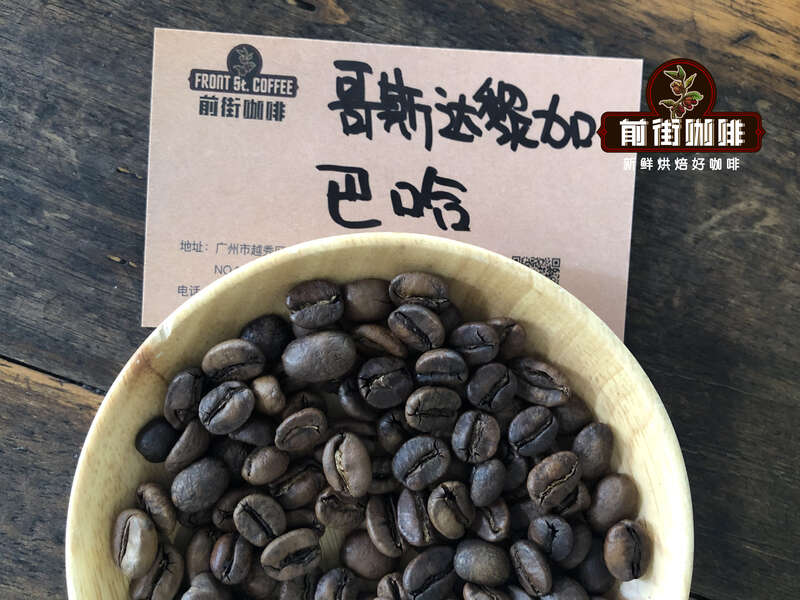
Coffee Bean Information
Country: Costa Rica
Region: Tarrazú
Altitude: 1,980 m
Processing: Raisin Honey Processing
Grade: SHB
Variety: Caturra, Catuai
Canet Estate (Finca Canet)
Canet Estate is a small 5-hectare farm in the town of San Marcos in the Tarrazú region. Tarrazú is the main coffee-producing area in Costa Rica and one of the world's major coffee regions. The coffee-growing soil is very fertile and drains well. The region has the highest average latitude in the country, together with an excellent climate and soil, which is what made Tarrazú famous for Costa Rican coffee. Most beans from the region use honey processing, and the sweetness and berry aroma will surprise you: good sweetness, good consistency and good body, close in taste to dried banana.
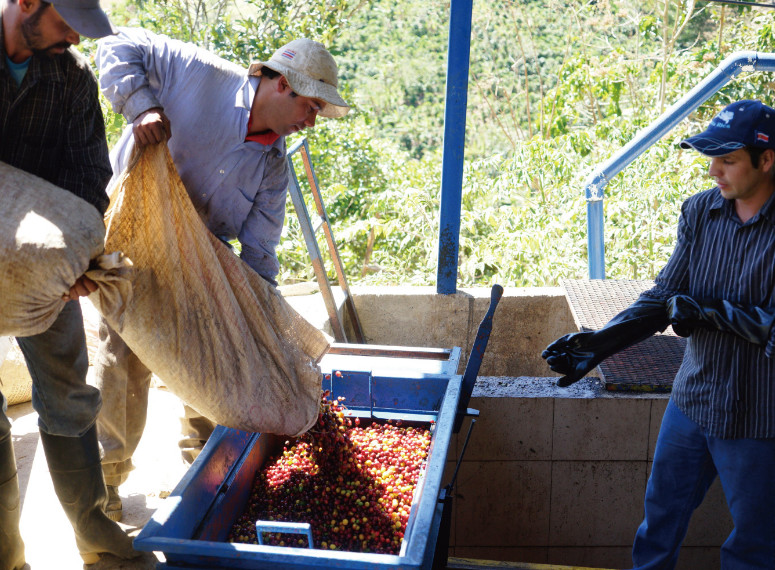
Canet Estate sits in the highest part of Tarrazú's coffee-growing area. It is owned by the Robles brothers — Leo, Elian and Melvin — who have worked together in cultivation and production for over 10 years and share a small wet mill (beneficio). The owner grows mainly passion fruit, so coffee production is quite scarce; only a specific area is planted with coffee, and it receives special care, with only fully ripe red cherries harvested. That careful selection is precisely why the estate's beans have high sweetness and a persistent sweet flavor.
Raisin Honey Processing
Raisin honey processing keeps 100% of the mucilage and uses zero water, which makes it more difficult than ordinary honey processing and demands strict timing. On the day the cherries are harvested, the fruit is poured into large water tanks, where mature, full fruits sink to the bottom and underdeveloped or overripe fruits float to the surface. Those floating beans must be removed. The selected cherries are placed on raised beds to dry for at least three days, after which the cherry skin is removed and the mucilage kept while drying continues. At this stage, the climate is the key to success.
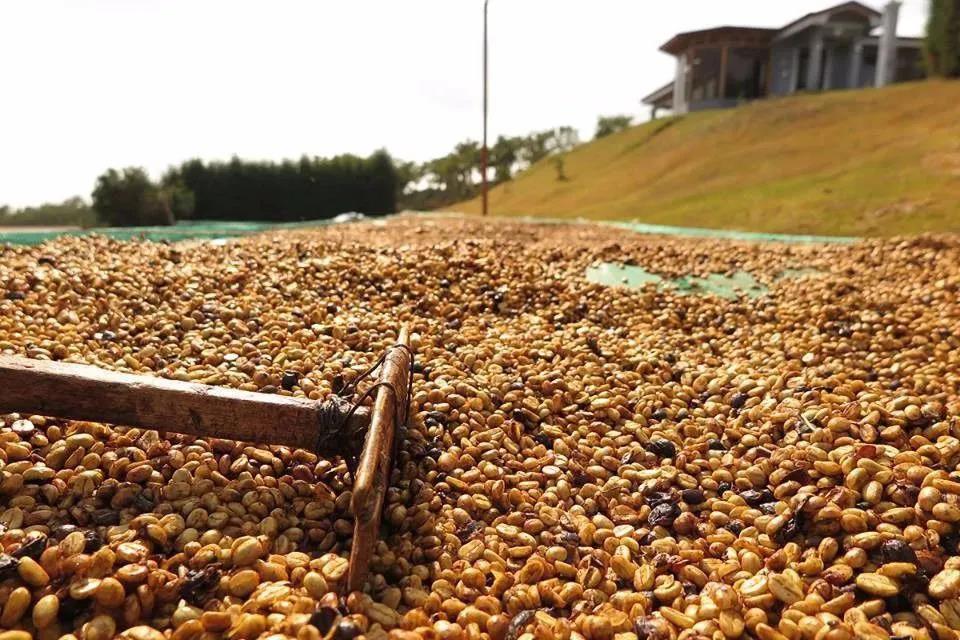
During drying, the cherries must be turned constantly to dry evenly, but the turning frequency has to be controlled so that drying is slow enough for the coffee to develop fermentation character without tipping into over-fermentation. This sweet raisin honey processing gives the coffee a white-wine-like mouthfeel and balanced acidity, with more intense fermented aromas. FrontStreet Coffee believes that raisin honey-processed beans combine rich fermentation character with the sweetness of dried fruit.
Coffee Varieties
Caturra: A natural variant of Bourbon, discovered in Brazil in 1937. Its plant is shorter and more compact than Bourbon. Because it inherits Bourbon's lineage, its disease resistance is relatively weak, but its yield is higher than Bourbon's. Although it was discovered in Brazil, Caturra is not suited to growing there, so it was never cultivated on a large scale in the country; instead it became widely popular in Central and South America, with large-scale cultivation in Colombia, Costa Rica and Nicaragua.
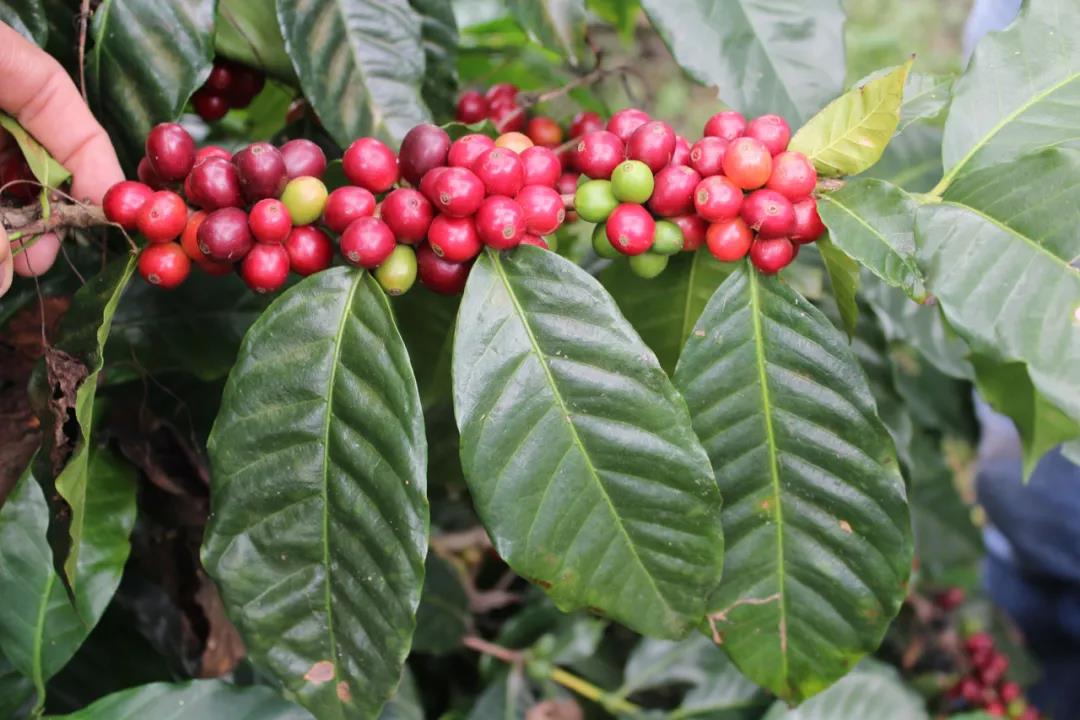
Catuai: A coffee variety produced by artificially hybridizing Caturra and Mundo Novo. Catuai inherits Caturra's compact structure, needs no shade, is easy to cultivate and convenient to harvest, and it resists natural disasters better than Mundo Novo. In flavor it has good acidity, and it generally comes in both red and yellow fruit types.
Raw Bean Analysis
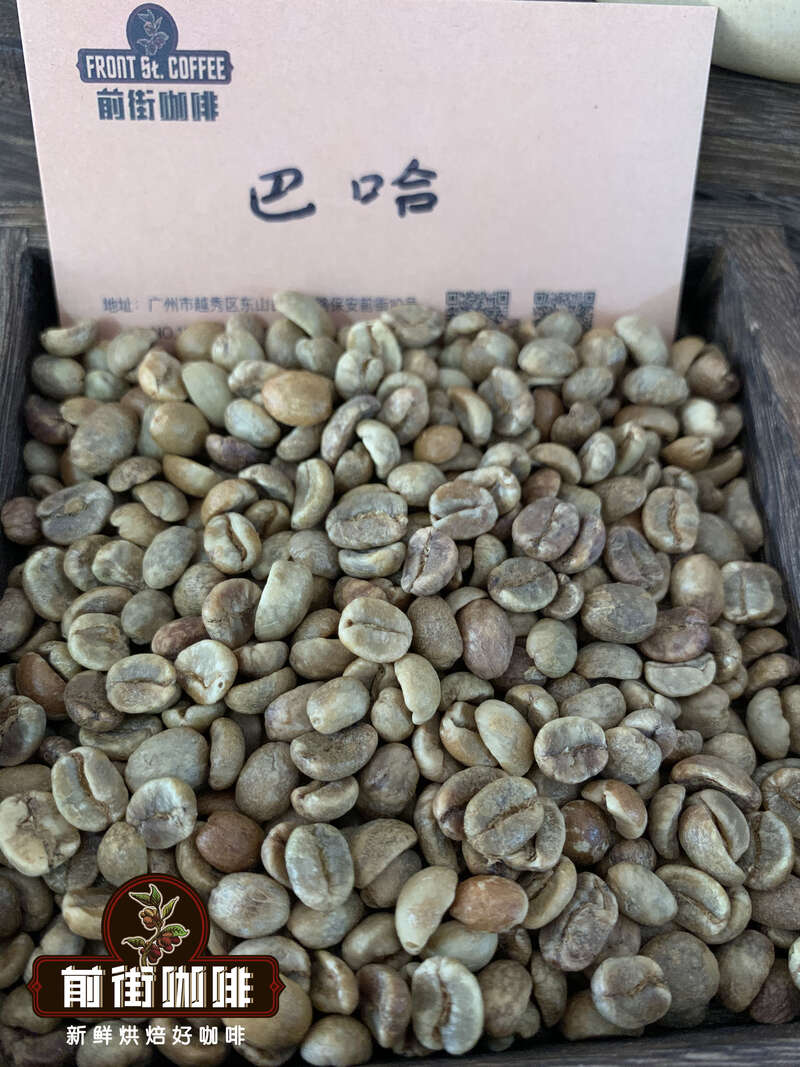
This FrontStreet Coffee Costa Rica Bach consists of the two most common varieties in Central and South America: Caturra and Catuai. The raw beans have a fermented fruit aroma. Observed up close they appear dark green, at an altitude of around 1,980 m. The bean density is quite hard, and because this is from the 2019 harvest season the beans have relatively higher moisture content. For roasting, a gradual heat reduction with an extended dehydration time is used to follow this curve. Given that this "FrontStreet Coffee Costa Rica Musician Bach" uses raisin honey processing, the designed roast level is medium, mainly to highlight the fermentation aroma and fruit character of these FrontStreet Coffee Bach beans while also preserving the balanced, full mouthfeel of honey-processed beans.
FrontStreet Coffee Roasting Recommendations
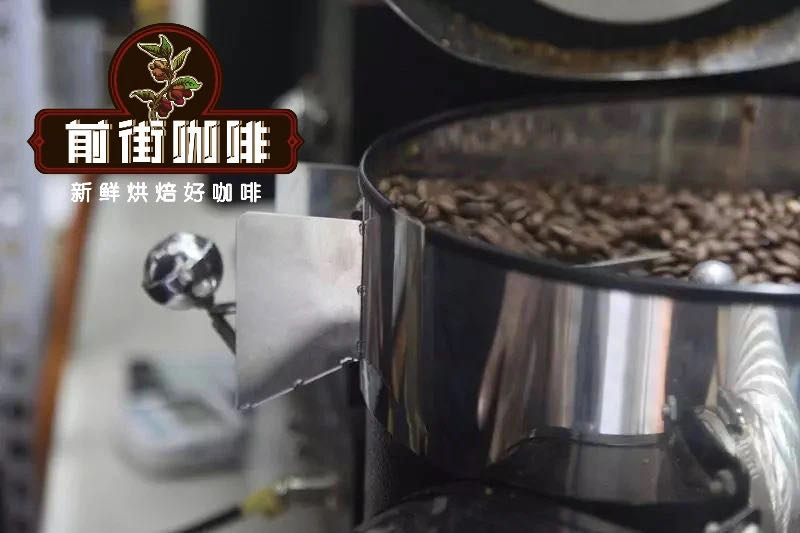
Yangjia 800N, 300 g batch size: preheat the roaster to 180°C, damper setting 3, heat at 120. Adjust heat at 109°C, damper setting 4, heat rises to 140. Adjust heat again at 137°C, reducing to 100, and roast to 6'15" at a temperature of 151.5°C, when the bean surface turns yellow, the grassy aroma disappears completely and dehydration is complete. At 8 minutes the bean surface shows wrinkles and black spots, the toast aroma clearly turns to coffee aroma, and this can be defined as the prelude to first crack. Listen carefully for the first-crack sound at this point. First crack begins at 9'40", the damper is opened fully, first-crack development time is 1'45", and the batch is dropped at 196°C.
FrontStreet Coffee Cupping Report
This FrontStreet Coffee Costa Rica Bach smells of rice-wine fermentation. On the palate it has the sweet-and-sour character of ripe tropical fruit and berries, with nut and cream flavors. The aftertaste carries caramel, and the finish has a subtle floral aroma.

FrontStreet Coffee Brewing Parameters
Dripper: V60 #01
Water Temperature: 90–91°C
Dose: 15 g
Ratio: 1:15
Grind: BG6M / fine sugar size (80% through a #20 sieve)
FrontStreet Coffee Brewing Method
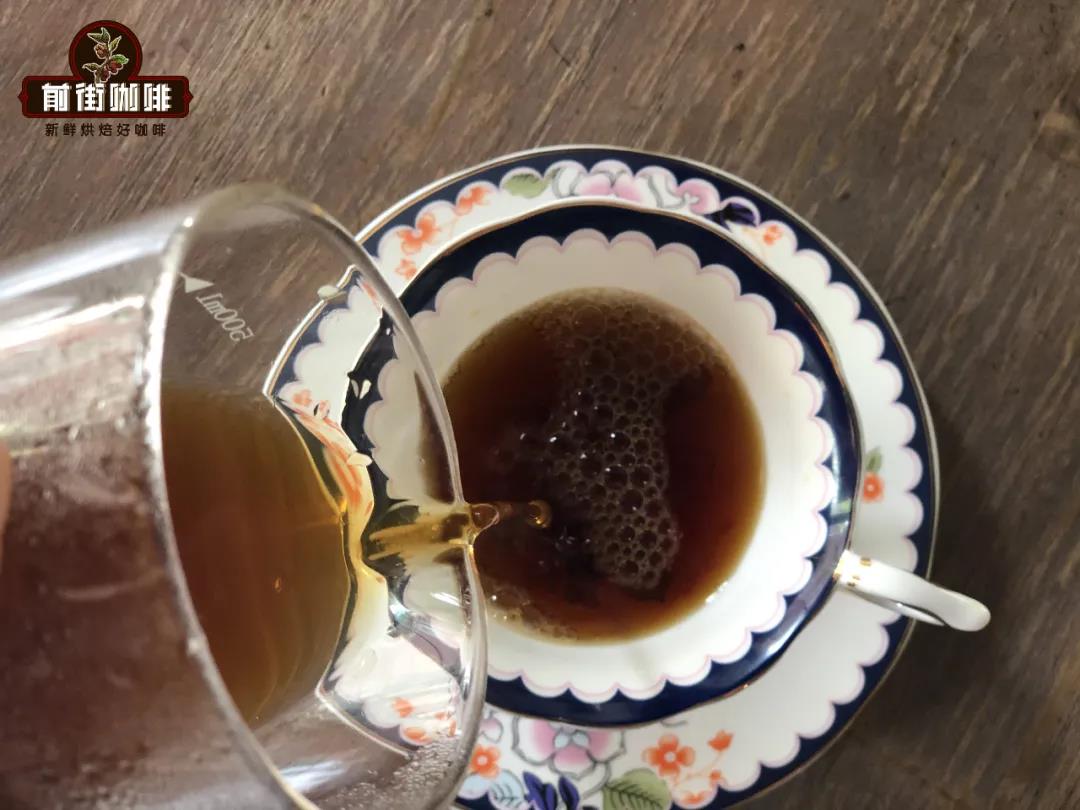
First pour 30 g of water for a 30-second bloom, then pour 95 g more (the scale reads around 125 g), finishing in about 1 minute. When the water level drops to two-thirds of the coffee bed, pour the remaining 100 g (the scale reads around 225 g), finishing in about 1'45". The drawdown finishes at 1'56"; remove the dripper to complete extraction.
Brewing Flavor: A subtle wine aroma, full and solid acidity, and a sweetness similar to raisins. As the temperature drops slightly, tea-like characteristics emerge, with a sucrose sweetness in the finish that is persistent and delicate.
FrontStreet Coffee Recommendation
The honey methods this article describes are worth exploring further, because the family has more branches than most drinkers realize. Honey processing grew out of the Brazilian pulped natural method — removing the skin before drying, which shortens drying time and avoids the off-flavors that come from poor fermentation. FrontStreet Coffee's Cerrado lot in Brazil is a classic pulped natural, with clear cream, peanut, nut and chocolate flavors. Costa Rica then borrowed the idea and refined it, varying how much mucilage is left on the bean and how long it dries, which produced the separate black, red, yellow and white honey styles.
Within that range, FrontStreet Coffee's Costa Rica Blackberry uses the distinctive black honey method, which leaves almost all the mucilage on the bean and dries for at least two weeks under cover to keep the sun from drying it too fast, so the sugars convert fully; the cherries are turned at intervals to prevent uneven heating and over-fermentation, which makes black honey the most demanding of the honey methods. Roasted medium-light, it grinds with an intense floral fragrance and brews with the grape, berry and ripe blackberry notes that give it its name. For a sweeter, more aromatic cup, FrontStreet Coffee's Mozart takes a more inventive route: the raisin honey method dries the cherries on raised beds for at least three days before the skin and pulp are removed and the normal honey steps continue. Preserving 100% of the mucilage makes this harder to control than even black honey, but it rewards the effort with a richer, juicier fruit sweetness, and whether you brew it as a pour-over, cold brew or in a moka pot you get its signature osmanthus, pineapple and raisin aromas.
Honey-processed coffees reward a gentle hand. Since the beans carry so much fruit sugar and fermentation character, brew them with a medium-fine grind and water in the low 90s Celsius, and pour in stages so the sweetness builds without the bitterness that over-extraction brings; a V60 at a 1:15 ratio with a short bloom is a reliable starting point. If you want to taste the same style blended, FrontStreet Coffee's Strawberry Candy Gesha pairs Panama Geisha for its rose and orange notes with a Costa Rican raisin honey coffee for grape, raisin and strawberry-marshmallow sweetness, and the combination marries the floral lift of a Gesha to the soft fruit sugar of honey processing.
Important Notice :
FrontStreet Coffee is a long-established specialty coffee roaster in Guangzhou China, selling freshly roasted beans from its own farm in Yunnan as well as dozens of carefully selected single-origin beans from around the world for both pour-over and espresso. The products deliver consistently excellent quality and great value, with shipping within 24 hours. Guangzhou's FrontStreet Coffee shop is recommended by many coffee lovers, and the beans are now available online at the Tmall 。
FrontStreet Coffee has moved to a new address:
FrontStreet Coffee Address: 315,Donghua East Road,GuangZhou
Tel:020 38364473
 Scan and follow the En Gafei WeChat official account. Please indicate that the reprint comes from "En Gafei".