Introduction to Kenyan Coffee Varieties SL28 and SL34: How to Brew Kenyan Pour-Over Coffee

Kenya's Coffee Industry at a Glance
Nationwide, roughly six million people work in the coffee industry, mostly as smallholder farmers and cooperatives.
Kenyan coffee trees grow mostly at altitudes of 1400-2000 meters, in regions including Ruiri, Thika, Kirinyaga, Mt. Kenya West, Nyeri, Kiambu, and Muranga — the main areas being the foothills of Mt. Kenya and the Aberdare range.
Many of Kenya's producing regions work hard to preserve their native forest ecosystems, protecting natural gene banks, supporting the reproduction of wild coffee varieties, and nurturing a diverse population of coffee trees.
Kenya's Signature SL Varieties
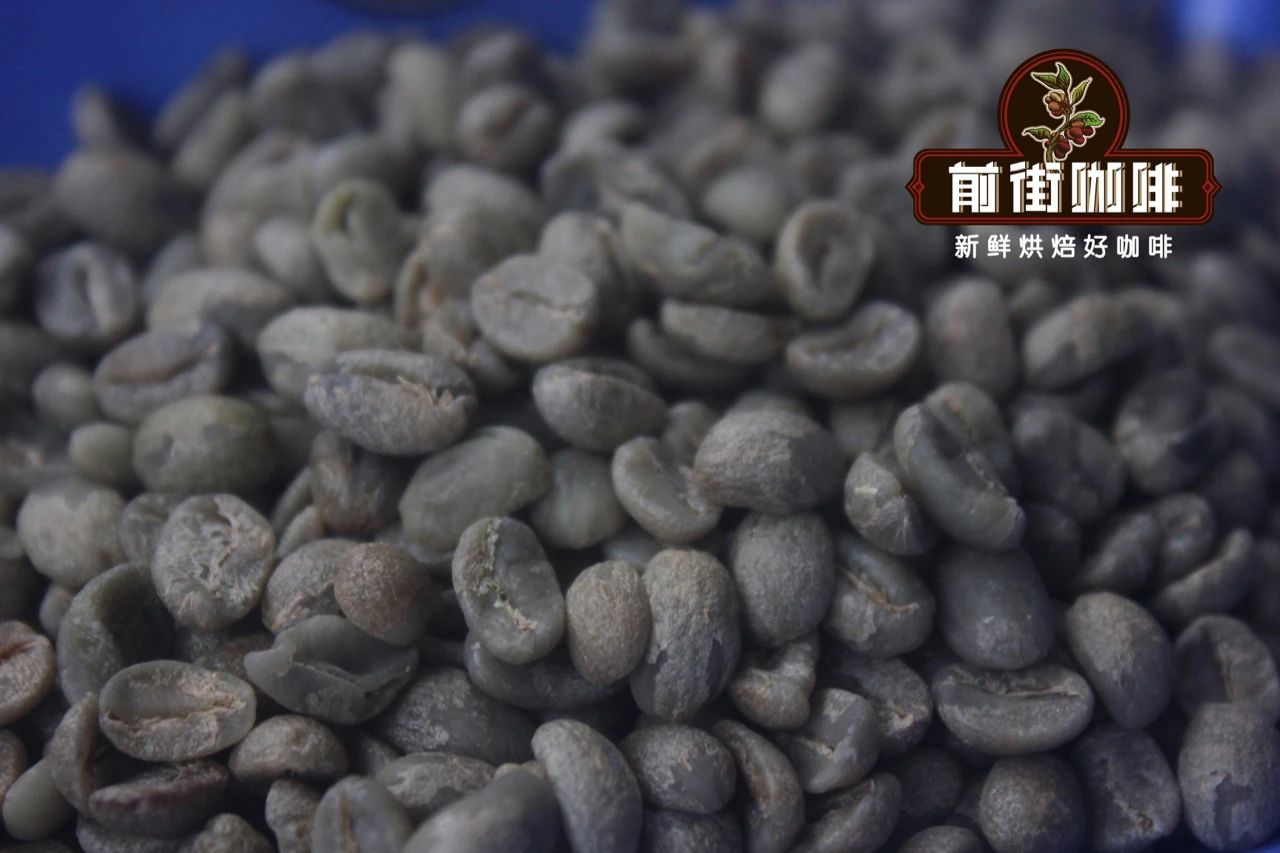
In 1930, Kenya's signature varieties SL28 and SL34 were born in this favorable environment, bred and named by "Scott Laboratories." According to the SL lab's botanists, SL28 and SL34 are genetic variants. SL28 carries mixed heritage from French Mission, Mocha, and Yemen Typica. The original breeding goal for SL28 was to mass-produce beans that combined high cup quality with resistance to pests and disease.
Although SL28's yields never reached the expected volumes, its copper-colored leaves and broad, bean-shaped seeds deliver wonderful sweetness, balance, and complex, layered flavors, with citrus and dark plum to the fore. SL34 tastes similar to SL28 — complex, multifaceted acidity and a lovely sweet finish — but its body is heavier, richer, and cleaner than SL28's. SL34 draws on French Mission, Bourbon, and more Typica lineage. It looks much like SL28 in bean form but copes better with sudden heavy rains. Together these two varieties define the classic Kenyan style: powerful, juicy fruit acidity, a rich body, and beautiful balance.
The Uteuzi Jimbo Project
"Uteuzi Jimbo" means "County Select" in Swahili, Kenya's official language.
To paint a complete picture of Kenyan coffee, Cafe Imports and Dormans collaborated on a smallholder project called "Uteuzi Jimbo," selecting representative flavor combinations from different coffee-growing counties across the country.
Brewing Recommendations
FrontStreet Coffee suggests the following approach for Kenyan coffee:
Pour-over method: V60
Water temperature: 90-92°C
Grind size: BG 5R (58% pass-through on the Chinese standard #20 sieve)
Coffee-to-water ratio: 1:15
Extraction time: Two minutes
Flavor notes: Dark plum, cherry tomatoes, cane sugar, honey
FrontStreet Coffee Recommendation
The V60 is our first choice for Kenyans for good reason. Hario, the Tokyo glassware maker founded in 1921 that originally built heat-resistant laboratory glass, redesigned the V60's prototype in 2004 and launched it a year later, named for its 60° cone angle and V-shaped ribs. That cone, single large outlet, and fast drawdown give bright, acidity-driven coffees the lift they need — exactly what SL28's citrus and dark plum character demands.
For a bean that showcases the SL varieties at their best, try FrontStreet Coffee's Kenya "Cherry Tomato" from Thika (1550-1750 meters). It uses the region's classic SL28 and SL34 with a Kenyan-style 72-hour double-washed fermentation and a light roast that keeps the lively acidity intact: dried cherry-tomato and floral aromatics up front, then vivid cherry tomato and dried plum with bright, solid acidity like freshly squeezed juice, snow pear and black plum in the mid-palate, and a clean finish of yellow sugar and a whisper of green tea.
Brew it the way we brew all our Kenyans: 90-92°C water, a 1:15 ratio, and a two-minute total extraction, pouring gently so the dense bed drains evenly. If you want a wider tour of what the V60 does well, the floral-fruit Ethiopians — the Yirgacheffe Guodingding with its soft citrus and tea-like sweetness, or the Huakui natural with strawberry, passion fruit, and lychee — sit beautifully alongside this Kenyan on any brew table.
Important Notice :
FrontStreet Coffee is a long-established specialty coffee roaster in Guangzhou China, selling freshly roasted beans from its own farm in Yunnan as well as dozens of carefully selected single-origin beans from around the world for both pour-over and espresso. The products deliver consistently excellent quality and great value, with shipping within 24 hours. Guangzhou's FrontStreet Coffee shop is recommended by many coffee lovers, and the beans are now available online at the Tmall 。
FrontStreet Coffee has moved to a new address:
FrontStreet Coffee Address: 315,Donghua East Road,GuangZhou
Tel:020 38364473
 Scan and follow the En Gafei WeChat official account. Please indicate that the reprint comes from "En Gafei".