FrontStreet Coffee Yunnan Typica Specialty Coffee Beans - Yunnan Small Bean Coffee Powder Brewing Guide
Why Yunnan Widely Plants Catimor: The Story Behind the Bean

When FrontStreet Coffee notes that Yunnan first planted Typica rather than Catimor, many people push back: "How is that possible? If that's true, why does the market now favor Catimor over Typica?" That's exactly the right question. Why was Typica planted at the start, while Catimor dominates today? FrontStreet Coffee explores why Yunnan widely plants Catimor.
Yunnan Coffee Market Trends in January 2021 - Rising Coffee Bean Prices
The overall market trend continued upward. Most production areas in Yunnan entered the peak harvest period, with some low-altitude regions already finished. Parchment bean output kept increasing. Large suppliers remained in a wait-and-see stance, holding parchment for future transactions; some farmers and enterprises were relatively satisfied with the market and, driven by capital needs, increasingly sold at market prices.

On the demand side, the Spring Festival stockpiling season had begun. With logistics shutdowns looming and transportation costs potentially rising, inquiries and restocking continued to increase compared with earlier periods. Large buyers stayed hesitant about the high-price market, and overall sentiment remained cautious about future trends. Even so, against the backdrop of Spring Festival stockpiling, actual transactions of raw coffee beans gradually increased, and the overall trading pace slightly accelerated. That week, production area markets continued their upward trend, with average prices of all grade coffee beans rising compared with the previous period.
Why Doesn't Yunnan Plant Typica Anymore?
The history of coffee cultivation in Yunnan reaches back to the early 20th century, when foreign missionaries grew coffee mainly for their own consumption. Then, in the 1950s, the earliest large-scale commercial cultivation began, with the coffee mostly exported to the Soviet Union. During that period, considering Yunnan's growing environment and conditions as well as cup quality, Typica was the primary choice. In the decades that followed, Typica once represented Yunnan coffee. Because of environmental factors the cherries were small, so it was also called the Yunnan small-grain variety and referred to by the market as Yunnan's old variety.
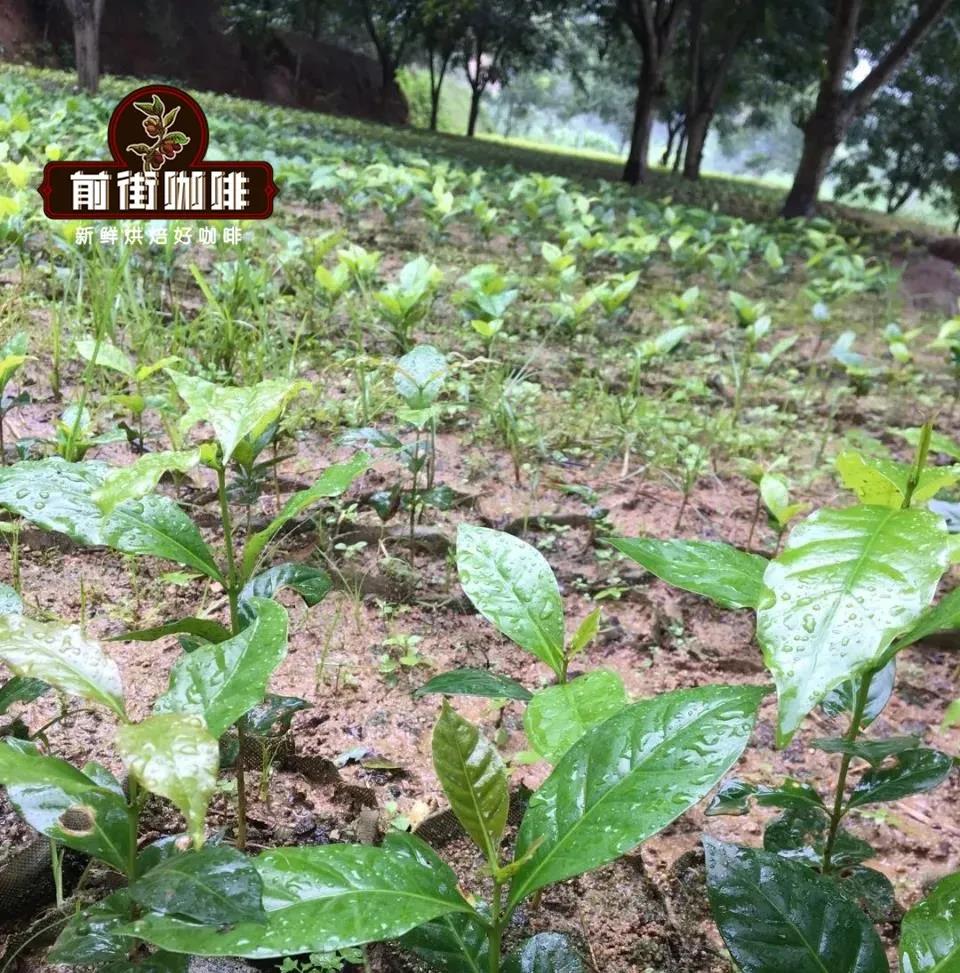
Typica, however, is a demanding variety to care for and gives low yields. Its coffee is known for clean, subtle, balanced flavors with high clarity. Perhaps resting on that excellence, a single Typica tree produces little, has strict altitude requirements, and is susceptible to leaf rust and weak against pests and disease. At altitudes insufficient for Typica to develop its characteristic flavors - combined with low yields and disease susceptibility - and with farmers having little specialty coffee awareness at the time, they naturally steered away from it. Since the flavor quality was not ideal, Yunnan's farmers gradually turned their attention to Catimor, the hybrid child of Arabica and Robusta.
What Are the Advantages and Disadvantages of the Catimor Variety?
Catimor is a cross of Arabica and Robusta. Robusta has good resistance to leaf rust, rich oils, high yields, and is easy to cultivate. Thanks to its Robusta genes, Catimor gained improved leaf rust resistance and retained rich oils, while keeping some of the rich flavor of the original Typica. As a result, most Yunnan estates began large-scale Catimor cultivation, and the planting range of Typica began to shrink.
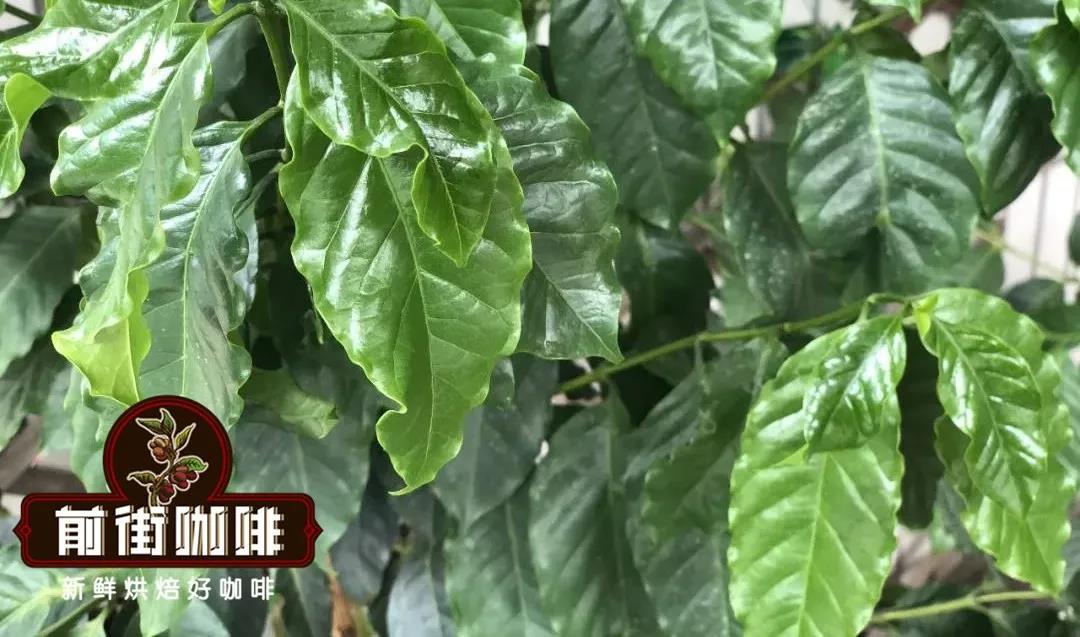
Yet the flavor of Catimor beans is far inferior to Typica. It has high body but insufficient clarity, rich flavors but indistinct layers. The quick fix? Cover it up with processing. Since the variety cannot be changed, altitude cannot be changed, and cultivation techniques were not improved, the fastest way to mask poor flavor was to use special processing methods to generate more intense flavors. FrontStreet Coffee believes that treating the symptom rather than the root cause will soon be forgotten, because if even the basic flavor of Yunnan coffee cannot be defined, how can we convince future generations to keep accepting Yunnan coffee?
Is There Really No One in Yunnan Planting Typica Anymore?
There is. FrontStreet Coffee is one of those planting Typica in Baoshan, Yunnan, hoping to lead by example and show the world that Yunnan coffee can still deliver excellent flavor under traditional processing, rather than masking the coffee's original character with other techniques. The Baoshan production area has an average temperature of 21.5°C, reaching 40.4°C at its highest, with basically no frost throughout the year, making it a recognized optimal production area for small-grain coffee. Coffee grown here is famous at home and abroad for being rich but not bitter, fragrant but not strong, with small, uniform beans, a rich mellow aroma, and fruity notes.

FrontStreet Coffee Yunnan Huaguoshan Typica Coffee Beans
Production Area: Baoshan, Yunnan
Altitude: 1450-1550m
Variety: Typica
Processing Method: Washed
Why Does FrontStreet Coffee Choose the Washed Method?
When FrontStreet Coffee visited the Yunnan production area during planting season, we experienced what a rainy season really means - sunny for a few minutes, then raining for half an hour. Because of the perennial rainy season and unstable climate, most Yunnan coffee is processed using the washed method. Washed beans are cleaner, and the flavor expression is more transparent, reflecting the most original taste of the coffee cherry. That is why FrontStreet Coffee often says the flavor of washed coffee is a guiding light for understanding a production region.

FrontStreet Coffee's Roasting Experience with Yunnan Typica Small-Grain Coffee
Yangjia 800N (roasting amount 300g): set roaster temperature to 200°C, open damper to 3. After 1 minute, adjust heat to 160°C. Return temperature point at 1'32". Roast until 5'40", when beans turn yellow and the temperature reaches 149°C, the grassy smell disappears completely and dehydration is complete. Keep heat unchanged, adjust damper to 4. At the 6th minute, adjust heat to 140. At the 7th minute, adjust heat to 120 again. At the 8th minute, ugly wrinkles and black spots appear on the bean surface and the toast smell turns to coffee aroma, which can be defined as the prelude to first crack. At this point listen carefully for first crack. At 8'37", first crack begins - adjust heat to 90 and open the damper fully to 5. At the 9th minute, reduce heat to 20 degrees. First crack develops for 2'00", finishing at 196°C.

How Does FrontStreet Coffee Brew Typica Yunnan Small-Grain Coffee Beans?
When FrontStreet Coffee cupped this Yunnan Typica small-grain coffee, it showed rich fruit aromas, melon, and herbal plant notes on entry. The mouthfeel was smooth, with nuts and milk chocolate in the middle and lively, bright plum acidity in the finish. Both cheeks produced saliva, with good balance and medium body. From hot to warm, you can feel the layers of sweetness and acidity - first sweet then sour - with apricot and citrus-like acidity and black tea in the aftertaste, plus some brown sugar notes. FrontStreet Coffee therefore recommends brewing this washed Yunnan Typica with a focus on balance, neither over-highlighting acidity nor over-modifying the finish.

Choose 15g of coffee, with a recommended ratio of 1:15; for clearer flavors, use 1:16. Choose a V60 dripper with brewing water at 89°C to aim for softer acidity. Grind to a medium consistency (75% pass-through rate on a #20 sieve).

FrontStreet Coffee uses segmented brewing. First, pour 30g of water for a 30-second bloom, at which point the coffee expands into a "hamburger" shape. In the second segment, pour 125g of water in small circles from the center, at a pour height of 4cm, using gentle force to minimize disturbance of the coffee bed and a flow rate of 4g per second. When the water level drops to 1/2 of the coffee bed, begin the third segment, again gently pouring in circles from the center outward until reaching 225g. End extraction when all the coffee liquid has dripped through, for a total time of 2'01". After brewing, gently shake to mix the coffee liquid fully before tasting.

Through this brewing method, you can taste distinct roasted nuts, gentle acidity, overall balance and richness, a solid dark chocolate aroma, and slight orange peel notes.
FrontStreet Coffee Recommendation
If this washed, balanced Yunnan Typica character is what you're after, FrontStreet Coffee's Yunnan small-grain coffee from the Baoshan production area is the perfect place to start. It is washed and medium roasted, pouring out soft nut and chocolate sweetness with a light plum acidity - a friendly, affordable first taste of what Yunnan can do.
To go deeper, try FrontStreet Coffee's 2013 Yunnan natural Typica. The estate uses only fully ripe red cherries and the most traditional post-harvest method, natural drying, then roasts to a medium level for a fuller, more balanced cup. It brings out dark berry notes along with caramel sweetness, chocolate, a hint of dried apricot, and a black tea finish - a clear step up from an entry-level Yunnan and a great way to taste the region's terroir.
Important Notice :
FrontStreet Coffee is a long-established specialty coffee roaster in Guangzhou China, selling freshly roasted beans from its own farm in Yunnan as well as dozens of carefully selected single-origin beans from around the world for both pour-over and espresso. The products deliver consistently excellent quality and great value, with shipping within 24 hours. Guangzhou's FrontStreet Coffee shop is recommended by many coffee lovers, and the beans are now available online at the Tmall 。
FrontStreet Coffee has moved to a new address:
FrontStreet Coffee Address: 315,Donghua East Road,GuangZhou
Tel:020 38364473
 Scan and follow the En Gafei WeChat official account. Please indicate that the reprint comes from "En Gafei".