How to Brew Salvadoran Coffee for the Best Taste? Santa Elena Estate Coffee Beans: Characteristics, Flavor Profile, and Story

Salvadoran Coffee at a Glance
El Salvador has five major coffee-producing regions—Apaneca, the Central Belt, Chichontepec, and the Tecapa and Cacahuatique mountain ranges—mostly spread across high-altitude, volcanic-ash-covered slopes and plateaus above 1,200 meters. The harvest runs from October to February of the following year. The beans belong to the Arabica species, mainly the Bourbon and Pacas varieties, and are graded by altitude into three classes: SHG (Strictly High Grown), SG (High Grown), and SC (Central Standard).
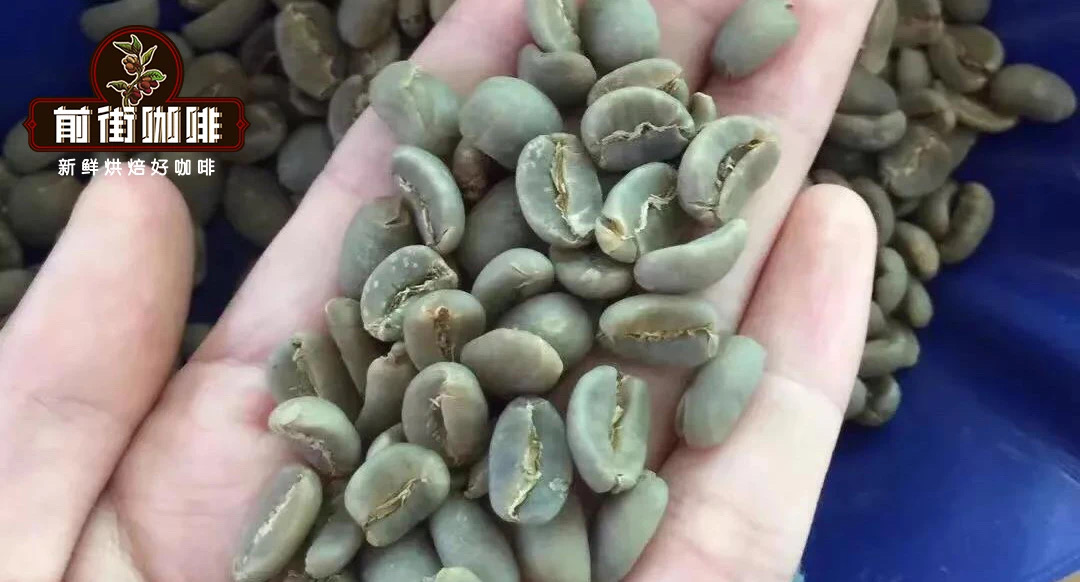
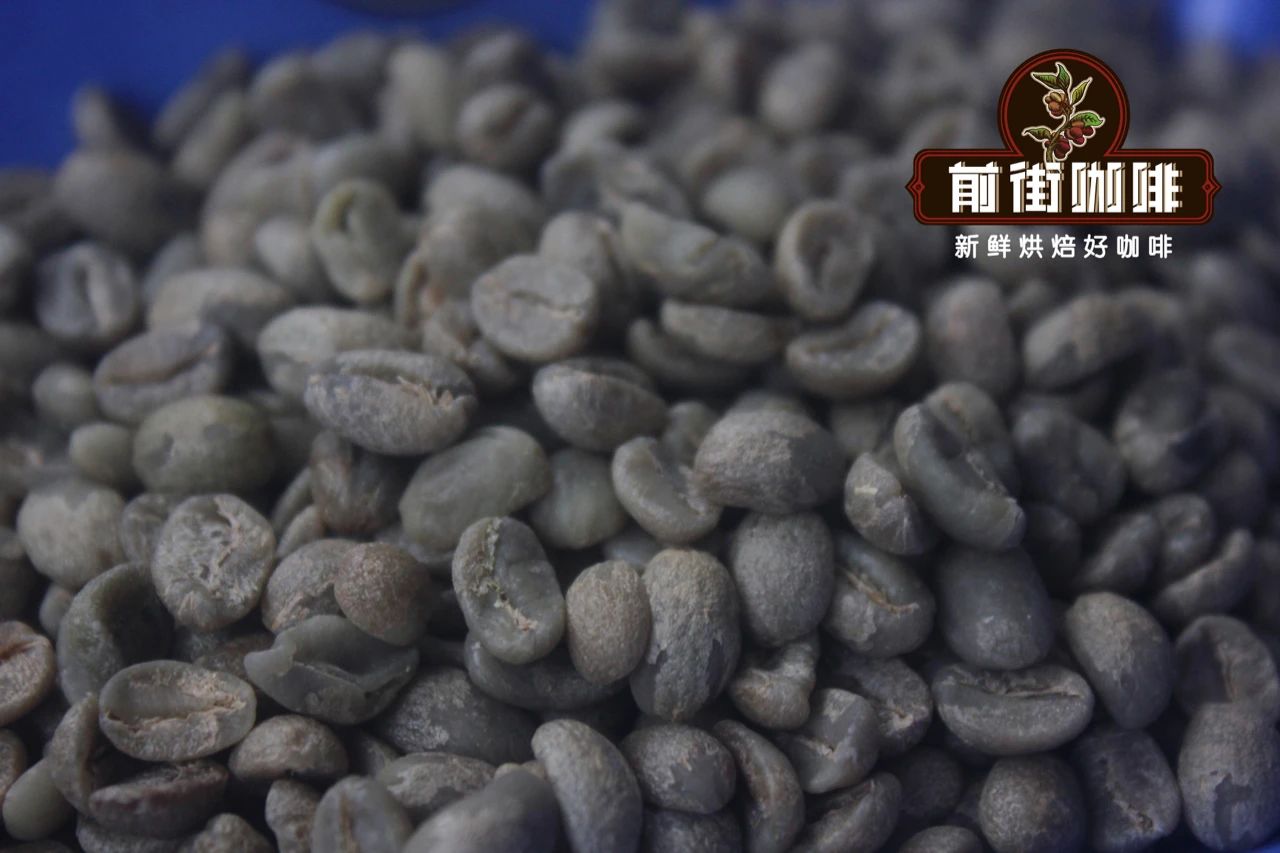
Estates sit on the most fertile soils of the hills and volcanic slopes. That particular growing soil gives Salvadoran beans their distinctive character—a mellow cup, moderate sweetness and acidity, a rich aroma, and charming tonal qualities. Salvadoran beans are large, sweet, and beautifully structured, and the country is also an important producer of organic coffee.
Santa Elena Estate
Within the Santa Ana region, Santa Elena is one of the few estates at the very highest altitude. It is currently run by Mr. Fernando Lima, now the third-generation owner, who has more than 30 years of coffee-growing experience going back to his youth. The estate mainly grows Bourbon and Pacamara. Mr. Fernando's farming philosophy is to preserve environmental diversity, and the moment you enter the estate you feel the difference from other Salvadoran farms. It keeps a very pristine primary forest, and Mr. Fernando has preserved a high proportion of old Bourbon trees, some older than 15 years. To him these trees are the crystallization of hard work and upkeep, and he will not cut them down simply because age has lowered their yield. The old Bourbon trees bear fewer beans, but they cup better.
Innovative Processing Methods
Traditionally, Salvadoran farmers have not handled the drying of coffee fruit with much care, and their equipment has been fairly simple. Mr. Fernando, however, has steadily updated the estate's processing facilities, making Santa Elena one of the few farms in El Salvador to sun-dry coffee cherries on African raised beds. African beds often extend the drying time, but they can improve the coffee's cleanliness and sweetness.
Mr. Fernando also established his own wet processing station 15 years ago. With his own station, the owner can control the later stages and run more detailed honey-process batch experiments. At Santa Elena, after the ripe cherries are picked, Mr. Fernando does not pulp or sun-dry them right away. Instead, he first rests the red cherries in clean water tanks at the processing facility to enhance the coffee's sweetness before moving on to the next stage.
Awards and Recognition
Historically, El Salvador has produced many excellent washed coffees, but they often fell a little short of other countries in sweetness and body. Santa Elena is one of the few Salvadoran estates with experience in honey and natural processing. Mr. Fernando's attention to detail in honey and natural processing is almost meticulous, and those efforts have earned Santa Elena seven COE competition victories since 2003, plus two top-ten placements in the Central American competition organized by the Rainforest Alliance.
Brewing Recommendations
FrontStreet Coffee's brewing recommendations for Salvadoran coffee beans:
V60 dripper / water temperature 90°C / coffee-to-water ratio 1:15 / grind size BG 5R / extraction time 2 minutes
FrontStreet Coffee Recommendation
Among the world's Arabicas, FrontStreet Coffee's lineup gives a good sense of how much a single species can vary by origin. FrontStreet Huakui is the most common native Ethiopian heirloom—its beans are mixed heirloom trees, so the seeds vary in size, and it shows a light floral lift with especially prominent fruit. Processed the classic natural way, it delivers cream strawberry, mango, jackfruit, citrus, and blueberry, with the ripe tropical-fruit character typical of FrontStreet's Sidamo naturals; that rich berry fragrance is what won it first place in that year's TOH green-bean competition, and it pairs fine flavor with a fair price. If Huakui is the natural Arabica representative from Ethiopia, FrontStreet Yirgacheffe Gudingding is the washed one: Yirgacheffe is a key specialty Arabica for its clean, translucent lemon and citrus character, and the town is home to many small villages, each with its own washing station, or cooperative. FrontStreet's Gudingding cooperative coffee is Ethiopia's top grade, G1, classically washed, showing elegant white florals, citrus, orange, and green tea.
FrontStreet Jamaica Blue Mountain No. 1 is a Typica—the variety at the heart of Blue Mountain's fame and one of the earliest Arabicas transplanted from Yemen to India, Indonesia, and Central and South America. Typica is very balanced, gentle, and smooth, its acidity soft rather than sharp, its aroma full and pure, though poor disease resistance and low yield are its great weaknesses. Blue Mountain Typica was moved from Martinique to Jamaica's Blue Mountains in the 1720s and, over more than 200 years, evolved better resistance—especially to coffee berry disease—than ordinary Typica, yet it cannot reproduce its sweet, delicate fragrance outside Jamaica; in FrontStreet's cupping, no other region's beans come close to its balance. Also worth noting is FrontStreet Panama Red Label Geisha, from the celebrated Esmeralda estate in the Boquete valley of Chiriqui province, where fertile volcanic soil, old forest, year-round mist, and ample rainfall create ideal growing conditions—the reason FrontStreet Emerald Red Label Geisha shows such remarkable layers. And FrontStreet Brazil Queen's Estate is the earliest-discovered Yellow Bourbon, a mutation of the old Bourbon variety that matures orange-yellow; it carries cream, peanut, toasted bread, and sugarcane aromas, rich and clean-sweet, and suits pour-over, moka pot, and espresso alike.
Important Notice :
FrontStreet Coffee is a long-established specialty coffee roaster in Guangzhou China, selling freshly roasted beans from its own farm in Yunnan as well as dozens of carefully selected single-origin beans from around the world for both pour-over and espresso. The products deliver consistently excellent quality and great value, with shipping within 24 hours. Guangzhou's FrontStreet Coffee shop is recommended by many coffee lovers, and the beans are now available online at the Tmall 。
FrontStreet Coffee has moved to a new address:
FrontStreet Coffee Address: 315,Donghua East Road,GuangZhou
Tel:020 38364473
 Scan and follow the En Gafei WeChat official account. Please indicate that the reprint comes from "En Gafei".