How to Determine the Right Heat Level for Siphon Coffee? Tips for Brewing Perfect Siphon Coffee
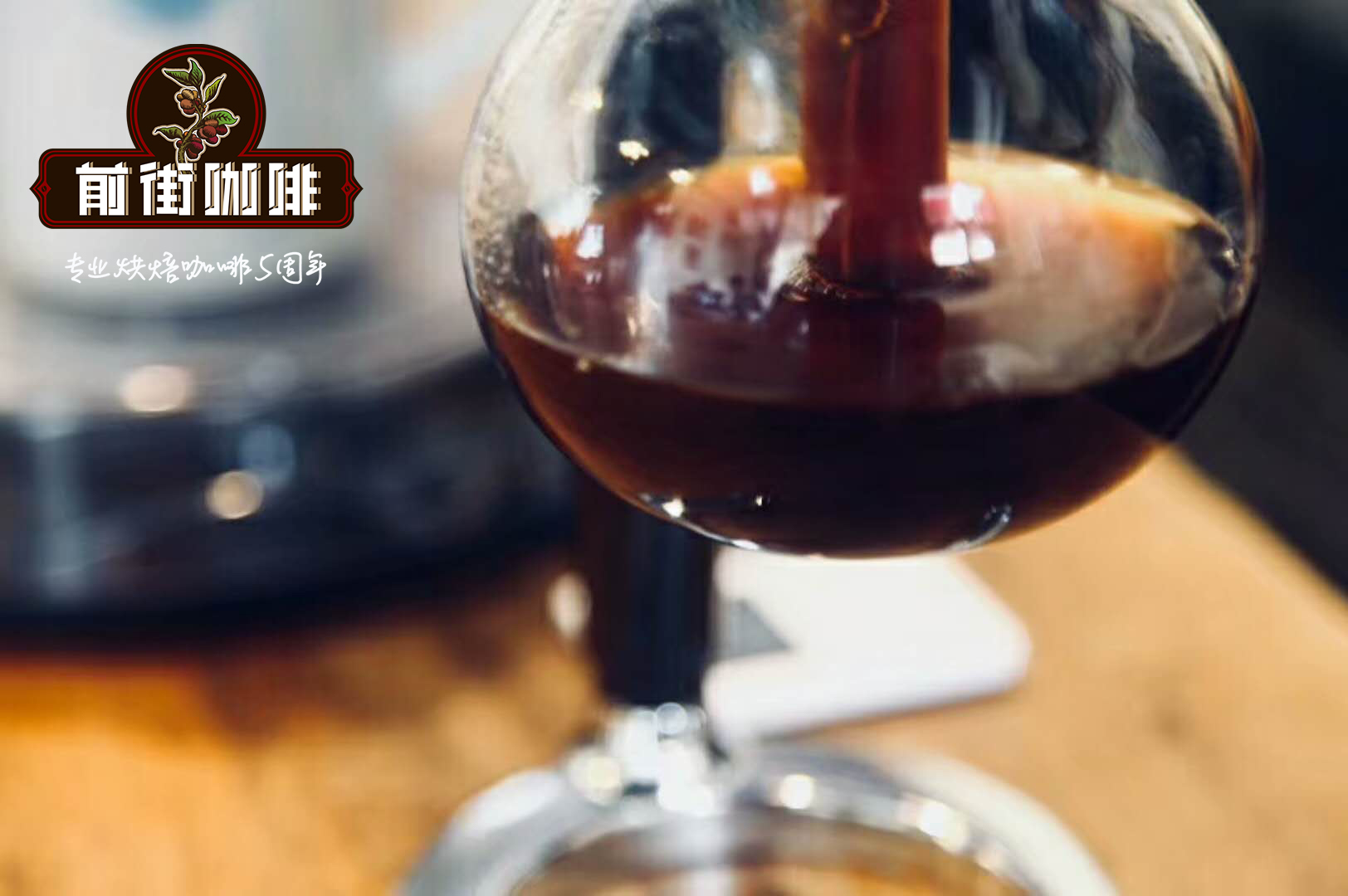
The Difference Between Pour-Over and Siphon Coffee
When you are new to coffee, it can be hard to understand the difference between pour-over and siphon coffee. Although both methods use specialty beans, there are significant differences in their preparation techniques and flavour profiles.
Characteristics of Siphon Coffee
Although siphon equipment is standardised, the stirring rod and the filter are important factors that shape different flavours. The weight and feel of the stirring rod influence the barista's stirring frequency, while the filter affects the mouthfeel. For customers, the most significant difference is undoubtedly the temperature, because siphon coffee is brewed with a direct flame and is therefore relatively hotter to drink than pour-over, which is part of its charm.
Siphon coffee has a rich, full-bodied mouthfeel, and that is genuinely one of its distinctive characteristics.
Brewing Method
- Prepare 30g of fresh coffee beans, typically ground to about 3.5 on most electric grinders (coarse sugar size).
- Add the coffee grounds, then stir gently.
- After 30 seconds, perform a second stir.
- Brew for another 80 seconds, then perform one final stir before turning off the heat. Turn off the heat and pour the coffee.
FrontStreet Coffee's Siphon Brewing Tips
How to Judge Heat Source and Bubbles?
As long as the water in the lower pot and the pot body can maintain a temperature that keeps the internal steam from cooling, pressure is maintained and the water stays in the upper pot. Only minimal boiling is therefore required. Moreover, there is not much water left in the bottom pot, so only a very weak heat source is needed. When the pressure in the lower pot equals the pressure in the upper pot, theoretically there should be no bubbles at all. Adding coffee grounds disrupts this balance, however, and can easily cause the water in the upper pot to flow back down to the lower pot and ruin everything. It is therefore still necessary to maintain fine champagne-like bubbles in the upper pot.
What Constitutes Appropriate Heat?
When the water is in the lower pot, the heat can actually be higher to accelerate evaporation. If the alcohol burner base is not shaken, it should create a larger temperature difference layer, so the water drawn to the upper pot will be less likely to overheat. Before the water is completely drawn up, reduce the heat source to let the hot lower pot cool slightly, then observe the bubbles. When the lower pot pressure stabilises, the bubbles will appear as fine champagne bubbles rather than large boiling bubbles. This is the right moment for the water to descend. As long as you can avoid large bubbles during the simmering process, the heat is basically right.
FrontStreet Coffee Recommendation
Siphon brewing rewards coffee with a fuller body and lower acidity, and FrontStreet Coffee's darker-roasted staples are the natural partners. The FrontStreet PWN Indonesia Golden Mandheling is roasted dark, with very low acidity, a rich and lingering body, herbal and black chocolate aromas and a faint earthy note, and its layered, clean and balanced profile stands up well to the immersion style of a siphon. The FrontStreet Brazil Queen Estate is similarly low in acid and well balanced, with strong nut and cocoa aromas, clear caramel sweetness and a smooth, warm finish, and it works just as well in a siphon as it does as pour-over, espresso or moka pot.
If you prefer a cup that is almost universally liked, the FrontStreet Jamaica Blue Mountain No. 1 avoids both the strong fruit acidity of some African coffees and the heavy bitterness of a dark roast, sitting instead in an excellent balance of acidity, sweetness, bitterness and aroma; it shows cream, caramel, chocolate, nut and honey notes with a soft, rounded entry, a sweet mid-palate and a clean, long finish. Where a siphon favours body and sweetness, a V60 pulls in the opposite direction, and it is worth knowing both. Hario, the Tokyo glassmaker founded in 1921, redesigned the V60 in 2004 and named it for its 60-degree cone and V shape; the conical form forces water to reach the centre before it drips through, extending contact with the grounds, while the single large hole frees the flow and leaves it almost entirely in the pourer's hands, which is why the V60 is so good at drawing out a three-dimensional aroma and a lively acidity from floral and fruit-forward beans.
For the parameters, FrontStreet follows the siphon method set out above: 30g of fresh beans ground to about 3.5 on an electric grinder, roughly coarse sugar, stirred gently at the start, again after 30 seconds, and once more after a further 80 seconds before the heat is turned off. Because siphon coffee is served hot, it is worth tasting it as it cools so you can follow the flavours as they shift.
Important Notice :
FrontStreet Coffee is a long-established specialty coffee roaster in Guangzhou China, selling freshly roasted beans from its own farm in Yunnan as well as dozens of carefully selected single-origin beans from around the world for both pour-over and espresso. The products deliver consistently excellent quality and great value, with shipping within 24 hours. Guangzhou's FrontStreet Coffee shop is recommended by many coffee lovers, and the beans are now available online at the Tmall 。
FrontStreet Coffee has moved to a new address:
FrontStreet Coffee Address: 315,Donghua East Road,GuangZhou
Tel:020 38364473
 Scan and follow the En Gafei WeChat official account. Please indicate that the reprint comes from "En Gafei".