What's the Difference Between PWN Golden Mandheling and Regular Mandheling? How are G1 Washed Specialty Coffee Beans Graded?
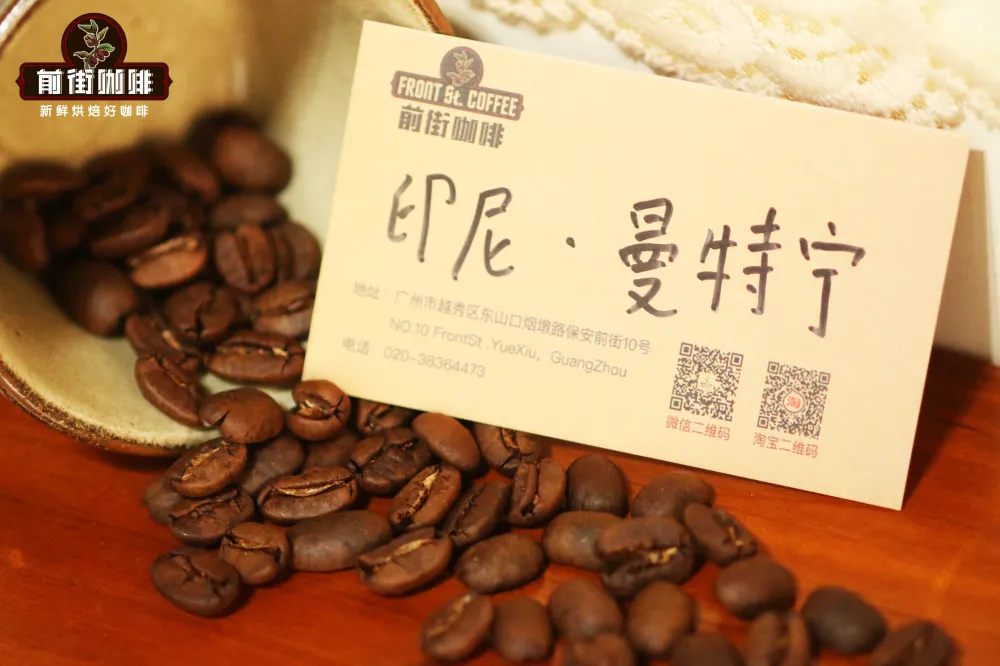
In the market, Mandheling truly has many names: Lintong Mandheling, PWN Gold Mandheling, Dingshang Mandheling, Tiger Mandheling, Mamian Mandheling, Emerald Mandheling... the list is seemingly endless, almost overwhelming to the point where one doesn't know where to start. But did you know? According to FrontStreet Coffee's understanding, Mandheling is actually not a region name, place name, or port name, nor is it a coffee variety. Its name is a phonetic error of the Indonesian Mandailing ethnic group. Regarding the origin of "Mandheling," many friends should already know something about it from the internet. To avoid newcomers being unclear, FrontStreet Coffee will retell this story for everyone here.
During World War II, a Japanese soldier accidentally drank a cup of rich and mellow coffee at a local café. The soldier was greatly impressed and asked the shop owner for the name of the coffee. However, due to the language barrier, the owner mistakenly thought the soldier was asking about his origin and answered "Mandailing," the Mandailing ethnic group. After the war, the Japanese soldier commissioned this Indonesian broker to transport 15 tons of "Mandheling coffee" to Japan, which unexpectedly became extremely popular. Because of this, it can be said that this broker made Mandheling, and Mandheling also made him become the founder of the now-famous P.W.N. Coffee Company (N.V. Pawani Medan company, abbreviated as PWN).
In reality, Mandheling coffee more often refers to high-quality Arabica beans produced on the island of Sumatra, Indonesia. Sumatra Island is located in the western part of Indonesia and has eight provinces. The high-quality coffee growing areas are all in the northern part of the island, namely the northernmost Aceh province and the adjacent North Sumatra province (Sumatera Utara). Each of these two provinces has a relatively large lake: Aceh has Lake Tawar, and North Sumatra has Lake Toba. The important coffee growing areas in these provinces are also centered around these two lakes.
Sumatra has a very complex system for distinguishing the Mandheling coffee it produces. The previously mentioned Lintong Mandheling, Tiger Mandheling, Gold Mandheling, Aged Mandheling... are precisely Mandheling coffees named and distinguished according to different regions, green bean suppliers, and processing methods. On FrontStreet Coffee's bean list, we daily maintain a regular "Lintong Mandheling" and a premium "PWN Gold Mandheling" for everyone to choose from.
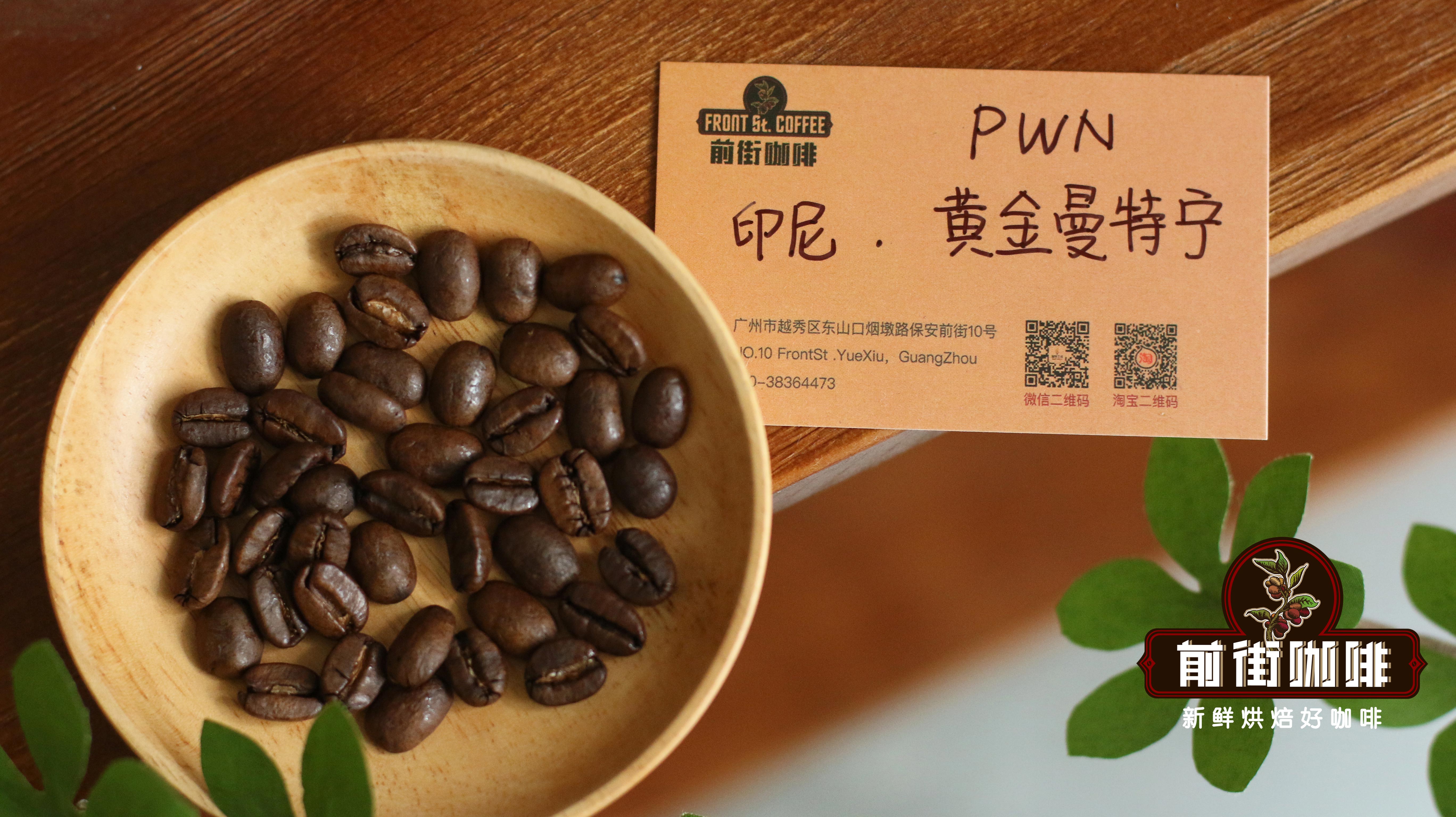
FrontStreet Coffee: PWN Gold Mandheling Coffee Beans
Region: Sumatra, Indonesia
Grade: G1, Triple Hand-sorted
Altitude: 1100m-1600m
Variety: Ateng
Processing Method: Wet-hulled
Flavor: Spices, dark chocolate, nuts, caramel, cedar
PWN Company mainly focuses on acquiring high-quality batches of Mandheling green beans from local sources, producing only specialty-grade Mandheling. "Gold Mandheling" is their signature product. After the Japanese took a liking to Sumatran coffee, they purchased it long-term and gradually discovered that the quality of local beans was often inconsistent. Therefore, they became more attentive to Mandheling production and began to establish strict standards and methods for screening defects, including starting with values such as bean density, size, shape, and color. The produced Mandheling needs to undergo multiple manual hand-sorting to remove defects, ensuring that the produced Mandheling beans are complete, uniform, large, and translucent, while also reducing the earthy and grassy flavors of Mandheling. Legend has it that it shines golden under the sun, which is why it was named "Gold Mandheling."
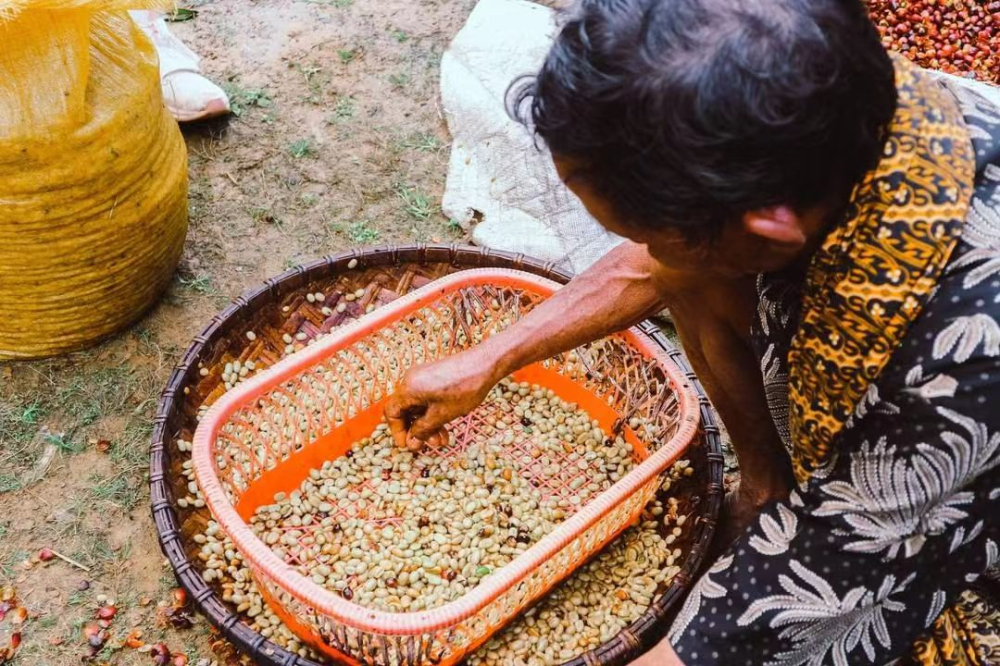
PWN purchases Mandheling green beans of 18 mesh or above, G1 grade with fewer than 3 defective beans in a 300g sample, which is the highest grade of Indonesian green beans. Subsequently, it will strictly follow the standard for 1 machine selection + 3 manual selections of defective beans, ensuring the color, shape, and size of the Mandheling coffee beans are uniform. Therefore, compared to other regular Mandheling coffees, PWN Gold Mandheling tastes cleaner and more translucent, with more noticeable body and sweetness.
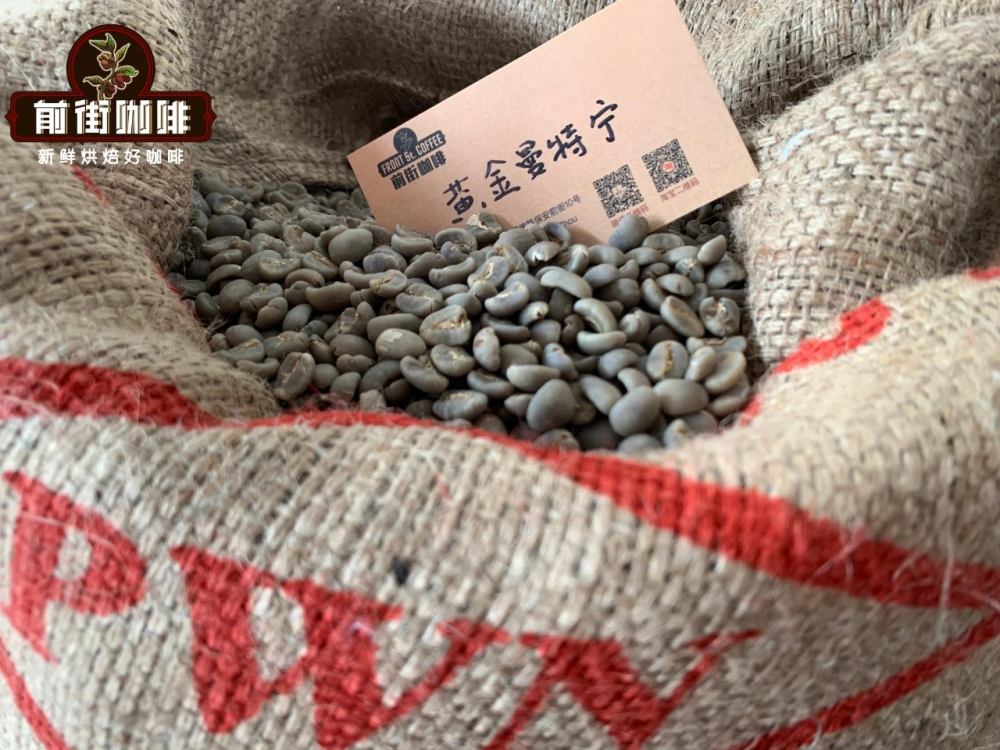
As the market for specialty Mandheling coffee grew larger, PWN Company also realized the importance of trademarks. They registered the English "Gold Mandheling" as an exclusive trademark one step earlier than the Japanese. Therefore, only Gold Mandheling produced by PWN Company can be considered genuine "Gold Mandheling," while those produced by the Japanese had to be renamed "Dingshang Mandheling." The Gold Mandheling that FrontStreet Coffee acquired is, of course, the genuine product from PWN Company. Everyone can identify authentic Gold Mandheling by the green bean burlap bags with the PWN logo and a certificate of origin signed by PWN Company. FrontStreet Coffee displays both of these identifiers in its Dongshankou store.
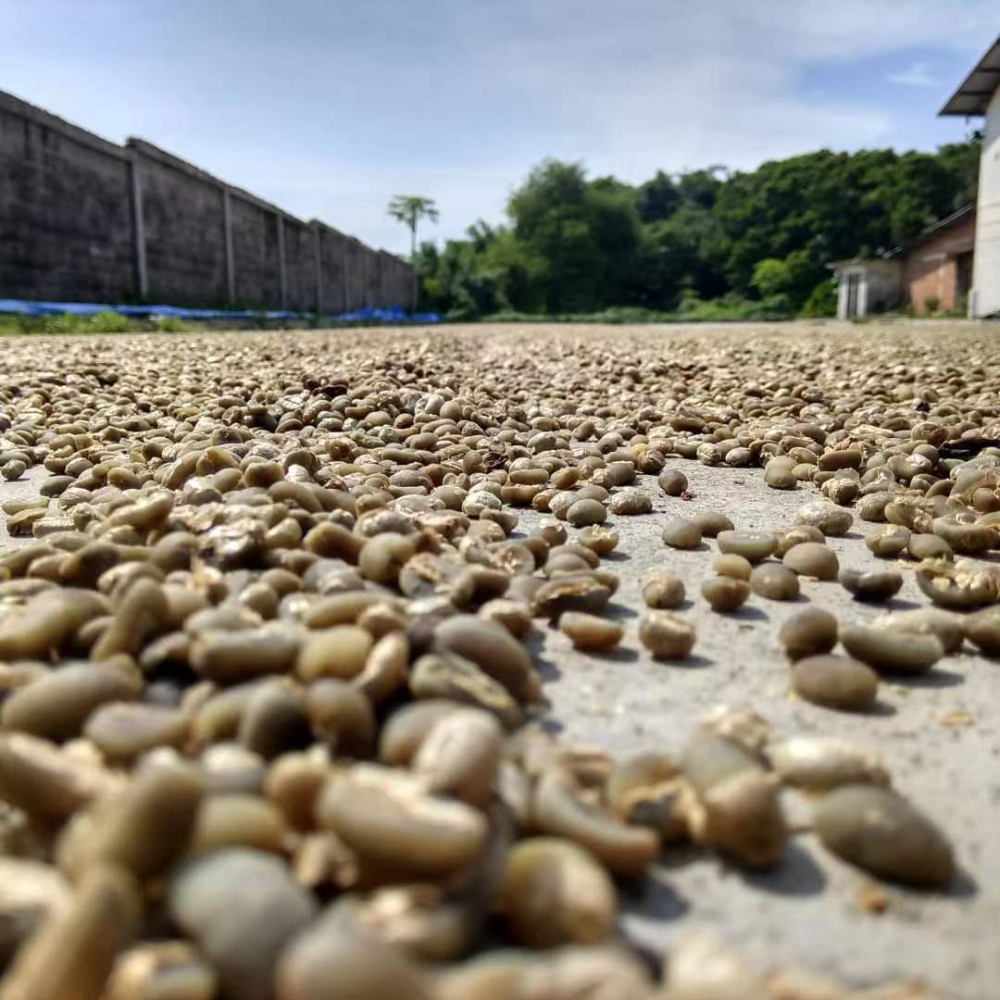
Friends who often drink Mandheling should know about Sumatra's wet-hulling method. In wet-hulling, before the final drying stage, the beans are poured into a huller. Using greater friction, the semi-dry parchment layer tightly attached to the green beans is torn open. Through the stirring of friction, the green beans are easily crushed or squeezed. The "naked beans" without the parchment layer dry very quickly and are also directly exposed to the humid environment, where various microorganisms proliferate.
Although wet-hulling does create unique herbaceous, woody, and spicy aromas for Mandheling, it also results in a higher defect rate in the green beans. Dark roasting can perfectly mask this defect. In addition, Mandheling's fame mainly comes from the early exploration by the Japanese, who roasted according to their taste preferences, most favoring the Japanese-style dark roast. This is why most Mandheling coffee beans are roasted so dark.
For this reason, FrontStreet Coffee wants everyone to taste the classic Mandheling flavor, so the two types of Mandheling we daily sell are both medium-dark roasted, including the Lintong region Mandheling daily beans and the Aceh region's PWN Gold Mandheling coffee. However, to extract the best aroma from Mandheling coffee, certain techniques are still needed. Here, FrontStreet Coffee will use the store's most popular PWN Gold Mandheling coffee beans as an example to explain the extraction approach!
For coffees with rich body like Indonesian Mandheling coffee, Brazil Queen's Manor coffee, and Jamaica Blue Mountain coffee, FrontStreet Coffee's baristas will prioritize using the KONO dripper for brewing. Compared to V60, the KONO dripper has a smooth curved surface. This design is actually to ensure that after wetting the filter, it clings tightly to the dripper wall. At the same time, it only has ribs that are one-quarter the height of the dripper, restricting airflow from moving upward. Water can only pass through the bottom to the server below. This increases the water absorption time of the coffee powder particles, allowing the coffee powder layer and hot water to form an immersion extraction. The coffee taste becomes more rounded, rich, and concentrated.
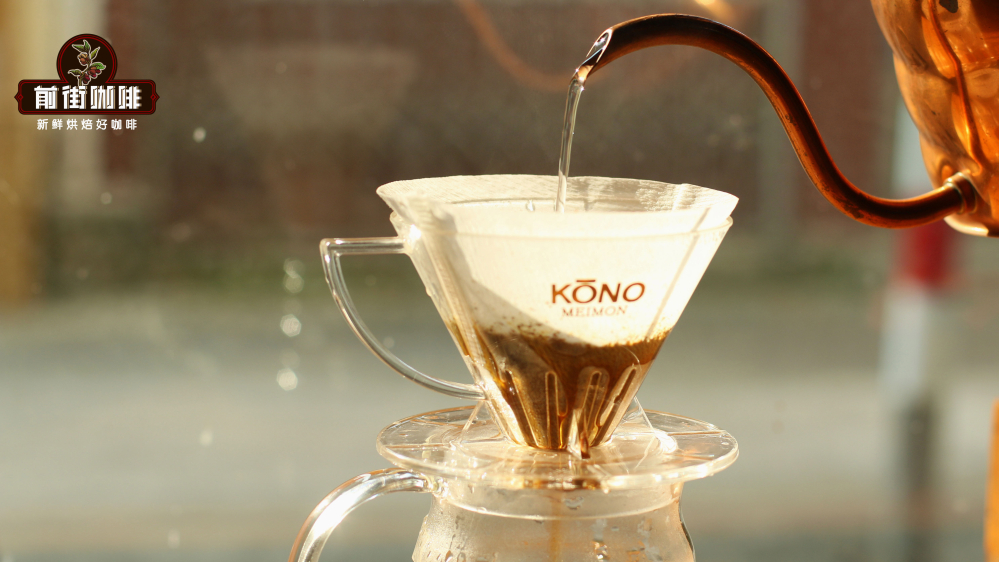
Medium-dark roasted coffee beans greatly change the internal structure of the beans, making them loose. When ground into coffee powder, their water absorption is stronger. If the brewing parameters are not adjusted properly, the coffee will easily become over-extracted and bitter. To have enough aroma without over-extraction, it's necessary to reduce the extraction rate. FrontStreet Coffee will use lower water temperature and a coarse sugar grinding degree to reduce the release of bitter large molecules in the coffee.
Brewing Parameters
Dripper: KONO
Water Temperature: 87°C
Coffee Amount: 15g
Coffee-to-Water Ratio: 1:15
Grind Size: Coarse sugar (70% pass-through rate on China standard #20 sieve)
Pouring Method: Three-stage pouring
First, inject 30g of water for a 30-second bloom. Start timing while pouring. Use a small water flow to pour from the center point and spiral outward, making sure to moisten the entire coffee bed.
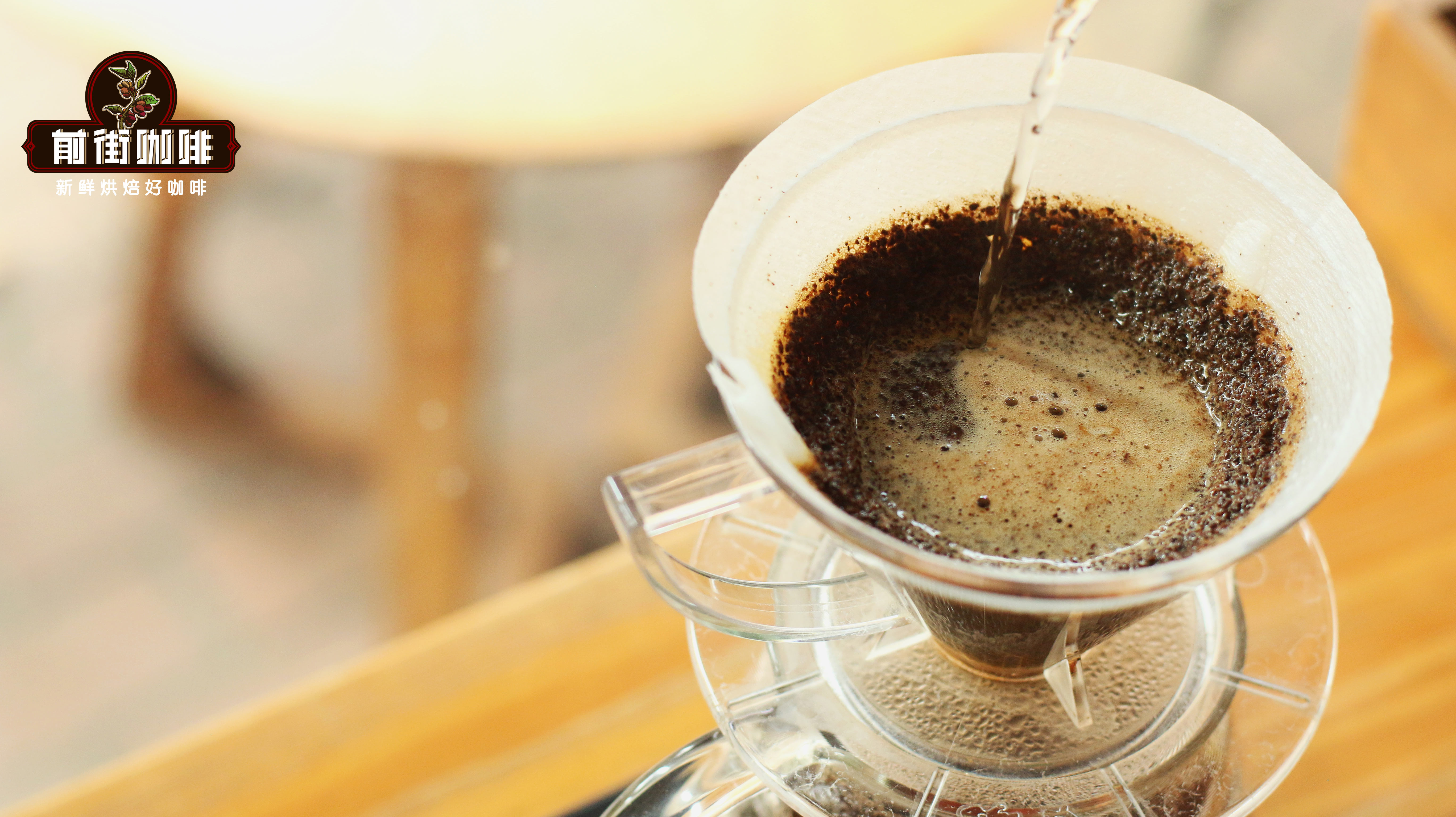
After 30 seconds, start pouring the second stage of 95g water with a slightly larger water flow. The purpose is to raise the entire coffee bed. The water column needs to be poured vertically and evenly. At this time, the timer scale shows 125g, and pouring should be completed in about 55 seconds.
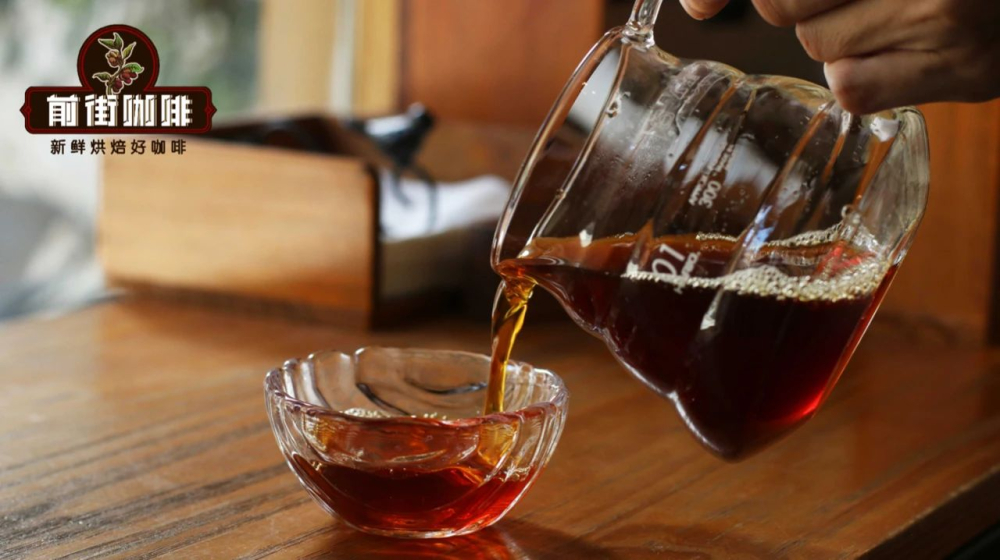
When the liquid level drops to halfway, start using a small water flow to pour the third stage of 100g in small circles. Try to control the water flow to not be too large, as it easily washes away the coffee bed and causes under-extraction. Finally, the total injection amount is 225g, and the drip completion time is about 2 minutes. After removing the dripper, shake the coffee liquid in the sharing pot evenly, and you can start tasting.
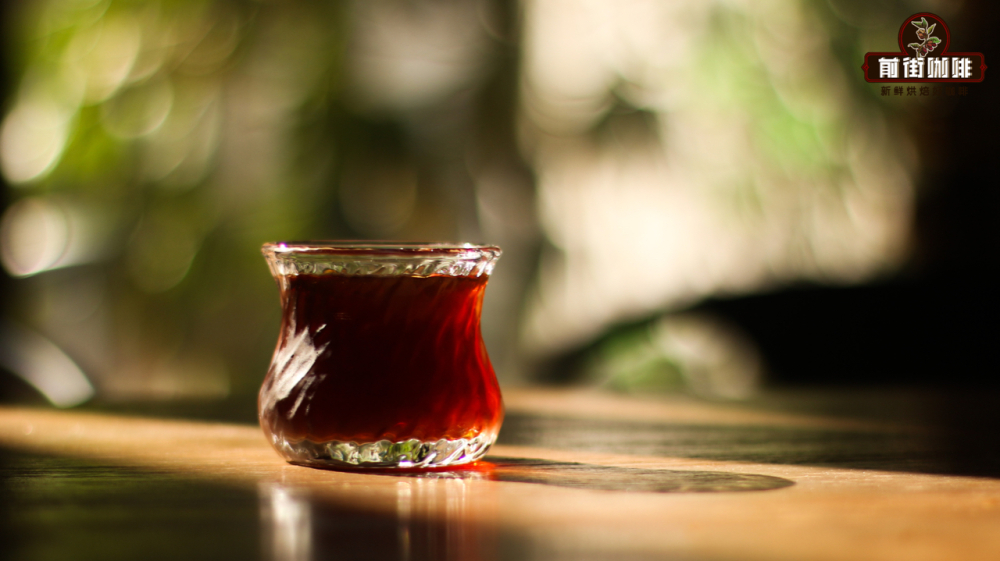
Hand-poured PWN Gold Mandheling Coffee: Rich dark chocolate aroma, with flavors of roasted hazelnuts, caramel, and sweet melon that are very harmonious. Distinctive spice notes in the mouth, with a rich, clean texture and a long-lasting aftertaste.
Professional Coffee Knowledge Exchange
Mandheling is a bean that rewards a little care at the brewer. Keep the water cool, keep the grind coarse, and pour gently, and the herbal, chocolate and caramel notes stay sweet rather than turning bitter.
Try the two Mandheling lots side by side - the everyday Lintong and the premium PWN Gold - to taste how much cleaner and more translucent the hand-sorted top grade can be.
FrontStreet Coffee Recommendation
Mandheling comes from Sumatra, Indonesia, and is usually drunk as a single origin, though it also works in espresso. FrontStreet Coffee's Lintong Mandheling and PWN Golden Mandheling come from the Lintong and Aceh regions of Sumatra respectively, and both are roasted medium-dark to soften the acidity and highlight the deep, rich character. The goal is to show dark chocolate and caramel while keeping the wild herbal note that comes from the growing environment and the wet-hulled process.
Sumatra is divided into eight provinces, but only the high-altitude Aceh and North Sumatra provinces grow Arabica on a large scale. Much of the island sits in tropical rainforest, so mist and rain are common; the coffee harvest runs from September to the following April. Indonesia differs from most origins in its very humid climate: year-round humidity of 70-90%, frequent storms and annual rainfall of more than 2000 mm. Conditions like these make the two-to-three-week sun-drying used in Africa impossible, and fully washed processing is slow and expensive in water and labor, so smallholders developed the semi-washed wet-hulled method. The parchment is removed by machine while the beans are still half dry, exposing the green beans to speed drying, but also to airborne microbes, which is what produces the unique, wild flavor.
The best wet-hulled coffee to try is the highest grade, FrontStreet Coffee's PWN Golden Mandheling. PWN mainly buys high-quality Mandheling green beans, and after purchasing them it runs one machine selection plus manual hand-sorting to pull out plump, defect-free beans, so all of its output is specialty grade; Golden Mandheling is its flagship. The beans are uniform and plump, large and translucent, with a low defect rate, and after medium-dark roasting they carry a rich roasted aroma. Brewed as black coffee they are clean and full-bodied, ideal for anyone who does not like acidic coffee.
For pour-over, use water at 87-88°C, 15g of coffee, a 1:15 coffee-to-water ratio and a coarse-sugar grind, and pour in three stages to bring out the body and caramel sweetness. Bloom with 30 ml of water to wet all the grounds and let them degas. Pour the second stage of 100 ml to push out the golden foam and lift the bed. Finish with a gentle third stage of 95 ml poured down the center to lift the sweetness, giving a thick, full body with caramel sweetness and chocolate and nut flavors.
If you want the Mandheling character in a milk drink, the FrontStreet Coffee Classic Blend adds medium-dark Mandheling to a creamy, nutty Brazilian base, with butter, roasted chestnut and caramel notes standing out; the Mandheling lifts the body of the whole cup and adds sandalwood, herbal and spice notes, and a little Robusta is included to increase the richness of the crema, so latte art and Dirty-style layering are easy to work with.
Important Notice :
FrontStreet Coffee is a long-established specialty coffee roaster in Guangzhou China, selling freshly roasted beans from its own farm in Yunnan as well as dozens of carefully selected single-origin beans from around the world for both pour-over and espresso. The products deliver consistently excellent quality and great value, with shipping within 24 hours. Guangzhou's FrontStreet Coffee shop is recommended by many coffee lovers, and the beans are now available online at the Tmall 。
FrontStreet Coffee has moved to a new address:
FrontStreet Coffee Address: 315,Donghua East Road,GuangZhou
Tel:020 38364473
 Scan and follow the En Gafei WeChat official account. Please indicate that the reprint comes from "En Gafei".