How Should Costa Rica Mozart Be Roasted to Taste Delicious? What Roasting Methods Suit Mozart?
FrontStreet Coffee Costa Rica Mozart: A Roasting Journey
Before roasting a new bean, we first gather information about it and the flavor notes provided by the green supplier, then run several test roasts and adjust based on cupping results. Recently we got our hands on a FrontStreet Coffee Costa Rica Mozart — a bean already famous for its unusual processing method and complex aromatics.
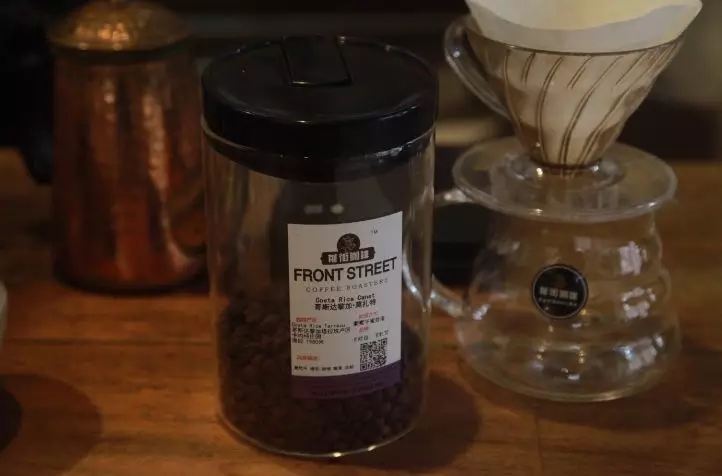
Unique Processing Method — Raisin Honey Process
Retaining 100% of the mucilage with zero-water processing raises the difficulty of honey processing to another level, demanding strict control of timing.
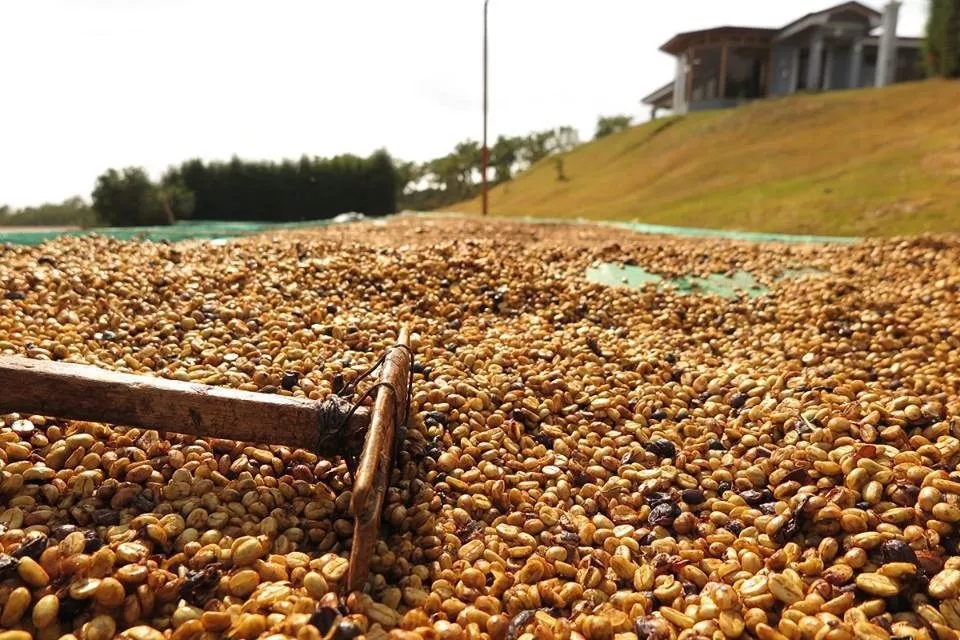
On harvest day, the cherries are poured into large water tanks. Mature, full fruits sink; underdeveloped or overripe fruits float — and the floaters must be removed. The selected cherries then dry on raised beds for at least three days before the skin is removed, with the mucilage retained, and drying continues. At this stage, climate is the key to success.
During drying the cherries must be turned constantly for even moisture loss, but the turning has to be carefully judged: slow enough to ferment properly, not so slow as to over-ferment.
Green Bean Analysis
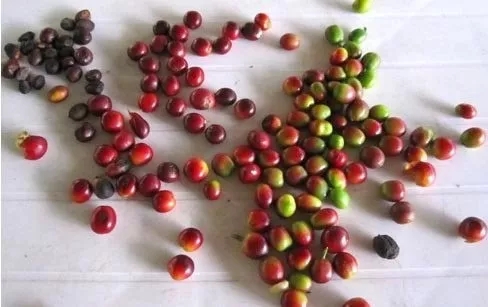
This Mozart is composed of Caturra and Catuai, the workhorse varieties of the Americas. The green beans are yellowish-green — typical of honey-processed coffee — with a fresh, orange-like acidity and a light fermented fruit aroma.
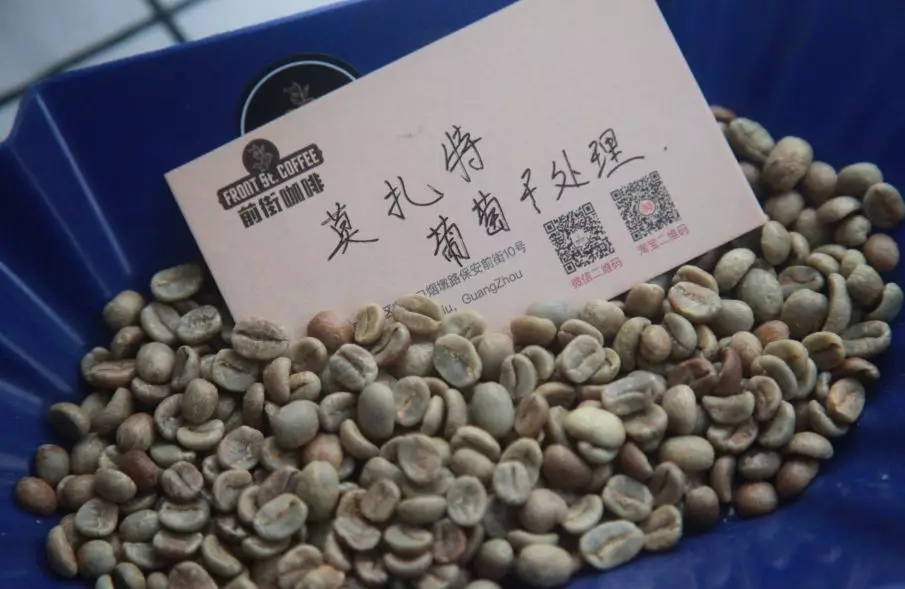
The lot is from the 2018 harvest, with relatively high moisture content, grown at about 1950 meters. The beans are quite hard, so we began with a gradual heat reduction and extended drying (dehydration) phase. We ran three test batches and cupped them.

The roaster is a Yangjia Feima 800N; for daily production needs we chose a 550-gram batch size.
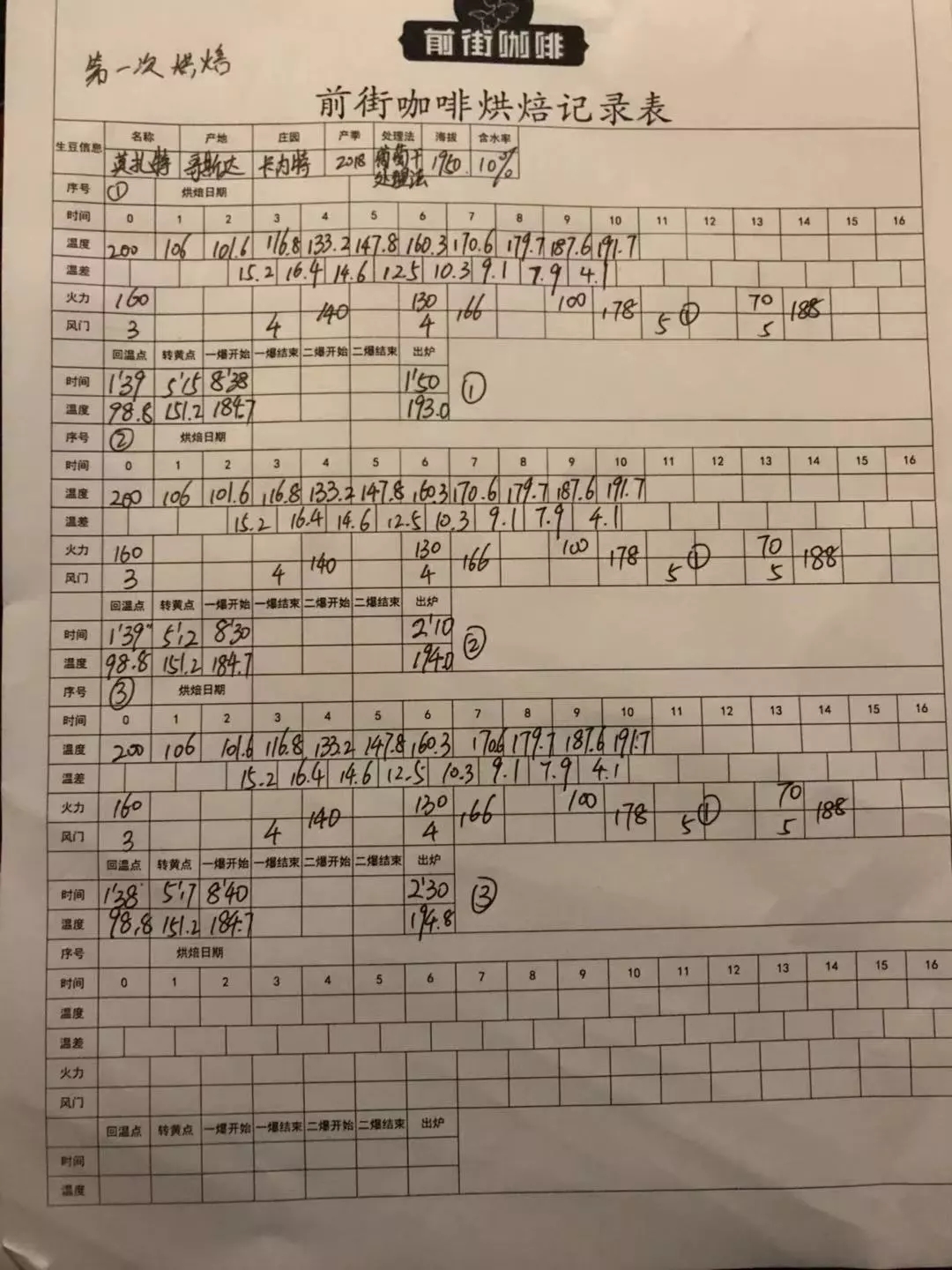
Bean entry temperature was 200°C, varying only drop temperature and development time:
First Batch
Yellowing point: 151.2°C at 5 min 15 s; dropped at 193°C. Post-first-crack development of 1 min 50 s; first crack at 8'38".
Second Batch
Yellowing point: 151.2°C at 5 min 12 s; dropped at 194°C. Development of 2 min 10 s; first crack at 8'30".
Third Batch
Yellowing point: 151.2°C at 5 min 17 s; dropped at 194.8°C. Development of 2 min 30 s; first crack at 8'40".
Cupping Results
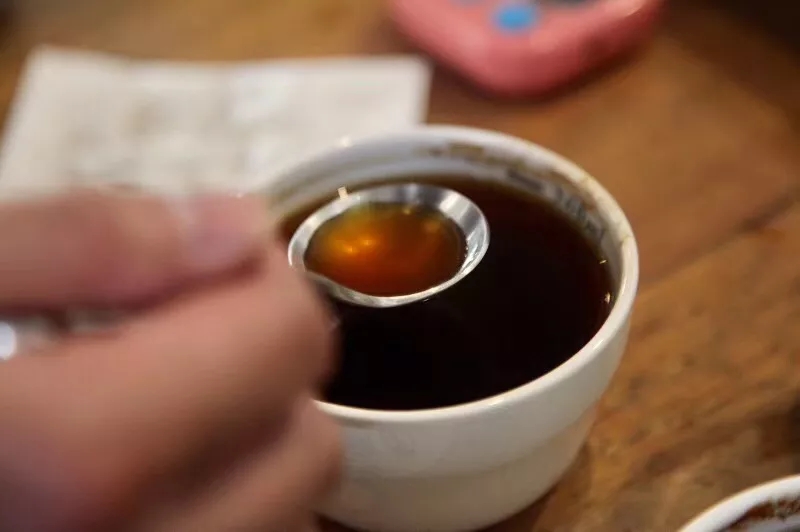
The first batch showed a light fermented aroma and complex florals, with citrus, sweet orange, berries, melon, and raisin on the slurp. The second batch carried jasmine and fermented wine notes, with sweet orange, plum, caramel, raisin, and rum. The third batch showed cocoa, orange, snow pear, grapefruit peel, and a smoky edge.
All three performed well on aroma and cleanliness, but the profiles leaned light, with a relatively thin mouthfeel.
We judged the first batch slightly best of the three. Still, with no major flaws but not the flavor we were seeking, we changed tack — this time choosing rapid dehydration and higher heat to push aroma development — and ran three more sample batches.
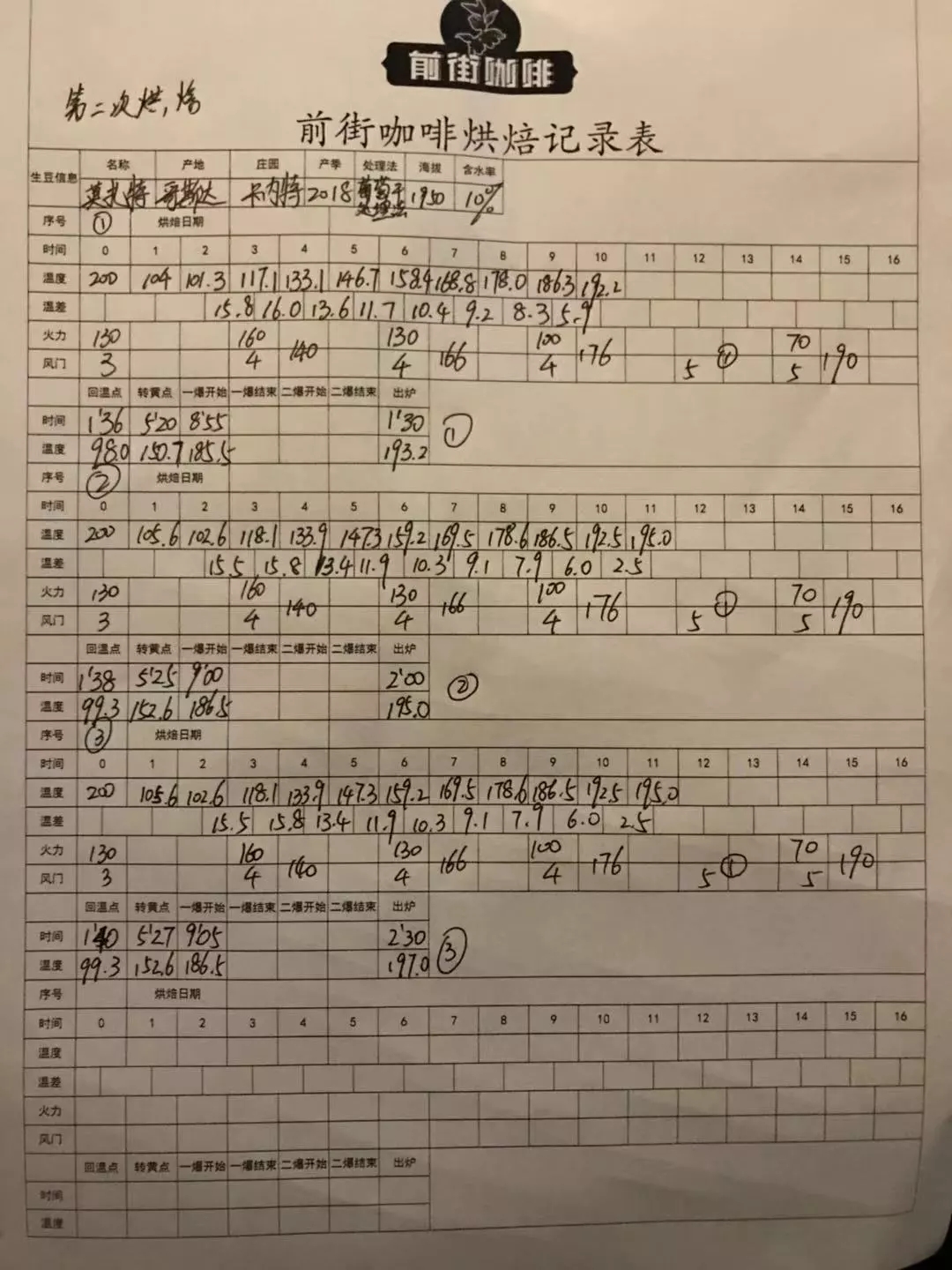
Entry temperature again 200°C, varying only drop temperature and development time:
First Batch
Yellowing point: 150.7°C at 5 min 20 s; dropped at 193.2°C. Development of 1 min 30 s; first crack at 8'55".
Second Batch
Yellowing point: 152.6°C at 5 min 25 s; dropped at 195°C. Development of 2 min; first crack at 9'00".
Third Batch
Yellowing point: 152.6°C at 5 min 27 s; dropped at 197°C. Development of 2 min 30 s; first crack at 9'05".
Cupping Results

The first batch gave osmanthus and fermented-wine aromas, with sweet orange, berries, pineapple, raisin, caramel, and toffee on the slurp. The second batch had complex florals with orange, berries, raisin, and snow pear. The third batch showed a distinct wine note, with citrus, nuts, hazelnut, caramel, and cocoa.
The first and second batches were quite similar, but the first was slightly superior in both aroma and flavor — so we adopted its curve:
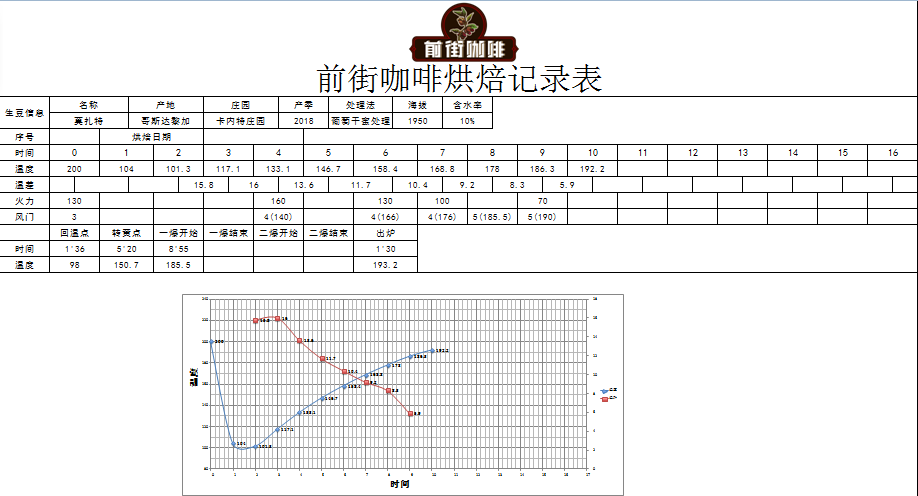
Heat to 130 at bean entry, air damper at 3, charge at 200°C. Raise heat to 160 when the probe reads 140°C to speed dehydration and shorten the drying phase; reduce back to 130 in the mid-to-late drying stage to set the beans up for first crack.
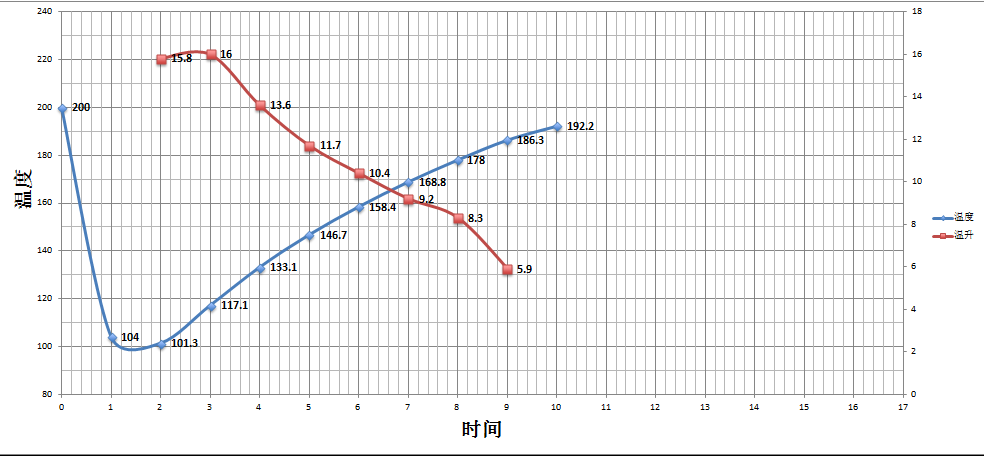
First crack begins at 8 min 55 s. Open the damper to 5 and gradually reduce heat. When development has run 1 min 30 s at 193.2°C and orange and floral aromas are detectable through the sampling trier, drop the beans.
Brewing Recommendations
Recommended method: Pour-over

Parameters: water 90-93°C; grind BG 5R (58% pass rate on the Chinese-standard #20 sieve); ratio 1:15; extraction time around 1'50".
Technique: bloom with 30 g of water for 30 seconds; pour quickly with a small stream to 120 g, then pause. When the water level is about to expose the coffee bed, pour up to 225 g to finish; remove the dripper as the level again drops toward the bed.
Little tip: since this Mozart is not deeply roasted, use the higher end of the water-temperature range and small, quick pours to draw out its wonderful aromatics.
FrontStreet Coffee Recommendation
Honey processing began as an offshoot of the pulped natural (semi-natural) method — removing the skin before drying shortens the drying days while taming the off-flavors of uncontrolled fermentation; Brazil's classic FrontStreet Cerrado is a pulped-natural coffee with cream, peanut, nut, and chocolate notes. Costa Rica borrowed the idea and refined it by varying the amount of mucilage retained and the drying time, giving rise to black, red, yellow, and white honey — and, more radical still, raisin honey.
Mozart's raisin honey process dries the whole cherries on raised beds for at least three days before depulping, then continues the honey steps with 100% of the mucilage retained — harder to execute even than black honey, since it requires ruthless control of timing. The reward is a richer dried-fruit sweetness: brew it as pour-over, cold brew, or moka pot and you will find osmanthus, pineapple, and raisin in the cup.
If you love that honeyed sweetness, two siblings are worth trying. The FrontStreet Costa Rica Blackberry is black-honey processed — nearly all mucilage retained and dried at least two weeks under shade covers, turned regularly to prevent uneven fermentation — then roasted medium-light, releasing intense fresh-flower aromas and flavors of grape, berry, and ripe blackberry. The FrontStreet Strawberry Candy Gesha Blend pairs Panama Gesha's classic orange-blossom sweetness with raisin-honey Costa Rica coffee: dried grape and blueberry fragrance, soft acidity, an almond finish, and pronounced sweetness — lovely in every brew method.
Important Notice :
FrontStreet Coffee is a long-established specialty coffee roaster in Guangzhou China, selling freshly roasted beans from its own farm in Yunnan as well as dozens of carefully selected single-origin beans from around the world for both pour-over and espresso. The products deliver consistently excellent quality and great value, with shipping within 24 hours. Guangzhou's FrontStreet Coffee shop is recommended by many coffee lovers, and the beans are now available online at the Tmall 。
FrontStreet Coffee has moved to a new address:
FrontStreet Coffee Address: 315,Donghua East Road,GuangZhou
Tel:020 38364473
 Scan and follow the En Gafei WeChat official account. Please indicate that the reprint comes from "En Gafei".