How to Make Cold Brew Coffee? Is Cold Brew Coffee Healthier to Drink?
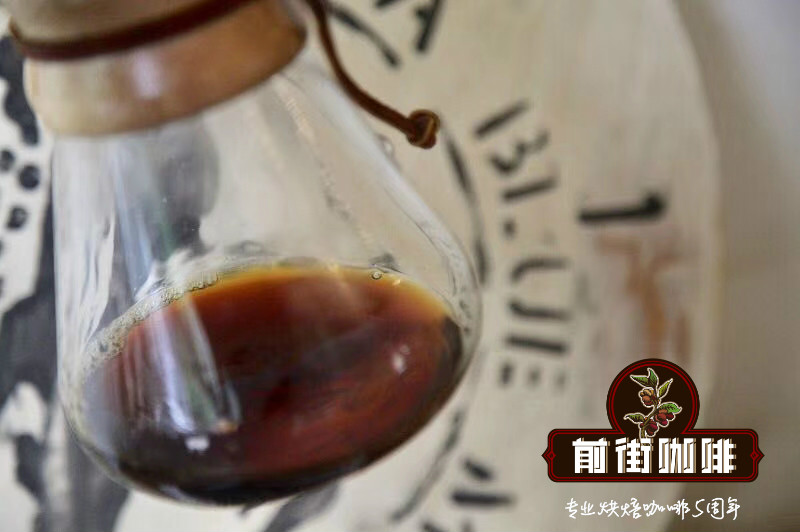
The claims that cold brew coffee has lower caffeine content or higher antioxidant capacity are actually myths that have been widely circulated. In reality, temperature enhances the solubility of many molecules and alters the structure of the coffee grounds, allowing many small-molecule substances that were previously held tightly by the coffee to be released. Regardless of the type of coffee, moderate consumption can provide both relaxation and health benefits.
How to Make Cold Brew Coffee
FrontStreet Coffee will demonstrate the method using Costa Rica Mozart as an example.
Required Ingredients
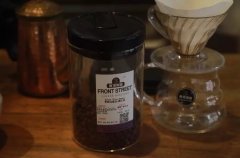
Coffee Beans: We use single-origin beans from FrontStreet Coffee, specifically Costa Rica Mozart. The ratio for cold brew coffee is coffee:water:ice = 1:5:5.
Coarsely ground coffee powder: Coarse grinding is key to making cold brew coffee.
A container: Both plastic and glass containers work, preferably with a lid. If you want to take some photos, leftover pulp jars or French presses are good options.
Cold water: Use filtered water or bottled mineral water.
Filter: If you are not using a French press, you will need coffee filter paper or sterilised coarse cotton cloth.
Preparation Steps
1. Preparation
Pour the coffee grounds into the container.
Slowly pour in cold water while gently stirring to ensure all the grounds are fully moistened.
Cover with a lid, or if you do not have one, seal with coarse cotton cloth.
2. Steeping
Place in the refrigerator and steep for 12 hours. Do not rush this process.
3. Filtering
If you are using a French press, gently press down the plunger to filter the grounds, then pour out the coffee.
If not using a French press, you will need to filter the grounds using coarse cotton cloth or filter paper.
It is best to filter twice before discarding the grounds. Do not waste the used grounds: they can be made into fertiliser or refrigerator deodorisers. Coffee grounds should never be thrown away, since their uses are truly amazing and eye-opening.
4. Tasting
Frequently Asked Questions
1. What's the difference between iced coffee and cold brew coffee?
Simply put, iced coffee is made by cooling hot coffee, while cold brew coffee is extracted without any heating at all, at low temperatures. Because cold brew requires low-temperature, long-time extraction, typically 12 to 24 hours, cold brew sold commercially is generally more expensive. This low-temperature extraction also gives cold brew its distinctive flavour profile. The same beans can produce completely different tastes with different extraction methods. Moreover, because low-temperature extraction pulls out less coffee oil, cold drip and cold brew coffee can generally be stored for up to two weeks. As storage time increases, the coffee ferments and develops more captivating flavours, even taking on wine-like aromas.
Cold brew coffee preserves the original flavour of coffee through low-temperature, long-time extraction.
2. Are there flavour differences in cold brew coffee?
Coffee extraction typically involves high temperatures, which cause tannic acid in the coffee to break down into pyrogallic acid, creating bitterness and acidity. Because cold brew uses low-temperature extraction, it can reduce these compounds by about 67% compared with hot extraction. The prolonged contact between water and grounds at low temperature also allows only small flavour molecules, such as floral and fruit notes, to be extracted, while larger flavour compounds like smoky and roasted notes are difficult to extract. This lets cold brew better showcase the inherent flavours of the beans, resulting in a smoother taste with distinct flavour layers and a noticeable sweet aftertaste.
Cold drip and cold brew coffee better highlight the original layered flavours of beans, with smooth textures and sweet aftertastes.
3. Is cold brew coffee healthier to drink?
Because the coffee is not extracted with high temperatures, fewer impurities are pulled from the grounds. For those who often experience gastrointestinal discomfort from drinking coffee, cold brew may be worth trying, since it is relatively gentler on the digestive system than hot-extracted coffee. Cold brew also generally has slightly less caffeine; for example, a Starbucks Grande iced coffee contains 225mg of caffeine, while cold brew contains 200mg.
It is a coffee choice that better meets health needs, and more importantly, it is more delicious.
4. What's the difference between ice drip coffee and cold brew?
Ice drip is also a type of cold brew coffee. Compared with cold brew, which involves putting water and grounds together for 12 hours, ice drip is extracted drop by drop. Ice drip is also known as Dutch coffee or Kyoto-style coffee. The American barista champion Laila once said in an exclusive interview that compared with cold brew, ice drip coffee has more aroma and a more delicate and subtle flavour.
FrontStreet Coffee Recommendation
Cold brew strengthens floral and fruity notes while suppressing woody and roasted flavours, so FrontStreet Coffee tends to reach for light or medium-light beans. The FrontStreet Strawberry Candy blend is an excellent cold brew choice: it pairs a Panama Geisha with a Costa Rican honey-processed coffee, one lending delicate rose and orange notes and the other adding grape, raisin and strawberry-candy sweetness, and the combination gives a rich, layered cup. Made as cold brew it is sweet and lively, and if left to ferment and settle a little it even takes on a fruit-wine texture.
If you want the florals to lead, the FrontStreet sun-dried Huakui is the one to buy. It comes from Ethiopia, the birthplace of coffee, and because it is naturally processed the beans absorb a great deal of sweetness and aroma from the fruit and skin; as cold brew it shows magnolia, cream strawberry, dried mango, guava and black tea. For a cup with real juice weight, the FrontStreet Kenya Small Tomato brings the cherry tomato, snow pear, black plum and smoked plum acidity of a Kenyan bean into low-temperature extraction, with low bitterness and a full, bright acidity that stays refreshing over ice; it comes from Thika in Kenya, uses the well-selected SL28 and SL34 varieties and the local K72 double washed method, and a medium-light roast turns the precursor aromatics into something more complex.
Because cold brew uses more coffee than pour-over, it is worth balancing quality against cost. Many drinkers love the passion fruit, grape, apricot and candied-fruit sweetness of the FrontStreet Colombia Xizhua but find it expensive on its own, so it can be blended at 1:2 with the FrontStreet Costa Rica Tarrazu to keep the Xizhua's floral and fruit notes while adding Tarrazu's clean citrus acidity and improving value. For a dependable everyday option, the FrontStreet Yirgacheffe Gotiti Cooperative is a washed Ethiopian coffee with a bright, clean sweet-tart profile, an affordable price and great versatility across pour-over, siphon, French press and cold brew; as cold brew it shows sweet berry, layered depth and honey notes.
Important Notice :
FrontStreet Coffee is a long-established specialty coffee roaster in Guangzhou China, selling freshly roasted beans from its own farm in Yunnan as well as dozens of carefully selected single-origin beans from around the world for both pour-over and espresso. The products deliver consistently excellent quality and great value, with shipping within 24 hours. Guangzhou's FrontStreet Coffee shop is recommended by many coffee lovers, and the beans are now available online at the Tmall 。
FrontStreet Coffee has moved to a new address:
FrontStreet Coffee Address: 315,Donghua East Road,GuangZhou
Tel:020 38364473
 Scan and follow the En Gafei WeChat official account. Please indicate that the reprint comes from "En Gafei".