Why Choose 60°C for Latte Milk Foam? What's the Ideal Milk Foam Temperature for Lattes?
Yesterday we looked at how temperature affects milk foam, and found that once milk foam passes 70°C it expands and churns rapidly even without deliberate frothing, while at lower temperatures the foam turns coarse and fades quickly. Today, FrontStreet Coffee wants to explore how different milk foam temperatures change the taste once the milk is made into a latte.
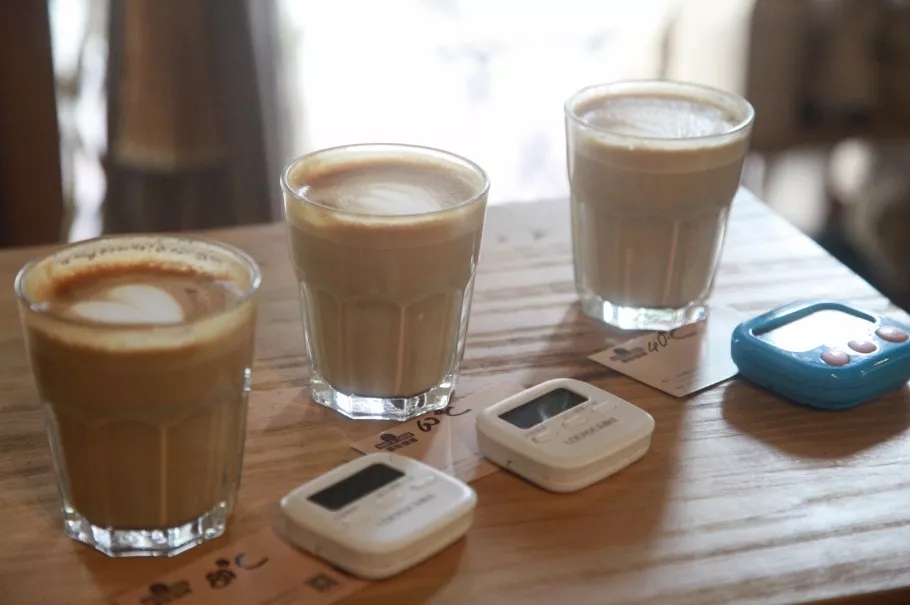
FrontStreet Coffee selected three milk foam temperatures - 80°C, 60°C and 40°C - to make lattes, using FrontStreet Coffee's premium espresso beans for the tests (roast level: medium-dark; beans: a 100% Arabica blend at a Colombia 4 : Brazil 6 ratio).
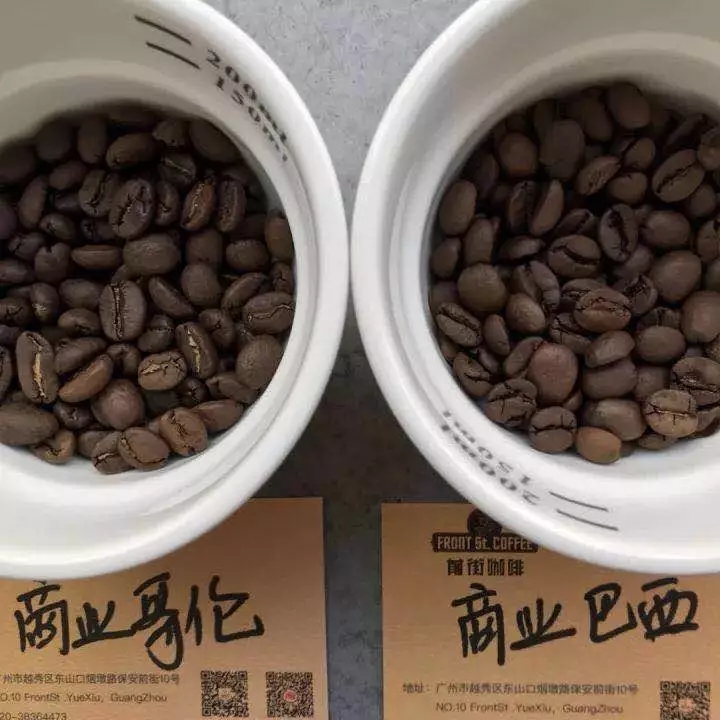
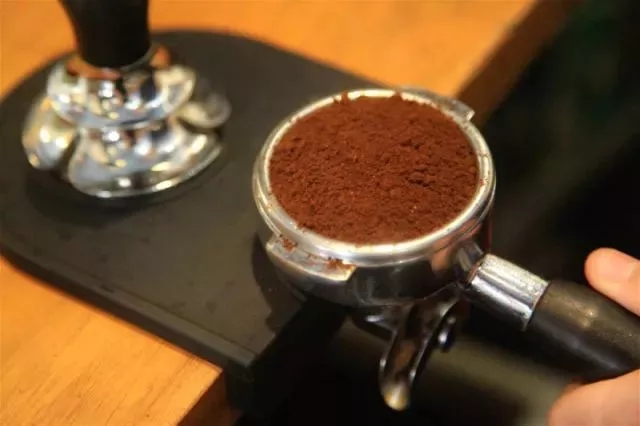
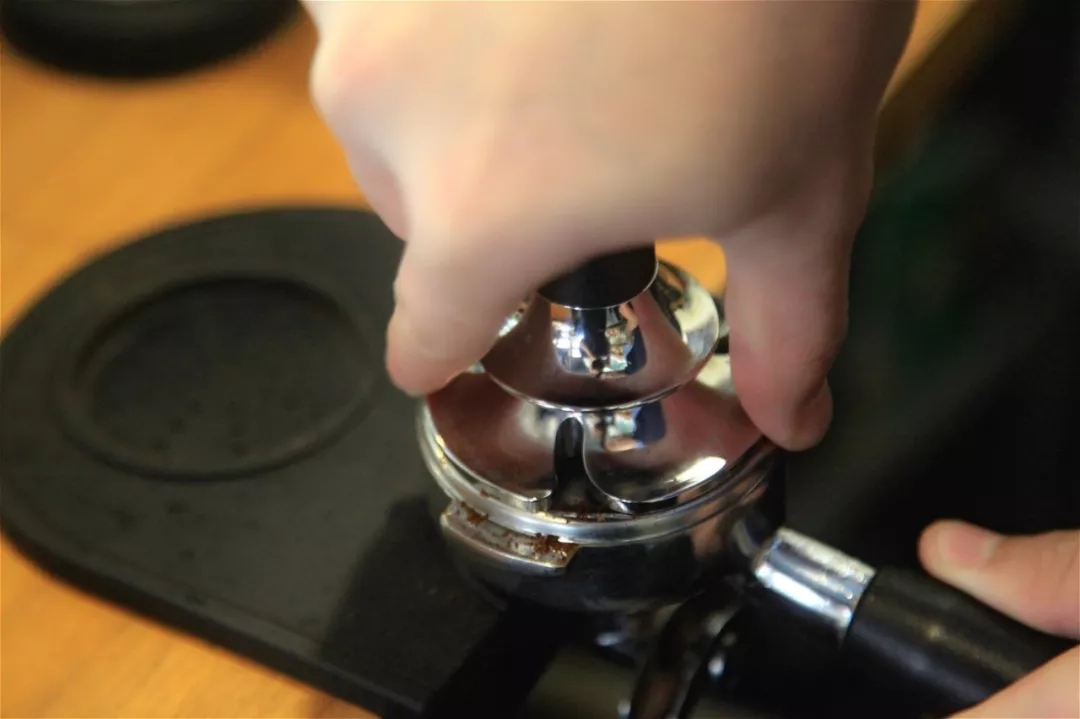
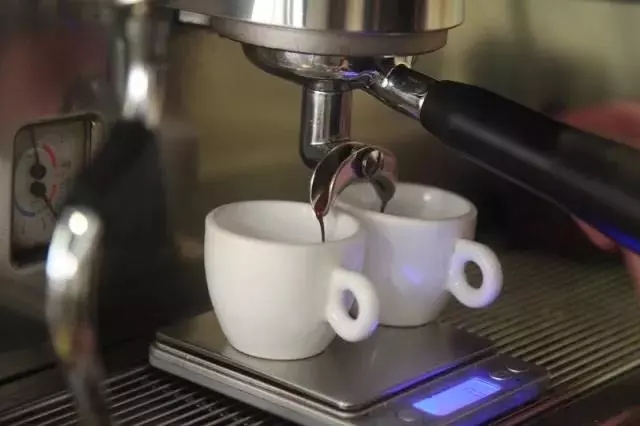
Espresso base: Ground on the Fiorenzato 900N grinder at setting 2, using 20g of coffee grounds at a 1:2 ratio, extracted for 25 seconds to yield 40g of espresso.
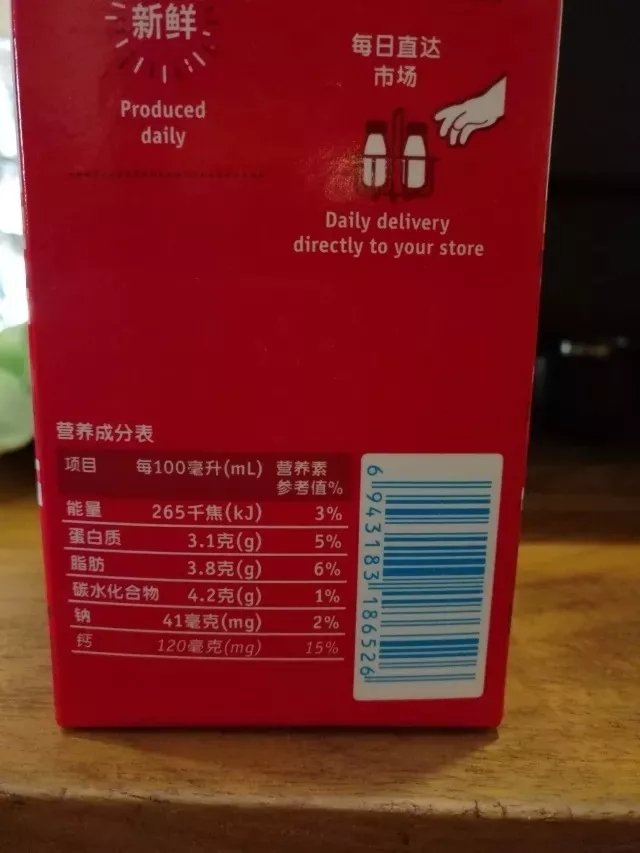
Milk: Vital Dairy fresh milk with 3.8% fat content.
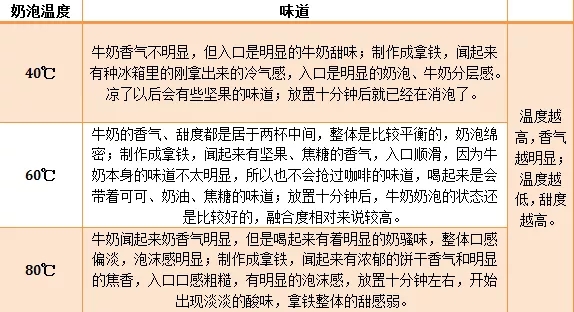
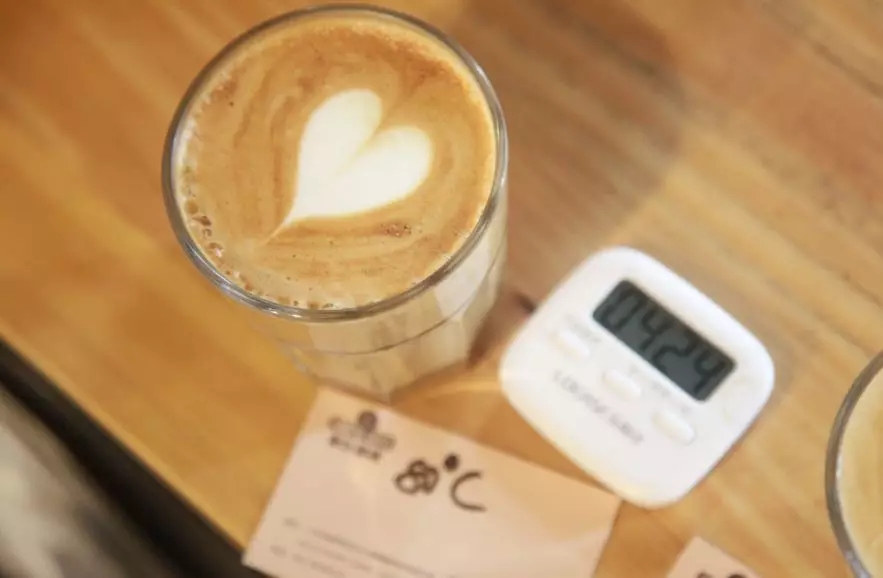
[80°C] The milk has a noticeable milky aroma when smelled, but tastes distinctly sour, with a light overall mouthfeel and a prominent foam sensation. Made into a latte, it has a rich biscuit aroma and obvious burnt fragrance. The entry feels rough, with a noticeable foam sensation. After about ten minutes, a faint sourness begins to emerge, and the latte's overall sweetness is weak.
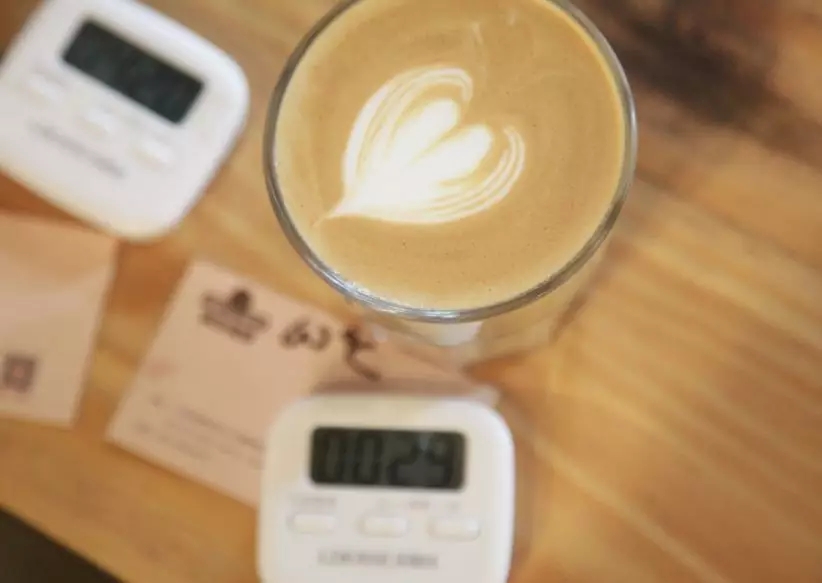
[60°C] The milk's aroma and sweetness sit between the other two cups, showing overall balance with fine foam. Made into a latte, it has nut and caramel aromas. The entry is smooth, and because the milk's own flavor is not too prominent it does not overpower the coffee, tasting of cocoa, cream and caramel. After ten minutes, the milk foam is still in good condition and relatively well integrated.
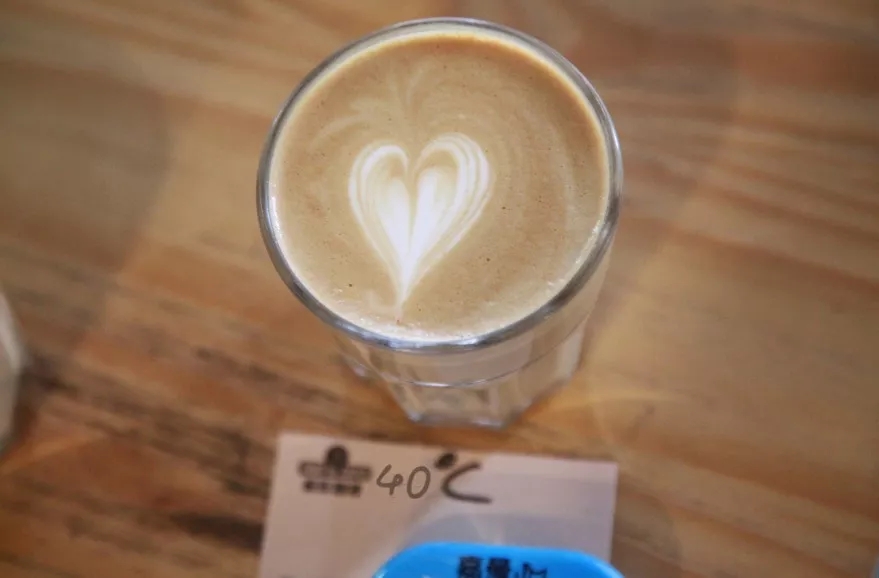
[40°C] The milk aroma is not obvious, but the entry has a distinct milk sweetness. Made into a latte, it smells like something just taken out of the refrigerator, with a clear separation between foam and milk. After cooling, it develops some nutty flavors. After ten minutes, it has already begun to lose its foam.

Further Temperature Testing
Of the three temperatures, 60°C looks the most ideal. FrontStreet Coffee then tested what happens when making milk coffee with milk foam at 50°C, 60°C and 70°C. Since the temperature differences are not large, FrontStreet Coffee chose to make cappuccinos to better observe how quickly the foam dissipates.
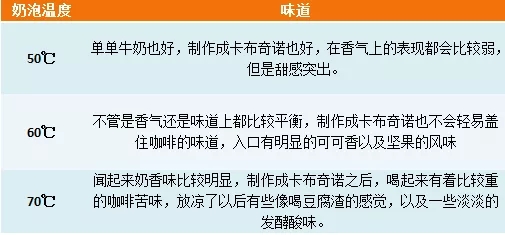

[70°C] Has a more noticeable milky aroma. Made into a cappuccino, it tastes quite heavily of coffee bitterness. After cooling, it feels somewhat like drinking tofu residue, with a faint fermented sourness.

[60°C] Shows good balance in both aroma and taste. Made into a cappuccino, it does not easily overpower the coffee flavor. The entry has a distinct cocoa fragrance and nutty notes.

[50°C] Whether as plain milk or made into a cappuccino, the aroma is relatively weak, but the sweetness is prominent.
Conclusion
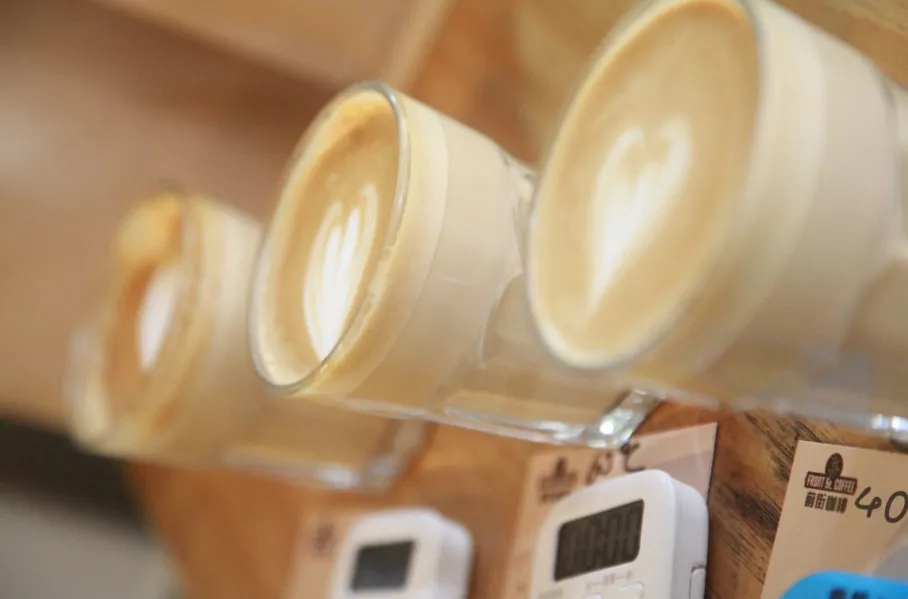
Although it is commonly heard that milk foam temperature should ideally be between 50°C-70°C, after comparing several temperatures FrontStreet Coffee found that milk at around 50°C actually has more prominent sweetness, while at 70°C the milky aroma stands out and the foam lasts longer. Milk at 60°C sits in the middle for both aroma and sweetness.
Why does FrontStreet Coffee usually choose milk around 60°C when serving?
Mainly because milk at 70°C is close to the point where it begins to spoil. Without proper control it can easily turn, and at 70°C it is too hot to drink and will start to spoil if left out a little too long. Meanwhile, 50°C is rather low - especially in winter, it would already be cool by the time it reaches a guest. On top of that, the excessive sweetness of milk at this temperature can easily mask the coffee flavor.
So which foam temperature should you choose? FrontStreet Coffee suggests deciding based on the ambient temperature and how you want to express the latte's flavor.
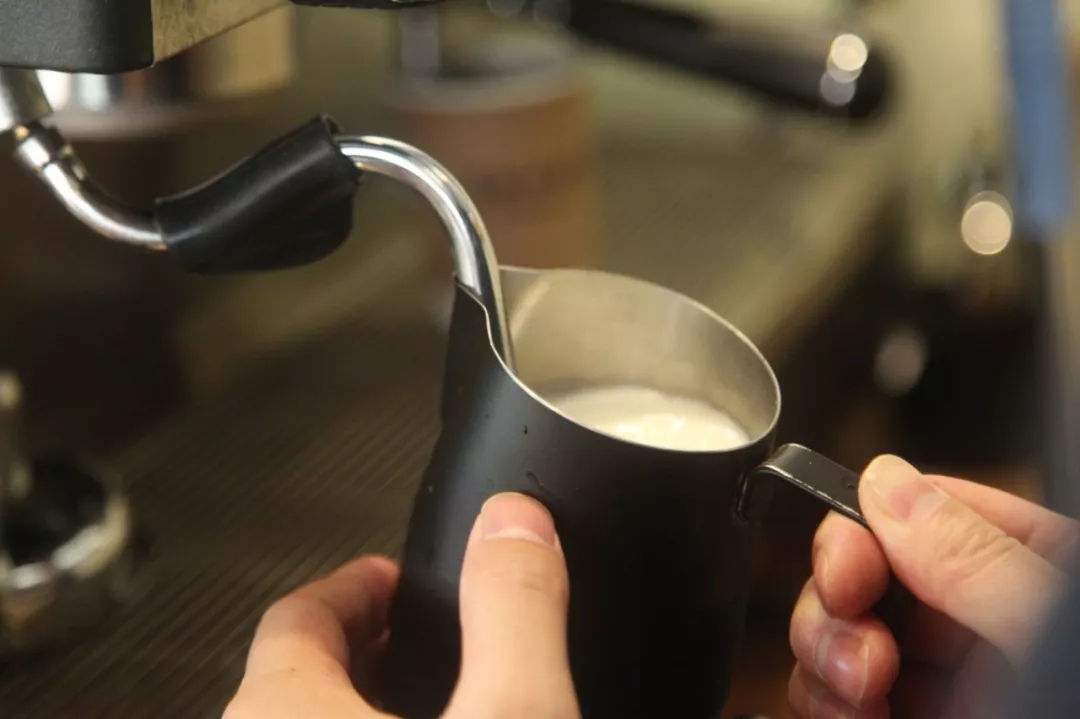
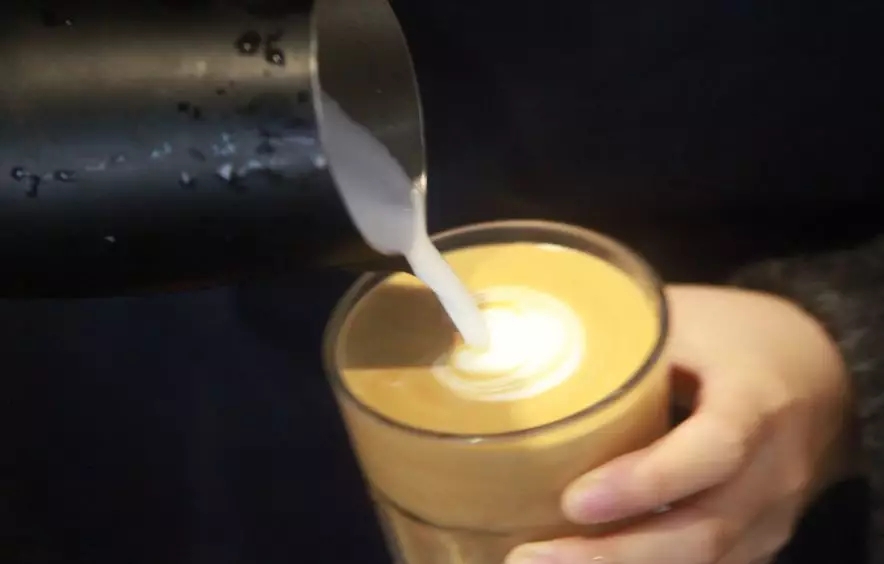
If the weather is cold, you can choose a slightly higher milk frothing temperature so it does not cool down too quickly. If the weather is too hot, frothing to 50°C-60°C is enough - just right for drinking straight away.
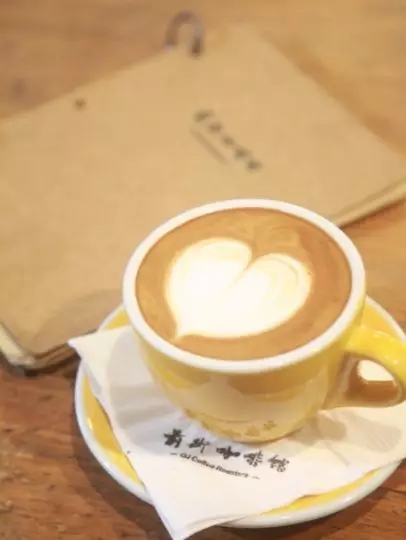
If you do not want the milk to overpower the coffee, choose milk foam around 60°C, where the balance of taste and aroma is best and it is less likely to steal the show from the coffee. If you want a latte with prominent sweetness, control the milk foam to around 50°C, where the sweetness is distinct and it will not be easily overwhelmed by the coffee flavor in a milk coffee.
FrontStreet Coffee Recommendation
Because milk tames sharp acidity, the best base for milk drinks tends to be a balanced, low-acid coffee, and Brazil fits that role perfectly. As the world's largest coffee producer, Brazil grows beans with moderate acidity and a fine balance of sweetness, bitterness and body, which makes them ideal for medium roasting: a nutty aroma and a smooth cup with a faint acidity that works as a single origin or in a blend.
FrontStreet Coffee's Brazil Cerrado Red Bourbon is a classic entry point - a semi-dry Cerrado single origin and a red Bourbon from a well-known region. Roasted medium, it gives creamy peanut, toasted bread, caramel and hazelnut, with a rounded, low-acid cup and a gentle bitter finish, and it is at home in a moka pot, an espresso machine or a French press as well as pour-over. For something rarer, FrontStreet Coffee's Brazil Queen Estate Yellow Bourbon comes from Mogiana, where fertile red volcanic soil helps the fruit develop intense aromas, and the yellow Bourbon mutation is cleaner and fruitier, with sugarcane sweetness, fruit and chocolate. Brazilian beans also give many FrontStreet Coffee espresso blends their creamy, balanced base - the Classic Blend and the richer Premium Blend both rely on them for chocolate and cream aromas and stable extraction, which is exactly what you want under steamed milk.
Important Notice :
FrontStreet Coffee is a long-established specialty coffee roaster in Guangzhou China, selling freshly roasted beans from its own farm in Yunnan as well as dozens of carefully selected single-origin beans from around the world for both pour-over and espresso. The products deliver consistently excellent quality and great value, with shipping within 24 hours. Guangzhou's FrontStreet Coffee shop is recommended by many coffee lovers, and the beans are now available online at the Tmall 。
FrontStreet Coffee has moved to a new address:
FrontStreet Coffee Address: 315,Donghua East Road,GuangZhou
Tel:020 38364473
 Scan and follow the En Gafei WeChat official account. Please indicate that the reprint comes from "En Gafei".